What is Panax Gingseng?
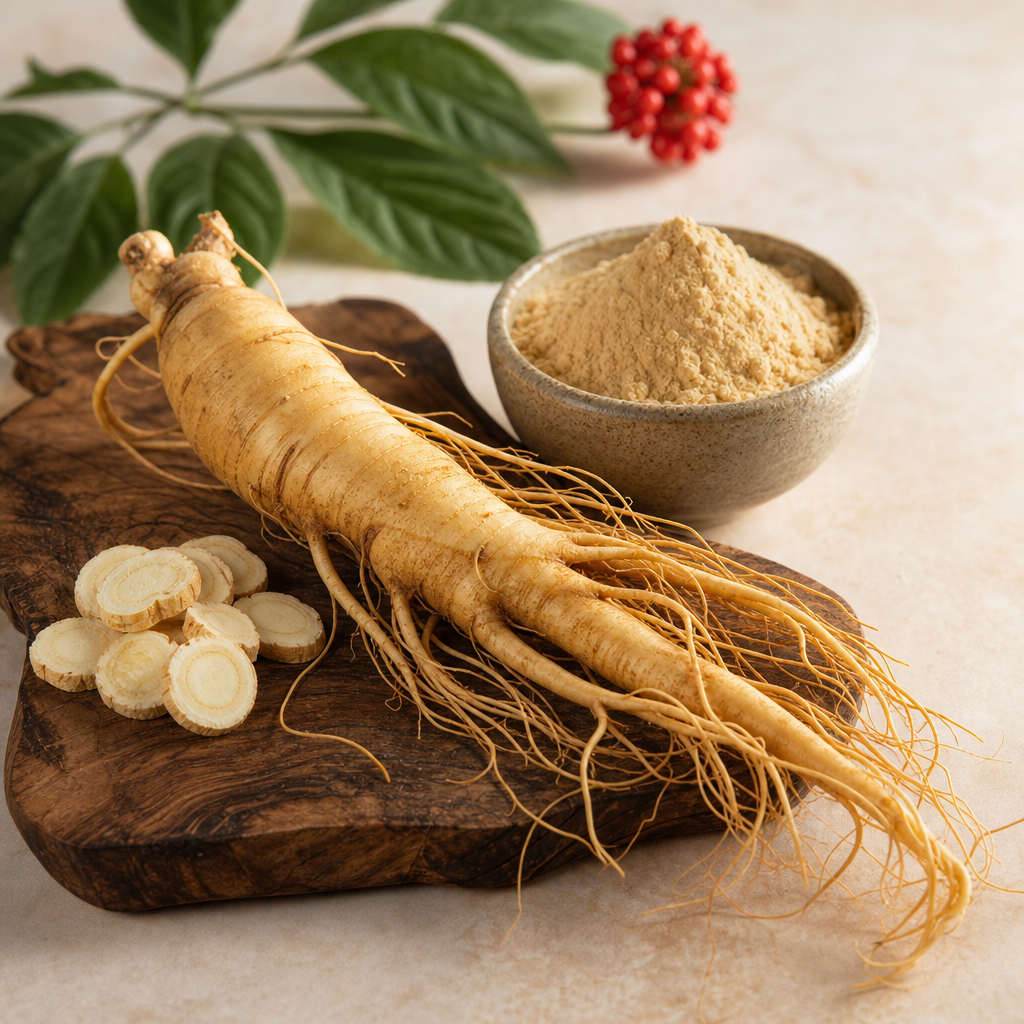
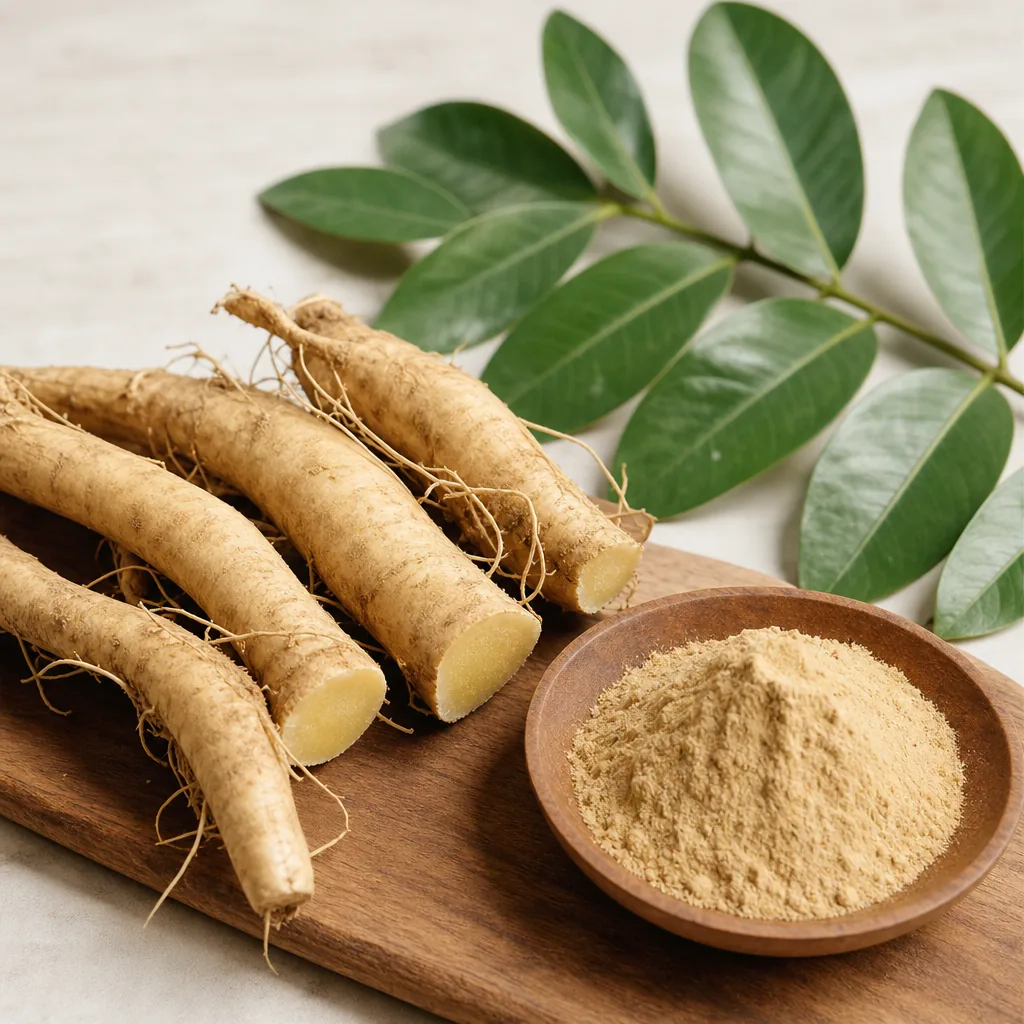
Panax ginseng—often misspelled as “gingseng”—is a traditional medicinal herb native to East Asia, especially Korea and China. It is sometimes called Asian or Korean ginseng and should not be confused with American ginseng (Panax quinquefolius) or Siberian “ginseng” (Eleutherococcus senticosus), which are different plants with distinct active compounds. The root of Panax ginseng is prized for its ginsenosides (also called panaxosides), a diverse group of saponins believed to drive many of its physiological effects.
Panax ginseng is considered an adaptogen, a botanical category used to describe herbs that may help the body adapt to physical or mental stressors. It is not an essential nutrient like a vitamin or mineral; the body does not require it for basic survival. Instead, it is a plant-derived supplement that may support areas such as energy, cognitive function, immune balance, and metabolic health. In traditional systems like Korean and Chinese medicine, ginseng has been used for centuries to promote vitality, resilience, and healthy aging. Modern research continues to explore these potential benefits, with findings that vary by dose, extract type, and study population.
Benefits of Panax Gingseng
-
Cognitive performance and mental fatigue
(Moderate evidence)
Panax ginseng may acutely support aspects of attention and working memory, particularly during mentally demanding tasks or fatigue. Several controlled trials with standardized extracts report small but meaningful improvements in reaction time and mental arithmetic. Effects can be modest and may depend on dose, ginsenoside profile, and individual variability. Benefits often appear within hours of dosing and may persist with consistent use over several weeks.
-
Perceived energy and stress resilience
(Mixed evidence)
As an adaptogen, Panax ginseng is traditionally used to counter fatigue and support stress management. Some studies report improvements in subjective energy, vitality, and quality of life in stressed or fatigued adults, while others show little change. Differences in extract standardization, baseline fatigue, and study duration likely contribute to mixed results. When benefits occur, they tend to be modest and may be more noticeable in individuals experiencing stress-related tiredness.
-
Glycemic control in adults with elevated blood sugar
(Moderate evidence)
Trials using standardized Panax ginseng extracts suggest small reductions in fasting glucose and post-meal blood sugar in people with impaired glucose tolerance or type 2 diabetes when used alongside diet and prescribed care. Effects are generally modest rather than dramatic, and not all studies agree. Individuals on glucose-lowering medication should use caution and monitor for hypoglycemia.
-
Erectile function and sexual health
(Moderate evidence)
Korean red ginseng (a steamed form of Panax ginseng) has demonstrated improvements in erectile function scores in several randomized trials, potentially via nitric oxide–related mechanisms and microvascular effects. Benefits are typically observed after several weeks at standardized doses. Responses vary, and ginseng should not replace evaluation for underlying cardiovascular or endocrine issues.
-
Immune support and upper respiratory health
(Limited evidence)
Panax ginseng exhibits immunomodulatory activity in cell and animal studies, and some human trials suggest it may reduce the incidence or duration of common colds when taken regularly during cold season. However, results are inconsistent, and benefits appear to depend heavily on the specific extract. Ginseng should not be considered a substitute for vaccines or standard medical care.
-
Exercise capacity and recovery
(Limited evidence)
Findings are inconsistent regarding improvements in VO2max, time to exhaustion, or muscle strength. Some small studies note minor benefits in perceived exertion or recovery markers, but many show no significant change. Any ergogenic effect, if present, seems small and may depend on training status, dose, and extract composition.
Types or Forms Available
-
Whole root: white vs. red ginseng
— White ginseng is the air-dried root; red ginseng is steamed and dried, which alters the ginsenoside profile and may enhance certain compounds. Red ginseng (often called Korean red ginseng, KRG) is frequently used in research on sexual function and vitality. Whole roots can be sliced, chewed, or brewed as tea; potency varies with plant age (older roots generally contain more active compounds).
-
Standardized extracts (capsules or tablets)
— Many supplements are standardized to a specific ginsenoside content (often around 3–7%, and sometimes higher). Named extracts such as G115 or specific Korean red ginseng extracts aim for consistent levels of active constituents. This form allows more predictable dosing than whole root.
-
Fermented or “compound K–enriched” ginseng
— Fermentation can transform ginsenosides into forms that may be more bioavailable (e.g., compound K). Early research suggests potential advantages for absorption, but real-world benefits versus standard extracts remain under investigation.
-
Liquid tinctures and teas
— These offer flexible dosing and traditional preparation but can vary widely in potency. Teas are typically milder than standardized capsules.
-
Powders and functional beverages
— Ginseng powders are added to smoothies or drinks; energy shots may combine ginseng with caffeine and other stimulants. Be cautious with stimulant blends if you are sensitive to caffeine or have cardiovascular concerns.
-
Species and “look-alikes”
— Panax ginseng (Asian/Korean) differs from American ginseng (Panax quinquefolius) and Siberian “ginseng” (Eleutherococcus), which have distinct actives and effects. Product labels should clearly state Panax ginseng and standardization.
How to Use Panax Gingseng
Start with a reputable, standardized extract and introduce it gradually to assess tolerance. Because product potency varies, always follow the manufacturer’s directions and consider consulting a qualified professional, especially if you take medications or manage a medical condition.
-
Common dosage range:
200–400 mg per day of a standardized extract (commonly around 3–7% total ginsenosides) is frequently used. For whole root, typical intakes are about 1–2 grams per day, and Korean red ginseng protocols sometimes use 1–3 grams daily. Higher doses are not inherently better and may raise the risk of side effects.
-
Best timing:
Morning or early afternoon is preferred to minimize sleep disruption. Some people use split dosing (e.g., morning and early afternoon). Avoid taking near bedtime.
-
How to take it:
Capsules can be taken with water; take with food if you notice stomach upset. Teas and tinctures are options if you prefer lower, titratable doses. Avoid combining with high-dose caffeine if you experience jitteriness or palpitations.
-
Consistency:
Some effects may appear acutely (hours), especially for attention, while others (sexual function, metabolic markers) may require daily use for 4–12 weeks. Many users cycle ginseng (e.g., 6–12 weeks on, 1–2 weeks off), though cycling is a practical approach rather than a strict requirement based on strong evidence.
Food Sources and Supplement Options
Panax ginseng is an herb, not a common dietary food. The primary natural source is the root of the Panax ginseng plant, consumed directly (chewed, sliced, or brewed) or processed into red ginseng by steaming. Because routine diets do not provide meaningful amounts, most people who use ginseng obtain it from supplements or traditional preparations.
Supplements can offer targeted and consistent dosing through standardized extracts, which is helpful for research-backed uses like cognitive support or sexual function. Whole-root preparations may provide a broader spectrum of plant compounds but with greater variability in potency. Whole foods generally supply essential nutrients and fiber that ginseng does not; ginseng is best viewed as a complementary botanical rather than a replacement for a nutrient-dense, food-first eating pattern.
Who May Benefit from Panax Gingseng?
-
Adults seeking modest support for focus or mental performance during periods of fatigue or demanding tasks.
-
Individuals looking for non-pharmaceutical support for mild erectile difficulties, alongside lifestyle measures and medical evaluation when appropriate.
-
People interested in small, adjunctive improvements in blood sugar management in conjunction with diet, exercise, and prescribed care.
-
Those experiencing stress-related tiredness who prefer trying an adaptogenic herb with a measured, safety-conscious approach.
-
Older adults aiming to support vitality and quality of life with a traditional botanical, recognizing benefits are typically modest.
-
Athletes or active individuals curious about perceived exertion or recovery support, understanding evidence for performance enhancement is limited.
Side Effects and Considerations
-
Common side effects:
Insomnia, nervousness, headache, gastrointestinal upset, and changes in blood pressure or heart rate can occur, especially at higher doses or with stimulant combinations.
-
Blood sugar interactions:
Ginseng may lower blood glucose. People with diabetes or hypoglycemia, or those taking insulin or oral hypoglycemics, should monitor closely and consult their healthcare provider.
-
Bleeding and surgery:
Potential interactions with anticoagulants or antiplatelets (e.g., warfarin, aspirin, clopidogrel) have been reported. Stop ginseng at least 1–2 weeks before surgery and discuss with your clinician.
-
Medication interactions:
Case reports suggest interactions with MAO inhibitors and possible effects on certain CYP enzymes; caution is advised with psychiatric medications, immunosuppressants, and other drugs with narrow therapeutic windows.
-
Hormone-sensitive conditions:
While ginseng is not a phytoestrogen in the same way as some botanicals, limited data suggest it may influence hormone-related pathways. People with hormone-sensitive conditions should seek medical advice before use.
-
Pregnancy, breastfeeding, and children:
Safety data are insufficient. Avoid use during pregnancy and lactation, and do not give to children unless a healthcare professional recommends it.
-
Mental health considerations:
Rare cases of agitation or mania have been reported, especially in combination with certain antidepressants or in bipolar disorder. Individuals with psychiatric conditions should use caution.
-
Autoimmune and transplant concerns:
Due to immunomodulatory effects, those with autoimmune disorders or organ transplants should consult their specialist before use.
-
Liver and kidney health:
Use cautiously if you have hepatic or renal impairment. Report any signs of jaundice, dark urine, or unexplained fatigue to your clinician.
-
Quality and adulteration:
Ginseng products can be adulterated or inaccurately labeled. Choose brands that use Panax ginseng (not Siberian “ginseng”) and provide third-party testing for ginsenoside content, contaminants, and pesticides.
Common Myths About Panax Gingseng
-
Myth: “Ginseng is a cure-all for energy, sex, and longevity.”
While Panax ginseng has a long history of use and promising research in several areas, benefits are generally modest and vary by person, dose, and extract. It should complement—not replace—healthy sleep, nutrition, exercise, and appropriate medical care.
-
Myth: “All ginsengs are the same.”
Panax ginseng differs from American ginseng and Siberian “ginseng,” each with distinct active compounds and effects. Even within Panax ginseng, white vs. red and standardized extracts can have different ginsenoside profiles and potencies.
-
Myth: “More ginsenosides always mean better results.”
Higher total ginsenoside content does not guarantee superior outcomes. The specific types (profile) and bioavailability matter, and more is not necessarily better for safety or effectiveness.
-
Myth: “Natural means completely safe.”
Ginseng can interact with medications, affect blood sugar and blood pressure, and cause side effects like insomnia. “Natural” products still require informed, cautious use.
Conclusion
Panax ginseng is a time-honored adaptogenic herb with modern research supporting modest benefits for cognitive performance under fatigue, perceived energy, sexual function, and select metabolic markers. It is not an essential nutrient, and its effects are usually incremental rather than dramatic. If you choose to use ginseng, prioritize standardized, third-party–tested products and a realistic expectation of outcomes. Many uses require consistent intake for several weeks.
People who are pregnant or breastfeeding, children, and those taking medications—especially for blood sugar control, bleeding risk, mental health, or immune suppression—should consult a healthcare professional before use. Individuals with hormone-sensitive conditions, liver or kidney concerns, or upcoming surgery should also proceed with caution. A food-first approach remains foundational for health, with ginseng used as a complementary botanical when targeted support is desired. Quality, appropriate dosing, and medical guidance are key to using Panax ginseng safely and effectively.