What is Longjack Tongkat Ali?
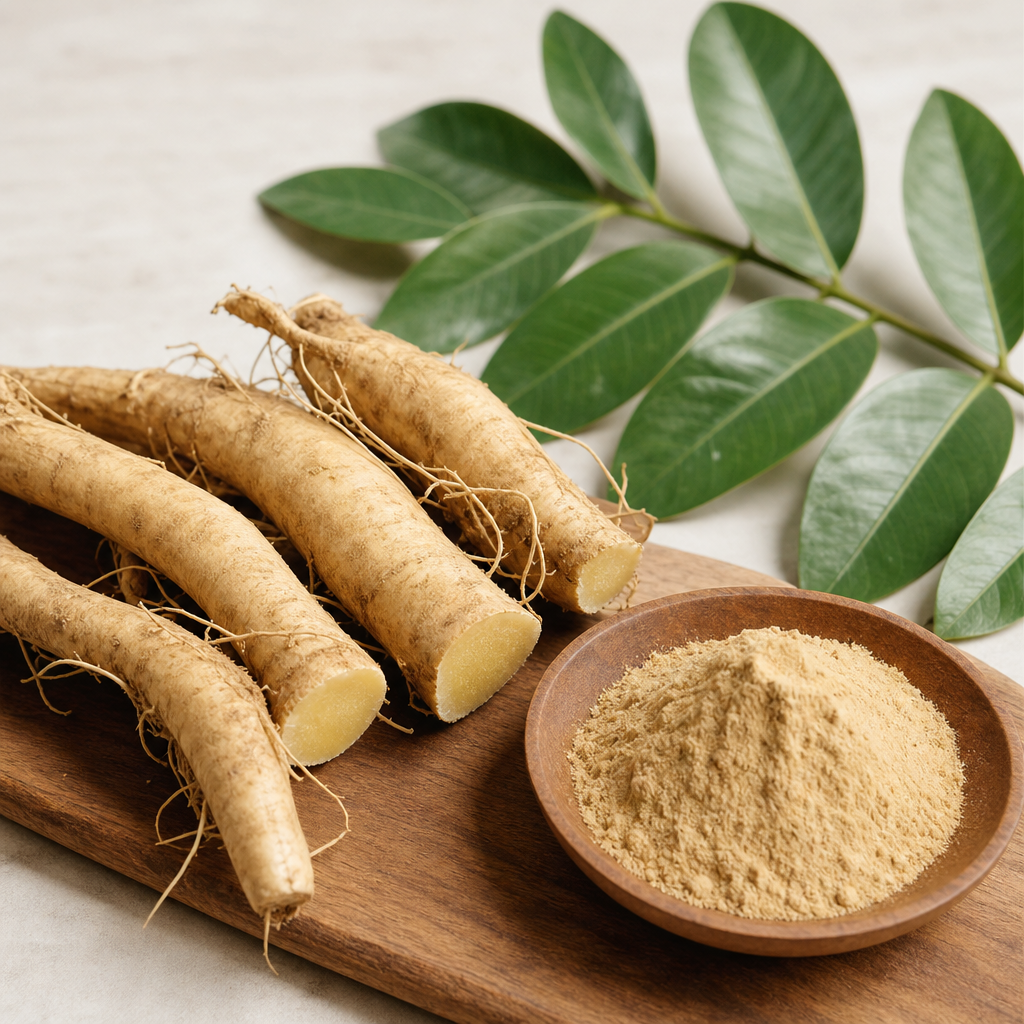
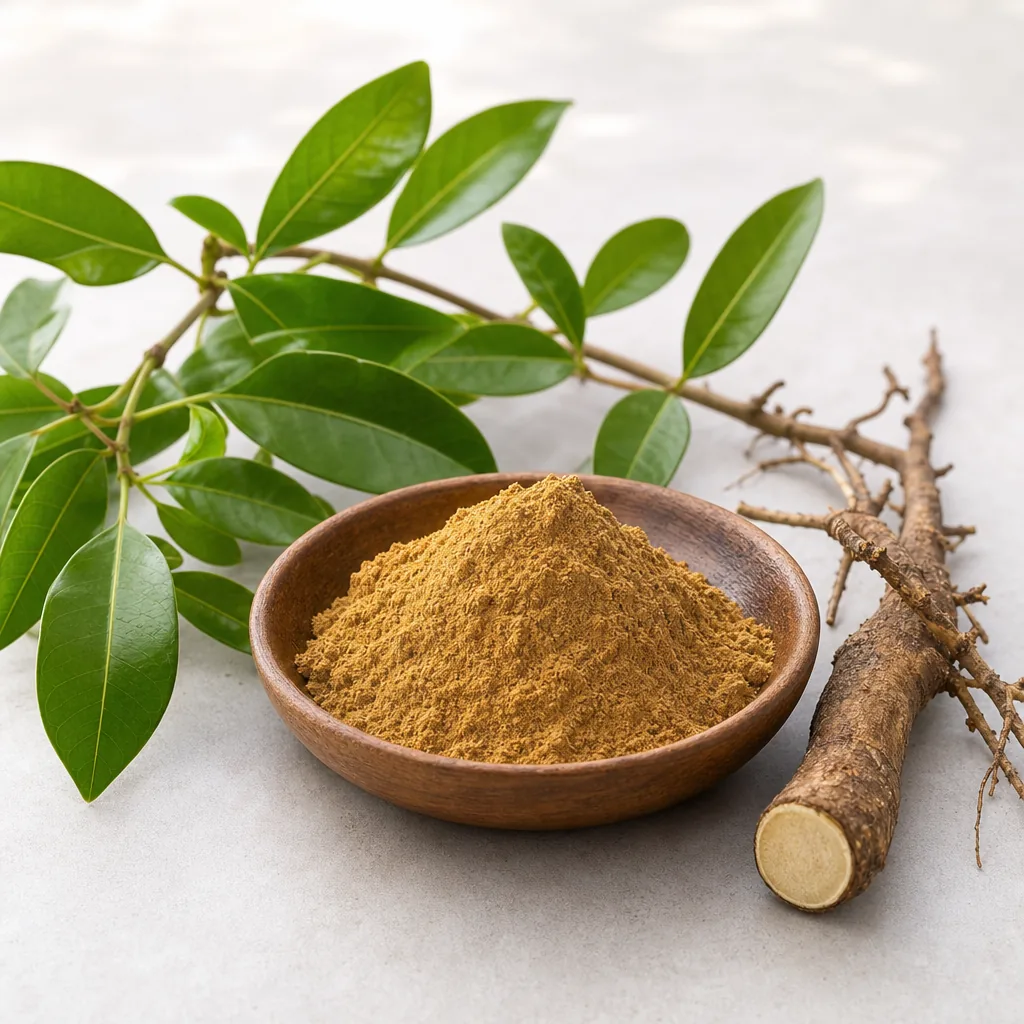
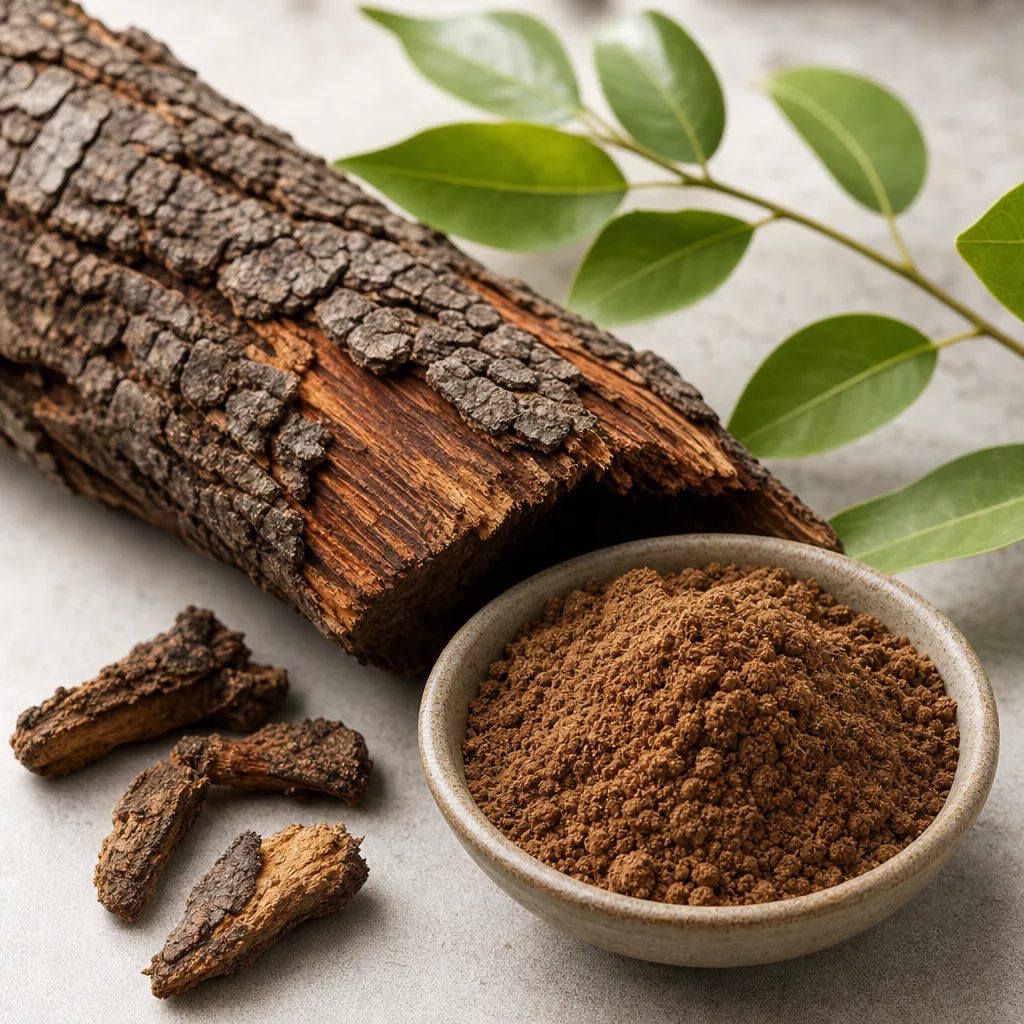
Longjack, commonly known as Tongkat Ali (Eurycoma longifolia), is a bitter-rooted medicinal herb native to Southeast Asia, especially Malaysia and Indonesia. Traditionally prepared as a decoction or tea, it has been used in folk practices for vitality, sexual health, and recovery from fatigue. Modern supplements typically concentrate specific compounds from the root into standardized extracts to provide more predictable dosing compared with traditional preparations.
Tongkat Ali is an herb and botanical extract, not an essential nutrient like a vitamin or mineral. The body does not technically require it for survival or to prevent deficiency diseases. Instead, it is used as a supplement to support specific wellness goals—most often sexual health, stress resilience, and sometimes athletic performance. Its proposed effects are attributed to bioactive constituents such as eurycomanone, quassinoids, glycosaponins, and peptides that may influence hormone signaling, stress response, and energy metabolism.
Benefits of Longjack Tongkat Ali
-
Sexual desire and function in men
(Moderate evidence)
Several small to mid-sized clinical trials report improvements in libido and sexual satisfaction when standardized Tongkat Ali extracts are taken for 4–12 weeks, particularly in men with low-to-moderate baseline desire. Outcomes often include self-reported sexual well-being and frequency. Effects seem more pronounced in individuals with age-related decline or stress-related reductions in sexual function. While not a replacement for medical evaluation of erectile dysfunction, Tongkat Ali may be a supportive adjunct for general sexual wellness.
-
Male fertility parameters (sperm quality)
(Moderate evidence)
Multiple studies have observed improvements in sperm concentration, motility, and morphology after daily supplementation for several months. Benefits appear more likely in men with subfertile profiles at baseline. Proposed mechanisms include stress-hormone modulation and potential support of the hypothalamic–pituitary–gonadal (HPG) axis. While promising, fertility is multifactorial; results can vary, and professional evaluation remains important.
-
Stress, mood, and cortisol–testosterone balance
(Moderate evidence)
Randomized and open-label studies have shown reductions in self-reported tension and anger, along with shifts toward a healthier cortisol-to-testosterone ratio following Tongkat Ali intake. These effects suggest adaptogen-like properties that may support resilience under psychological or physical stress. Not all studies are large or long in duration, but the pattern of improved mood state and stress biomarkers is consistent across several trials.
-
Total and free testosterone support (primarily in those with low-normal or stress-related reductions)
(Mixed evidence)
Some trials report modest increases in total or free testosterone, especially among men with low-normal levels or high stress, whereas others find no significant change in eugonadal, healthy men. Any increases observed are generally within physiological ranges rather than dramatic surges. Variability likely reflects differences in extract standardization, dosing, baseline hormone status, and study design.
-
Exercise performance and training adaptations
(Limited evidence)
Preliminary research suggests small benefits for strength, muscular endurance, or training recovery, particularly when paired with resistance training. Findings are not universally consistent, and effect sizes are generally modest. More rigorous, larger studies are needed to clarify whether Tongkat Ali provides reliable ergogenic support beyond a structured training and nutrition program.
Types or Forms Available
-
Standardized aqueous extracts (e.g., eurycomanone-standardized)
: These are the most researched forms. Look for standardized markers such as eurycomanone (e.g., ~0.8–2%), glycosaponins (e.g., 20–40%), or peptide content (sometimes labeled as “eurypeptides”). Standardization helps ensure more consistent potency between batches.
-
Ratio extracts (e.g., 100:1, 200:1)
: A ratio indicates the amount of raw root used to produce one part of extract but does not guarantee the level of active compounds. Two products with the same ratio can differ in bioactive content. Choose brands that list both a ratio and quantified actives, not just a ratio claim.
-
Full-spectrum root powder
: Ground root with minimal processing. It typically contains lower concentrations of actives per gram and has a strong bitter taste. Suitable for traditional preparations (teas or decoctions), but dosing tends to be higher and less precise.
-
Liquid tinctures and teas
: Convenient for people who prefer non-capsule formats. Potency can vary widely depending on extraction method and concentration. Verify standardized active content when possible.
-
Combination formulas (e.g., with Tribulus, maca, zinc)
: Designed for men’s health or performance stacks. Blends can complicate dosing and may not match research-used amounts of Tongkat Ali. They also carry a higher risk of undeclared ingredients; choose reputable, third-party tested products.
How to Use Longjack Tongkat Ali
Practical use hinges on consistent dosing, product quality, and realistic expectations. Because long-term data are limited, start conservatively, monitor how you feel, and discuss use with a qualified professional, especially if you take medications or manage a health condition.
-
Common dosage range:
Many clinical studies use 200–400 mg per day of a standardized extract for 4–12 weeks. Some protocols extend to 600 mg per day in divided doses, but higher intakes are not necessarily more effective and may increase side effects. Use products that specify active markers (e.g., eurycomanone content) to align with research-grade potency.
-
Best timing:
Morning or early afternoon is common, as some users experience increased alertness. Avoid taking it late in the evening if you are sensitive to sleep disturbances. Athletes sometimes split the dose around training days.
-
How to take it:
Capsules with water are most typical. If you experience stomach upset, take it with a small meal. Avoid stacking with strong stimulants or high-caffeine pre-workouts until you know your response.
-
Consistency:
Daily use is generally recommended to assess effects, with noticeable changes often reported after 2–4 weeks. Given limited data on continuous long-term use, some people incorporate periodic breaks (e.g., cycles of 8–12 weeks on, followed by 2–4 weeks off), though cycling is based on practice rather than definitive evidence.
Food Sources and Supplement Options
Tongkat Ali is a botanical root rather than a dietary nutrient, so it is not a typical component of everyday foods. Traditionally, it is consumed as a bitter tea or decoction using the dried root. In modern wellness practice, it is mainly used as a standardized supplement (capsules, powders, or tinctures), which allows for consistent dosing that is difficult to achieve with homemade preparations.
Supplements may make sense when a targeted and reproducible dose is desired for goals such as sexual health or stress support. Whole-food approaches provide many essential nutrients and should remain the foundation of health; however, foods cannot replicate the specific bioactive profile of Tongkat Ali. Choose products from reputable brands with third-party testing for identity, purity, and contaminants.
Who May Benefit from Longjack Tongkat Ali?
-
Men with low-to-moderate libido or age-related declines in sexual desire who have been medically evaluated to rule out underlying conditions.
-
Men with suboptimal fertility parameters seeking adjunct support alongside clinical care and lifestyle changes.
-
Individuals experiencing high psychological or physical stress who are looking for modest support for mood and stress biomarkers.
-
Recreational or competitive trainees aiming for small, adjunctive support to a well-structured resistance program and adequate protein intake.
-
People who prefer plant-based or herbal options for sexual wellness, understanding that responses vary and results are not guaranteed.
Side Effects and Considerations
-
Common side effects:
Some users report insomnia, restlessness, irritability, headache, or gastrointestinal discomfort (nausea, loose stools), particularly at higher doses or when taken late in the day.
-
Hormone-sensitive conditions:
Because Tongkat Ali may influence androgenic pathways, individuals with hormone-sensitive conditions (e.g., prostate issues, breast or prostate cancer, endometriosis, uterine fibroids) should avoid use unless cleared by a healthcare professional.
-
Medication interactions and medical conditions:
Evidence on drug interactions is limited. Exercise caution if you take medications that affect hormones, mood, blood sugar, or blood pressure. People with liver or kidney concerns should consult a clinician before use due to limited long-term safety data.
-
Pregnancy, breastfeeding, and children:
Safety has not been established. Avoid use during pregnancy or breastfeeding, and do not give Tongkat Ali to children or adolescents.
-
Quality and contamination risks:
Male-enhancement products are at higher risk of adulteration (including undeclared pharmaceuticals) and heavy metals. Choose brands with third-party certification (e.g., NSF, USP, Informed Choice) and transparent standardization of actives.
-
Surgery and lab tests:
Discontinue at least two weeks before surgery as a precaution. Hormone-related lab tests could be influenced; inform your provider about supplement use.
-
Athlete considerations:
Tongkat Ali is not currently prohibited by major anti-doping agencies, but supplements can be contaminated. Competitive athletes should use products certified for sport and confirm with their governing bodies.
-
Individual variability:
Not everyone experiences benefits. If you develop persistent side effects, discontinue and seek medical advice.
-
Consultation advised:
If you are pregnant, breastfeeding, taking medications, or managing a medical condition, consult a qualified healthcare professional before use.
Common Myths About Longjack Tongkat Ali
-
Myth: Tongkat Ali instantly skyrockets testosterone in all men.
Reality: Increases are generally modest and most evident in men with low-normal or stress-suppressed levels. Many healthy, eugonadal men show little to no change. Studies report physiological, not extreme, shifts.
-
Myth: “Natural” means it is automatically safe for everyone.
Reality: Botanicals can have meaningful biological effects. Tongkat Ali may disturb sleep, affect mood, or interact with hormone-sensitive conditions. Safety during pregnancy, breastfeeding, and in children is not established.
-
Myth: All Tongkat Ali extracts are the same.
Reality: Extracts vary in method, ratio, and standardization of active compounds like eurycomanone. Products with the same “100:1” label can differ significantly in potency and effects. Look for quantified actives and third-party testing.
-
Myth: It builds muscle without training or diet changes.
Reality: Evidence for performance enhancement is limited. Any potential benefit is small and depends on consistent training, adequate protein, and overall recovery.
Conclusion
Tongkat Ali (Longjack) is a Southeast Asian herb used to support sexual health, stress resilience, and potentially training adaptations. The most consistent findings are improvements in libido, male fertility parameters, and stress-related mood and biomarker changes, with mixed results for testosterone and limited evidence for performance. Because it is not an essential nutrient, it should complement—not replace—foundational practices: balanced nutrition, sleep, training, and medical care when needed.
Choose quality, standardized products from reputable brands and start with conservative doses (often 200–400 mg/day). Individuals with hormone-sensitive conditions, those who are pregnant or breastfeeding, and anyone taking medications or managing a medical condition should seek professional guidance before use. A food-first approach remains key for essential nutrients, while Tongkat Ali—primarily available as a supplement—can offer targeted, adjunct support for select goals when used thoughtfully and safely.