What is Paraxanthine?
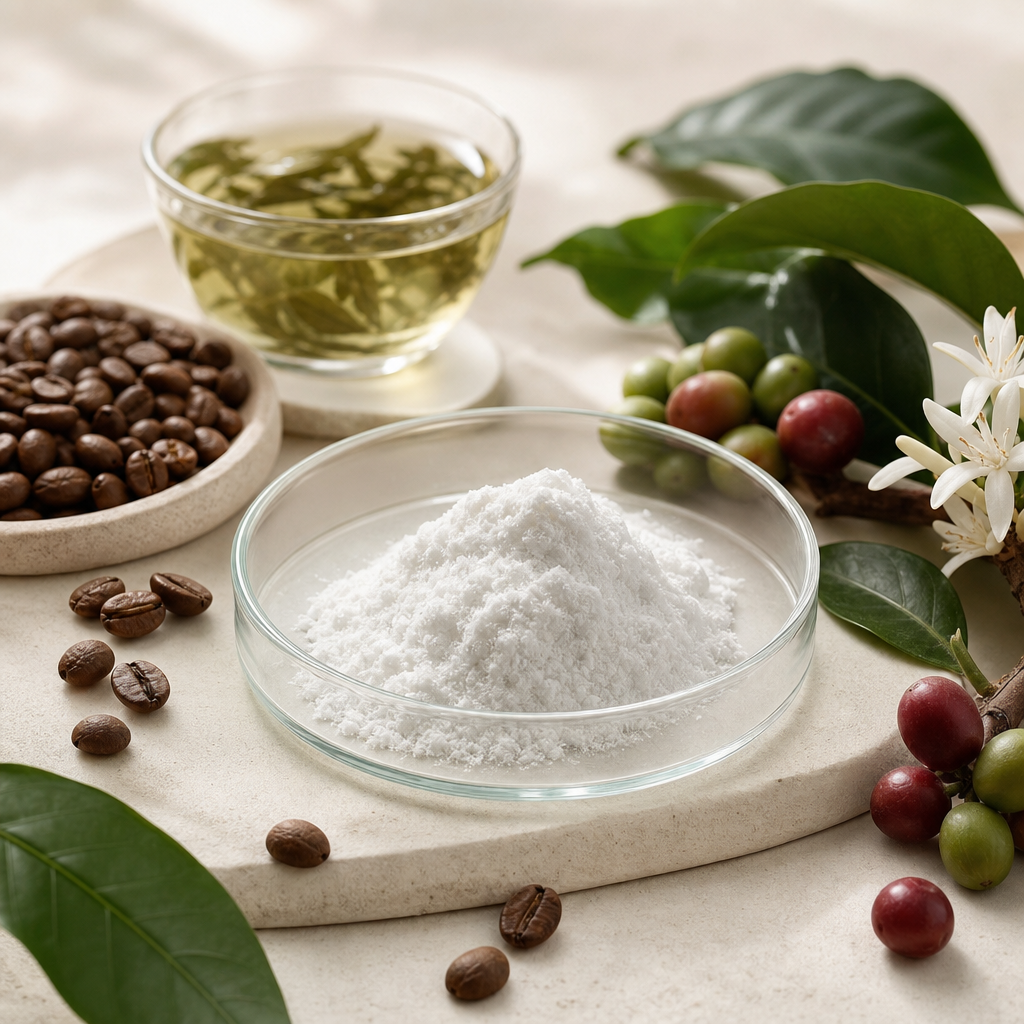
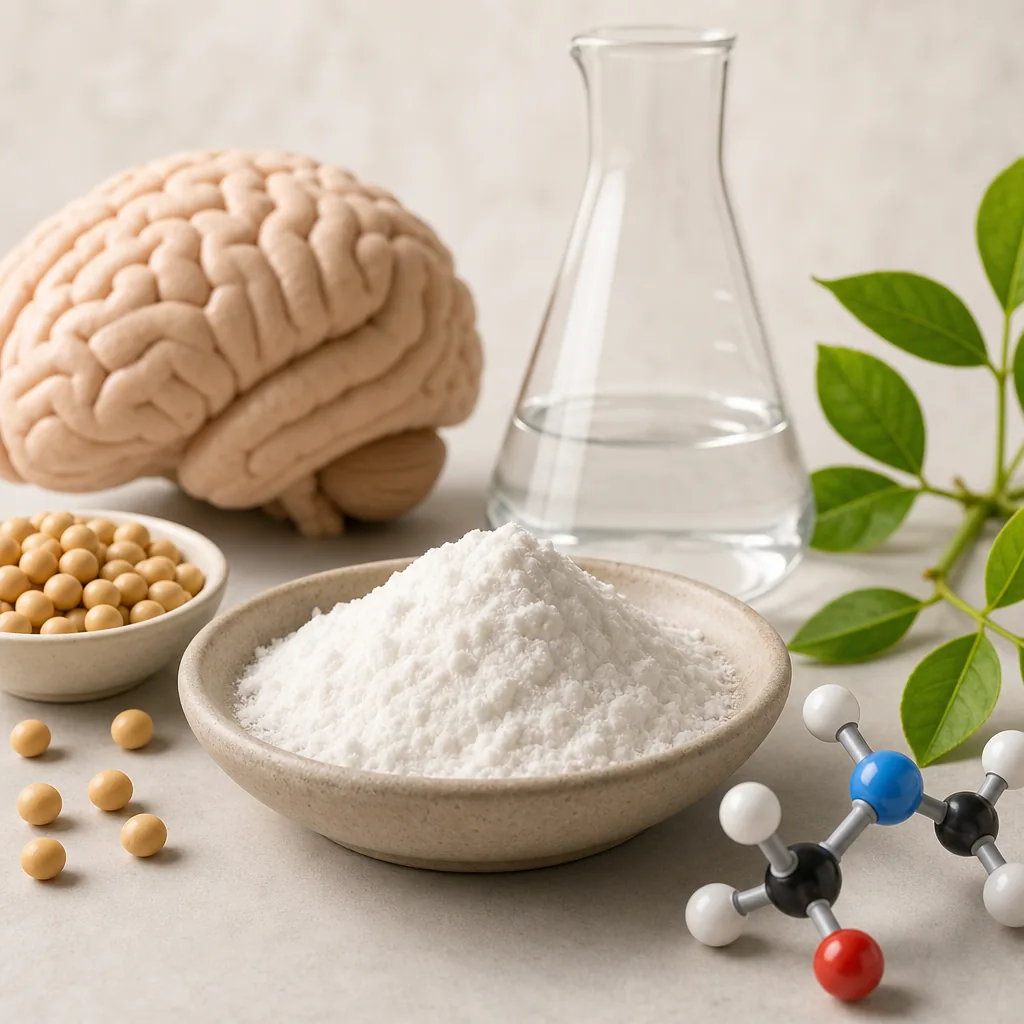
Paraxanthine (1,7-dimethylxanthine) is a methylxanthine stimulant and the principal active metabolite your body produces when it breaks down caffeine. After you consume coffee, tea, energy drinks, or other caffeine-containing products, the liver enzyme CYP1A2 converts much of that caffeine into paraxanthine. As a member of the xanthine alkaloid family (which also includes caffeine and theobromine), paraxanthine acts primarily by blocking adenosine receptors and influencing cellular messengers like cyclic AMP (cAMP), which together help increase alertness and reduce perceived fatigue.
In recent years, paraxanthine has also appeared as a standalone dietary supplement ingredient, sometimes branded and used in pre-workout formulas or nootropic blends. Unlike vitamins and minerals, paraxanthine is not an essential nutrient—your body does not require it to function, and deficiency states do not exist. It is best described as a bioactive compound or stimulant that can influence performance and cognition. Because it is closely related to caffeine but not identical, researchers are investigating whether paraxanthine may offer certain cognitive or performance effects with a different side-effect profile for some individuals.
Benefits of Paraxanthine
-
Increased alertness and reaction time
(Moderate evidence)
Small human crossover trials and early controlled studies suggest paraxanthine can improve vigilance, reaction time, and task engagement compared with placebo. Mechanistically, it antagonizes adenosine receptors (A1 and A2A), helping reduce feelings of drowsiness and sharpening attention similarly to caffeine. While the body of evidence is smaller than for caffeine, results to date generally support modest improvements in psychomotor performance.
-
Support for working memory and processing speed
(Limited to moderate evidence)
Preliminary research and pilot studies indicate potential benefits for short-term memory tasks, mental processing speed, and executive function, especially within 30–90 minutes after ingestion. Effects may be task- and dose-dependent, and not all studies show clear advantages over caffeine. More robust trials are needed to confirm consistency and magnitude of effect.
-
Exercise performance and perceived exertion
(Limited evidence)
Early data and mechanistic rationale (increased cAMP signaling and catecholamine activity) suggest paraxanthine may enhance aspects of exercise performance such as power output, time-to-exhaustion, or perceived effort reduction when taken pre-workout. However, well-controlled trials remain limited compared with the extensive caffeine literature, so conclusions should be cautious.
-
Fat oxidation during rest and exercise
(Preliminary evidence)
Methylxanthines can stimulate lipolysis and increase circulating free fatty acids. Initial human and mechanistic findings suggest paraxanthine may modestly shift substrate use toward fat oxidation in the short term. These acute effects do not guarantee body-fat loss without a supportive nutrition and training plan, and long-term outcomes have not been firmly established.
-
Potentially fewer jitters or anxiety than caffeine for some users
(Mixed evidence)
Anecdotal reports and small studies hint that some people experience a “cleaner” stimulation with fewer jitters or less perceived anxiety compared with equivalent stimulant doses of caffeine. That said, individual responses vary widely due to genetics, sensitivity, dose, and context; other users report typical stimulant side effects. Current evidence is mixed and not definitive.
-
Potentially less sleep disruption at comparable stimulation
(Limited evidence)
Because paraxanthine may have different pharmacokinetics than caffeine, some hypothesize less late-night stimulation at certain doses. Limited data support this, and sleep can still be disrupted if taken too close to bedtime. Until better evidence is available, conservative timing remains wise.
Types or Forms Available
-
Purified paraxanthine (capsules or tablets)
: Most products provide a defined dose (for example, 100–200 mg per serving) of highly purified paraxanthine. Some branded ingredients are standardized to high purity (often ≥98%) and are used by multiple supplement companies for quality consistency.
-
Paraxanthine powders
: Standalone bulk powders allow flexible dosing but require careful measuring with a precise scale. Powders are typically immediate-release and may be blended with other nootropics or pre-workout ingredients.
-
Pre-workout and nootropic blends
: Paraxanthine is sometimes combined with L-theanine, electrolytes, choline donors, or other methylxanthines (such as theacrine or methylliberine). Blends may be designed for focus or performance, but they also raise the total stimulant load; read labels carefully to avoid overconsumption.
-
Controlled- or sustained-release formulations
: A smaller share of products use delivery systems aimed at smoother onset and longer duration. Evidence comparing release profiles is limited; choose based on personal tolerance and the timing of your activities.
-
Ready-to-drink beverages
: Emerging RTDs add paraxanthine for convenience. Check total stimulant content and avoid stacking with coffee or energy drinks.
Because paraxanthine is not naturally present in meaningful amounts in foods, there are no “food forms” comparable to coffee or tea. Quality can vary across supplements, so third-party tested products are preferable.
How to Use Paraxanthine
-
Common dosage range:
Typical servings fall between 100–200 mg, with some products suggesting up to 300 mg total per day. Individuals sensitive to stimulants should start low (50–100 mg) to assess tolerance. Avoid megadoses and remember to account for other stimulants you may consume the same day.
-
Best timing:
Take 30–60 minutes before a mentally or physically demanding task, or 20–30 minutes pre-workout. To protect sleep, avoid dosing within 6–8 hours of bedtime until you understand your response.
-
How to take it:
Most people take paraxanthine with water. It can be taken with or without food; a small snack may help if you experience stomach upset on an empty stomach.
-
Consistency:
Paraxanthine can be used occasionally for targeted needs or more regularly. As with other stimulants, habitual daily use may lead to tolerance in some individuals. Consider periodic “low days” or short breaks to reassess the minimal effective dose.
Food Sources and Supplement Options
Paraxanthine is not meaningfully present in common foods. Instead, your body produces paraxanthine after you consume caffeine from sources such as coffee, tea, cola, and cocoa. Because the direct food supply is limited, paraxanthine is primarily available as a dietary supplement.
Supplementation may make sense if you want a predictable dose of a caffeine-related stimulant without other coffee or tea constituents, or if you respond better to paraxanthine’s profile. Whole caffeinated beverages provide additional compounds (like polyphenols in coffee and tea) that may have independent health effects, whereas supplements allow convenient, standardized dosing. Choose based on your goals, tolerance, and how you feel with each option.
Who May Benefit from Paraxanthine?
-
Adults seeking a focused boost in alertness or reaction time for studying, detailed work, or gaming.
-
Athletes or exercisers who want a pre-workout stimulant but prefer to avoid coffee or feel better on paraxanthine than on caffeine.
-
People who experience jitteriness or stomach discomfort from coffee and wish to trial an alternative stimulant at controlled doses.
-
Individuals who want to avoid the additional compounds (acids, oils) in coffee or the variable caffeine content of beverages.
-
Shift workers who need carefully timed stimulation, provided they do not have medical contraindications.
Side Effects and Considerations
-
Common side effects:
As a stimulant, paraxanthine may cause restlessness, anxiety, rapid heartbeat, elevated blood pressure, headache, nausea, or gastrointestinal upset—especially at higher doses or in sensitive individuals.
-
Sleep disruption:
Taking it late in the day can impair sleep onset or quality. Start with morning or early-afternoon use and adjust cautiously.
-
Medication interactions:
Paraxanthine is related to caffeine and may interact with drugs that are affected by stimulant activity or by liver enzymes (notably CYP1A2). Examples include certain antidepressants, antipsychotics (e.g., clozapine), antiarrhythmics, asthma medications, and others. If you take any prescription or over-the-counter medicines, consult your healthcare professional before use.
-
Health conditions requiring caution:
Avoid or use only with medical guidance if you have cardiovascular disease, arrhythmias, uncontrolled hypertension, anxiety or panic disorders, bipolar disorder, GERD or active ulcers, glaucoma, kidney or liver disease, or seizure disorders.
-
Pregnancy, breastfeeding, and children:
Safety data are insufficient. Avoid during pregnancy and breastfeeding, and do not use in children or adolescents unless specifically advised by a qualified clinician.
-
Stacking with other stimulants:
Combining paraxanthine with caffeine, theacrine, methylliberine, synephrine, yohimbine, or high-dose pre-workout blends can increase the risk of adverse effects. Keep total stimulant load conservative.
-
Individual variability and genetics:
Sensitivity varies by genetics (e.g., variants of CYP1A2 and ADORA2A). Even if some people report fewer jitters than with caffeine, others may experience typical stimulant effects.
-
Quality and labeling:
Choose third-party tested products (e.g., NSF Certified for Sport, Informed Choice, USP) to reduce the risk of contamination or inaccurate dosing. Avoid proprietary blends that obscure the exact amount of paraxanthine.
-
Pre-surgery:
Because stimulants can affect blood pressure, heart rate, and anesthesia, discontinue paraxanthine several days before surgery unless your surgical team advises otherwise.
-
Consultation advised:
If you are pregnant, breastfeeding, taking medications, or managing a medical condition, talk with a healthcare professional before using paraxanthine.
Common Myths About Paraxanthine
-
“Paraxanthine is just caffeine.”
While closely related, paraxanthine is a distinct compound with its own pharmacokinetics and receptor interactions. It shares mechanisms with caffeine (notably adenosine receptor antagonism) but may produce different effects or tolerability for some people. Evidence is growing, but it is not identical to caffeine.
-
“Paraxanthine has no side effects.”
It is a stimulant and can cause restlessness, anxiety, elevated heart rate, and sleep disturbance, particularly at higher doses or in sensitive users. Responsible dosing and timing are important, just as with other stimulants.
-
“Paraxanthine melts fat on its own.”
Acute increases in fat oxidation do not guarantee body-fat loss. Sustainable fat loss depends on overall energy balance, dietary quality, sleep, and activity levels. Paraxanthine may modestly influence substrate use but is not a standalone weight-loss solution.
-
“Paraxanthine is automatically better than coffee for everyone.”
Some people may prefer its feel, while others do just as well or better with coffee or tea, which also provide beneficial polyphenols. Personal response, goals, and tolerance should guide the choice.
Conclusion
Paraxanthine is the primary metabolite of caffeine and a stimulant compound that may enhance alertness, reaction time, and aspects of cognitive and exercise performance. Early human studies are promising but smaller in number than the caffeine literature, so expectations should be modest and individualized. For some, paraxanthine may offer a cleaner-feeling stimulation at typical doses, though responses vary and side effects are still possible.
If you choose to use paraxanthine, prioritize reputable, third-party tested products, start with conservative doses, and avoid stacking multiple stimulants. Timing matters, especially for sleep. People who are pregnant, breastfeeding, taking medications, or managing medical conditions should consult a healthcare professional. Because paraxanthine is not found in meaningful amounts in foods, choosing between a food-first approach (coffee or tea, which provide additional phytonutrients) and a supplement depends on your goals, tolerance, and preference for standardized dosing. As evidence grows, use paraxanthine thoughtfully within an overall plan that emphasizes nutrition, training, recovery, and sleep.