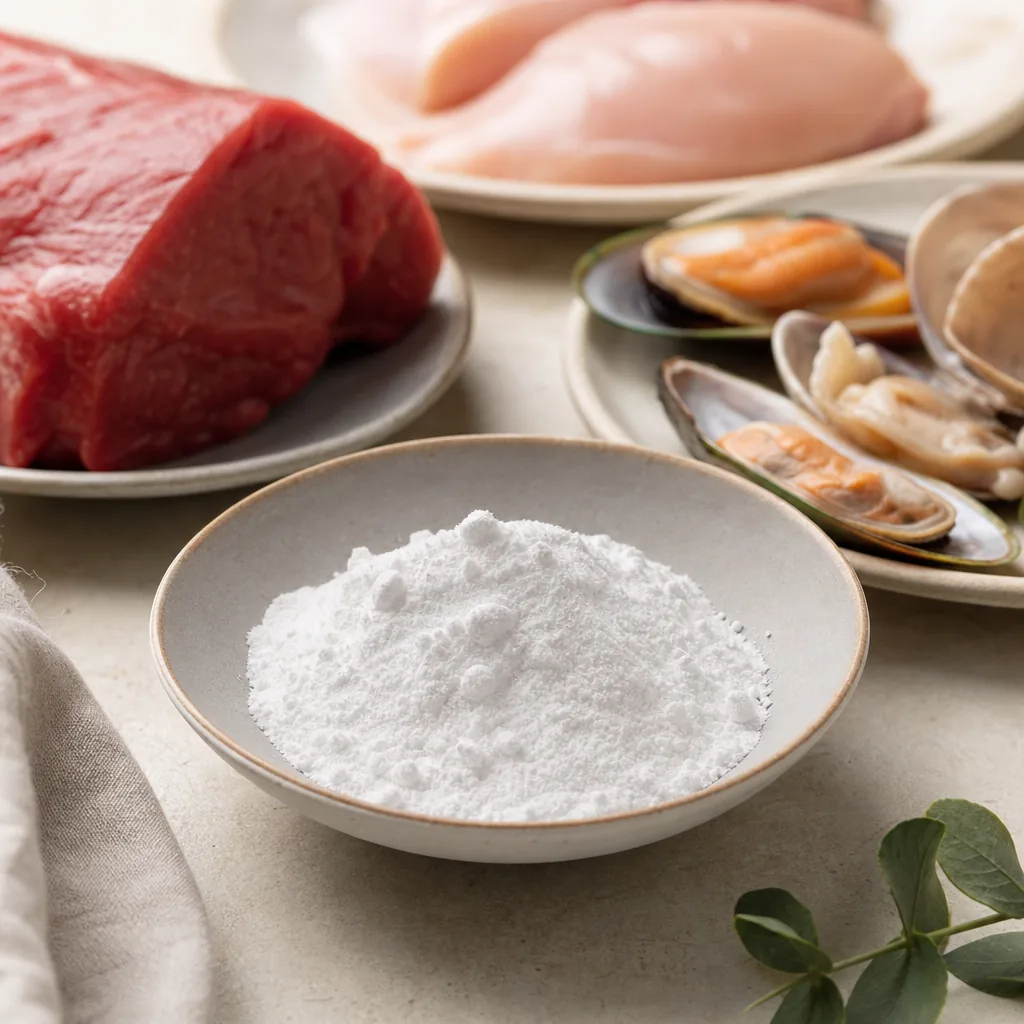
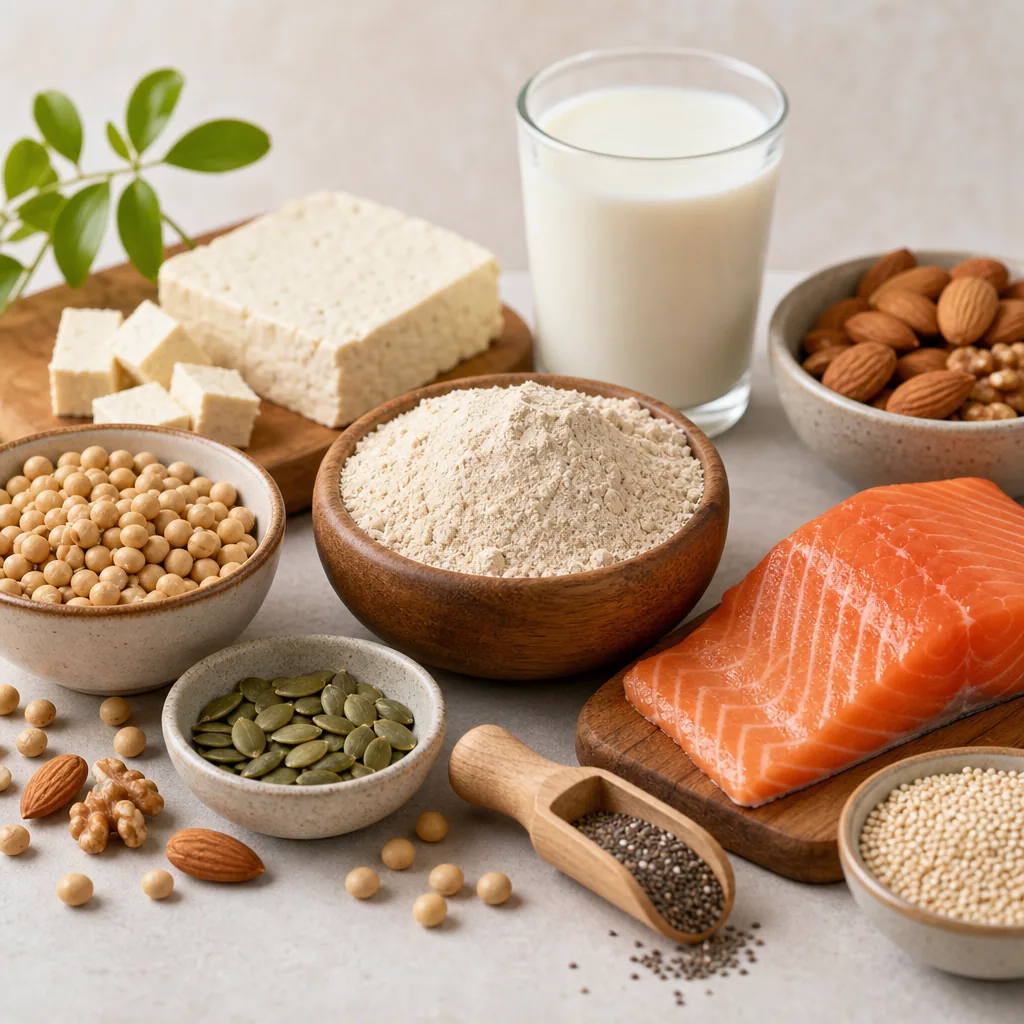
What is Betaine Anhydrous?
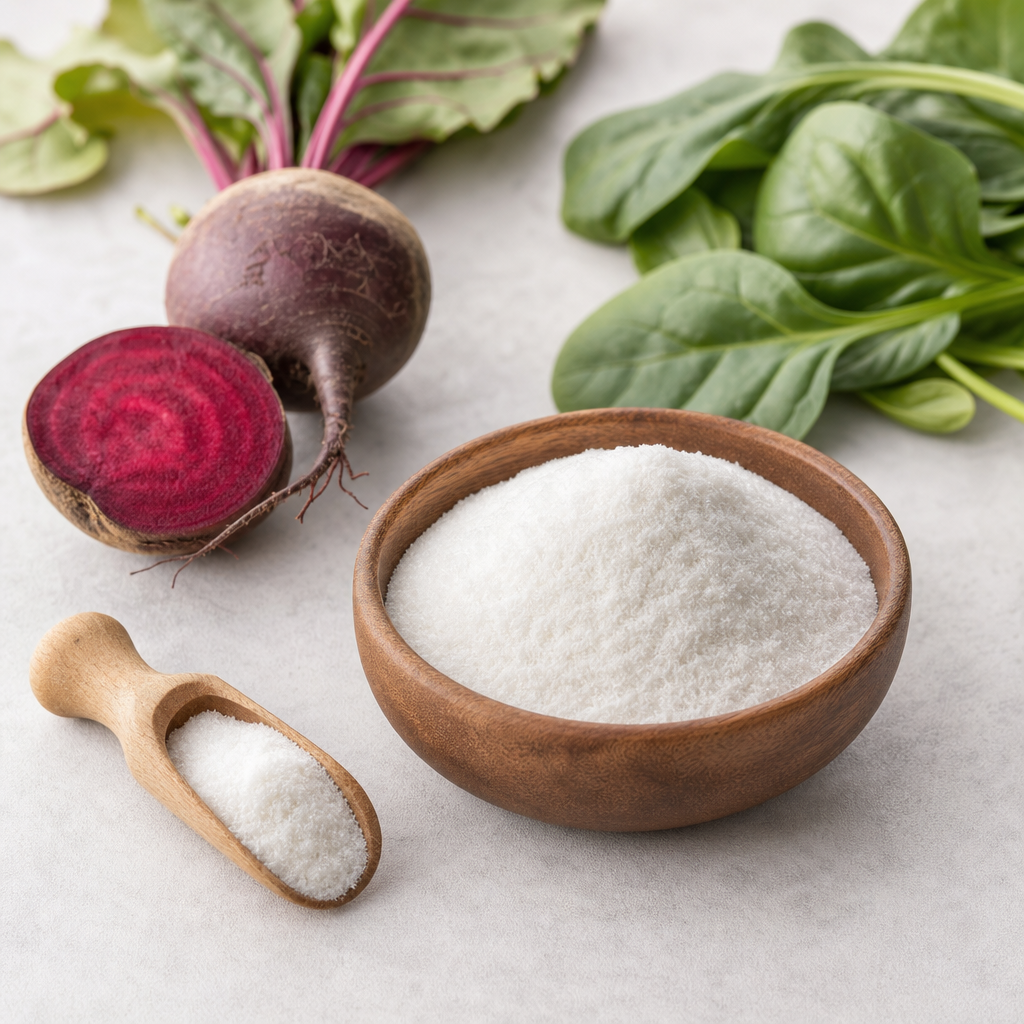
Betaine anhydrous—also called trimethylglycine (TMG)—is a naturally occurring compound found in plants (especially sugar beets), whole grains, and some seafood. In the body, it functions primarily as a methyl donor in one-carbon metabolism and as an osmolyte that helps cells maintain fluid balance. As a methyl donor, betaine supports the conversion of homocysteine to methionine via the enzyme betaine-homocysteine methyltransferase (BHMT), a pathway important for overall methylation status, liver function, and amino acid balance.
Unlike vitamins and minerals, betaine anhydrous is not an essential nutrient. The body can produce betaine from choline, and it does not have a recognized human deficiency state. However, dietary intake and supplementation can influence circulating betaine and homocysteine levels, cellular hydration, and potentially physical performance. In consumer products, betaine anhydrous is sold as a dietary supplement on its own or as part of sports nutrition formulas.
Benefits of Betaine Anhydrous
-
Supports healthy homocysteine levels
(Strong evidence)
Betaine donates a methyl group to homocysteine to form methionine, helping reduce elevated homocysteine in blood. Multiple human trials show that supplemental betaine lowers fasting homocysteine, particularly in people with higher baseline levels or certain genetic variants affecting methylation. While lowering homocysteine is considered beneficial for cardiovascular risk markers, improvements in clinical outcomes require broader lifestyle and medical management and are not guaranteed by betaine alone.
-
May enhance strength and power performance in some athletes
(Mixed evidence)
Several controlled trials using 2.5 g/day for 2–6 weeks report small improvements in power output, repetitions to fatigue, or sprint performance. Other studies show no significant advantage compared with placebo. Differences likely depend on training status, program design, diet, and study duration. When benefits occur, they tend to be modest and best realized alongside structured training and adequate nutrition.
-
Cellular hydration and heat stress resilience
(Preliminary evidence)
As an osmolyte, betaine helps cells regulate fluid balance and protect proteins under stress. Early human and mechanistic data suggest potential support for hydration status and tolerance to exercise in hot environments. However, the number of well-controlled trials is limited, and real-world performance benefits in various conditions remain to be clarified.
-
Possible support for body composition with training
(Mixed evidence)
Some studies report favorable shifts in lean mass or reductions in fat mass when betaine is combined with resistance training and adequate protein. Other research finds no significant changes. If effects occur, they appear modest and dependent on consistent training, total calorie/protein intake, and program duration.
-
Liver health markers in select contexts
(Limited evidence)
Small pilot studies and mechanistic research suggest that betaine’s methylation support may benefit certain liver enzymes or fat accumulation in the liver, particularly when dietary choline is low. Findings in nonalcoholic fatty liver scenarios are inconsistent, and larger, longer trials are needed. Lifestyle measures (diet quality, weight management, physical activity, limiting alcohol) remain the foundation of liver health.
Types or Forms Available
-
Betaine anhydrous (TMG)
: The standard form used for methylation support and most sports-nutrition research. Available as powder or capsules. Typically provides precise, gram-level dosing with minimal taste (slightly sweet).
-
Betaine hydrochloride (Betaine HCl)
: A different compound that supplies betaine bound to hydrochloric acid. Commonly marketed for digestive support related to stomach acid, not for performance or homocysteine targets. It is acidic and not interchangeable dose-for-dose with betaine anhydrous. People with ulcers, reflux, or on acid-reducing medications should be cautious.
-
Beet-derived betaine (food-based concentrates)
: Sourced from sugar beets and sometimes labeled as naturally derived TMG. Functionally similar to synthetic betaine anhydrous but may come with minor co-occurring plant compounds from the extraction process.
-
Combination pre-workout formulas
: Many sports products include 1.25–2.5 g of betaine anhydrous alongside creatine, caffeine, or amino acids. The combined ingredients can confound whether any effect is attributable to betaine alone. Check labels for actual betaine dose.
-
Prescription-grade betaine
: In certain genetic conditions (e.g., homocystinuria), betaine is prescribed as a high-purity product under medical supervision. Doses and monitoring in these situations differ substantially from over-the-counter use.
How to Use Betaine Anhydrous
Betaine anhydrous is most often used either to support healthy homocysteine levels or as part of a structured training program. Consistency, appropriate dosing, and context (diet, training, hydration) all matter.
-
Common dosage range:
For general wellness or sports nutrition, 1.25–2.5 g per day is typical. Many exercise studies use 2.5 g/day for 2–6 weeks. For homocysteine support in otherwise healthy adults, 1.5–3 g/day is often used, ideally guided by lab testing and clinician input. High medical doses used for genetic disorders should only be taken under prescription and supervision.
-
Best timing:
For training, many users take the full 2.5 g about 30–60 minutes before workouts, or split into 1.25 g morning and later in the day. For homocysteine support, timing is less critical; consistent daily intake is the priority.
-
How to take it:
Betaine anhydrous can be mixed into water or a pre-workout beverage. Taking it with a meal may reduce the chance of mild gastrointestinal upset. Stay well hydrated, particularly if using it around training or in the heat.
-
Consistency:
For performance or body-composition goals, allow at least 2–6 weeks of regular training with daily betaine before judging effects. For homocysteine targets, recheck labs after several weeks to months, alongside adequate folate, vitamin B12, and B6 intake.
Food Sources and Supplement Options
Betaine is present in a variety of foods and also widely available as a supplement. Many people obtain meaningful amounts through diet, while supplements can provide more targeted, consistent dosing when specific goals are pursued.
-
Beets and beet products
-
Spinach and other leafy greens
-
Whole grains such as wheat bran/germ and rye
-
Quinoa and amaranth
-
Some seafood (e.g., shrimp)
The body also produces betaine from dietary choline, found in foods like eggs, liver, legumes, and certain fish. A food-first approach supports a broader nutrient profile—fiber, vitamins, minerals, and phytonutrients—while a supplement can deliver a precise amount of betaine when aiming to lower homocysteine, support a training cycle, or compensate for limited dietary sources. People with restricted diets (e.g., very low in whole grains and vegetables) may consider both increasing foods naturally rich in betaine and, if appropriate, a supplement at modest doses.
Who May Benefit from Betaine Anhydrous?
-
Athletes focused on strength, power, or high-intensity intervals who want to try a modest, research-informed ergogenic at standard doses.
-
Individuals with elevated homocysteine despite adequate B-vitamin status, under the guidance of a healthcare professional and with lab monitoring.
-
People training or working in hot environments who prioritize hydration and cellular stress tolerance, acknowledging that performance data are still emerging.
-
Adults with low intake of foods rich in betaine or choline who prefer targeted supplementation alongside dietary improvements.
-
Those seeking liver wellness as part of a comprehensive plan (diet quality, exercise, weight management), recognizing that evidence for betaine alone is limited and mixed.
Side Effects and Considerations
-
Gastrointestinal effects:
Some people experience nausea, cramping, or diarrhea, especially at higher doses or when taken on an empty stomach. Splitting the dose and taking with food may help.
-
Body odor and TMAO concerns:
A fishy body odor can occur in rare cases due to trimethylamine production, particularly in people with trimethylaminuria. Betaine may increase circulating TMAO in some individuals; the clinical significance is debated, but those with cardiovascular disease should discuss use with a clinician.
-
Cholesterol changes at higher intakes:
High doses used clinically (and occasionally doses ≥3–6 g/day) have been associated with increases in LDL-cholesterol in some studies. If using betaine for homocysteine, periodic lipid monitoring is prudent.
-
Medication and nutrient interactions:
Betaine works within methylation pathways influenced by folate, vitamin B12, and B6. If you are taking high-dose B-vitamin therapy, or medications where methylation status is relevant, consult a healthcare professional before adding betaine.
-
Health conditions requiring caution:
People with kidney or significant liver disease, cardiovascular disease, or a history of cholesterol abnormalities should seek medical advice before use. Those with known beet allergies should also exercise caution.
-
Pregnancy, breastfeeding, and children:
Safety data are limited. Avoid supplementation unless specifically recommended and monitored by a qualified clinician.
-
Dose discipline:
Avoid megadoses. For general use, staying near 1.25–2.5 g/day is common. Higher amounts should be reserved for medically supervised situations.
-
Form-specific caution (Betaine HCl):
Betaine HCl is acidic and may aggravate reflux, gastritis, or ulcers, and can interact with acid-reducing medications. It is not the same as betaine anhydrous for performance or homocysteine targets.
-
Quality and purity:
Choose products with third-party testing (e.g., NSF Certified for Sport, Informed Choice) to ensure label accuracy and screen for contaminants.
-
Pre-surgery disclosure:
Inform your surgical and anesthesia teams about all supplements you take. Consider pausing nonessential supplements before procedures as advised by your clinician.
Common Myths About Betaine Anhydrous
-
Myth: Betaine anhydrous works just like creatine and guarantees big strength gains.
Creatine and betaine are different compounds with distinct mechanisms. Creatine supports rapid energy recycling in muscles, while betaine mainly donates methyl groups and acts as an osmolyte. Some studies show small performance benefits with betaine, but results are inconsistent and typically modest.
-
Myth: More betaine is always better.
Higher doses do not reliably produce better results and may increase the risk of side effects or unfavorable lipid changes. Most sports studies use 2.5 g/day, and going far beyond that without medical oversight is not advisable.
-
Myth: Betaine HCl is interchangeable with betaine anhydrous for performance and methylation.
Betaine HCl is a different form intended for digestive applications and is not typically used for athletic performance or homocysteine reduction. For those goals, betaine anhydrous (TMG) is the relevant form.
-
Myth: Betaine melts fat and causes weight loss on its own.
Evidence for fat loss is mixed and generally modest, often appearing only when combined with structured training and appropriate nutrition. Betaine is not a shortcut for weight management.
Conclusion
Betaine anhydrous (TMG) is a nonessential, food-derived compound that supports methylation and cellular hydration. It has strong evidence for lowering homocysteine and mixed evidence for improving strength, power, or body composition when paired with training. For many, a food-first approach—emphasizing vegetables, whole grains, and adequate choline—covers the basics, while a well-dosed supplement can offer targeted support, especially for those with specific goals or lab-identified needs.
Choose quality products with transparent dosing, avoid megadoses, and monitor how you respond. Individuals who are pregnant or breastfeeding, children, and anyone taking medications or managing medical conditions (especially cardiovascular, kidney, or liver concerns) should consult a healthcare professional before use. When used thoughtfully—with attention to diet, training, hydration, and lab monitoring where relevant—betaine anhydrous can be a useful tool for select goals without replacing the foundations of nutrition and lifestyle.