What is Reishi?
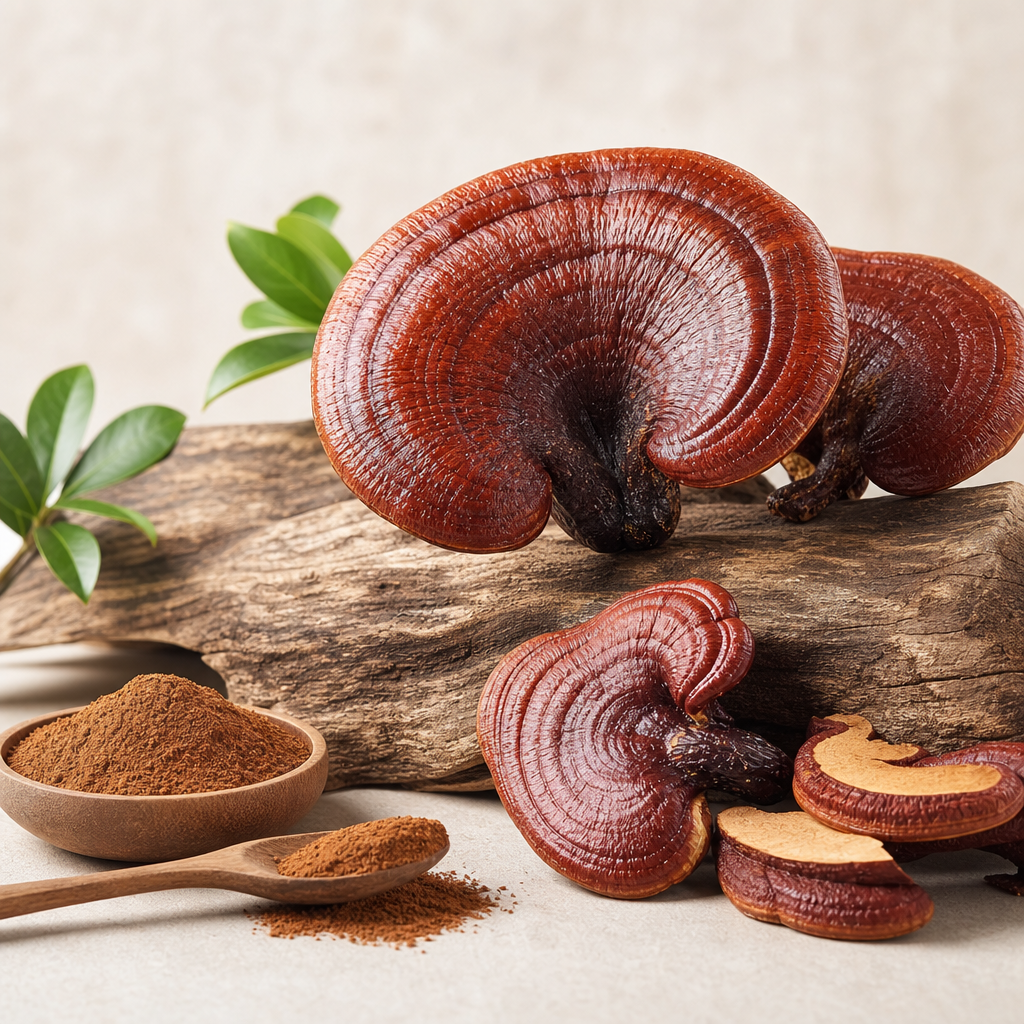
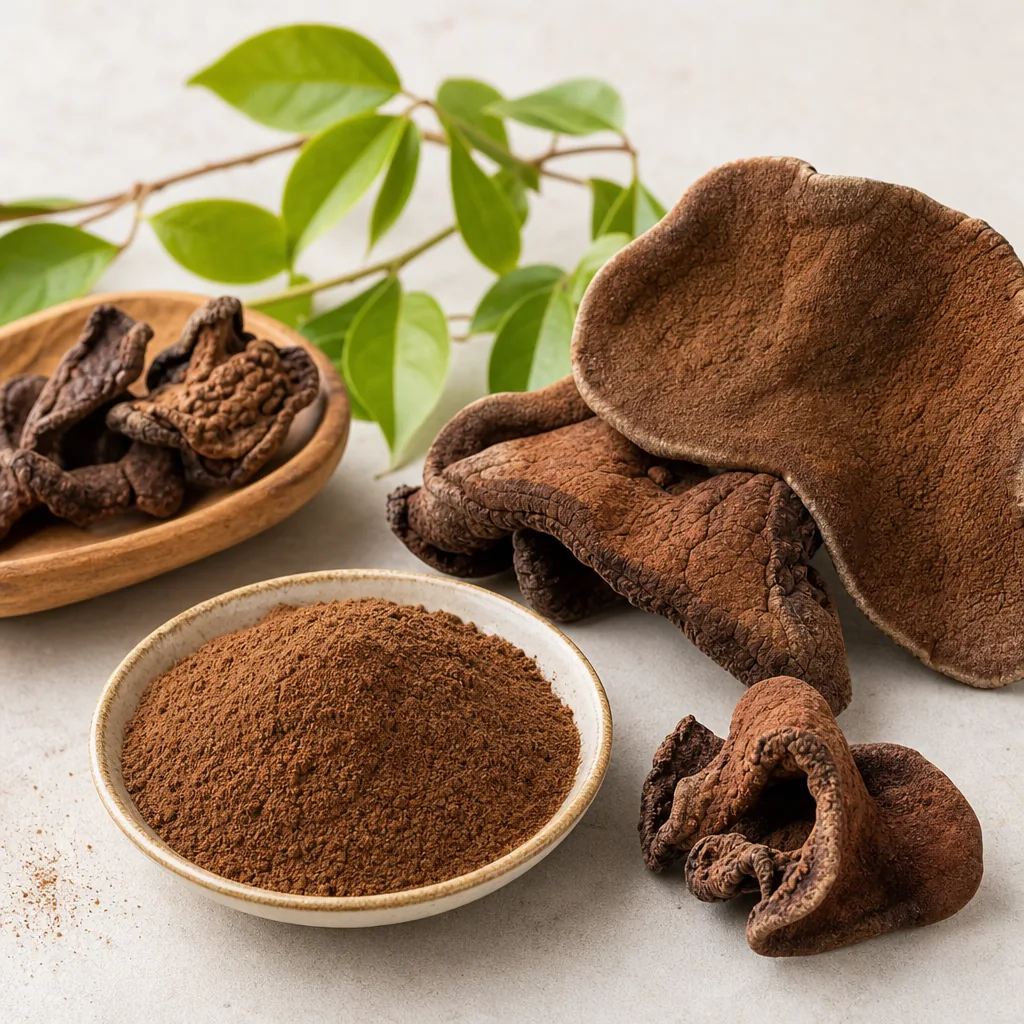
Reishi (Ganoderma lucidum), also known as lingzhi, is a woody, bitter-tasting medicinal mushroom long used in East Asian traditions. It typically grows on hardwood logs and has a glossy, varnished cap. In modern wellness, reishi is classified as a botanical/mushroom supplement rather than a vitamin or mineral. It contains bioactive compounds such as beta-glucan polysaccharides and triterpenes (ganoderic acids) that are thought to influence immune signaling, stress response, and inflammation pathways.
Reishi is not an essential nutrient. The body does not require it the way it requires vitamins, minerals, essential fatty acids, or amino acids. Instead, it is used as a functional mushroom supplement that may support certain aspects of health when taken consistently. Extracts are typically prepared via hot-water and/or alcohol extraction to concentrate particular compounds.
Because reishi acts more like a botanical with multiple active constituents, effects can be subtle and may require several weeks to become noticeable. It is commonly positioned as an “adaptogen-like” mushroom—helping the body respond to stress—though the scientific evidence supporting this role is still emerging and not definitive. As with many botanicals, quality, species authenticity, and extraction method make a meaningful difference in potential benefits.
Benefits of Reishi
-
Immune modulation
(Moderate evidence)
Reishi polysaccharides and triterpenes appear to influence immune cell activity, including natural killer (NK) cells and certain cytokines. Several human studies show changes in immune markers and subjective well-being, especially in populations with increased immune demands. The effect is best described as modulatory—potentially supporting a balanced response—rather than simply “boosting” immunity. Benefits often require consistent use over weeks.
-
Adjunct support during cancer therapy (quality of life and immune markers)
(Mixed evidence)
Some clinical trials suggest reishi extracts may improve fatigue, appetite, or certain immune parameters in people undergoing cancer treatment. However, results are inconsistent, sample sizes are often small, and there is no reliable evidence that reishi treats or cures cancer. It should never replace standard care. If considered, it must be discussed with an oncologist due to potential interactions and safety considerations.
-
Stress, sleep quality, and fatigue
(Limited evidence)
Traditional use and small studies suggest reishi may help with feelings of calm, sleep quality, and perceived fatigue. Mechanisms may relate to modulation of stress-related pathways and inflammation. Data in healthy adults are limited, and not all trials show benefits. If improvements occur, they are typically modest and gradual.
-
Cholesterol and cardiometabolic markers
(Mixed evidence)
Some research reports small reductions in total or LDL cholesterol and modest effects on blood sugar or blood pressure with standardized reishi extracts. Other studies find minimal or no change. Differences in extract quality, dosage, and participant health status likely explain the variability. Reishi should not replace prescribed cardiometabolic therapies but may be considered as a complementary approach with medical guidance.
-
Inflammatory and antioxidant pathways
(Limited evidence)
Laboratory and early human data indicate reishi compounds can influence oxidative stress and inflammatory signaling. While biomarker changes have been observed, translation to clear clinical outcomes remains uncertain. Benefits, if present, may be more supportive and long-term rather than immediate or dramatic.
-
Liver health support
(Preliminary evidence)
Some early research suggests potential benefits on liver-related markers in select contexts. However, published case reports also link certain reishi products to liver injury, underscoring the importance of product quality and appropriate dosing. Evidence is not strong enough to recommend reishi for liver disease, and individuals with liver conditions should consult a clinician before use.
Types or Forms Available
-
Fruiting body extract
: Made from the mature mushroom cap and stem, typically via hot-water extraction to concentrate beta-glucans. Some products use dual extraction (hot-water + alcohol) to include both polysaccharides and triterpenes. Often standardized to a percentage of polysaccharides and sometimes triterpenes.
-
Mycelium-based products
: Produced by growing reishi mycelium on grain. These can contain different compound profiles and more residual grain. They are generally less concentrated in triterpenes than high-quality fruiting body extracts. Labels may specify “mycelium” or “full-spectrum.”
-
Spore powder or cracked-spore extract
: Uses spores released by the mushroom. “Cracked” or “broken” spore products increase bioavailability. These products can be potent but vary in quality and may be more expensive.
-
Standardized extracts
: Products listing specifications such as “30% polysaccharides” or “2% triterpenes.” Standardization helps ensure batch-to-batch consistency. The balance of polysaccharides and triterpenes can influence intended effects.
-
Powders and capsules
: Convenient for daily use; look for clear labeling of species (Ganoderma lucidum), plant part (fruiting body vs mycelium), and extraction method. Capsules help with bitter taste; loose powders can be mixed into beverages.
-
Tinctures and liquid extracts
: Alcohol-based or dual-extract liquids that can be dosed by the dropper. Useful for those who prefer liquids, though quantifying exact polysaccharide/triterpene content may be harder without standardization.
-
Teas and decoctions
: Slices of dried fruiting body simmered in water to extract water-soluble compounds. Traditional but time-consuming, and potency depends on source material and simmer time.
How to Use Reishi
Choose a reputable product that clearly identifies species, plant part, and extraction details. Start low, assess tolerance, and increase gradually within typical ranges. Effects are usually subtle and build with consistent use.
-
Common dosage range:
Many standardized extracts are used at about 1–3 grams per day (often providing 10–30% polysaccharides and some triterpenes). Traditional preparations of dried fruiting body tea typically range from 1.5–9 grams of dried material per day. Spore products, when used, are often in the 0.5–2 gram range. Higher doses are not necessarily better and may increase side-effect risk.
-
Best timing:
Timing is flexible. Some prefer morning for daytime calm and stress support, while others take it in the evening for sleep. If it causes stimulation or digestive upset, shift to earlier in the day and reduce the dose.
-
How to take it:
Capsules are convenient; powders can be mixed into warm water, coffee, or tea (the flavor is bitter). Taking with food may reduce stomach upset. Follow label instructions for tinctures and liquids.
-
Consistency:
Potential benefits usually emerge after 2–6 weeks of steady use. Many people use reishi in cycles (for example, 6–12 weeks on, then a break), especially at higher doses. Monitor how you feel and adjust with professional guidance if needed.
Food Sources and Supplement Options
Reishi is a natural mushroom (Ganoderma lucidum and closely related species), but it is woody, bitter, and not typically eaten as a culinary mushroom. It is primarily consumed as a supplement—capsules, powders, tinctures—or as traditional teas and decoctions made from the dried fruiting body.
Supplementation may make sense when you want a consistent, standardized amount of active compounds that is difficult to obtain from occasional teas. Whole-mushroom decoctions offer a more traditional approach but vary in potency. Whole foods generally provide broader nutrition, but in the case of reishi, supplements allow more predictable dosing of targeted constituents like polysaccharides and triterpenes. Choose products from reputable manufacturers that test for identity, potency, and contaminants (heavy metals, pesticides, microbes).
Who May Benefit from Reishi?
-
Adults seeking gentle, adjunctive immune support during high-stress or high-exposure periods, understanding that effects are supportive, not curative.
-
People looking for a calming, non-stimulating addition to a stress-management routine, along with sleep hygiene and lifestyle practices.
-
Individuals with borderline cholesterol or blood sugar who are already focusing on diet, exercise, and medical care; reishi may be considered as a complementary option with clinician oversight.
-
Those experiencing fatigue or reduced quality of life who want to try traditional botanicals with emerging evidence, recognizing that benefits may be modest.
-
Athletes during heavy training blocks who want potential immune and stress support, alongside foundational nutrition and recovery strategies.
-
People exploring adjunct support during or after cancer therapy strictly under the guidance of their oncology team, focusing on quality-of-life outcomes.
Side Effects and Considerations
-
Digestive upset:
Nausea, stomach discomfort, dry mouth, or loose stools can occur, especially at higher doses. Start low and take with food to reduce issues.
-
Allergy and sensitivity:
Those with known mushroom allergies should avoid reishi. Discontinue if you develop rash, itching, or breathing difficulties.
-
Liver concerns:
Although uncommon, case reports have linked certain reishi products to liver injury. People with liver disease should avoid use unless a clinician agrees and monitors labs. Stop use and seek care if you notice dark urine, jaundice, or unusual fatigue.
-
Bleeding risk:
Reishi may have antiplatelet effects. Use caution with anticoagulants or antiplatelet drugs (e.g., warfarin, DOACs, aspirin, clopidogrel) and in bleeding disorders. Stop at least 2 weeks before surgery or dental procedures.
-
Blood pressure and blood sugar interactions:
Reishi may modestly affect blood pressure or glucose. Monitor closely if you take antihypertensives, insulin, or oral hypoglycemics. Adjustments should be supervised by a healthcare professional.
-
Autoimmune and immune-modulating conditions:
Because reishi can influence immune activity, consult a clinician if you have autoimmune disease or take immunosuppressants (e.g., after transplant or for autoimmune conditions).
-
Pregnancy, breastfeeding, and children:
Safety data are insufficient. Avoid use during pregnancy, while breastfeeding, and in children unless specifically recommended by a qualified clinician.
-
Quality and contamination:
Choose products tested for identity and contaminants. Verify whether the product uses fruiting body, mycelium, or spores, and look for clear standardization to avoid under- or over-dosing.
-
Medication timing:
To minimize potential interactions or GI discomfort, separate reishi from medications by a few hours unless otherwise directed by your healthcare provider.
-
Duration of use:
Long-term continuous high-dose use is not well studied. Periodic breaks and regular check-ins with a healthcare professional are prudent, especially if you have underlying conditions or take medications.
Common Myths About Reishi
-
“Reishi cures cancer.”
Evidence does not support using reishi to treat or cure cancer. Some studies suggest improvements in certain immune markers or quality-of-life measures when used alongside standard care, but results are mixed. Reishi should never replace evidence-based oncology treatments.
-
“More polysaccharides always mean a better product.”
Quality depends on multiple factors: species authenticity, plant part (fruiting body vs mycelium), extraction method, and balance of compounds. Triterpenes also matter. A very high polysaccharide number alone does not guarantee superior efficacy.
-
“Reishi is completely safe for everyone because it’s natural.”
Natural does not mean risk-free. Reishi can interact with medications, affect bleeding risk, and has been linked—rarely—to liver injury. People who are pregnant, breastfeeding, taking medications, or managing medical conditions should consult a healthcare professional.
-
“All reishi products are the same.”
Products vary widely by species source, cultivation, extraction, and standardization. Fruiting body extracts, mycelium-based powders, and spore products do not have identical compound profiles or potency.
-
“You’ll feel results immediately.”
Most benefits, if they occur, are gradual and require steady use for several weeks. Expect subtle support rather than a rapid, dramatic effect.
Conclusion
Reishi is a traditional medicinal mushroom used today as a supplement for immune modulation, stress and sleep support, and potential effects on cardiometabolic markers. It is not an essential nutrient, and benefits—where present—are typically modest and build over time. Evidence is strongest for changes in certain immune parameters and quality-of-life outcomes in specific contexts, while findings in other areas remain limited or mixed.
If you choose to try reishi, prioritize high-quality, well-identified products with transparent extraction and standardization. Start with conservative doses, monitor how you feel, and consider cycling use. People who are pregnant, breastfeeding, taking medications (especially anticoagulants, antiplatelets, antihypertensives, or glucose-lowering agents), or managing medical conditions—including liver disease or autoimmune disorders—should consult a healthcare professional before use. Because reishi is not a common food, supplements or traditional teas are the primary ways to obtain it; supplements offer more precise dosing, while decoctions provide a traditional approach. As always, maintain a food-first foundation for overall nutrition and use targeted supplements thoughtfully to complement—not replace—healthy lifestyle and medical care.