What is Gaba?
GABA (gamma-aminobutyric acid) is a naturally occurring inhibitory neurotransmitter found throughout the human nervous system. It helps “calm” neural activity by binding to GABA receptors, which can reduce the likelihood that nerve cells will fire. This braking effect plays a central role in promoting relaxation, supporting normal sleep onset, and balancing the body’s stress response. GABA is categorized as a non-essential amino acid–derived compound made inside the body from glutamate via the enzyme glutamate decarboxylase.
As a supplement, GABA is typically produced either synthetically or via fermentation by specific lactic acid bacteria. Although it is a popular over-the-counter product for stress and sleep, GABA is not an essential nutrient like vitamins or minerals. The body does not technically require supplemental GABA for survival, and most benefits are related to supporting normal physiology rather than correcting a dietary deficiency. An important scientific nuance: oral GABA’s ability to cross the blood–brain barrier appears limited, so some observed effects may be mediated through peripheral receptors, the enteric nervous system, or indirect gut–brain pathways. Human studies exist but vary in quality, dose, and formulation.
Benefits of Gaba
-
Promotes relaxation and reduces acute stress reactivity
(Moderate evidence)
Human trials using low doses of fermented or synthetic GABA have reported increases in calmness, reductions in markers of acute stress, and changes in heart-rate variability consistent with relaxation. Effects tend to be mild-to-moderate, appear within an hour for some people, and are more pronounced under situational stress (for example, public speaking or test-taking). Not every study is positive, but overall findings support a small benefit for perceived relaxation.
-
Supports sleep onset and sleep quality
(Limited evidence)
Several small studies suggest GABA may help people fall asleep faster and report better sleep quality, particularly when taken 30–60 minutes before bedtime. Some research combines GABA with L-theanine, which may enhance calming effects. Evidence is still limited, and not everyone experiences a noticeable change. Benefits, when present, tend to be modest and are best paired with good sleep hygiene.
-
Helps maintain healthy blood pressure in mildly elevated ranges
(Moderate evidence)
GABA-enriched foods (such as fermented dairy or soy products) and low-dose supplements have shown small reductions in systolic and/or diastolic blood pressure in people with mild, uncomplicated hypertension. Effects are generally modest and develop over weeks. GABA is not a replacement for prescribed therapy, but it may complement lifestyle measures like sodium reduction, exercise, and weight management.
-
Calm focus during cognitively demanding tasks
(Preliminary evidence)
Early research links GABA supplementation to shifts in brain-wave patterns (such as increased alpha activity) associated with a relaxed but attentive state. Small human studies show mixed improvements in task performance under stress. While intriguing, the data are preliminary and require larger, well-controlled trials.
-
Acute growth hormone (GH) response around exercise
(Preliminary evidence)
A few small studies report transient increases in circulating GH after higher single doses of GABA or GABA combined with exercise. However, evidence does not show consistent improvements in muscle mass, strength, or performance outcomes. This effect should be viewed as preliminary and not a reason to take high doses.
Types or Forms Available
-
Standard (synthetic) GABA
: Chemically synthesized GABA in capsules, tablets, powders, or gummies. Widely available and typically less expensive. Effects and tolerability are similar to fermented forms for most users, though head-to-head comparisons are limited.
-
“PharmaGABA” or fermented GABA
: Produced by specific strains of lactic acid bacteria via fermentation. Marketed as a “natural” form and used in several clinical studies. Doses in studies often range from 50–200 mg. Some people prefer this form for its research lineage, but clear superiority over synthetic GABA has not been definitively established.
-
Sublingual or chewable GABA
: Designed for absorption in the mouth and throat, with the goal of faster onset. Evidence that sublingual routes substantially change effectiveness is limited, but some users report quicker calming effects.
-
GABA combination formulas
: Common blends include GABA with L-theanine, magnesium, glycine, or botanicals (such as lemon balm or passionflower). Synergy is plausible, but combinations complicate knowing which ingredient drives the effect. Choose blends carefully and start with low doses to assess tolerance.
-
GABA-enriched foods and beverages
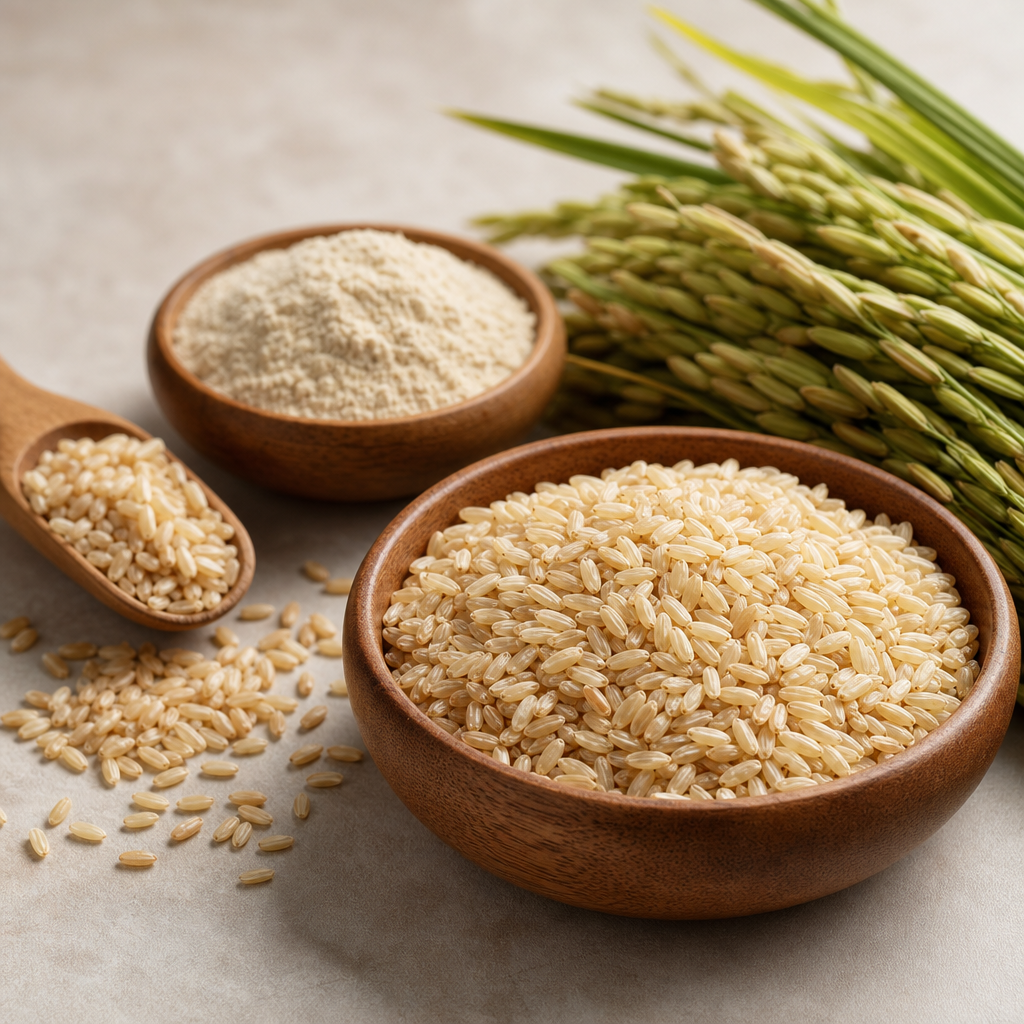
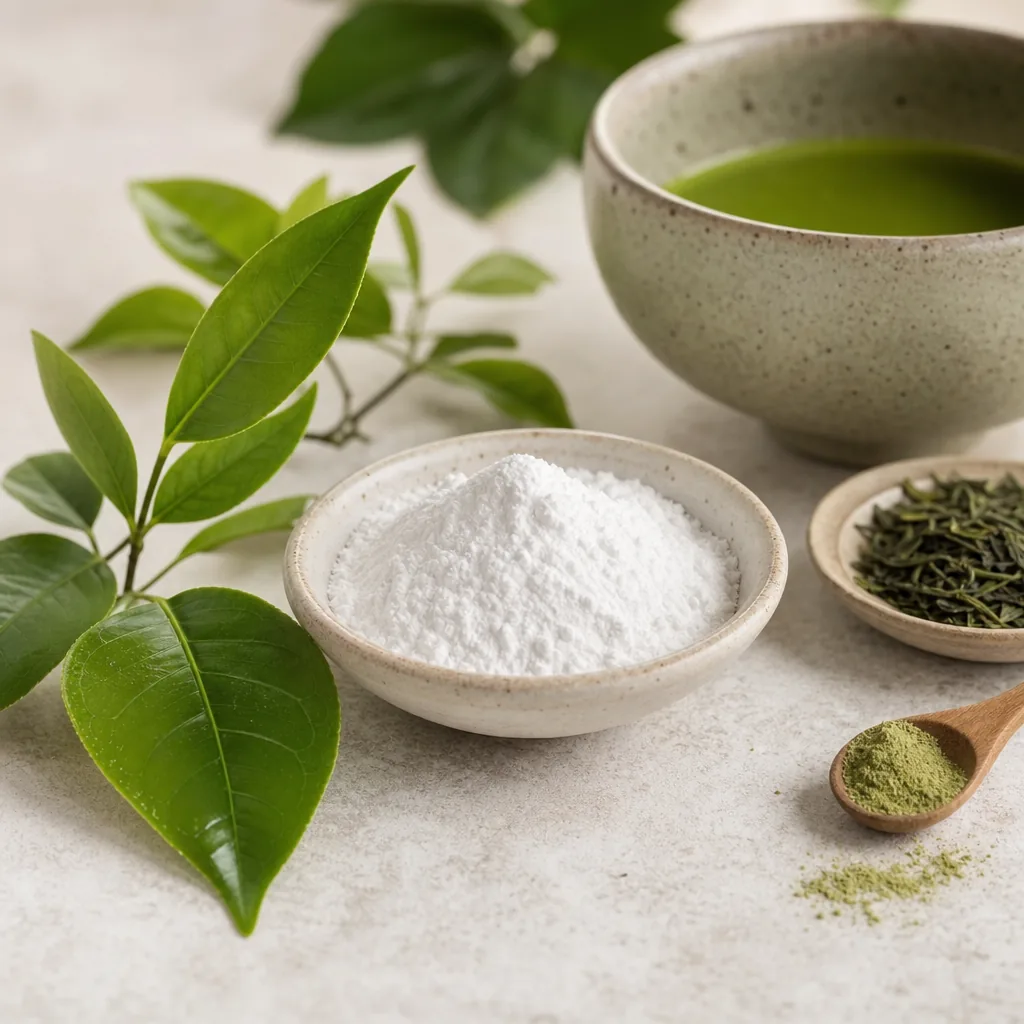
: Fermented dairy or soy products, “GABA tea” (specially processed oolong/green tea), and germinated brown rice can naturally contain higher GABA levels. Useful for gentle, food-first approaches, though amounts are typically lower than supplement doses.
How to Use Gaba
GABA is most often used for relaxation, situational stress, and sleep support. Start low and adjust gradually based on response and tolerability. Because people vary in sensitivity, trial periods of 1–2 weeks can help you judge whether it is useful for your goals.
-
Common dosage range:
100–300 mg per serving, up to 1–2 times daily. Some products provide 500–750 mg, but higher doses are more likely to cause drowsiness or lightheadedness without clearly better outcomes. Very high doses are not recommended without medical supervision.
-
Best timing:
For stress reactivity, 30–60 minutes before a predictable stressor or in the early evening. For sleep, 30–60 minutes before bedtime. For blood pressure support with GABA-enriched foods, consistency with a daily meal is more important than exact timing.
-
How to take it:
Capsules or tablets with water are common. It can be taken with or without food; a small snack may reduce any nausea in sensitive individuals. Sublingual or chewable forms are an option if you prefer not to swallow pills.
-
Consistency:
Some people use GABA as needed for situational stress or occasional sleeplessness. Others prefer daily use for 2–4 weeks to gauge steady-state effects, then reassess. Consider periodic breaks to evaluate ongoing need.
Food Sources and Supplement Options
GABA occurs naturally in certain foods, especially those that are fermented or germinated. Food amounts vary widely by product and preparation, and are generally lower than typical supplement doses. Supplements can provide more predictable dosing when targeting specific outcomes like sleep onset or situational calm, while whole foods offer additional nutrients and overall dietary benefits.
-
GABA-enriched or specially processed teas (for example, “GABA oolong” or certain green teas)
-
Fermented dairy (select yogurts or fermented milk produced with GABA-generating cultures)
-
Fermented soy foods (miso, tempeh, some natto)
-
Germinated or sprouted grains (germinated brown rice, some sprouted barley)
-
Fermented vegetables prepared with lactic acid bacteria (kimchi, certain pickled vegetables)
Supplementation may make sense if you want consistent, low-to-moderate doses not easily achieved through diet, or if you are testing GABA for a specific, time-sensitive purpose (such as before bedtime or a stressful event). If you prefer a food-first strategy, consider GABA-enriched teas or fermented foods as gentle options. Choose high-quality supplements that are third-party tested for purity and potency.
Who May Benefit from Gaba?
-
Adults seeking mild, non-stimulating support for situational stress or pre-event jitters
-
People with occasional difficulty falling asleep who want a gentle aid alongside good sleep hygiene
-
Individuals with mildly elevated blood pressure exploring diet-based adjuncts, such as GABA-enriched foods, alongside lifestyle changes
-
Those who prefer trying a simple single-ingredient approach before considering multi-ingredient calming blends
-
Athletes or active individuals aiming to unwind before bedtime without using stronger sedatives (while ensuring products are batch-tested to avoid contamination)
Side Effects and Considerations
-
Possible side effects:
Drowsiness, lightheadedness, mild nausea, tingling, or flushing can occur, especially at higher doses. Start low to assess tolerance. Avoid driving or operating machinery until you know how GABA affects you.
-
Medication interactions:
Use caution if taking sedatives, sleep medications, anxiety medications (such as benzodiazepines), anticonvulsants, narcotics, or alcohol, as additive drowsiness or slowed reaction time may occur. If you use antihypertensive drugs, monitor blood pressure when adding GABA-enriched foods or supplements.
-
Health conditions:
People with low baseline blood pressure, respiratory disorders, significant mood or seizure disorders, or those scheduled for surgery should consult a clinician before use. Consider stopping GABA 1–2 weeks before elective surgery due to potential interactions with anesthesia/sedatives.
-
Pregnancy, breastfeeding, and children:
Safety data are limited. Pregnant or breastfeeding individuals and children should avoid GABA supplements unless advised by a qualified healthcare professional.
-
Quality concerns:
Choose reputable brands with third-party testing (for example, NSF, USP, or Informed Choice). Be wary of products making drug-like claims. “PharmaGABA” denotes a fermented form but is not necessarily superior; prioritize transparency and testing over marketing terms.
-
Allergens and sourcing:
Fermented-source GABA or GABA-enriched foods may involve dairy or soy; check labels if you have allergies or follow specific dietary patterns.
-
Not a substitute for medical care:
GABA is not a treatment for anxiety disorders, insomnia, or hypertension. Seek medical guidance if you have persistent symptoms or use prescription medications.
-
Do not confuse with GABA analogs:
Compounds like phenibut or certain prescription agents act on GABAergic systems but have different risk profiles and regulatory statuses. They are not the same as dietary GABA and can carry significant safety concerns.
Common Myths About Gaba
-
“Oral GABA floods the brain and powerfully reduces anxiety.”
Oral GABA’s ability to cross the blood–brain barrier appears limited. Some benefits may stem from peripheral or gut–brain mechanisms, and effects tend to be modest. It should not be viewed as a drug-level anxiolytic.
-
“More is better—high doses work faster.”
Above a few hundred milligrams, side effects become more likely while benefits do not reliably increase. Very high doses are not supported by strong evidence and are not recommended without medical supervision.
-
“GABA supplements are identical to prescription sedatives.”
GABA is a dietary supplement, not a medication. It does not act like benzodiazepines or other prescription agents and is not intended to diagnose, treat, or cure medical conditions.
-
“All GABA products work the same.”
Formulation, dose, and quality vary. Fermented and synthetic GABA both exist; sublingual, capsule, and gummy formats may feel different to users. Third-party testing and responsible dosing matter more than marketing claims.
Conclusion
GABA is a non-essential, calming neurotransmitter that some people find helpful for situational stress, gentle sleep support, and modest blood pressure benefits when delivered through GABA-enriched foods. The overall evidence base includes positive findings but remains variable, and effects are typically modest rather than dramatic. For many, a low starting dose (100–300 mg) 30–60 minutes before desired effect, paired with good lifestyle practices, is a reasonable trial.
Choose high-quality, third-party tested products and avoid megadoses. People who are pregnant, breastfeeding, taking medications (especially sedatives or antihypertensives), or managing medical conditions should consult a healthcare professional before use. A food-first approach using GABA-enriched teas and fermented foods can be a gentle option, while supplements provide more targeted, consistent dosing when needed. As with any supplement, periodically reassess benefit, tolerance, and the ongoing need to continue.