What is Stinging Nettle?
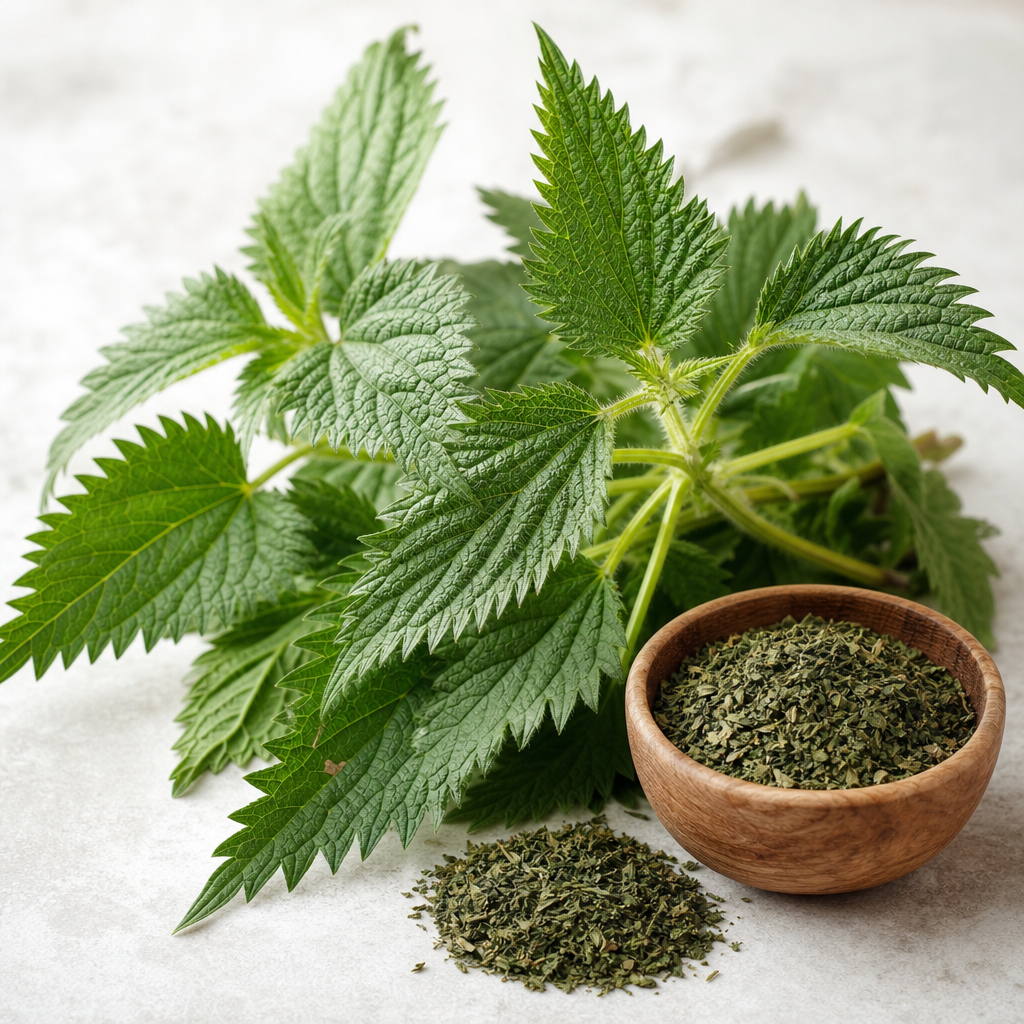
Stinging nettle (Urtica dioica) is a perennial herb native to Europe, Asia, North Africa, and North America. It’s easily recognized by its tiny, hollow stinging hairs (trichomes) that can irritate the skin on contact. Traditionally, nettle has been used as both a wild food and a medicinal plant. The leaves and young shoots are edible when properly prepared, while the roots and aerial parts are commonly used in herbal remedies. Chemically, nettle contains a variety of compounds, including flavonoids (such as quercetin), phenolic acids, lignans, minerals, and small amounts of naturally occurring amines and acids in the stinging hairs.
As a health product, stinging nettle is considered an herb or botanical, not an essential nutrient. The body does not require nettle in the same way it requires vitamins, minerals, essential fatty acids, or essential amino acids. Instead, people use nettle leaf or root extracts to support specific wellness goals, such as urinary comfort, seasonal allergies, or joint health. It is available as teas, capsules, tinctures, and topical preparations. While it may provide supportive benefits, it should complement—not replace—evidence-based medical care when needed.
Benefits of Stinging Nettle
-
Urinary symptom relief in benign prostatic hyperplasia (BPH)
(Moderate evidence)
Nettle root extracts are widely used for lower urinary tract symptoms associated with BPH, such as urinary frequency, urgency, weak stream, or nighttime urination. Clinical studies, including randomized trials, suggest nettle root can improve symptom scores and urinary flow measures, particularly when used over several weeks to months and sometimes in combination with other botanicals like saw palmetto or pygeum. The exact mechanisms may involve anti-inflammatory actions and effects on hormone-binding proteins. While it does not appear to shrink the prostate substantially, many men report symptom relief.
-
Seasonal allergy symptom support
(Mixed evidence)
Freeze-dried nettle leaf has been studied for allergic rhinitis (hay fever). Some small trials and user reports note reduced sneezing, itching, and nasal congestion, possibly linked to nettle’s natural polyphenols and potential antihistamine-like effects. However, results are inconsistent across studies, and benefits may be modest. People with significant or persistent allergies should continue guideline-directed care (such as antihistamines or nasal steroids) and consider nettle as an adjunct if tolerated.
-
Joint comfort and mild inflammation
(Limited evidence)
Nettle leaf preparations have been explored for joint discomfort, including osteoarthritis. Small human studies and traditional use support gentle anti-inflammatory and analgesic effects, with some people reporting improved mobility and less pain when using oral leaf extracts or topical preparations near the affected area. Evidence is not robust, and responses vary; still, nettle may be a reasonable supportive option alongside exercise, physical therapy, and standard treatments.
-
Mild diuretic activity
(Limited evidence)
Nettle has a reputation as a gentle diuretic, and preliminary research suggests it may increase urine output. This property may contribute to urinary comfort in some individuals. Because diuretic effects can influence fluid balance and interact with medications, individuals with heart, kidney, or blood pressure issues should be cautious and consult a clinician before use.
-
Blood sugar support
(Preliminary evidence)
Early studies indicate nettle extracts may modestly influence fasting glucose or insulin sensitivity, potentially through antioxidant and anti-inflammatory pathways. Findings are preliminary, doses and preparations vary, and this should not replace medications or lifestyle therapy. People using glucose-lowering drugs should monitor closely due to the potential for additive effects.
-
Scalp and hair care (topical use)
(Limited evidence)
Nettle is a common ingredient in traditional hair rinses and some topical formulations intended to support scalp health. Laboratory data and historical use suggest anti-inflammatory and sebum-modulating actions, but high-quality clinical trials are sparse. Consider it a supportive cosmetic measure rather than a proven therapy for hair loss.
Types or Forms Available
-
Nettle leaf (tea or capsules):
Dried leaf is used for teas and encapsulated powders. It is typically chosen for seasonal allergy support, general wellness, and joint comfort. Quality products are cleaned and processed to remove most stinging hairs; brewing or cooking neutralizes the sting.
-
Freeze-dried nettle leaf:
Often selected for allergy support, this form better preserves delicate constituents compared with high-heat drying. It’s commonly provided in capsules or tablets and may be standardized for polyphenols.
-
Nettle root extracts:
Usually used for urinary symptoms associated with BPH. Many products are standardized extracts (e.g., 5:1, 10:1) to provide more consistent dosing of key compounds like lignans and sterols. Root and leaf are not interchangeable for urinary benefits—root is the typical choice.
-
Liquid extracts/tinctures:
Alcohol or glycerin-based extracts allow flexible dosing and can combine root and leaf. Tinctures are convenient for those who prefer liquids or have trouble swallowing pills. Potency varies by manufacturer and extraction ratio.
-
Topical creams or liniments:
Prepared creams, gels, or liniments with nettle extracts are used around sore joints or muscles. These aim to provide local comfort without systemic exposure. Do not apply fresh, raw nettle directly to skin to intentionally “sting”; this traditional practice can cause irritation and isn’t necessary with modern formulations.
-
Combination formulas:
Nettle root frequently appears in men’s urinary health blends with saw palmetto, beta-sitosterol, or pygeum. Combinations may offer broader symptom coverage but make it hard to attribute benefits to nettle alone.
How to Use Stinging Nettle
Individual needs vary based on the goal (e.g., urinary comfort versus allergy support) and the form used (leaf versus root). Start low, observe tolerance, and use products from reputable brands that provide clear dosing and quality testing. As with any herb with possible drug-like actions, discuss use with a healthcare professional—especially if you have medical conditions, are pregnant or breastfeeding, or take medications.
-
Common dosage range:
For BPH symptoms, nettle root extracts are often used at 300–600 mg per day, sometimes divided into two doses. For allergy or joint support, freeze-dried leaf capsules commonly provide 300–600 mg once or twice daily. As tea, use about 2–4 grams of dried leaf per cup, steep 10–15 minutes, and drink 1–3 cups per day. For tinctures, typical servings range from about 2–4 mL up to three times daily, depending on strength. Always follow the label of your specific product and avoid high or “mega” doses.
-
Best timing:
Timing is generally flexible. For urinary comfort, consistent daily use is more important than time of day. For allergy support, some prefer morning dosing during peak pollen seasons. Taking earlier in the day may minimize nighttime urination if you find it increases urine output.
-
How to take it:
Capsules and tablets can be taken with water, ideally with food if you experience stomach upset. Teas should be well steeped to extract compounds. Liquid extracts may be diluted in a small amount of water or tea. Topical forms should be applied to intact skin as directed.
-
Consistency:
Benefits often require consistent use for several weeks. Evaluate response after 2–4 weeks for allergies or urinary comfort, and after 4–8 weeks for joint-related goals. Periodic breaks and reassessments with a clinician can help ensure ongoing appropriateness.
Food Sources and Supplement Options
Stinging nettle is both an edible wild vegetable and a dietary supplement. The young spring leaves and shoots can be cooked (steamed, blanched, sautéed) to neutralize the sting and are used in soups, stews, and pestos. As a food, nettle offers vitamins, minerals, and polyphenols, though nutrient content varies by soil and preparation. Supplements—especially standardized root or leaf extracts—provide more targeted and consistent dosing for specific goals like urinary symptom relief.
If you’re seeking general nutrition and culinary variety, food forms are an excellent, nutrient-dense choice. If your goal is a specific health outcome (e.g., BPH symptom support), supplements may make more sense because they deliver concentrated, standardized compounds. Whole foods also provide fiber and synergistic nutrients, while supplements provide precision and convenience.
-
Natural source:
Urtica dioica (stinging nettle) plant—leaves, young shoots, and sometimes seeds are used as food; leaves and roots are used in supplements.
-
Edible uses:
Cooked nettle greens in soups or sautés; nettle tea prepared from dried leaf; occasional use in pestos or mixed greens after blanching.
-
Supplement forms:
Standardized root extracts for urinary health; freeze-dried leaf capsules for seasonal support; tinctures for flexible dosing; topical creams or liniments for local comfort.
Who May Benefit from Stinging Nettle?
-
Men with mild to moderate lower urinary tract symptoms related to BPH who want non-drug support, especially if working with a clinician.
-
Individuals with seasonal allergic rhinitis seeking an adjunct to standard care, particularly those open to trying freeze-dried leaf.
-
Adults with mild joint stiffness or occasional aches looking for a gentle, plant-based adjunct to exercise, physical therapy, and medical care.
-
People interested in nutrient-dense wild greens, provided they can identify nettle safely and prepare it properly.
-
Those who prefer herbal options and are not currently pregnant, breastfeeding, or managing complex medical conditions without professional guidance.
Side Effects and Considerations
-
Skin irritation:
Fresh nettle can sting on contact, causing redness or welts. Processed teas, capsules, and cooked leaves are typically sting-free.
-
Gastrointestinal upset:
Some people experience mild stomach discomfort, nausea, or diarrhea. Taking with food and starting at a low dose may help.
-
Diuretic effects:
Nettle may increase urine output. Use caution if you take diuretics or have heart, kidney, or blood pressure conditions; consult a healthcare professional.
-
Blood pressure and blood sugar:
Nettle can potentially lower blood pressure or blood glucose. Monitor closely if you take antihypertensive or diabetes medications to avoid additive effects.
-
Anticoagulants and vitamin K:
Nettle leaf contains vitamin K, which can interfere with warfarin and similar medications. Do not change intake without medical guidance and appropriate monitoring.
-
Lithium and other medications:
Because of potential diuretic action, nettle could affect lithium levels and interact with other drugs cleared by the kidneys. Seek medical advice before use.
-
Hormone-sensitive conditions:
Nettle root can influence hormone-binding proteins. People with hormone-sensitive conditions should discuss use with a clinician.
-
Pregnancy and breastfeeding:
Safety data are limited. Avoid use unless specifically recommended by a qualified healthcare professional.
-
Children:
Evidence is limited. Avoid supplementation in children unless guided by a pediatric clinician.
-
Allergies:
Those with known allergies to nettle or related plants should avoid it. Discontinue use if rash, itching, or breathing difficulties occur and seek medical care.
-
Surgery:
Because of potential effects on blood pressure, blood sugar, and bleeding risk, discontinue nettle 1–2 weeks before elective surgery, unless your surgeon advises otherwise.
-
Quality and contamination:
Choose reputable brands with third-party testing. If foraging, be certain of identification and avoid areas exposed to pesticides, heavy metals, or roadside contaminants.
Common Myths About Stinging Nettle
-
Nettle “cures” BPH by shrinking the prostate.
Evidence suggests nettle root can improve urinary symptoms and flow measures in many men, but it does not reliably shrink the prostate or replace medical therapies. It’s best viewed as supportive care within a broader management plan.
-
Nettle dramatically boosts testosterone.
While nettle root may influence hormone-binding proteins in lab studies, human data do not show large, consistent increases in testosterone. Claims of major hormonal enhancement are not supported by strong clinical evidence.
-
Nettle tea will eliminate seasonal allergies for everyone.
Some people report symptom relief, particularly with freeze-dried leaf, but study results are mixed. Nettle may help as an adjunct, not a universal cure; standard treatments often remain necessary.
-
Raw nettle is unsafe to eat under any circumstances.
Raw, unprocessed nettle can sting and irritate the skin and mouth. However, proper handling—such as cooking, blanching, or drying—neutralizes the stinging hairs, making nettle a safe, nutritious food.
Conclusion
Stinging nettle is a versatile herb used as both a nutrient-dense food and a targeted supplement. The most consistent supplemental use is nettle root for urinary symptom relief in men with BPH, with additional, more modest support possible for seasonal allergies, joint comfort, and gentle diuresis. Because potency varies by preparation, look for high-quality, clearly labeled products and give them several weeks to assess your response.
As with any botanical that can have drug-like effects, people who are pregnant or breastfeeding, children, and those taking medications or managing medical conditions should consult a healthcare professional before use. For general nutrition, food-first approaches—such as enjoying properly prepared nettle greens—can be valuable. For specific goals, standardized supplements may offer more predictable dosing. Use nettle thoughtfully, prioritize safety and quality, and integrate it into a well-rounded plan that includes lifestyle measures and appropriate medical care.