What is Shiitake?
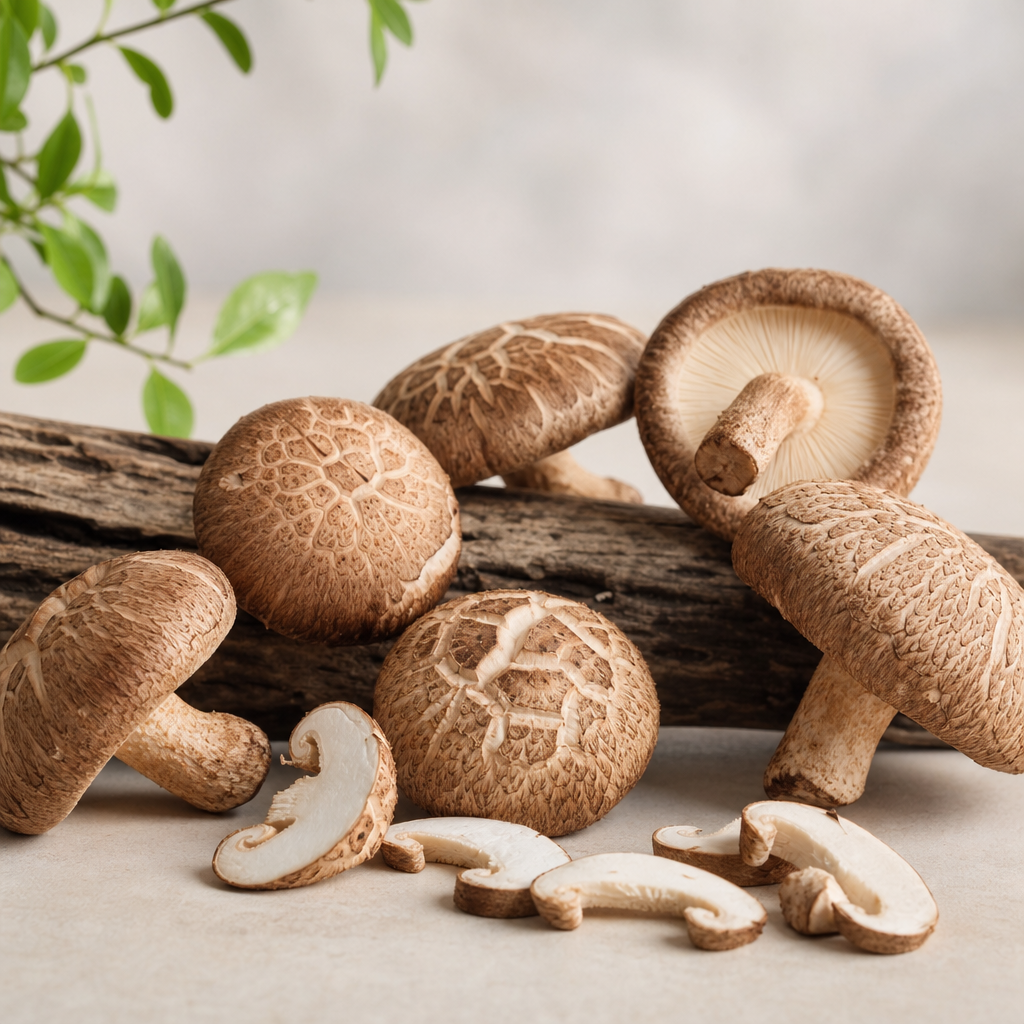
Shiitake (Lentinula edodes) is an edible mushroom native to East Asia and widely cultivated around the world. It is prized for its savory umami flavor and long history of culinary and traditional use. Beyond the kitchen, shiitake is studied for its bioactive compounds, including beta-glucans (such as the well-known lentinan), eritadenine, sterols, and polyphenols that may influence immune function, cholesterol metabolism, and overall wellness.
Shiitake is best described as a food and a food-derived ingredient, with supplemental forms available as powders and extracts. It is not an essential nutrient like a vitamin or mineral; the body does not require shiitake to survive. However, it can contribute fiber, B vitamins, copper, and—when UV-exposed—vitamin D2, while also delivering bioactives that are of interest for health support. Research on whole mushrooms, culinary use, and supplements varies in quality and consistency; benefits should be viewed as supportive rather than curative.
Benefits of Shiitake
-
Immune function support
(Moderate evidence)
Regular intake of shiitake (as part of meals or in supplement form) has been associated in small human trials with improvements in certain immune markers, such as salivary IgA and aspects of T-cell function. Beta-glucans and other polysaccharides appear to interact with gut-associated immune pathways. While these findings suggest support for everyday immune resilience, effects are generally modest, and outcomes like reduced illness frequency are less consistently demonstrated. Lentinan, an isolated beta-glucan, is used as an injectable drug in some countries as an adjunct to cancer therapy; this is distinct from over-the-counter oral supplements and should not be conflated with culinary shiitake.
-
Cholesterol and heart health
(Limited evidence)
Eritadenine, sterols, and soluble fibers in shiitake may help modestly lower total and LDL cholesterol when combined with a heart-healthy diet. Small trials and mechanistic studies suggest improved lipid metabolism and potential bile acid modulation. Effects are typically small to moderate and not a replacement for prescribed therapies; consistency over weeks to months and overall dietary pattern matter more than short-term use.
-
Plant-based vitamin D source (when UV-exposed)
(Moderate evidence)
When shiitake mushrooms are exposed to ultraviolet light, their ergosterol converts to vitamin D2. UV-exposed mushrooms and mushroom powders have been shown to raise serum 25(OH)D in humans, though D2 may be somewhat less potent than D3 for maintaining levels. This offers a vegan-friendly way to add dietary vitamin D, particularly useful in seasons or regions with limited sun exposure.
-
Gut microbiome and digestive support
(Preliminary evidence)
Shiitake provides beta-glucans and other fibers that function like prebiotics, potentially supporting beneficial gut bacteria and short-chain fatty acid production. Early human data and animal studies suggest improvements in markers of gut immune function and microbial balance. Evidence is still emerging, and individual tolerance to mushroom fibers can vary.
-
Inflammatory and antioxidant markers
(Limited evidence)
Shiitake contains polyphenols and polysaccharides that may help modulate oxidative stress and inflammatory signaling. Small studies report changes in certain cytokines and oxidative stress markers with regular consumption. However, clinical significance for hard outcomes (such as disease risk reduction) remains uncertain, and results are not uniform across studies.
-
Nutrient-dense culinary swap
(Moderate evidence)
As a low-calorie food rich in flavor, shiitake can help reduce reliance on high-sodium flavorings by contributing umami. It delivers B vitamins (notably B5 and some B3), copper, and selenium in modest amounts, supporting overall diet quality. Culinary use is a practical, sustainable way to gain incremental nutrition benefits without high-dose supplementation.
Types or Forms Available
-
Fresh shiitake (culinary)
: Whole caps and stems used in cooking. Cooking enhances digestibility and reduces risk of “shiitake dermatitis” associated with raw or undercooked mushrooms.
-
Dried shiitake
: Concentrated flavor and longer shelf life; typically rehydrated before cooking. Nutrient and bioactive content are generally preserved, and soaking liquid can add umami to broths.
-
Powdered fruiting body
: Whole-mushroom powders added to smoothies, soups, or capsules. Delivers the mushroom matrix (fiber plus diverse compounds) but usually with lower potency per gram than extracts.
-
Standardized extracts
: Capsules or powders standardized to beta-glucans or polysaccharide content (e.g., 20–40% beta-glucans). These are more concentrated than whole-powder, but quality varies; look for products that specify beta-glucans rather than “total polysaccharides” (which can include non-active starches).
-
Mycelium-on-grain products
: Made from mushroom mycelium grown on a grain substrate. Often higher in starch and lower in beta-glucans compared with fruiting-body extracts. Labels should clearly indicate “mycelium” vs. “fruiting body.”
-
UV-exposed (vitamin D2–enriched) powders
: Specially processed to increase vitamin D2 content, offering a plant-based D source. Potency is typically listed in IU or micrograms per serving.
-
Pharmaceutical lentinan (injectable)
: A prescription beta-glucan used as an adjunct in oncology in some countries. This is not an over-the-counter supplement and should not be confused with dietary shiitake products.
How to Use Shiitake
Choose the approach that fits your goals—culinary intake for overall diet quality and flavor, or supplements for more targeted beta-glucan or vitamin D2 intake. Introduce shiitake gradually to assess tolerance, especially if you are sensitive to high-fiber foods.
-
Common dosage range:
As food, 50–100 g cooked shiitake per serving, several times per week, is a practical target. For dried whole-mushroom powder, 1–3 g daily is typical. For standardized extracts, common amounts are 500–1,000 mg once or twice daily (e.g., 0.5–2 g/day), aiming for products that clearly state beta-glucan content. For vitamin D2–enriched mushroom powders, follow the label to meet but not exceed your daily vitamin D needs.
-
Best timing:
Timing is generally flexible. Many people take shiitake supplements with meals to improve tolerance. For vitamin D2–enriched powders, taking with a meal containing some fat may improve absorption.
-
How to take it:
Culinary shiitake should be well cooked (sautéed, roasted, simmered) to enhance digestibility and reduce risk of dermatitis. Powders can be mixed into soups, stews, or smoothies. Capsules and extracts are commonly taken with water and food.
-
Consistency:
Benefits related to immune markers, lipids, or vitamin D status generally require consistent intake over several weeks. Occasional use adds variety and flavor but is less likely to impact biomarkers.
Food Sources and Supplement Options
Shiitake is both a whole food and a supplement ingredient. Many people obtain it through meals—stir-fries, soups, risottos, and broths—while others use powders or extracts for convenience or targeted dosing (e.g., beta-glucans or vitamin D2). Whole foods contribute not just isolated compounds but also fiber and a broader nutrient matrix, while supplements can standardize and concentrate certain components.
-
Natural source:
Lentinula edodes (shiitake) fruiting body grown on hardwood logs or sawdust blocks.
-
Culinary forms:
Fresh shiitake caps and stems; dried shiitake for rehydration and stock-making.
-
Specialty forms:
UV-exposed shiitake or mushroom powders for plant-based vitamin D2.
Supplementation may make sense if you want a consistent beta-glucan intake without relying on daily cooking, or if you prefer a vegan-friendly vitamin D2 source. However, for most people, starting with food-first strategies is appropriate—then consider supplements to fill specific gaps or goals.
Who May Benefit from Shiitake?
-
Home cooks and athletes seeking a flavorful, low-calorie way to add umami and micronutrients to meals.
-
Vegetarians and vegans looking for plant-based vitamin D2 (from UV-exposed products) and additional B vitamins and copper.
-
Individuals aiming for modest, diet-based support for cholesterol management alongside established lifestyle and medical care.
-
People interested in gentle immune and gut-supportive foods, especially during times of higher training load or seasonal challenges.
-
Those building a more fiber-rich, plant-forward eating pattern who enjoy mushrooms and tolerate them well.
Side Effects and Considerations
-
Shiitake dermatitis:
A distinctive, itchy “flagellate” rash can occur after eating raw or undercooked shiitake, likely due to lentinan. Proper cooking greatly reduces this risk. Discontinue use and seek medical advice if a rash develops.
-
Allergies and sensitivities:
People with mushroom allergies should avoid shiitake. Those sensitive to FODMAPs or polyols may experience bloating or gas; start with small servings and assess tolerance.
-
Immune conditions and immunosuppressants:
Beta-glucans may modulate immune activity; individuals with autoimmune conditions, transplant recipients, or those on immunosuppressive therapy should consult a clinician before using concentrated extracts.
-
Bleeding risk and surgery:
Limited data suggest potential antiplatelet effects in some mushrooms. To be cautious, stop shiitake extracts at least 2 weeks before surgery and discuss use if taking anticoagulant or antiplatelet medications.
-
Blood sugar and blood pressure medications:
While effects are usually mild, adding fiber-rich mushroom powders or extracts could influence glycemic control. Monitor if you use diabetes medications and consult your healthcare professional.
-
Vitamin D2 intake:
UV-exposed products may provide substantial vitamin D2. Track total vitamin D from all sources to avoid excessive intake, especially if you also take a multivitamin or separate vitamin D supplement.
-
Liver and kidney considerations:
Serious issues are rare with culinary use, but those with liver or kidney disease should review any supplement plan with a healthcare professional.
-
Quality and labeling:
Mushroom supplements can vary widely. Prefer products that specify “fruiting body,” state measured beta-glucan content (not just “polysaccharides”), use third-party testing, and avoid undisclosed fillers or heavy metal contamination.
-
Pregnancy, breastfeeding, and children:
Culinary amounts are generally considered acceptable for most people, but safety data for high-dose extracts are limited. Individuals who are pregnant, breastfeeding, giving supplements to children, taking medications, or managing a medical condition should consult a qualified healthcare professional.
-
Drug vs. supplement distinction:
Injectable lentinan is a prescription product in some countries; over-the-counter shiitake supplements are not substitutes for medical treatments and should not be used to manage serious illnesses without medical guidance.
Common Myths About Shiitake
-
“Shiitake cures cancer.”
While an isolated compound (lentinan) is used as an adjunctive injectable medication in some oncology settings, there is no evidence that eating shiitake or taking over-the-counter supplements cures cancer. Any use in cancer care should be directed by an oncology team.
-
“Raw shiitake is healthiest.”
In reality, raw or undercooked shiitake can trigger a characteristic rash in some people. Cooking improves digestibility, preserves most benefits, and is the recommended way to consume shiitake safely.
-
“All mushroom supplements are the same.”
Products differ by species, plant part (fruiting body vs. mycelium), and standardization. Beta-glucan content and bioactivity can vary widely; choosing well-characterized, third-party–tested products matters.
-
“More polysaccharides automatically means better.”
Labels that list high “total polysaccharides” may include inactive starches from grain substrates. Beta-glucan content is a better marker of the compounds most associated with immune effects.
Conclusion
Shiitake is a flavorful, nutrient-dense mushroom that can support a balanced diet and may offer modest benefits for immune markers, cholesterol, gut health, and vitamin D intake (when UV-exposed). As a non-essential food-derived ingredient, it is best viewed as a supportive part of a healthy lifestyle rather than a stand-alone solution. Those seeking targeted effects may consider standardized extracts or vitamin D2–enriched powders, while recognizing that research on clinical outcomes is still developing.
Most people can start with food-first strategies—regularly cooking shiitake in meals—then add well-vetted supplements if desired goals (such as consistent beta-glucan or vitamin D intake) are not met through diet alone. Individuals who are pregnant, breastfeeding, taking medications (especially immunosuppressants or blood thinners), scheduled for surgery, or managing medical conditions should consult a healthcare professional before using concentrated extracts. Selecting high-quality, transparently labeled products and using conservative, consistent dosing will help you gain benefits while minimizing risks.