What is Soy Isoflavones?
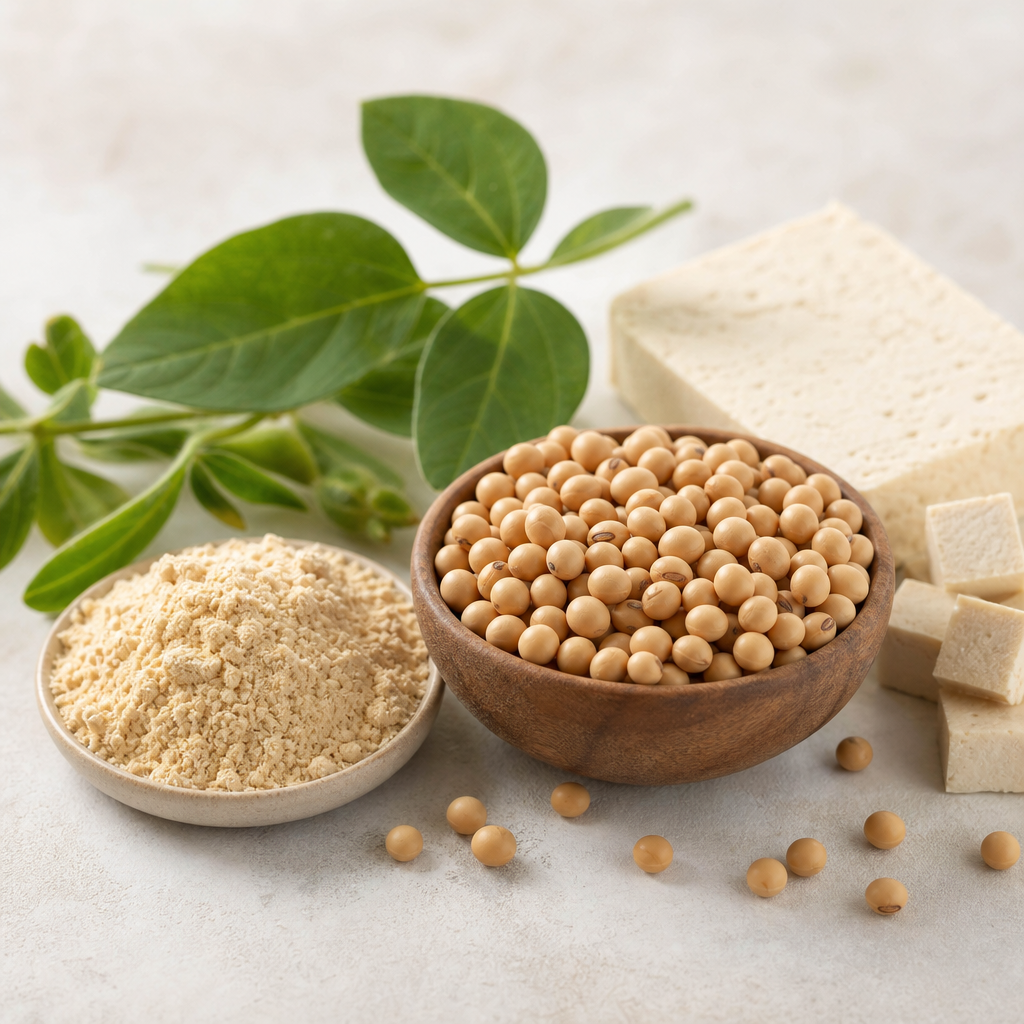
Soy isoflavones are a group of plant compounds—specifically phytoestrogens—found naturally in soybeans and soy-based foods. The primary isoflavones in soy are genistein, daidzein, and glycitein. They are classified as polyphenolic phytochemicals, not vitamins or minerals. Because they can weakly bind to estrogen receptors, they are sometimes described as having selective estrogen receptor modulator (SERM)-like activity, though their effects are far milder than prescription SERMs or hormone therapy.
Soy isoflavones are food-derived ingredients that can also be concentrated into dietary supplements. They are not essential nutrients; the body does not require them in the way it needs vitamins, minerals, essential fatty acids, or essential amino acids. However, research suggests they may influence certain aspects of health, particularly during and after menopause, as well as cardiometabolic markers. Their impact can depend on factors such as dosage, the form consumed (food vs. supplement, fermented vs. non-fermented), gut microbiome differences (notably the ability to produce the metabolite S-equol), and overall diet.
Benefits of Soy Isoflavones
-
Reduction of menopausal hot flashes
(Moderate evidence)
Studies in peri- and postmenopausal individuals show that standardized soy isoflavone supplements can modestly reduce the frequency and intensity of vasomotor symptoms compared with placebo. Effects are generally smaller than hormone therapy, and benefits often take several weeks to appear. People who produce S-equol—a gut-derived metabolite of daidzein—may experience greater benefits.
-
Improvement in lipid profile (LDL cholesterol)
(Moderate evidence)
Soy isoflavone–rich foods and some isoflavone supplements are associated with modest reductions in LDL cholesterol and total cholesterol. The effect size is typically small but may be meaningful when combined with a heart-healthy diet, fiber intake, soy protein, and regular exercise. Benefits tend to be more consistent in individuals with higher baseline cholesterol.
-
Support for bone health after menopause
(Mixed evidence)
Research on bone mineral density and bone turnover markers is mixed. Some trials report small improvements or slower bone loss with isoflavone supplementation or high-soy diets, while others find no significant benefit. If a benefit occurs, it is typically modest and more evident with longer-term use alongside adequate calcium, vitamin D, and resistance training.
-
Blood pressure and vascular function
(Limited to mixed evidence)
Some studies suggest small reductions in systolic blood pressure and improvements in arterial stiffness or endothelial function, particularly among individuals with higher cardiovascular risk. However, findings are not uniform across all trials, and diet quality and soy protein may contribute to observed effects.
-
Urogenital symptoms (e.g., vaginal dryness)
(Limited evidence)
A subset of trials reports mild improvements in vaginal dryness or related menopausal symptoms with isoflavone intake. Results are inconsistent, and benefits, when present, are typically modest compared with localized therapies like vaginal moisturizers or low-dose estrogen prescribed by a clinician.
-
Cancer-related outcomes (dietary soy foods)
(Mixed evidence)
Observational research links higher intake of whole soy foods with neutral or potentially favorable markers for breast and prostate health. Randomized trials on supplements are less conclusive, and high-dose isoflavone supplements are not a substitute for medical care. Individuals with current or prior hormone-sensitive cancers should consult their oncology team before using concentrated isoflavone products.
Types or Forms Available
-
Whole soy foods
: Edamame, tofu, tempeh, miso, natto, soy milk, and soy yogurt naturally provide isoflavones. Fermented options (tempeh, miso, natto) tend to deliver a higher proportion of aglycone forms, which may be more readily absorbed, and often reduce gas-producing oligosaccharides for some people.
-
Standardized soy isoflavone extracts
: Capsule or tablet supplements commonly standardized to provide a specific total isoflavone content (for example, 40–80 mg/day as aglycone equivalents). Labels may specify genistein, daidzein, and glycitein amounts. “Aglycone equivalents” help compare potency across products.
-
Soy germ–derived concentrates
: Extracts made from the soy germ can have a distinct isoflavone profile with a higher proportion of daidzein, which is the precursor to S-equol. Some users prefer these for potential symptom relief, though responses vary.
-
Aglycone vs. glycoside forms
: Isoflavones occur as glycosides in many foods and as aglycones in fermented foods or certain supplements. Aglycones are often absorbed more quickly. Some products specifically state “aglycone-rich” to indicate higher bioavailability.
-
S-equol–containing products
: S-equol is a metabolite produced by specific gut bacteria from daidzein. Commercial S-equol supplements exist and are related to soy isoflavone metabolism, but they are not the same as general soy isoflavone mixes. Evidence is promising but more limited; these products should be used cautiously and in consultation with a healthcare professional.
How to Use Soy Isoflavones
Most people get isoflavones from whole soy foods. When using supplements, choose standardized products and follow the label or a clinician’s guidance. Individual response varies, and benefits—if they occur—often develop gradually over weeks.
-
Common dosage range:
For supplements, typical total isoflavone intake is about 40–100 mg per day (expressed as aglycone equivalents). Many menopause symptom studies use 50–80 mg/day. Higher doses are not necessarily more effective and may increase the chance of side effects. Do not exceed label directions unless advised by a healthcare professional.
-
Best timing:
Timing is flexible. Taking isoflavones with meals can improve tolerance and may aid absorption, especially for aglycone-rich products. For symptom management, consistent daily intake matters more than time of day.
-
How to take it:
Swallow capsules or tablets with water and food. If using powders, mix into smoothies, oats, or yogurt. For those who prefer a food-first approach, include soy foods across meals (e.g., tofu at lunch, soy milk with breakfast).
-
Consistency:
Daily use is generally recommended if targeting menopausal or cardiometabolic benefits. Expect a trial period of 4–8 weeks to assess effects; bone-related outcomes may require several months of consistent intake alongside supportive nutrition and exercise.
Food Sources and Supplement Options
Soy isoflavones are naturally present in soybeans and minimally processed soy foods. They are also available as standardized supplements. A food-first approach offers additional nutrients such as high-quality plant protein, fiber, potassium, iron, and various phytonutrients, while supplements can provide a predictable isoflavone dose when dietary intake is low or specific symptom targets are desired.
-
Soybeans (edamame or mature soybeans):
Among the richest natural sources of isoflavones.
-
Tofu:
Firm, extra-firm, and silken varieties; content varies by brand and processing.
-
Tempeh:
Fermented; often provides more aglycone forms and is easy to digest for some.
-
Miso and natto:
Fermented condiments/foods with variable but often meaningful isoflavone amounts.
-
Soy milk and soy yogurt:
Convenient daily options; check labels for fortification with calcium and vitamin D.
-
Soy nuts and textured soy protein:
Provide both protein and isoflavones; processing influences levels.
Supplementation may make sense if someone prefers not to eat soy foods, wants a consistent daily dose for menopausal symptom support, or is following a clinician-directed plan. Choose products with clear standardization, third-party testing, and transparent labeling. Whole foods and supplements can be combined, but total daily intake should remain moderate.
Who May Benefit from Soy Isoflavones?
-
Peri- and postmenopausal individuals seeking a non-hormonal option for hot flashes and night sweats.
-
People with mildly elevated LDL cholesterol who are optimizing diet and lifestyle and wish to include soy as part of a heart-conscious pattern.
-
Postmenopausal adults focused on bone health who prefer a dietary approach alongside adequate protein, calcium, vitamin D, and resistance training.
-
Individuals who consume little or no soy but are interested in trying a plant-based strategy for specific goals, such as symptom relief or small cardiometabolic improvements.
-
Those who are “equol-producers” (often identified in research settings) and may respond more robustly to daidzein-rich intakes; practical testing for this is limited outside research, so a cautious trial is reasonable.
Side Effects and Considerations
-
Gastrointestinal symptoms:
Some people experience gas, bloating, or mild stomach upset, particularly with large amounts of unfermented soy or when initiating a supplement. Starting low and taking with meals can help.
-
Thyroid considerations:
In people with adequate iodine status, dietary soy does not typically cause hypothyroidism. However, soy foods and supplements can interfere with the absorption of levothyroxine. If you take thyroid medication, separate soy intake and your dose by several hours and work with your clinician to monitor levels.
-
Hormone-sensitive conditions:
Individuals with a history of estrogen receptor–positive breast cancer, endometrial cancer, or uterine fibroids should consult their oncology or gynecology team before using high-dose isoflavone supplements. Whole soy foods are generally considered acceptable for many, but personalized guidance is essential.
-
Medication interactions:
Discuss with your clinician if you use tamoxifen, aromatase inhibitors, thyroid medications, or other hormone-related therapies. Antibiotics or gut-altering medications may temporarily change isoflavone metabolism (e.g., reduce S-equol formation).
-
Allergies:
Avoid soy isoflavone supplements if you have a confirmed soy allergy; even purified extracts can contain residual soy proteins capable of triggering reactions.
-
Pregnancy, breastfeeding, and children:
Safety data for high-dose isoflavone supplements in these groups are limited. Avoid concentrated supplements unless specifically recommended by a healthcare professional. Dietary soy foods in normal culinary amounts are generally acceptable for most people.
-
Liver and kidney considerations:
Isoflavones are metabolized and excreted via the liver and kidneys. Those with significant hepatic or renal impairment should seek medical advice before using concentrated products.
-
Surgery and procedures:
Although isoflavones are not known to increase bleeding risk, many clinicians advise stopping nonessential supplements 1–2 weeks before surgery as a precaution. Confirm with your surgical team.
-
Product quality and dose:
Choose third-party tested supplements that state total isoflavone content as aglycone equivalents and list genistein/daidzein/glycitein amounts. More is not always better; stick to moderate, evidence-informed doses.
Common Myths About Soy Isoflavones
-
Soy isoflavones “feminize” men or lower testosterone.
High-quality trials and meta-analyses generally show no meaningful effect of soy or isoflavone intake on testosterone, estrogen levels, sperm parameters, or fertility in men when consumed in typical dietary or supplemental amounts. Extreme case reports often involve unusually high intakes not reflective of normal use.
-
Soy increases breast cancer risk.
Evidence from population studies indicates that eating whole soy foods is not associated with increased breast cancer risk and may be linked with favorable outcomes in some groups. However, concentrated high-dose isoflavone supplements are not the same as food, and anyone with a history of breast cancer should consult their oncology team before using supplements.
-
Soy always harms the thyroid.
In iodine-sufficient individuals, soy does not typically cause hypothyroidism. The main concern is that soy can reduce absorption of thyroid medication if taken together. Separating the timing and monitoring labs with your clinician addresses this issue.
-
Only fermented soy “counts.”
Fermentation can increase the proportion of aglycone isoflavones and improve digestibility for some, but both fermented and unfermented soy foods provide isoflavones and can fit into a balanced diet. Choice can be based on taste, tolerance, and overall nutrition goals.
Conclusion
Soy isoflavones are nonessential, food-derived phytochemicals that may offer modest support for menopausal symptom relief, lipid management, and potentially bone and vascular health. Benefits vary from person to person and typically accrue slowly with consistent intake. A food-first approach—regularly including soy foods such as tofu, tempeh, edamame, and fortified soy milk—delivers isoflavones along with valuable protein, fiber, and micronutrients. Supplements can be an option for those who prefer a consistent dose or do not consume soy foods, especially for menopausal vasomotor symptoms, but expectations should remain realistic.
Choose high-quality, standardized products, avoid excessive dosing, and consider your health status and medications. People who are pregnant, breastfeeding, managing hormone-sensitive conditions, taking thyroid or cancer-related medications, or living with liver or kidney disease should consult a healthcare professional before using concentrated isoflavone supplements. With thoughtful use—ideally guided by a clinician—soy isoflavones can be a practical part of a broader nutrition and lifestyle strategy.