What is Fennel?
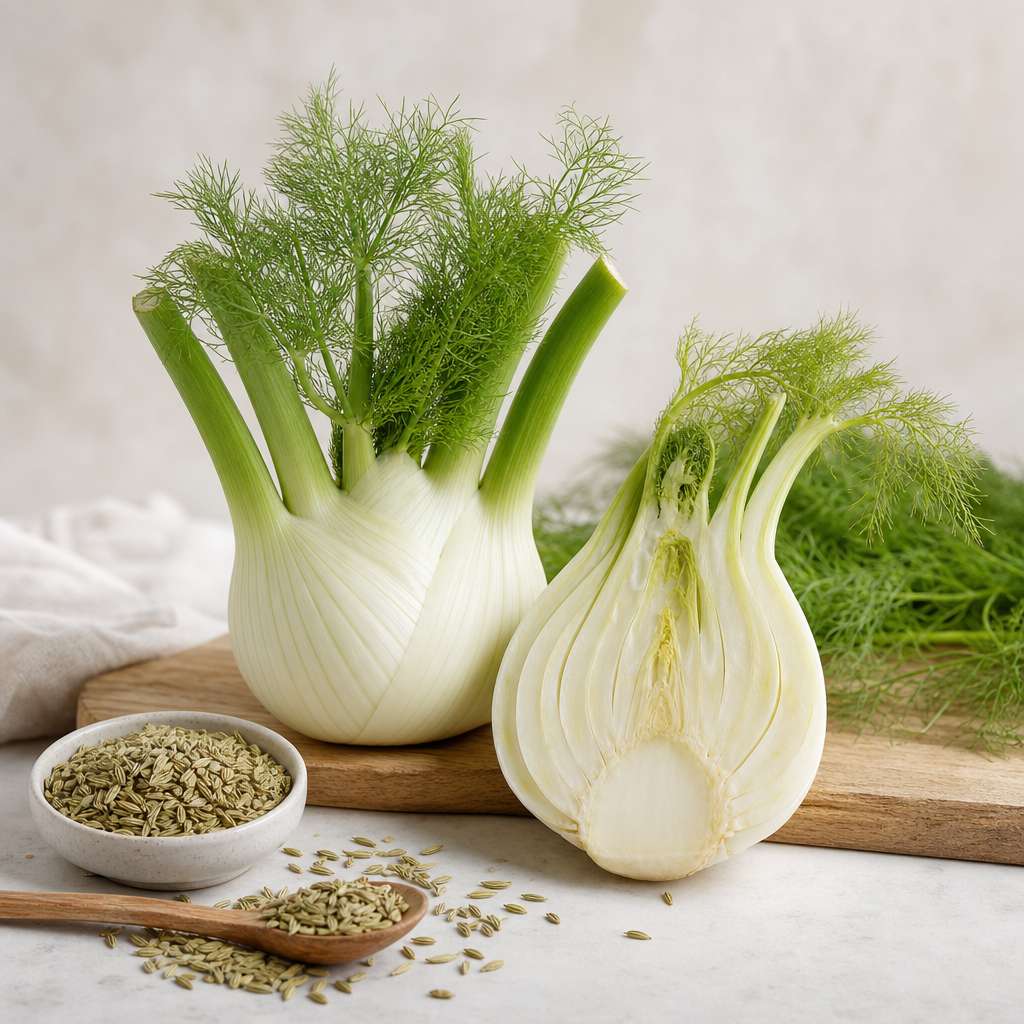
Fennel (Foeniculum vulgare) is a flowering plant in the carrot and parsley family (Apiaceae). It is native to the Mediterranean region but is now grown worldwide as both a culinary vegetable and a medicinal herb. The crisp, sweet, anise-like bulb is eaten raw or cooked, while the aromatic fronds and seeds are used to season foods, make teas, and prepare traditional remedies. The characteristic aroma and flavor come from volatile compounds such as anethole, fenchone, and estragole found in the plant’s essential oils.
From a health perspective, fennel is considered an herb and a food-derived ingredient; it also appears in dietary supplements as whole seed, standardized extracts, or essential oil. It has been used traditionally to support digestion, ease gas and cramping, and soothe coughs. Modern research explores fennel’s potential antispasmodic, carminative, and mild estrogenic-like effects, along with antioxidant and antimicrobial actions. While fennel can be a healthy addition to meals and may support specific wellness goals, it is not an essential nutrient. The human body does not require fennel in the same way it requires vitamins, minerals, essential fatty acids, or essential amino acids.
In everyday use, fennel is a versatile food that can increase vegetable intake and flavor meals without excessive salt or sugar. As a supplement or tea, it is typically used to address functional digestive discomforts (such as bloating or gas), menstrual cramping, or breastfeeding concerns under professional guidance. The strength of evidence varies by application, and concentrated forms like essential oils require special caution.
Benefits of Fennel
-
Digestive comfort and gas relief
(Moderate evidence)
Fennel seeds and teas are traditionally used as carminatives to help relax intestinal smooth muscle and reduce gas. Small clinical studies and longstanding culinary-medical use suggest fennel can ease post-meal bloating, cramping, and mild dyspepsia. The active volatile oils (e.g., anethole and fenchone) are thought to reduce spasms in the gastrointestinal tract. Benefits are most likely with mild, functional GI complaints rather than structural diseases. Responses vary, and effects may be modest but meaningful for some people.
-
Primary dysmenorrhea (menstrual cramping)
(Moderate evidence)
Several small human trials have evaluated fennel extracts for menstrual pain, with some showing improvements in cramping, nausea, and overall discomfort compared with placebo or similar to certain over-the-counter comparators. The proposed mechanism is antispasmodic action on uterine smooth muscle and modulation of prostaglandins. Study quality is mixed and sample sizes are small, but results are promising for short-term use during menses.
-
Infantile colic (via caregiver use or infant preparations)
(Mixed evidence)
Some small randomized trials reported that fennel oil emulsions or fennel-containing preparations reduced daily crying time in infants with colic. However, other data are less convincing, and safety concerns exist with dosing, product quality, and potential exposure to volatile constituents like estragole. Because infants are vulnerable to adverse effects and dosing errors, any use for colic should be supervised by a pediatric professional, and concentrated essential oils should not be given directly to infants.
-
Functional gastrointestinal spasm (e.g., IBS-related cramping)
(Limited evidence)
Preliminary clinical work and traditional practice suggest fennel may help reduce intestinal spasms associated with functional GI disorders. Some improvements in abdominal pain and bloating have been observed, especially when fennel is part of multi-herb formulations. Isolated fennel preparations need more rigorous, larger trials to clarify efficacy and optimal dosing.
-
Lactation support (galactagogue)
(Limited evidence)
Historically, fennel has been used to support milk production. Small studies and anecdotal reports suggest possible modest increases in milk volume or infant weight gain. However, the data are inconsistent, and there are case reports of infant adverse effects when caregivers consumed strong fennel/anise teas in large amounts. If considered, it should be done short-term under lactation and medical guidance, avoiding high doses and essential oils.
-
Antioxidant and antimicrobial activity
(Preliminary evidence)
Laboratory and animal studies indicate that fennel extracts and essential oils exhibit antioxidant and antimicrobial properties. While these mechanisms are biologically plausible and may contribute to digestive support or oral/respiratory comfort, clinical evidence demonstrating clear health outcomes in humans is still early and not definitive.
Types or Forms Available
-
Fresh fennel bulb and fronds:
A crunchy, mildly sweet vegetable used raw in salads or cooked in soups, sautés, and roasts. Provides fiber, vitamin C, and phytonutrients. Best for culinary use and gentle digestive support.
-
Whole or crushed fennel seeds:
Common in spice blends and teas. Chewing seeds after meals is a traditional approach to reduce gas. Crushed seeds release more volatile oils for teas or infusions.
-
Fennel tea (infusion):
Made by steeping crushed seeds in hot water. Widely used for digestive comfort. Potency depends on seed quality, steep time, and amount used.
-
Standardized seed extracts (capsules or tinctures):
Concentrated forms that may be standardized to volatile oil content or key constituents (e.g., anethole, fenchone). Useful for more consistent dosing compared with culinary use or loose teas.
-
Fennel essential oil:
Highly concentrated volatile oil used primarily for aromatherapy or topical applications in heavily diluted form. Not intended for casual oral use; ingestion requires professional oversight due to safety concerns. Topical use should be diluted in a carrier oil and patch-tested for skin sensitivity.
-
Culinary fennel pollen:
A premium seasoning harvested from flowers; intensely aromatic and used sparingly for flavor. Not typically used for therapeutic dosing.
How to Use Fennel
Practical use depends on your goal, preferences, and sensitivity. Many people start with food or tea, then consider standardized extracts if more targeted support is needed. Essential oils are not a first-line internal option due to safety considerations.
-
Common dosage range:
For digestion, 1–2 grams of crushed seeds (about 1/2–1 teaspoon) steeped as tea, up to 2–3 times daily, is common. Chewing 1/2–1 teaspoon of seeds after meals is also traditional. Standardized seed extract capsules often range from about 100–200 mg per serving, taken 1–3 times per day, though products vary; follow label directions. For menstrual cramping, some protocols use teas or standardized extracts during the days surrounding menses. Avoid high-dose or prolonged use of essential oils internally unless directed by a qualified clinician.
-
Best timing:
For digestive support, take with or after meals. For menstrual cramping, start the day before expected onset of cramps and continue during symptomatic days. At bedtime dosing is optional for nighttime bloating or cramping.
-
How to take it:
Tea is prepared by lightly crushing seeds and steeping in hot water for 10–15 minutes; strain before drinking. Capsules can be taken with water. Most people tolerate fennel best with food, which may also reduce any mild nausea. Topical essential oil should be diluted in a carrier (often 0.5–2% concentration) and patch-tested.
-
Consistency:
For functional GI support, try daily use for 2–4 weeks to assess benefit; thereafter, continue as needed. For menstrual discomfort, use intermittently around menses. Long-term daily use of concentrated extracts or essential oils is generally not recommended without professional guidance.
Food Sources and Supplement Options
Fennel is naturally found in foods and also available as teas, extracts, and essential oils. Many people can meet their needs through culinary use, gaining additional nutrients like fiber, vitamin C, and various phytonutrients, while also enhancing meal flavor.
-
Fennel bulb (raw or cooked)
-
Fennel fronds (herb garnish)
-
Fennel seeds (whole or ground spice)
-
Fennel pollen (culinary seasoning)
Supplements may be considered when a consistent, targeted dose is desired (for example, during episodes of menstrual cramping or persistent, mild functional bloating). Whole foods provide a broader range of nutrients and are generally the first choice, while standardized extracts can offer more reliable constituent levels. If using supplements, select reputable brands with third-party testing, clear labeling (including standardization when relevant), and transparent dosing guidelines.
Who May Benefit from Fennel?
-
People with mild, functional digestive complaints such as post-meal bloating, gas, or mild cramping.
-
Individuals with primary dysmenorrhea who prefer a plant-based approach for short-term symptom relief.
-
Those who enjoy using herbs and spices to add flavor and increase vegetable intake with fennel bulb and seeds.
-
Some breastfeeding individuals, if advised by a qualified healthcare professional and lactation specialist, for short-term support—recognizing that evidence is limited and safety for the infant must be prioritized.
-
People seeking gentle, food-first strategies before considering more intensive options for digestive comfort.
Side Effects and Considerations
-
Allergies:
Fennel belongs to the Apiaceae family (e.g., celery, carrot). Individuals with known allergies to these plants may react to fennel. Symptoms can include oral itching, hives, or—rarely—more serious reactions. Discontinue and seek care if reactions occur.
-
Pregnancy and breastfeeding:
Culinary amounts are generally considered acceptable for most people. Avoid medicinal doses and essential oils during pregnancy due to theoretical uterotonic and hormone-like effects. During breastfeeding, discuss any medicinal use with a qualified professional. Avoid giving concentrated fennel preparations directly to infants, and be cautious with strong teas or extracts because of potential infant exposure via breast milk.
-
Hormone-sensitive conditions:
Because fennel may have mild estrogenic-like actions, people with estrogen-responsive conditions (e.g., certain breast, ovarian, or uterine cancers, endometriosis, uterine fibroids) or those using hormone therapies should consult their healthcare provider before use.
-
Medication interactions:
Separate fennel tea or supplements from oral medications by at least 2 hours to minimize potential absorption issues. Use caution if taking medications influenced by herbal constituents (e.g., some antibiotics, hormone therapies, or drugs with narrow therapeutic windows). If you take prescription medications, seek individualized guidance.
-
Essential oil safety:
Fennel essential oil is highly concentrated and can cause nausea, vomiting, neurologic symptoms, or liver strain if ingested improperly. Do not ingest essential oil unless directed by a qualified clinician. For topical use, dilute appropriately and patch-test to reduce skin irritation risk.
-
Liver and kidney concerns:
People with liver or kidney disease should avoid high-dose extracts and essential oils unless supervised by a clinician, as concentrated constituents may add metabolic load.
-
Surgery and procedures:
Discontinue high-dose fennel supplements and essential oil use 1–2 weeks before surgery or invasive dental procedures unless your surgical team advises otherwise.
-
Quality and contamination:
Choose products from reputable manufacturers with third-party testing. Herbal products can vary in composition and may be contaminated with pesticides, heavy metals, or adulterants if poorly sourced.
-
Children:
Do not give fennel essential oil orally to children. For any use in infants or young children (including teas), consult a pediatric professional regarding safety, dosing, and product quality.
-
General medical advice:
If you are pregnant, breastfeeding, taking medications, or managing a medical condition, consult a healthcare professional before using fennel in medicinal amounts.
Common Myths About Fennel
-
“Fennel melts belly fat and guarantees weight loss.”
There is no credible clinical evidence that fennel specifically targets fat loss or “spot-reduces” belly fat. Any weight-related benefit likely comes from using fennel bulb as a low-calorie, high-fiber food that supports overall dietary quality—not from a fat-burning effect.
-
“Fennel is a guaranteed cure for infant colic.”
While some small studies suggest fennel-containing preparations can reduce crying time, results are inconsistent and safety concerns exist—especially with concentrated products. Infant colic is multifactorial, and any use should be supervised by a pediatric professional.
-
“Because fennel is a food, all forms are 100% safe.”
Fresh fennel and culinary seeds are generally safe for most people, but concentrated extracts and essential oils can cause side effects or interact with health conditions and medications. Dose, product quality, and individual factors matter.
-
“Fennel is a natural estrogen replacement and will enlarge the bust.”
Claims about significant hormonal effects or breast enlargement are not supported by reliable clinical research. Fennel may have mild estrogenic-like activity, but that does not equate to potent hormone therapy, and it warrants caution in hormone-sensitive conditions.
Conclusion
Fennel is a versatile herb and vegetable that can gently support digestion, add enjoyable flavor to meals, and, in some cases, help with menstrual cramping or lactation concerns under professional guidance. Culinary use is a sensible first step for most people, providing fiber and phytonutrients alongside potential carminative benefits. Standardized extracts can offer more targeted support when consistent dosing is needed, but they should be selected carefully and used at prudent doses.
As with any botanical, safety and context matter. Individuals who are pregnant or breastfeeding, managing hormone-sensitive conditions, taking medications, or caring for infants should seek personalized medical advice before medicinal use. Choose high-quality, third-party-tested products, avoid megadoses and essential oil ingestion unless directed by a qualified practitioner, and evaluate benefits over time. For many, a food-first approach with fennel bulb and seeds will be both effective and sustainable, with supplements reserved for specific, short-term needs.