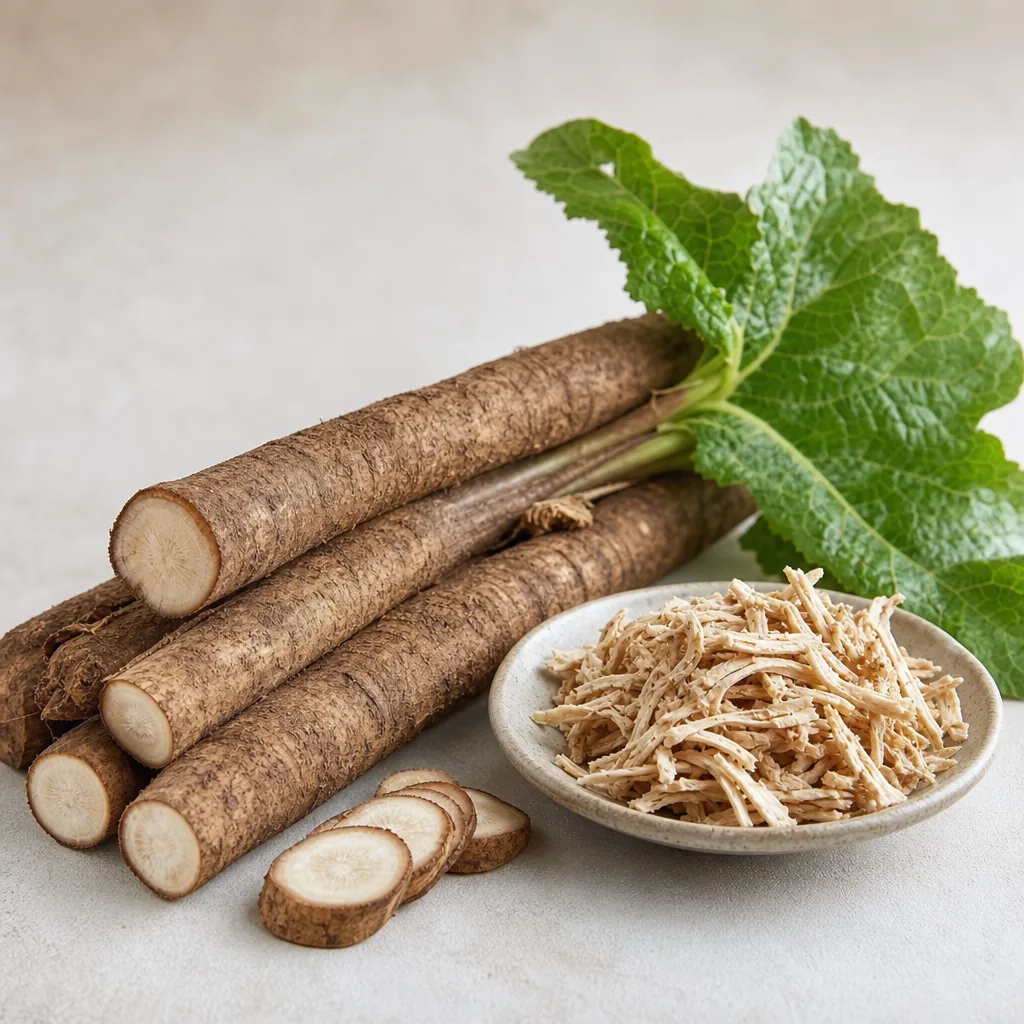
What is Kudzu?
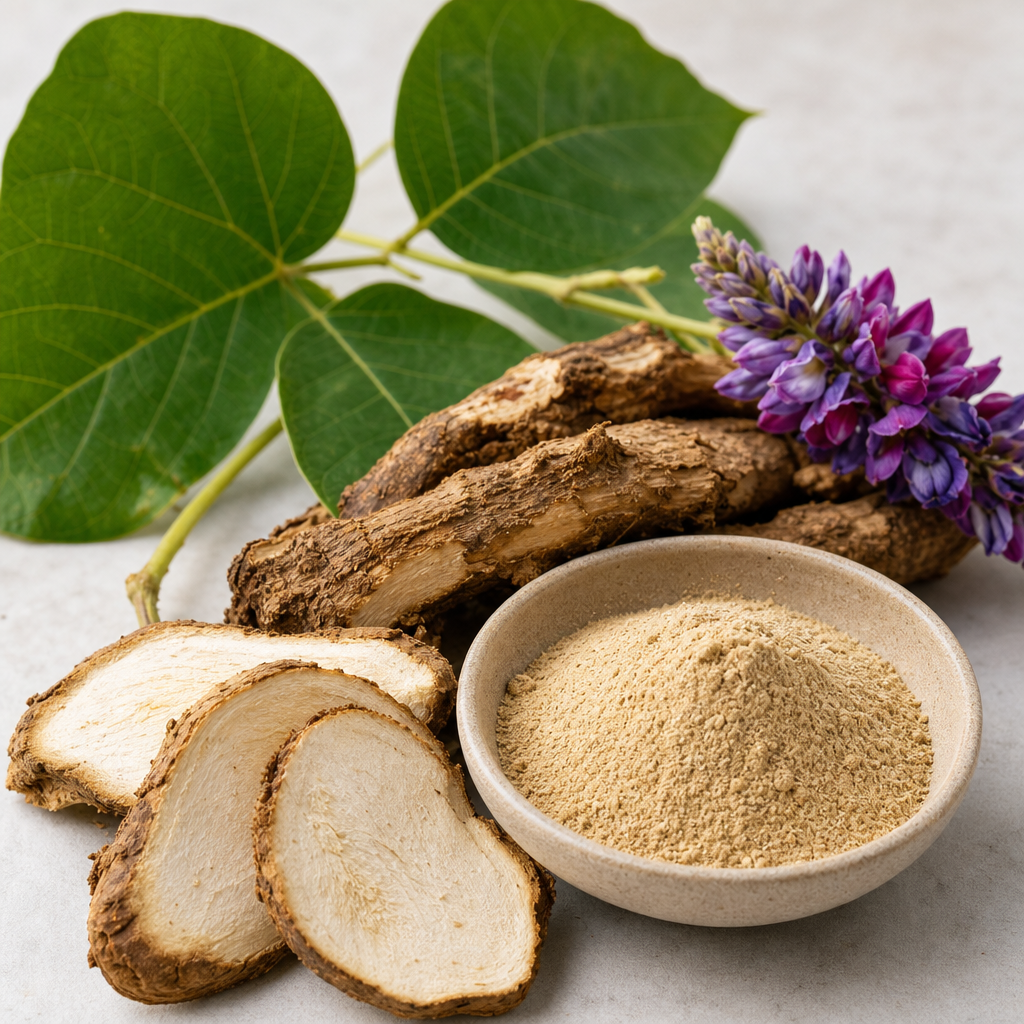
Kudzu (Pueraria lobata) is a fast-growing perennial vine native to East Asia and widely used in Traditional Chinese Medicine (TCM) under the name “Gegen.” The plant’s thick, starchy root has been used for centuries as a decoction, food starch, and herbal remedy. Modern supplements are typically derived from the root and standardized for isoflavones such as puerarin, daidzin, and daidzein—compounds that have been studied for their potential effects on alcohol intake, menopausal symptoms, neck and shoulder tension, and certain cardiometabolic markers.
Kudzu is a botanical herb, not an essential nutrient. The body does not require it in the same way it requires vitamins, minerals, essential fatty acids, or amino acids. Any potential benefits come from its bioactive plant compounds, particularly isoflavones and associated polyphenols, rather than from providing essential nutrition. As with many botanicals, evidence varies by outcome, study design, extract standardization, and dose.
Benefits of Kudzu
-
Support for reducing alcohol intake or drinking speed
(Mixed evidence)
Small randomized, placebo-controlled human studies have reported that standardized kudzu extract may reduce the number of drinks consumed or slow drinking rate without causing aversive reactions. Proposed mechanisms include influence on alcohol metabolism (notably via daidzin) and modulation of reward pathways. However, studies are generally short, sample sizes are small, and results have not been universally replicated. Kudzu should not be considered a treatment for alcohol use disorder; professional care is essential for dependence or withdrawal.
-
Menopausal symptom support (hot flashes)
(Limited evidence)
Kudzu root is rich in phytoestrogenic isoflavones (especially puerarin), which may weakly interact with estrogen receptors. Some small trials and observational data suggest modest reductions in vasomotor symptoms such as hot flashes, but findings are inconsistent and often use mixed formulations or different standardizations. Effects are typically milder than hormone therapy, and response varies widely among individuals.
-
Neck and shoulder tension in traditional use
(Limited evidence)
In TCM, kudzu root is traditionally used for “muscle tightness” of the neck and shoulders and for certain headache patterns. Preliminary and lower-quality clinical data suggest potential benefit for musculoskeletal discomfort when kudzu is used alone or in classic TCM formulas (e.g., Ge Gen Tang). Rigorous, modern trials isolating kudzu root are limited, so evidence remains tentative.
-
Cardiometabolic markers (blood pressure, lipids, glucose)
(Preliminary evidence)
Animal studies and small human pilot trials suggest kudzu isoflavones may favorably influence vascular function, insulin sensitivity, or lipid profiles. Puerarin has been studied extensively in Asia, including in prescription injectable forms not comparable to dietary supplements. For over-the-counter oral products, evidence is preliminary; demonstrated changes tend to be small and not consistent across trials.
-
Antioxidant and anti-inflammatory activity
(Preliminary evidence)
In vitro and animal research shows kudzu constituents may reduce oxidative stress and modulate inflammatory signaling. These findings are common to many polyphenol-rich botanicals. Translating such mechanisms into meaningful clinical outcomes for humans requires larger, high-quality trials that are currently limited.
-
Headache frequency related to muscle tension
(Limited evidence)
Some traditional and early clinical observations link kudzu-containing preparations to fewer tension-type headaches, likely secondary to reduced neck/shoulder tightness. However, high-quality, standalone trials of standardized kudzu extract for headache reduction are sparse; thus, conclusions remain tentative.
Types or Forms Available
-
Dried root (cut/sifted) for decoction/tea:
Traditional TCM form prepared by simmering the root in water. Potency depends on root quality, preparation time, and dose. Not standardized for consistent isoflavone content.
-
Standardized root extract (capsules/tablets):
Modern supplements often standardized to total isoflavones (e.g., 8–40%) or specifically to puerarin. Standardization provides more predictable dosing across batches and is the form most used in clinical studies.
-
Tinctures/liquid extracts:
Alcohol- or glycerin-based extracts. Convenient for flexible dosing but may vary in strength. Look for products that disclose extraction ratio and isoflavone content.
-
Kudzu root starch (kuzuko):
A refined starch used in Japanese and East Asian cooking to thicken sauces and desserts. It has culinary value but contains fewer isoflavones than whole-root or standardized extracts and is not equivalent to supplement-strength preparations.
-
Combination formulas:
Kudzu is sometimes included with other botanicals (e.g., in classic TCM formulas for neck/shoulder tension or with other phytoestrogens for menopausal support). Effects and safety can differ from single-ingredient kudzu.
How to Use Kudzu
Because kudzu is a botanical with variable preparations, follow product labels and consider professional guidance. Start low, assess tolerance, and adjust gradually within typical ranges.
-
Common dosage range:
For standardized root extract, a typical range is 300–1,200 mg per day, often divided into 1–3 doses, providing roughly 30–120 mg total isoflavones depending on standardization. Culinary kudzu starch is used in cooking at gram-level amounts for texture, not for targeted isoflavone intake. Avoid megadoses; more is not always better.
-
Best timing:
Kudzu can be taken with meals to reduce gastrointestinal discomfort. For goals related to drinking behavior, some studies used doses earlier in the day or prior to typical drinking times, but avoid combining high supplemental doses directly with alcohol unless advised by a clinician.
-
How to take it:
Swallow capsules with water; tinctures can be diluted in water or tea. Decoctions are traditionally sipped warm. If using starch for cooking, follow recipe directions; it does not substitute for standardized extract potency.
-
Consistency:
For menopausal or musculoskeletal goals, daily use for 2–8 weeks is often needed before assessing effects. For alcohol-related goals, short-term use around risk periods has been studied, but long-term reliance without professional support is not advised.
Food Sources and Supplement Options
Kudzu is primarily a botanical herb rather than a common dietary food. The natural source is the Pueraria lobata plant, with supplements usually derived from its root. In East Asian cuisine, refined kudzu starch (kuzuko) is used as a thickener and in confections, but it is not equivalent to standardized medicinal extracts. Whole foods provide broad nutrition and fiber, while supplements deliver targeted amounts of specific compounds (e.g., isoflavones) when culinary intake would be impractical.
-
Natural source:
Pueraria lobata root (whole root slices/decoction)
-
Culinary form:
Kudzu root starch (kuzuko) used for sauces, jellies, and desserts
-
Edible plant parts (traditional use):
Young leaves and shoots are sometimes eaten cooked in certain regional cuisines
Supplementation may make sense for people seeking a consistent, standardized isoflavone dose, as opposed to relying on variable whole-root preparations or low-isoflavone culinary starch. Choose reputable brands that identify the Latin name (Pueraria lobata), plant part (root), extraction ratio, and standardization to key isoflavones.
Who May Benefit from Kudzu?
-
Adults aiming to reduce drinking quantity or pace within a broader behavior-change plan and clinical support when appropriate
-
Peri- and postmenopausal individuals interested in a phytoestrogenic botanical for mild vasomotor symptoms and who cannot or choose not to use hormone therapy
-
People with episodic neck and shoulder tightness who wish to explore traditional herbal options, ideally within a comprehensive approach (mobility, ergonomics, stress management)
-
Individuals seeking gentle botanical support for cardiometabolic well-being alongside diet and exercise, with realistic expectations and medical oversight
-
Those who tolerate soy poorly or avoid it but are considering a different phytoestrogen source (with the same cautions that apply to estrogen-sensitive conditions)
-
People already emphasizing lifestyle foundations—sleep, nutrition, movement—who want to trial a standardized botanical as an adjunct, not a replacement
Side Effects and Considerations
-
Gastrointestinal upset:
Nausea, bloating, or loose stools can occur, especially with higher doses or on an empty stomach. Taking with food and starting low may help.
-
Phytoestrogen activity:
Kudzu isoflavones have weak estrogenic effects. Individuals with hormone-sensitive conditions (e.g., breast, ovarian, or uterine cancers; endometriosis; fibroids) should use caution and consult an oncology or women’s health professional before use.
-
Alcohol-related considerations:
Some constituents (e.g., daidzin) may influence alcohol metabolism. People who experience alcohol flushing (possible ALDH2 variants) may be more sensitive. Kudzu is not a treatment for alcohol dependence; do not use it to self-manage withdrawal or substitute for medical care.
-
Medication interactions:
Use caution if taking antihypertensives, antidiabetic medications, anticoagulants/antiplatelets, or hormone therapies (including SERMs). Kudzu may modestly affect blood pressure, glucose handling, clotting, or hormone pathways. Discuss with a clinician or pharmacist.
-
Thyroid considerations:
Isoflavones may affect thyroid hormone dynamics in susceptible individuals, particularly with low iodine status. People with thyroid disorders should consult their clinician and ensure adequate iodine intake.
-
Liver and kidney health:
While serious toxicity is uncommon at typical doses, those with liver or kidney disease should be cautious and seek medical advice before use, especially with concentrated extracts.
-
Pregnancy and breastfeeding:
Safety data are insufficient; due to potential hormonal activity, avoid use unless a qualified healthcare professional advises otherwise.
-
Pediatric use:
Not well studied; avoid giving kudzu supplements to children unless specifically recommended by a pediatric clinician.
-
Surgery:
Because kudzu may affect blood pressure, glucose, or bleeding risk when combined with medications, discontinue at least 1–2 weeks before scheduled surgery unless your surgeon advises otherwise.
-
Quality and identification:
Ensure the product is Pueraria lobata root (not other Pueraria species such as P. mirifica, which has different hormonal activity). Look for third-party testing to reduce the risk of adulteration or contamination.
-
Allergies:
Kudzu is in the legume family (Fabaceae). Individuals with known legume allergies should be cautious and monitor for reactions.
-
General medical guidance:
If you are pregnant, breastfeeding, taking medications, or managing a medical condition, consult a qualified healthcare professional before using kudzu.
Common Myths About Kudzu
-
Kudzu cures alcohol addiction.
Evidence suggests kudzu may modestly reduce drinking rate or quantity in some short-term studies, but it is not a cure and does not address dependence, cravings in all contexts, or withdrawal. Alcohol use disorder requires comprehensive, professional care; kudzu, if used at all, should be an adjunct under guidance.
-
Kudzu is a natural hormone replacement equivalent to HRT.
Kudzu contains weak phytoestrogens that are not comparable to prescription hormone therapy in potency or consistency. Some people may notice mild relief of hot flashes, but responses are variable and data are limited. Those considering hormone-related therapies should consult healthcare professionals for individualized options.
-
Kudzu melts away fat and guarantees weight loss.
There is no strong clinical evidence that kudzu reliably reduces body fat or produces clinically meaningful weight loss. Sustainable weight management depends primarily on nutrition, physical activity, sleep, and behavioral strategies; kudzu should not be relied upon for fat loss.
-
You can safely forage roadside kudzu to use as medicine.
Foraged plants may be contaminated with pesticides, herbicides, heavy metals, or pollutants. Medicinal use should rely on correctly identified, clean, and tested materials from reputable sources with known standardization.
-
Kudzu starch used in cooking equals supplement-strength benefits.
Culinary kudzu starch (kuzuko) has limited isoflavone content compared with standardized extracts. It is useful in recipes but is not a substitute for clinical dosing used in research.
Conclusion
Kudzu is a traditional East Asian botanical whose root provides isoflavones like puerarin and daidzin. Modern research suggests potential for moderating alcohol drinking behavior in some settings, along with tentative benefits for menopausal hot flashes, neck and shoulder tension, and certain cardiometabolic markers. Overall, evidence ranges from preliminary to mixed, with relatively small studies and variable extracts. If you choose to try kudzu, select a reputable, standardized product, start with conservative doses, and set realistic expectations.
People who are pregnant, breastfeeding, taking medications, or managing a medical condition should consult a healthcare professional before use. Those with hormone-sensitive conditions, thyroid disorders, or liver/kidney disease should be especially cautious. Food-first approaches remain foundational for health; kudzu’s culinary starch can be part of recipes, but standardized supplements are typically used when targeted isoflavone intake is desired. As with any supplement, quality, safety, and individualized guidance matter most.