What is Ubiquinol?
Ubiquinol is the reduced, antioxidant form of coenzyme Q10 (CoQ10), a fat-soluble compound made naturally in the body and found in small amounts in foods. CoQ10 exists in two interchangeable states: ubiquinone (oxidized) and ubiquinol (reduced). In human blood and tissues, most CoQ10 circulates as ubiquinol, where it helps protect cells from oxidative damage and participates in energy production within mitochondria, the “power plants” of cells.
Ubiquinol is best described as a non-essential, body-made compound and a dietary supplement. Unlike vitamins or minerals, the body does not technically require ubiquinol from the diet to survive because it can synthesize CoQ10 endogenously. However, internal production tends to decline with age and may be influenced by genetics, health status, and certain medications. Supplementing with ubiquinol may help support cellular energy and antioxidant defenses, especially in situations where needs are increased or production is reduced.
Benefits of Ubiquinol
-
Adjunct support in heart failure
(Moderate evidence)
Ubiquinol contributes to mitochondrial energy production in heart muscle and acts as an antioxidant. Clinical studies of CoQ10 (including ubiquinol and ubiquinone) suggest potential improvements in symptoms and exercise capacity when used as an adjunct to standard medical therapy. Some trials show better quality of life or functional status, while others report modest changes in ejection fraction. Results are not uniform across all studies, but overall findings support a potential supportive role under clinician guidance.
-
Statin-associated muscle symptoms
(Mixed evidence)
Statins lower cholesterol by inhibiting the mevalonate pathway, which also contributes to CoQ10 synthesis. Some research reports that CoQ10 or ubiquinol may reduce muscle aches or weakness in statin users, while other well-controlled trials find minimal or no difference compared with placebo. Given the variability in outcomes and individual responses, a cautious trial under medical supervision may be reasonable for symptomatic statin users.
-
Migraine prevention
(Moderate evidence)
Several randomized trials indicate that CoQ10 supplementation can reduce migraine frequency and headache days. Benefits may take several weeks to appear and often increase over two to three months. While not a replacement for prescribed therapies, ubiquinol may be considered as part of a broader migraine management strategy, particularly for those who prefer non-pharmacologic adjuncts.
-
Male fertility (sperm parameters)
(Moderate evidence)
Oxidative stress can impair sperm motility and morphology. Meta-analyses and controlled studies suggest that CoQ10, including ubiquinol, may improve sperm motility and some semen parameters in men with infertility related to suboptimal sperm quality. Effects on pregnancy or live birth rates are less certain, so expectations should be realistic and coordinated with reproductive care.
-
Blood pressure and endothelial function
(Limited evidence)
Small trials and meta-analyses suggest CoQ10 may modestly support healthy blood pressure and endothelial function, likely through improved mitochondrial efficiency and antioxidant activity. Effects are generally small and variable, and should not replace antihypertensive treatment. Lifestyle measures and prescribed medications remain primary therapies.
-
Exercise performance and fatigue resistance
(Mixed evidence)
Because ubiquinol is central to cellular energy transfer, it is often studied in athletes and people with fatigue. Some trials report minor improvements in time-to-exhaustion or perceived exertion, but others find no measurable performance benefit. Differences in training status, dosing, duration, and formulation likely contribute to inconsistent outcomes.
Types or Forms Available
-
Ubiquinol softgels (reduced CoQ10):
Typically delivered in oil-based softgels to enhance absorption. Often marketed as more bioavailable than ubiquinone. Some small studies show higher blood levels with certain brands or formulations, but responses vary among individuals.
-
Ubiquinone softgels or capsules (oxidized CoQ10):
The original form of CoQ10 used in many clinical trials. Often less expensive. When taken with a fat-containing meal or in an oil-based softgel, absorption can be adequate for many users.
-
Enhanced-delivery formulations:
Includes self-emulsifying systems, micellar or nanoemulsion formats, and liposomal preparations designed to improve bioavailability. Evidence for superiority is formulation-specific and not always consistent across products.
-
Powders, chewables, and gummies:
Convenient but may offer lower doses per serving and variable absorption, especially if not paired with dietary fat. Check labels for added sugars and verify third-party testing.
-
Food-derived concentrates:
Some products highlight natural fermentation sources (e.g., yeast-derived CoQ10). These are typically either ubiquinone or ubiquinol at the final step; the origin does not guarantee better efficacy but may appeal to certain preferences.
Both ubiquinone and ubiquinol can raise total CoQ10 status in the body. The best choice often depends on individual tolerance, cost, dose needs, and how well levels respond after several weeks of consistent use.
How to Use Ubiquinol
-
Common dosage range:
Typical supplemental doses for adults are 50–200 mg per day of ubiquinol. In some clinical contexts (such as adjunctive use in heart failure), practitioner-guided intakes of 100–300 mg daily in divided doses are sometimes used. Avoid megadoses without medical supervision.
-
Best timing:
Take with a meal that contains fat to support absorption. Many people take it with breakfast or lunch. If you are sensitive to supplements later in the evening, consider avoiding late-night dosing.
-
How to take it:
Oil-based softgels generally absorb better than dry powders. Consuming with dietary fat (e.g., olive oil, nuts, eggs, avocado, salmon) can improve uptake.
-
Consistency:
Daily use is typically recommended. Blood levels rise gradually; benefits may take 2–8 weeks, with some outcomes (e.g., migraine or exercise adaptations) requiring 8–12 weeks.
Food Sources and Supplement Options
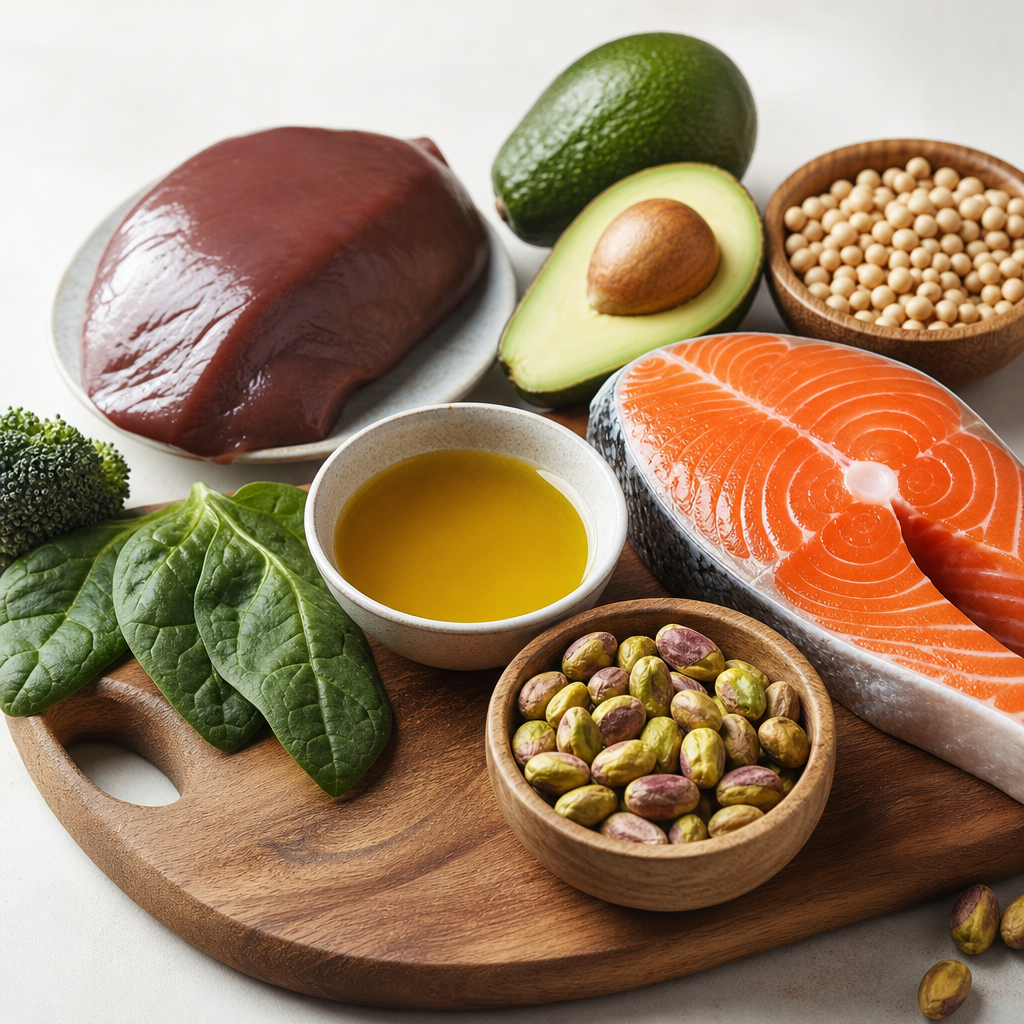
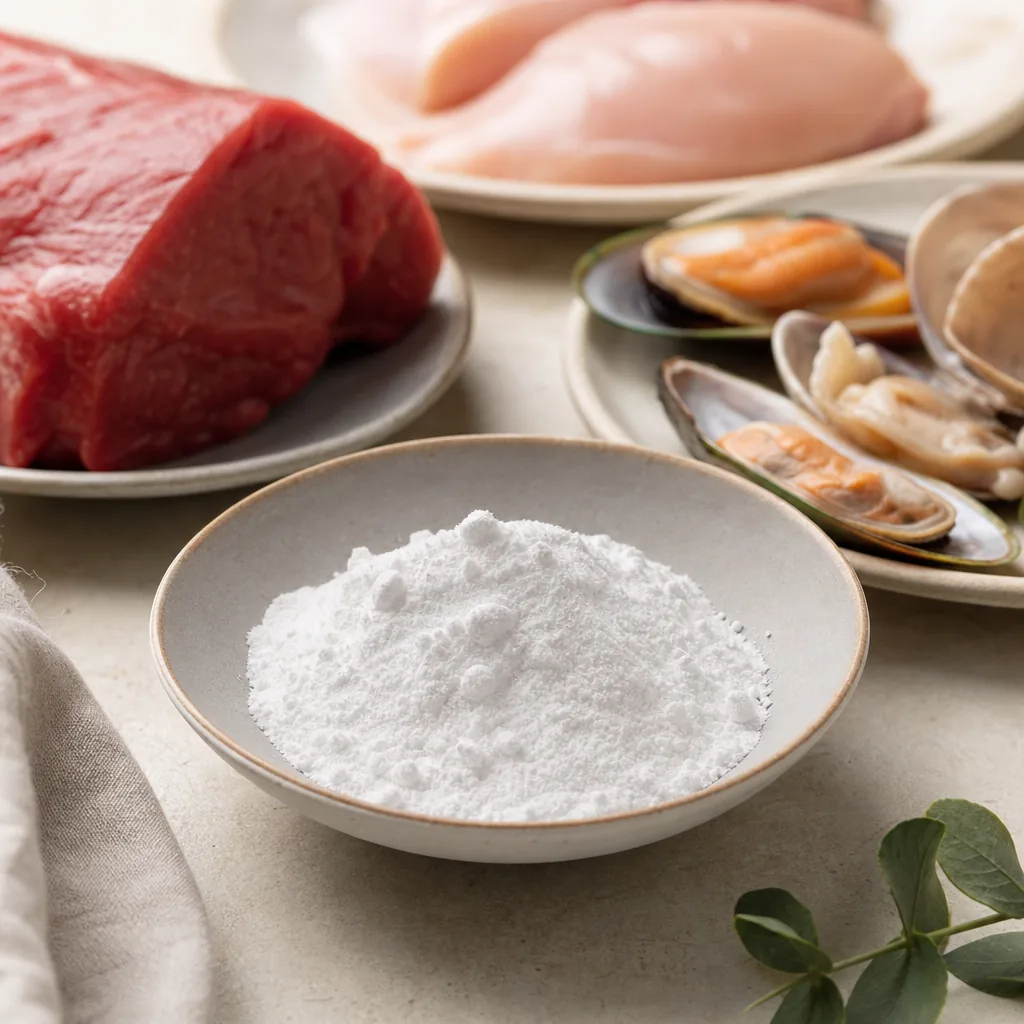
CoQ10 occurs naturally in foods, primarily in animal products, with smaller amounts in plant foods. Most dietary CoQ10 is in the ubiquinone form, and the body converts it to ubiquinol as needed. Because food amounts are modest and cooking can reduce content, supplements are commonly used to achieve targeted dosing.
-
Organ meats (heart, liver, kidney)
-
Fatty fish (sardines, mackerel, salmon)
-
Beef and pork
-
Chicken and turkey
-
Soybeans and soy products
-
Nuts and seeds (e.g., peanuts, pistachios, sesame)
-
Spinach, broccoli, and cauliflower
Food-first approaches provide a broader nutrient package (protein, iron, B vitamins, omega-3s, and phytonutrients). Supplements can be helpful when consistent, higher intakes are desired, when age or medications may lower CoQ10 status, or when working toward specific wellness goals under professional guidance. Choose products that are third-party tested for potency and purity.
Who May Benefit from Ubiquinol?
-
Adults over 50, as endogenous CoQ10 synthesis tends to decline with age.
-
Individuals taking statins who experience muscle symptoms and wish to trial a supportive approach with their clinician.
-
People with migraines looking for a non-pharmacologic adjunct to standard care.
-
Men with suboptimal sperm motility or morphology under the care of a fertility specialist.
-
Highly active individuals or athletes with heavy training loads who want to experiment with recovery support.
-
People with diets low in animal products who prefer to supplement rather than rely on organ meats or fatty fish for CoQ10 intake.
-
Individuals with specific cardiovascular concerns, using ubiquinol strictly as an adjunct under medical supervision.
Side Effects and Considerations
-
Generally well tolerated; possible side effects include mild gastrointestinal upset, nausea, diarrhea, reduced appetite, headache, or insomnia in sensitive individuals.
-
Medication interactions: CoQ10/ubiquinol may reduce the anticoagulant effect of warfarin (lowering INR). Monitor closely and consult your prescriber. Use caution with antihypertensive or antidiabetic medications due to potential, usually small, additive effects.
-
Surgery: Stop ubiquinol at least 2 weeks before elective surgery unless your surgeon advises otherwise.
-
Pregnancy and breastfeeding: Human safety data are limited. Consult a qualified healthcare professional before use.
-
Children and adolescents: Use only under pediatric guidance.
-
Liver or kidney concerns: While adverse effects are uncommon, those with hepatic or renal conditions should seek medical advice before supplementing.
-
Cancer therapy: Antioxidants may interact with certain chemotherapies or radiotherapy. Oncologist guidance is essential.
-
Allergies and excipients: Some softgels contain soy, gelatin (bovine or fish), or other allergens. Check labels if you have sensitivities or dietary restrictions.
-
Quality matters: Look for third-party testing and reputable manufacturers. Ubiquinol is sensitive to oxidation; products should be properly protected from light and oxygen.
-
Dosing prudence: More is not always better. Start within typical ranges and reassess after several weeks. Discuss higher or long-term dosing with a healthcare professional.
Common Myths About Ubiquinol
-
“Ubiquinol is a stimulant that gives instant energy.”
Ubiquinol supports mitochondrial energy production but does not act like caffeine. Benefits, when they occur, are typically gradual over weeks.
-
“Everyone over 30 must take ubiquinol.”
The body synthesizes CoQ10. While levels can decline with age, not everyone needs a supplement. Diet, health status, medications, and goals should guide decisions.
-
“Ubiquinol always works better than ubiquinone.”
Some studies find higher blood levels with certain ubiquinol or enhanced-delivery products, but clinical outcomes vary and many trials have used ubiquinone successfully. Individual response and product quality matter.
-
“High doses guarantee superior results.”
Beyond typical ranges, benefits may plateau while cost and the chance of side effects increase. Tailored, evidence-informed dosing is preferable.
-
“It cures heart disease.”
Ubiquinol may support symptoms or quality of life as an adjunct in some cardiovascular settings, but it does not replace evidence-based medical therapy or lifestyle changes.
Conclusion
Ubiquinol is the body’s active antioxidant form of CoQ10 and plays a key role in cellular energy and oxidative balance. Evidence suggests it may be useful as an adjunct for heart failure care, migraine prevention, male fertility support, and in select cases for statin-associated muscle symptoms, with smaller or variable effects on blood pressure and exercise performance. It is not an essential nutrient like vitamins or minerals, and benefits tend to emerge gradually with consistent use.
If you choose to supplement, prioritize reputable brands with third-party testing and take ubiquinol with a fat-containing meal. Consider a food-first approach to overall nutrition, using organ meats, fatty fish, and plant sources to contribute modest amounts of CoQ10, while recognizing that supplements enable more precise dosing. Individuals who are pregnant, breastfeeding, taking medications (especially warfarin), or managing medical conditions should consult a healthcare professional to ensure safe, coordinated care.