What is Vanadium?
Vanadium is a trace element found naturally in the earth’s crust, seawater, and many foods in very small amounts. In supplements, it is typically provided as a compound such as vanadyl sulfate or sodium metavanadate rather than as pure elemental vanadium. It has long interested researchers because certain chemical forms of vanadium can “mimic” some actions of insulin in cells and influence enzymes involved in energy and lipid metabolism.
Unlike essential vitamins and minerals, vanadium is not currently recognized as an essential nutrient for humans. That means the body does not require vanadium in the same way it requires iron, iodine, zinc, or vitamin D, and there is no established Recommended Dietary Allowance (RDA). Most people consume small amounts of vanadium from food and water without any need for supplementation.
Vanadium is available as a dietary supplement and is sometimes marketed for blood sugar support, “glucose disposal,” or athletic performance. However, human evidence is limited and mixed, and higher doses may carry safety concerns. For most people, a food-first approach is appropriate, reserving supplements for specific circumstances under healthcare guidance.
Benefits of Vanadium
-
Support for insulin sensitivity and fasting glucose in type 2 diabetes
(Mixed evidence)
Some small clinical trials have reported modest improvements in fasting glucose or insulin sensitivity with vanadyl sulfate or sodium metavanadate, while other studies have found little to no benefit. Differences in dose, formulation, and study design likely explain inconsistent outcomes. Any glucose-lowering effect appears mild and is not consistent enough to recommend vanadium as a stand-alone strategy. It should not replace prescribed diabetes medication or foundational lifestyle changes.
-
Post-meal glucose handling and insulin signaling
(Preliminary evidence)
Laboratory and early human studies suggest certain vanadium compounds can influence insulin receptor signaling and enzymes that regulate glucose uptake. In practice, a small subset of short-term trials show better post-meal glucose control, but confirmatory, high-quality, longer-term studies are limited. The practical impact for most people remains uncertain.
-
Lipid profile (cholesterol and triglycerides)
(Limited evidence)
A few small studies and pilot trials hint that vanadium may modestly lower total cholesterol or triglycerides in some individuals, potentially through effects on hepatic lipid enzymes. Results are inconsistent and often confounded by concurrent lifestyle or medication changes. More robust trials are needed before relying on vanadium for lipid management.
-
Polycystic ovary syndrome (PCOS) metabolic markers
(Limited evidence)
Because PCOS commonly involves insulin resistance, vanadium has been explored in small studies for effects on insulin sensitivity and metabolic markers. Some findings suggest potential improvements in surrogate markers, but sample sizes are small and durations short. Vanadium is not a standard therapy for PCOS, and any use should be under clinician supervision.
-
Blood pressure and vascular function
(Preliminary evidence)
Early research and mechanistic studies indicate vanadium could influence vascular tone and endothelial enzymes. Limited human data, however, make it unclear whether supplementation produces a meaningful, sustained effect on blood pressure or vascular health in the real world.
-
Athletic performance and body composition
(Limited evidence)
Vanadium supplements were historically promoted in strength sports for “insulin-like” effects thought to drive nutrients into muscle. Controlled human trials have not consistently shown improvements in strength, muscle mass, or performance compared with training and nutrition alone. Any benefit appears minimal at best.
Types or Forms Available
-
Vanadyl sulfate (VOSO4)
: The most common supplemental form. Frequently used in research and commercial products. Absorption is relatively low, and gastrointestinal side effects can occur, especially at higher doses.
-
Sodium metavanadate (NaVO3)
: Another inorganic form sometimes used in studies. Bioavailability and tolerability may differ slightly from vanadyl sulfate, but human head-to-head comparisons are limited.
-
Chelated forms (e.g., bis-glycinato oxovanadium, “BGOV”)
: Marketed for potentially better absorption or fewer side effects by binding vanadium to amino acids. Independent clinical evidence verifying superior efficacy or safety over standard forms is limited.
-
Food-bound vanadium
: Present naturally in foods bound to organic molecules. Amounts are typically in micrograms, and the body absorbs only a small fraction. This is the primary way most people encounter vanadium.
Across forms, bioavailability is generally low, results are inconsistent, and safety—especially at higher doses or long durations—is a major consideration. No form has robust evidence demonstrating clear superiority for health outcomes.
How to Use Vanadium
Because vanadium is not an essential nutrient and evidence for routine supplementation is limited, many people will not need or benefit from it. If a healthcare professional suggests trying vanadium for a specific purpose, the following general points may help guide safe use.
-
Common dosage range:
Supplements commonly provide about 0.5–2 mg of elemental vanadium per day. Some products offer higher amounts, but increasing the dose raises the likelihood of side effects without clear added benefit. There is no established recommended intake for vanadium, and long-term high-dose use is discouraged.
-
Best timing:
Timing is not critical. If sensitivity to stomach upset occurs, taking it with a meal may help. For people monitoring blood glucose, discuss timing with a clinician to avoid hypoglycemia when combined with diabetes medications.
-
How to take it:
Typically taken orally with water. Taking with food can reduce gastrointestinal discomfort.
-
Consistency:
If used, short-term trials (for example, a few weeks) under supervision are more prudent than open-ended daily use. Reassess need regularly and discontinue if no clear benefit or if side effects occur.
Never use vanadium to self-treat diabetes or replace prescribed therapies. Individuals who are pregnant or breastfeeding, taking medications, or managing medical conditions should consult a healthcare professional before use.
Food Sources and Supplement Options
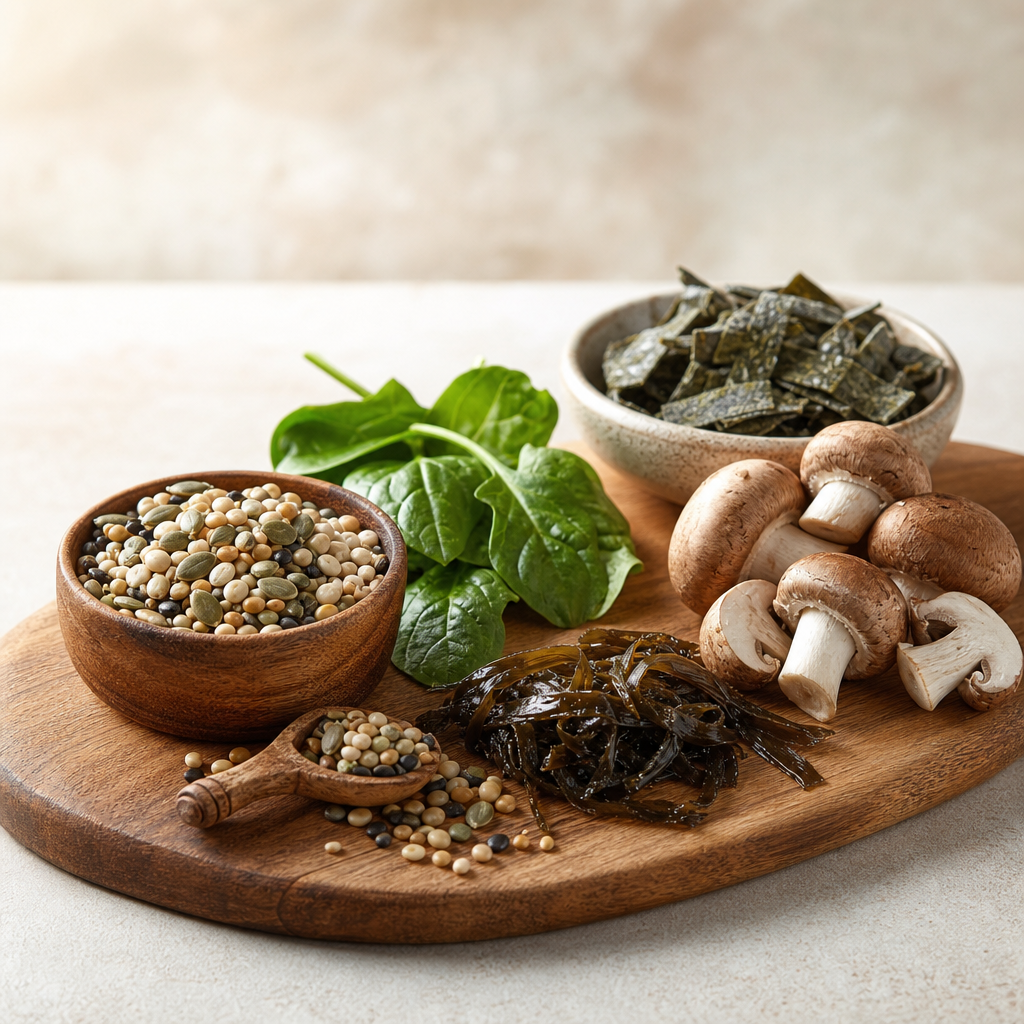
Vanadium is naturally present in small amounts in many foods and in some drinking water. Diet typically supplies microgram quantities—far below the milligram amounts found in many supplements. Because bioavailability is low and human requirements are not established, most people meet their needs (if any) through normal dietary exposure.
-
Shellfish (e.g., oysters, mussels, clams)
-
Mushrooms
-
Black pepper
-
Parsley and dill seed
-
Whole grains and wheat products
-
Legumes
-
Some leafy vegetables
-
Drinking water (amount varies by location)
Supplements are available as capsules or tablets and may be included in “glucose support” formulas. Supplementation may be considered only when a clinician identifies a specific, evidence-informed rationale—typically as a cautious, time-limited experiment while monitoring for benefit and side effects. Whole foods offer additional nutrients and health-promoting compounds, whereas supplements provide a single compound at a controlled dose but with greater potential for adverse effects if misused.
Who May Benefit from Vanadium?
-
Adults with insulin resistance or type 2 diabetes who are already implementing diet, exercise, sleep, and medication plans and are considering a short-term adjunct under medical supervision.
-
Individuals with PCOS working with a clinician on metabolic and hormonal management who are evaluating adjunctive, time-limited options.
-
Athletes who have optimized nutrition and training and are aware that performance benefits are unproven and potential risks exist.
-
Participants in clinical research trials where dosing, safety monitoring, and outcomes are closely supervised.
Side Effects and Considerations
-
Gastrointestinal upset:
Nausea, diarrhea, stomach cramps, and a metallic taste are the most common complaints. Vanadyl sulfate can occasionally cause a harmless greenish discoloration of the tongue.
-
Blood sugar lowering and hypoglycemia risk:
Vanadium may enhance insulin action. Combining with insulin or oral diabetes medications can increase the risk of low blood sugar. Close glucose monitoring and medical oversight are important.
-
Kidney and liver concerns:
High doses or prolonged use may stress the kidneys or liver. People with kidney or liver disease should avoid vanadium unless specifically advised and monitored by a clinician.
-
Accumulation and long-term safety:
Vanadium can accumulate in tissues with ongoing exposure, and long-term safety at supplemental doses is not well established. Avoid chronic, open-ended use.
-
Pregnancy, breastfeeding, and children:
Safety data are insufficient. Avoid use unless a healthcare professional determines a clear need and provides supervision.
-
Thyroid and other medical conditions:
Animal and mechanistic data suggest vanadium can influence certain enzymes; individuals with thyroid disorders or complex medical histories should consult a clinician before use.
-
Surgery:
Because vanadium may affect glucose control, discontinue before surgery as advised by your surgical and medical team.
-
Medication interactions:
Use caution with drugs that affect blood sugar. Discuss use with your pharmacist or clinician if you take multiple medications.
-
Quality and contamination:
Choose brands that use third-party testing to verify identity and absence of contaminants. Avoid products with unusually high doses or unsupported claims.
-
Allergies and sensitivities:
Rare reactions may occur. Discontinue if you develop rash, breathing difficulty, or other signs of hypersensitivity, and seek medical care.
Common Myths About Vanadium
-
Myth: Vanadium is an essential mineral everyone should supplement.
Human studies have not established vanadium as essential, and there is no RDA. Most people obtain tiny amounts from food and water without any demonstrated need for supplementation.
-
Myth: Vanadium can replace insulin or diabetes medications.
While some research suggests modest effects on insulin sensitivity, results are inconsistent and not strong enough to replace standard care. Stopping or changing diabetes medications without medical guidance is unsafe.
-
Myth: Vanadium will significantly increase muscle mass and strength.
Controlled trials have not consistently shown improvements in performance or body composition beyond what proper training and nutrition achieve. Marketing claims overstate the evidence.
-
Myth: “Natural” means safe at any dose.
Dose and duration matter. Higher doses of vanadium increase the risk of side effects and potential organ stress. More is not better, and long-term safety is not well defined.
Conclusion
Vanadium is a nonessential trace element that has intrigued researchers for its insulin-mimetic properties, but human evidence for clear, consistent benefits is limited. For most people, focusing on nutrition, physical activity, sleep, stress management, and evidence-based medical care will deliver far greater and safer returns than vanadium supplementation.
If vanadium is considered, it should be for targeted, short-term use under professional supervision—especially for individuals working on glucose control—while carefully monitoring for benefit and adverse effects. Choose reputable, third-party tested products, avoid high doses, and prioritize a food-first approach since whole foods provide a spectrum of supportive nutrients. People who are pregnant or breastfeeding, taking medications, or living with medical conditions should consult a healthcare professional before using vanadium.