What is Zhu Ling?
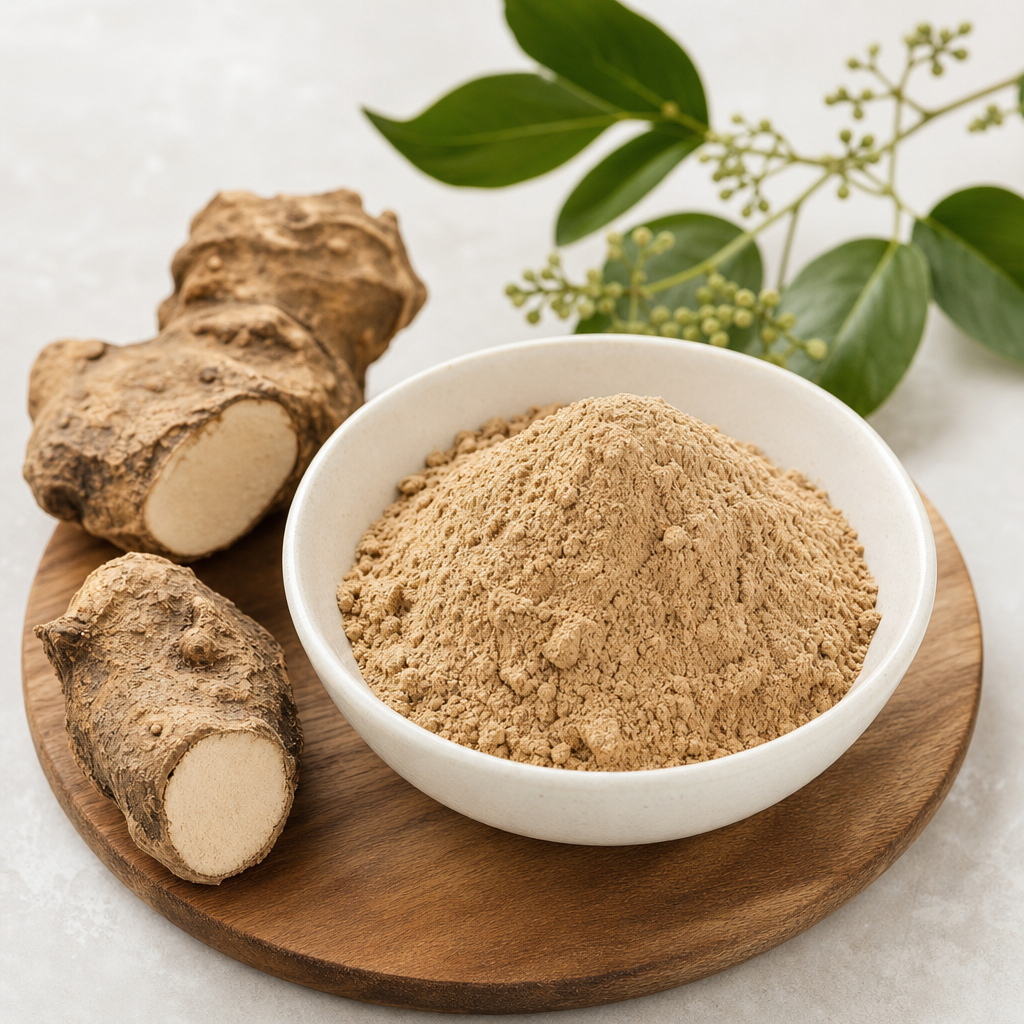
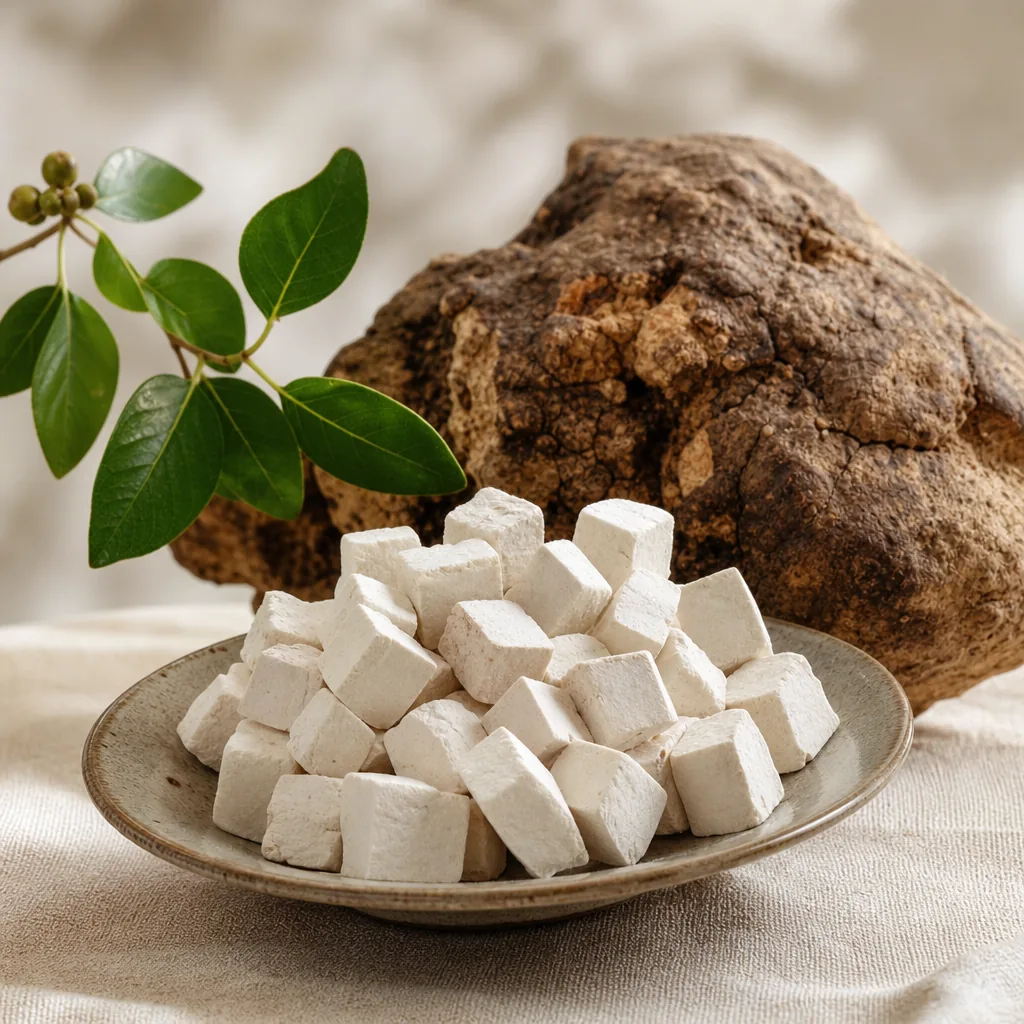
Zhu Ling is the common name for Polyporus umbellatus, a medicinal mushroom long used in traditional Chinese medicine (TCM). The part most often used is the underground sclerotium—a dense, hardened mass of mycelium—rather than the above-ground fruiting body. In TCM, Zhu Ling is valued primarily for promoting urination and helping the body clear “dampness,” a traditional concept related to water retention and sluggish fluid movement. Modern analyses identify polysaccharides, ergosterol derivatives, and other bioactive compounds that may contribute to its physiological effects.
Zhu Ling is considered an herb/mushroom-based supplement, not an essential nutrient. Unlike vitamins or minerals, the body does not require Zhu Ling to function. Instead, it is taken for specific wellness goals, such as supporting urinary flow, mild occasional water retention, or general vitality according to traditional use. Scientific research into Zhu Ling’s benefits is growing but remains limited; much of the evidence comes from animal and laboratory studies, with fewer robust human trials.
Benefits of Zhu Ling
-
Supports mild diuresis (increases urine output)
(Limited evidence)
Traditional use and several animal studies suggest that Zhu Ling can promote urination, which may help with mild, occasional water retention. Human research is limited and often involves multi-herb formulas, making it hard to isolate Zhu Ling’s specific effect. Still, its diuretic activity is one of the most consistently noted properties in preclinical research.
-
Urinary tract wellness
(Limited evidence)
By increasing urine flow, Zhu Ling may help support urinary tract hygiene and comfort as part of a broader routine that includes adequate hydration. Evidence in humans is sparse, and Zhu Ling should not be used to self-treat infections or urinary symptoms without medical evaluation.
-
Kidney support under stress
(Preliminary evidence)
Extracts and polysaccharides from Polyporus umbellatus have shown protective effects on kidney tissue in animal models exposed to toxins or metabolic stressors. These findings suggest potential nephroprotective properties, but well-controlled clinical trials are needed before firm conclusions can be drawn.
-
Immune modulation
(Preliminary evidence)
Mushroom polysaccharides can influence immune cell signaling in preclinical studies. Zhu Ling polysaccharides have demonstrated immunomodulatory effects in laboratory and animal models. Whether these translate into meaningful human outcomes (e.g., resilience to infections) has not been established.
-
Anti-inflammatory and antioxidant activity
(Preliminary evidence)
In vitro and animal studies indicate that Zhu Ling constituents may reduce markers of inflammation and oxidative stress. While promising, these findings are early-stage and cannot be directly equated with clinical benefits in humans.
-
Adjunctive use in traditional formulas
(Mixed evidence)
Zhu Ling appears in classic TCM formulas historically used for urinary difficulty and fluid retention. Some clinical observations and small studies report benefits, but results are confounded by the presence of multiple herbs and variability in preparation methods. More rigorous, Zhu Ling–specific trials are needed.
Types or Forms Available
-
Dried sclerotium (cut or sliced) for decoction
: The traditional form used in TCM. It is simmered in water to make a tea/decoction. Potency depends on raw material quality and preparation time.
-
Powdered whole sclerotium
: Ground from the dried sclerotium and encapsulated or mixed into beverages. Potency can be variable because it is not standardized to a specific compound class.
-
Standardized extracts (e.g., polysaccharide content)
: These may specify a certain percentage of polysaccharides (for example, 10–30%). Standardization can improve consistency from batch to batch compared to whole-powder products.
-
Dual extracts (water/alcohol)
: Seek to capture both water-soluble polysaccharides and more alcohol-soluble constituents. Label details vary; choose products with transparent testing.
-
Traditional multi-herb formulas
: Zhu Ling is an ingredient in classic TCM combinations historically used for urinary and fluid-related concerns. Effects depend on the full formula and practitioner guidance.
How to Use Zhu Ling
The right approach depends on your goals, tolerance, and guidance from a qualified practitioner. Because research in humans is limited, start conservatively and avoid long-term unsupervised use, especially if you take medications or manage medical conditions.
-
Common dosage range:
Traditional decoction doses often range from about 6–12 grams of dried sclerotium per day, typically combined with other herbs under practitioner guidance. For standardized extracts, many supplements provide approximately 500–1,500 mg per day in divided doses. Use the lower end first and monitor how you feel.
-
Best timing:
For urinary support or mild, occasional water retention, daytime use is common to avoid nighttime urination. If you are using it for general wellness, consistent daytime dosing is typical.
-
How to take it:
Capsules and tablets are taken with water. Traditional decoctions are sipped warm. Taking with a small snack may help reduce stomach upset in sensitive individuals.
-
Consistency:
Some people use Zhu Ling intermittently for short periods (for example, during times of transient bloating), while others use it daily within a practitioner-guided protocol. Avoid chronic, high-dose, unsupervised use, as diuretic effects can influence hydration and electrolytes.
Food Sources and Supplement Options
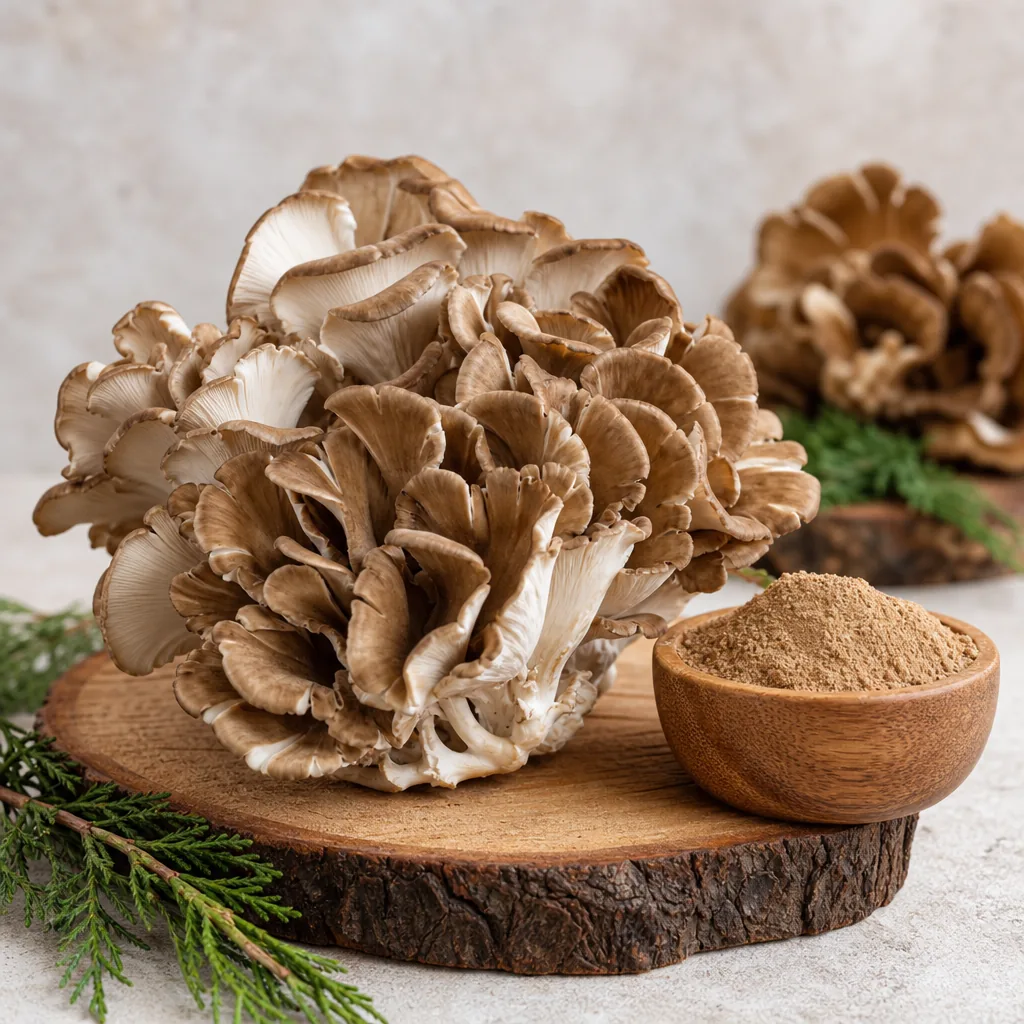
Zhu Ling is not a common dietary food in most regions. While Polyporus umbellatus produces an edible fruiting body, the medicinal material called Zhu Ling is the underground sclerotium, which is not typically eaten as a regular food. As a result, Zhu Ling is mainly accessed as an herbal product or supplement through TCM dispensaries and dietary supplement brands.
Supplements may make sense when someone seeks a targeted, standardized dose that is difficult to obtain from casual culinary use. Whole-herb decoctions and high-quality extracts each have merits: decoctions provide the traditional preparation, while standardized extracts can offer more consistent concentrations of key constituents. Whole foods, when relevant, often supply additional nutrients and dietary fiber, but for Zhu Ling specifically, the practical route is usually a supplement or professionally prepared decoction rather than food intake.
Who May Benefit from Zhu Ling?
-
Adults interested in traditional herbal approaches to support urinary flow and mild, occasional water retention.
-
People who prefer a non-caffeinated option for gentle diuretic support, recognizing that evidence in humans is limited.
-
Individuals working with an experienced herbalist or TCM practitioner on multi-herb formulas that include Zhu Ling for fluid-related patterns.
-
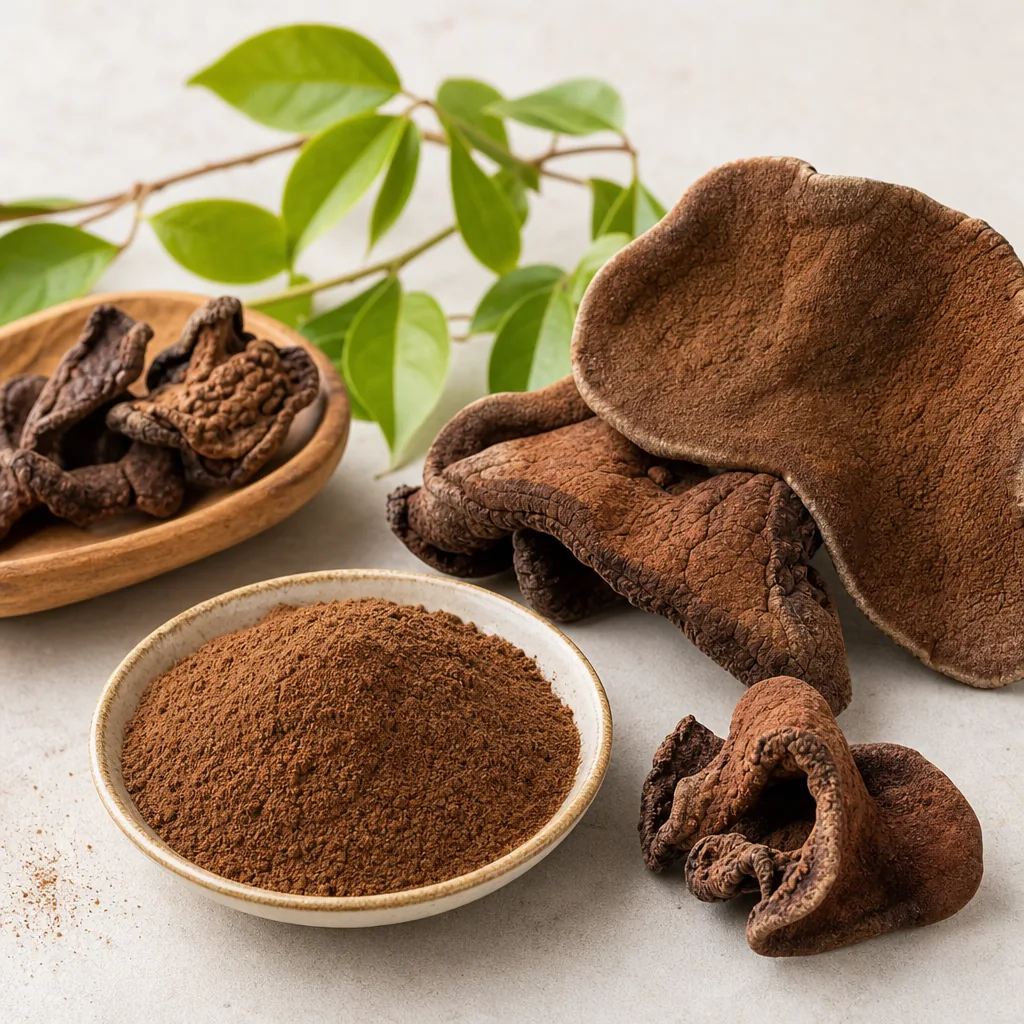
Those exploring mushroom-based immunomodulatory supplements and looking to diversify beyond more common species, with realistic expectations.
Side Effects and Considerations
-
Increased urination and fluid shifts:
As a diuretic-leaning herb, Zhu Ling may increase urine output. Overuse can contribute to dehydration, dizziness, headache, or electrolyte disturbances (e.g., low potassium or sodium) in susceptible individuals.
-
Medication interactions:
Use caution if you take diuretics, blood pressure medications, or lithium. Changes in fluid and electrolyte balance can alter medication effects and lithium levels. Speak with a healthcare professional before combining.
-
Kidney or liver conditions:
Although some preclinical data suggest organ-protective effects, people with diagnosed kidney or liver disease should not self-treat with Zhu Ling. Medical oversight is essential to avoid complications.
-
Pregnancy, breastfeeding, and children:
Safety data are insufficient. Avoid use during pregnancy or breastfeeding and in children unless specifically recommended by a qualified clinician.
-
Allergies and sensitivities:
Individuals with known allergies to mushrooms or molds should avoid Zhu Ling. Discontinue use if rash, itching, swelling, or breathing difficulty occurs and seek medical care.
-
Autoimmune conditions and immune-active therapies:
Because mushroom polysaccharides can modulate immune activity in preclinical research, those with autoimmune conditions or on immunosuppressant/immune-modifying drugs should consult their healthcare provider before use.
-
Quality and contamination risks:
Mushroom products can vary in quality and may be adulterated or contaminated with heavy metals or microbes. Choose products identified by Latin binomial (Polyporus umbellatus), plant part (sclerotium), and standardized testing (e.g., third-party certifications).
-
Pre-surgical considerations:
Due to potential effects on fluid balance and blood pressure, discontinue use at least 1–2 weeks before elective surgery unless your surgeon advises otherwise.
-
Not for rapid weight loss or “making weight”:
Diuretic-driven water loss is not fat loss and can be risky. Athletes and individuals considering this approach should seek professional guidance and prioritize safe, evidence-based methods.
-
Stop if adverse effects occur:
Gastrointestinal upset, cramps, palpitations, unusual fatigue, or persistent dizziness warrant stopping use and consulting a clinician.
Common Myths About Zhu Ling
-
Myth: Zhu Ling is an essential nutrient that everyone needs.
It is a traditional mushroom-based herbal supplement, not an essential vitamin or mineral. The body does not require Zhu Ling for normal physiological function.
-
Myth: Zhu Ling causes fat loss.
Any early weight change from diuretic effects largely reflects water, not body fat. Sustainable fat loss depends on nutrition, activity, sleep, and overall health behaviors.
-
Myth: If it’s natural, it must be completely safe.
Natural products can still cause side effects, interact with medications, or be inappropriate for certain conditions. Quality varies, and professional guidance is often warranted.
-
Myth: Zhu Ling can replace antibiotics for urinary infections.
There is no reliable evidence that Zhu Ling alone treats bacterial infections. Urinary symptoms require proper medical evaluation and, when indicated, evidence-based therapy.
Conclusion
Zhu Ling (Polyporus umbellatus) is a traditional mushroom used primarily to promote urination and support fluid balance. Preclinical research supports diuretic, immune-modulating, and organ-protective properties, but high-quality human trials are limited. It may be a reasonable option for adults seeking a traditional, non-caffeinated approach to mild, occasional water retention or urinary support—ideally within a practitioner-guided plan and with realistic expectations.
Choose reputable products identified by their Latin name and plant part, and consider standardized extracts for consistency. People who are pregnant, breastfeeding, taking medications (especially diuretics, antihypertensives, or lithium), or managing medical conditions should consult a qualified healthcare professional before use. For most individuals, a “food-first” approach underpins overall health; since Zhu Ling is not a common food, supplementation or traditional decoction is the practical route when appropriate. Use conservative doses, avoid chronic unsupervised intake, and prioritize safety and quality.