What is 5-HTP?
5-HTP (5-hydroxytryptophan) is a naturally occurring compound the body makes from the essential amino acid tryptophan. It serves as a direct precursor to serotonin, a neurotransmitter involved in mood, appetite, pain modulation, and sleep regulation. In turn, serotonin can be converted into melatonin, the hormone that helps regulate the sleep–wake cycle.
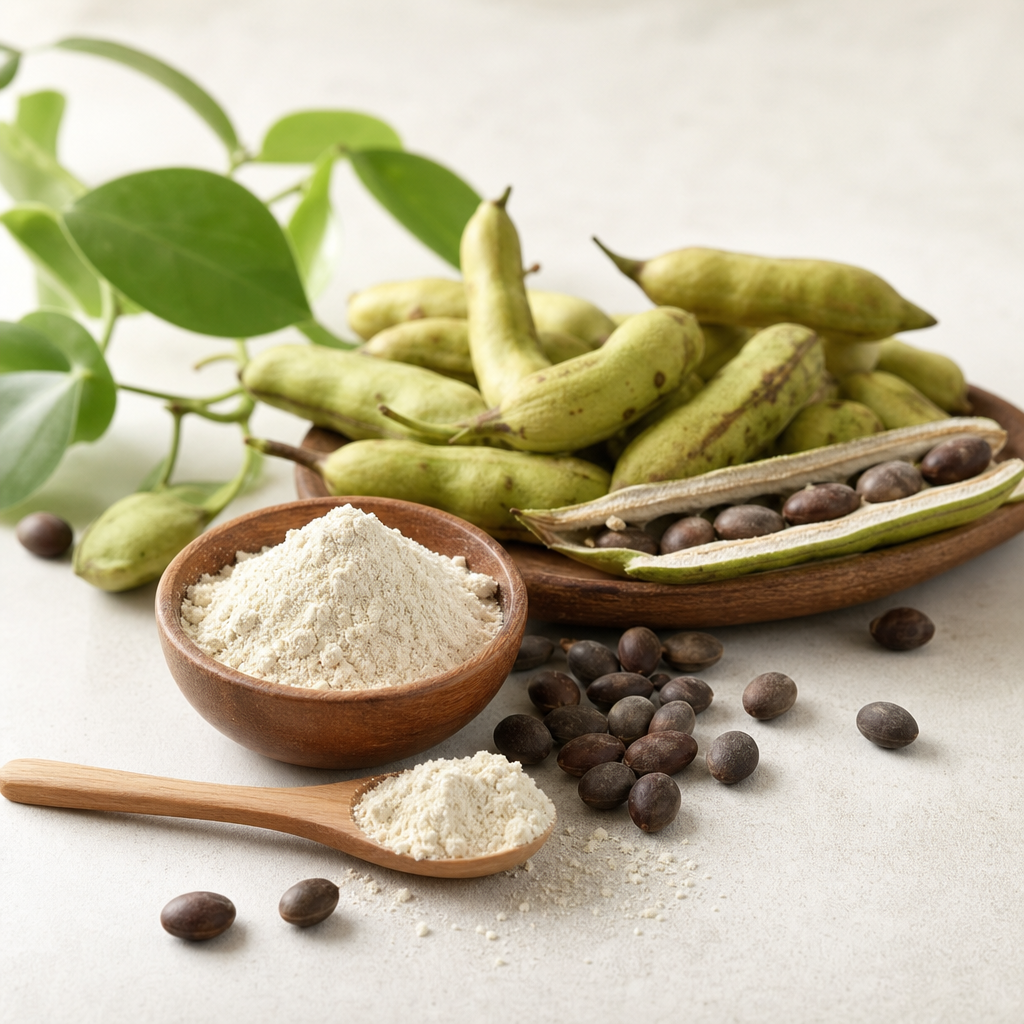
Commercially, 5-HTP is typically produced as a dietary supplement extracted from the seeds of the West African plant Griffonia simplicifolia, or less commonly synthesized. It is not an essential nutrient; the body does not require 5-HTP from the diet in the way it requires vitamins or minerals. Instead, the body can make 5-HTP internally from tryptophan. Supplements provide a concentrated, standardized amount designed to influence serotonin pathways more directly than eating tryptophan-containing foods alone.
Benefits of 5-HTP
-
Support for depressive symptoms
(Mixed evidence)
Some clinical trials suggest 5-HTP may help reduce depressive symptoms by increasing serotonin synthesis, and historical comparisons against standard antidepressants show potential benefit. However, studies are often small, older, or methodologically limited, and results are not consistent across all populations. It is not a substitute for prescribed treatment, but may be an option to discuss with a clinician when standard therapies are ineffective or poorly tolerated.
-
Sleep quality and sleep onset
(Limited evidence)
Because 5-HTP is upstream of both serotonin and melatonin, some research indicates it may shorten the time to fall asleep and improve perceived sleep quality, particularly when combined with other sleep-supportive nutrients. Effects can be modest, and responses vary. Timing and dose appear important for tolerability and outcomes.
-
Migraine frequency reduction
(Mixed evidence)
Older randomized trials reported fewer migraine attacks with 5-HTP compared with placebo and, in some cases, outcomes comparable to certain medications. Not all studies agree, and modern, high-quality trials are sparse. If considered, it should be part of a broader migraine management plan guided by a healthcare professional.
-
Fibromyalgia symptoms
(Limited evidence)
Small studies have observed improvements in pain, stiffness, fatigue, and sleep in people with fibromyalgia. While biologically plausible through serotonin-related pain modulation, larger, contemporary trials are needed to clarify who benefits most and to establish optimal dosing strategies.
-
Appetite control and weight management
(Limited evidence)
A few trials suggest 5-HTP may promote satiety and reduce caloric intake, possibly via serotonergic effects on appetite signaling. Benefits appear modest and should complement, not replace, nutrition and lifestyle strategies. Tolerability and medication interactions must be considered.
-
Anxiety and stress resilience
(Preliminary evidence)
Early studies and mechanistic reasoning suggest that enhancing serotonin synthesis could ease state anxiety in some individuals. Evidence is early-stage and heterogeneous, so professional guidance is recommended, especially if you have an anxiety disorder or take psychiatric medications.
Types or Forms Available
-
Standardized Griffonia seed extract (5-HTP):
The most common supplement form. Labels may state a specific percentage of 5-HTP (for example, 95–99% standardized extract). Quality can vary widely; look for third-party testing.
-
Immediate-release capsules or tablets:
Absorb relatively quickly and are often used for daytime mood support. Some people experience nausea with fast absorption.
-
Enteric-coated or sustained-release tablets:
Designed to reduce gastrointestinal upset and provide steadier blood levels. Helpful for those who feel nauseated with standard forms or want a smoother effect across the day or night.
-
Sublingual or chewable forms:
Intended for rapid absorption. Evidence comparing these to capsules is limited, but some users prefer them for convenience or if swallowing capsules is difficult.
-
Combination products:
Frequently paired with vitamin B6 (a cofactor for converting 5-HTP to serotonin) or with magnesium or botanicals aimed at sleep or mood. Combinations may increase the risk of interactions if they include other serotonergic agents; read labels carefully.
How to Use 5-HTP
Start low and increase gradually to find the lowest effective dose with good tolerability. Because 5-HTP can interact with medications and certain health conditions, discuss it with a qualified professional before use.
-
Common dosage range:
50–100 mg once or twice daily for general mood support; up to 100 mg three times daily if advised by a clinician. For sleep, 100–200 mg about 30–60 minutes before bedtime is common. Many people do well between 50–300 mg per day in divided doses. Avoid high doses without medical supervision.
-
Best timing:
For daytime mood or appetite support, divided doses with morning and mid-afternoon timing are typical. For sleep, take the main dose in the evening. Adjust timing to minimize drowsiness during the day.
-
How to take it:
5-HTP can be taken with a small snack or on an empty stomach. Some prefer taking it with food to reduce nausea, while others take it away from protein to support absorption. A glass of water is generally sufficient.
-
Consistency:
Daily use is often needed for steady effects. Allow 2–4 weeks to fairly assess response. Occasional use for sleep is possible, but consistent evening dosing may work better for regular sleep concerns.
Food Sources and Supplement Options
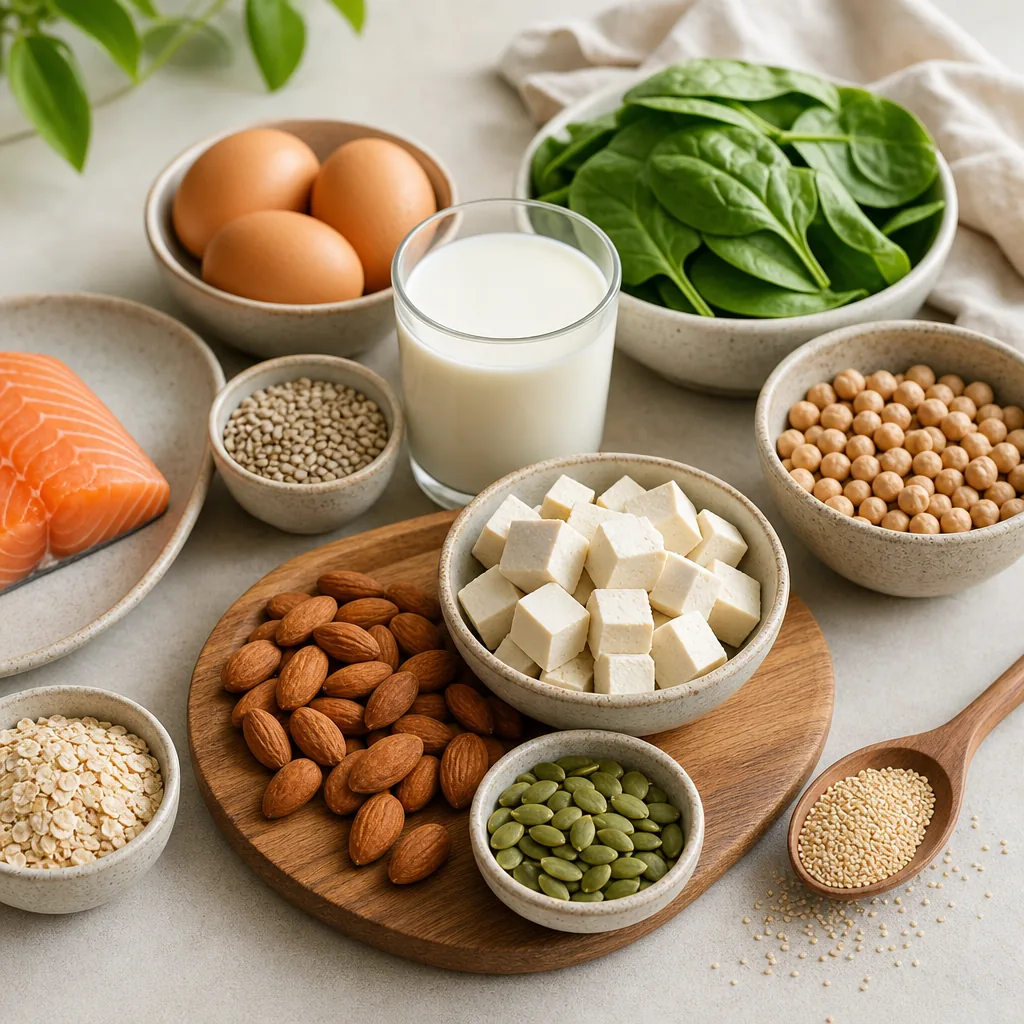
5-HTP itself is not meaningfully present in common foods. The body produces it from tryptophan, which is found in many protein-rich foods, but eating tryptophan does not provide the same targeted 5-HTP levels as a supplement. Most products on the market derive 5-HTP from Griffonia simplicifolia seed extract.
Supplementation may make sense when a targeted, consistent dose is desired for mood, sleep, migraine prevention, or appetite support, particularly under professional guidance. Whole foods remain foundational for overall health because they provide fiber, vitamins, minerals, and phytonutrients, while supplements can deliver precise amounts of a single compound. If choosing a supplement, prioritize reputable brands with third-party testing for purity and potency.
Who May Benefit from 5-HTP?
-
Adults seeking non-pharmaceutical support for mild, occasional low mood or stress, who are not taking serotonergic medications and have consulted a clinician.
-
Individuals with sleep-onset difficulties who prefer a serotonin–melatonin pathway approach rather than direct melatonin.
-
People who experience recurrent migraines and want to explore adjunctive options as part of a clinician-guided plan.
-
Those aiming to curb appetite or late-night snacking while also following sound nutrition, activity, and sleep habits.
-
Individuals with fibromyalgia considering multi-modal strategies, alongside exercise, sleep optimization, and other clinician-recommended therapies.
-
Athletes or physique-focused individuals during dieting phases who struggle with hunger and mood, provided they are not on contraindicated medications and are monitored.
Side Effects and Considerations
-
Medication interactions and serotonin syndrome risk:
Do not combine 5-HTP with SSRIs, SNRIs, MAOIs, certain migraine drugs (triptans), tramadol, linezolid, dextromethorphan, St. John’s wort, or other serotonergic agents without medical supervision. Combining can elevate serotonin excessively, which can be dangerous.
-
Gastrointestinal symptoms:
Nausea, heartburn, stomach cramps, loose stools, or vomiting can occur, especially at higher doses or with immediate-release forms. Lower the dose, take with a small snack, or consider an enteric-coated or sustained-release product if needed.
-
Drowsiness and vivid dreams:
Daytime sleepiness or intense dreams may occur; adjust timing and dose accordingly. Avoid driving or operating machinery until you know how you respond.
-
Mood and psychiatric conditions:
5-HTP may not be appropriate for people with bipolar disorder, schizophrenia, or those prone to mania or hypomania. It can also interact with psychiatric medications; use only with clinician oversight.
-
Quality and contamination concerns:
Historical reports of impurities in tryptophan products and occasional 5-HTP contamination underscore the importance of third-party tested brands (e.g., USP, NSF, Informed Choice). Poor-quality products may contain adulterants or inconsistent potency.
-
Medical conditions requiring caution:
Use caution with liver or kidney disease, gastrointestinal disorders, and in those with carcinoid tumors (which alter serotonin metabolism). 5-HTP can affect certain lab tests, including urinary 5-HIAA.
-
Carbidopa and other specialty combinations:
Co-administration with carbidopa (a dopa decarboxylase inhibitor) has been associated with adverse reactions in case reports. Do not combine unless a specialist prescribes and monitors it.
-
Pregnancy, breastfeeding, and children:
Safety data are insufficient. Avoid use during pregnancy or breastfeeding and in children unless specifically directed by a pediatric clinician.
-
Surgery and acute care:
Because of potential interactions with anesthetics and analgesics, stop 5-HTP at least 1–2 weeks before surgery or procedures, or as advised by your healthcare team.
-
Dose limits:
Higher doses increase side-effect and interaction risks without guaranteed added benefit. Stay within typical ranges unless a qualified professional recommends otherwise.
Common Myths About 5-HTP
-
“5-HTP is basically an antidepressant and works for everyone.”
While it influences serotonin pathways and may help some people, research outcomes vary and study quality is uneven. It is not a universal solution or a replacement for individualized, clinician-guided care.
-
“If a little helps, a lot will cure mood or sleep problems.”
More is not better. Excessive serotonergic activity can cause adverse effects, including potentially dangerous reactions. The goal is the lowest effective dose with careful monitoring, not megadosing.
-
“It’s natural, so it’s automatically safe with any medication.”
Natural does not guarantee safe. 5-HTP can interact with antidepressants, migraine medications, and other agents that influence serotonin. Medical guidance is essential if you take prescriptions or manage health conditions.
-
“You can get enough 5-HTP from your diet.”
Common foods do not provide meaningful amounts of 5-HTP. The body synthesizes it from dietary tryptophan, but that is not equivalent to taking a standardized 5-HTP supplement.
Conclusion
5-HTP is a non-essential amino acid derivative and supplement derived mainly from Griffonia simplicifolia that supports the serotonin–melatonin pathway. It may be useful for select adults seeking support for mood, sleep initiation, migraine prevention, or appetite control, especially when lifestyle strategies are already in place. Responses vary, so a time-limited trial with careful dose titration and symptom tracking is prudent.
Quality and safety come first: choose third-party tested products, avoid combining with serotonergic medications, and involve a qualified healthcare professional—particularly if you are pregnant, breastfeeding, taking prescriptions, or managing a medical condition. For most people, a food-first approach remains foundational, with supplements serving as targeted tools when specific outcomes or dosing precision are desired.