What is Apigenin?
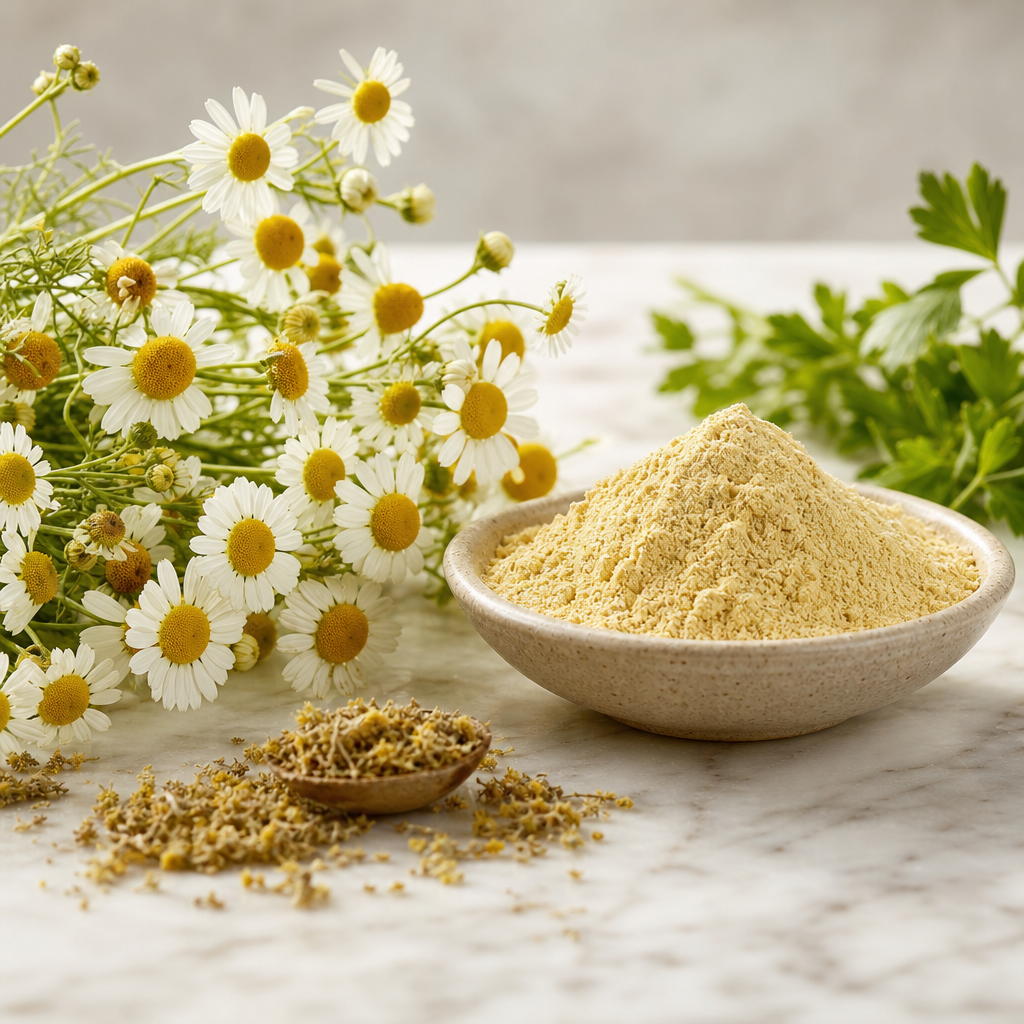
Apigenin is a naturally occurring plant compound belonging to the flavone family of polyphenols. It is found in many culinary herbs and plant foods, with especially notable amounts in chamomile (Matricaria chamomilla), parsley, celery, and certain citrus peels. In plants, apigenin contributes to defense and pigmentation. In humans, it has been studied for its potential to support relaxation, healthy inflammatory balance, antioxidant capacity, and cellular signaling pathways.
Apigenin is not an essential nutrient like vitamins, minerals, essential fatty acids, or essential amino acids. The body does not require apigenin to survive, and there is no established dietary requirement. Instead, it is best described as a food-derived bioactive/plant compound that can also be taken as a supplement. Because its actions are subtle and vary by person, apigenin should be viewed as a supportive component of a plant-rich diet or a targeted supplement rather than a necessity.
Benefits of Apigenin
-
Relaxation and sleep support
(Limited to preliminary evidence)
Studies of chamomile tea and extracts—where apigenin is one of several key constituents—suggest modest improvements in relaxation and sleep quality for some people, particularly those with occasional stress-related sleep difficulties. Preclinical research indicates apigenin can interact with GABA-A receptors, which may help explain a calming effect, but high-quality human trials using isolated apigenin are limited. Effects, if any, are generally gentle and may require consistent use.
-
Healthy inflammatory balance and antioxidant support
(Limited evidence)
Apigenin demonstrates antioxidant and anti-inflammatory properties in cellular and animal models by influencing pathways such as NF-κB and Nrf2 and by scavenging reactive oxygen species. Small human studies using apigenin-rich extracts from plants suggest modest changes in oxidative stress or inflammatory markers, but results are not uniform, and dosing/standardization vary. It may be a helpful adjunct within a diet already rich in colorful fruits, vegetables, herbs, and spices.
-
Cardiometabolic well-being
(Mixed evidence)
Higher dietary flavone intake—of which apigenin is one component—has been associated in observational research with favorable cardiometabolic profiles. However, these studies reflect overall dietary patterns, not isolated apigenin. Small trials with plant extracts containing apigenin have reported variable effects on endothelial function, lipids, or glucose control. Any benefit likely depends on the broader diet and lifestyle, with supplements offering at most a modest, supportive role.
-
Cognitive and neuroprotective potential
(Preliminary evidence)
Laboratory and animal data suggest apigenin may influence neuroinflammatory pathways, synaptic signaling, and oxidative stress, which could conceptually support brain health and stress resilience. Human data with isolated apigenin are sparse, and effects observed with chamomile teas or extracts cannot be attributed to apigenin alone. At present, apigenin should not be considered a treatment for neurological conditions; rather, it may serve as a complementary dietary component while more research accumulates.
-
Cellular health and healthy aging
(Preliminary evidence)
Early mechanistic studies indicate apigenin may interact with cellular stress and energy pathways, potentially influencing processes like autophagy and cellular senescence signaling. These findings are primarily in vitro or in animal models and should not be extrapolated to disease prevention or therapy. For now, this area remains an intriguing research direction rather than an established, outcomes-based benefit.
Types or Forms Available
-
Isolated apigenin (aglycone) capsules or powder:
Typically derived from plant sources such as citrus peels or parsley. The aglycone form is the “free” compound and is common in standalone supplements. Bioavailability can be limited and may improve when taken with a meal that includes some fat.
-
Glycoside forms (e.g., apigenin-7-O-glucoside):
In many plants, apigenin occurs attached to sugars (glycosides). Some chamomile extracts standardize to apigenin glycosides. These forms may be processed by gut microbes and digestive enzymes before absorption, potentially altering onset and overall exposure compared to the aglycone form.
-
Chamomile extracts or tea:
Whole-herb products contain a range of compounds (apigenin among them). Standardized extracts may specify apigenin-related content, while tea provides variable amounts depending on preparation. Effects may reflect the combined action of multiple constituents, not apigenin alone.
-
Enhanced-delivery formulations (liposomal, phytosome, nanoparticle):
Some brands use technologies intended to increase solubility or absorption. While conceptually promising, independent human data comparing these formats with standard forms are limited.
-
Combination formulas (sleep or stress blends):
Apigenin is sometimes combined with ingredients like L-theanine, magnesium, glycine, or melatonin. Such blends may produce additive calming effects but can also increase the risk of drowsiness or interactions; quality and dosing transparency vary.
How to Use Apigenin
Because apigenin is not an essential nutrient and standardized human dosing is not firmly established, it’s best to start low, evaluate tolerance, and use it within a broader lifestyle plan that prioritizes sleep hygiene, a plant-forward diet, and stress-management practices.
-
Common dosage range:
Isolated apigenin supplements are often provided in the 25–100 mg per serving range. Some products provide higher amounts, but evidence for additional benefit at higher doses is limited and the risk of side effects or interactions may increase. Follow product directions and avoid megadoses. For chamomile extracts or tea, the apigenin content varies widely; use according to label instructions or typical culinary preparation.
-
Best timing:
For relaxation or sleep support, evening or 30–60 minutes before bedtime is common. For general wellness or antioxidant support, timing is less critical; taking with meals can aid consistency and may improve absorption.
-
How to take it:
Take capsules or powder with food and a glass of water; a meal that includes some dietary fat may support absorption. Tea should be steeped sufficiently (for example, 5–10 minutes) to extract polyphenols, noting that bitterness may increase with longer steeping.
-
Consistency:
Gentle, plant-based effects often emerge with steady use over days to weeks. Some people use apigenin situationally (e.g., on stressful evenings), while others prefer daily intake. Reassess benefits periodically and discontinue if no clear value is observed.
Food Sources and Supplement Options
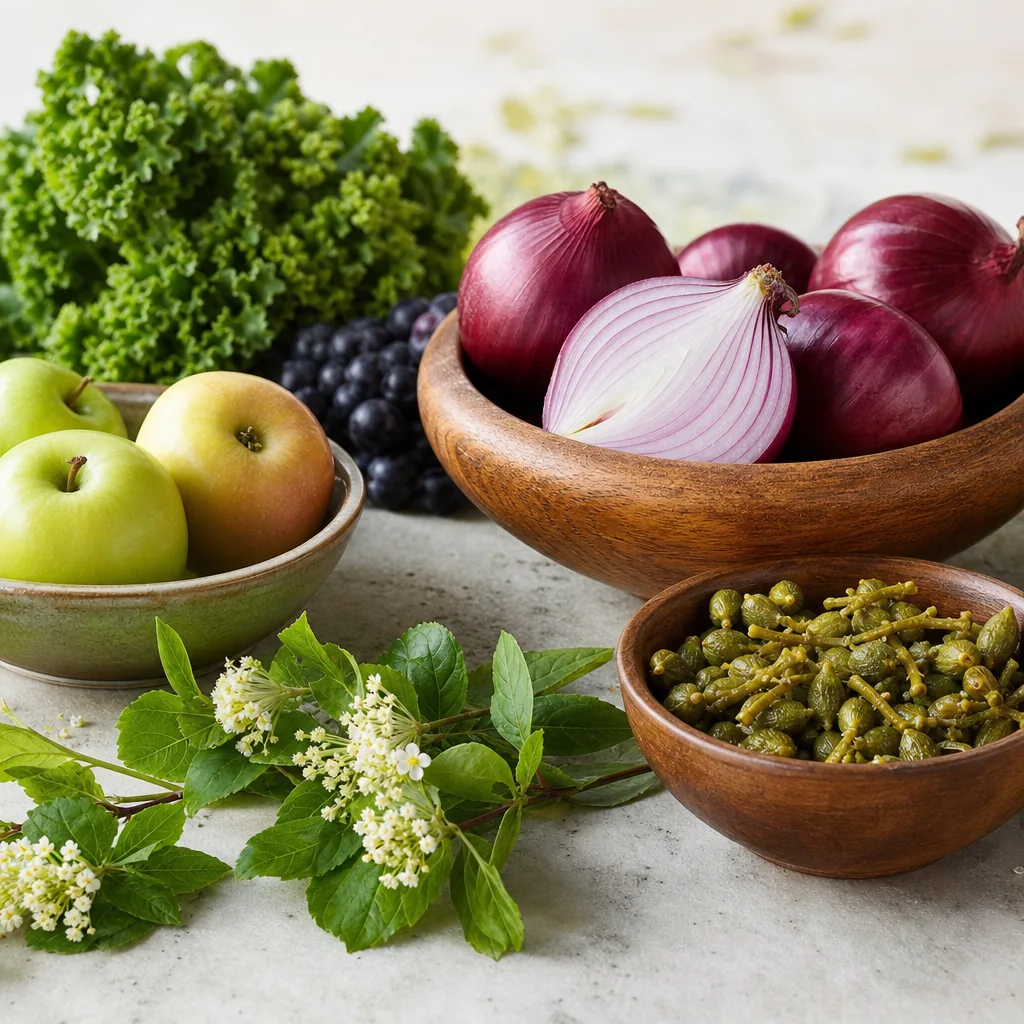
Apigenin occurs naturally in several foods and herbs, and it is also available as a standalone supplement or in multi-ingredient blends. Whole-food sources contribute not only apigenin but also a spectrum of complementary polyphenols, fibers, vitamins, and minerals that work together to support health. Supplements can provide more consistent, targeted dosing when a specific outcome (such as bedtime relaxation) is desired.
-
Chamomile tea (Matricaria chamomilla)
-
Parsley (fresh leaves)
-
Celery and celery leaves
-
Citrus peels and zest (e.g., orange, grapefruit; culinary use or standardized extracts)
-
Thyme, oregano, and other aromatic herbs
-
Onions and some leafy greens
Choosing between foods and supplements depends on your goals. If you’re aiming to improve overall diet quality and polyphenol diversity, emphasize herbs, vegetables, fruits, and teas. If you are experimenting with targeted relaxation before bed, a standardized apigenin or chamomile extract may be more convenient for consistent dosing. Whenever possible, a food-first approach provides additional nutrients and synergistic compounds, while supplements can be used strategically for specific needs.
Who May Benefit from Apigenin?
-
Adults seeking gentle, non-habit-forming support for relaxation or occasional sleep difficulties, alongside good sleep hygiene.
-
People with low intake of herbs, teas, and vegetables who want to increase exposure to diverse dietary polyphenols (preferably through food first).
-
Health-conscious individuals interested in adding an apigenin-rich tea (chamomile) or supplement as part of a broader plan for healthy inflammatory and oxidative balance.
-
Athletes or active individuals looking for a calming evening routine that does not involve alcohol; apigenin is not known to be performance-enhancing and is not typically restricted, but always verify with your sport’s regulations.
-
Individuals sensitive to caffeine who prefer a caffeine-free evening beverage such as chamomile tea.
Side Effects and Considerations
-
Possible drowsiness and gastrointestinal upset:
Some users report mild sleepiness, dizziness, or stomach discomfort, especially at higher doses or when combined with other calming agents.
-
Allergy risk:
Chamomile belongs to the Asteraceae (ragweed) family. People allergic to ragweed, chrysanthemums, marigolds, or daisies may react to chamomile products. Discontinue use and seek care if rash, itching, or breathing difficulty occurs.
-
Medication interactions (CYP enzymes and sedatives):
Apigenin can inhibit certain drug-metabolizing enzymes in laboratory studies (e.g., CYP3A4, CYP2C9). Caution is warranted with medications metabolized by these pathways (examples include some statins, calcium channel blockers, benzodiazepines, and warfarin). Combining apigenin or chamomile products with sedatives, alcohol, or other sleep aids may increase drowsiness. If you take prescription medications, consult a healthcare professional before use.
-
Bleeding risk and surgery:
Case reports have suggested potential interactions between chamomile and anticoagulants. If you use blood thinners or have a bleeding disorder, avoid unsupervised use. Stop apigenin- or chamomile-containing supplements 1–2 weeks before surgery unless your clinician advises otherwise.
-
Hormone-sensitive conditions:
Apigenin has weak phytoestrogenic activity in some models. Individuals with hormone-sensitive conditions (e.g., certain breast, ovarian, or uterine conditions) should consult a healthcare professional before using concentrated supplements.
-
Liver or kidney considerations:
While serious adverse effects are rare, data on high-dose, long-term use are limited. If you have liver or kidney disease, or use medications that affect these organs, seek medical guidance before supplementing.
-
Pregnancy, breastfeeding, and children:
Safety data for concentrated apigenin supplements are insufficient. Pregnant or breastfeeding individuals and children should avoid supplemental apigenin unless a qualified clinician recommends and supervises it. Culinary use of chamomile tea varies by culture; discuss with your healthcare provider.
-
Quality and contamination:
Choose reputable brands that provide standardized amounts of apigenin or clear extract specifications and use third-party testing. For teas and herbs, consider sources that test for pesticides and heavy metals.
-
Dosing caution:
More is not necessarily better. Higher doses may increase the likelihood of side effects and interactions without proven added benefit. Start low and use the smallest effective dose for the shortest necessary duration.
Common Myths About Apigenin
-
“Apigenin is a guaranteed cure for insomnia.”
Evidence for isolated apigenin and sleep is limited. Some people may find chamomile or apigenin helpful as part of a routine, but results vary and it should not replace established sleep hygiene or clinician-guided care for chronic sleep issues.
-
“If a little helps, a lot will work even better.”
There is no established dose-response curve demonstrating that high doses yield superior results. Escalating intake increases the chance of side effects and drug interactions without clear added benefit.
-
“Apigenin treats or prevents cancer.”
Laboratory studies show effects on cell signaling and proliferation, but this does not translate to proven prevention or treatment in humans. Apigenin should not be used to manage cancer; follow medical guidance and evidence-based therapies.
-
“Apigenin is the only active compound in chamomile.”
Chamomile contains multiple bioactives (e.g., apigenin glycosides, bisabolol, and other flavonoids). Any benefit likely reflects the synergy of several constituents, not apigenin alone.
Conclusion
Apigenin is a non-essential, food-derived flavone found in herbs and plant foods—most famously chamomile—that may gently support relaxation and healthy inflammatory and oxidative balance. Human research with isolated apigenin is still developing, so expectations should remain modest. For many people, a food-first approach—regularly using herbs like parsley and chamomile tea within a nutrient-dense, plant-forward pattern—offers broad benefits beyond apigenin alone. Targeted supplements can be considered for consistent bedtime routines or specific wellness goals when food sources are impractical.
If you are pregnant, breastfeeding, managing a medical condition, or taking medications, speak with a qualified healthcare professional before using apigenin-containing supplements. Prioritize reputable, third-party–tested products, start with low doses, and monitor how you feel. Used thoughtfully and in context with healthy lifestyle habits, apigenin can be a reasonable addition for people seeking gentle, plant-based support.