What is L-Tryptophan?
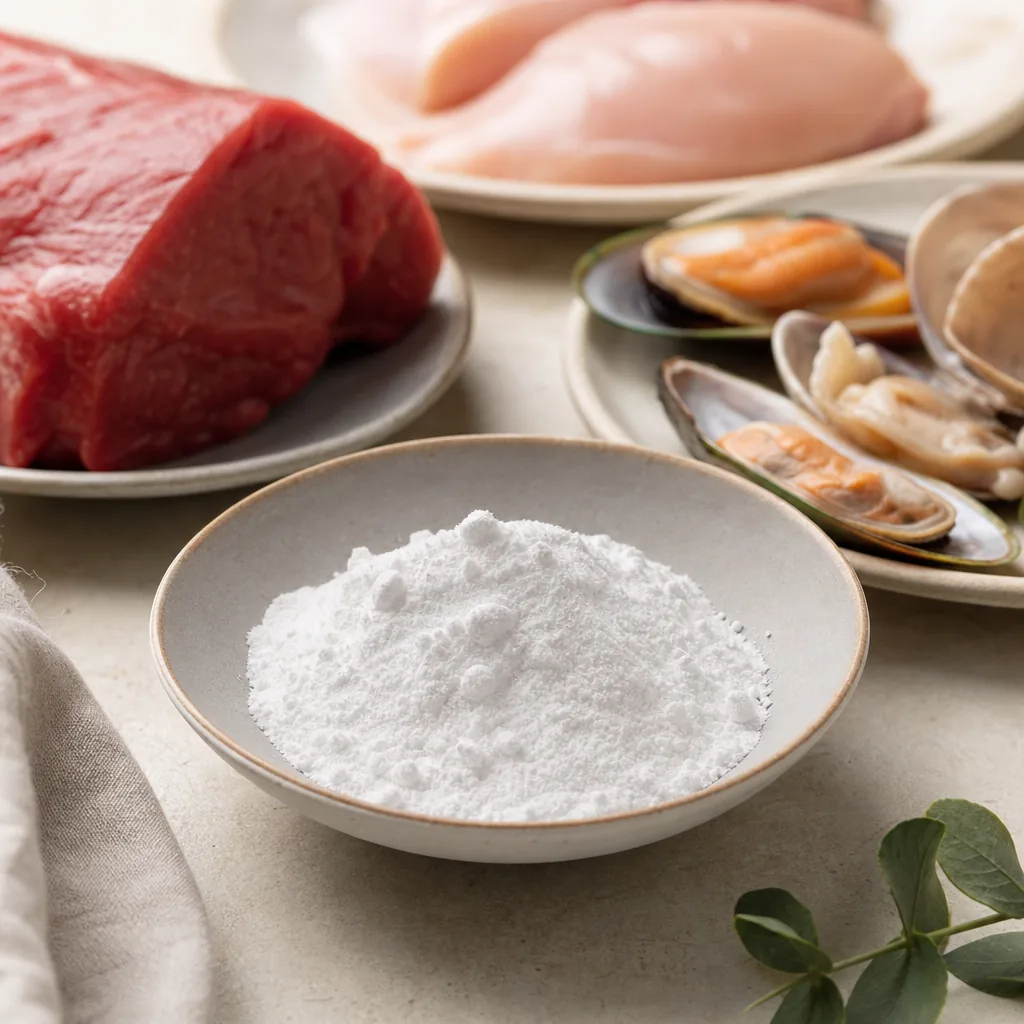
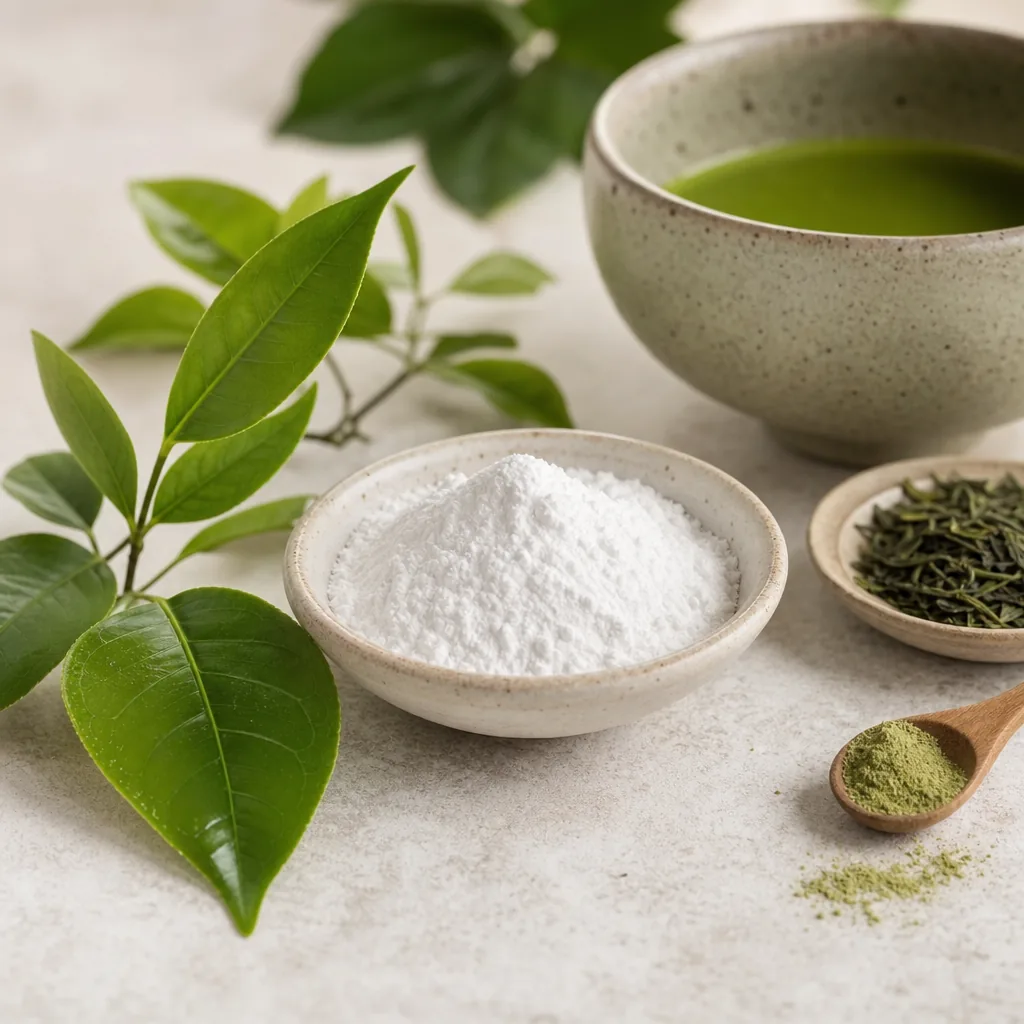
L-tryptophan is one of the nine essential amino acids—building blocks of protein that the human body cannot make on its own and must obtain from food. As a nutrient, it serves multiple roles: it is incorporated into body proteins and also acts as a biochemical precursor for several important molecules, including serotonin (a neurotransmitter that influences mood and appetite), melatonin (a hormone involved in sleep–wake cycles), and niacin (vitamin B3) via the kynurenine pathway. Because of these roles, L-tryptophan is both a dietary nutrient and a common over-the-counter supplement used for targeted goals like sleep support.
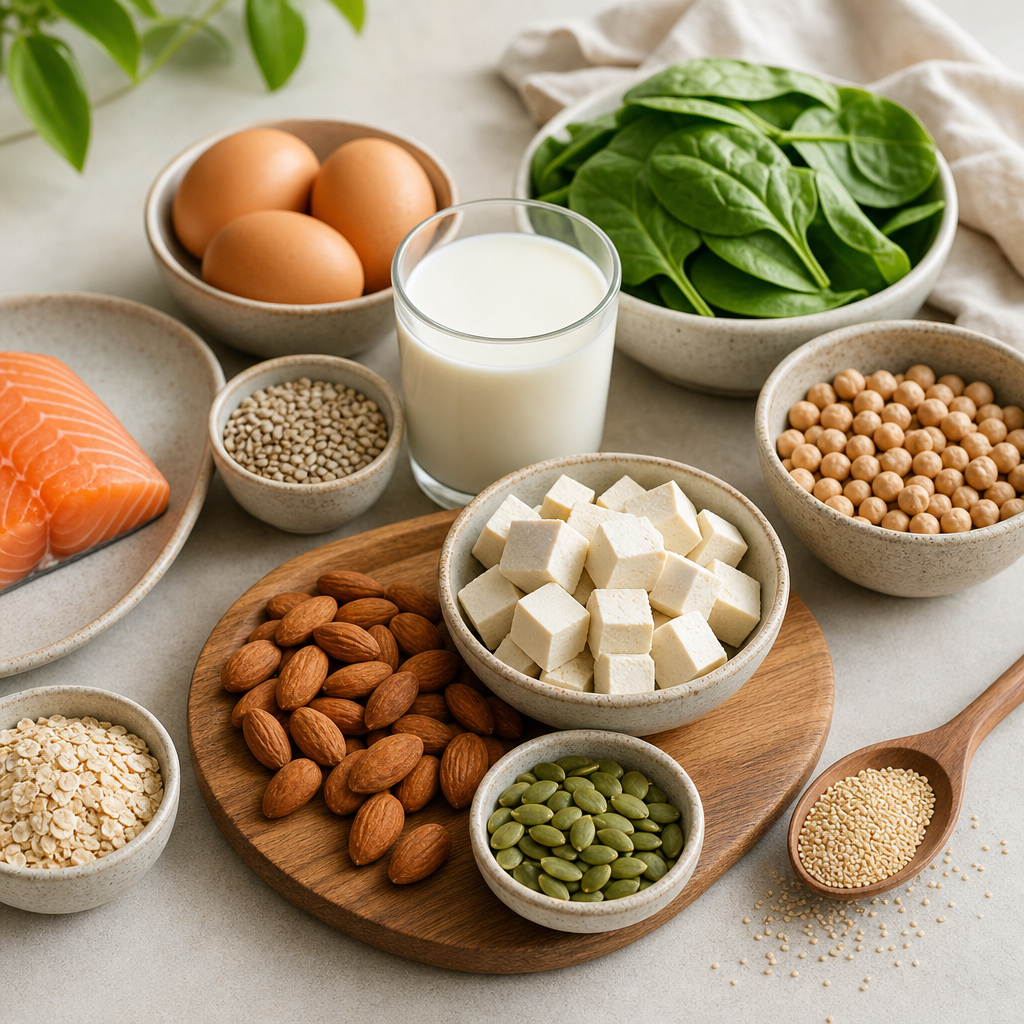
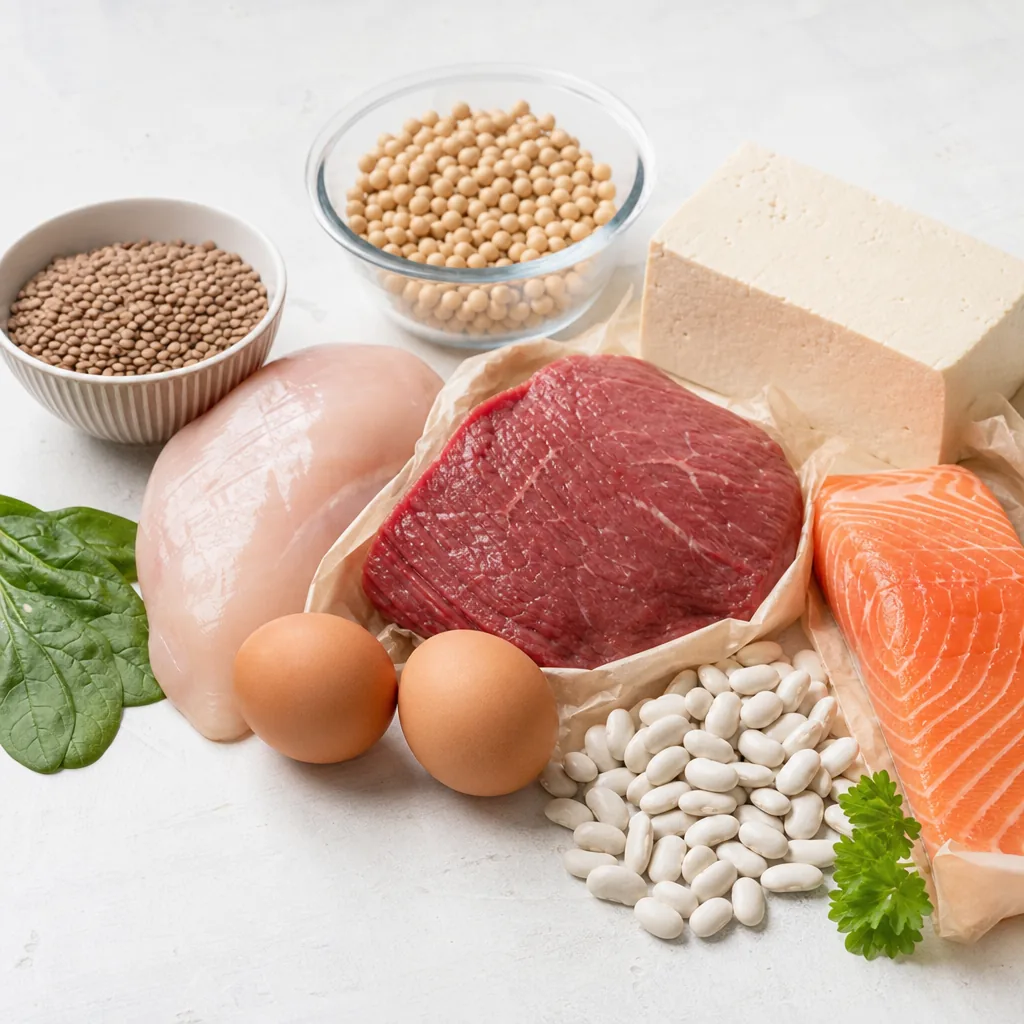
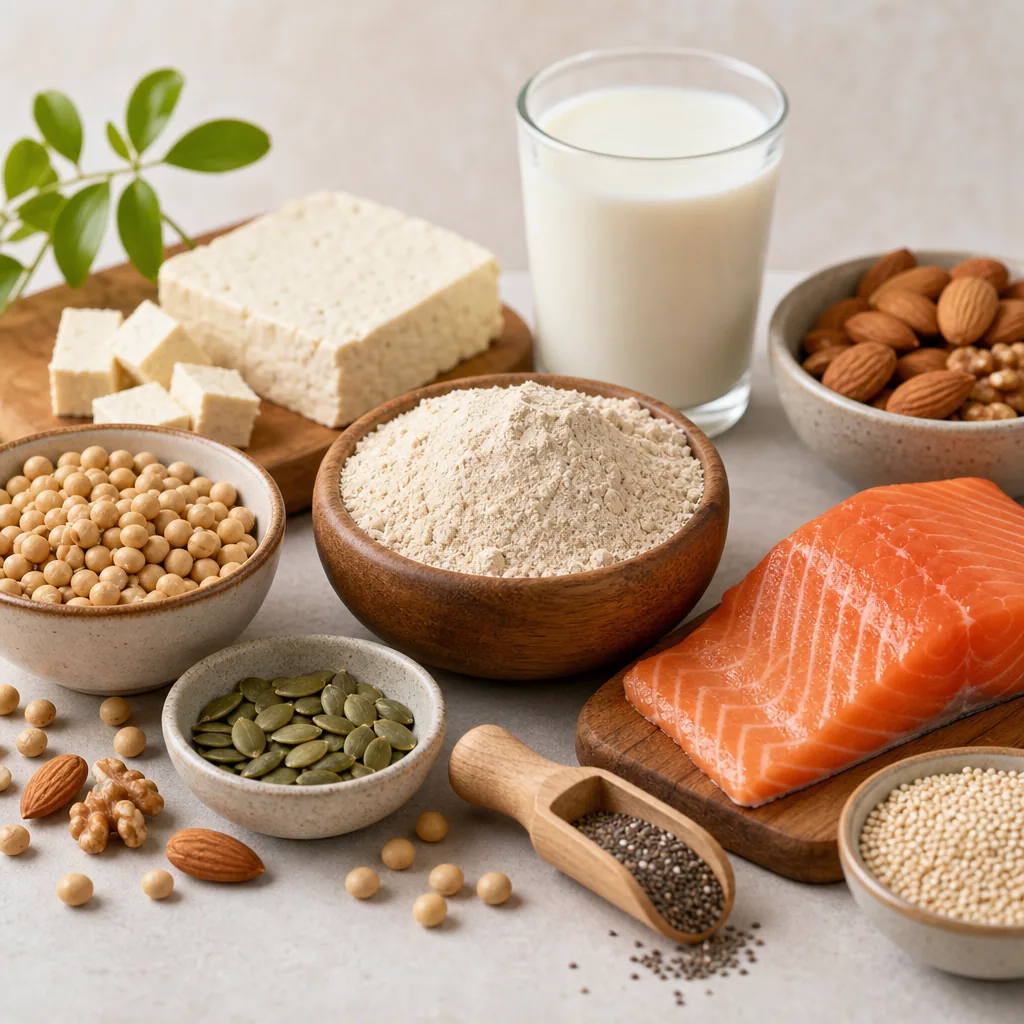
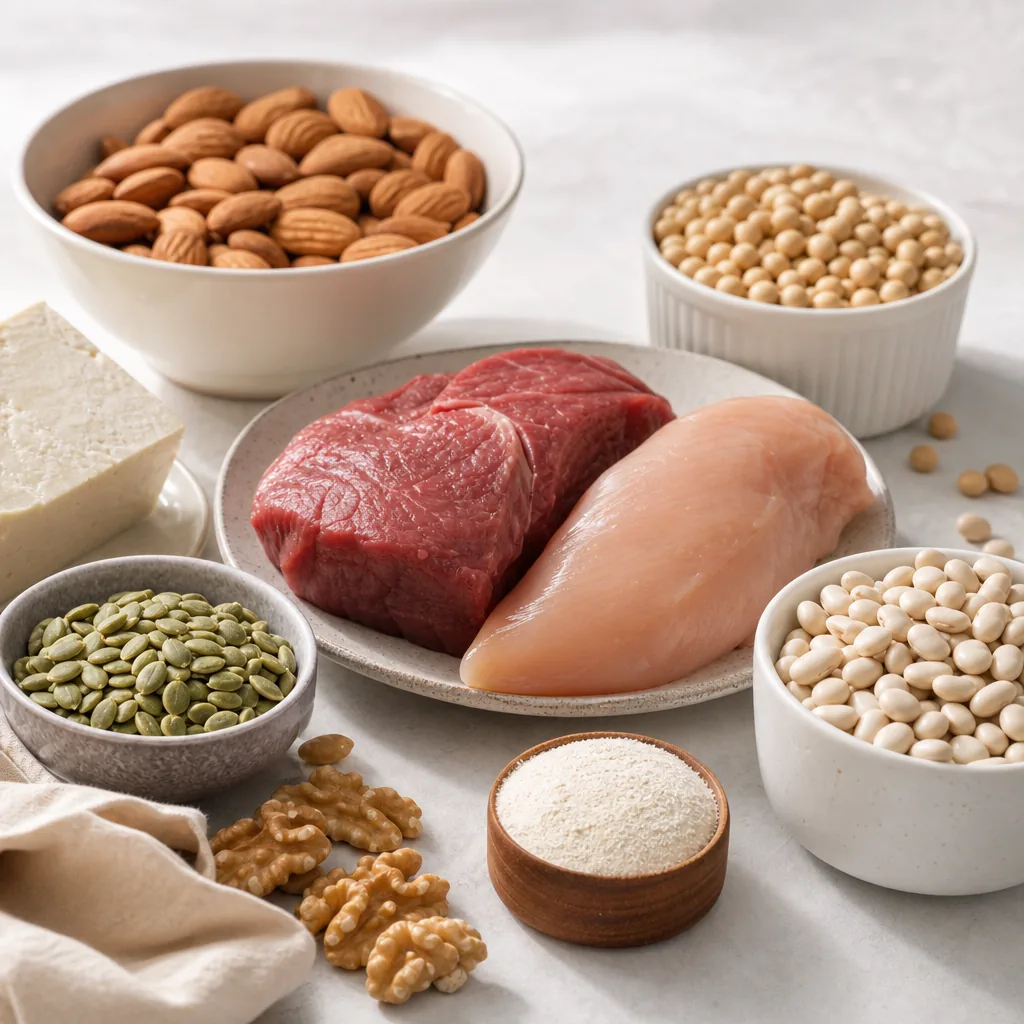
In foods, L-tryptophan is found in protein-rich sources such as poultry, eggs, dairy, fish, legumes, nuts, and seeds. As a supplement, it is typically provided as the pure “L-” (left-handed) amino acid in capsules or tablets, sometimes in blends with other sleep-supportive compounds. While L-tryptophan is essential as a nutrient, using it as a supplement targets specific outcomes (e.g., sleep onset or mood support) rather than general protein nutrition. Its benefits and risks depend on dose, timing, the presence of other amino acids and carbohydrates, and interactions with medications or health conditions.
Benefits of L-Tryptophan
-
Sleep onset and sleep quality
(Moderate evidence)
L-tryptophan can increase brain serotonin and downstream melatonin, which may reduce sleep latency (time to fall asleep) and improve subjective sleep quality in some people. Clinical studies and trials using either L-tryptophan or tryptophan-enriched proteins have shown modest improvements, particularly in those with mild sleep difficulties. Effects appear dose- and timing-dependent and may be enhanced when taken away from high-protein meals or with a small carbohydrate snack to improve brain uptake.
-
Mood support in mild depressive symptoms or stress reactivity
(Mixed evidence)
Because serotonin influences mood and stress response, tryptophan has been studied as an adjunct for mood support. Some small trials suggest benefits for individuals with mild depressive symptoms or increased irritability, while others show minimal or no effect. Results vary based on baseline diet, inflammation (which can divert tryptophan down other metabolic pathways), and concurrent therapies. L-tryptophan should not replace standard care for depression, and combining it with serotonergic medications requires medical supervision due to the risk of serotonin syndrome.
-
Premenstrual symptoms (PMS/PMDD), including mood lability and cravings
(Limited evidence)
Small controlled studies have reported reductions in mood-related premenstrual symptoms and carbohydrate cravings when tryptophan is taken during the late luteal phase. However, study sizes are modest and dosing protocols vary, so findings should be interpreted cautiously. Individuals considering this use should consult a clinician, especially if taking antidepressants or other serotonergic agents.
-
Appetite regulation and carbohydrate cravings
(Limited evidence)
By influencing serotonin pathways involved in satiety and reward, L-tryptophan or tryptophan-enriched proteins have been associated with reduced carbohydrate cravings and modest appetite effects in some studies. These effects are inconsistent and typically small. Diet quality, overall protein intake, and behavioral strategies remain the foundation for appetite management.
-
Perceived exertion and endurance performance
(Preliminary evidence)
Early research suggests low-dose L-tryptophan may modestly reduce perceived exertion and, in some cases, support longer time-to-exhaustion during endurance activities, possibly via central fatigue mechanisms. Evidence is preliminary, with mixed findings and small samples. Any performance strategy using serotonergic precursors should be approached conservatively and tested in training, not on competition day.
-
Supports niacin (vitamin B3) status
(Strong evidence)
The body can synthesize niacin from tryptophan through the kynurenine pathway. While food-first niacin intake is preferred, adequate tryptophan helps maintain niacin status, which is particularly relevant when dietary niacin is marginal. This biochemical pathway is well established, though supplementation specifically for niacin support is usually unnecessary in balanced diets.
Deficiency or Low Levels of L-Tryptophan
-
Common signs of low levels:
Because L-tryptophan is essential, prolonged inadequate intake can contribute to low protein status and, indirectly, to niacin deficiency symptoms (pellagra), classically described as dermatitis, diarrhea, and cognitive changes. Other nonspecific signs potentially associated with low tryptophan availability include low mood, irritability, poor sleep, and increased carbohydrate cravings; however, these are not specific to tryptophan and overlap with many other conditions.
-
Who may be at risk:
People with very low-protein or highly restrictive diets; individuals with malnutrition, chronic alcoholism, or malabsorption disorders; those with inflammatory states that increase tryptophan breakdown; individuals with Hartnup disease (impaired neutral amino acid transport); and people with carcinoid syndrome (where tryptophan is shunted toward excess serotonin production), who can develop secondary niacin deficiency.
-
How it is checked:
Clinicians may assess plasma amino acids (including tryptophan) and, when relevant, the kynurenine-to-tryptophan ratio as a marker of inflammatory tryptophan metabolism. When niacin deficiency is suspected, urinary N-methylnicotinamide and clinical signs of pellagra are considered. Testing and interpretation should be guided by a qualified healthcare professional.
Types or Forms Available
-
L-tryptophan (free-form amino acid):
The standard supplemental form, typically in 250–1,000 mg capsules or tablets. It is rapidly absorbed and best taken away from high-protein meals to reduce competition with other large neutral amino acids for transport into the brain.
-
Tryptophan-enriched proteins (e.g., alpha-lactalbumin):
Dairy-derived proteins naturally higher in tryptophan relative to other amino acids. These may subtly increase the tryptophan-to-competitor amino acid ratio and are often used in research for sleep or appetite-related outcomes.
-
Sustained- or delayed-release L-tryptophan:
Designed to prolong absorption. Some users prefer these for overnight coverage, though head-to-head evidence versus immediate-release forms is limited.
-
Related compound: 5-HTP (5-hydroxytryptophan):
Not the same as L-tryptophan but a downstream metabolite often marketed for similar goals. It crosses into serotonin pathways more directly and may carry a higher risk of serotonergic side effects and interactions. It is typically derived from Griffonia simplicifolia seeds. Choose carefully and consult a clinician if considering 5-HTP.
-
Combination products:
Formulas pairing L-tryptophan with magnesium, vitamin B6, melatonin, or glycine for sleep support. Combinations can be convenient but complicate identifying which ingredient contributes to any effect.
How to Use L-Tryptophan
Appropriate use depends on your goal, diet, and medical context. Start low, monitor response, and avoid combining with serotonergic medications unless your healthcare professional advises and monitors it.
-
Common dosage range:
For general sleep support, 250–1,000 mg at bedtime is commonly used. For daytime mood support, 500–1,500 mg per day divided into 2–3 doses is typical in supplements. Some clinical studies have explored higher amounts for specific conditions, but higher doses increase the risk of side effects and should only be used under medical supervision.
-
Best timing:
For sleep, take 30–60 minutes before bed. For mood or cravings, split doses with the largest in the late afternoon or evening if evening cravings or sleep are the priority.
-
How to take it:
Take with water, ideally away from high-protein meals to reduce competition for brain transport. A small carbohydrate snack (e.g., fruit) can, in some people, enhance uptake into the brain. Avoid alcohol at the same time due to additive sedative effects.
-
Consistency:
Daily use for 1–2 weeks may be needed to gauge effects on sleep or mood. Some people use it situationally (e.g., during periods of increased stress or in the late luteal phase for PMS-related goals). Reassess periodically and aim for the lowest effective dose.
Food Sources and Supplement Options
L-tryptophan is naturally present in many foods and is also available as a dietary supplement. Most people can meet needs through a varied, protein-adequate diet; supplements offer targeted dosing when food-based strategies are insufficient or impractical.
-
Poultry (turkey, chicken)
-
Eggs and dairy (milk, yogurt, cheese; especially whey/alpha-lactalbumin–rich products)
-
Fish and seafood (salmon, tuna, shrimp)
-
Legumes (soybeans, lentils, chickpeas)
-
Nuts and seeds (pumpkin seeds, sesame, almonds)
-
Whole grains and oats
-
Cocoa and dark chocolate
Because tryptophan shares transporters with other large neutral amino acids, the overall meal composition matters: very high-protein meals can reduce tryptophan’s relative uptake into the brain, whereas including some carbohydrates can increase the tryptophan-to-competitor ratio. Whole foods provide additional nutrients like magnesium, B vitamins, and fiber that support overall health. Supplements, on the other hand, allow precise timing and dosing for specific goals (e.g., targeted sleep support) and may be helpful when dietary intake is inconsistent, during periods of increased demand, or when testing indicates low levels.
Who May Benefit from L-Tryptophan?
-
Adults with occasional difficulty falling asleep who prefer a nutrient-based approach before considering prescription options.
-
People with low total protein intake or unbalanced diets who are working to replete essential amino acids (food-first remains the priority).
-
Individuals with mild mood concerns or stress-related irritability interested in a conservative adjunct approach under professional guidance.
-
Those with premenstrual mood symptoms or cravings who wish to trial a short, luteal-phase–focused strategy in consultation with a clinician.
-
Endurance athletes experimenting with perceived exertion strategies in training (with caution and individualized testing).
-
Older adults with reduced appetite or lower protein intake who are optimizing protein quality and distribution across the day.
Side Effects and Considerations
-
Common side effects:
Nausea, abdominal discomfort, dry mouth, drowsiness, headache, or lightheadedness. If daytime drowsiness occurs, reduce the dose or limit use to bedtime.
-
Medication interactions (serotonin syndrome risk):
Combining L-tryptophan with SSRIs, SNRIs, MAOIs, tricyclics, buspirone, triptans, tramadol, linezolid, lithium, or St. John’s wort can increase serotonergic effects. Do not combine without medical supervision. Seek urgent care for symptoms like agitation, tremor, sweating, rapid heart rate, or confusion.
-
Medical conditions needing caution:
Liver or kidney disease (amino acid metabolism/excretion), bipolar disorder (risk of mood elevation when serotonergic tone increases), carcinoid syndrome, and active eosinophilic disorders. Discuss with a healthcare professional before use.
-
Quality and contamination:
A 1989 outbreak of eosinophilia–myalgia syndrome (EMS) was linked to contaminated tryptophan from a specific manufacturer. Modern quality controls reduce this risk, but choose products with third-party testing (e.g., USP, NSF, Informed Choice) to help ensure purity and accurate dosing.
-
Sedation and safety:
L-tryptophan can cause drowsiness; avoid driving or operating machinery after taking it, especially at night or when combining with other sedatives (antihistamines, alcohol, sleep aids).
-
Pregnancy, breastfeeding, and children:
Safety data are limited. Pregnant or breastfeeding individuals and children should not use L-tryptophan supplements unless specifically recommended and monitored by a healthcare professional.
-
Allergies and excipients:
Check labels for potential allergens (e.g., gelatin capsules, dairy-derived proteins in enriched products) and avoid if allergic.
-
Surgery and procedures:
Inform your surgical team about L-tryptophan use due to potential interactions with perioperative medications affecting serotonin and sedation.
-
Dosing prudence:
More is not better. Higher doses increase the risk of adverse effects without guaranteeing additional benefit. Use the lowest effective dose for the shortest necessary duration.
Common Myths About L-Tryptophan
-
“Turkey makes you sleepy because it has uniquely high tryptophan.”
Turkey contains tryptophan, but not more than many other meats. Post-meal sleepiness after holiday dinners is more likely due to large portions, carbohydrate-rich sides, alcohol, and circadian factors than to turkey’s tryptophan alone.
-
“L-tryptophan supplements are banned and unsafe.”
L-tryptophan was temporarily restricted in the early 1990s after an EMS outbreak traced to a contaminated batch from a single manufacturer. It has since returned to the market with improved quality controls. While any supplement carries risks, reputable products with third-party testing are generally considered acceptable when used responsibly.
-
“If a little helps mood, more is always better.”
Serotonin-related pathways are tightly regulated. Increasing tryptophan does not produce unlimited serotonin benefits and can cause side effects or serious interactions with medications. Response also depends on diet, inflammation, and genetics; higher doses are not necessarily more effective.
-
“5-HTP and L-tryptophan are interchangeable.”
Although related, they differ in kinetics, potency, and risk profile. 5-HTP is closer to serotonin in the pathway and may raise serotonergic tone more quickly, potentially increasing side effect and interaction risks. They should not be combined without professional guidance.
Conclusion
L-tryptophan is an essential amino acid with roles in protein synthesis and as a precursor to serotonin, melatonin, and niacin. As part of a balanced diet, most people meet their needs through protein-rich foods. As a supplement, it may help with sleep onset and select mood- or craving-related goals for some individuals, though effects are generally modest and vary by context. A food-first approach remains the foundation: whole foods provide a spectrum of nutrients that support sleep and mood, while supplements can offer targeted timing and dosing when needed.
Those taking antidepressants or other serotonergic drugs, individuals with liver or kidney disease, bipolar disorder, carcinoid syndrome, or anyone who is pregnant, breastfeeding, managing a medical condition, or giving supplements to a child should consult a healthcare professional before using L-tryptophan. Choose quality-tested products, start with low doses, and reassess regularly to ensure the benefits outweigh any risks in your specific situation.