What is Chamomile?
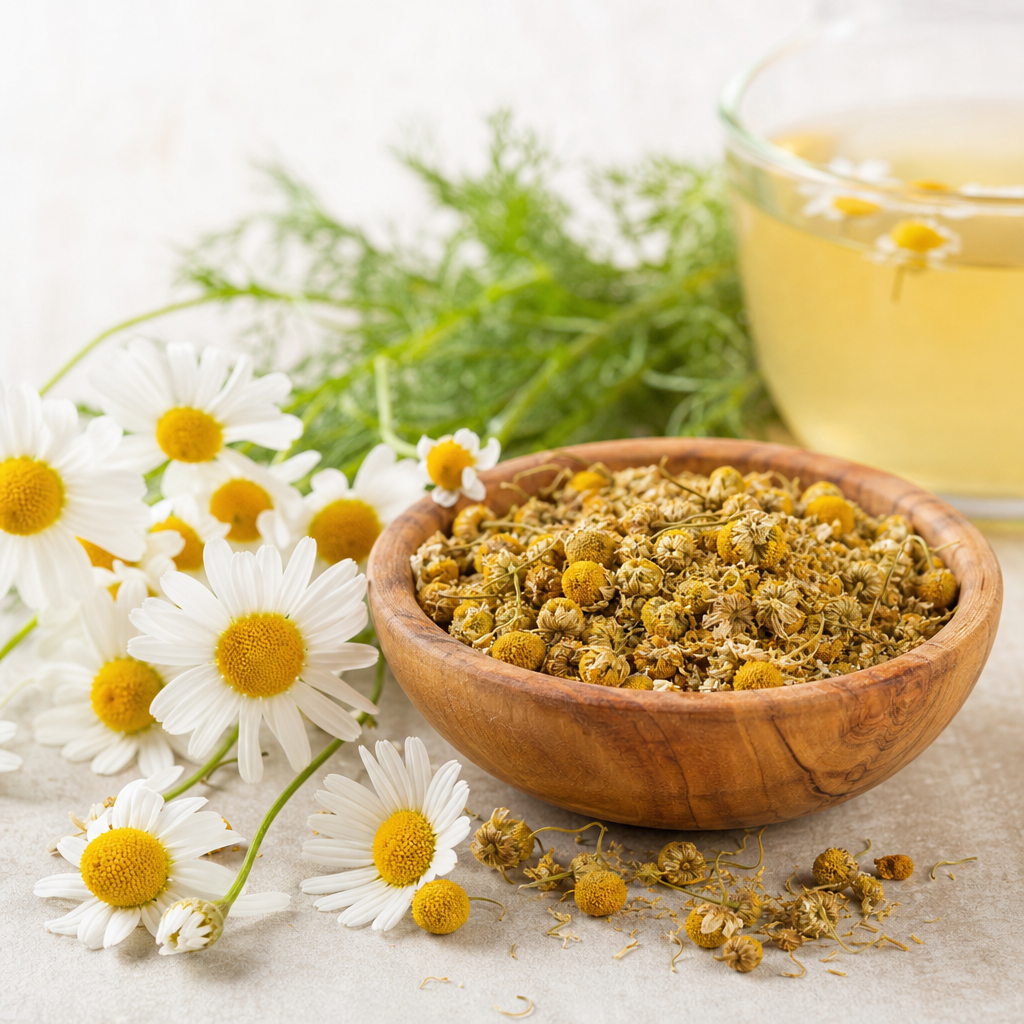
Chamomile is a traditional herbal remedy made primarily from the dried flower heads of two closely related plants: German chamomile (Matricaria chamomilla, also called Matricaria recutita) and Roman chamomile (Chamaemelum nobile). It has been used for centuries in teas, tinctures, and topical preparations to support relaxation, digestive comfort, and skin soothing. Chamomile’s aromatic oils and polyphenols give it a distinctive apple-like fragrance and a calming profile that many people find gentle and approachable.
As an herb and botanical ingredient, chamomile contains multiple bioactive compounds, including the terpene bisabolol, chamazulene (formed during distillation), and flavonoids such as apigenin and luteolin. These constituents are studied for calming, antispasmodic, and soothing properties. Chamomile is not an essential nutrient like a vitamin or mineral; the body does not require it for survival. Instead, it functions as a complementary, plant-derived option that may help with specific wellness goals when used appropriately.
Chamomile is commonly prepared as a caffeine-free tea, but it is also available as standardized extracts, liquid tinctures, essential oils (for aromatherapy and diluted topical use), and topical creams. Different preparations can emphasize different components (for example, apigenin-rich extracts or volatile oil–rich essential oils), which partly explains why research results vary across studies.
Benefits of Chamomile
-
Sleep quality and relaxation
(Mixed evidence)
Chamomile tea or extracts are widely used to promote relaxation and help with sleep onset. Some small trials suggest chamomile may modestly improve sleep latency and subjective sleep quality, especially in populations with mild sleep difficulties. However, findings are inconsistent across studies, and effects are generally milder than those of sleep medications. Chamomile appears best suited for gentle relaxation, evening wind-down routines, or as part of broader sleep hygiene practices rather than as a stand-alone solution for chronic insomnia.
-
Mild anxiety and stress support
(Moderate evidence)
Standardized extracts of German chamomile have shown benefits in people with mild to moderate anxiety symptoms in several controlled trials, with improvements in measures of generalized anxiety compared with placebo. While not a replacement for professional treatment in clinically significant anxiety disorders, chamomile may provide adjunctive, gentle support for everyday stress and mild anxiety. Responses vary by individual, dose, and extract standardization.
-
Digestive comfort and cramping
(Limited evidence)
Chamomile’s traditional use for digestive comfort is supported by its antispasmodic and carminative properties in laboratory and limited clinical research. People with occasional indigestion, gas, or mild cramping sometimes report benefit from tea after meals. Evidence in specific conditions (such as functional dyspepsia or irritable bowel syndrome) is limited and often involves multi-herb blends, making it difficult to isolate chamomile’s independent effect.
-
Menstrual discomfort
(Limited evidence)
Small clinical studies suggest chamomile tea or extract may help reduce menstrual pain intensity and related symptoms in some individuals. The mechanism is thought to involve mild antispasmodic and anti-inflammatory effects. Overall, the research base is small and not fully consistent, but chamomile can be a low-risk option to try as part of a broader comfort plan.
-
Skin soothing (minor irritation, dermatitis)
(Mixed evidence)
Topical chamomile preparations (creams, gels, or compresses) are traditionally used for minor skin irritation and redness. Some studies and dermatology texts describe benefits for mild dermatitis or post-procedure soothing, though results vary by product and condition. Chamomile is not a substitute for medical treatment of significant skin disorders, and some individuals can experience contact dermatitis or allergic reactions to topical forms.
-
Glycemic and cardiometabolic markers
(Preliminary evidence)
Small trials in adults with type 2 diabetes have reported improvements in fasting glucose, postprandial glycemia, or select lipid markers when chamomile tea or extracts were used alongside usual care. These findings are early and not yet definitive; chamomile should not replace prescribed diabetes management. If used, it should be part of a comprehensive plan supervised by a healthcare professional.
Types or Forms Available
-
Dried flowers and tea bags
The most common form is a hot infusion made from dried chamomile flower heads. Teas deliver a broad spectrum of water-soluble compounds and are a simple, low-dose way to explore benefits. Quality can vary by cultivation, harvest, and storage; fragrant, whole flowers typically indicate better volatile oil content.
-
Standardized extracts (capsules or tablets)
These provide measured amounts of specific actives (often standardized to flavonoids like apigenin and/or components of the essential oil). Standardization supports more consistent dosing for research and personal use. Extract strengths and suggested dosages vary by manufacturer.
-
Liquid extracts and tinctures
Alcohol- or glycerin-based liquids allow flexible titration by the dropper. They may extract both water- and alcohol-soluble constituents. Taste and potency differ across brands and extraction methods.
-
Essential oil (for aromatherapy and diluted topical use)
Chamomile essential oil is highly concentrated in volatile compounds. It is used in diffusers for aroma or diluted into carrier oils for skin application. It should not be ingested and must be diluted appropriately to reduce skin irritation risk.
-
Topical creams, gels, and mouth rinses
Formulations for skin application or oral mucosa aim to soothe minor irritation. Effects depend on concentration, delivery base, and contact time. Patch testing is advisable for sensitive skin.
-
Combination formulas
Chamomile often appears in calming blends (with lemon balm, passionflower, valerian) or digestive blends (with peppermint, fennel). While popular, combinations make it difficult to attribute benefits to chamomile alone.
How to Use Chamomile
Choose a form that matches your goal. Tea is a gentle starting point for relaxation or after-meal comfort, while standardized extracts are often used for more measurable effects, such as support for mild anxiety. Topicals may be appropriate for localized skin soothing. Introduce one product at a time so you can gauge your response and tolerance.
-
Common dosage range:
Tea: 1–2 teaspoons (about 2–3 grams) of dried flowers per cup, steeped for 5–10 minutes; 1–3 cups daily as tolerated. Extracts: commonly 220–500 mg standardized extract once or twice daily, depending on the product. Tinctures: follow label guidance, often equivalent to 1–2 mL up to three times daily. Topical essential oil must be diluted (for example, 1–2 drops in a teaspoon of carrier oil); do not ingest essential oil.
-
Best timing:
For relaxation or sleep support, take 30–60 minutes before bedtime. For digestive comfort, consider after meals. If aiming to support postprandial glycemia, studies have often used tea with or shortly after meals (under medical guidance).
-
How to take it:
Tea can be taken plain or with a squeeze of lemon. Extracts and tinctures may be taken with water; take with food if you experience stomach upset. Topicals should be applied to clean, intact skin; perform a small patch test first.
-
Consistency:
Many people notice effects from a single serving for relaxation, but a consistent routine over 2–4 weeks may be needed to evaluate benefits for sleep, mood, or menstrual comfort. Adjust use based on response and guidance from a healthcare professional.
Food Sources and Supplement Options
Chamomile is a botanical herb rather than a nutrient found across typical foods. The natural source is the flower head of German chamomile (Matricaria chamomilla) or Roman chamomile (Chamaemelum nobile), most often consumed as a tea or used to make extracts and topical preparations. It is therefore primarily accessed through herbal infusions and dietary supplements rather than standard food items.
-
Natural source:
Dried chamomile flower heads used to prepare tea or infusions.
-
Home-grown option:
Garden-grown chamomile flowers can be dried and used in teas if properly identified and harvested.
-
Supplement formats:
Standardized capsules/tablets, liquid extracts, and topical preparations provide more targeted dosing or localized application.
Supplementation may make sense when consistent, measurable dosing is desired (for example, in trials of mild anxiety support) or when tea volume is impractical. Whole-herb teas provide a broad array of plant compounds and a hydrating, lower-dose approach, while standardized supplements offer convenience and quantifiable potency. Quality matters for both: look for reputable brands that test for identity, purity, and contaminants.
Who May Benefit from Chamomile?
-
Adults with occasional difficulty winding down or falling asleep who prefer a gentle, caffeine-free evening routine.
-
Individuals experiencing mild daily stress or subclinical anxiety who want adjunctive, non-pharmacologic support.
-
People with occasional digestive discomfort or cramping who tolerate herbal teas.
-
Those seeking a non-caffeinated alternative to evening beverages to support better sleep hygiene.
-
Individuals with mild menstrual discomfort looking for supportive, low-intensity options.
-
Older adults or those sensitive to sedating medications who prefer a milder approach, with medical guidance.
-
Athletes prioritizing sleep quality and pre-bed relaxation rituals as part of recovery routines.
Side Effects and Considerations
-
Allergies and cross-reactivity:
Chamomile belongs to the Asteraceae (ragweed) family. People allergic to ragweed, chrysanthemums, marigolds, or daisies may experience allergic reactions, ranging from mild rash to, rarely, severe reactions. Discontinue use if any signs of allergy occur.
-
Medication interactions:
Chamomile may have mild antiplatelet effects and could theoretically increase bleeding risk when combined with anticoagulants or antiplatelet drugs. It may also add to sedative effects of CNS depressants. Herb–drug interactions are not fully characterized; consult a clinician if you take medications (including warfarin, benzodiazepines, sleep aids, or strong CYP-metabolized drugs).
-
Pregnancy, breastfeeding, and children:
Safety data are limited. Pregnant or breastfeeding individuals and parents considering chamomile for children should consult a healthcare professional before use. Avoid essential oil ingestion in all populations; use topical essential oils only with proper dilution.
-
Drowsiness and impairment:
Chamomile can cause mild drowsiness. Until you know your response, avoid driving or operating machinery after use, especially with extracts or multiple servings.
-
Gastrointestinal or skin reactions:
Some people experience nausea, stomach upset, or heartburn. Topical applications can cause contact dermatitis in sensitive individuals. Patch test topicals before broader use.
-
Surgical and bleeding precautions:
Stop chamomile at least 1–2 weeks before elective surgery due to potential additive bleeding risk and sedation with anesthesia, and inform your surgical team about all supplements.
-
Quality and contamination concerns:
Botanicals can be adulterated or contaminated (for example, with other plants or pesticide residues). Choose products from reputable brands with third-party testing. Avoid products that do not clearly identify the species and part used.
-
Liver or hormone-sensitive conditions:
While significant liver toxicity is rare, concentrated extracts should be used cautiously in those with liver disease, and under medical supervision. Some chamomile constituents have weak phytoestrogenic activity; individuals with hormone-sensitive conditions should consult a clinician before use.
-
Essential oil caution:
Chamomile essential oil is potent. Do not ingest it. Always dilute before skin application to minimize irritation, and avoid use near eyes or mucous membranes.
-
General medical guidance:
Anyone who is pregnant, breastfeeding, taking medications, or managing a medical condition should consult a qualified healthcare professional before using chamomile.
Common Myths About Chamomile
-
Myth: “Chamomile will knock you out like a sleeping pill.”
Reality: Chamomile’s effects are generally mild. Some people notice improved relaxation and slightly faster sleep onset, but results vary and are not comparable to prescription hypnotics. It works best alongside good sleep hygiene.
-
Myth: “If it’s natural, it’s automatically safe for everyone.”
Reality: Natural products can cause side effects and interact with medications. Chamomile can trigger allergies, add to sedative effects, and may increase bleeding risk when combined with certain drugs. Medical guidance is prudent in at-risk groups.
-
Myth: “Chamomile cures anxiety and depression.”
Reality: Evidence supports benefits for mild anxiety symptoms in some people, but chamomile is not a cure and should not replace professional care for diagnosed mental health conditions. It may serve as an adjunct to therapy, lifestyle changes, and prescribed treatments.
-
Myth: “Chamomile tea is safe for all babies and infants.”
Reality: Safety data in infants are limited, and product quality varies. Parents should consult a pediatric healthcare professional before offering any herbal teas to infants. Essential oil forms are not appropriate for ingestion at any age.
Conclusion
Chamomile is a gentle, time-honored herb that may support relaxation, mild anxiety, digestive comfort, menstrual symptoms, and skin soothing for some individuals. The strongest signals of benefit appear with standardized extracts for mild anxiety, while sleep and other outcomes show mixed or limited evidence. Tea offers a low-intensity, calming ritual; extracts provide more consistent dosing. As with all botanicals, quality, form, and individual response matter.
People with allergies to Asteraceae plants, those using anticoagulants or sedatives, and anyone who is pregnant, breastfeeding, taking medications, or managing medical conditions should seek medical advice before use. Choose reputable, well-tested products, start with conservative doses, and evaluate effects over several weeks. For many, a food-first approach to overall health remains foundational, with chamomile used as a complementary aid—often starting with a simple cup of tea and scaling thoughtfully if additional support is needed.