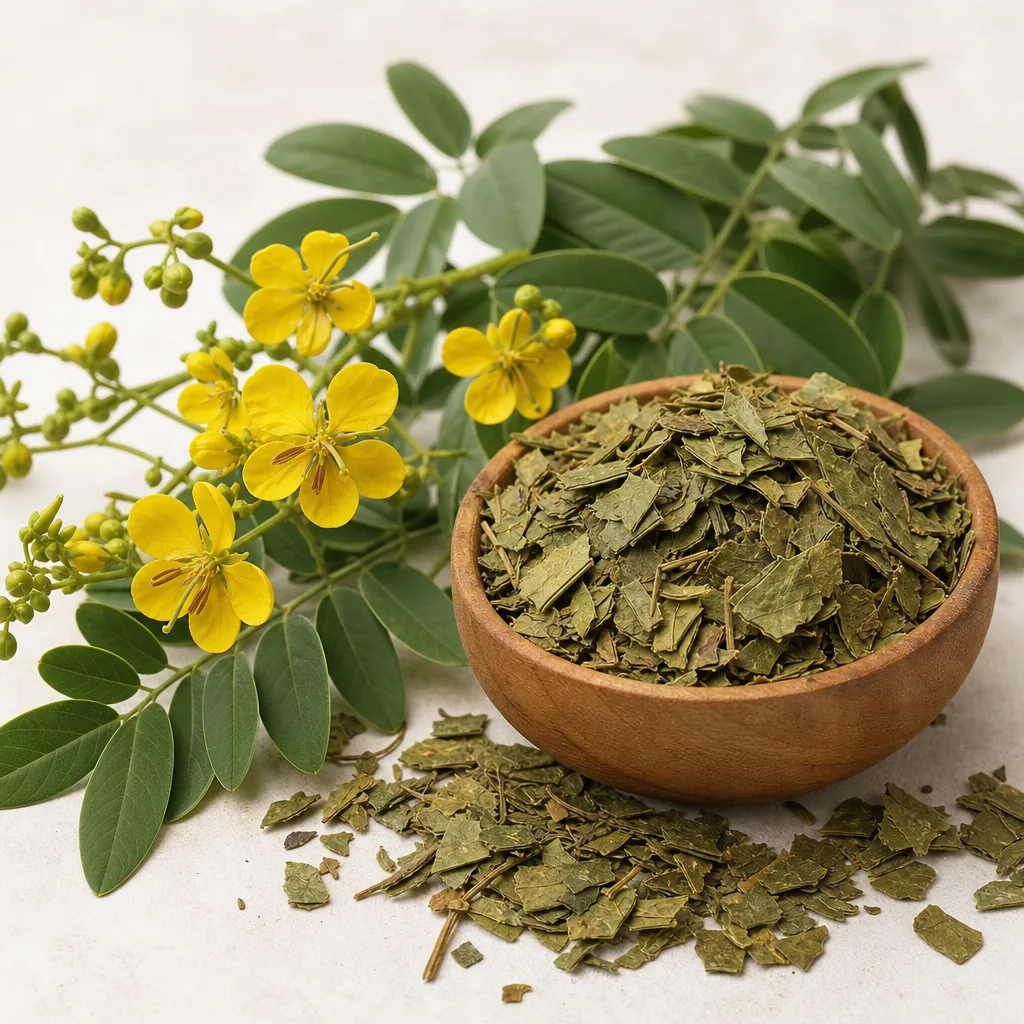
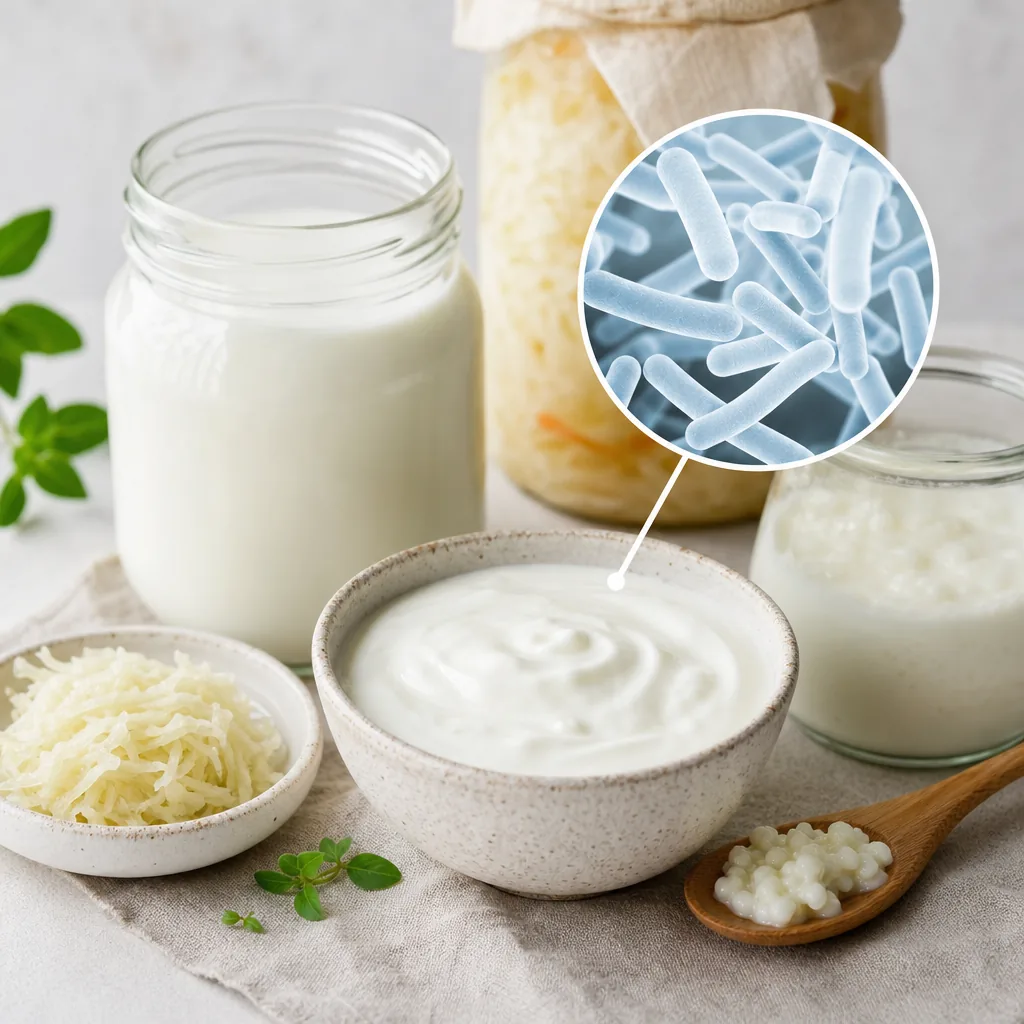
What is Acacia Fiber?
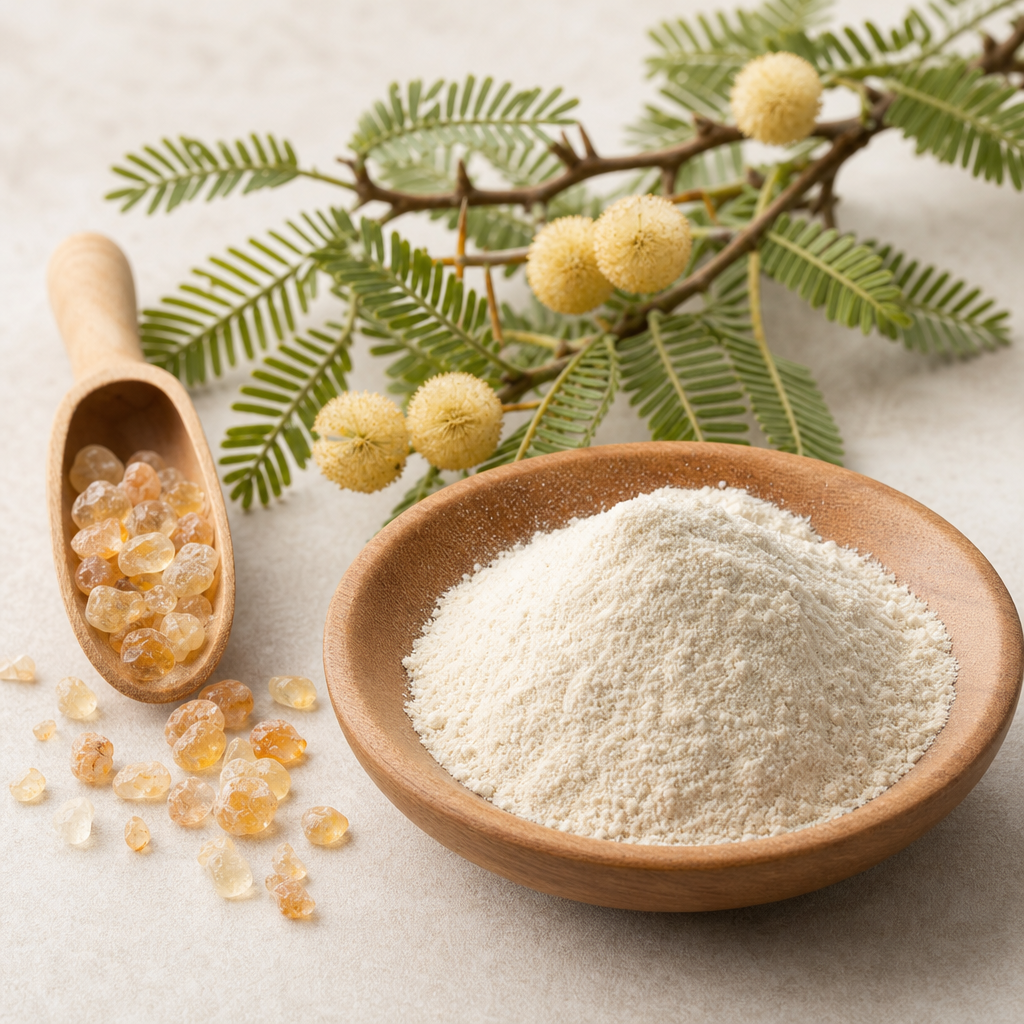
Acacia fiber—also called gum arabic—is a soluble dietary fiber obtained from the dried sap of Acacia trees, primarily Acacia senegal and Acacia seyal, which grow in parts of Africa and the Middle East. After gentle purification and drying, it becomes a fine powder that dissolves easily in liquids. It is used in foods as a stabilizer and emulsifier (often listed as “gum arabic” or E414) and is also sold as a standalone supplement aimed at supporting digestive and metabolic health.
Functionally, acacia fiber is a fermentable soluble fiber. It resists digestion in the upper gastrointestinal tract and is fermented by gut microbes in the colon, producing short-chain fatty acids (SCFAs) such as acetate, propionate, and butyrate. These molecules help nourish colon cells, support gut barrier function, and play roles in metabolic health. Acacia fiber is a supplement and a food-derived ingredient—not an essential nutrient like a vitamin or mineral—so the body does not require it for survival. However, adequate dietary fiber from a variety of sources is associated with better digestive function and cardiometabolic health, and acacia fiber can be one practical way to help meet fiber goals.
Benefits of Acacia Fiber
-
Supports digestive regularity and stool quality
(Moderate evidence)
Acacia fiber is a gentle, soluble fiber that can help promote regular bowel movements and improve stool consistency. Unlike some high-viscosity fibers, acacia thickens minimally, which many people find easier to tolerate. Clinical studies suggest that daily use over a few weeks can support regularity and reduce mild constipation, though responses vary and gradual dose increases are important to minimize gas or cramping.
-
Prebiotic effects that may enhance gut microbiota and SCFA production
(Moderate evidence)
As a fermentable fiber, acacia can increase beneficial bacteria such as Bifidobacterium and Lactobacillus in some studies, along with SCFAs that support colon health. These changes may contribute to improved gut barrier function and overall digestive comfort in certain individuals. While multiple trials support a prebiotic effect, strain-level responses and symptom improvements are not uniform across all people.
-
Modest LDL cholesterol reduction
(Moderate evidence)
Soluble fibers can help reduce LDL cholesterol by increasing bile acid excretion and altering lipid metabolism. Trials with acacia fiber, typically at higher intakes (often 15–30 g/day), have reported small but meaningful reductions in LDL cholesterol as part of a heart-healthy diet and lifestyle. The effect size is generally modest and more pronounced when combined with other positive changes such as increased overall fiber intake, improved diet quality, and regular physical activity.
-
Potential support for appetite control and weight management
(Limited evidence)
Some small studies suggest acacia fiber may increase feelings of fullness and reduce subsequent calorie intake when taken before meals. Mechanisms may include delayed gastric emptying, hormonal effects related to fermentation, and changes in gut microbiota. Findings are not consistent across all research, and any body-weight effects appear modest; acacia fiber should be viewed as a complementary tool alongside nutrition, activity, sleep, and stress management.
-
Helps blunt post-meal blood sugar rises in some individuals
(Mixed evidence)
Because it is soluble and fermentable, acacia fiber may slightly slow carbohydrate absorption and improve glycemic responses when consumed with or before carbohydrate-containing meals. Results vary by dose, meal composition, and individual metabolic health; several studies show small benefits, while others show minimal change. People with type 2 diabetes or prediabetes should not use acacia fiber as a replacement for prescribed care, and should monitor glucose when trying new fibers.
-
Generally good gastrointestinal tolerance compared with thicker fibers
(Limited evidence)
Many users find acacia fiber easier to integrate into drinks or smoothies because it dissolves well and has low viscosity, which can reduce the sensation of “thickening” in the stomach. Early comparative data and practical experience suggest it may be gentler for some individuals than certain gel-forming fibers. However, it is still fermentable, so gas and bloating can occur, especially if dose increases are too rapid.
Types or Forms Available
-
Acacia senegal vs. Acacia seyal powders
: Both come from related tree species. Acacia senegal is often marketed as a “premium” form with slightly different molecular characteristics and solubility; Acacia seyal is also widely used. Both provide soluble fiber and prebiotic effects, but product quality and purity can vary by manufacturer.
-
Instantized/quick-dissolving powders
: These are processed for improved dispersibility in water or smoothies and tend to mix more easily without clumping, which helps with daily compliance.
-
Capsules or tablets
: Offer convenience and portability, but each unit contains relatively small amounts of fiber. Reaching meaningful daily intakes (e.g., 5–10 g) may require many capsules, so powders are often more practical.
-
Blends with other fibers or probiotics
: Some products combine acacia with inulin, psyllium, or a probiotic (“synbiotic” formulas). Blends may tailor viscosity, fermentability, or symptom goals, but they can complicate tolerance; introduce gradually and monitor how you feel.
-
Food additive form (“gum arabic”/E414)
: Common in beverages, confections, and baked goods as a stabilizer/emulsifier. While it contributes soluble fiber, the amount per serving in packaged foods is often small and not always disclosed.
How to Use Acacia Fiber
Introduce acacia fiber gradually and consistently to allow your gut microbiota to adapt. Most people mix the powder into water, smoothies, or soft foods. Because acacia has low viscosity, it typically blends well without thickening drinks.
-
Common dosage range:
5–10 g per day is a typical starting target for general digestive support. Some studies use 10–15 g/day, split into 2–3 doses. Higher intakes (up to ~20–30 g/day) have been studied for lipid effects, but start low (e.g., 3–5 g/day) and increase by 3–5 g every 3–7 days as tolerated. Avoid megadoses.
-
Best timing:
With meals or 15–30 minutes before meals works well for many goals (regularity, satiety, post-meal glucose). For cholesterol support, total daily intake matters more than precise timing.
-
How to take it:
Stir into at least 8–12 oz (250–350 ml) of water or another beverage, or blend into yogurt, oatmeal, or smoothies. Adequate hydration reduces the risk of cramping and helps overall bowel function.
-
Consistency:
Daily use is typically needed to maintain benefits. Microbiota and bowel pattern changes can take 1–4 weeks. If you pause for several days, reintroduce at a lower dose.
Food Sources and Supplement Options
Acacia fiber is derived from the sap of Acacia senegal and Acacia seyal trees. It is not a traditional “whole-food” fiber source like fruits, vegetables, legumes, or whole grains. Instead, it appears primarily in processed foods as gum arabic (E414) or as a standalone supplement. The actual fiber delivered by packaged foods containing gum arabic is often small and may not be listed, making it hard to reach meaningful intakes from foods alone.
Because of this, many people who want targeted dosing use acacia fiber supplements. Supplements allow consistent, measurable amounts that can be adjusted for individual tolerance or goals (such as prebiotic support or LDL reduction). Still, a food-first approach has advantages: whole plant foods provide a diverse fiber matrix along with vitamins, minerals, and phytonutrients. A practical strategy is to build a fiber-rich diet (vegetables, fruits, legumes, whole grains, nuts, seeds) and consider acacia fiber as a complementary tool if you struggle to reach daily fiber targets or have specific digestive goals.
Who May Benefit from Acacia Fiber?
-
People with low overall fiber intake who find thicker fibers hard to tolerate or mix.
-
Individuals with mild, diet-related constipation seeking a gentle, soluble fiber option.
-
Those aiming for modest LDL cholesterol improvements alongside diet and exercise.
-
People interested in prebiotic support to nudge gut microbiota and SCFA production.
-
Adults experimenting with appetite management strategies as part of weight control.
-
Individuals after antibiotic use who want to support fiber-driven microbial recovery (not a substitute for medical care).
-
Athletes or active individuals who prefer a low-viscosity fiber that blends easily into hydration drinks or smoothies.
-
Some people on structured diets (e.g., lower-residue phases or low-FODMAP under guidance) who need small, titratable amounts of soluble fiber; tolerance varies.
Side Effects and Considerations
-
Digestive symptoms:
Gas, bloating, and cramping can occur, especially if the dose is increased quickly. Start low and increase gradually, and ensure adequate hydration.
-
Medication timing:
Like other fibers, acacia may reduce or delay absorption of certain medications and fat-soluble nutrients if taken simultaneously. Separate by at least 2–3 hours unless otherwise advised.
-
Glycemic management:
People using insulin or oral diabetes medications should monitor blood glucose when adding acacia fiber, as meal-time responses can shift slightly. Do not change medications without medical guidance.
-
IBS, IBD, or SIBO:
Fermentable fibers can aggravate symptoms in some individuals, particularly during flares. Introduce slowly and consider professional guidance to personalize dosing.
-
Allergy risk:
Allergic reactions to gum arabic are rare but documented, especially with occupational exposure. Avoid if you have known hypersensitivity to acacia/gum arabic; discontinue and seek care if you develop rash, wheezing, or swelling.
-
GI obstruction or swallowing difficulties:
People with a history of bowel obstruction, severe motility disorders, or dysphagia should use fiber supplements only with medical supervision.
-
Pregnancy and breastfeeding:
Gum arabic is widely used as a food additive and is generally regarded as safe in foods, but data on higher-dose supplements are limited. Consult a healthcare professional before use.
-
Children and older adults:
Use age-appropriate doses, introduce gradually, and monitor tolerance. Consider professional advice, especially if there are medical conditions or polypharmacy.
-
Quality and contaminants:
Choose reputable, third-party tested products to minimize risks of microbial contamination or adulteration. If you are sensitive to sweeteners or flavors, select unflavored, additive-free powders.
-
Pre-surgical considerations:
If you have upcoming surgery or procedures affecting the GI tract, inform your care team about fiber supplements; they may recommend adjustments to avoid interference with fasting or medication timing.
-
General medical advice:
Individuals who are pregnant, breastfeeding, taking medications, or managing a medical condition should consult a healthcare professional before starting acacia fiber.
Common Myths About Acacia Fiber
-
Myth: Acacia fiber is an essential nutrient that everyone must take.
It is a nonessential, food-derived soluble fiber. While dietary fiber is strongly associated with health benefits, the body does not require acacia specifically in the way it requires vitamins, minerals, or essential fatty acids. Many people meet fiber needs through whole foods.
-
Myth: All fibers work the same, so one is as good as another.
Fibers differ in viscosity, fermentability, and effects on digestion, cholesterol, and glycemia. Acacia is low-viscosity and fermentable, which may make it easier to mix and sometimes gentler for certain individuals, but other fibers (e.g., psyllium, beta-glucan, resistant starch) can have distinct and complementary benefits.
-
Myth: More acacia fiber is always better.
Higher doses do not guarantee better outcomes and can increase gas or discomfort. Benefits often plateau within practical ranges, and the best results come from consistent, tolerable doses alongside an overall healthy diet and lifestyle.
-
Myth: Acacia fiber cures IBS.
No fiber “cures” IBS. Some people with IBS may feel better with careful, gradual introduction of acacia fiber, while others may worsen due to its fermentability. Personalized nutrition and medical guidance are key.
Conclusion
Acacia fiber is a well-tolerated, soluble, prebiotic fiber derived from Acacia tree sap. It can support regularity, modestly improve LDL cholesterol, and may help with appetite control or post-meal glycemia when used consistently. Because it is not an essential nutrient, it should complement—not replace—a fiber-rich diet built on vegetables, fruits, legumes, whole grains, nuts, and seeds. Choose reputable products, start with small doses, and increase gradually based on comfort and goals.
Acacia fiber may be most useful for people seeking a gentle, easy-to-mix fiber or targeted prebiotic support. Individuals who are pregnant or breastfeeding, taking medications, or managing medical conditions—including diabetes, IBS/IBD, or a history of GI obstruction—should consult a healthcare professional before using it. In most cases, a food-first approach provides broader nutrition benefits, while supplements offer convenient, measurable dosing when diet alone falls short.