What is Inulin?
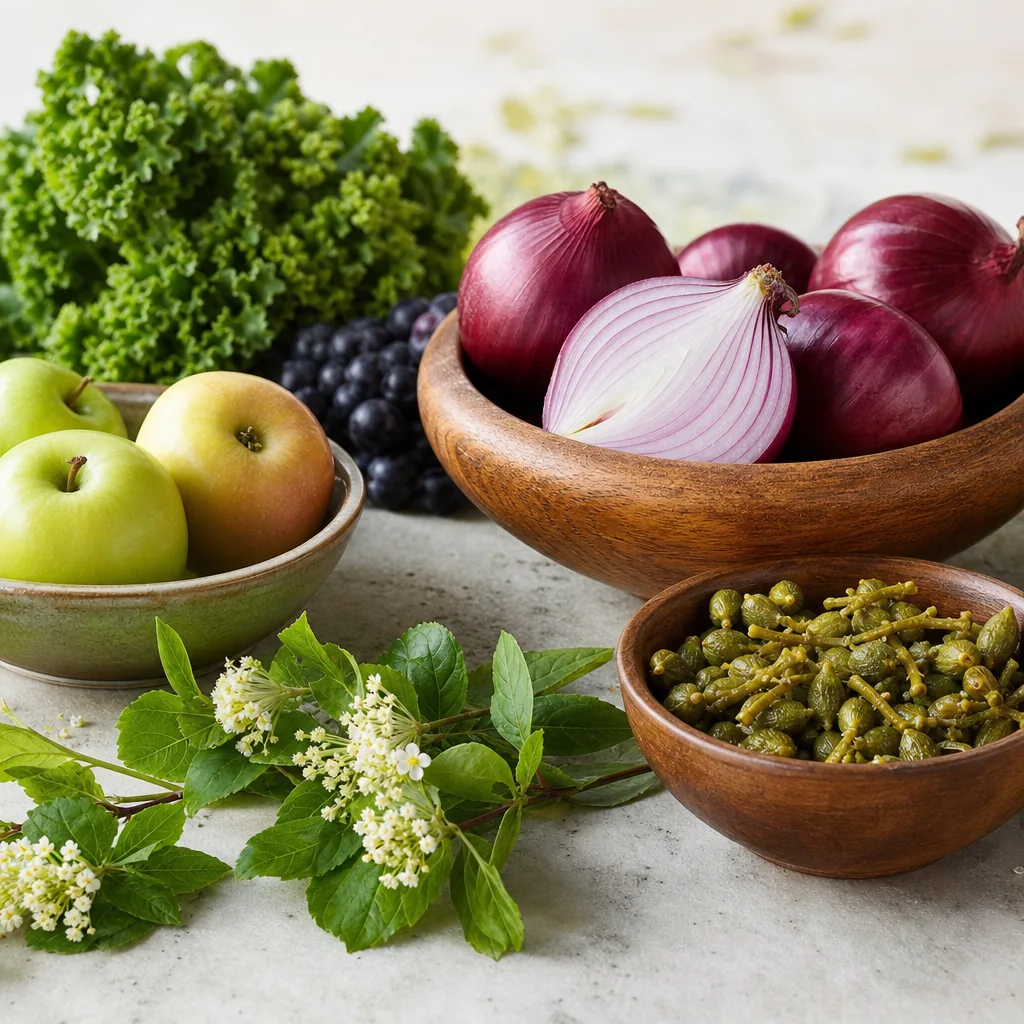
Inulin is a type of soluble, fermentable dietary fiber made up of fructose chains (fructans). It naturally occurs in many plants, with chicory root being the most common commercial source. Other foods like Jerusalem artichokes, onions, garlic, leeks, and asparagus also contain inulin in varying amounts. In the digestive tract, inulin is not broken down by human enzymes; instead, it reaches the colon where it is fermented by beneficial gut bacteria.
Because of its fermentation and “prebiotic” effects, inulin can support digestion and gut microbiota balance, and it is often added to foods to increase fiber content or used as a standalone supplement. Inulin is best described as a food-derived ingredient and a fiber supplement, not an essential nutrient like a vitamin or mineral. The body does not technically require inulin to function, though including prebiotic fibers as part of an overall fiber-rich diet may support gut and metabolic health.
Benefits of Inulin
-
Supports beneficial gut bacteria (prebiotic effect)
(Strong evidence)
Inulin selectively feeds certain beneficial microbes such as Bifidobacteria in the colon. Consistent human trials show that daily intake can shift the gut microbiota toward a more favorable profile, which may contribute to digestive comfort and broader metabolic benefits over time.
-
Improves bowel regularity and stool quality
(Strong evidence)
As a soluble, fermentable fiber, inulin increases stool bulk and stimulates intestinal activity through fermentation byproducts (short-chain fatty acids). Multiple studies in adults and older adults report improved stool frequency and softer stools, particularly for people with low baseline fiber intake or mild constipation.
-
Modestly lowers LDL cholesterol
(Moderate evidence)
Meta-analyses of controlled trials suggest inulin-type fructans can produce small but meaningful reductions in total and LDL cholesterol, especially in individuals with elevated baseline levels. The effect size is typically modest and works best alongside a heart-healthy diet and lifestyle.
-
Enhances calcium (and sometimes magnesium) absorption
(Moderate evidence)
Inulin fermentation produces short-chain fatty acids that acidify the colon environment, which can enhance mineral solubility and absorption. Research in adolescents and postmenopausal women shows improved calcium absorption and small improvements in bone-related markers, particularly when overall calcium intake is adequate.
-
May help with appetite control and modest weight management
(Limited evidence)
Some studies report small reductions in hunger and calorie intake when inulin is taken regularly, possibly due to fermentation byproducts that influence satiety signals. Results vary, effects are generally small, and inulin should be considered a supportive tool rather than a primary weight-loss strategy.
-
Possible support for glycemic control
(Mixed evidence)
Inulin does not raise blood glucose because it is not digested into simple sugars. Some trials in people with insulin resistance or type 2 diabetes find modest improvements in fasting glucose or insulin sensitivity, while others show no significant effect. Benefits, when present, are usually incremental and work best as part of an overall dietary pattern rich in fiber.
Types or Forms Available
-
Native (long-chain) inulin:
Higher degree of polymerization (longer chains). It ferments more slowly, which may be gentler on the gut for some people. Often labeled as “chicory root fiber.”
-
Oligofructose (short-chain inulin):
Shorter chains that ferment more rapidly, typically producing a quicker prebiotic effect but with a higher likelihood of gas and bloating for sensitive individuals.
-
Fructooligosaccharides (FOS/scFOS):
Very short-chain fructans closely related to inulin. They act similarly as prebiotics but can be more fermentable and may require lower starting doses to minimize digestive discomfort.
-
Partially hydrolyzed inulin (PH-inulin):
Inulin that has been enzymatically shortened. It tends to dissolve easily, blends well into beverages, and may be somewhat better tolerated than very short-chain FOS at comparable gram doses.
-
Synbiotic blends (inulin + probiotics):
Products combining inulin-type fibers with live probiotic strains. The fiber can feed the probiotic bacteria, but effectiveness varies by strain, dose, and individual tolerance.
-
Food-fortified forms:
Inulin or chicory root fiber is often added to bars, yogurt, cereals, and bakery items to increase fiber and improve texture. The amount per serving varies widely, so check labels for actual grams of fiber.
How to Use Inulin
Inulin is typically taken as a powder mixed into water, smoothies, yogurt, or oatmeal. It is mildly sweet, dissolves reasonably well, and can also be used in baking. Because it is fermentable, ramping up intake gradually helps reduce gas and bloating.
-
Common dosage range:
Start with 2–3 g per day and increase by 1–2 g every few days as tolerated. Typical effective intakes are 3–10 g per day. Some studies use higher amounts (10–15 g), but the risk of digestive discomfort increases with dose. Avoid megadoses.
-
Best timing:
Timing is flexible. Many people prefer taking inulin with meals to improve tolerance. Splitting the daily amount into two servings can further reduce GI symptoms.
-
How to take it:
Mix into water, tea, coffee, smoothies, or yogurt. It also integrates well into breakfast foods or baking. Drinking adequate water with fiber is helpful.
-
Consistency:
For prebiotic effects, daily use is generally more effective than occasional use. Expect gut microbiota changes and bowel regularity benefits to develop over days to weeks of consistent intake.
Food Sources and Supplement Options
Inulin occurs naturally in foods and is also widely available as a supplement. Many people can obtain beneficial amounts by emphasizing inulin-rich foods, while supplements allow for more precise dosing when needed.
-
Chicory root:
The richest common source; often processed into “chicory root fiber.”
-
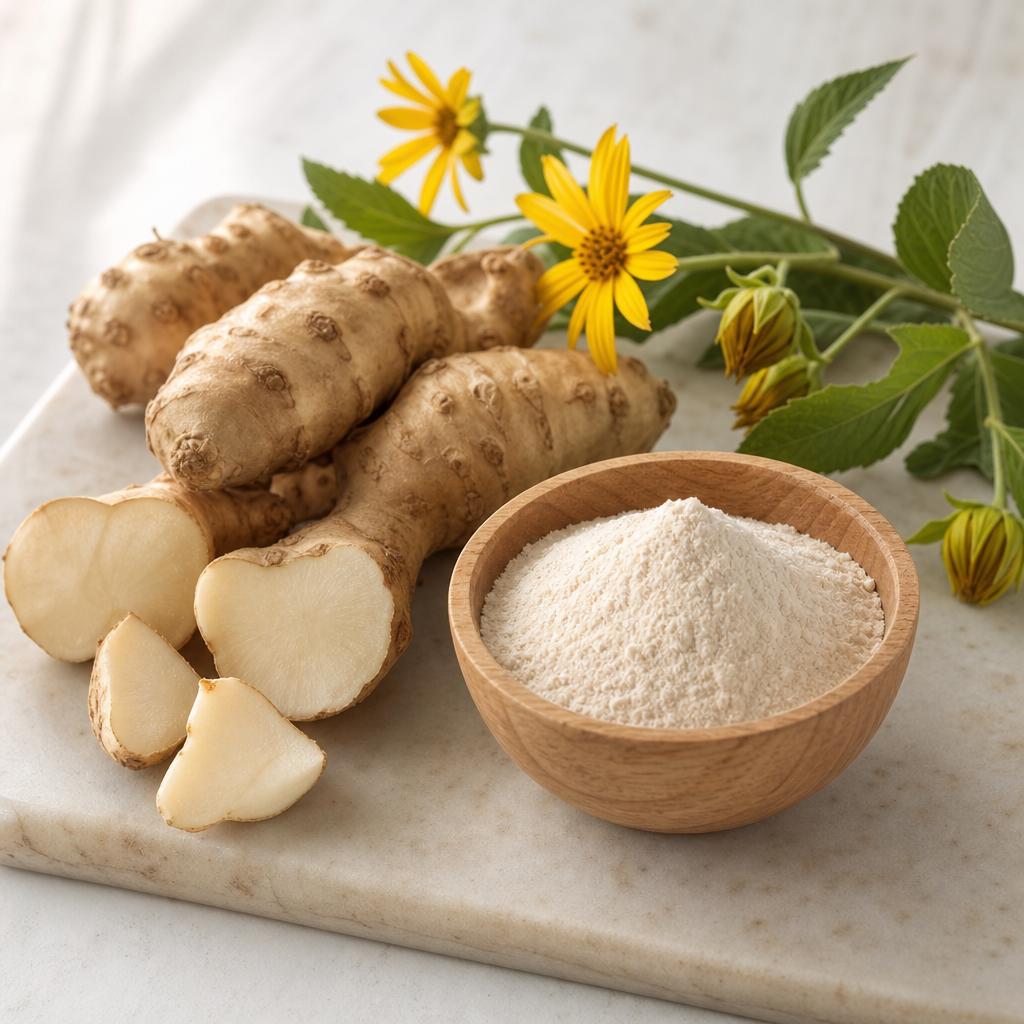
Jerusalem artichoke (sunchoke):
Very high in inulin; can be gas-forming for some people.
-
Onions and garlic:
Provide meaningful amounts; cooking may reduce FODMAP content somewhat but still contributes fiber.
-
Leeks and asparagus:
Useful culinary sources with moderate inulin levels.
-
Dandelion greens and artichokes:
Additional plant sources with inulin-type fructans.
Supplements can make sense if dietary fiber intake is low, if a targeted prebiotic effect is desired, or when tracking a specific gram dose for research-backed outcomes. Whole foods provide a broader nutrient package (vitamins, minerals, polyphenols), while supplements offer convenience and consistency. People with sensitive digestion may tolerate food sources better than high-dose supplements, or vice versa—individual responses vary.
Who May Benefit from Inulin?
-
People with low overall fiber intake who want to support regularity and gut health.
-
Individuals seeking to nurture beneficial gut bacteria without taking probiotics.
-
Those with mildly elevated LDL cholesterol looking for small, adjunctive dietary improvements.
-
Adolescents and postmenopausal adults aiming to support calcium absorption alongside adequate calcium and vitamin D intake.
-
People working on appetite awareness or weight management who prefer a food-first, fiber-forward approach.
-
Individuals recovering dietary balance after antibiotic use, as part of a broader fiber-rich eating pattern.
Side Effects and Considerations
-
Digestive symptoms:
Gas, bloating, abdominal cramping, and loose stools can occur, especially at higher doses or with rapid increases. Start low and increase gradually.
-
FODMAP sensitivity (IBS/functional GI disorders):
Inulin is a FODMAP. People with IBS or SIBO may experience symptom flares; a low-FODMAP plan usually restricts inulin during elimination phases. Reintroduce cautiously with guidance.
-
Medication timing:
As with many fibers, inulin may affect the absorption of some medications if taken simultaneously. To be prudent, separate inulin from oral medications by about 2 hours unless your healthcare professional advises otherwise.
-
Allergies and plant sensitivities:
Inulin supplements commonly come from chicory. People with known chicory or ragweed-family allergies should exercise caution and consider alternative fibers.
-
Underlying GI conditions:
During active flares of IBD, after GI surgery, or with significant motility disorders, discuss fiber changes with a clinician before use.
-
Blood sugar management:
Inulin itself does not raise blood glucose, but if you use diabetes medications, any diet change should be monitored. Track your response and consult your clinician if you notice changes in glycemic patterns.
-
Hydration:
Adequate fluid intake supports fiber tolerance. Insufficient fluids may worsen discomfort.
-
Pregnancy, breastfeeding, and children:
Inulin from foods is generally considered safe, but before starting supplements, consult a healthcare professional—especially for children, during pregnancy, or while breastfeeding.
-
Quality and labeling:
Look for products that specify the inulin source (e.g., chicory), chain length (inulin vs. FOS), and grams per serving. Some “fiber” blends include multiple ingredients; check for tolerability and added sugars or sweeteners.
Common Myths About Inulin
-
Myth: Inulin is a probiotic.
Inulin is a prebiotic fiber, not a live microorganism. It feeds certain beneficial bacteria already present in the gut or provided by probiotics, but it is not a bacteria or yeast itself.
-
Myth: More inulin is always better.
Benefits tend to plateau, while higher intakes increase the risk of gas, bloating, and discomfort. Most people do well in the 3–10 g/day range; megadoses are unnecessary and not advised.
-
Myth: Inulin causes blood sugar spikes because it’s a carbohydrate.
Although inulin is a carbohydrate, it is not digested into glucose. It passes to the colon for fermentation and has minimal direct impact on blood sugar.
-
Myth: Inulin cures IBS.
While inulin can support a healthy microbiota, people with IBS often react to FODMAPs and may feel worse with standard doses. Management of IBS is individualized; any trial of inulin should be cautious and guided.
Conclusion
Inulin is a food-derived, prebiotic fiber that can help support beneficial gut bacteria, promote regularity, and offer small advantages for cholesterol and mineral absorption. It is most effective when integrated into a balanced, fiber-rich diet built on whole foods such as vegetables, legumes, fruits, whole grains, nuts, and seeds. Supplements are useful for convenience or targeted dosing, especially when food intake falls short or specific outcomes are desired.
Because tolerance varies, start with low doses and increase gradually, paying attention to digestive comfort. People with IBS, SIBO, active GI conditions, chicory allergy, or those who are pregnant, breastfeeding, taking medications, or managing medical conditions should consult a healthcare professional before using inulin supplements. Choose quality products with clear labeling, and remember that a food-first approach typically offers broader nutritional benefits, while supplements can provide a practical and precise complement when needed.