What is Graviola?
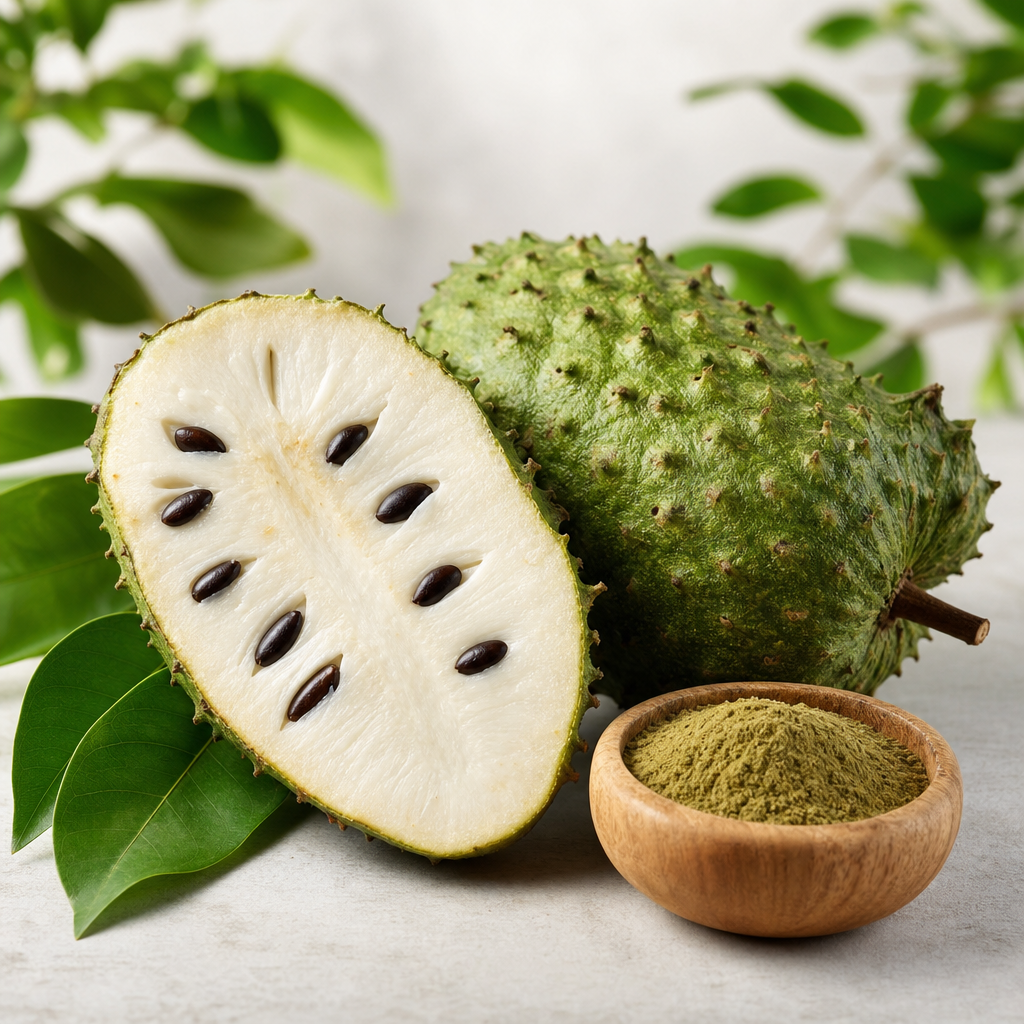
Graviola (Annona muricata), also known as soursop or guanábana, is a tropical evergreen tree native to the Caribbean and Central and South America. Its large, spiky green fruit is eaten fresh or used to make juices, desserts, and frozen treats. In traditional medicine, various parts of the plant—especially the leaves—have been prepared as teas or extracts for a wide range of folk uses. The plant contains several bioactive compounds, including flavonoids, alkaloids, and a unique group of compounds called annonaceous acetogenins.
From a health and nutrition perspective, graviola is best categorized as a botanical or herb, and the fruit is a food. It is not an essential nutrient like a vitamin or mineral; the body does not require it to function normally, and there is no recognized dietary requirement for it. Supplements made from graviola typically use leaf powders or extracts. While laboratory and animal research has explored potential properties such as antioxidant, antimicrobial, and anti-inflammatory actions, human clinical evidence remains limited, and safety concerns—particularly related to certain compounds in the plant—warrant cautious use.
Benefits of Graviola
-
Antioxidant and anti-inflammatory activity
(Limited evidence)
Graviola leaves and fruit contain flavonoids and other polyphenols that can act as antioxidants in laboratory models. Small preclinical studies suggest they may help modulate inflammatory pathways. However, high-quality human trials confirming meaningful reductions in oxidative stress or inflammation are lacking, and the potency and safety of different preparations vary widely.
-
Antimicrobial properties (bacteria, fungi, parasites)
(Preliminary evidence)
In vitro research indicates that graviola extracts can inhibit the growth of certain bacteria, fungi, and parasites. These findings are promising but do not establish effectiveness in humans. Differences in plant part, extraction method, and dose make it difficult to translate lab results to practical use, and clinical trials are needed.
-
Blood sugar support
(Preliminary evidence)
Animal studies report that graviola leaf preparations may influence glucose metabolism and improve some markers related to blood sugar. Human evidence is minimal, dosing is not standardized, and safety considerations—such as potential interactions with diabetes medications—mean that people should not rely on graviola for glycemic control. Any use for this purpose should be guided by a qualified professional.
-
Pain and discomfort relief
(Limited evidence)
Graviola has traditional uses for easing pain and minor discomfort. Some animal research supports analgesic and anti-inflammatory effects, but robust human data are missing. Any perceived benefits may depend on individual sensitivity, the specific preparation used, and short-term rather than long-term intake.
-
Calming or sleep-promoting effects
(Mixed evidence)
Folk use includes bedtime teas made from the leaves for relaxation. Limited preclinical work suggests possible mild sedative properties, but reliable human trials are sparse and inconsistent. People using sedatives, antidepressants, or other central nervous system–active medications should be cautious due to potential additive effects.
-
Potential anti-tumor activity
(Preliminary evidence)
Cell and animal studies show that certain annonaceous acetogenins can inhibit mitochondrial complex I and may have cytotoxic effects on some cancer cell lines. These laboratory findings have not translated into proven safety or efficacy in humans. Graviola should not be used to prevent, treat, or cure cancer, and it must not replace evidence-based medical care.
Types or Forms Available
-
Fresh fruit (soursop/guanábana):
Eaten as a whole food or used to make juices, smoothies, and desserts. Provides vitamin C, fiber, and potassium. The fruit pulp has lower concentrations of certain acetogenins than some other plant parts. Seeds should not be eaten.
-
Dried leaf tea (herbal infusion):
Leaves are steeped in hot water. Composition varies based on leaf maturity, origin, and brewing time. Teas can contain bioactive acetogenins; long-term daily use is discouraged due to safety uncertainties.
-
Capsules or tablets (leaf powder):
Ground leaf material in specified milligram amounts per serving. Content of active compounds is highly variable and not always disclosed. Choose products with transparent sourcing and testing.
-
Standardized extracts (leaf or bark):
Concentrated preparations that may specify levels of certain constituents. Extracts enriched for acetogenins can increase potency—and potential risk. Many practitioners advise avoiding high-acetogenin products due to neurotoxicity concerns.
-
Liquid extracts/tinctures:
Alcohol- or glycerin-based preparations from leaves. Dosing is measured in drops or milliliters, but actual constituent levels can vary widely between brands.
-
Powdered drink mixes or blends:
Formulas combining graviola with other botanicals. Strength, purity, and interactions may be less predictable, and labels may not quantify graviola content accurately.
How to Use Graviola
Because there is no established clinical dosing standard and safety concerns exist—especially with long-term use—consider a “lowest effective amount for the shortest time” approach, and consult a qualified healthcare professional before starting.
-
Common dosage range:
Commercial leaf-powder supplements often provide 300–500 mg per capsule, taken 1–3 times daily for short periods (for example, up to 2–4 weeks). For tea, 1–2 grams of dried leaves steeped in 250 mL hot water once daily is a conservative starting point. Do not exceed label directions, and avoid products concentrated or standardized to high acetogenin levels.
-
Best timing:
Timing is not critical. If you notice calming effects, evening use may be preferable. If you are prone to drowsiness from botanicals, avoid activities that require alertness until you know your response.
-
How to take it:
Take capsules with food and water to reduce the chance of stomach upset. Tea can be taken with or without food. Do not consume seeds, and avoid preparations made from seeds or bark due to higher toxicity risk.
-
Consistency:
Intermittent or short-term use is generally preferred over continuous, long-term intake. Reassess need regularly with a healthcare professional, especially if you take medications or manage a health condition.
Food Sources and Supplement Options
Graviola occurs naturally as a fruit (soursop/guanábana). The pulp can be eaten fresh or used in drinks and desserts. Leaves are used traditionally as an herbal tea. Supplements typically contain dried leaf powder, extracts, or tinctures.
-
Natural source:
Graviola tree (Annona muricata). Edible part is the fruit pulp; leaves are used in teas. Seeds should be discarded and not ingested.
-
Culinary uses:
Fresh fruit, smoothies, juices, sorbets, and jams. The fruit provides vitamin C, fiber, and a distinctive tart-sweet flavor.
Choosing whole fruit provides additional nutrients and phytonutrients in a food matrix and generally entails lower exposure to concentrated acetogenins compared with some supplements. Supplements may offer more targeted dosing, but quality and safety vary, and they may deliver higher levels of potentially risky constituents. If you use supplements, select products with third-party testing for identity, heavy metals, pesticides, and quantification or control of acetogenins.
Who May Benefit from Graviola?
-
People who enjoy soursop fruit as part of a varied diet and want to diversify their intake of plant foods, vitamin C, and fiber.
-
Individuals exploring traditional herbal teas for occasional relaxation or general wellness, used cautiously and short-term.
-
Those interested in complementary approaches for mild, non-specific discomfort or supporting a diverse intake of plant compounds—provided they do not have conditions or medications that increase risk.
-
Experienced botanical users working with a qualified practitioner to evaluate potential uses, dosing, and safety in the context of their health status.
Side Effects and Considerations
-
Neurologic safety:
Certain acetogenins in graviola can inhibit mitochondrial complex I. Epidemiologic research in some Caribbean regions has linked high, chronic consumption of annonaceous plants to atypical parkinsonism. Long-term or high-dose use is not advised.
-
Blood pressure and blood sugar:
Graviola may potentiate low blood pressure or low blood sugar. Use caution if you take antihypertensive or antidiabetic medications; monitor closely and consult your clinician.
-
Sedation and CNS effects:
Possible calming or drowsy effects can be additive with sedatives, sleep aids, certain antidepressants, or alcohol. Avoid combining without medical guidance and do not drive until you understand your response.
-
Gastrointestinal upset:
Nausea, stomach discomfort, and diarrhea have been reported, particularly with concentrated extracts or higher intakes. Taking with food may help.
-
Liver and kidney considerations:
Because botanical constituents are metabolized and cleared through these organs, those with liver or kidney disease should avoid use unless a clinician approves and monitors.
-
Pregnancy, breastfeeding, and children:
Safety data are insufficient. Avoid during pregnancy, while breastfeeding, and in children unless specifically recommended by a qualified healthcare professional.
-
Seed and bark toxicity:
Avoid ingesting seeds or seed-derived products. Do not use bark preparations. These parts can contain higher levels of potentially neurotoxic compounds.
-
Surgery:
Due to potential effects on blood pressure, blood sugar, and sedation, stop supplements at least 1–2 weeks before scheduled surgery and inform your healthcare team.
-
Allergies and sensitivities:
People with known sensitivities to plants in the Annonaceae family should avoid graviola. Discontinue use if rash, itching, or breathing difficulty occurs and seek medical care.
-
Quality and contamination:
Choose products that undergo third-party testing for identity, potency, heavy metals, and pesticides. Variability in plant part and extraction can lead to unpredictable effects.
-
Medical oversight:
If you are pregnant, breastfeeding, taking medications, or managing any medical condition, consult a healthcare professional before using graviola.
Common Myths About Graviola
-
“Graviola cures cancer.”
Laboratory and animal studies show cytotoxic effects on certain cell lines, but this has not translated into proven benefits in human clinical trials. Graviola should never replace evidence-based cancer treatment.
-
“Because it’s natural, it’s safe for daily long-term use.”
Natural does not guarantee safety. Compounds such as annonacin raise concerns about neurotoxicity with chronic exposure. Long-term or high-dose use is discouraged.
-
“The seeds are as healthy as the fruit.”
The edible part is the fruit pulp. Seeds and some other parts can contain higher levels of potentially harmful compounds and should not be consumed.
-
“All graviola products are the same.”
Potency and safety differ dramatically by plant part, growing conditions, and extraction method. Some extracts concentrate constituents that may increase risk.
Conclusion
Graviola is a tropical fruit and traditional botanical with intriguing laboratory findings and a long history of culinary use. While the fruit can be enjoyed in moderation as part of a balanced diet, the health effects of teas and supplements are not well established in humans, and certain constituents raise safety concerns—especially with long-term or high-dose use. If someone chooses to try a graviola supplement, short-term, low-dose strategies with products that are third-party tested and not enriched for acetogenins are prudent.
People who are pregnant, breastfeeding, taking medications, or managing medical conditions should consult a healthcare professional before using graviola. A food-first approach using the fruit pulp—while strictly avoiding seeds—generally makes more sense than routine supplementation. High-quality products, careful dosing, and individualized medical guidance are essential for anyone considering graviola beyond its role as a fruit.