Gut health and digestion are fundamental to overall well-being, as the digestive system plays a crucial role in nutrient absorption, immune function, and even mental health. A well-balanced gut microbiome, consisting of trillions of beneficial bacteria, helps break down food, produce essential nutrients, and protect against harmful pathogens. Efficient digestion ensures that the body extracts and utilizes nutrients properly while preventing discomforts like bloating, indigestion, and inflammation. Maintaining gut health involves a diet rich in fiber, probiotics, and prebiotics, along with proper hydration and stress management. A healthy gut is often referred to as the "second brain" due to its strong connection with mood and cognitive function, making it a cornerstone of overall vitality.
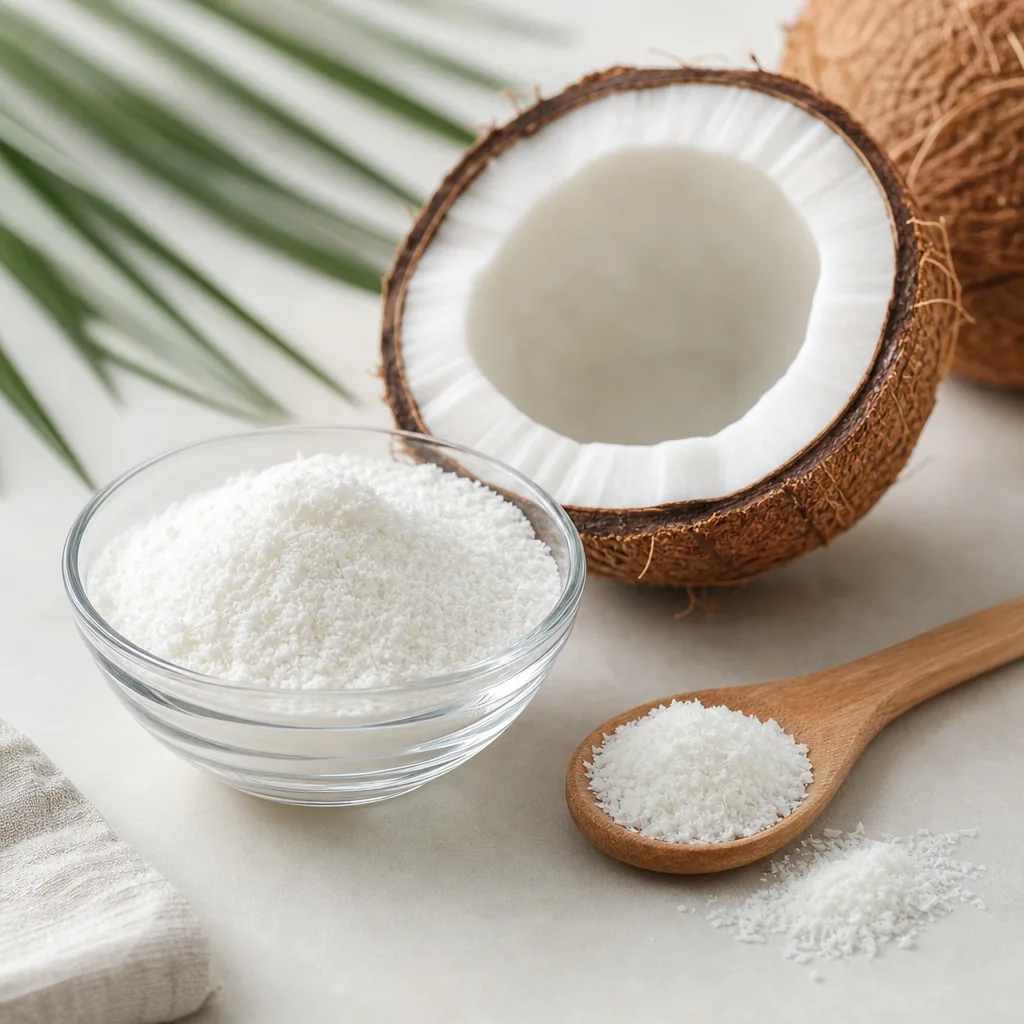
What is Capryl? Capryl generally refers to caprylic acid (also called octanoic acid) or its triglyceride form (C8 MCT), a medium-chain fatty acid naturall…
Read more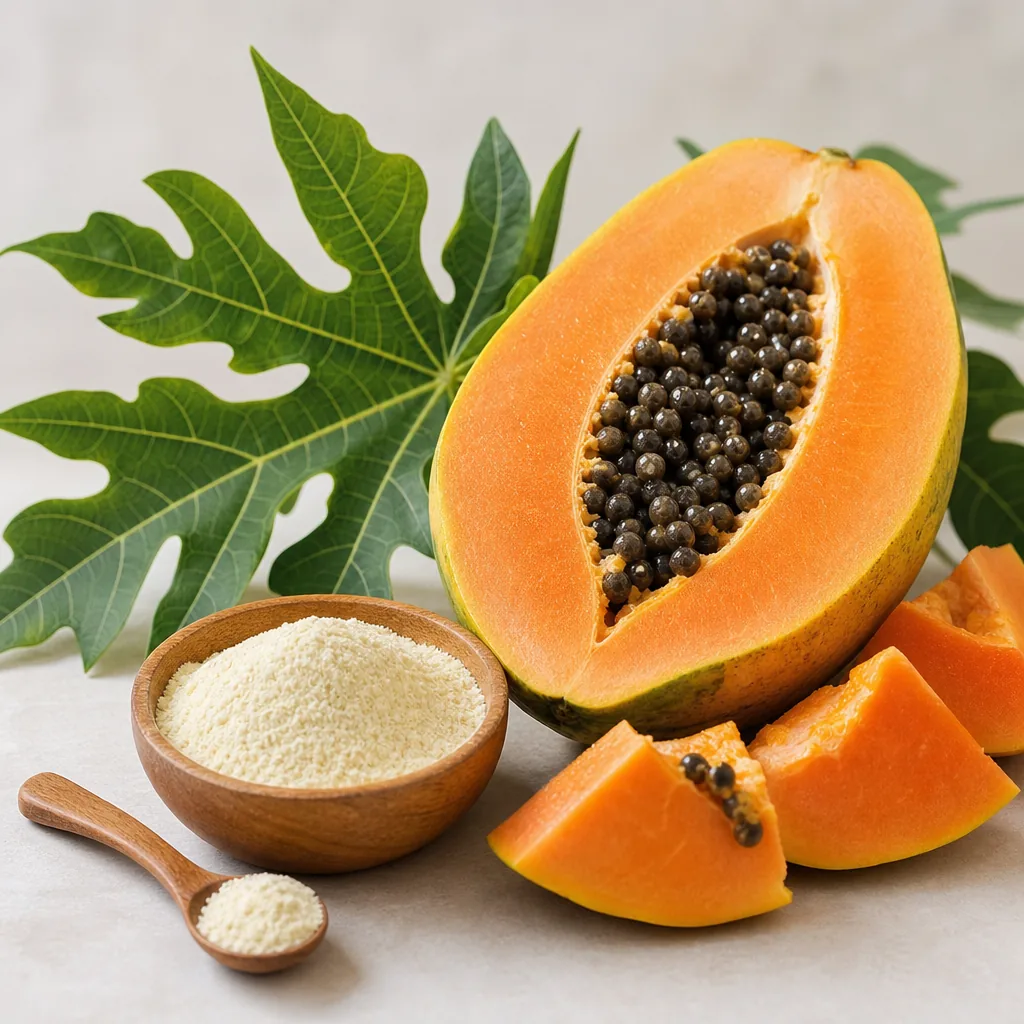
What is Papain? Papain is a proteolytic (protein-digesting) enzyme extracted primarily from the latex of the papaya plant (Carica papaya), especially from…
Read more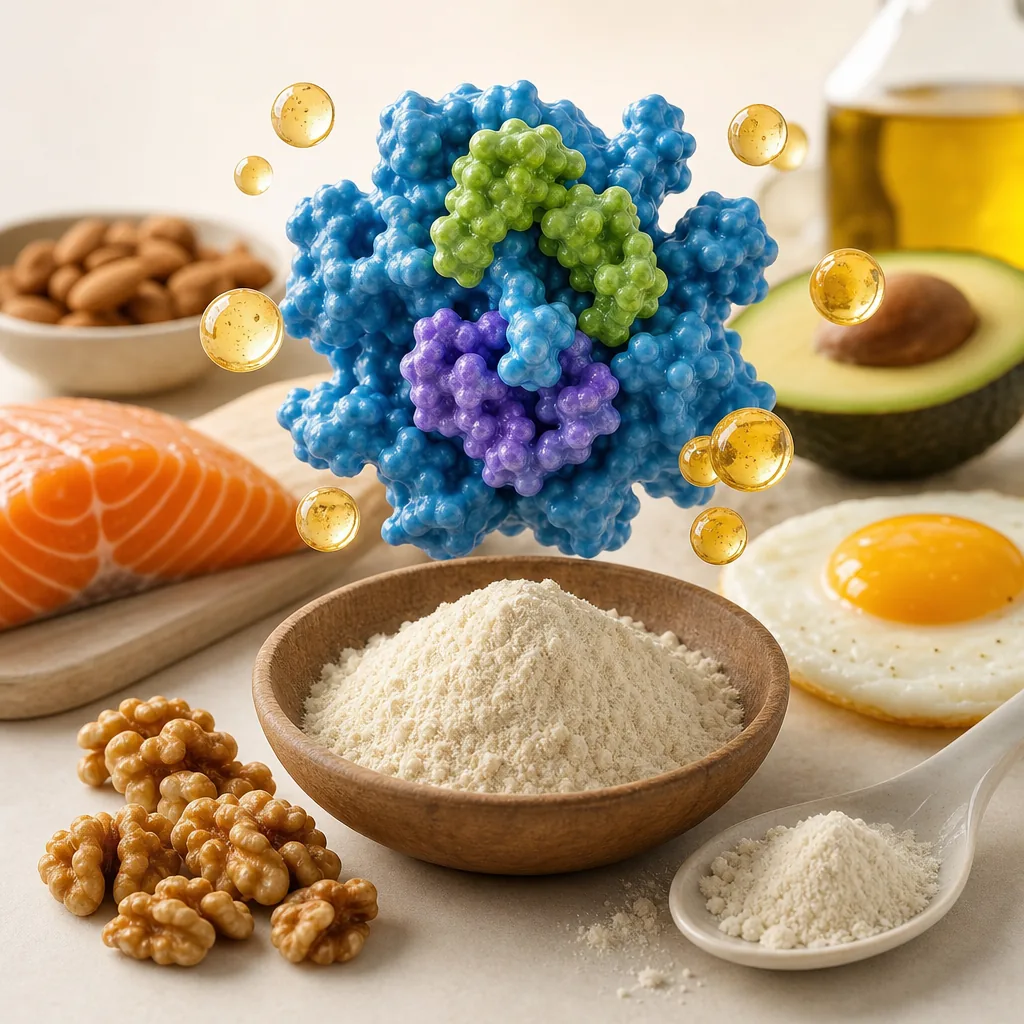
What is Lipase? Lipase is a digestive enzyme that helps break down dietary fats (triglycerides) into smaller molecules—free fatty acids and monoglycerides…
Read more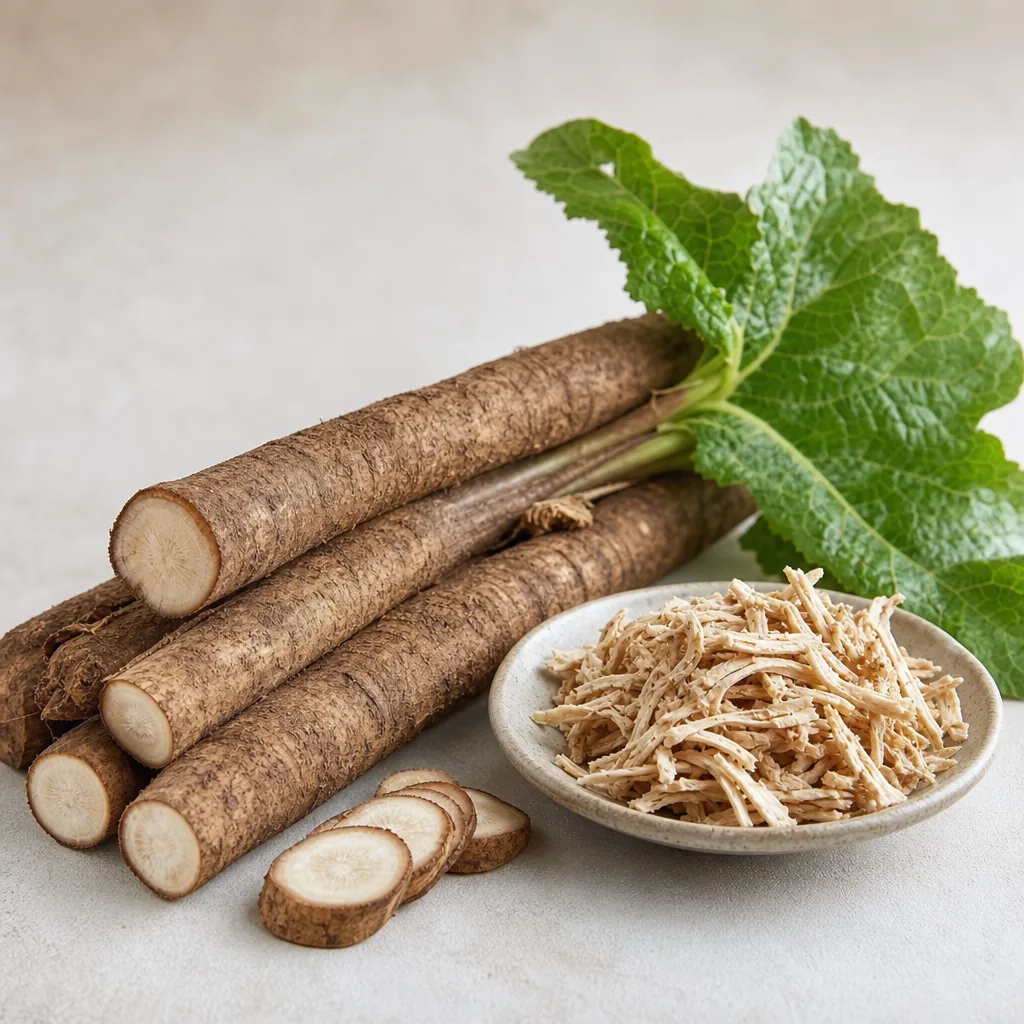
What is Burdock? Burdock (Arctium lappa and related Arctium species) is a hardy biennial plant in the Asteraceae family, long used in European folk medici…
Read more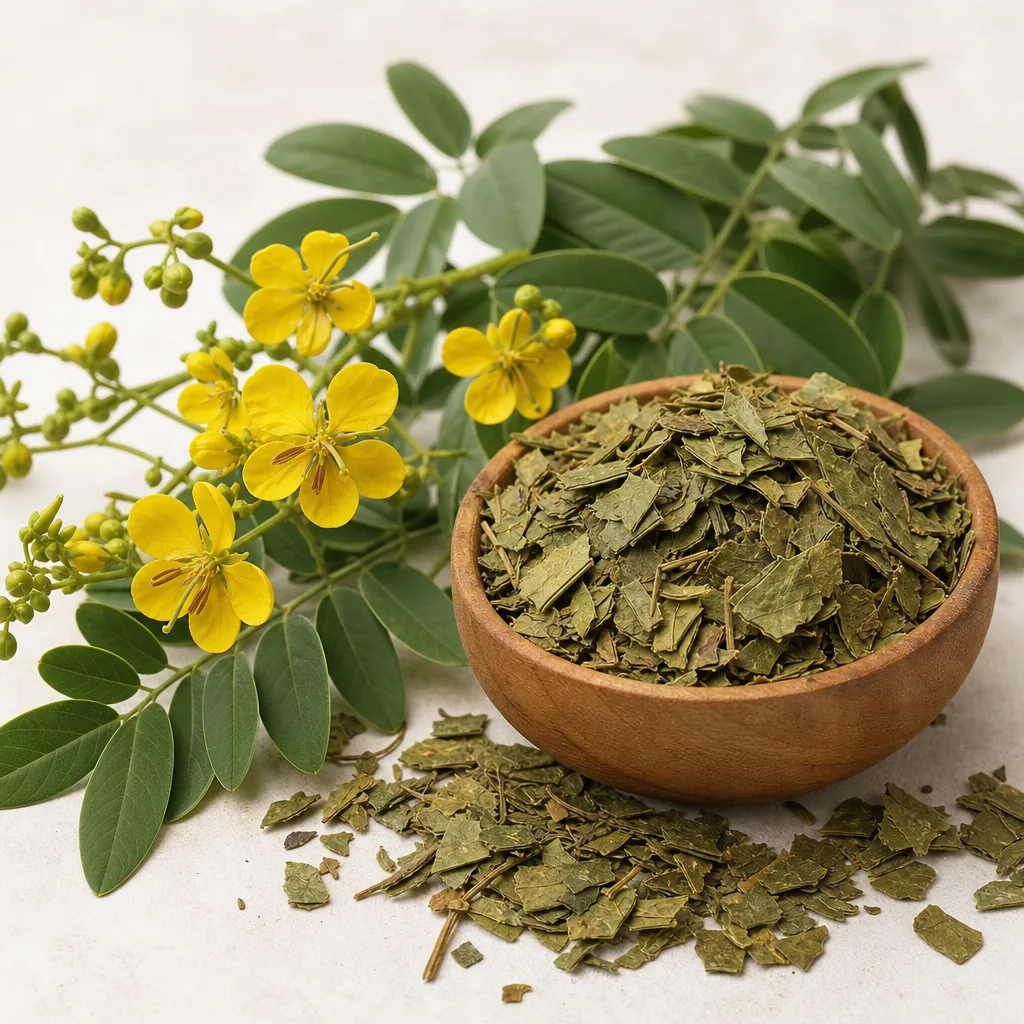
What is Senna? Senna is a botanical laxative derived primarily from the leaves and pods of Senna alexandrina (also known historically as Cassia senna or C…
Read more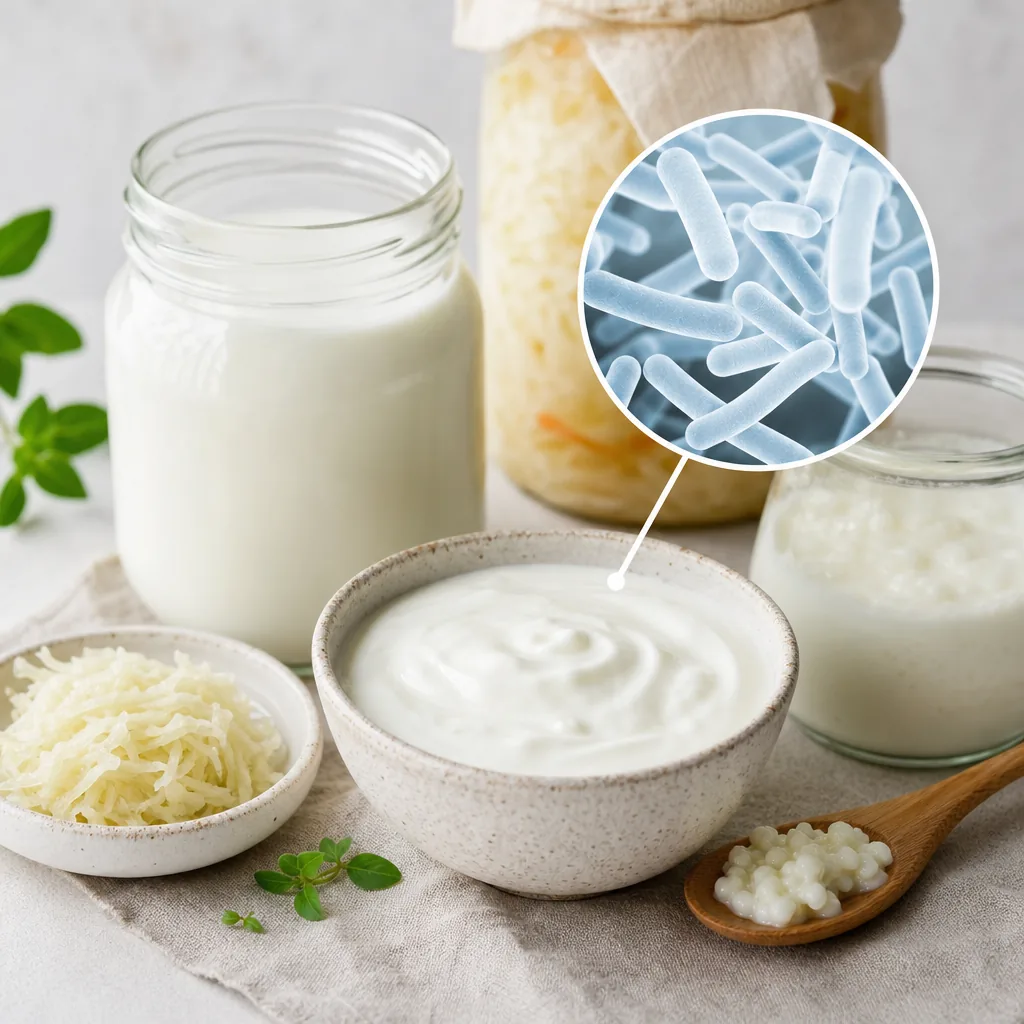
What is Lactobacillus? Lactobacillus is a large group (genus) of beneficial bacteria commonly found in the human gut, mouth, and urogenital tract, as well…
Read more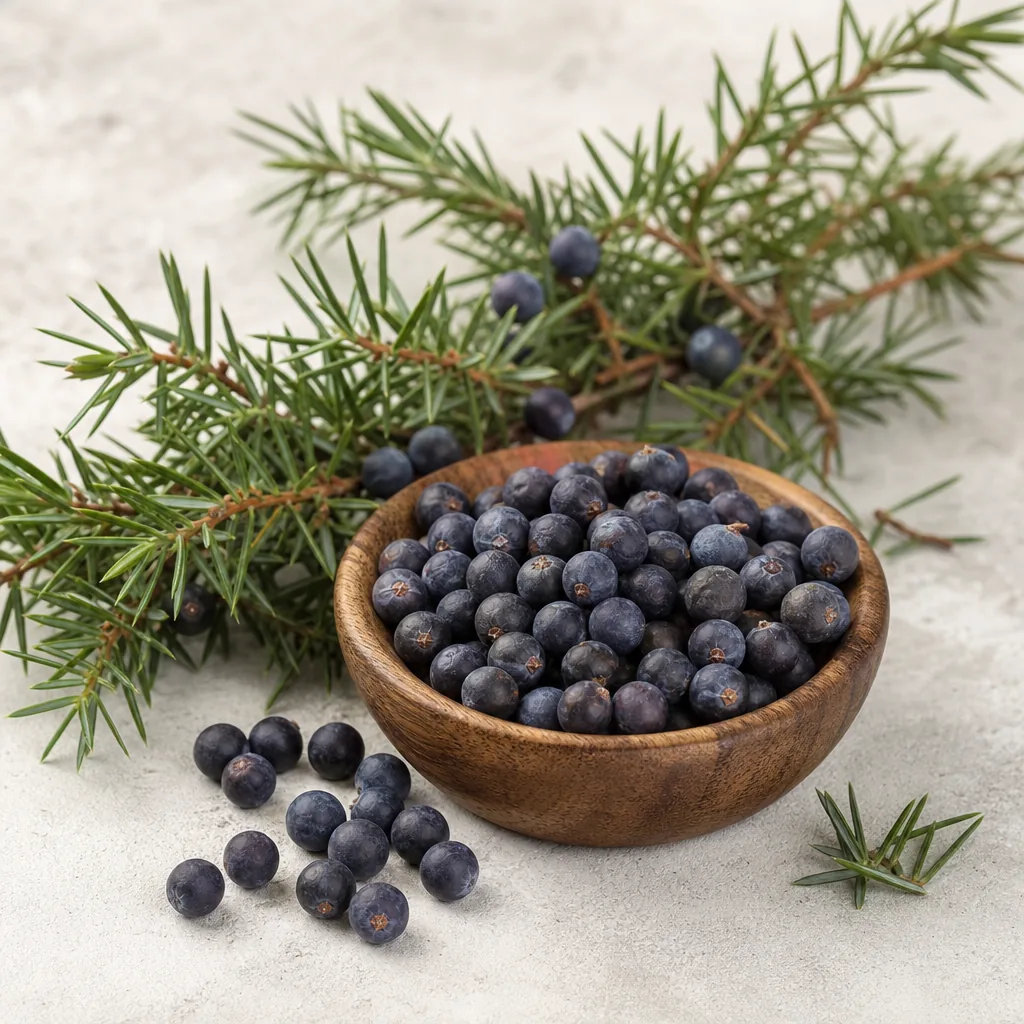
What is Juniper? Juniper typically refers to the berries of Juniperus communis, an evergreen shrub in the cypress family native to parts of Europe, North …
Read more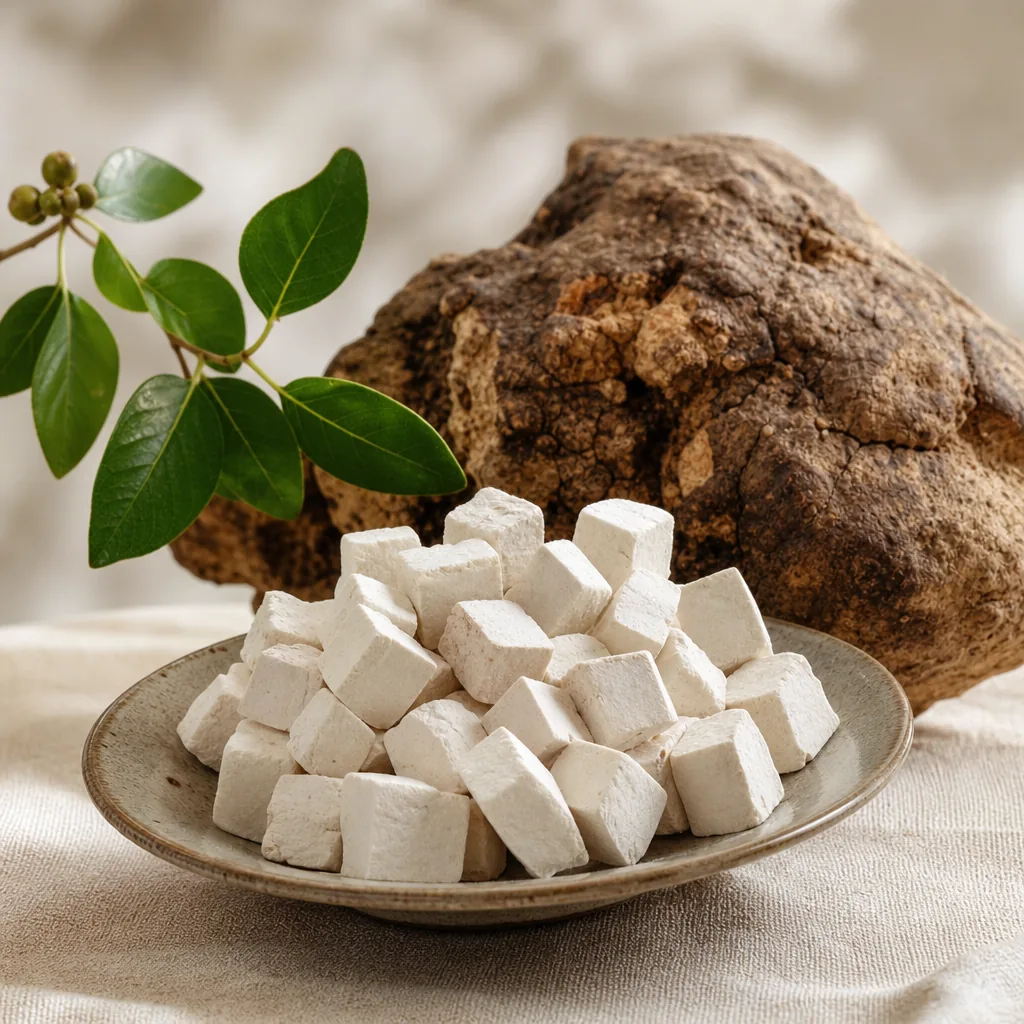
What is Fu Ling? Fu Ling is the common name in Traditional Chinese Medicine (TCM) for the sclerotium of Wolfiporia extensa (formerly Poria cocos), a medic…
Read more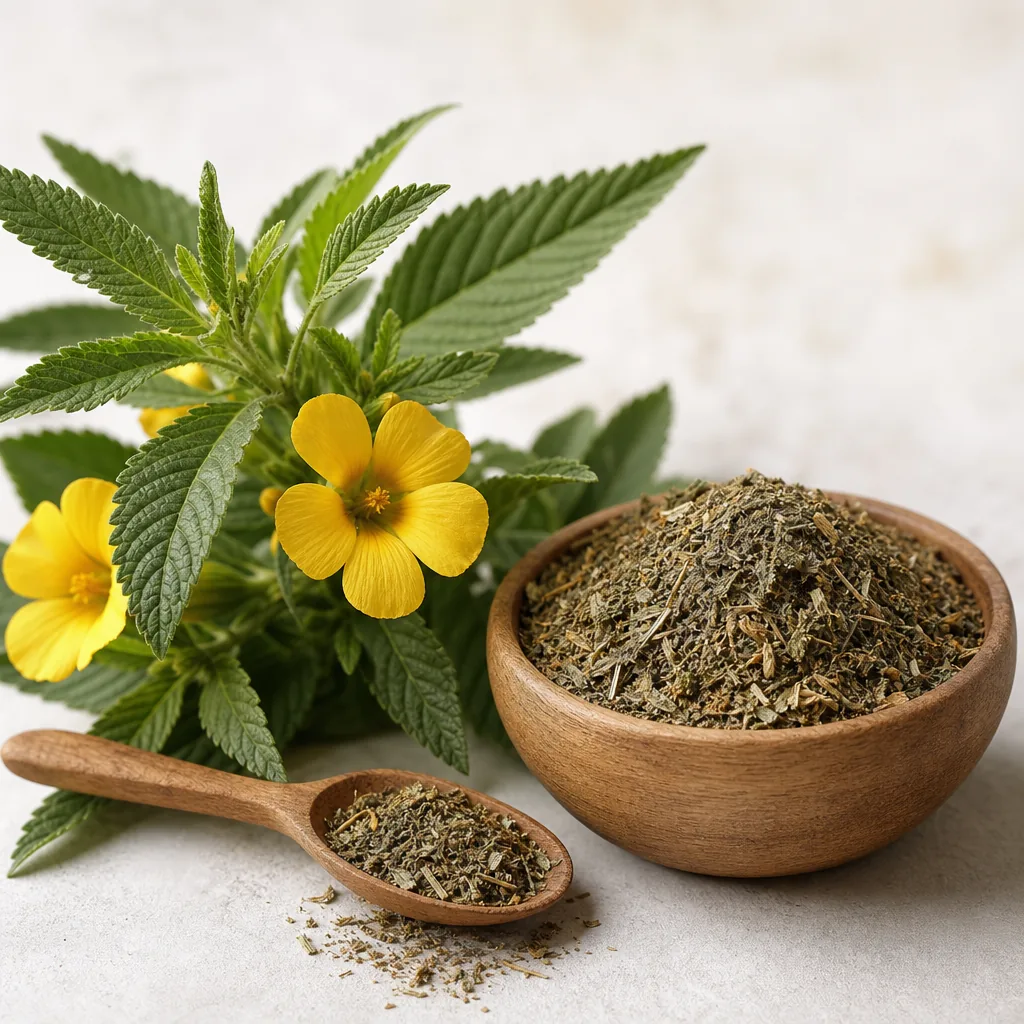
What is Damiana? Damiana (Turnera diffusa, also known as Turnera aphrodisiaca) is a small aromatic shrub native to Mexico, the Caribbean, and parts of Cen…
Read more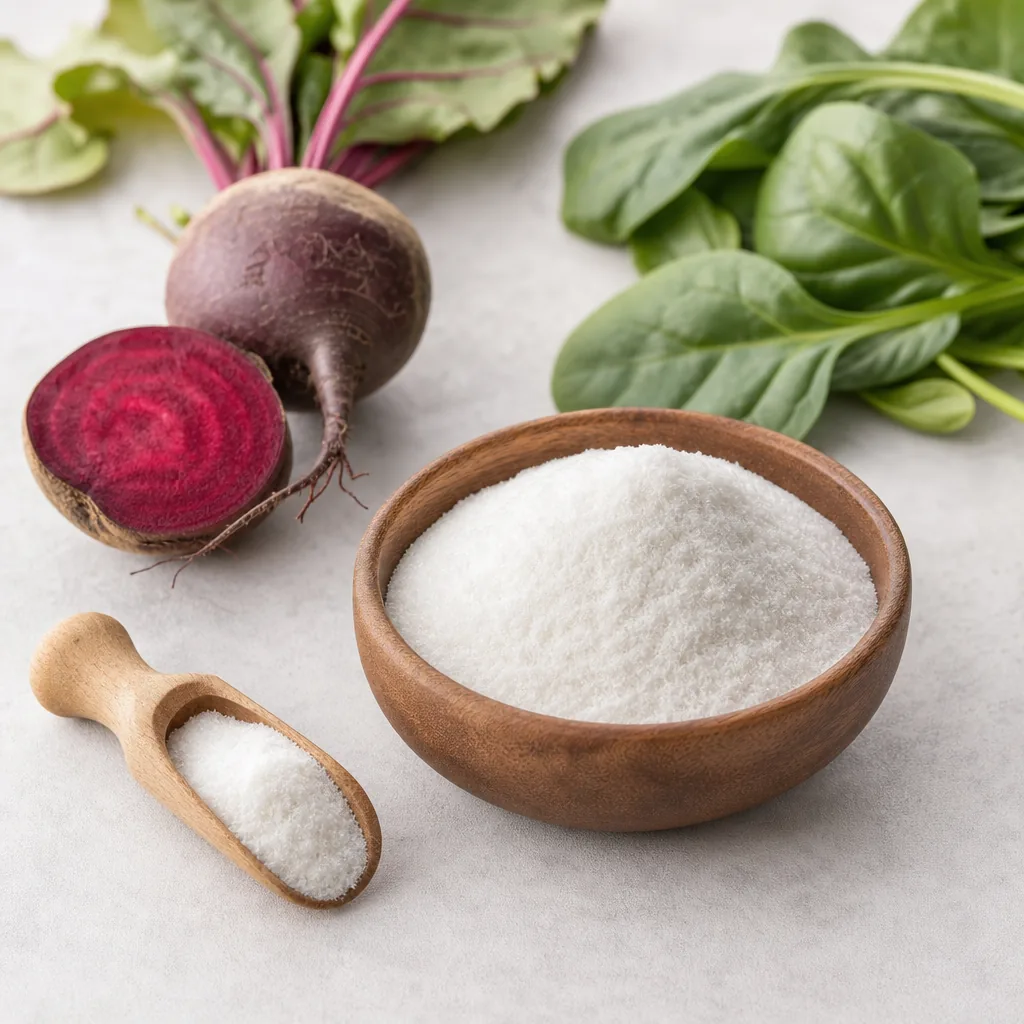
What is Betaine Anhydrous? Betaine anhydrous—also called trimethylglycine (TMG)—is a naturally occurring compound found in plants (especially sugar beets)…
Read more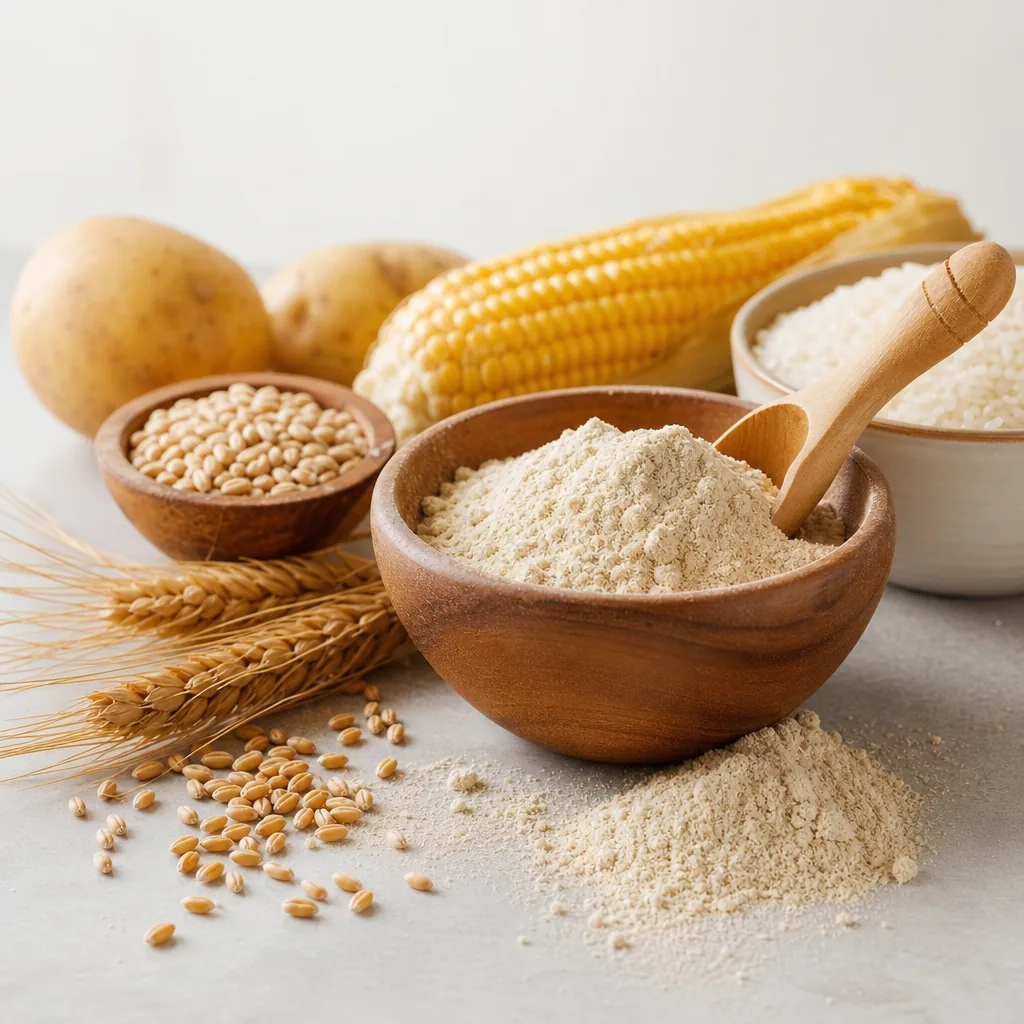
What is Amylase? Amylase is a digestive enzyme that breaks down complex carbohydrates (starches) into smaller sugars the body can absorb. Humans produce t…
Read more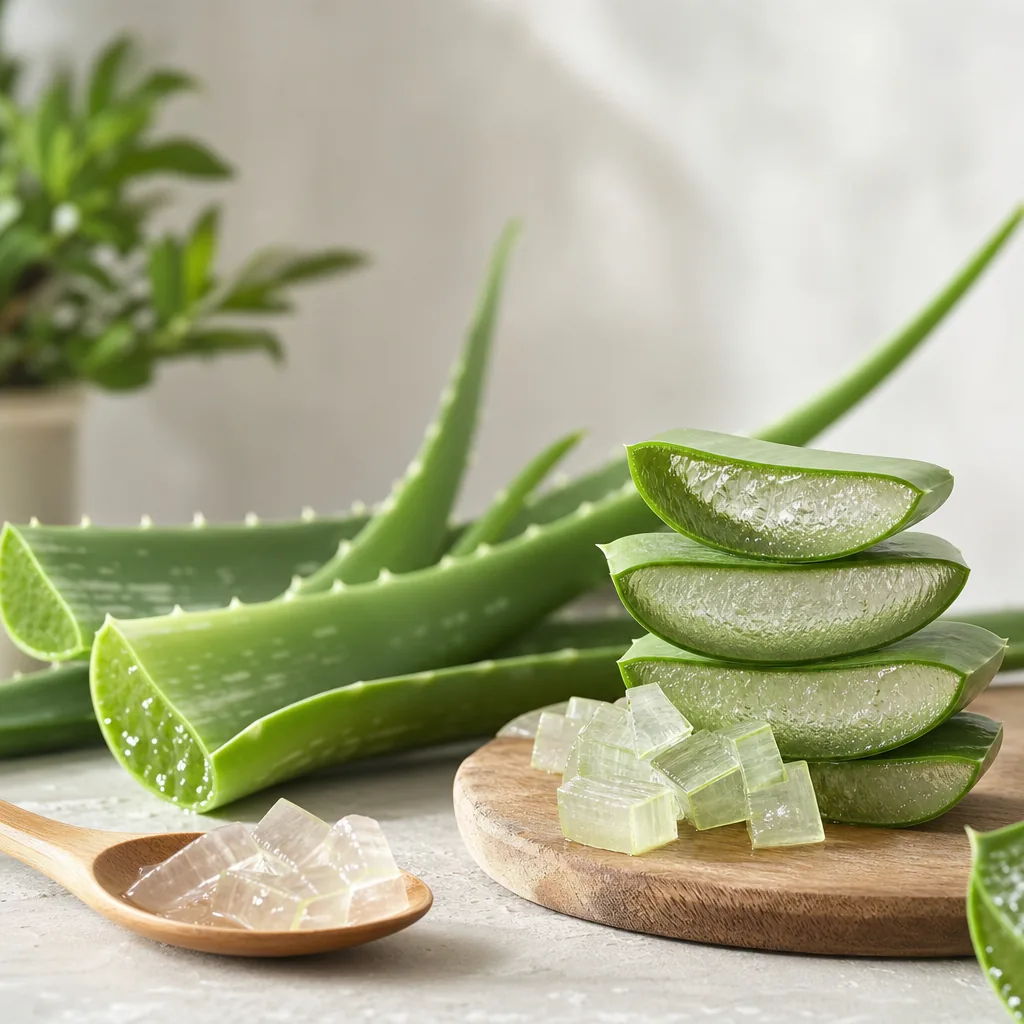
What is Aloe Vera? Aloe vera is a succulent plant (Aloe barbadensis Miller) long used in traditional medicine and skin care. Its fleshy leaves contain two…
Read more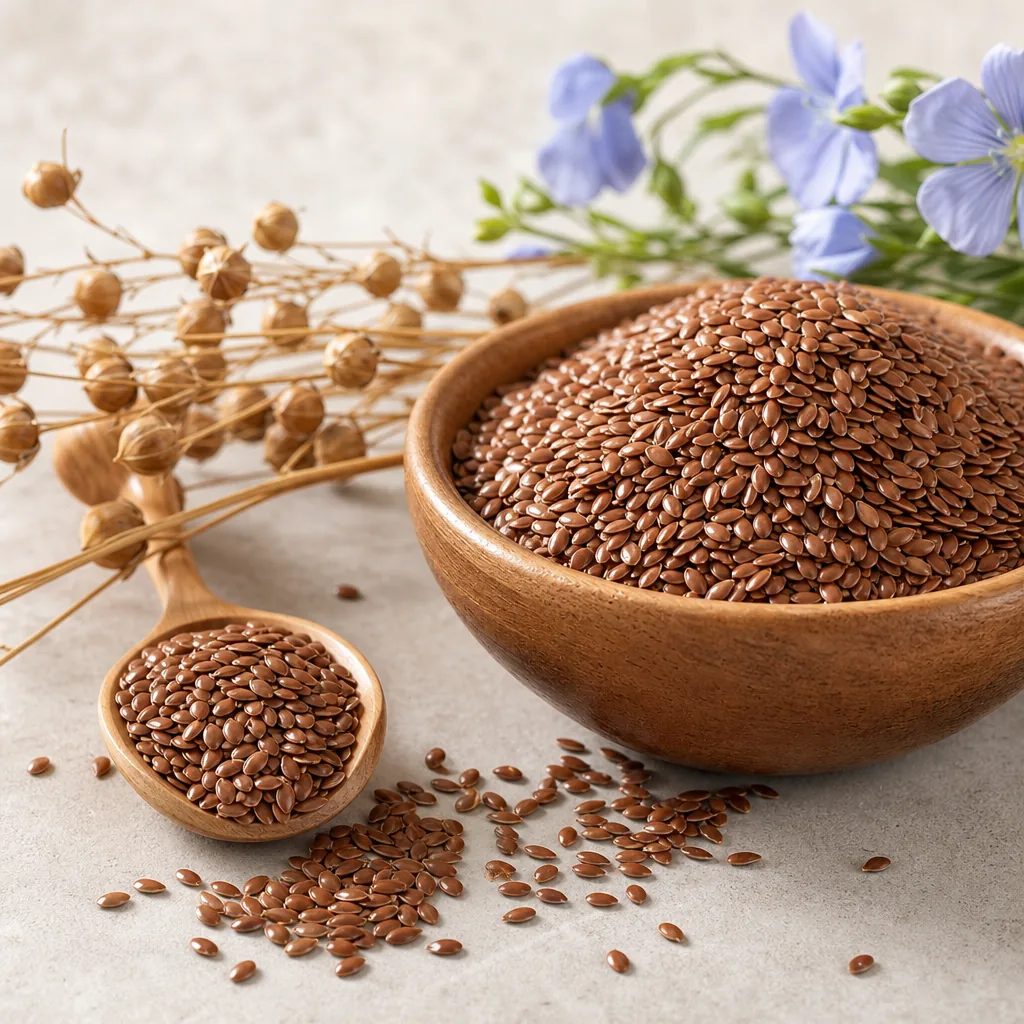
What is Flax Seed? Flax seed (Linum usitatissimum), also called linseed, is the small, edible seed of the flax plant. It has been cultivated for thousands…
Read more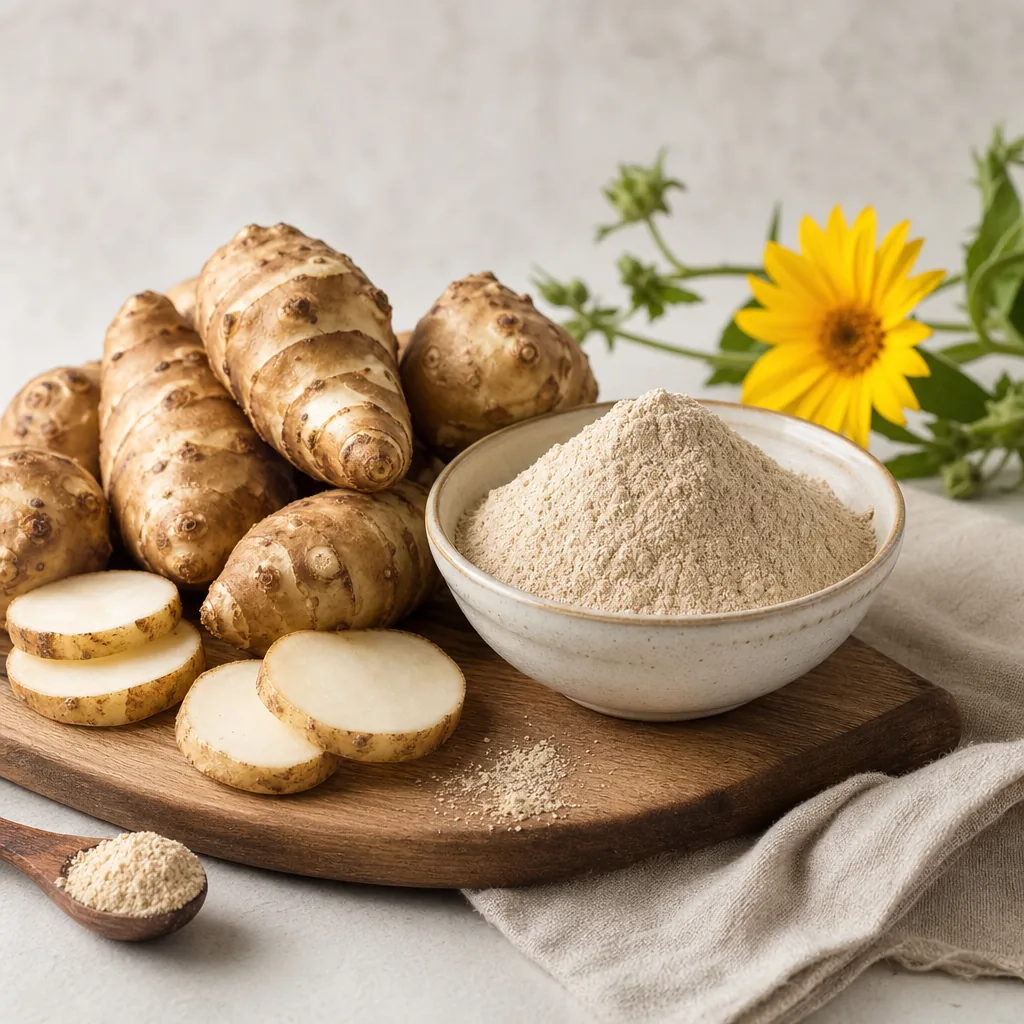
What is Jerusalen Artichoke Fiber? Jerusalen artichoke fiber (commonly spelled “Jerusalem artichoke” and also known as sunchoke fiber) is a food-derived i…
Read more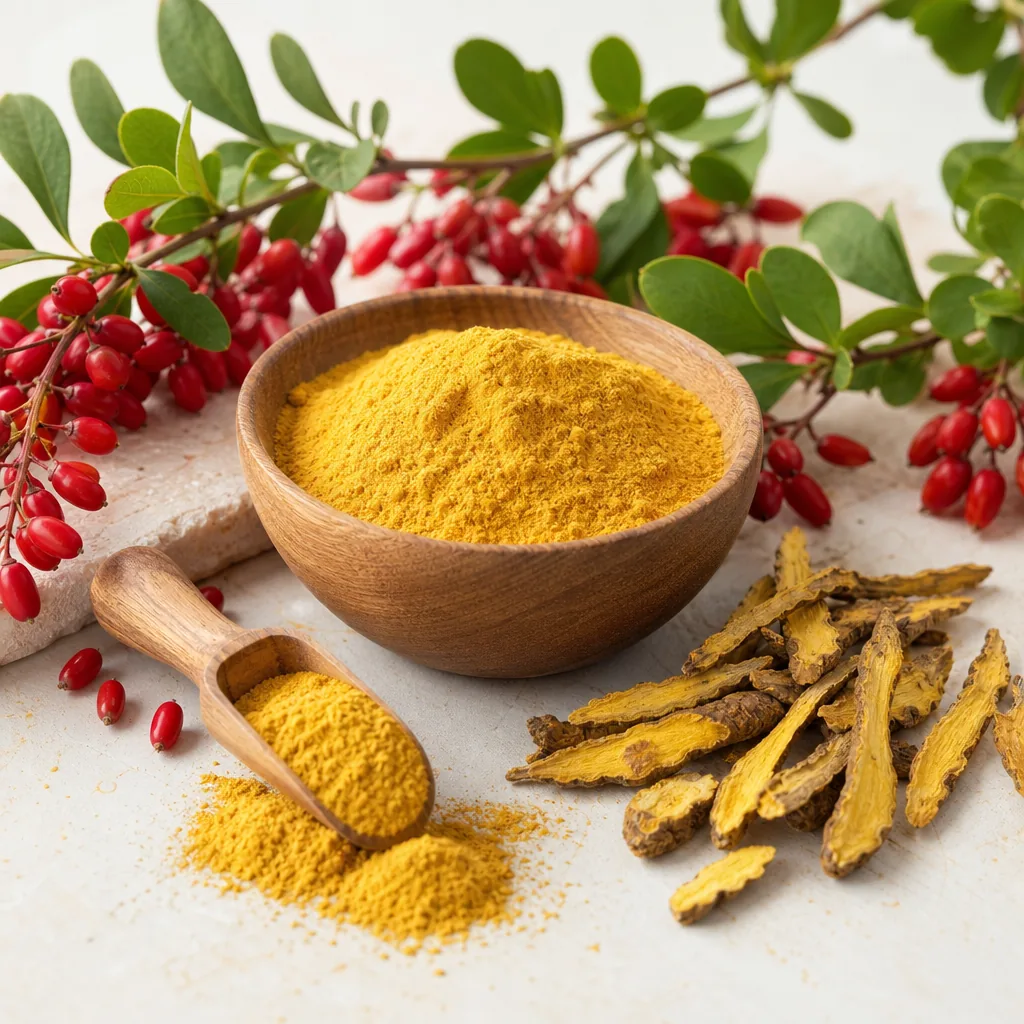
What is Berberine? Berberine is a bitter, yellow alkaloid compound naturally found in several plants, including barberry (Berberis aristata), goldthread (…
Read more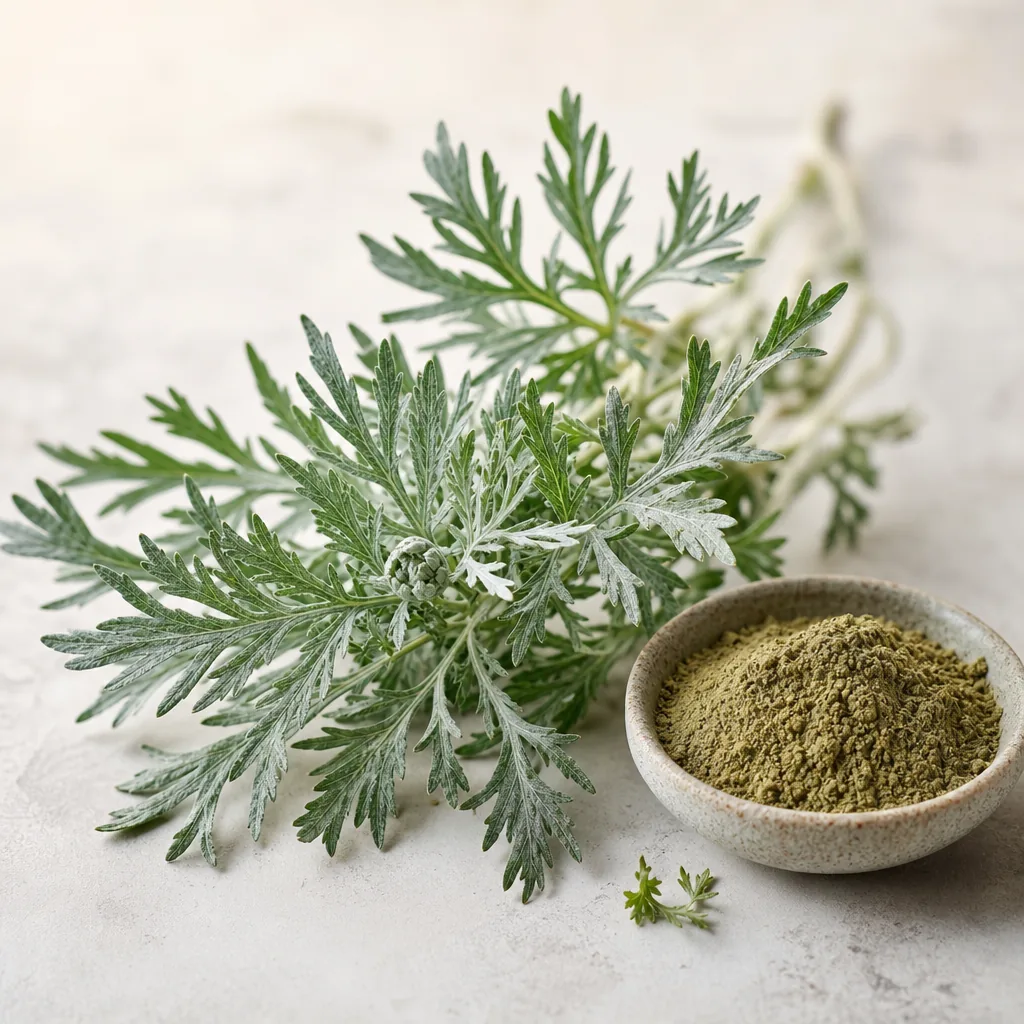
What is Wormwood? Wormwood (Artemisia absinthium) is a bitter, aromatic herb in the Asteraceae family, traditionally used in European and Middle Eastern h…
Read more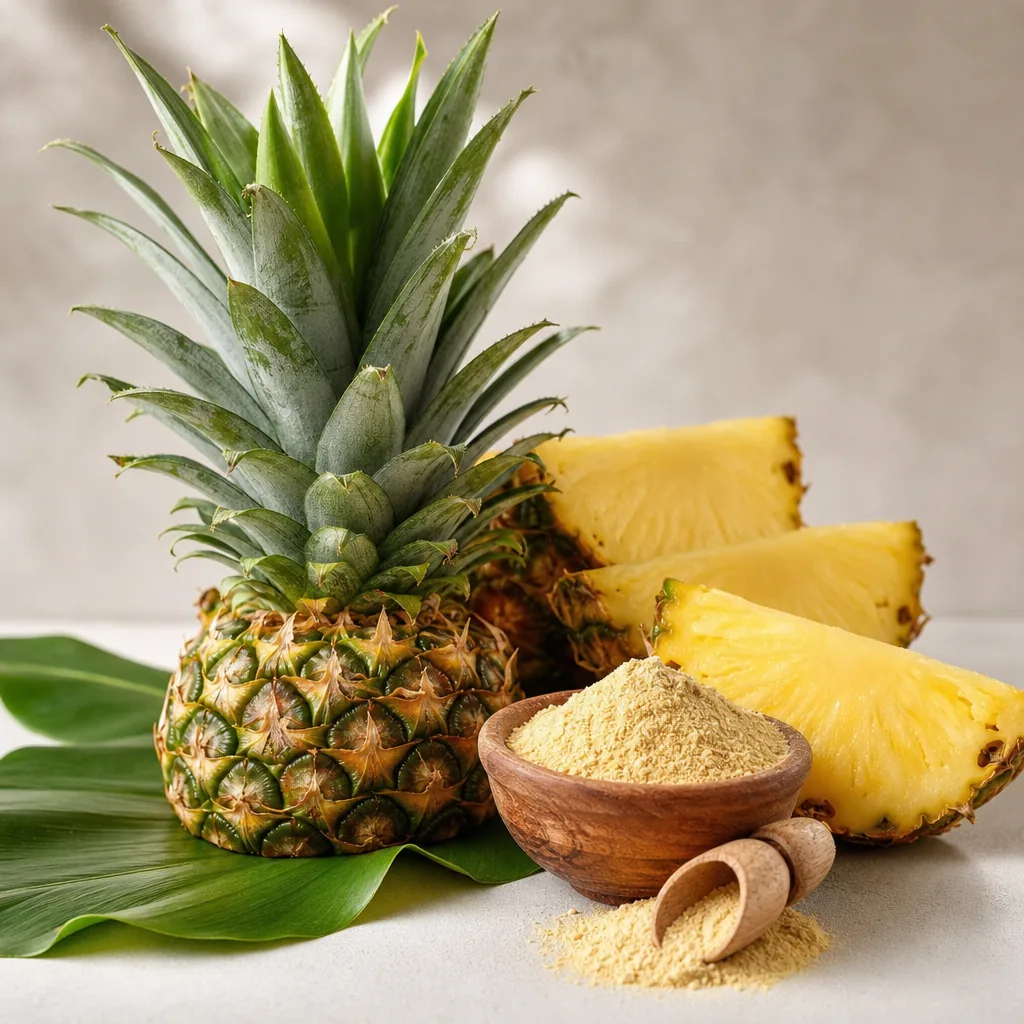
What is Bromelian? Bromelian (more commonly spelled “bromelain”) is a collection of proteolytic (protein-digesting) enzymes naturally found in the pineapp…
Read more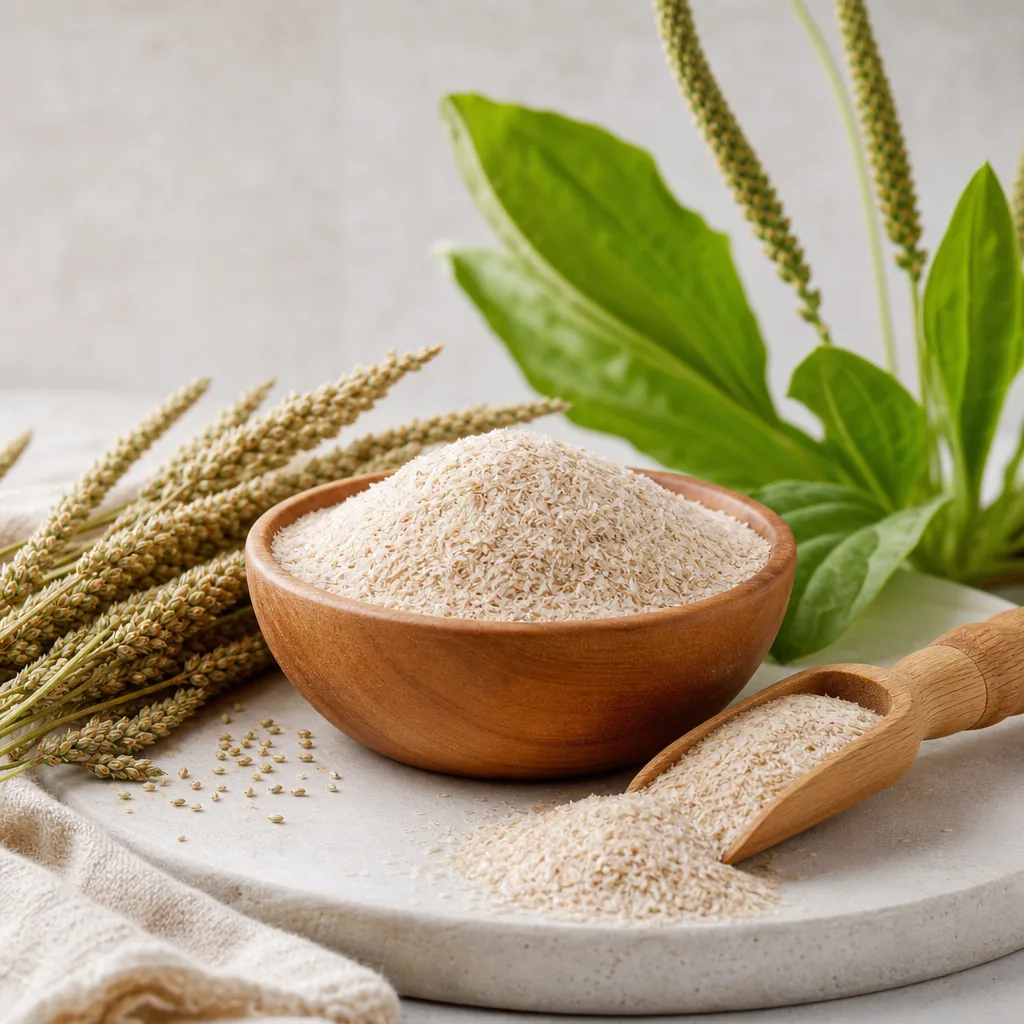
What is Psyllium Husk? Psyllium husk is the outer coat of the seeds from Plantago ovata, a small shrub native to India and parts of the Mediterranean and …
Read more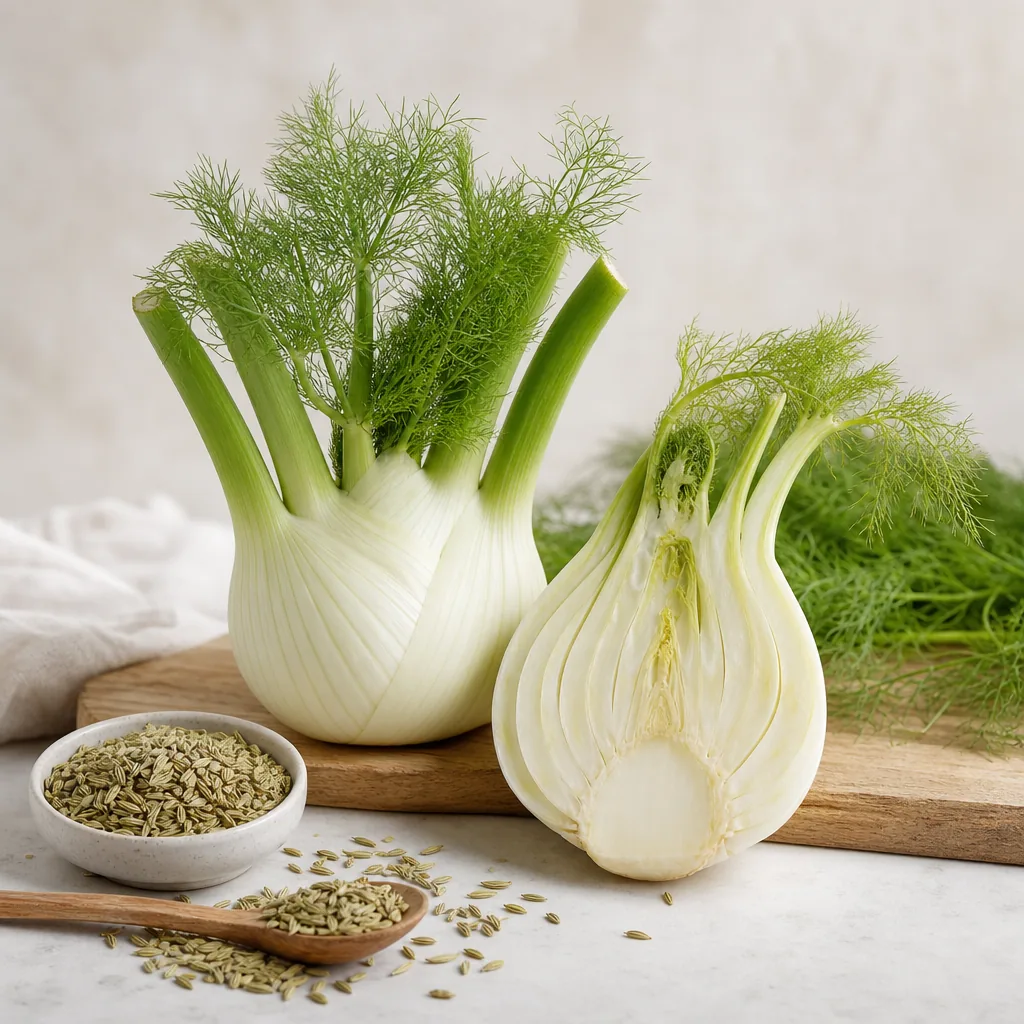
What is Fennel? Fennel (Foeniculum vulgare) is a flowering plant in the carrot and parsley family (Apiaceae). It is native to the Mediterranean region but…
Read more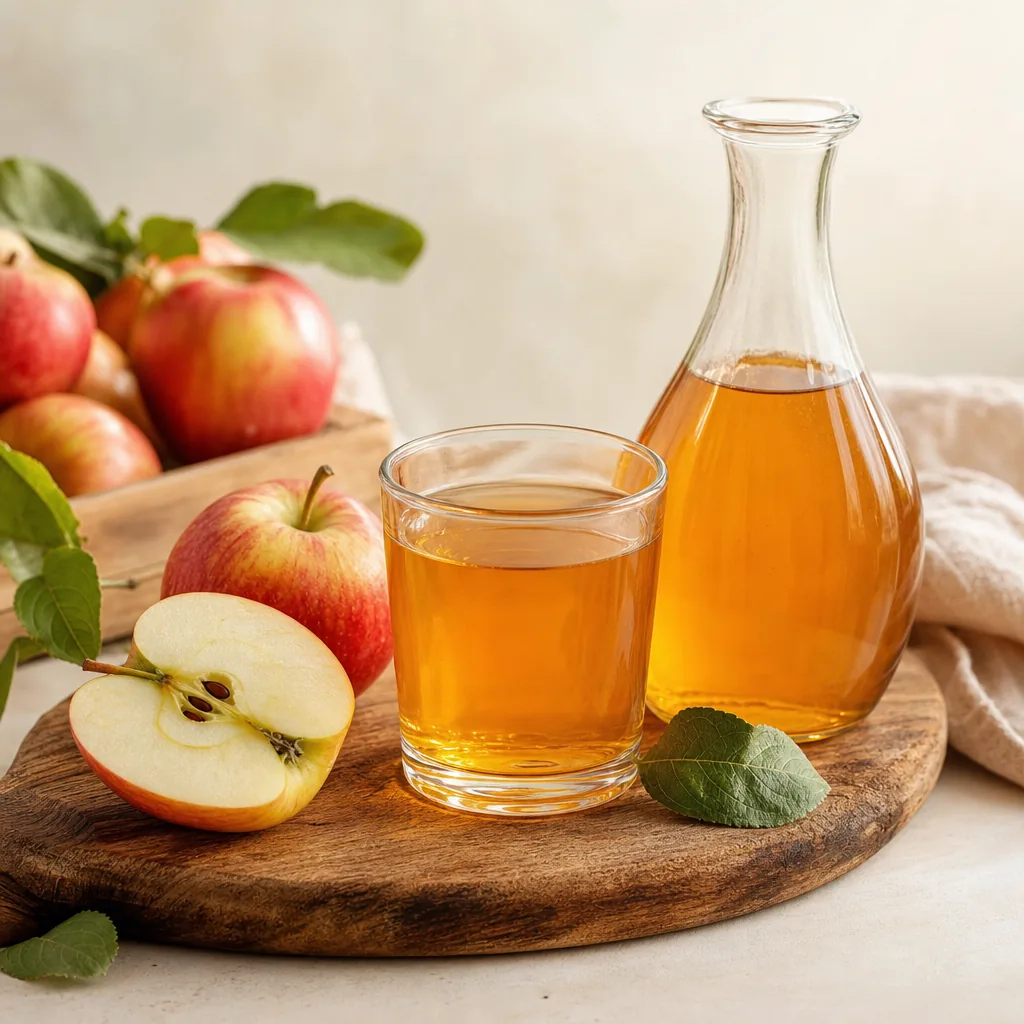
What is Apple Cider Vinegar? Apple cider vinegar (ACV) is a fermented liquid made by crushing apples, extracting the juice, and fermenting it in two steps…
Read more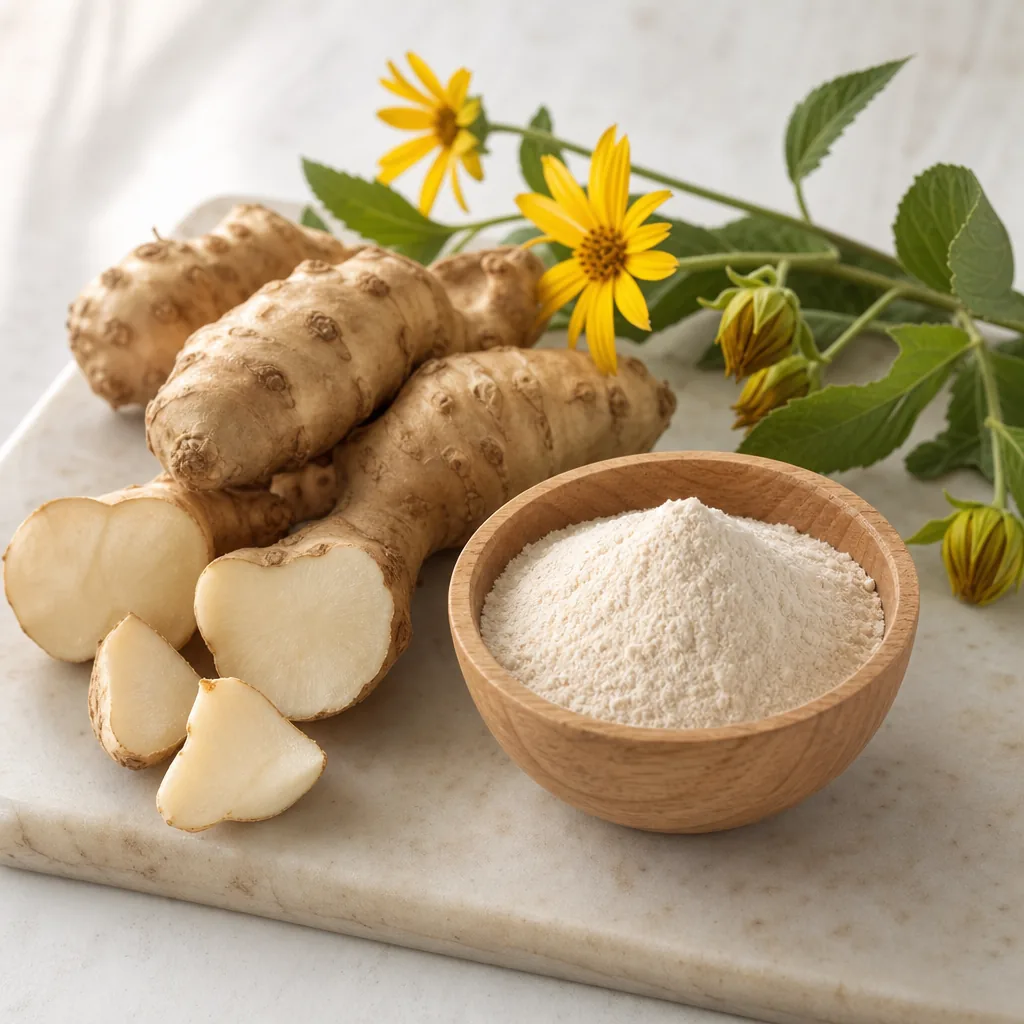
What is Inulin? Inulin is a type of soluble, fermentable dietary fiber made up of fructose chains (fructans). It naturally occurs in many plants, with chi…
Read more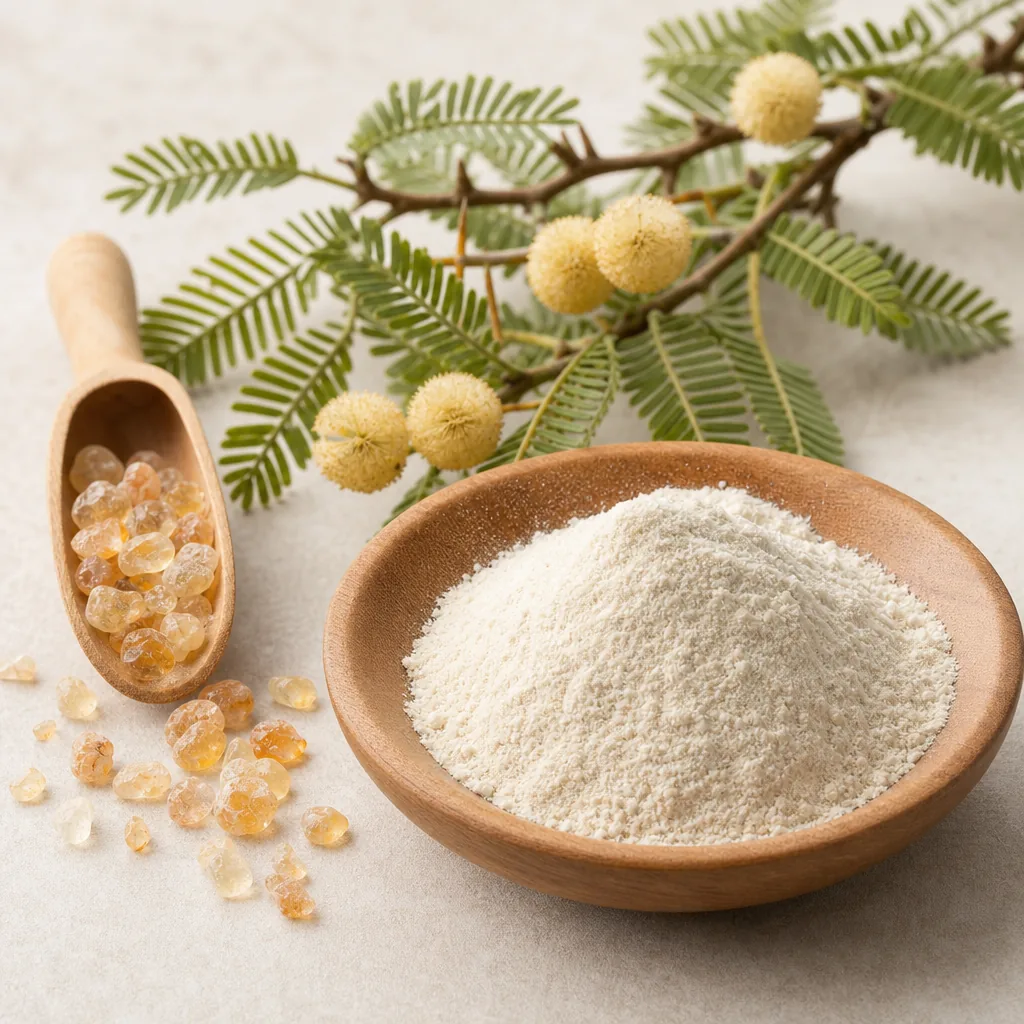
What is Acacia Fiber? Acacia fiber—also called gum arabic—is a soluble dietary fiber obtained from the dried sap of Acacia trees, primarily Acacia senegal…
Read more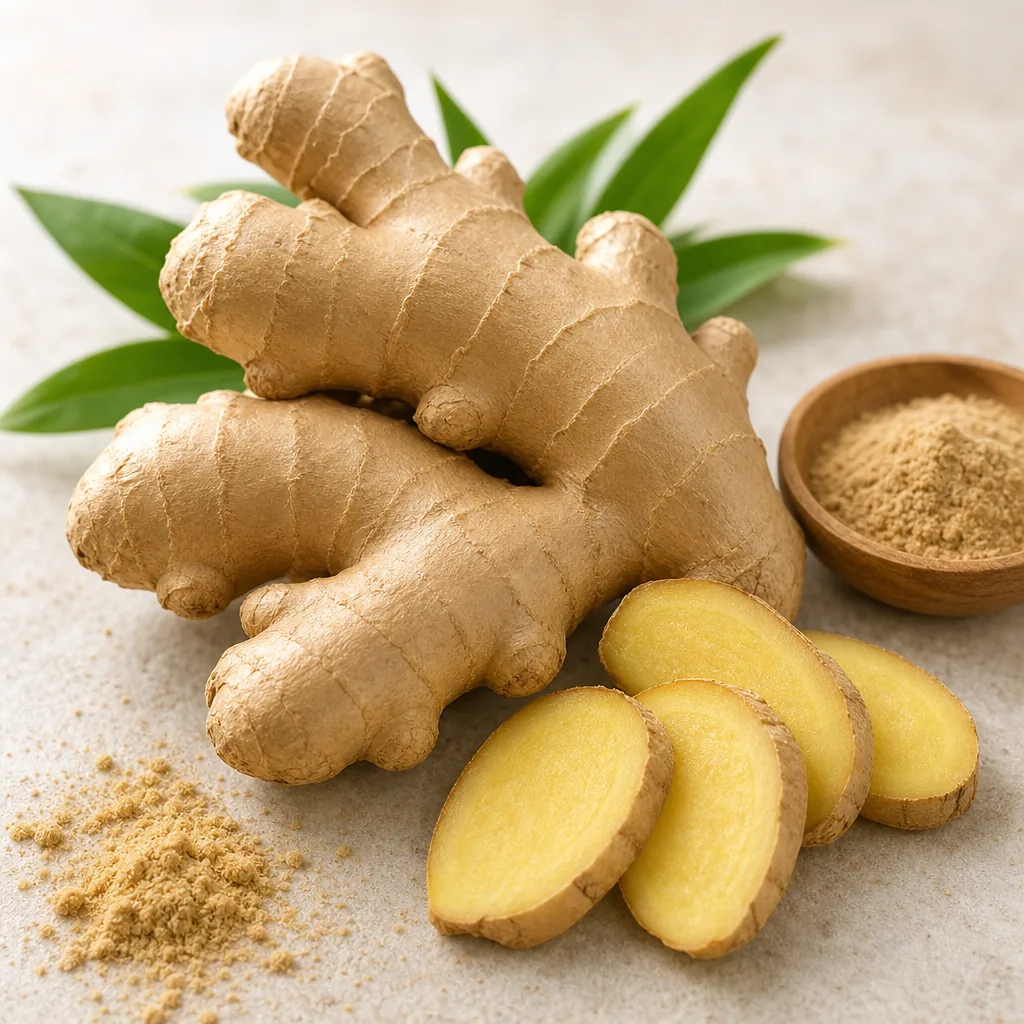
What is Ginger root? Ginger root is the knobby underground stem (rhizome) of Zingiber officinale, a flowering plant in the Zingiberaceae family. Used for …
Read more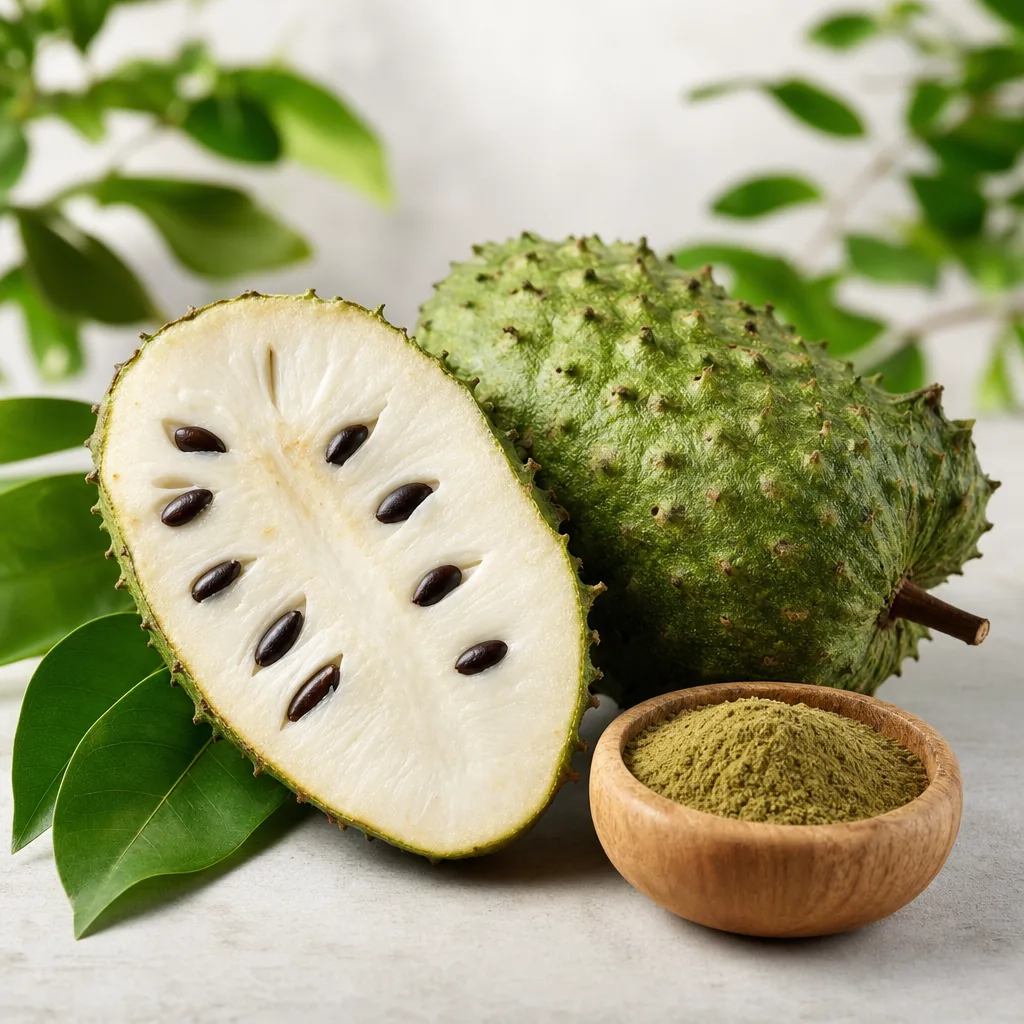
What is Graviola? Graviola (Annona muricata), also known as soursop or guanábana, is a tropical evergreen tree native to the Caribbean and Central and Sou…
Read more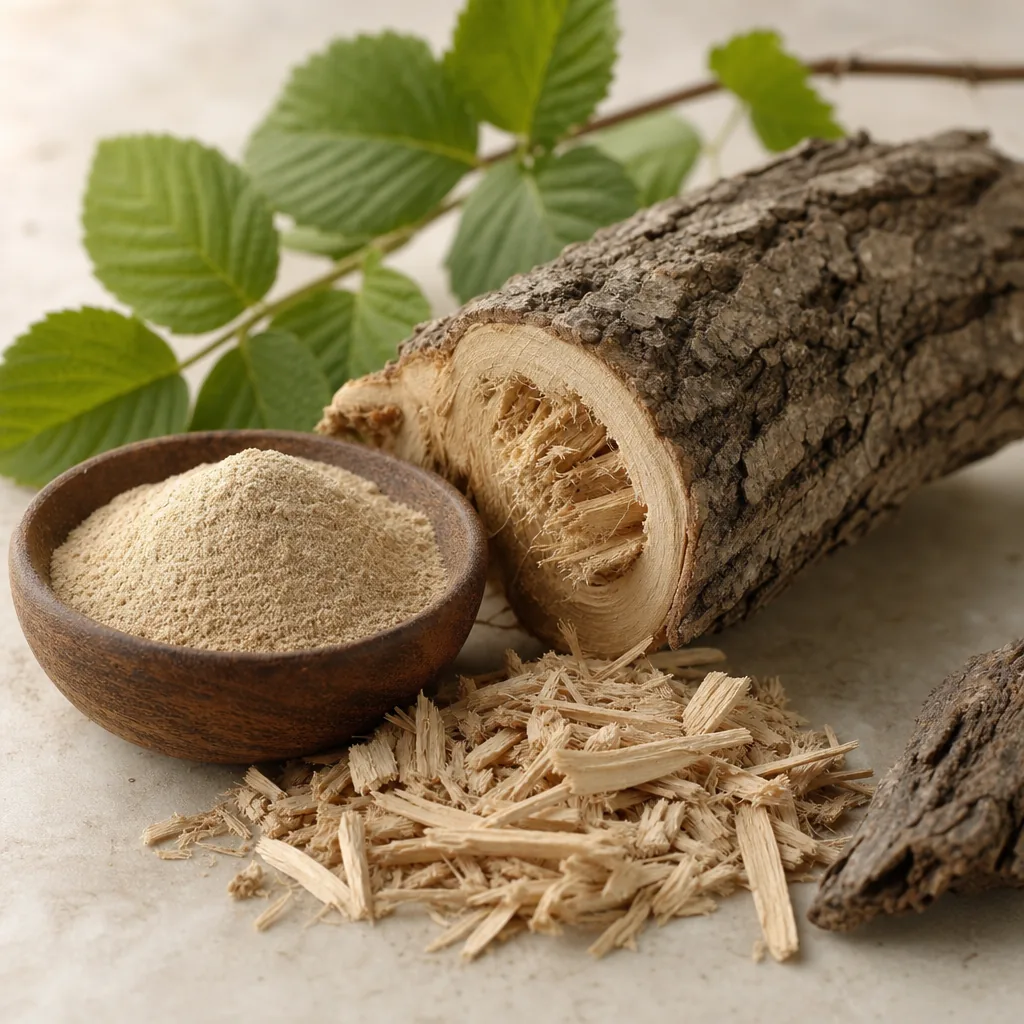
What is Slippery Elm? Slippery elm (Ulmus rubra), also called red elm, is a deciduous tree native to North America. The inner bark of this tree has be…
Read more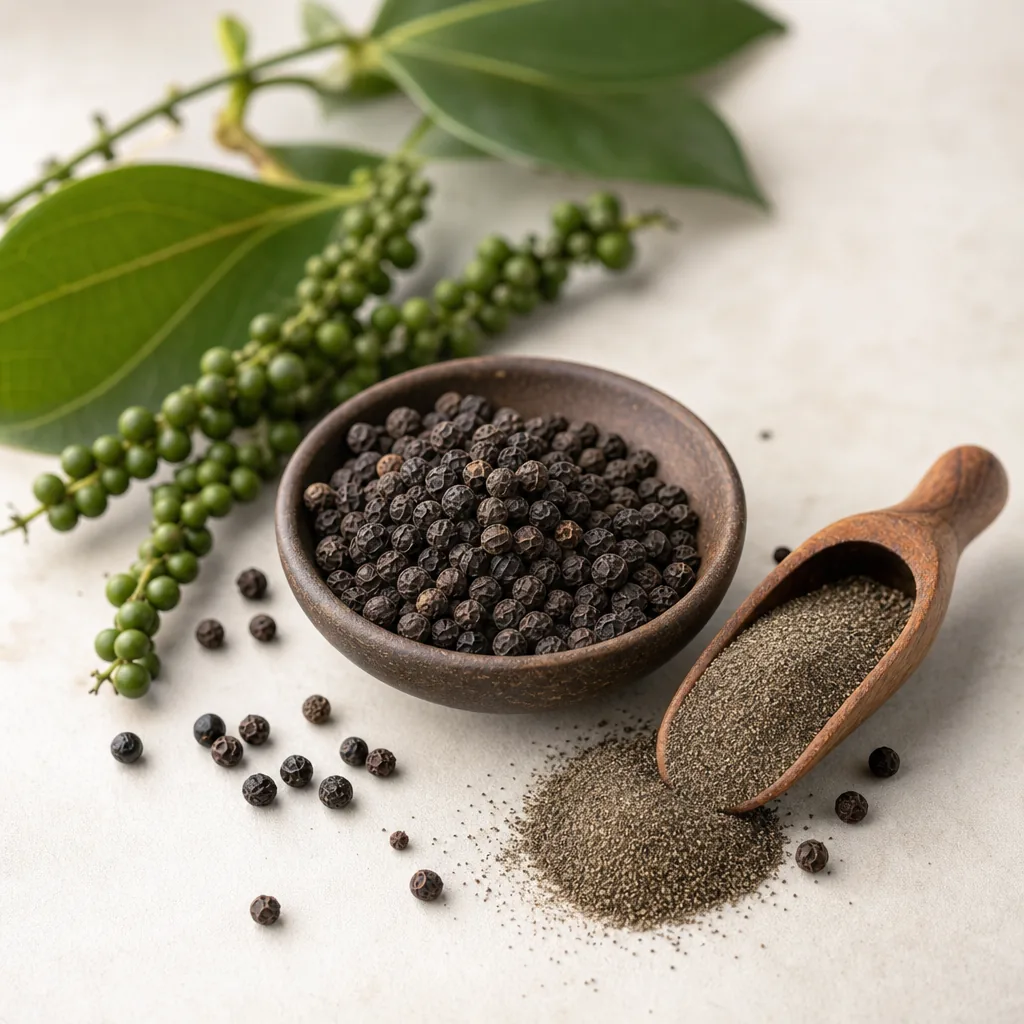
What is Black Pepper? Black pepper is the dried, unripe fruit of Piper nigrum, a flowering vine native to India and widely cultivated across tropical regi…
Read more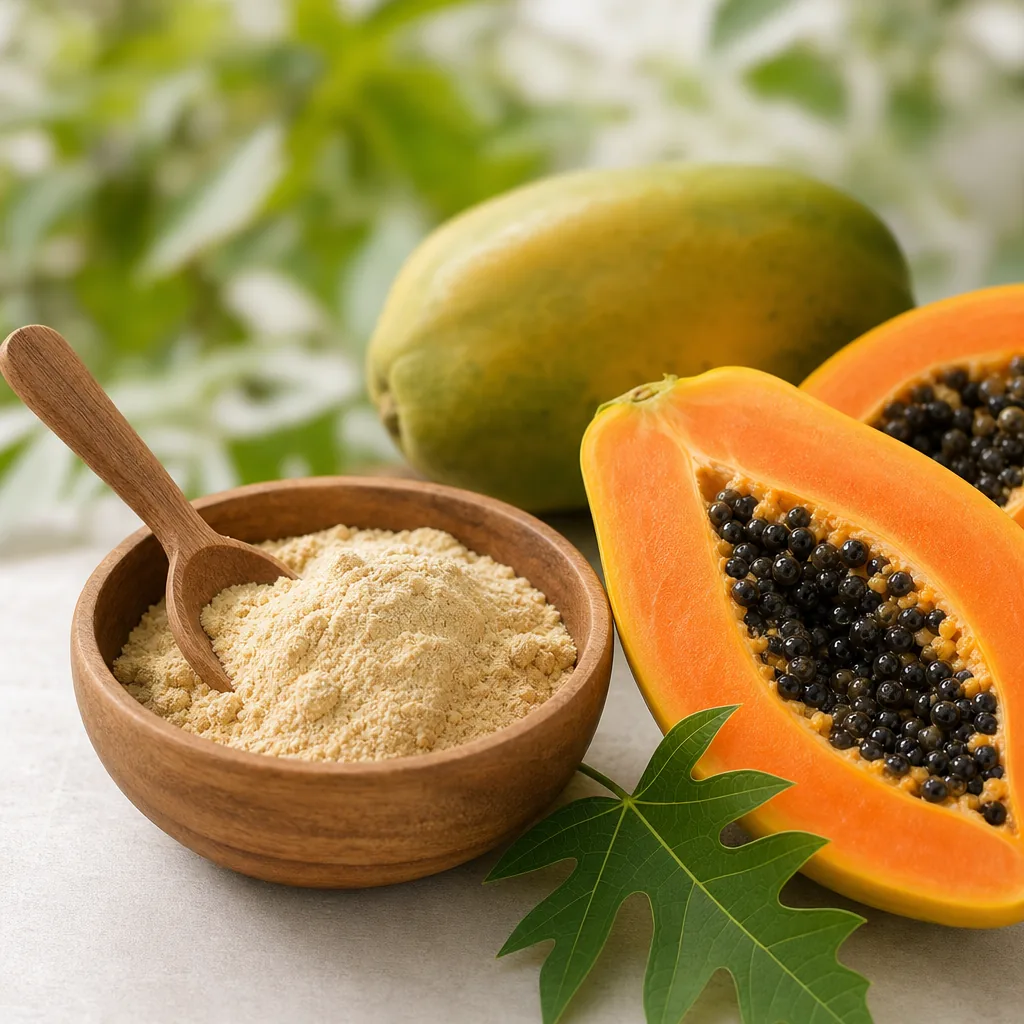
What is Papaya Enzyme? Papaya enzyme typically refers to papain, a protein-digesting (proteolytic) enzyme found in the latex of the unripe papaya fruit (C…
Read more
What is Glucomylase? Glucomylase—more commonly spelled glucoamylase and also known as amyloglucosidase—is a carbohydrate-digesting enzyme. It catalyzes th…
Read more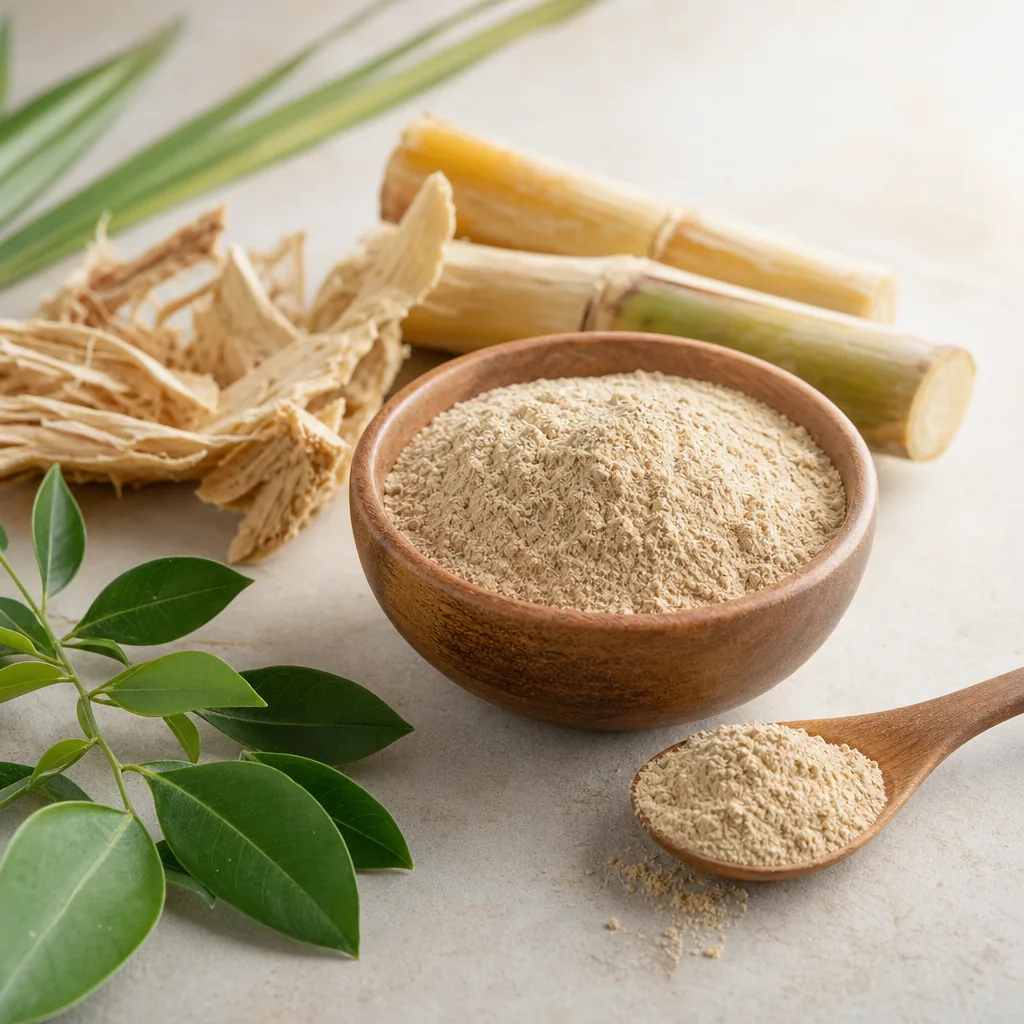
What is Cellulase? Cellulase is a group of enzymes that break down cellulose—the tough, insoluble fiber that forms plant cell walls—into smaller sugars li…
Read more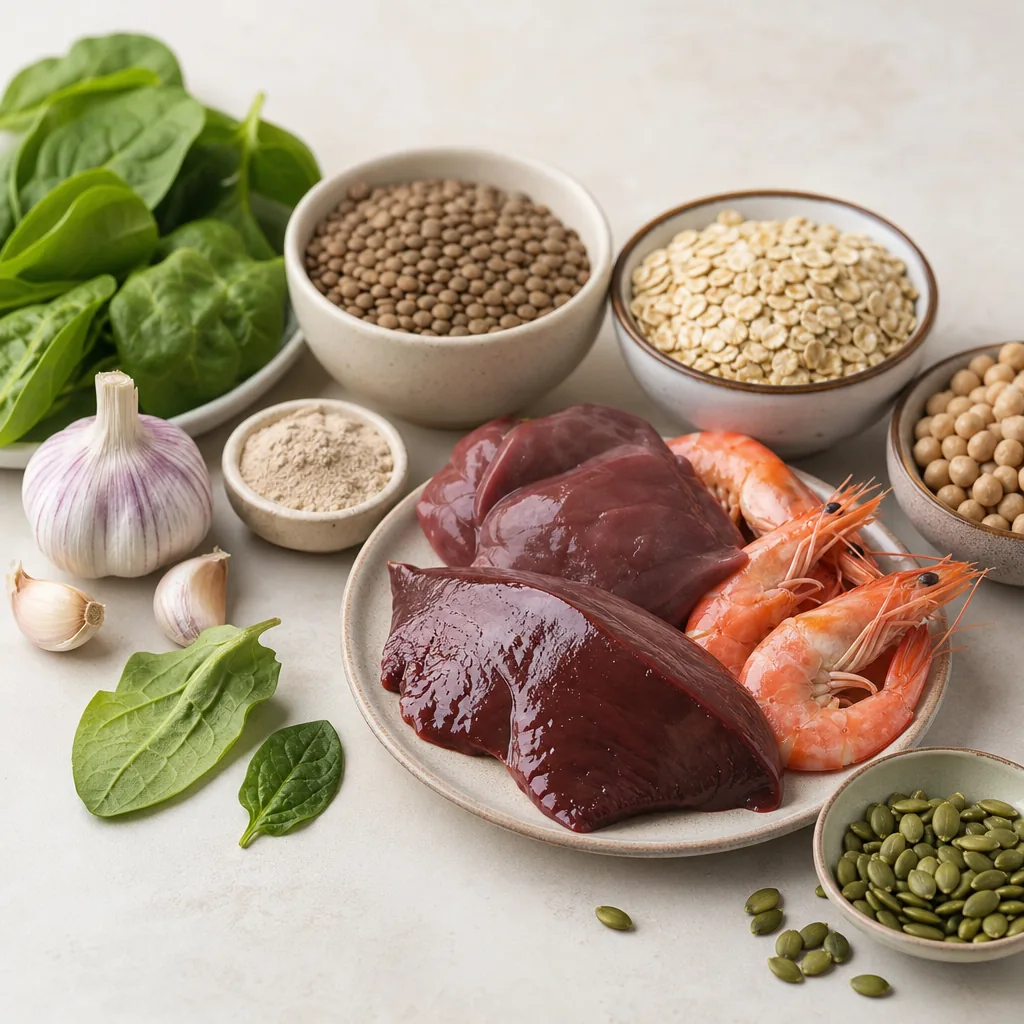
What is Molybdenum? Molybdenum is an essential trace mineral that the body requires in very small amounts. It naturally occurs in soil and accumulates in …
Read more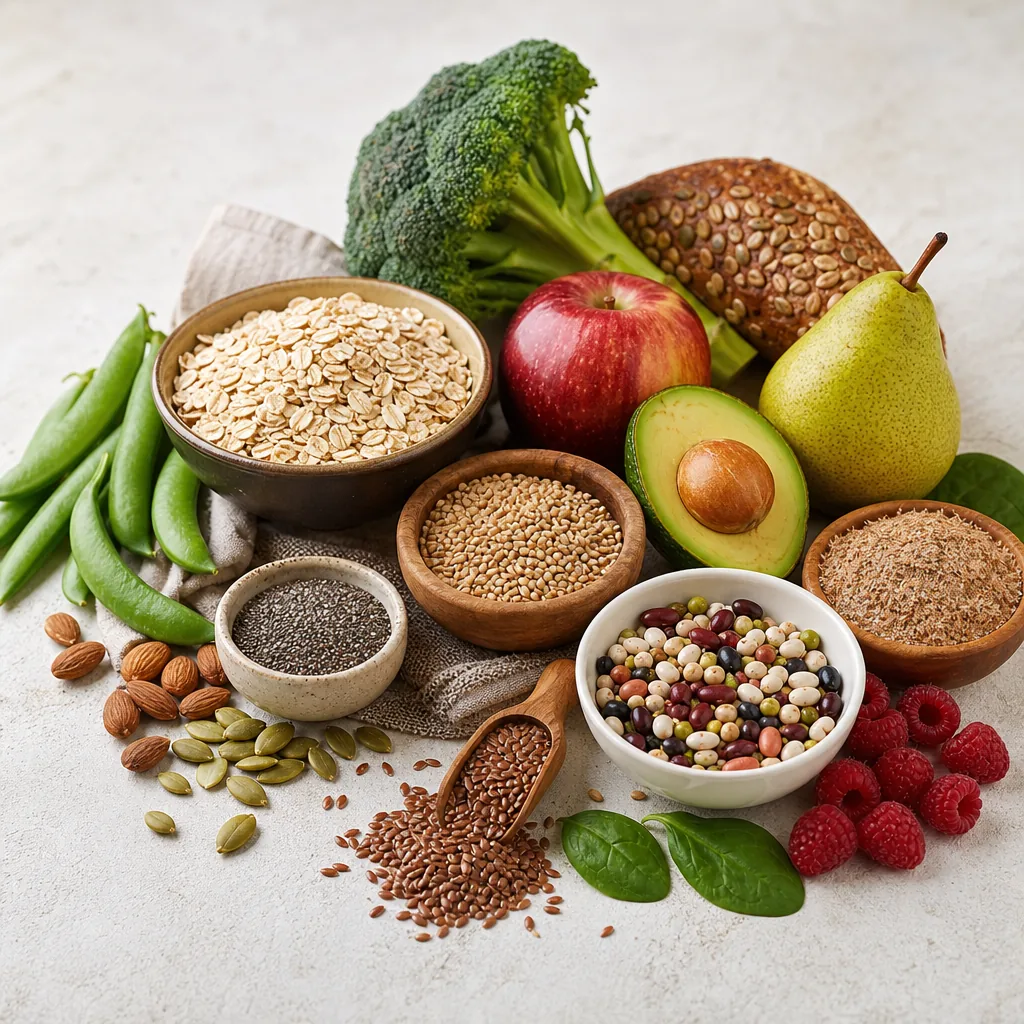
What is Fiber? Dietary fiber is a group of non-digestible carbohydrates and lignin found in plant foods. Unlike starches and sugars, fiber resists digesti…
Read more