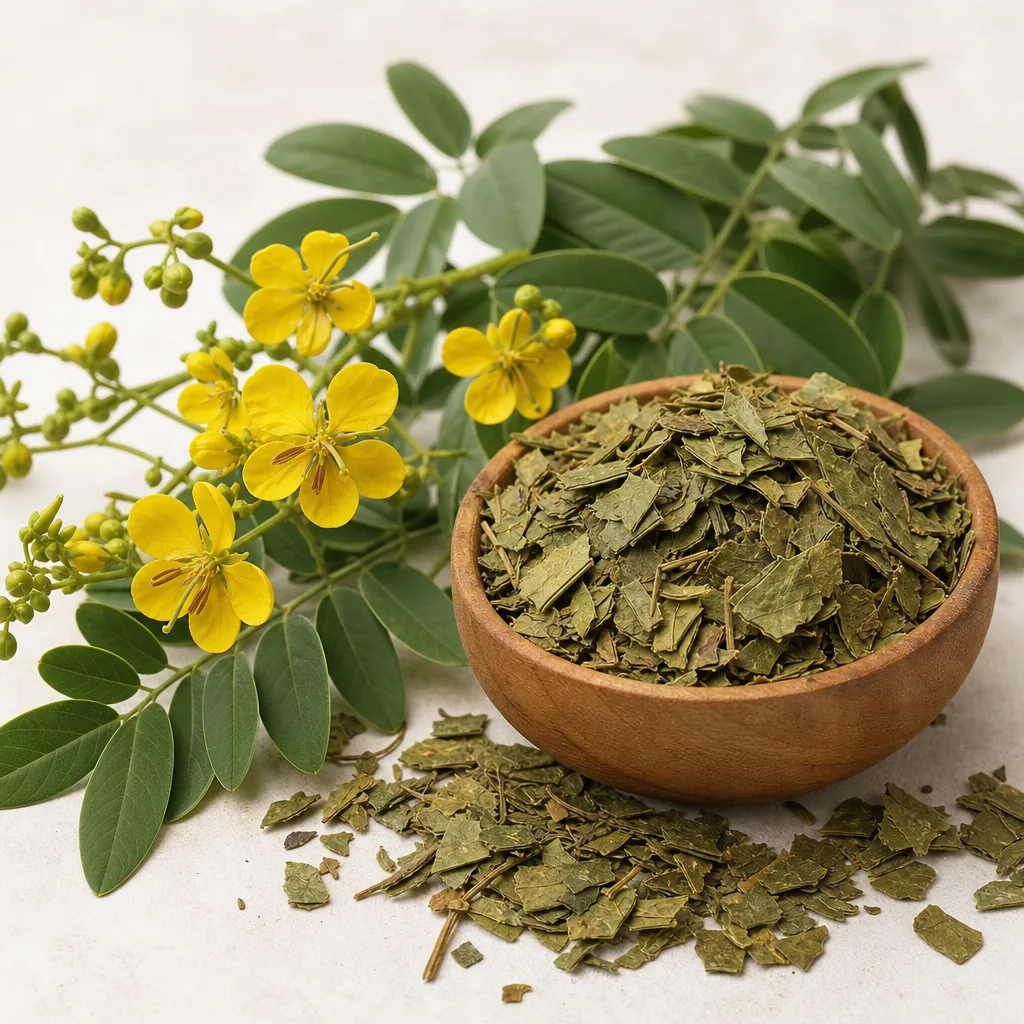
What is Slippery Elm?
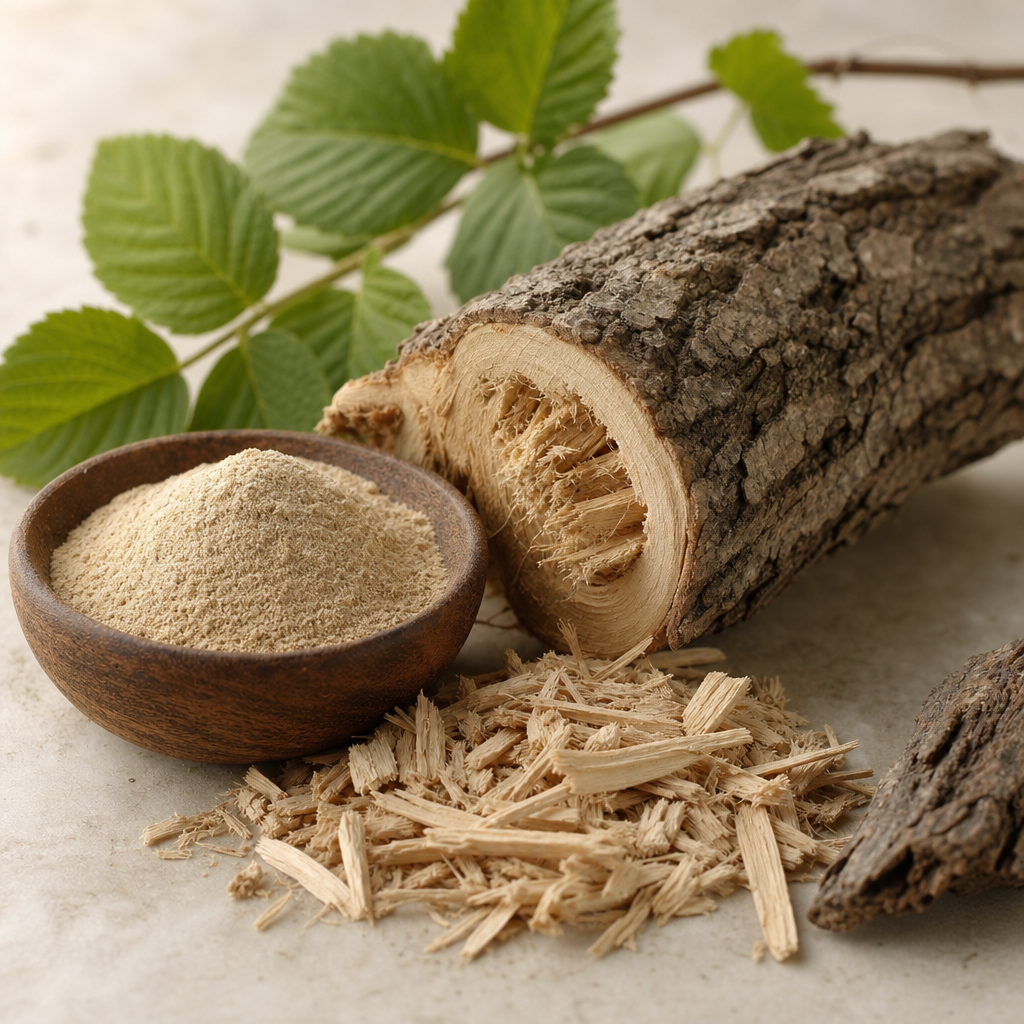
Slippery elm (Ulmus rubra), also called red elm, is a deciduous tree native to North America. The inner bark of this tree has been used in traditional herbal practices for centuries, especially by Indigenous communities, for its soothing, gel-like properties. When mixed with water, the powdered inner bark forms a viscous mucilage that can coat and calm irritated tissues. Because of this demulcent action, slippery elm is most commonly discussed for throat and digestive comfort.
Slippery elm is not a vitamin, mineral, or nutrient; it is an herbal supplement derived from plant material (the inner bark). Its value comes from complex polysaccharides that swell in water to create a protective film. While the body does not absorb these polysaccharides like typical nutrients, the mucilage can act locally on mucous membranes of the mouth, throat, esophagus, and gastrointestinal (GI) tract, helping to reduce irritation. Many people use slippery elm as an over-the-counter herbal option to support temporary relief of sore throat, heartburn, or mild digestive upset, though robust clinical evidence is still developing.
In modern wellness, slippery elm is available as powders, capsules, teas, and lozenges. It is usually taken short term for symptom support. As with most herbs, quality, proper dosing, and timing matter. Individuals who are pregnant, breastfeeding, taking medications, or managing a medical condition should consult a qualified healthcare professional before use.
Benefits of Slippery Elm
-
Soothes sore throat and cough (evidence: moderate):
The mucilage coats irritated throat tissues, which can reduce scratchiness and the urge to cough. Lozenges and teas may provide short-term, symptomatic relief. Most data are based on traditional use and small studies or multi-ingredient products, but the mechanism is well understood and plausible.
-
Supports mild heartburn and reflux comfort (evidence: limited to moderate):
By forming a protective layer over the esophageal lining, slippery elm may lessen the sensation of burning after meals. Evidence is limited—often from smaller or non-randomized studies and combination formulas—yet many users report benefit when taken before meals or at bedtime.
-
Calms sensitive digestion in IBS or functional GI discomfort (evidence: limited/mixed):
Some people with irritable bowel symptoms note gentler stools and reduced abdominal irritation. However, controlled human trials are sparse, and many available products combine slippery elm with other herbs, making it difficult to isolate effects.
-
Helps normalize stool consistency (evidence: limited):
As a gentle, bulk-forming demulcent, slippery elm mucilage may assist with loose stools by adding viscosity, and it may ease mild constipation by softening stool when taken with adequate fluids. Evidence comes mainly from traditional use and physiological rationale.
-
Adjunctive support for gastric or esophageal lining (evidence: limited):
The soothing film may serve as a temporary barrier against irritants such as stomach acid. While historical use is long-standing, modern clinical trials specifically assessing ulcer healing are limited, so slippery elm should be considered supportive rather than curative.
-
Mild prebiotic potential (evidence: preliminary/limited):
Plant polysaccharides can sometimes nourish beneficial gut microbes. Early lab and hypothesis-driven work suggests possible prebiotic effects, but high-quality human studies with slippery elm alone are still lacking.
Types or Forms Available
-
Powdered inner bark:
The most traditional and versatile form. When mixed with warm water, it forms a soothing gruel or tea. Quality powders specify “inner bark.” Outer bark should be avoided. Powders allow flexible dosing and are often preferred for digestive support.
-
Lozenges:
Convenient for throat irritation and cough. They typically contain standardized amounts of slippery elm along with sweeteners and flavorings. Lozenges act locally in the mouth and throat and are intended for short-term, as-needed use.
-
Capsules or tablets:
Useful for those who dislike the texture of the powder. They provide a measured dose, though they may deliver less immediate mucilage contact in the throat compared to lozenges or powder mixed with water.
-
Tea bags or pre-mixed drinks:
Offer a ready-to-brew option. Some blends include other demulcent herbs (like marshmallow root) or flavorings. Potency can vary depending on steeping time and formulation.
-
Topical poultices (traditional use):
Historically used on the skin to soothe minor irritation. Modern use is less common and should be approached cautiously with attention to cleanliness and potential skin sensitivity.
Across forms, product quality varies. Look for inner bark sourcing, sustainable harvest practices, and third-party testing for identity, purity, and contaminants.
How to Use Slippery Elm
Use slippery elm primarily for short-term relief of throat irritation or mild digestive discomfort. If symptoms persist, recur frequently, or are severe, seek medical evaluation to identify underlying causes.
-
Common dosage range:
For powder, 1–2 teaspoons (about 2–4 grams) stirred into 1 cup of warm water, up to 1–3 times daily. For capsules, common servings are 400–500 mg, 2–3 times daily. For lozenges, follow the label; many contain 100–200 mg each and can be taken every few hours as needed. Always start at the low end to assess tolerance and avoid high or prolonged dosing without professional guidance.
-
Best timing:
Many people take slippery elm 15–30 minutes before meals for heartburn support or at bedtime for nighttime symptoms. If using for throat comfort, lozenges can be used as needed throughout the day.
-
How to take it:
Mix powder with warm water until a smooth, slightly thick drink forms; sip slowly. Take capsules or tablets with a full glass of water. Lozenges should be dissolved slowly in the mouth. Adequate fluid is essential to reduce choking risk and to allow mucilage to form properly.
-
Consistency:
It can be used occasionally for acute symptoms (for example, a sore throat) or taken daily for a short period for digestive support. Reassess after 1–2 weeks; long-term continuous use is usually unnecessary. If ongoing daily use seems helpful, discuss with a healthcare professional.
Important: Because the mucilage can reduce absorption of certain medications and nutrients, take slippery elm at least 2 hours before or after oral medications or supplements (such as iron, zinc, certain antibiotics, or thyroid medication), unless your clinician advises otherwise.
Side Effects and Considerations
-
Generally well tolerated:
Most side effects are mild and may include bloating, gas, a feeling of fullness, or mild nausea, especially if large amounts are taken without enough water.
-
Medication and nutrient interactions:
The mucilage may bind or slow the absorption of oral drugs and minerals. Separate slippery elm from medications and iron or zinc supplements by at least 2 hours. If you take critical medications (e.g., thyroid hormone, certain antibiotics), consult your prescriber.
-
Allergy and sensitivity:
Rare allergic reactions can occur, particularly in people sensitive to trees in the elm family. Discontinue use if rash, itching, swelling, or breathing difficulty occurs.
-
GI or swallowing issues:
People with esophageal strictures, difficulty swallowing, or bowel obstruction should avoid mucilage-rich supplements unless supervised, due to potential choking or blockage risk if taken without adequate fluids.
-
Pregnancy and breastfeeding:
Safety data are limited. Despite historical use, modern evidence is insufficient; pregnant or breastfeeding individuals should avoid slippery elm unless a qualified clinician recommends and supervises it.
-
Blood sugar considerations:
High-fiber, mucilage-rich herbs may modestly affect the timing of carbohydrate absorption. People with diabetes should monitor glucose when adding any fiber-like supplement and discuss with a clinician.
-
Quality and contamination risks:
Choose products specifying “inner bark,” sourced sustainably, and tested by reputable third parties to reduce risks of adulteration, microbial contamination, heavy metals, or pesticide residues.
-
Children and older adults:
Use only with professional guidance due to limited data and a higher risk of swallowing difficulties or interactions.
Always consult a healthcare professional if you are pregnant, breastfeeding, taking medications, or managing a medical condition before using slippery elm.
Foods Rich in Slippery Elm
Slippery elm is not a nutrient and is not naturally present in meaningful amounts in foods; it comes from the inner bark of the slippery elm tree and is used as an herbal supplement. There are no “food sources” of slippery elm.
If you are seeking similar soothing or fiber-like effects from your diet, consider these related options:
-
Oats and barley (rich in beta-glucans that form a gentle gel)
-
Chia seeds and flaxseed (provide soluble fiber and mucilage when soaked)
-
Okra and cooked root vegetables (naturally viscous fibers that can be soothing)
-
Psyllium husk (a fiber supplement derived from Plantago seeds; not a food but widely used as a dietary fiber)
Common Myths About Slippery Elm
-
Myth: Slippery elm cures ulcers and GERD.
While its mucilage can soothe irritated tissues and provide temporary comfort, evidence that it heals ulcers or resolves reflux disease is limited. It may be a helpful adjunct but does not replace medical evaluation, medication when needed, or dietary and lifestyle strategies.
-
Myth: If it’s natural, it’s automatically safe for everyone.
Natural products can still interact with medications or be inappropriate for certain individuals. Slippery elm’s mucilage can interfere with drug absorption, and safety data in pregnancy and breastfeeding are limited. Personal medical guidance is important.
-
Myth: All slippery elm products are the same.
Quality varies widely. Effective products typically use sustainably harvested inner bark and undergo identity and purity testing. Some products may be adulterated or contaminated. Choosing reputable brands matters.
-
Myth: Slippery elm is endangered and illegal to use.
Slippery elm is not universally classified as endangered, but regional pressures from disease and unsustainable bark harvesting exist. Responsible sourcing from cultivated or sustainably managed trees is key; consumers should look for sustainability statements from manufacturers.
Conclusion
Slippery elm is an herbal supplement derived from the inner bark of Ulmus rubra. Its water-loving polysaccharides form a soothing mucilage that can ease temporary throat irritation, mild heartburn, and sensitive digestion. Evidence is moderate for symptomatic throat relief and limited to mixed for digestive uses, so consider it supportive rather than curative. For many, it is most useful as a short-term aid while broader causes of symptoms are addressed with nutrition, lifestyle, and medical care when appropriate.
Use it thoughtfully: select high-quality, sustainably sourced inner bark products; take with sufficient water; and separate from medications by at least 2 hours. People who are pregnant, breastfeeding, taking medications, or managing medical conditions should consult a healthcare professional before use. With realistic expectations, careful timing, and attention to product quality, slippery elm can be a gentle tool in a broader plan for throat and digestive comfort.