What is Amylase?
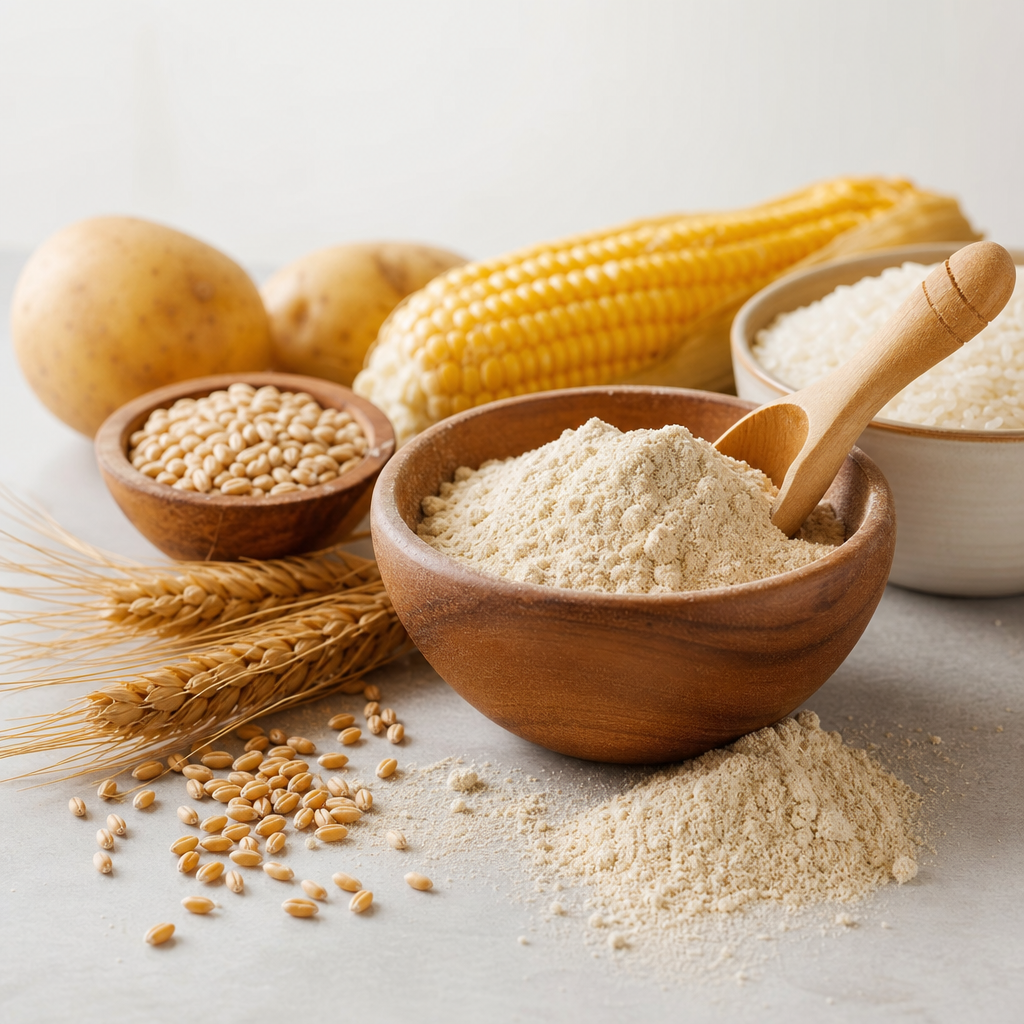
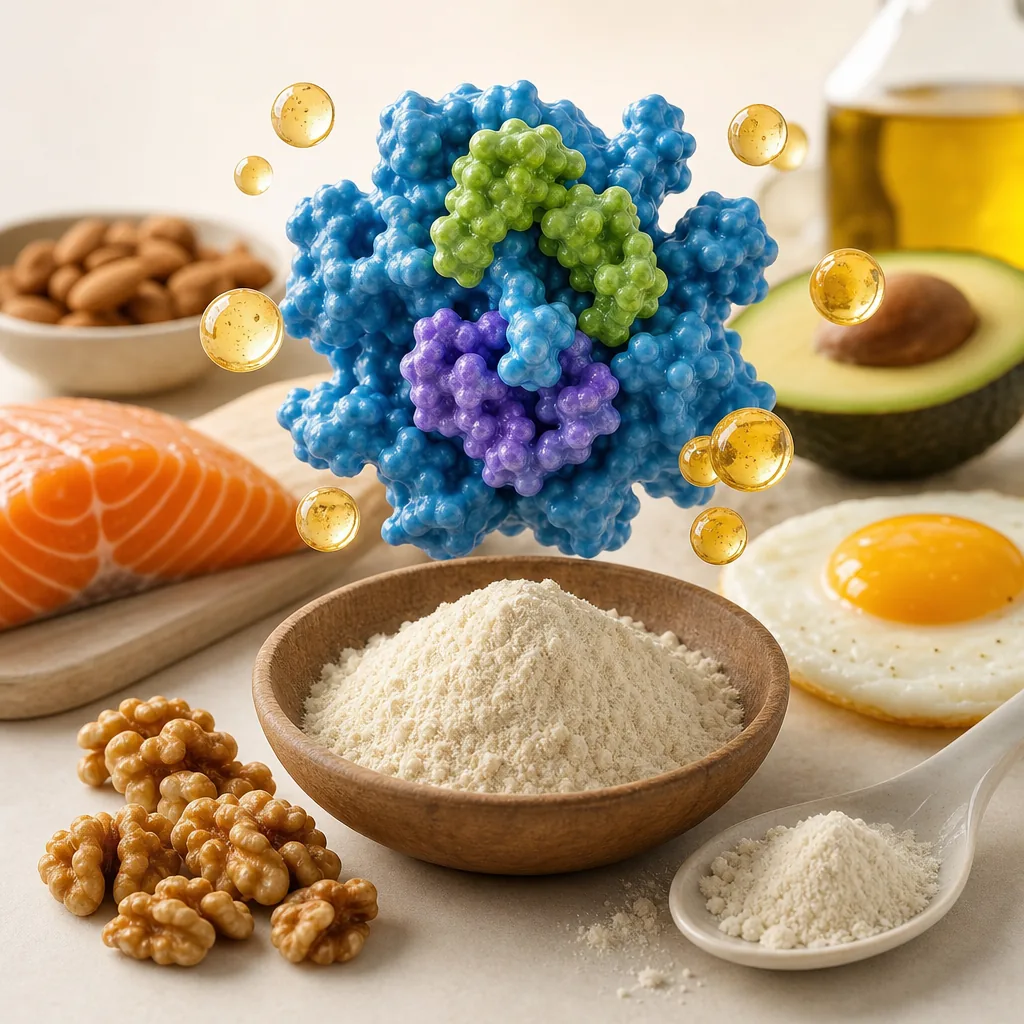
Amylase is a digestive enzyme that breaks down complex carbohydrates (starches) into smaller sugars the body can absorb. Humans produce two main types: salivary amylase (from the salivary glands), which begins starch digestion in the mouth, and pancreatic amylase (from the pancreas), which continues the process in the small intestine. Amylase is also found in plants and microbes; for example, grains use amylase during sprouting to mobilize stored starch, and certain fungi produce amylases used in fermentation and food processing.
In nutrition and wellness, amylase is considered a non-essential enzyme supplement, not an essential nutrient like a vitamin or mineral. The body does not require amylase intake from the diet because most healthy people produce enough on their own. However, in conditions where the body’s own enzyme output is reduced—such as pancreatic exocrine insufficiency—prescription enzyme products that include amylase can be medically necessary to support digestion. Over-the-counter digestive enzyme blends may also contain amylase derived from microbial or plant sources, though benefits in otherwise healthy individuals are less certain.
Benefits of Amylase
-
Improves starch digestion and nutrient absorption in pancreatic exocrine insufficiency (EPI)
(Strong evidence)
Prescription pancreatic enzyme replacement therapy (PERT), which includes amylase alongside lipase and proteases, reliably improves digestion and absorption of carbohydrates and other macronutrients in people with EPI due to chronic pancreatitis, cystic fibrosis, pancreatic surgery, or pancreatic cancer. Clinical guidelines support PERT to reduce gastrointestinal symptoms (bloating, excessive gas), normalize stools, and help stabilize weight by restoring digestion.
-
Reduces gastrointestinal symptoms after high-starch meals in some individuals
(Limited evidence)
Some small studies and user reports suggest that supplemental amylase (often in multi-enzyme blends) may lessen post-meal gas, bloating, or discomfort when consuming starch-heavy meals, particularly for people who suspect mild digestive insufficiency. Evidence is limited, heterogeneous, and often confounded by multi-enzyme formulas, so results are not consistent across studies.
-
Supports nutrition in special clinical situations (e.g., after pancreatic surgery, cystic fibrosis)
(Strong evidence)
In hospital and outpatient settings, PERT that includes amylase is a standard component of care for patients with pancreatic disease or resection. Appropriate dosing coordinated with meals/snacks helps improve macronutrient absorption, reduce steatorrhea, and maintain or gain weight. Enzymes may also be administered with enteral nutrition under clinical protocols to support digestion.
-
May help athletes tolerate high-carbohydrate fueling
(Preliminary evidence)
Athletes who consume large amounts of starch-based fuels sometimes report gastrointestinal distress. A few exploratory studies and practical reports suggest enzyme blends that include amylase might improve comfort and reduce perceived bloating or fullness during training. Data are preliminary, often open-label, and may not translate to performance gains; individual testing is recommended.
-
May influence postprandial glycemic responses in individuals with variable salivary amylase activity
(Mixed evidence)
People naturally vary in salivary amylase levels, and observational research links higher salivary amylase activity to different glycemic responses to starchy foods. However, translating this into clinical benefits from supplemental amylase is uncertain. Studies are small and inconsistent, and enzyme supplementation does not replace dietary strategies or medications for blood sugar management.
-
Assists with texture modification and palatability in clinical nutrition
(Moderate evidence)
In specialized care, controlled use of amylase can pre-digest starches in formulas or foods to adjust viscosity and improve tolerance (for example, in dysphagia diets or certain enteral feeds). This is typically performed under professional supervision and is not a general consumer application.
Types or Forms Available
-
Prescription pancreatic enzyme replacement therapy (PERT)
: Medications (often porcine-derived pancrelipase) that combine lipase, amylase, and proteases in standardized units. Products are typically enteric-coated to protect enzymes from stomach acid and release them in the small intestine. These are indicated for diagnosed pancreatic exocrine insufficiency and require medical supervision.
-
Microbial or plant-based alpha-amylase
: Commonly derived from fungi such as Aspergillus oryzae and included in over-the-counter digestive enzyme blends. Labeling often lists activity in DU or SKB units (standardized amylase activity measurements). These products are marketed for general digestive support, though evidence for routine use in healthy people is limited.
-
Glucoamylase (amyloglucosidase) add-ons
: Sometimes paired with alpha-amylase in multi-enzyme formulas to break down longer chains of starch further into glucose. Glucoamylase acts on different bonds than alpha-amylase, potentially providing complementary starch digestion.
-
Enteric-coated vs. acid-stable formulations
: Prescription products are commonly enteric-coated for targeted intestinal release. Some OTC amylases are formulated to be more acid-tolerant, though protection from stomach acid still varies. Enteric protection generally improves enzyme delivery to the small intestine.
-
Powders or granules for clinical use
: In certain settings, amylase-containing powders are used with enteral nutrition or modified-texture diets under dietitian or medical guidance.
How to Use Amylase
Use depends on the goal and product type. For diagnosed pancreatic exocrine insufficiency, prescription pancrelipase (which contains amylase) is the standard of care and dosing should follow a clinician’s instructions. For general digestive support with OTC products, start low, assess tolerance, and only use with meals that tend to cause symptoms.
-
Common dosage range:
Prescription PERT dosing is individualized and based on lipase units; do not self-adjust without medical advice. Over-the-counter alpha-amylase is often provided in the range of a few thousand to tens of thousands of DU (or SKB) per meal within multi-enzyme blends. Because labeling varies, follow the product’s stated activity units and serving size, and avoid escalating doses beyond label directions.
-
Best timing:
Take at the start of eating. Larger meals may warrant dividing the dose—some at the first bite and the remainder mid-meal—to match enzyme delivery with food transit.
-
How to take it:
Swallow capsules or tablets with water. Many prescription products should not be crushed or chewed to preserve enteric coating. If a clinician instructs opening a capsule, mix the contents only with suitable acidic soft foods as directed.
-
Consistency:
Use with meals and snacks that contain starch. Daily use is appropriate for people with medically confirmed insufficiency; others may use occasionally with higher-starch meals if they notice benefit.
Food Sources and Supplement Options
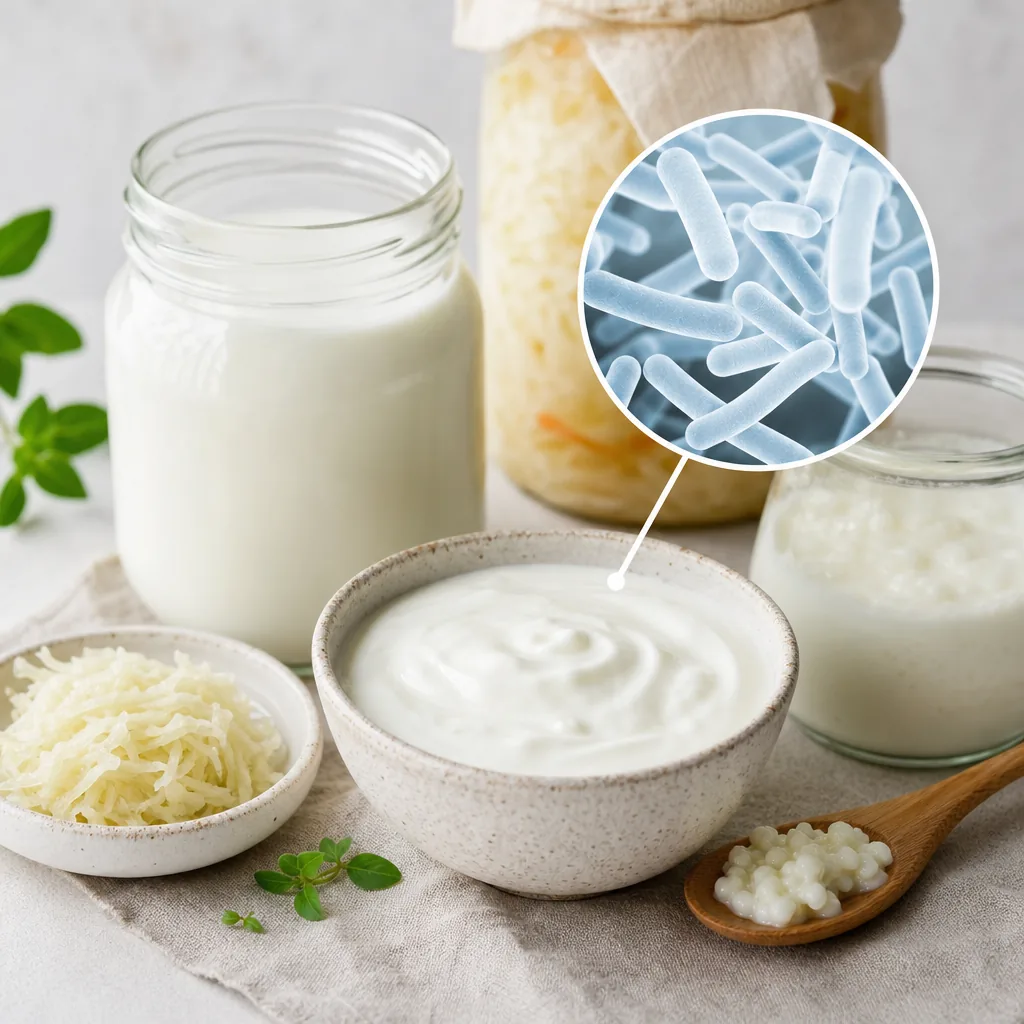
Amylase itself occurs naturally in certain foods and food processes, but these dietary amylases do not reliably survive digestion in a way that aids your own starch digestion. Examples include sprouted or malted grains, sourdough starters and fermented foods made with koji (Aspergillus oryzae), and very ripe bananas in which the fruit’s own amylase has converted much of the starch to sugar. For clinically meaningful digestive support, amylase is typically consumed as part of a standardized supplement—most often as prescription pancrelipase for pancreatic insufficiency, or as an over-the-counter digestive enzyme blend for general use.
-
Sprouted or malted grains (e.g., barley malt, sprouted wheat or barley)
-
Sourdough starters and breads produced via traditional fermentation
-
Fermented soy foods cultured with koji (e.g., miso)
-
Ripe bananas and other ripened fruits where internal amylase has acted on starch
Supplements make sense when endogenous enzyme production is impaired (under medical care) or when a short trial with meals helps specific, reproducible symptoms. Whole foods remain a sound first approach for overall nutrition because they provide fiber, vitamins, minerals, and phytonutrients, while supplements offer targeted enzyme activity with standardized dosing.
Who May Benefit from Amylase?
-
People with diagnosed pancreatic exocrine insufficiency (e.g., chronic pancreatitis, cystic fibrosis, pancreatic cancer, pancreatic surgery) using prescription PERT under medical supervision.
-
Individuals who experience reproducible gas, bloating, or discomfort with high-starch meals and wish to trial an OTC digestive enzyme blend that includes amylase.
-
Post-surgical or clinical nutrition patients whose care teams use enzyme therapy to improve tolerance of enteral formulas or modified diets.
-
Athletes consuming large carbohydrate loads who experience GI distress and want to experiment cautiously with enzyme blends during training (not first on race day).
-
Older adults or those with low saliva production (dry mouth) who struggle with initial starch digestion; focusing on hydration and saliva-stimulating strategies remains primary, with enzyme use considered case-by-case.
Side Effects and Considerations
-
Gastrointestinal effects:
Possible nausea, abdominal discomfort, diarrhea, or constipation can occur, especially when starting or when dosing is mismatched to meal size. Adjust with professional guidance if using prescription products.
-
Allergy and source concerns:
Prescription pancrelipase is porcine-derived; avoid if you have related allergies or dietary restrictions. Many OTC products use fungal sources (e.g., Aspergillus species); discontinue and seek care if you experience allergic symptoms.
-
Blood sugar considerations:
Faster carbohydrate breakdown may affect post-meal glucose. People with diabetes or prediabetes should monitor responses and discuss enzyme use with their healthcare team.
-
Medication interactions:
Enzyme supplements may counteract the intended action of alpha-amylase/alpha-glucosidase–inhibiting drugs (e.g., acarbose, miglitol, voglibose). Use caution and coordinate with a clinician.
-
Condition-specific cautions:
In acute pancreatitis, enzymes are typically withheld until oral intake resumes and are used only under medical direction thereafter.
-
Mucosal irritation:
Chewing or holding enzyme capsules in the mouth can irritate oral mucosa. Swallow promptly. For those instructed to open capsules, mix only as directed.
-
Dosing limits with PERT:
Very high cumulative doses of pancreatic enzymes have been associated with rare complications such as fibrosing colonopathy in people with cystic fibrosis. Follow prescribed dosing and regular monitoring.
-
Quality and standardization:
Choose products that list amylase activity in recognized units (DU or SKB) and consider third-party testing. Enteric-coated products may improve delivery to the small intestine.
-
Special populations:
If you are pregnant, breastfeeding, giving enzymes to a child, taking medications, or managing a medical condition, consult a qualified healthcare professional before use.
Common Myths About Amylase
-
Myth: “Everyone needs an amylase supplement to digest carbs properly.”
Most healthy people produce sufficient salivary and pancreatic amylase to digest starch without supplementation. Routine use has not shown clear benefits in healthy populations and is generally unnecessary.
-
Myth: “Over-the-counter amylase is the same as prescription pancreatic enzymes.”
Prescription pancrelipase is standardized, enteric-coated, and clinically validated for pancreatic insufficiency. OTC products vary widely in potency and formulation and are not interchangeable with prescription therapy.
-
Myth: “Amylase supplements can replace diabetes medications or cure blood sugar problems.”
Amylase accelerates starch breakdown; it does not treat insulin deficiency or insulin resistance. Blood sugar management relies on diet, physical activity, and clinically indicated medications, not amylase supplements.
-
Myth: “Amylase will let you safely ignore gluten or other known intolerances.”
Amylase digests starch, not the gluten proteins implicated in celiac disease or gluten-related disorders. Do not use amylase to replace medically necessary dietary restrictions.
Conclusion
Amylase is a carbohydrate-digesting enzyme that the body typically produces in adequate amounts. It becomes most valuable in clinical contexts where endogenous enzyme output is impaired—such as pancreatic exocrine insufficiency—where prescription pancrelipase (containing amylase) is strongly supported to improve digestion and nutritional status. Outside of these conditions, over-the-counter amylase-containing blends may help some people with predictable, starch-related discomfort, but evidence is limited and individual responses vary.
If you consider amylase supplementation, prioritize product quality and appropriate activity units, take it with meals, and start conservatively. People who are pregnant or breastfeeding, giving enzymes to children, taking medications (especially carbohydrate-digesting enzyme inhibitors), or managing medical conditions should consult a healthcare professional. A food-first approach remains sensible for overall nutrition, while targeted enzyme use—particularly under medical supervision—can play a supportive role when specific digestive needs arise.