What is Papain?
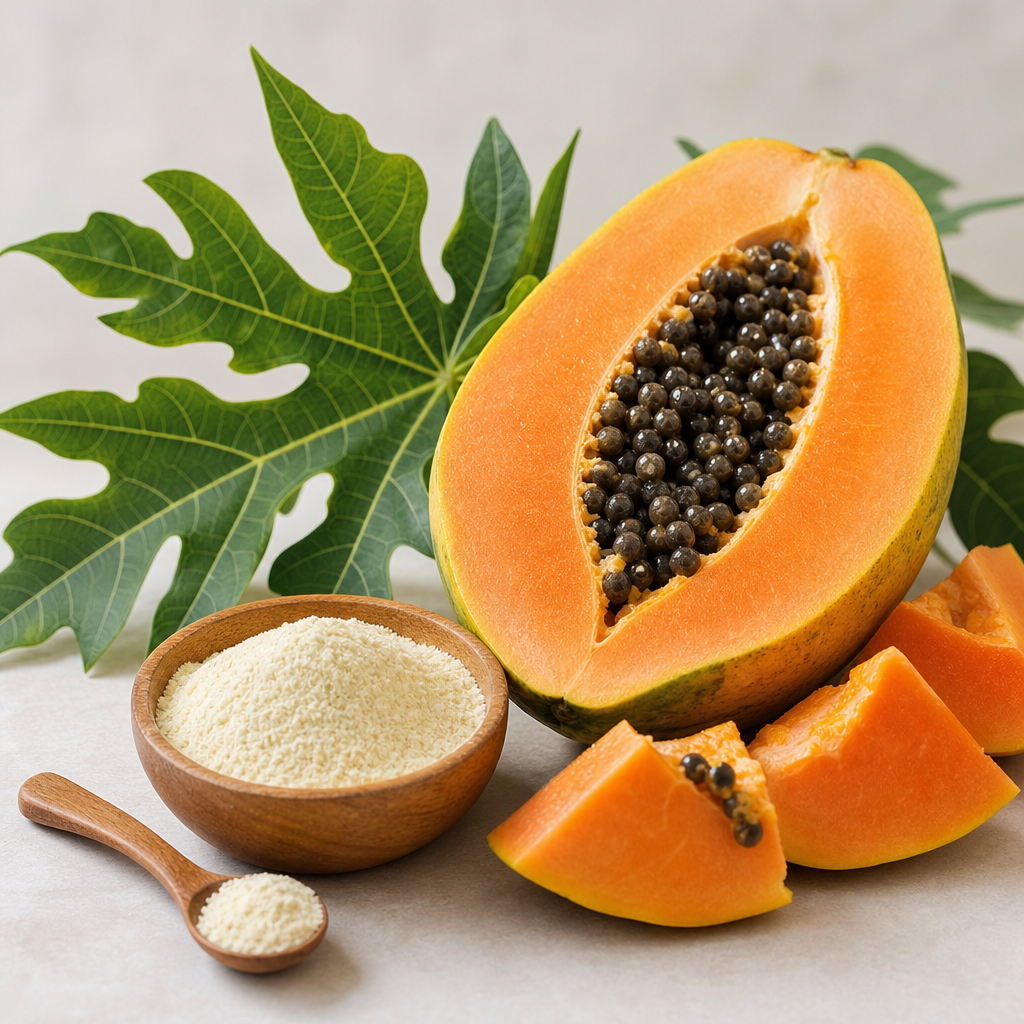
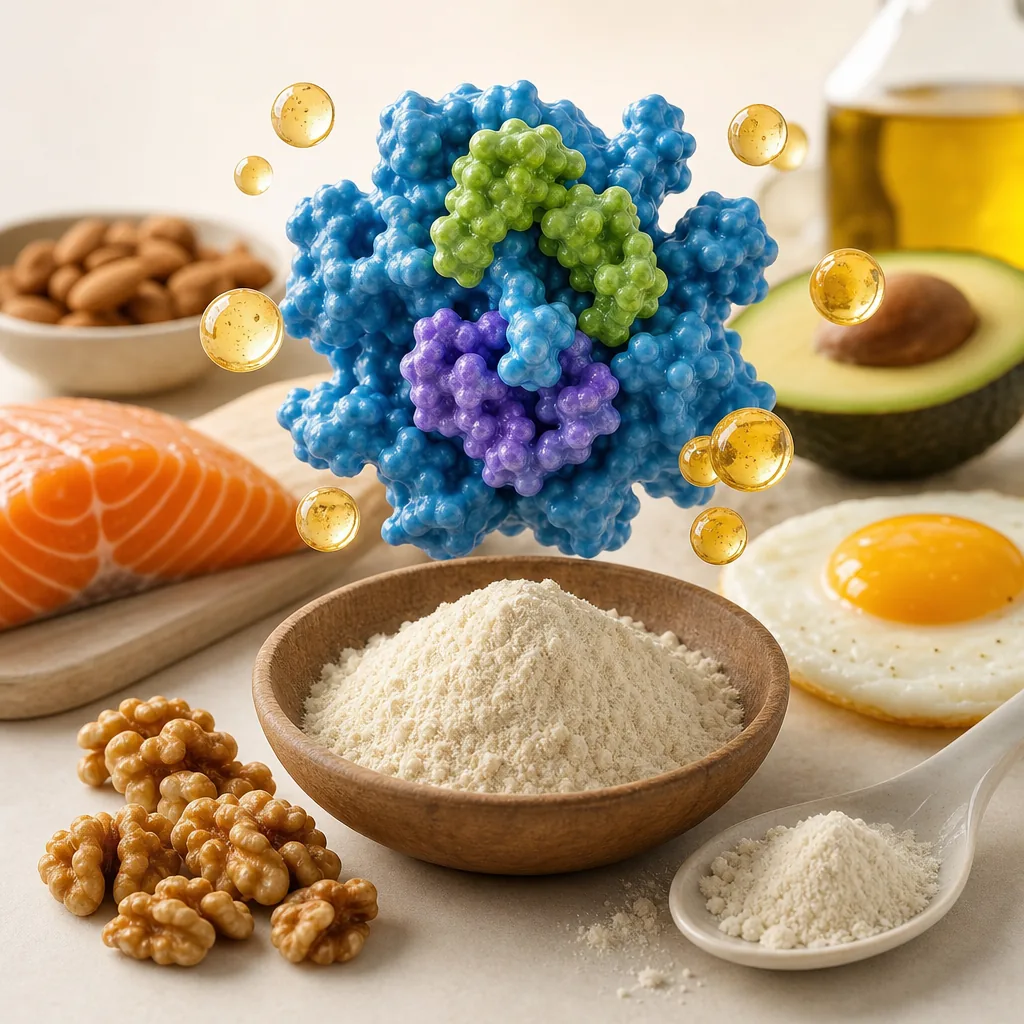
Papain is a proteolytic (protein-digesting) enzyme extracted primarily from the latex of the papaya plant (Carica papaya), especially from unripe, green papaya fruit. It belongs to a family of cysteine proteases that can break large proteins into smaller peptides and amino acids. In nature, papain helps the papaya protect itself by breaking down proteins in pests and microbes. For humans, papain is used as a food-derived ingredient and supplement for digestion support, and it also appears in some topical medical and cosmetic products.
Papain is not an essential nutrient like a vitamin or mineral; the human body does not require it to survive or maintain basic health. Your digestive system produces its own proteases (for example, pepsin in the stomach and trypsin/chymotrypsin from the pancreas) that handle routine protein digestion. However, papain may support the breakdown of dietary protein when taken with meals and is sometimes used away from food in enzyme blends aimed at recovery or inflammation support. In healthcare settings, specialized papain-urea preparations have been used for wound debridement under medical supervision.
Benefits of Papain
-
Digestive support for protein-rich meals
(Limited evidence)
Papain can help break large dietary proteins into smaller fragments, which may ease feelings of fullness after heavy protein meals. Small studies and user reports suggest potential relief of occasional digestive discomfort, but robust clinical trials are sparse. For individuals who experience heaviness or bloating after eating meat or high-protein foods, a modest dose of papain with meals may provide practical support without replacing your body’s own enzymes.
-
Support for soft-tissue recovery in combination enzyme formulas
(Mixed evidence)
Proteolytic enzyme blends that include papain (often paired with bromelain, trypsin, or other proteases) have been studied for exercise-related muscle soreness, bruising, and post-procedural swelling. Some trials report reduced soreness or quicker return to activity, while others show little to no benefit. Because these studies typically use multi-enzyme combinations, it is difficult to isolate papain’s specific contribution. If used, enteric-coated products taken away from meals are more commonly studied for this purpose.
-
Topical wound debridement (papain-urea preparations)
(Moderate evidence)
Clinicians have used papain-urea formulations to help gently remove necrotic (dead) tissue from certain wounds, promoting a cleaner wound bed. Evidence supports efficacy for debridement; however, safety concerns (including rare but serious allergic reactions) and regulatory changes mean that use is restricted and should only occur under qualified medical supervision with approved products. This is a medical application rather than a self-care use.
-
Sore throat and oral lesion comfort (lozenges/gels)
(Limited evidence)
Some over-the-counter lozenges or gels combine papain with other agents to soothe oral inflammation or mild sore throat. Small or lower-quality studies suggest symptom relief for mouth sores or throat irritation, but results are inconsistent and often confounded by multi-ingredient formulas. Individuals with known papaya or latex allergies should avoid these products.
-
Skin exfoliation in cosmetics
(Limited evidence)
In skincare, papain is used as a gentle enzymatic exfoliant that can help remove surface dead skin cells, leading to smoother skin appearance. Evidence primarily comes from in vitro data, small cosmetic trials, and user experience. People with sensitive skin, active eczema, or open lesions should proceed with caution and patch test first.
-
Traditional support against intestinal parasites (papaya preparations)
(Preliminary evidence)
Whole papaya seed preparations have shown promise in small studies for reducing certain intestinal parasites. Papain may contribute to this effect by degrading parasite proteins, but the evidence largely involves papaya seeds rather than isolated papain, and standardized protocols are lacking. This is not a substitute for medically recommended antiparasitic therapy.
Types or Forms Available
-
Standardized papain powder or capsules:
Most supplements provide papain as a purified enzyme from papaya latex. Quality products are standardized to activity units (for example, PU or TU) rather than just milligrams. Activity units reflect how much protein the enzyme can break down; this is more meaningful than weight alone.
-
Multi-enzyme blends:
Papain is frequently combined with other proteases (such as bromelain, trypsin, chymotrypsin) and sometimes with amylase, lipase, or lactase. Blends may target general digestion (taken with meals) or systemic support (enteric-coated, taken away from meals). Effects and dosing vary widely by formula.
-
Chewable tablets and lozenges:
Designed for on-the-go digestive support or throat comfort. These often include soothing agents (e.g., honey, zinc, or botanicals). Flavoring and sweeteners vary; people with sensitivities should read labels carefully.
-
Enteric-coated tablets/capsules:
Intended to pass through the stomach and release in the intestines for systemic enzyme use. Often used in studies on post-exercise soreness in combination formulas.
-
Topical papain-urea products (medical use only):
Historically used for wound debridement under medical supervision. Due to safety and regulatory considerations, these are not typical consumer products and should not be self-administered.
-
Culinary meat tenderizer (papain-based):
Some kitchen tenderizers contain papain; these are not standardized for human supplementation. They are intended for marinating or cooking and should not be used as a dietary supplement.
How to Use Papain
Appropriate use depends on the goal—digestion support versus systemic enzyme use. Follow product labels and consult a healthcare professional if you have health conditions, take medications, are pregnant or breastfeeding, or are considering higher-end dosing strategies.
-
Common dosage range:
For digestive support, many products provide about 50–300 mg per serving, often standardized to activity (for example, roughly 50,000–600,000 PU per serving, depending on brand). Because activity units vary by manufacturer and compendia, compare products by enzyme activity, not just milligrams. Start at the low end and increase only as needed. For systemic uses (typically combinations), follow the specific blend’s directions; data for papain alone are limited.
-
Best timing:
For digestion, take with the first bites of a protein-containing meal. For systemic enzyme purposes (e.g., in multi-enzyme blends for soreness), products are usually taken on an empty stomach—about 30–60 minutes before meals or 2 hours after—especially if enteric-coated.
-
How to take it:
Swallow with water. Chewable/lozenge forms are taken as directed on label. Avoid inhaling powders, which can irritate airways. Do not apply supplement forms to broken skin.
-
Consistency:
Many people use papain as needed with heavier protein meals rather than daily. For targeted, time-limited goals (e.g., recovery protocols with multi-enzymes), consistent short-term use may be preferred, guided by a clinician or product directions.
Food Sources and Supplement Options
Papain is naturally present in papaya, particularly the unripe green fruit and its latex. Ripe papaya contains less active papain, and cooking or heat processing deactivates (denatures) the enzyme. As a result, supplements are common when a reliable, measured enzyme activity is desired.
-
Unripe (green) papaya fruit
-
Papaya latex (natural source for extracted enzyme; not consumed directly)
-
Papaya leaf preparations (may contain proteases, though composition varies)
Supplements offer standardized enzyme activity for predictable effects and convenience, especially when fresh green papaya is unavailable or unpalatable. Whole foods like ripe papaya provide fiber, vitamins (e.g., vitamin C, folate), and antioxidants beyond papain, making them valuable for overall nutrition. Supplements can be more targeted but do not replace a balanced diet. People with significant digestive disorders (such as pancreatic insufficiency or celiac disease) should not rely on papain in place of medically indicated treatments.
Who May Benefit from Papain?
-
Individuals who experience occasional heaviness or discomfort after protein-rich meals and want short-term digestive support.
-
Athletes or active individuals exploring non-NSAID strategies for post-exercise soft-tissue soreness, typically via multi-enzyme blends that include papain.
-
Older adults who notice reduced digestive comfort with high-protein foods; evidence is limited, so start low and evaluate benefit.
-
People who prefer a plant-derived protease to complement dietary protein digestion.
-
Patients receiving topical wound debridement may encounter papain-urea formulations, but only under medical supervision.
-
Skincare enthusiasts interested in enzymatic exfoliation, provided they patch test and avoid use on irritated or broken skin.
Side Effects and Considerations
-
Allergic reactions:
Papain is a known allergen and can trigger itching, hives, wheezing, or anaphylaxis in susceptible individuals. There is potential cross-reactivity with latex (latex-fruit syndrome). People with papaya or latex allergy should avoid papain.
-
Gastrointestinal irritation:
High doses or sensitive users may experience nausea, cramping, diarrhea, or mouth/throat irritation (especially from powders or lozenges). Discontinue if symptoms occur.
-
Bleeding risk and surgery:
Proteolytic enzymes may theoretically increase bleeding tendency, especially when combined with anticoagulants, antiplatelet drugs, or high-dose NSAIDs. Evidence is mixed, but caution is prudent. Stop papain-containing supplements at least 1–2 weeks before surgery, and consult your clinician.
-
Pregnancy and breastfeeding:
Avoid supplemental papain without medical advice. Unripe papaya latex has been associated with uterine effects in animal studies; human safety data are insufficient.
-
Children:
Use only under professional guidance due to limited safety data and higher allergy risk.
-
Existing GI conditions:
Individuals with active ulcers, severe GERD, inflammatory bowel disease flares, or recent GI surgery should consult a healthcare professional before using proteolytic enzymes, which may irritate mucosa.
-
Medication interactions:
Besides possible bleeding concerns, enzymes may alter absorption of some drugs. Separate by at least 2 hours and consult a pharmacist or clinician if you take prescription medications.
-
Quality and labeling:
Choose products that list enzyme activity units (e.g., PU or TU) and third-party testing. Do not substitute culinary meat tenderizer or non-standardized powders for supplementation.
-
Liver/kidney concerns:
Although data are limited, those with significant hepatic or renal disease should use caution and seek medical guidance.
-
Not a replacement therapy:
Papain is not a substitute for prescription pancreatic enzyme replacement therapy, antibiotics, antiparasitics, or disease-specific treatments.
Common Myths About Papain
-
“Papain can replace your body’s digestive enzymes or cure digestive disorders.”
While papain can assist with protein breakdown, it does not replace pancreatic enzymes or treat underlying digestive diseases. It may offer situational support, but chronic conditions require medical evaluation and targeted therapy.
-
“Papain breaks down all gluten, so people with celiac disease can eat gluten freely.”
Papain can digest some proteins, but it does not reliably neutralize immunogenic gluten peptides. People with celiac disease or gluten sensitivity should not use papain to justify gluten consumption.
-
“More papain is always better for recovery and inflammation.”
Higher doses increase the risk of side effects (including allergies and GI upset) without guaranteed added benefit. Evidence for systemic effects is mixed and often involves combinations, not papain alone.
-
“All proteases are the same, so bromelain and papain are interchangeable.”
Different proteases have distinct structures, activities, and optimal pH ranges. Results from one enzyme do not automatically apply to another, and product quality and dosing differ.
Conclusion
Papain is a plant-derived protease from papaya that can support the breakdown of dietary protein and appears in some blends aimed at recovery or throat and skin applications. Evidence for digestive comfort and cosmetic exfoliation is modest, and research on exercise recovery is mixed—often involving multi-enzyme formulas. Medical uses such as wound debridement should be performed only with approved products under clinical supervision.
If you choose to try papain, prioritize quality (activity-standardized, third-party tested) and start with conservative doses, particularly if you have allergies or take medications. Most people do well with a food-first approach—enjoying papaya within a balanced diet—while using a supplement when targeted, measurable enzyme activity is desired. Individuals who are pregnant, breastfeeding, managing a medical condition, or taking medications should consult a healthcare professional before use, and anyone scheduled for surgery should discontinue papain in advance unless advised otherwise.