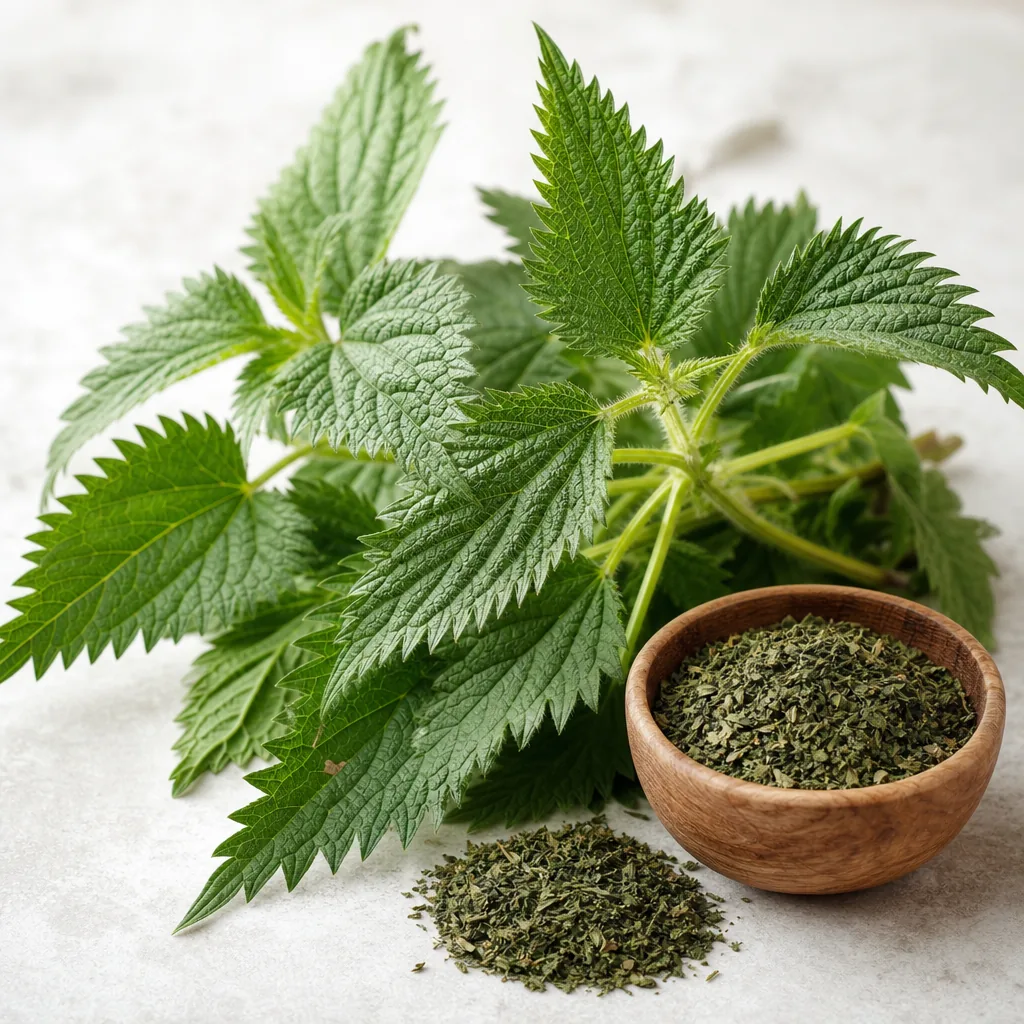
What is Senna?
Senna is a botanical laxative derived primarily from the leaves and pods of Senna alexandrina (also known historically as Cassia senna or Cassia angustifolia), a shrub native to parts of Africa and the Indian subcontinent. The key active compounds are a group of anthraquinone glycosides called sennosides, which are converted by gut bacteria into active metabolites that stimulate intestinal motility and reduce water reabsorption in the colon. This action helps move stool through the bowel and increases stool water content, resulting in a bowel movement.
Senna is not an essential nutrient; the body does not require it in the way it requires vitamins, minerals, essential fatty acids, or amino acids. Instead, it is an herb/botanical commonly used as an over-the-counter stimulant laxative for short-term relief of occasional constipation. It is available in teas, tablets, capsules, syrups, and liquid extracts, and it is also included in some combination laxative products.
Benefits of Senna
-
Relieves occasional constipation
(Strong evidence)
Senna is widely used as an over-the-counter stimulant laxative and has been supported by numerous clinical trials and longstanding clinical experience. Its active metabolites directly stimulate colonic motility and decrease water absorption from the stool, typically producing a bowel movement within 6–12 hours. For many adults with short-term, uncomplicated constipation due to travel, low fiber intake, or routine changes, senna can be an effective, fast-acting option when increased fluids and dietary fiber alone are insufficient.
-
Bowel cleansing prior to procedures (as part of a prep regimen)
(Moderate evidence)
Senna may be used in combination with other agents (such as polyethylene glycol solutions or magnesium salts) for bowel cleansing prior to colonoscopy or certain imaging procedures. Comparative studies suggest that regimens including senna can be as effective as some alternatives when used under medical supervision. Because effectiveness and safety depend on the exact protocol, this use should follow a clinician’s instructions rather than self-directed dosing.
-
Adjunct for hemorrhoids or anal fissures to reduce straining
(Limited evidence)
By promoting easier, softer bowel movements, senna may help reduce straining, which can aggravate hemorrhoids or fissures. While the physiological rationale is sound and some clinical guidance supports temporary laxative use in these conditions, direct high-quality trials specifically linking senna to improved hemorrhoid or fissure outcomes are limited. It is best used short-term alongside increased fluids, fiber, and other supportive measures.
-
Opioid-induced constipation (with a stool softener or as part of a regimen)
(Moderate evidence)
Stimulant laxatives such as senna are commonly recommended as first-line or part of first-line therapy for opioid-induced constipation, often combined with a stool softener (e.g., docusate). While newer prescription agents may be necessary for refractory cases, many patients experience meaningful relief with stimulant laxatives. Dosing often needs to be adjusted based on response and tolerability, ideally with guidance from a clinician.
-
Symptomatic relief in constipation-predominant IBS
(Mixed evidence)
Some individuals with IBS-C may experience improved stool frequency with senna, but others report worsened cramping or urgency. Clinical recommendations vary, with many clinicians preferring osmotic laxatives first because they may cause fewer cramps. For select patients, careful, short-term use of senna can be helpful, but it should be individualized, and other strategies (fiber, osmotics, diet changes) are often prioritized.
-
Postpartum or postoperative constipation (short-term use)
(Limited evidence)
Small studies and clinical practice suggest senna can be useful when straining should be minimized after delivery or certain surgeries. However, evidence is not robust, and gentler options (adequate fluid, fiber, stool softeners) are typically tried first. When needed, short-term senna under professional guidance can be considered to avoid painful straining.
Types or Forms Available
-
Standardized tablets/capsules (sennosides):
The most common form lists the content of sennosides (often 8.6 mg per tablet). Standardization helps ensure a more predictable effect compared with raw herb powders.
-
Tea (infusions of senna leaf or pods):
Teas vary in potency depending on leaf/pod source, steeping time, and product standardization. Although perceived as “gentler,” teas can deliver similar amounts of sennosides and may cause the same side effects if overused.
-
Liquid extracts and syrups:
Useful for those who have difficulty swallowing pills. Potency varies; look for products that specify sennoside content per mL.
-
Chewables or granules:
Alternative delivery formats that may improve palatability. As with other forms, standardized sennoside content is important for dosing consistency.
-
Combination formulas:
Senna is sometimes combined with stool softeners (e.g., docusate) or osmotic agents. These combinations can be helpful in drug-induced constipation but should be selected based on individual needs and professional advice.
How to Use Senna
Use the lowest effective dose for the shortest necessary time. Most adults can start at the lower end of the sennoside range and adjust cautiously to effect. Because responses vary, read product labels carefully and consider professional guidance if you have ongoing constipation.
-
Common dosage range:
For adults and adolescents 12+, typical doses provide about 8.6–17.2 mg sennosides once daily (often at bedtime). Some products allow up to 34.4 mg sennosides per day in divided doses. Do not exceed label directions unless advised by a clinician. Pediatric dosing differs and should be guided by a healthcare professional.
-
Best timing:
Senna usually works in 6–12 hours, so bedtime dosing often leads to a morning bowel movement.
-
How to take it:
Take with a full glass of water. It can be taken with or without food. Maintain adequate hydration throughout the day to reduce cramping and support regularity.
-
Consistency:
Senna is intended for occasional, short-term use. If you need it for more than a few days in a row, or if constipation persists or recurs frequently, consult a healthcare professional to evaluate underlying causes and safer long-term strategies (dietary fiber, fluids, physical activity, or other therapies).
Food Sources and Supplement Options
Senna is an herb, not a dietary nutrient or common food component. It is not obtained from ordinary foods. Instead, it is harvested from senna plants (leaves and pods) and provided as teas, tablets, capsules, syrups, or liquid extracts. Because it acts like a drug on the intestines, senna is used as a supplement/over-the-counter medicine rather than as part of a daily diet.
For constipation, food-first strategies are generally preferred initially: increasing dietary fiber (fruits, vegetables, legumes, whole grains), drinking adequate fluids, and being physically active often improve regularity. Whole foods offer additional vitamins, minerals, and phytonutrients that support overall gut health. Supplements like senna can be considered when lifestyle measures are insufficient, when quick relief is needed, or when a clinician recommends a targeted regimen (e.g., opioid-induced constipation or preparation for a procedure).
Who May Benefit from Senna?
-
Adults with occasional, short-term constipation not relieved by increased fluids and dietary fiber.
-
Individuals preparing for colonoscopy or certain imaging procedures, when senna is part of a clinician-directed bowel prep.
-
People with opioid-induced constipation, sometimes in combination with a stool softener or other agents, per clinical guidance.
-
Those with hemorrhoids or anal fissures who need to minimize straining for a brief period.
-
Postpartum or select postoperative patients experiencing short-term constipation, when recommended by a healthcare professional.
-
Travelers or individuals with temporary changes in routine or diet that result in occasional constipation.
Side Effects and Considerations
-
Common side effects:
Abdominal cramping, diarrhea, nausea, and gas. Reducing the dose, ensuring hydration, and using only as needed can lessen these effects.
-
Electrolyte imbalance with overuse:
Chronic or high-dose use can cause low potassium (hypokalemia) and dehydration, increasing the risk of muscle weakness and heart rhythm problems. Do not use long-term without medical supervision.
-
Medication interactions:
Use caution with digoxin (risk of toxicity increases with low potassium), loop or thiazide diuretics, systemic corticosteroids, and other drugs affected by electrolyte shifts. Hypokalemia can also increase the risks of some antiarrhythmic medications. Discuss senna use with a clinician or pharmacist if you take prescription medications.
-
Underlying conditions:
Do not use senna if you have bowel obstruction, acute abdominal pain of unknown cause, inflammatory bowel disease flare, severe dehydration, or electrolyte disturbances unless cleared by a clinician.
-
Potential for dependence and worsening constipation with misuse:
Regular, long-term stimulant laxative use can lead to reliance and may ultimately worsen bowel function. Prioritize fiber, fluids, activity, and other gentle approaches for maintenance.
-
Urine or stool color changes and melanosis coli:
Benign darkening of the colon lining (melanosis coli) and temporary urine discoloration can occur with prolonged use; these changes typically resolve after discontinuation. Avoid chronic use unless supervised.
-
Liver concerns (rare):
Isolated case reports link chronic excessive senna use to liver injury. Keep doses within label recommendations and avoid prolonged, unsupervised use.
-
Pregnancy and breastfeeding:
Short-term use in pregnancy appears to have a low risk profile in available data, but cramping and diarrhea are possible. Small amounts of metabolites may appear in breast milk; infant loose stools are uncommon but possible. Pregnant or breastfeeding individuals should consult a healthcare professional before use.
-
Children and older adults:
Children, especially under 12, require pediatric guidance for dosing and safety. Older adults may be more sensitive to fluid and electrolyte shifts; start low and consult a clinician if constipation is persistent.
-
Quality and product selection:
Choose products that state standardized sennoside content and consider third-party tested brands (e.g., USP, NSF) to reduce the risk of contamination or inaccurate dosing.
If you are pregnant, breastfeeding, taking medications, or managing a medical condition, seek personalized advice before using senna.
Common Myths About Senna
-
“Senna is natural, so it’s safe for daily, long-term use.”
Natural does not automatically mean risk-free. Senna is a stimulant laxative; prolonged or excessive use can cause electrolyte imbalances, dehydration, and laxative dependence. It is intended for occasional, short-term relief unless a clinician advises otherwise.
-
“Senna helps you lose fat.”
Senna increases bowel movements and can cause short-term water and stool weight loss, but it does not increase fat burning or produce meaningful, sustainable weight loss. Overuse for weight control is unsafe and can lead to dehydration and mineral imbalances.
-
“Senna tea is gentler than tablets.”
Both teas and tablets can deliver similar amounts of sennosides—the active laxative compounds. Tea form is not inherently safer; dosing consistency can actually be harder to control with teas. Side effects and precautions apply to all forms.
-
“Senna detoxifies the body.”
Senna helps move stool through the colon, relieving constipation. It does not “detox” organs or remove systemic toxins. The liver and kidneys provide the body’s primary detoxification functions; senna’s role is limited to bowel motility.
Conclusion
Senna is an herb-based stimulant laxative that can provide reliable, short-term relief of occasional constipation and can be useful in specific clinical contexts such as opioid-induced constipation regimens or procedure preparation under medical guidance. It is not an essential nutrient, and it is not intended for daily, indefinite use. For many people, food-first strategies—adequate fiber, hydration, and physical activity—are the safest long-term foundation for regularity, with senna reserved for targeted, brief use when those measures are insufficient.
Choose standardized, quality-tested products and follow label directions to reduce the risk of side effects. Individuals who are pregnant, breastfeeding, taking medications, or living with medical conditions should consult a healthcare professional before using senna. When used appropriately and judiciously, senna can be a practical tool for short-term constipation relief while broader lifestyle and dietary approaches address underlying habits that support healthy bowel function.