The heart and circulatory system are the foundation of overall health, ensuring that oxygen, nutrients, and essential compounds are efficiently delivered throughout the body. A strong cardiovascular system supports endurance, energy levels, and overall vitality, while healthy circulation promotes optimal blood flow, muscle function, and cognitive performance. Factors such as balanced nutrition, regular exercise, and stress management play a key role in maintaining heart health. Essential nutrients like omega-3 fatty acids, CoQ10, magnesium, and antioxidants help regulate blood pressure, support arterial function, and protect against oxidative stress. Prioritizing heart and circulatory health is an investment in long-term wellness, stamina, and overall longevity.
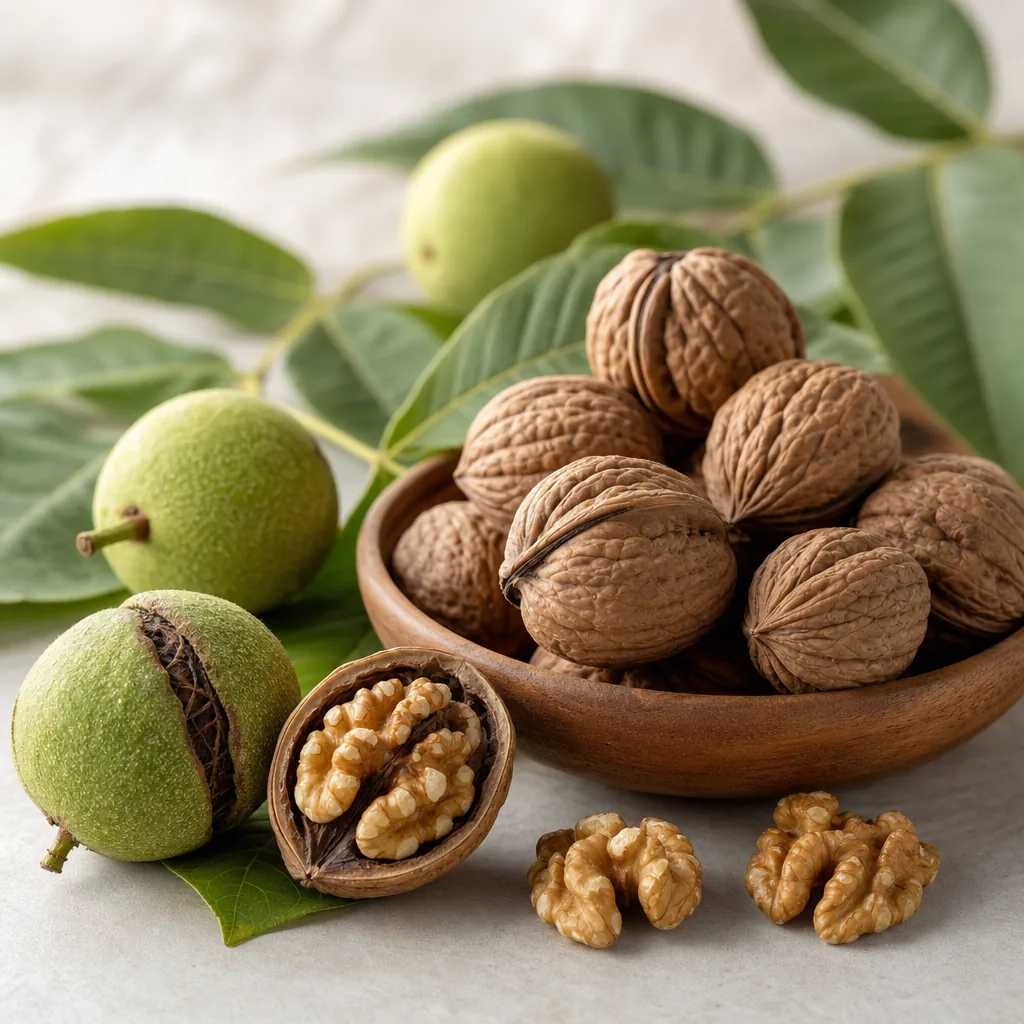
What is Black Walnut? Black walnut (Juglans nigra) is a North American tree known for its hard, dark wood and edible nuts. In traditional herbalism, the g…
Read more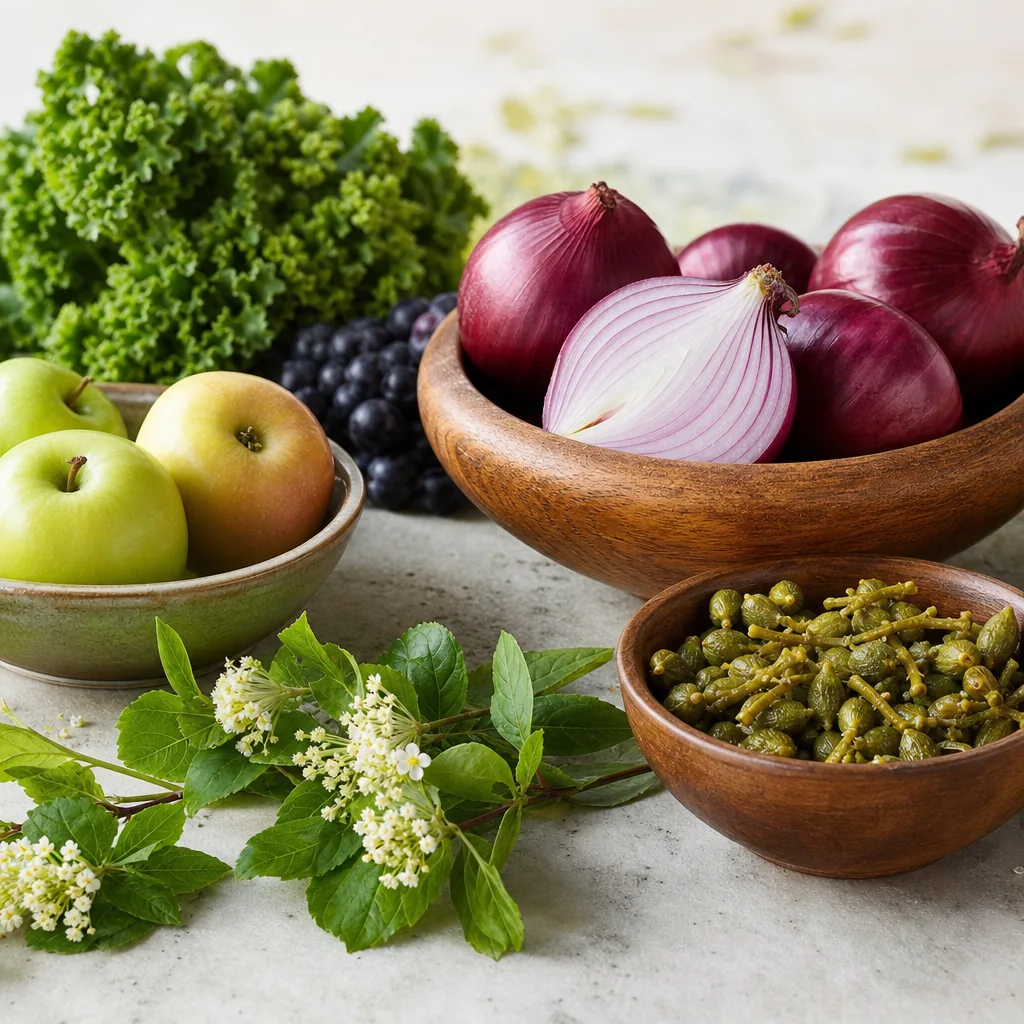
What is Quercetin? Quercetin is a naturally occurring plant flavonoid (a type of polyphenol) found widely in fruits, vegetables, leaves, and certain grain…
Read more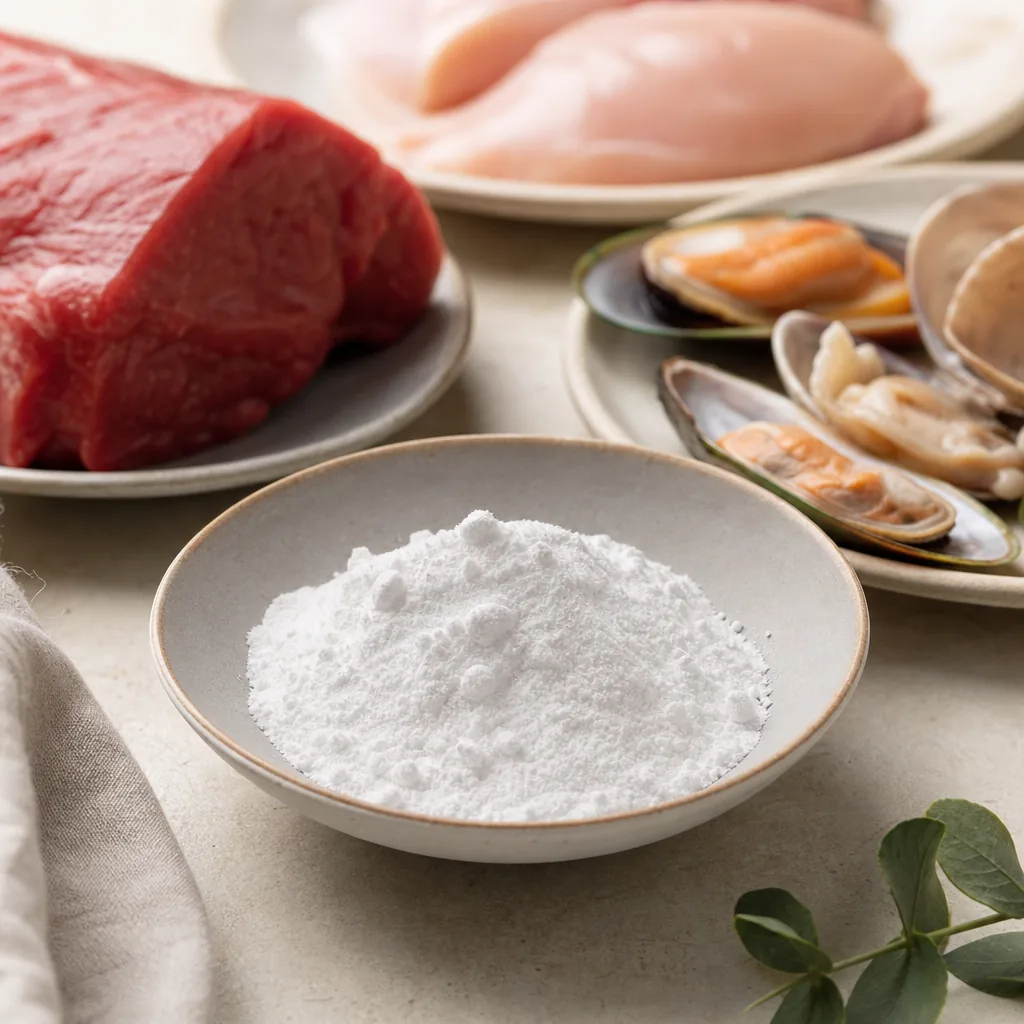
What is Taurine? Taurine is an amino sulfonic acid naturally found in the human body, especially in the brain, eyes, heart, and skeletal muscles. Although…
Read more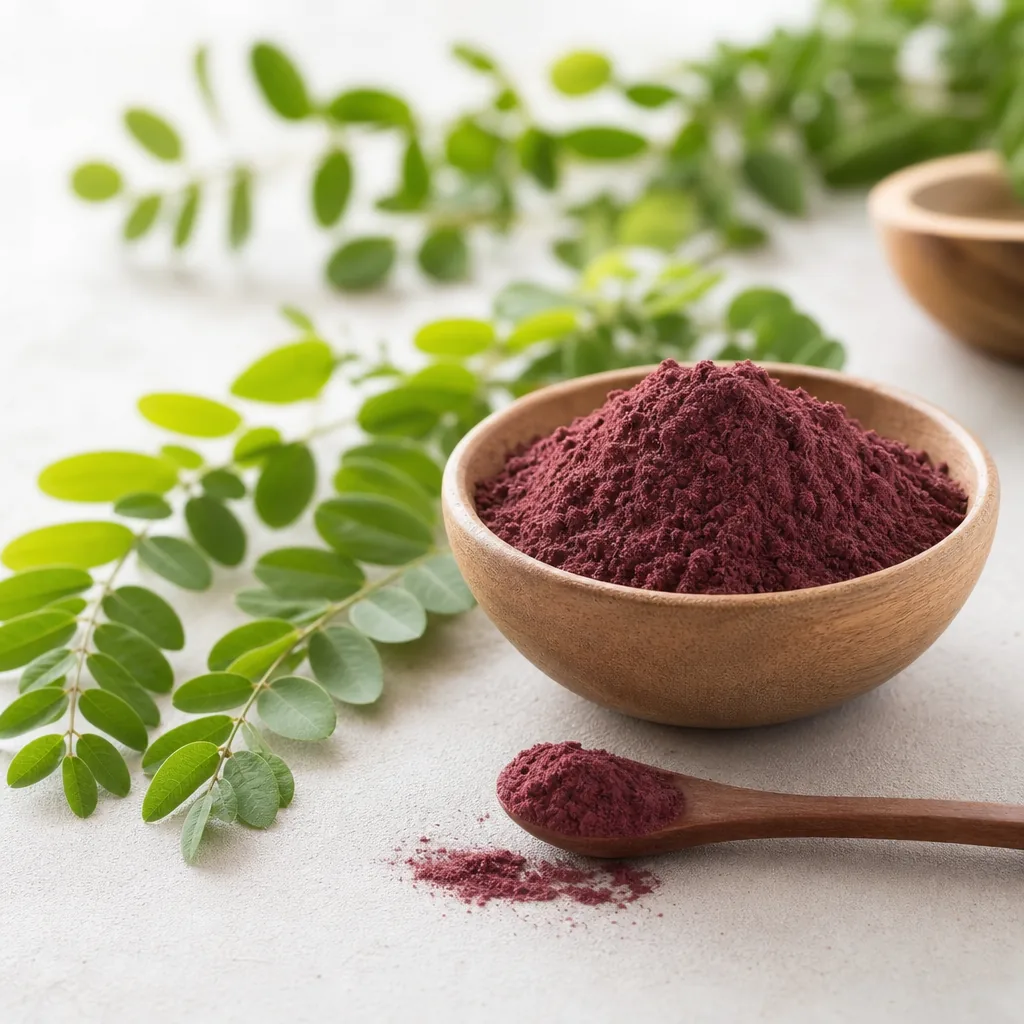
What is Pyrroloquinoline? Pyrroloquinoline most commonly refers to pyrroloquinoline quinone, abbreviated PQQ. PQQ is a small, redox-active quinone compoun…
Read more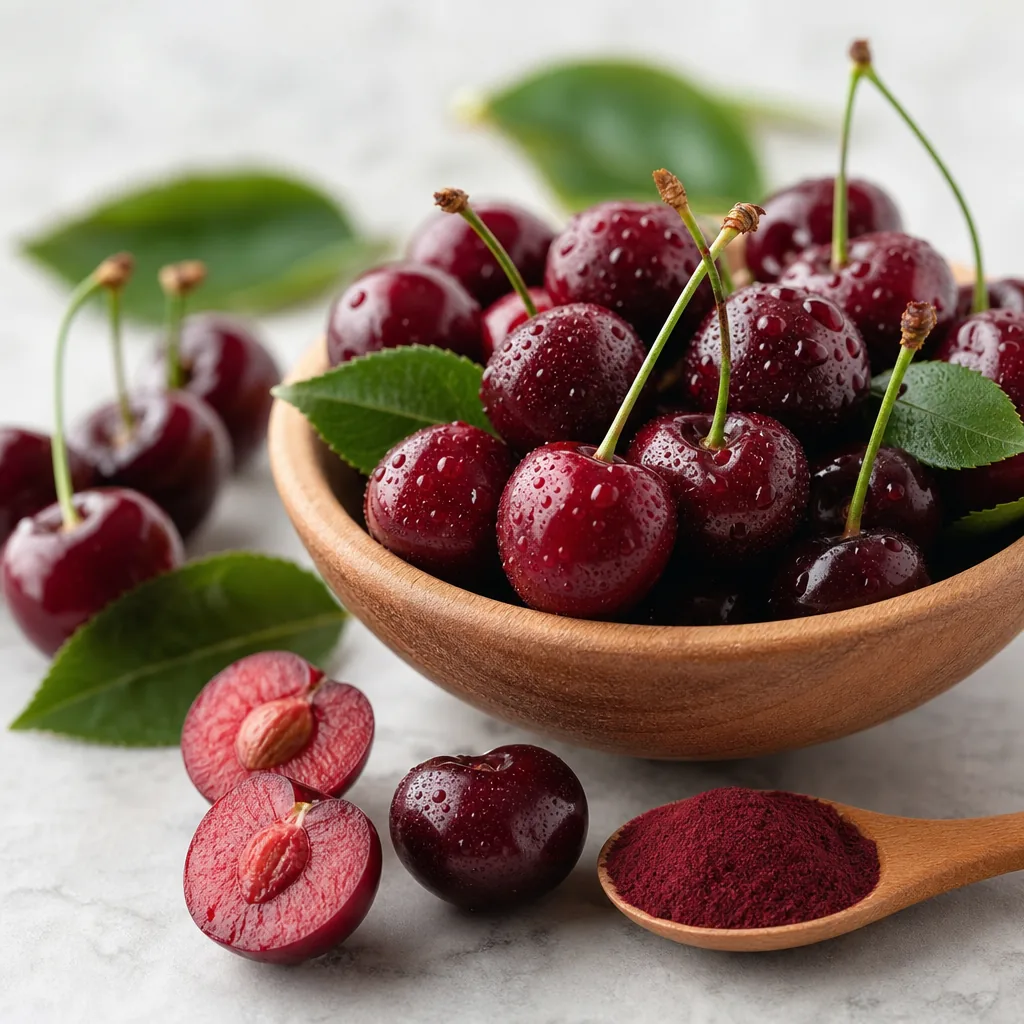
What is Tart Cherry? Tart cherry refers to the sour cherry varieties, most commonly Montmorency (Prunus cerasus), that are higher in certain plant compoun…
Read more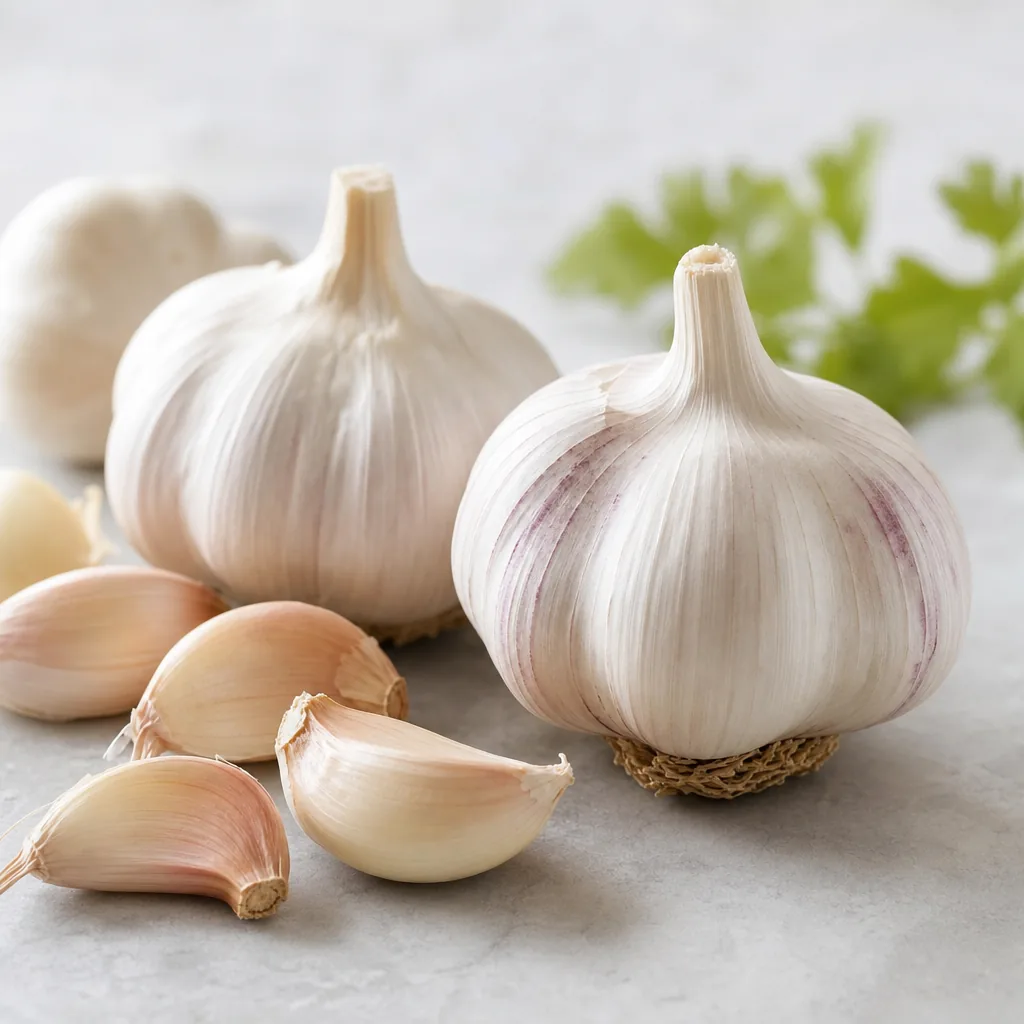
What is Garlic Bulb? Garlic bulb (Allium sativum) is a culinary plant from the onion family that has been used for flavor and traditional wellness practic…
Read more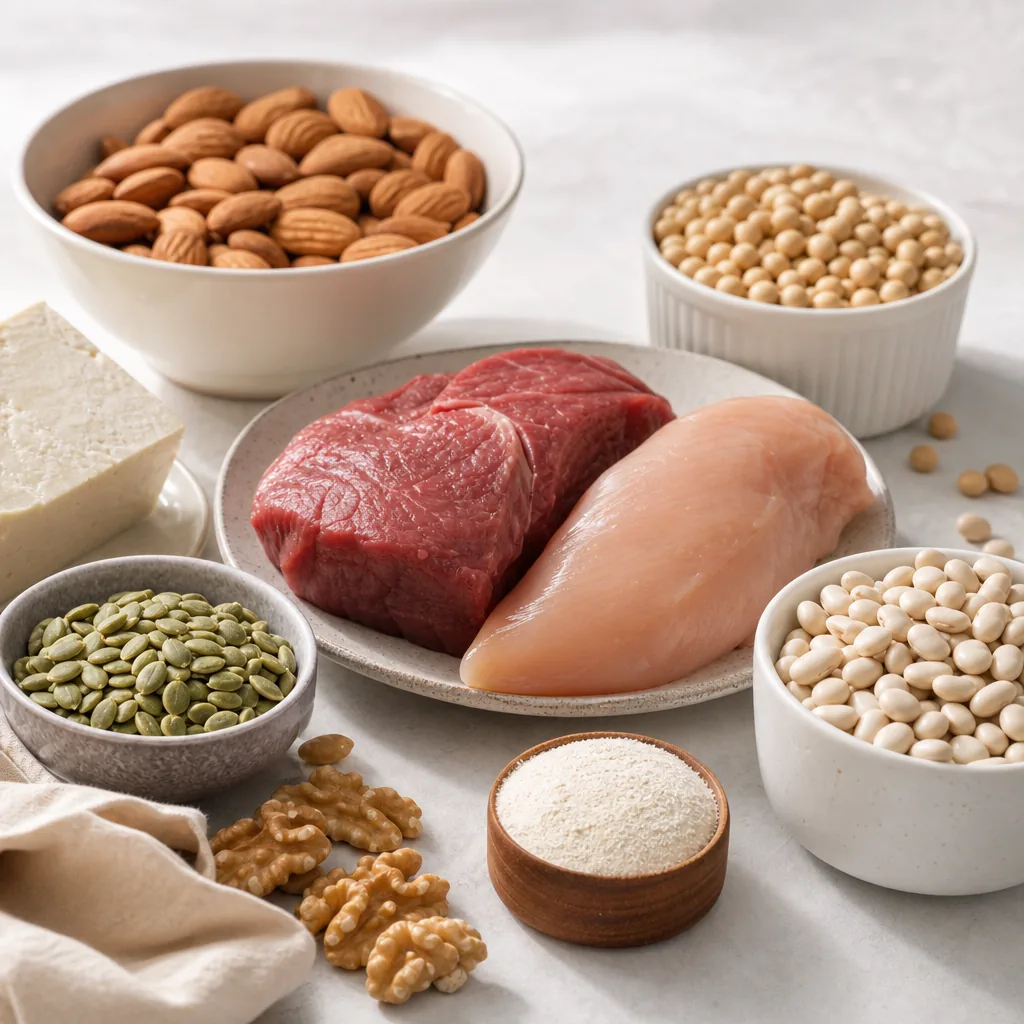
What is L-Arginine? L-Arginine is a naturally occurring amino acid that the body uses to make proteins and several key molecules. It is best known as a di…
Read more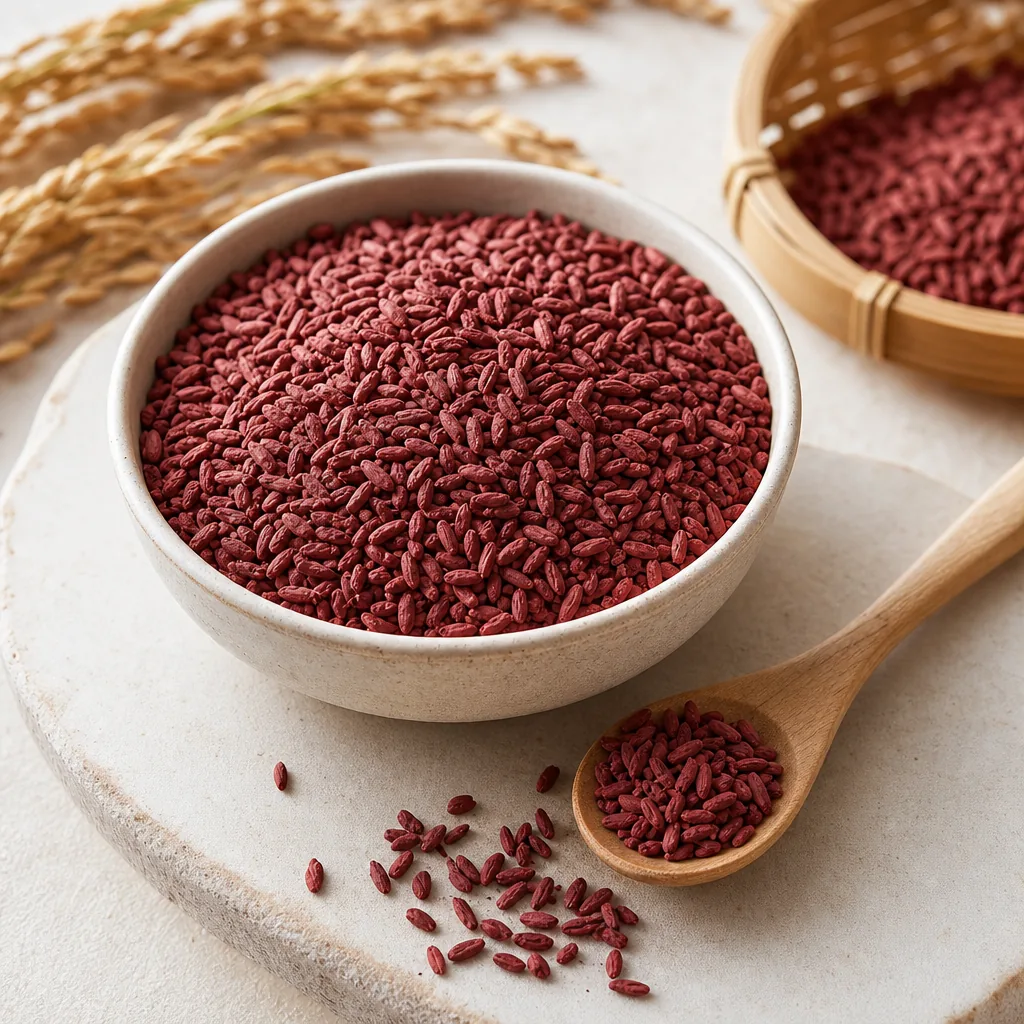
What is Red Yeast Rice? Red yeast rice (RYR) is a traditional East Asian fermented food made by culturing rice with Monascus species of yeast, most common…
Read more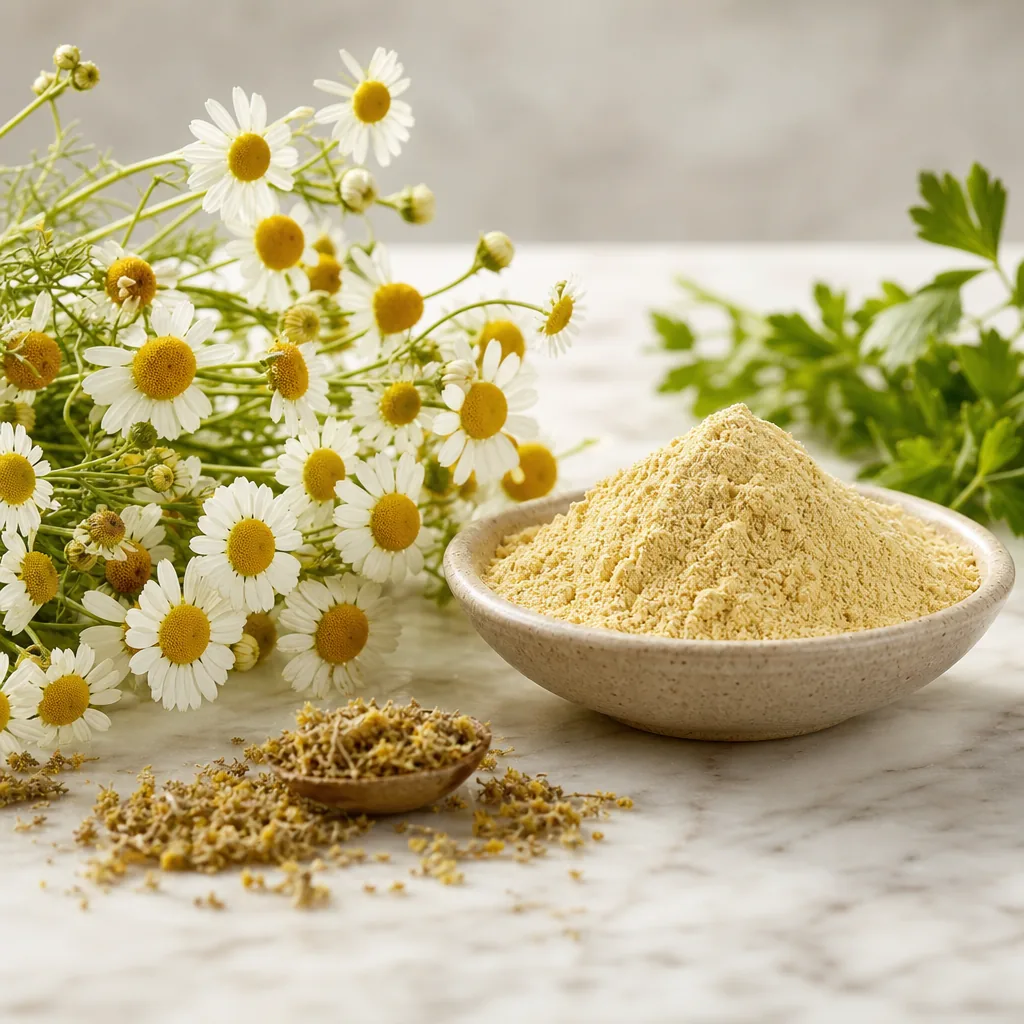
What is Apigenin? Apigenin is a naturally occurring plant compound belonging to the flavone family of polyphenols. It is found in many culinary herbs and …
Read more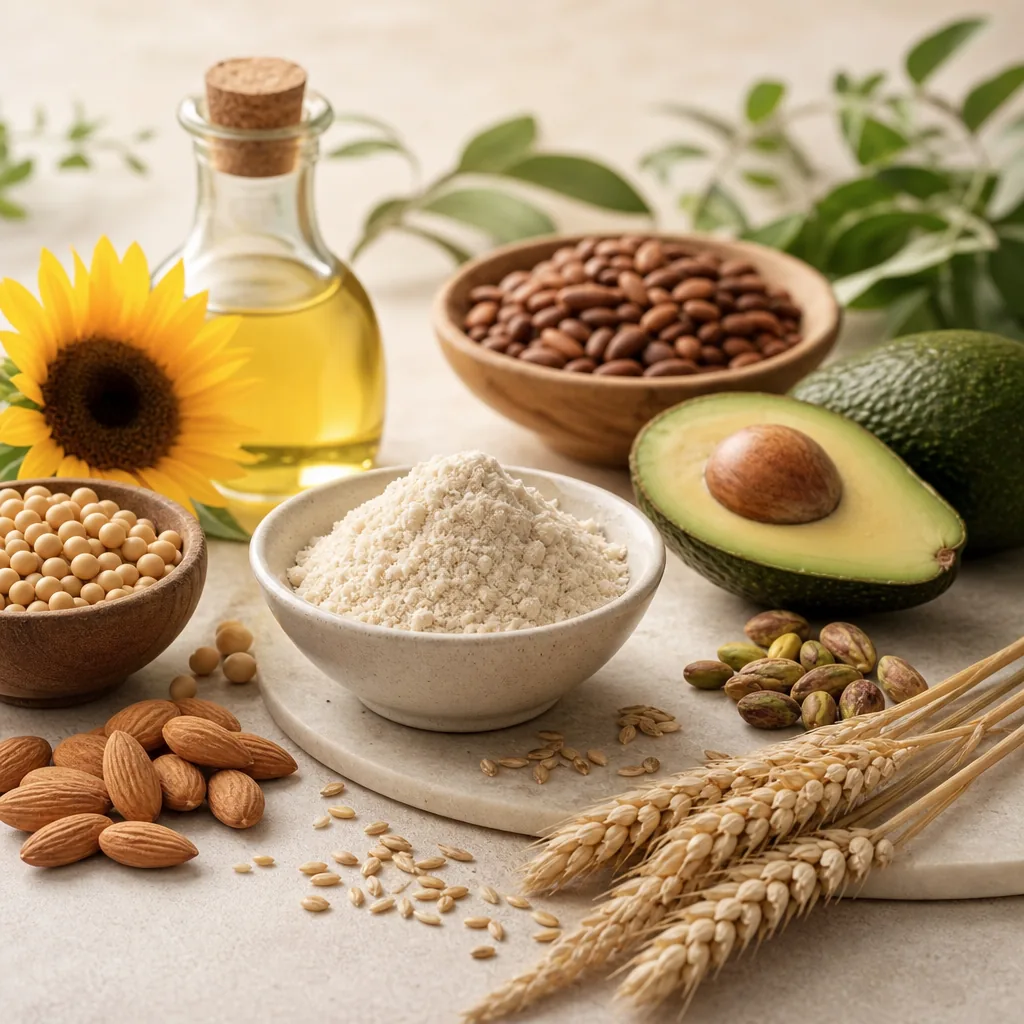
What is Phytosterols? Phytosterols are a family of plant-derived sterols and stanols—naturally occurring compounds found in small amounts in many plant fo…
Read more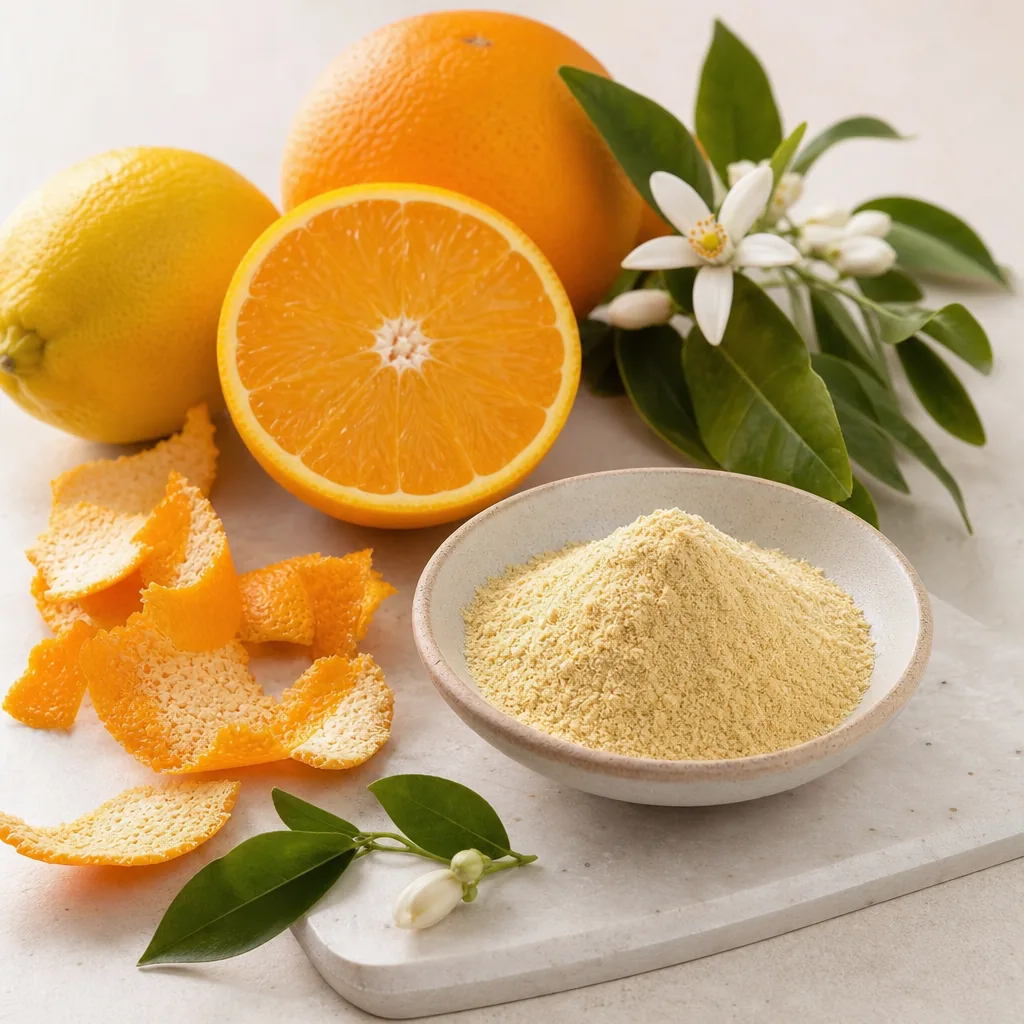
What is Hesperidin? Hesperidin is a citrus bioflavonoid—a plant-derived polyphenolic compound—found primarily in the peels, pith, and membranes of sweet o…
Read more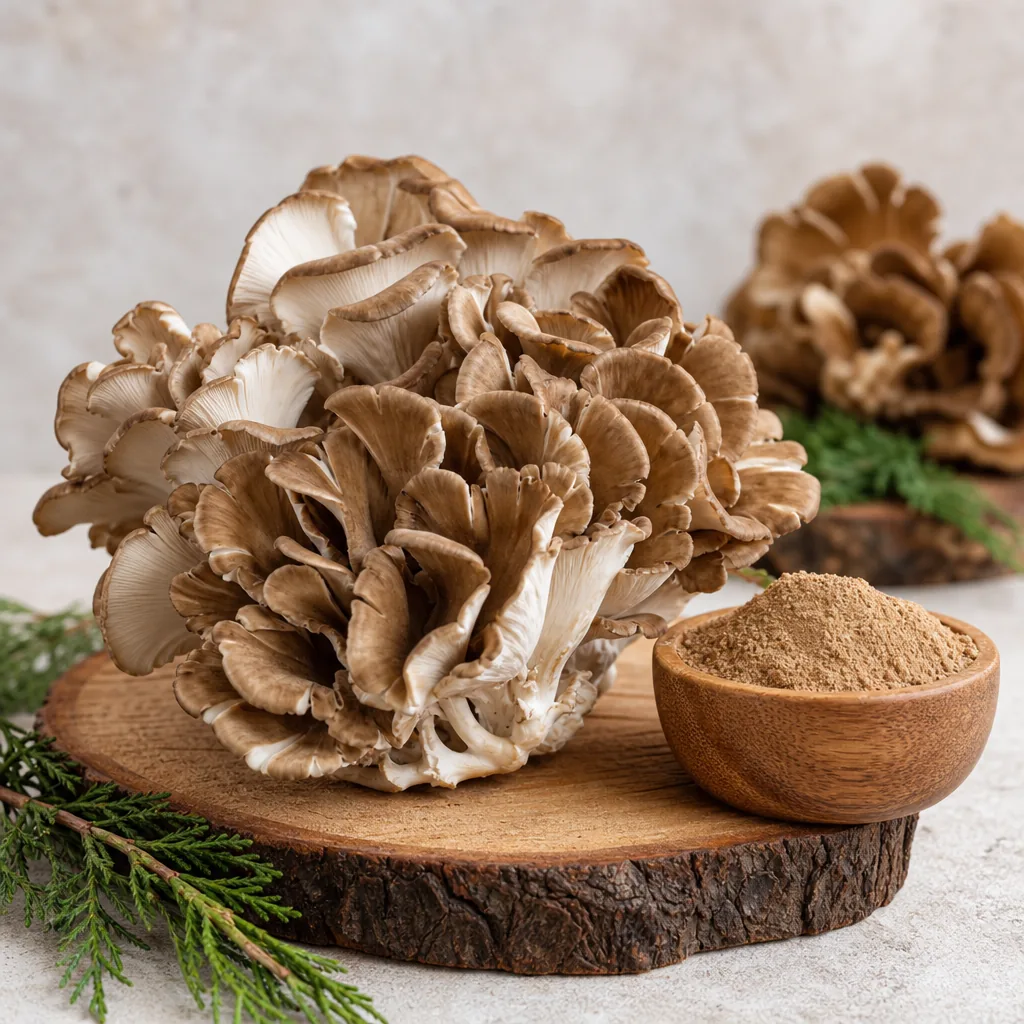
What is Maitake? Maitake (Grifola frondosa), also known as “hen of the woods,” is an edible, wood-growing polypore mushroom native to East Asia and found …
Read more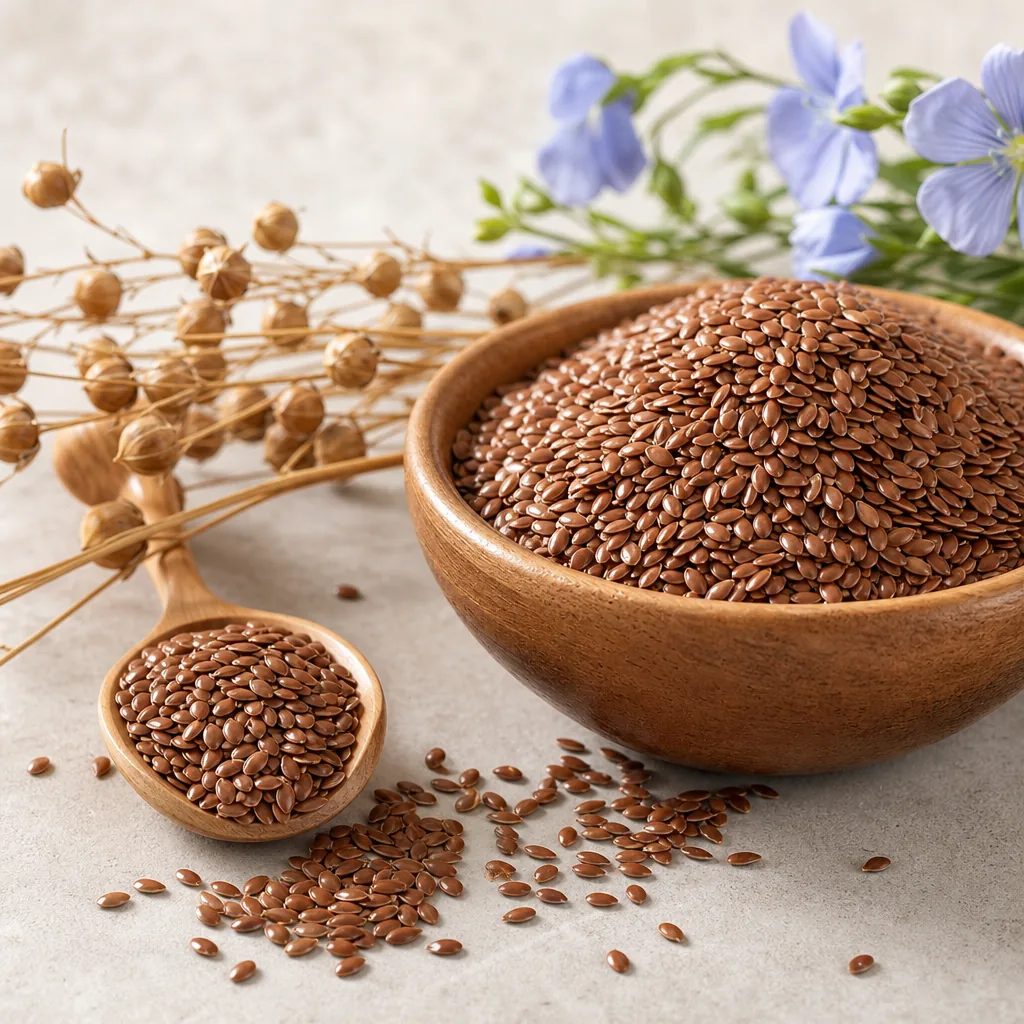
What is Flax Seed? Flax seed (Linum usitatissimum), also called linseed, is the small, edible seed of the flax plant. It has been cultivated for thousands…
Read more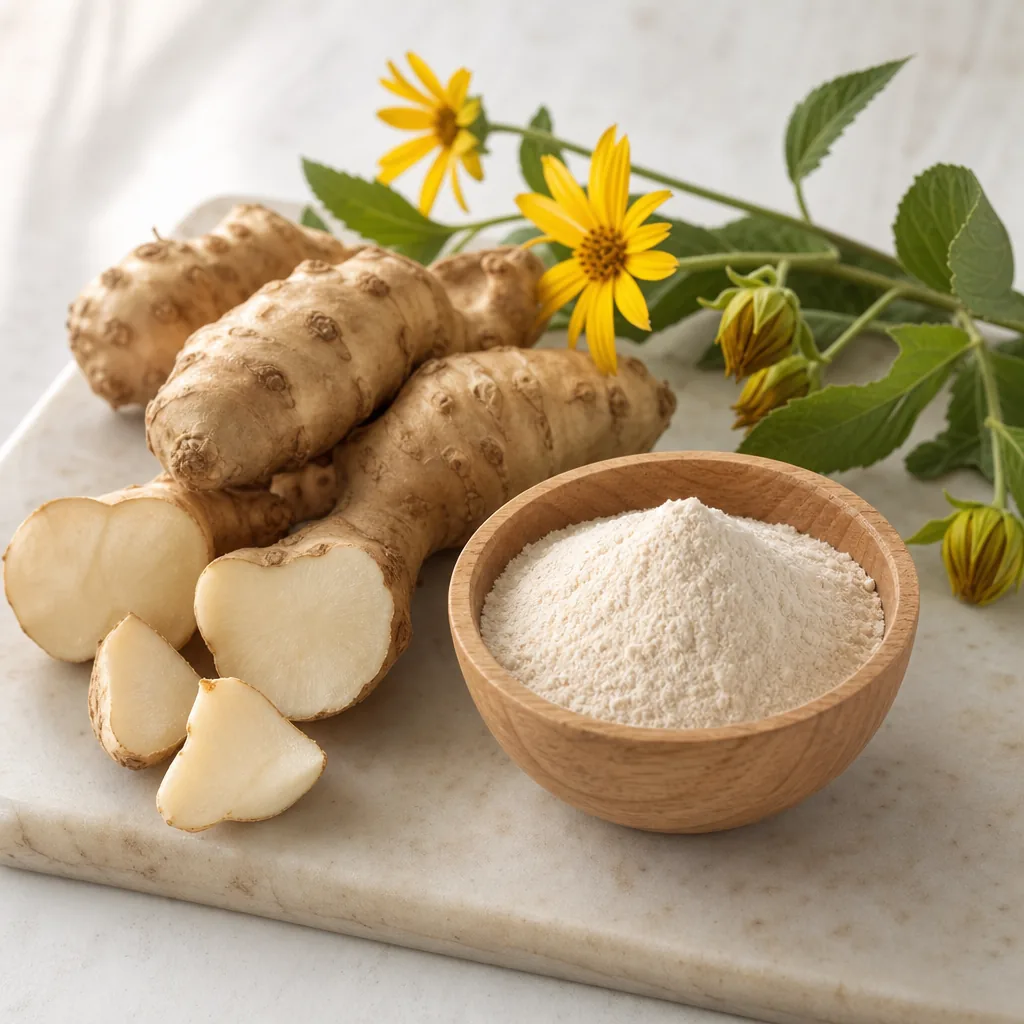
What is Inulin? Inulin is a type of soluble, fermentable dietary fiber made up of fructose chains (fructans). It naturally occurs in many plants, with chi…
Read more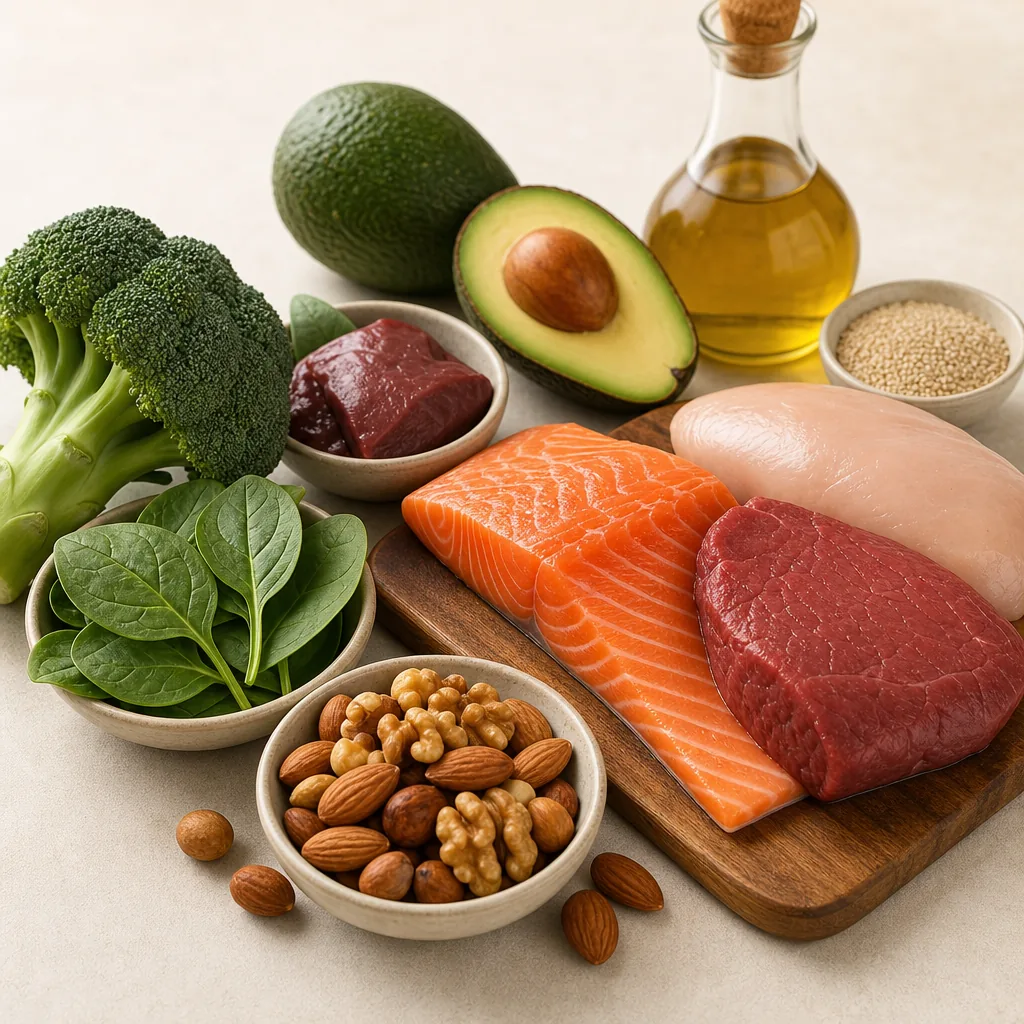
What is Coenzyme Q10? Coenzyme Q10 (CoQ10), also called ubiquinone in its oxidized form and ubiquinol in its reduced form, is a fat-soluble compound found…
Read more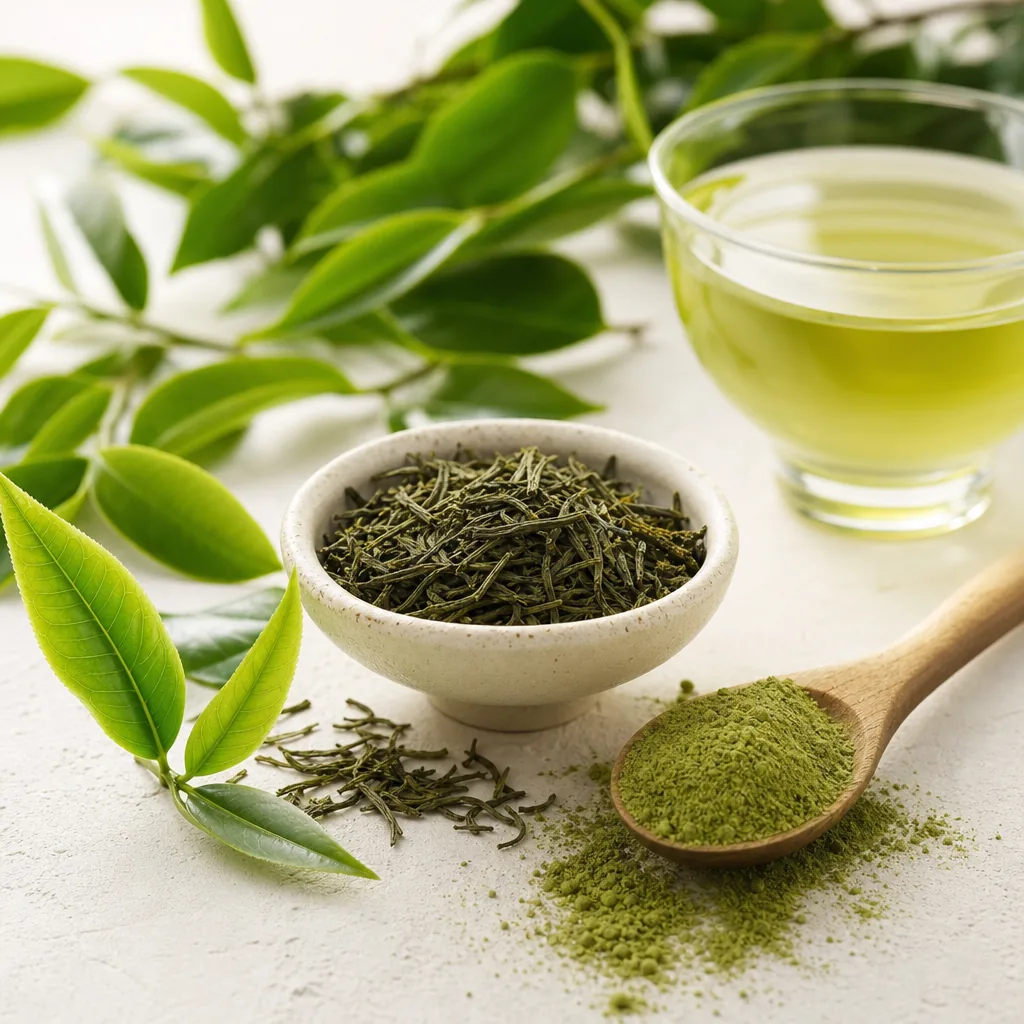
What is Green Tee Leaf? Green Tee Leaf—more commonly known as green tea leaf—comes from the plant Camellia sinensis. Unlike black or oolong tea, green tea…
Read more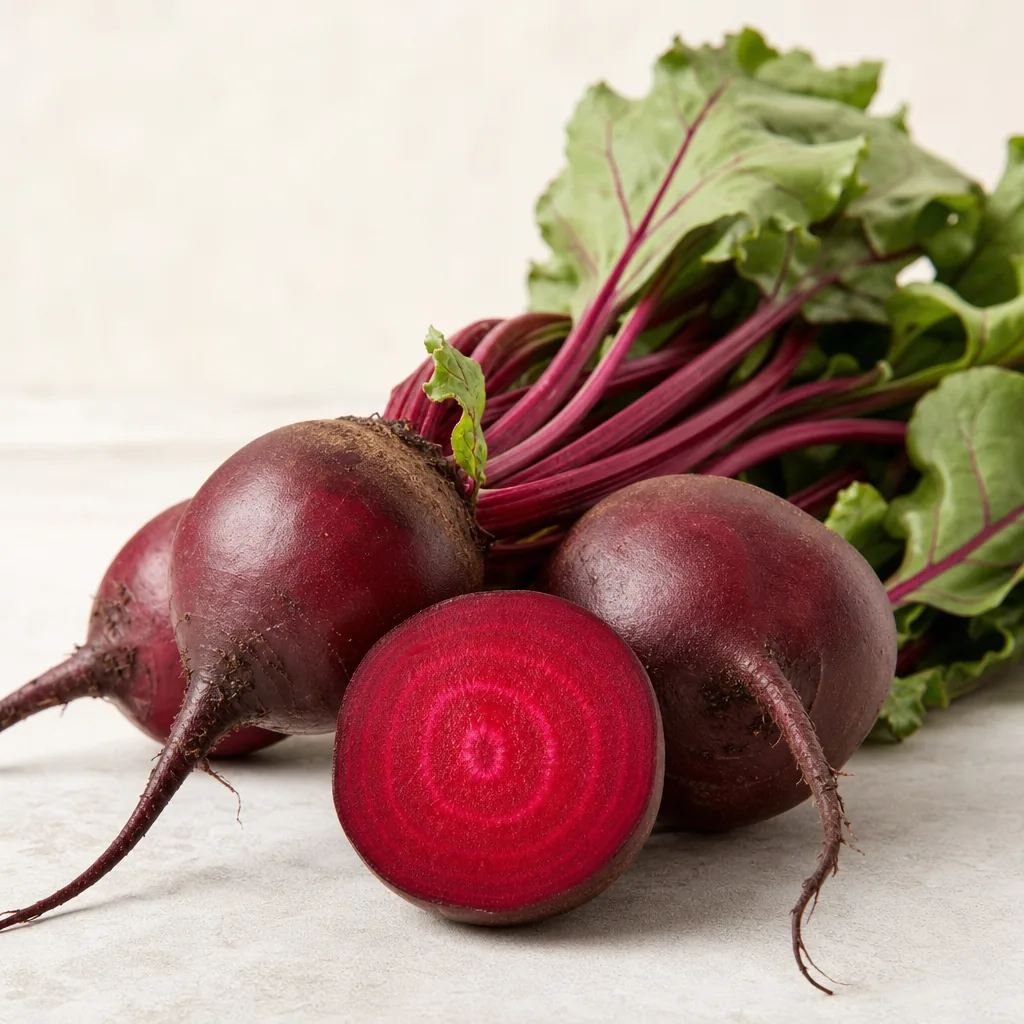
What is Beet root? Beet root (Beta vulgaris), commonly called beetroot or simply “beets,” is the bulbous root of a vegetable in the amaranth family. It is…
Read more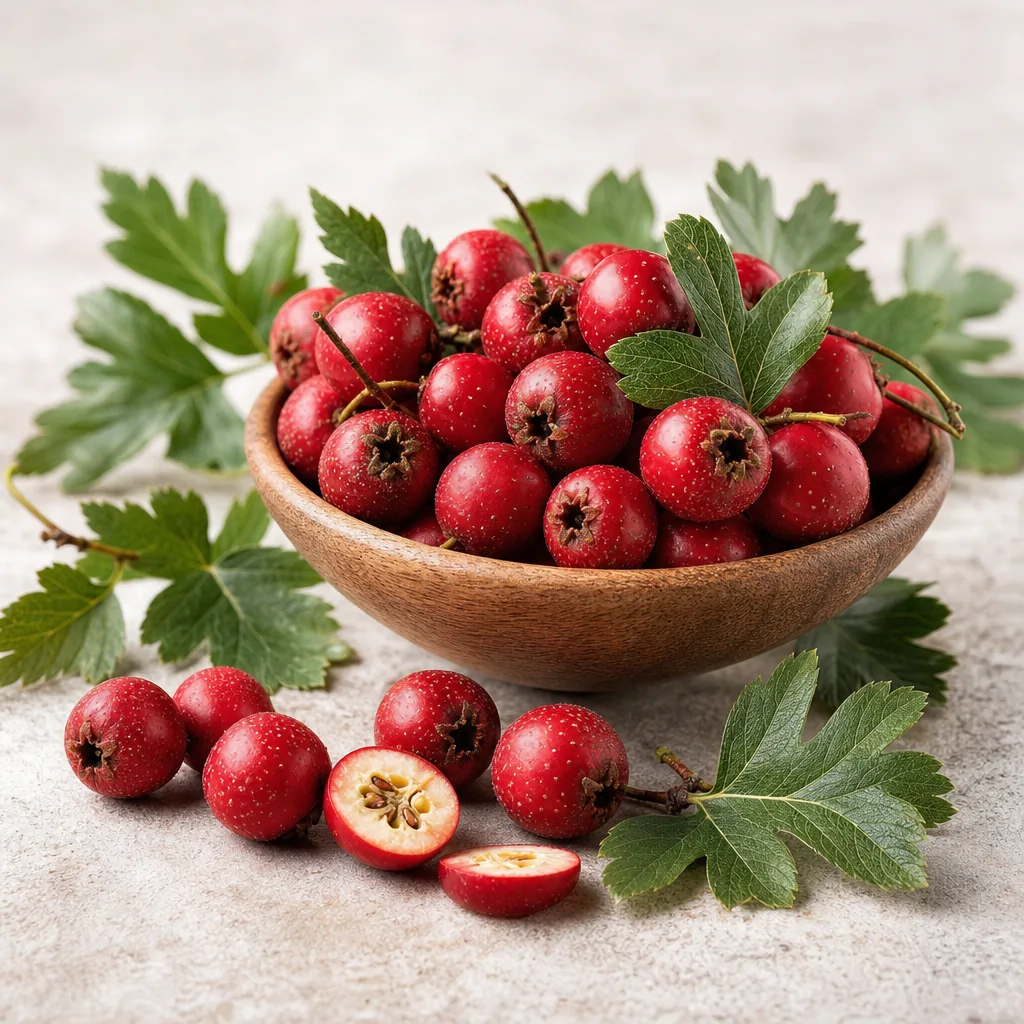
What is Hawthorn? Hawthorn (genus Crataegus) is a thorny shrub or small tree in the rose family (Rosaceae). It grows widely across Europe, Asia, and North…
Read more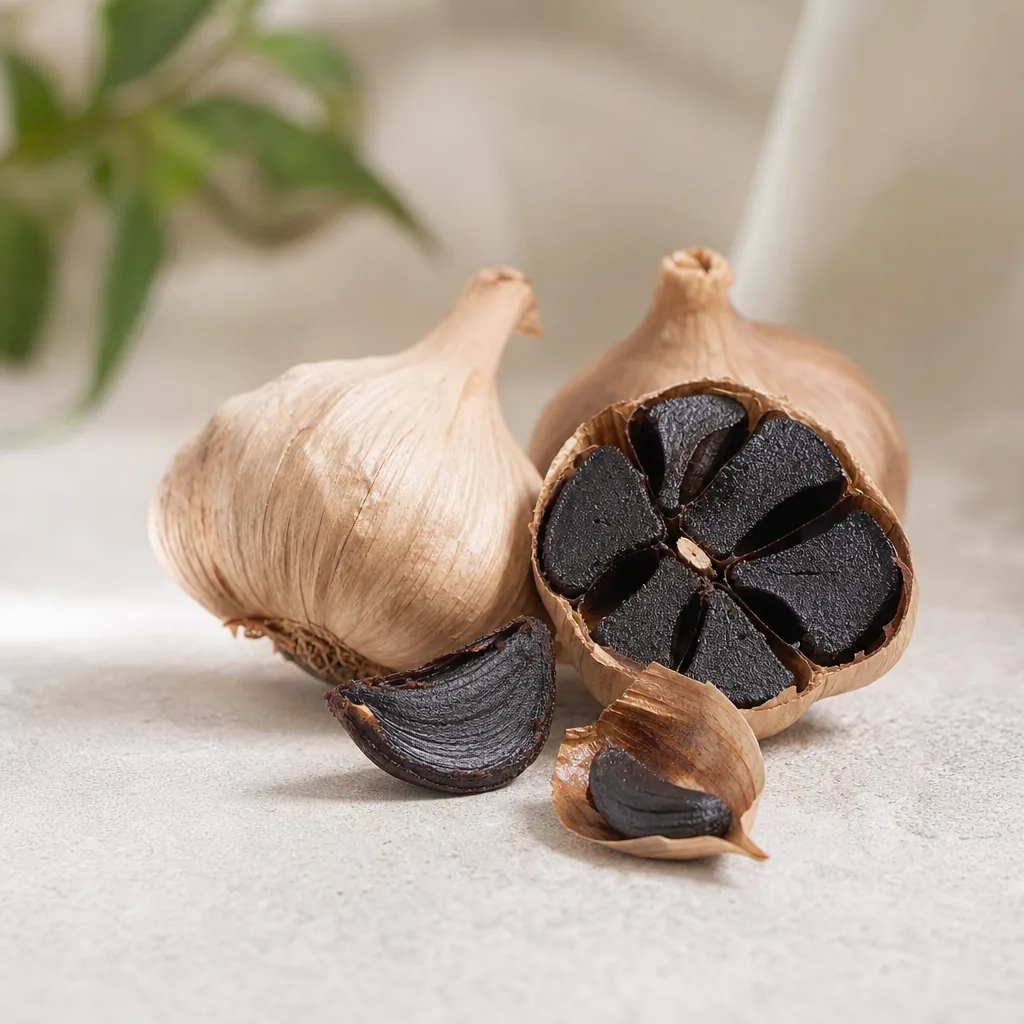
What is Black Garlic? Black garlic is a culinary form of garlic (Allium sativum) that has been slowly aged at controlled warm temperatures and high humidi…
Read more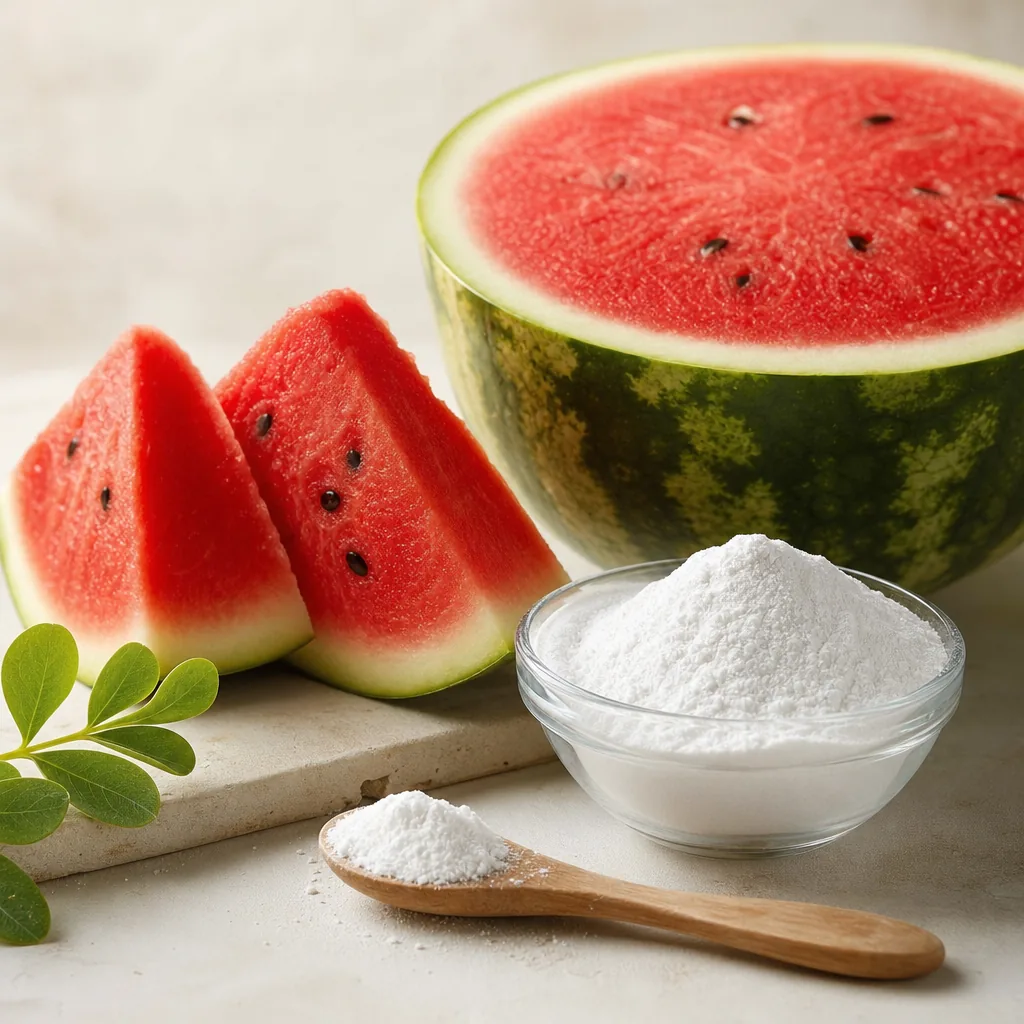
What is L- Citruline? L- Citruline—more commonly spelled L-citrulline—is a non-proteinogenic amino acid found naturally in watermelon (Citrullus lanatus) …
Read more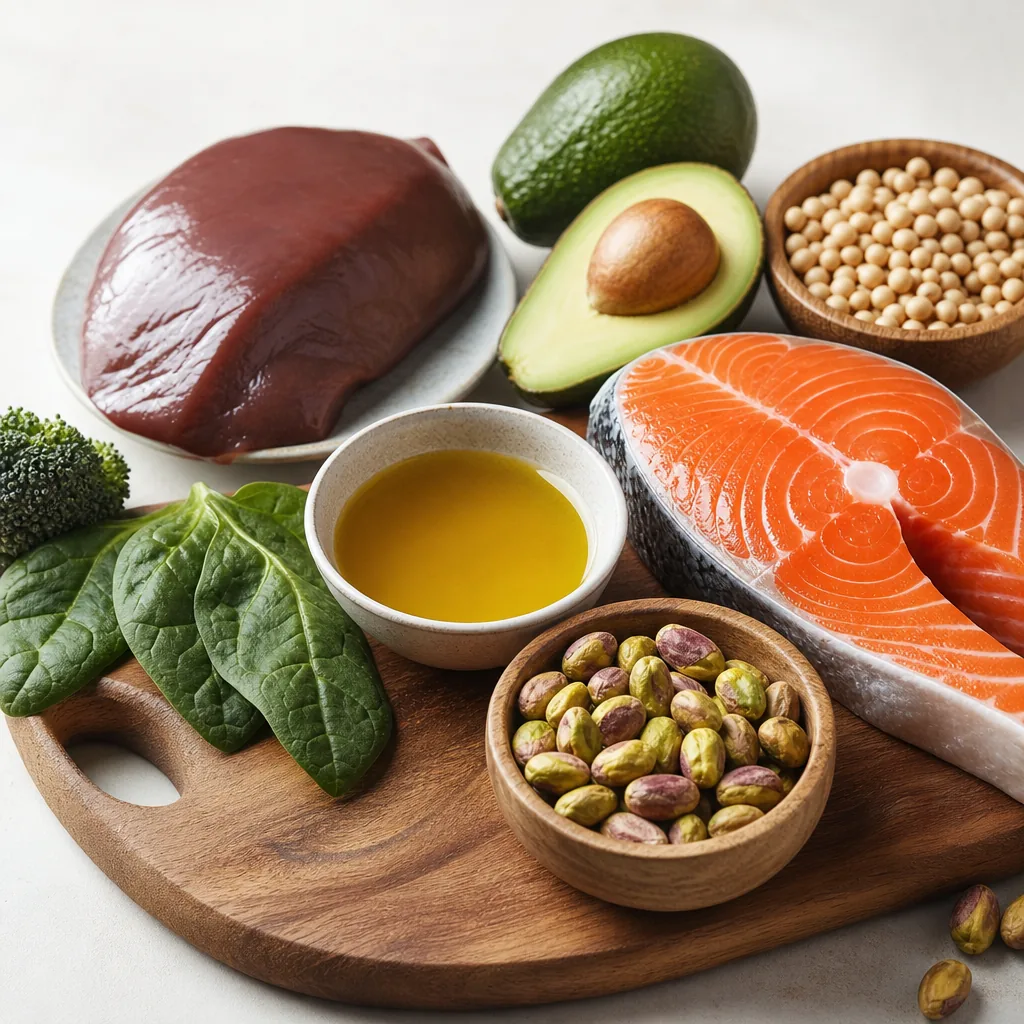
What is Ubiquinol? Ubiquinol is the reduced, antioxidant form of coenzyme Q10 (CoQ10), a fat-soluble compound made naturally in the body and found in smal…
Read more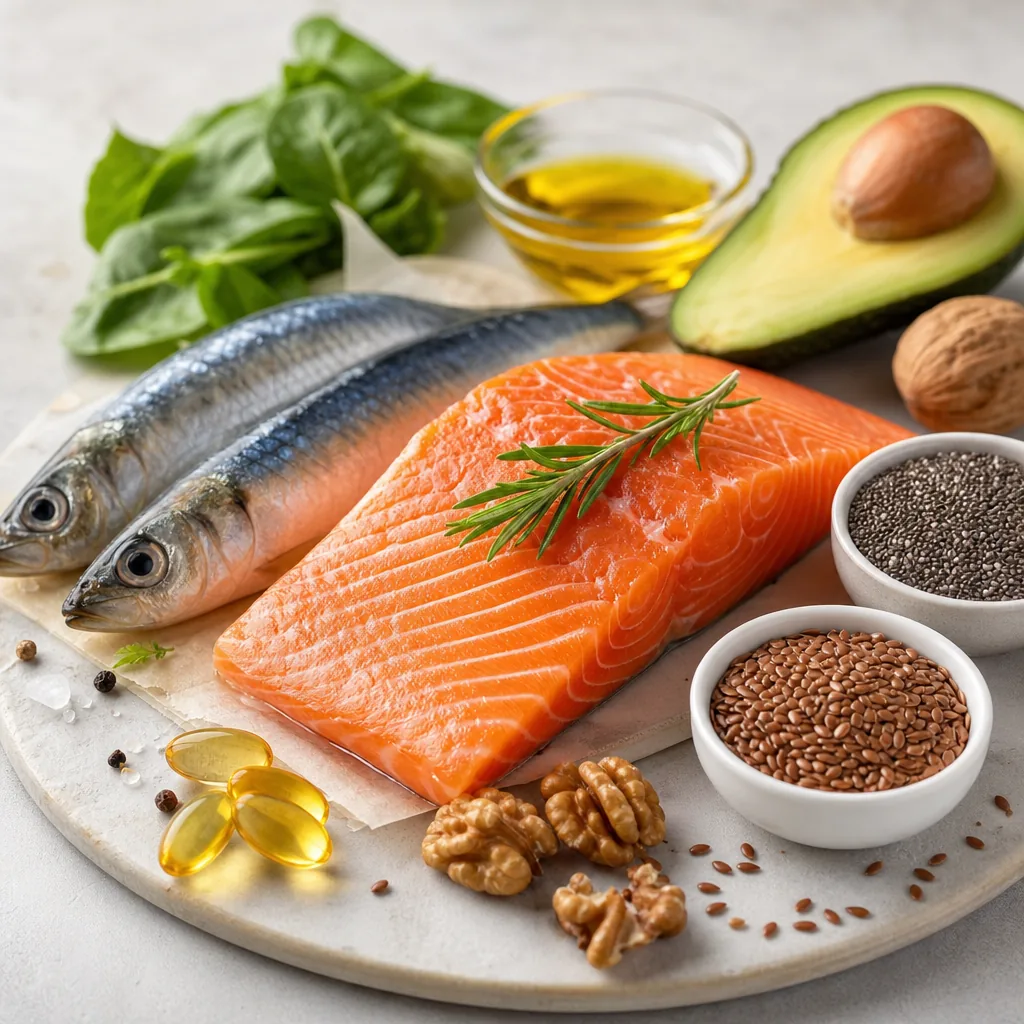
What is Omega 3? Omega-3 fatty acids are a family of polyunsaturated fats found in certain foods and supplements. The three most discussed are alpha-linol…
Read more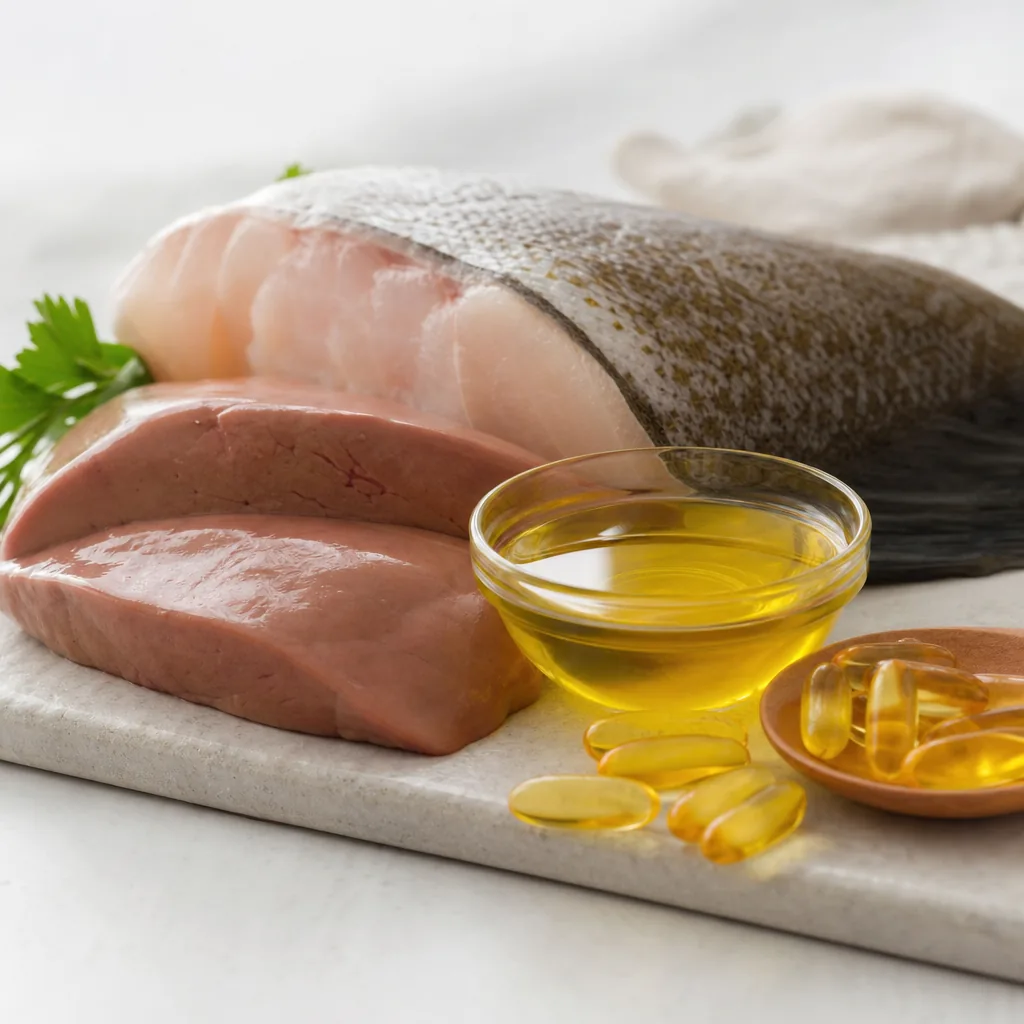
What is Cod Liver Oil? Cod liver oil is a food-derived oil extracted from the livers of codfish (most commonly Atlantic cod). It is best known as a tradit…
Read more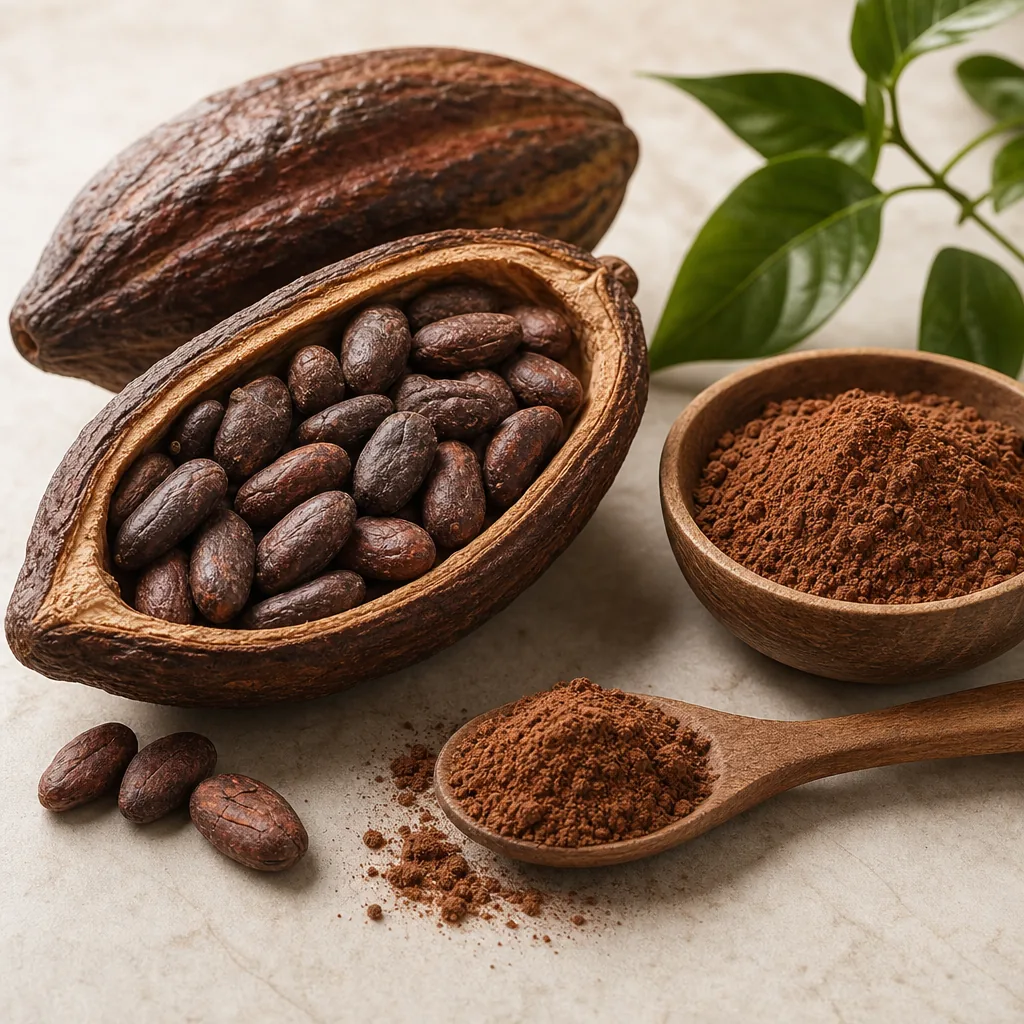
What is Theobromine? Theobromine is a naturally occurring methylxanthine compound found primarily in cacao (the beans used to make cocoa and chocolate). I…
Read more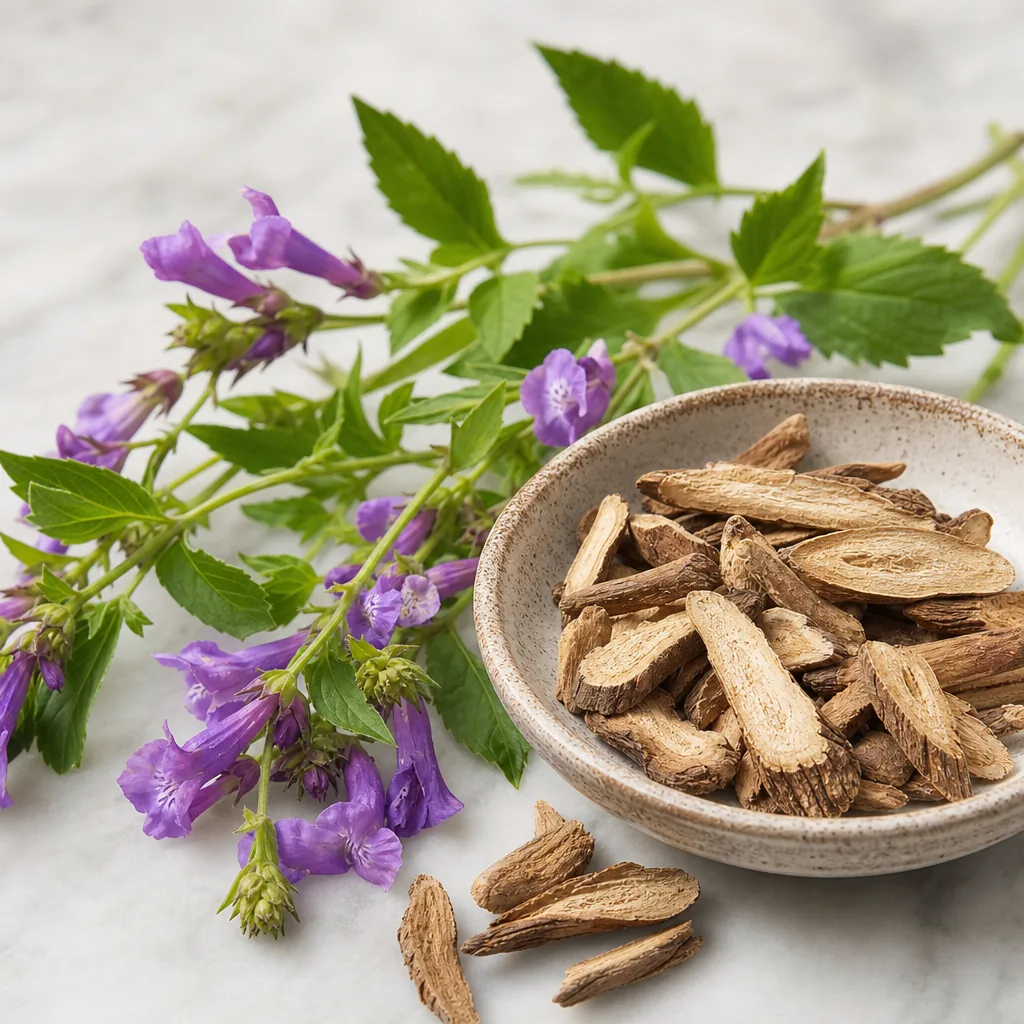
What is Chinese Skullcap? Chinese skullcap (Scutellaria baicalensis Georgi), also known as Huang Qin, is a perennial herb in the mint family whose dried r…
Read more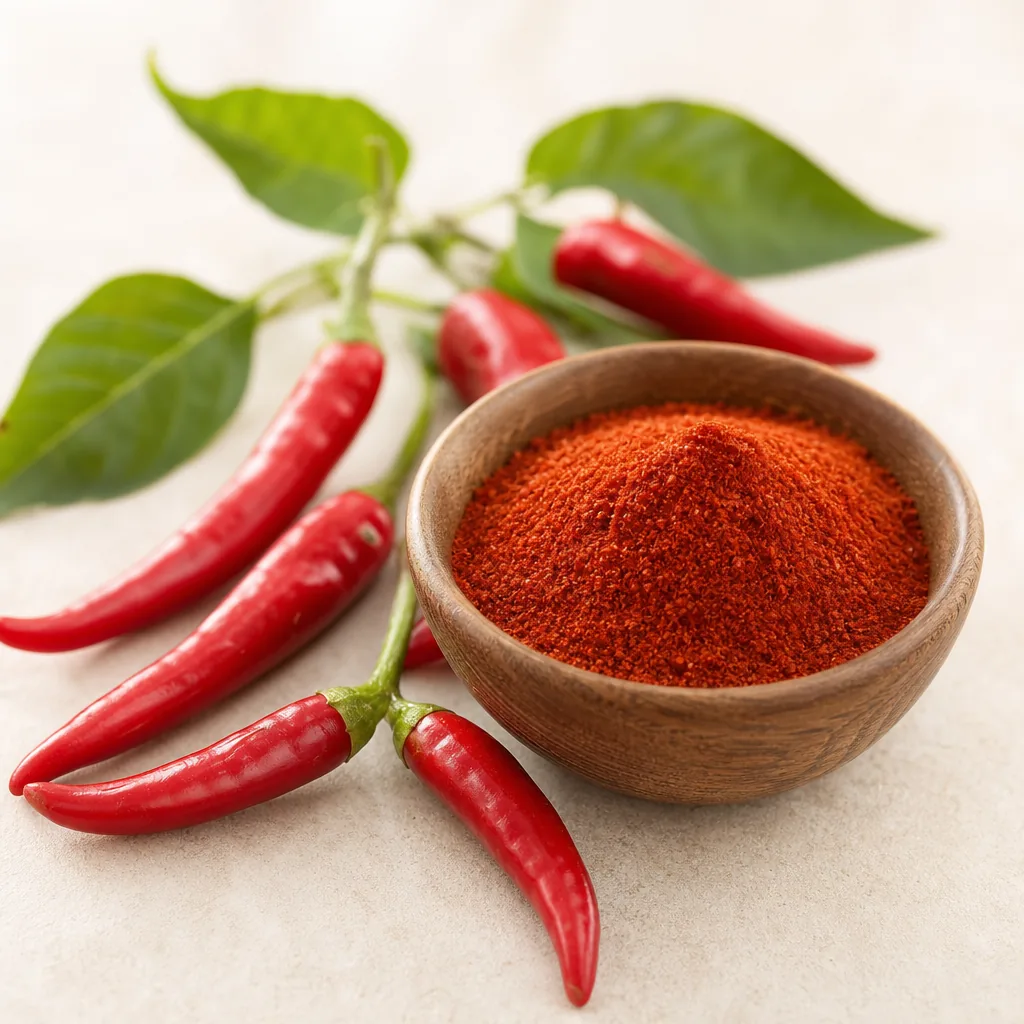
What is Cool Cayenne? Cool Cayenne is a supplemental form of cayenne pepper (Capsicum annuum) designed to deliver the potential benefits of capsaicinoids—…
Read more