What is Barberry Extract?
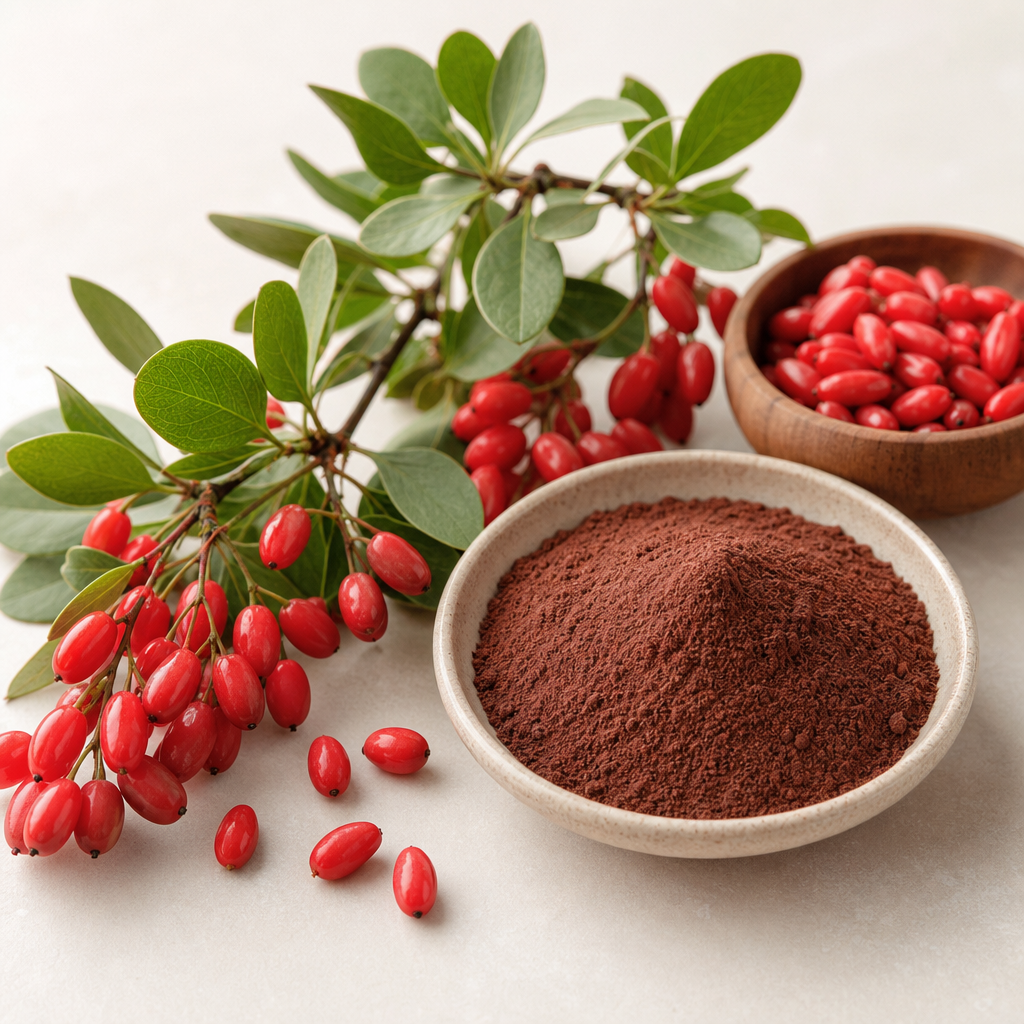
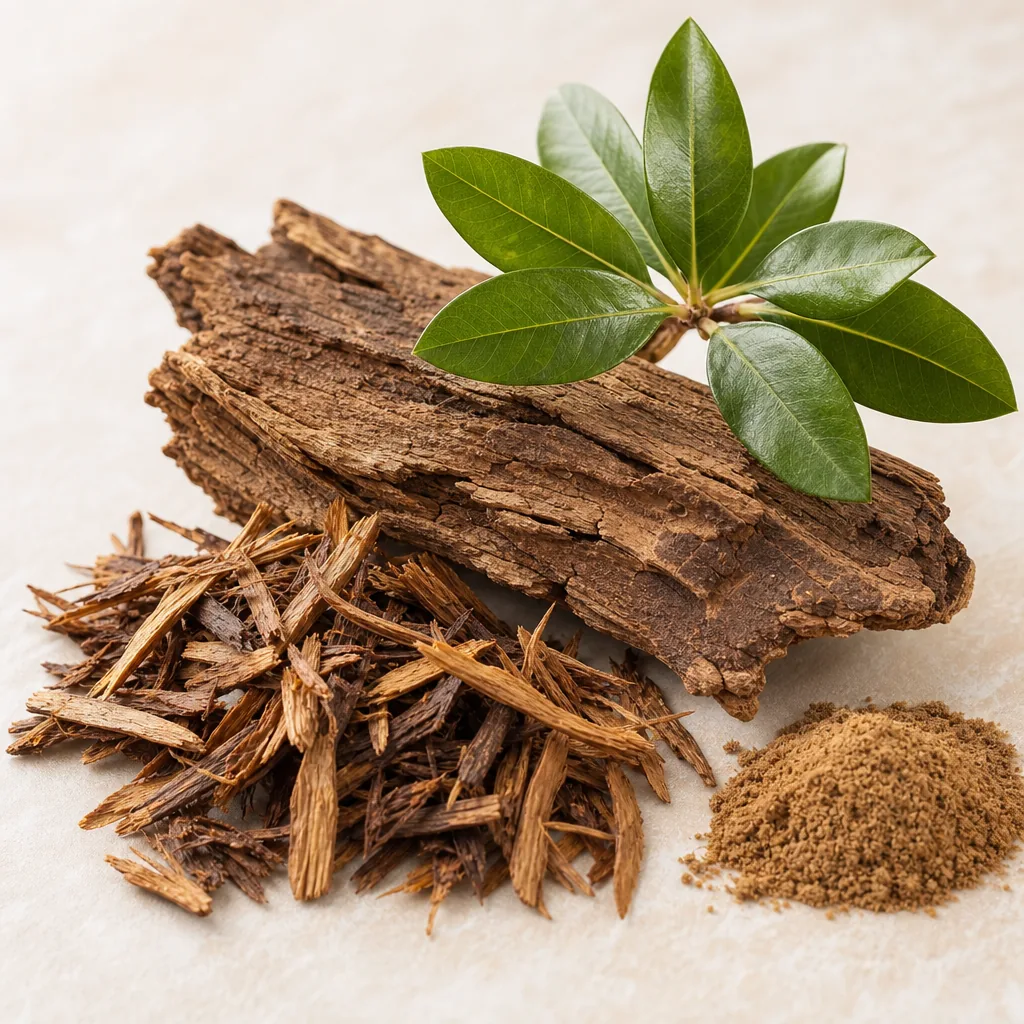
Barberry extract is a botanical preparation made from parts of shrubs in the Berberis genus, most commonly Berberis vulgaris (European barberry). Traditional systems of medicine have used barberry root, bark, and fruit for digestive complaints and general wellness for centuries. The extract concentrates naturally occurring alkaloids—especially berberine—alongside other plant compounds such as berbamine and palmatine, as well as polyphenols in the fruit.
Barberry extract is not an essential nutrient like a vitamin or mineral. The human body does not require it for basic survival, and there is no recognized deficiency state. Instead, it is considered an herb-derived extract or supplement that may influence certain health markers. Interest in barberry largely stems from research on berberine, a prominent alkaloid that can affect glucose metabolism, lipids, and microbial balance. Whole-plant extracts may provide a broader mix of compounds than isolated berberine, though this can also make dosing and effects more variable.
Benefits of Barberry Extract
-
Supports healthy blood sugar and insulin sensitivity
(Moderate evidence)
Barberry extracts that supply berberine have demonstrated improvements in fasting blood glucose, post-meal glucose, and HbA1c in several clinical trials, especially in people with type 2 diabetes or insulin resistance. Proposed mechanisms include activation of AMPK (a cellular energy sensor), reduced hepatic glucose production, modulation of gut microbiota, and effects on intestinal glucose transporters. Benefits appear most consistent when used alongside diet and physical activity, and sometimes in combination with standard care under medical supervision.
-
Improves lipid profile (cholesterol and triglycerides)
(Moderate evidence)
Human studies have reported reductions in total cholesterol, LDL-C, and triglycerides, with occasional modest increases in HDL-C, after supplementation with barberry-derived alkaloids such as berberine. Mechanistically, berberine can increase LDL receptor expression and influence lipid metabolism pathways, aiding the clearance of LDL from circulation. Results are generally more evident in those with dyslipidemia and when paired with lifestyle changes.
-
Adjunctive support for fatty liver and metabolic syndrome markers
(Mixed evidence)
Small trials suggest barberry or berberine-containing regimens may improve liver enzymes (ALT/AST) and reduce liver fat content in nonalcoholic fatty liver disease (NAFLD), particularly when combined with calorie control and activity. However, not all studies agree on the magnitude of effect, and differences in extract standardization and study design make conclusions cautious.
-
Antimicrobial and gastrointestinal support
(Limited evidence)
Barberry has traditional use for digestive complaints, and laboratory studies show activity against various bacteria and some protozoa. Small clinical studies and herbal practice suggest potential benefits for occasional diarrhea and as an adjunct in managing Helicobacter pylori under professional care. Evidence in humans remains limited and strain- and context-specific; it should not replace appropriate medical treatment for infections.
-
Weight management and waist circumference
(Preliminary evidence)
Early studies indicate modest reductions in body weight and central adiposity with berberine or barberry-derived interventions, likely related to improved insulin sensitivity and AMPK activation. Effects are typically small and should be viewed as a supportive tool alongside nutrition quality, calorie control, sleep, and physical activity.
-
Skin health (acne severity)
(Limited evidence)
A small randomized trial in adolescents reported improvements in acne lesion counts with barberry fruit extract. The proposed mechanisms include antimicrobial effects and modulation of inflammation. Larger, higher-quality trials are needed to confirm consistency, optimal dosing, and long-term safety for this use.
Types or Forms Available
-
Barberry root or bark extract (Berberis vulgaris):
Typically standardized to a percentage of total alkaloids or berberine. The root and stem bark are richer in berberine than the fruit. Standardization helps provide more predictable dosing, but products can vary widely in potency.
-
Barberry fruit extract:
Lower in berberine than root/bark but richer in anthocyanins and other polyphenols. Used traditionally in culinary applications (e.g., Persian zereshk) and sometimes studied for skin or digestive support. Often standardized to polyphenols rather than berberine.
-
Isolated berberine (e.g., berberine HCl):
A single-alkaloid supplement derived from barberry and other plants (such as Coptis or Oregon grape). While not a whole-barberry extract, it is commonly grouped with barberry-related products due to overlapping mechanisms. Provides more consistent alkaloid dosing but lacks the broader phytochemical profile of whole extracts.
-
Tinctures and liquid extracts:
Hydroalcoholic preparations of barberry plant material. Useful for flexible dosing and for those who prefer liquids. Potency and taste can vary; labels should indicate the herb-to-extract ratio.
-
Whole herb powders and dried berries:
Powders from root/bark or culinary dried berries. These forms are less standardized and typically provide lower, less predictable amounts of alkaloids. Best suited for culinary or general wellness use rather than targeted dosing.
-
Combination formulas:
Barberry or berberine combined with metabolic-support botanicals (e.g., cinnamon, banaba, milk thistle). These may target multiple pathways but make it difficult to attribute effects or adjust individual ingredient doses.
How to Use Barberry Extract
Practical use depends on the goal, the specific product, and how it is standardized. Evidence for metabolic effects is strongest with isolated berberine, while whole-barberry extracts may offer broader but less predictable phytochemical support. Always follow product directions and consult a clinician when managing a health condition or taking medications.
-
Common dosage range:
For barberry root/bark extracts, typical supplemental amounts fall around 400–1,200 mg per day in divided doses, though actual berberine content will vary by standardization. For barberry fruit extract, common amounts are about 500–1,000 mg per day. For isolated berberine, many studies use 900–1,500 mg per day, divided with meals. Start low to assess tolerance, and avoid exceeding label directions unless advised by a healthcare professional.
-
Best timing:
Taking doses with meals may improve gastrointestinal tolerance and align with post-meal glucose control. When using multiple daily doses, morning and evening with food is common.
-
How to take it:
Swallow capsules or tablets with water and food. Tinctures can be mixed with a small amount of water. Because berberine can affect intestinal transporters, consider separating barberry/berberine by 2–3 hours from critical medications, unless your clinician directs otherwise.
-
Consistency:
For metabolic support, consistent daily use for 8–12 weeks is typically needed to fairly judge effects. Long-term continuous use should be periodically reviewed with a clinician, especially if you take medications or have liver, kidney, or cardiovascular conditions.
Food Sources and Supplement Options
Barberry is a plant, not a dietary macronutrient or vitamin, and its key alkaloids are not widely distributed in common foods. The edible red berries of Berberis vulgaris (zereshk) are used in Persian and Middle Eastern cuisine; they provide polyphenols and a tart flavor but relatively little berberine compared with the root or bark.
-
Natural source:
Barberry shrubs (Berberis vulgaris and related species). Roots and bark are richest in alkaloids; berries are used culinarily and for polyphenols.
Supplements are commonly chosen when targeted, consistent dosing is desired, particularly for metabolic markers. Whole foods, when applicable, offer additional nutrients and fiber; however, culinary intake of barberry berries is unlikely to deliver the alkaloid levels studied for glucose or lipid effects. High-quality supplements can provide standardized amounts of active compounds, but they should complement—not replace—nutrition, movement, sleep, and medical care when needed.
Who May Benefit from Barberry Extract?
-
Adults working with a clinician to support healthy blood sugar or insulin sensitivity, especially those not achieving goals through lifestyle alone.
-
People with borderline or elevated cholesterol and triglycerides who are optimizing diet and exercise.
-
Individuals with features of metabolic syndrome or nonalcoholic fatty liver disease who are making lifestyle changes and seeking adjunctive support.
-
Those with occasional digestive issues who, under professional guidance, use botanicals with antimicrobial properties as part of a broader plan.
-
Adolescents or adults exploring botanical options for acne, in consultation with a healthcare professional.
-
People who prefer plant-based or herbal approaches and understand that consistency, dosing, and monitoring are important for safety and efficacy.
Side Effects and Considerations
-
Gastrointestinal effects:
Nausea, stomach cramping, constipation, diarrhea, or reduced appetite can occur, especially at higher doses or when starting. Taking with meals and titrating slowly may improve tolerance.
-
Drug interactions (transporters and enzymes):
Berberine can inhibit CYP3A4 and P-glycoprotein, potentially altering blood levels of certain medications (e.g., cyclosporine, tacrolimus, some statins, some calcium channel blockers, and others). It can also enhance the glucose-lowering effect of antidiabetic medications. Separate dosing from critical meds and consult your prescriber.
-
Blood sugar and blood pressure:
Because barberry/berberine may lower glucose and modestly reduce blood pressure, people on antidiabetic or antihypertensive therapy should monitor values to avoid excessive lowering.
-
Pregnancy, breastfeeding, and infants:
Avoid use. Berberine-containing botanicals are not recommended in pregnancy or lactation and are unsafe in newborns and infants due to the risk of bilirubin displacement and other concerns.
-
Liver and kidney considerations:
While some data suggest liver-supportive effects, individuals with liver or kidney disease should use barberry only with medical guidance and periodic lab monitoring.
-
Bleeding and surgery:
Barberry may have mild antiplatelet effects and can influence metabolism of anticoagulant or antiplatelet drugs. Discontinue 1–2 weeks before surgery and coordinate with your healthcare team.
-
Allergies and sensitivities:
Rare hypersensitivity to plants in the Berberidaceae family can occur. Discontinue use if rash, itching, or breathing difficulty develops.
-
Quality and adulteration:
Choose products from reputable brands with third-party testing. Labels should disclose plant part, species, extract ratio, and standardization. Some products may substitute or spike with isolated berberine; transparency helps you dose appropriately.
-
Duration of use:
Long-term safety data for high-dose, continuous use are limited. Periodic reassessment with a healthcare professional is wise, especially if you take multiple medications.
-
Medical supervision:
Anyone who is pregnant, breastfeeding, taking medications, or managing a medical condition should consult a qualified healthcare professional before starting barberry or berberine supplements.
Common Myths About Barberry Extract
-
“Barberry extract is a vitamin you need every day.”
Barberry is a botanical extract, not an essential nutrient. There is no human deficiency state for barberry, and the body does not require it in the way it requires vitamins or minerals.
-
“Barberry cures diabetes and can replace prescribed medication.”
Some studies show improvements in glucose control, but barberry is not a cure and should not replace prescribed treatments. Any changes to medication or supplement plans should be made with a clinician to ensure safety and adequate monitoring.
-
“Natural means completely safe for everyone.”
Barberry can interact with medications, affect blood sugar and blood pressure, and is not appropriate in pregnancy, breastfeeding, or infancy. “Natural” does not guarantee universal safety.
-
“More is always better.”
Higher doses can increase side effects without guaranteeing better results. Evidence-based ranges, product quality, and individual response matter more than maximal dosing.
Conclusion
Barberry extract is a plant-derived supplement valued for its alkaloids—especially berberine—that may help support healthy glucose, lipids, and related metabolic markers, with emerging roles in digestive and skin applications. It is best viewed as an adjunct to a strong foundation of nutrition, movement, sleep, and medical care when needed, rather than a standalone solution. Because product potency varies, choosing standardized, third-party-tested formulas and following evidence-informed dosing can improve predictability and safety.
Not everyone needs barberry. Those who may benefit include adults targeting metabolic markers or exploring adjunctive digestive or skin support, ideally under professional guidance. People who are pregnant or breastfeeding, children, and those taking medications or managing medical conditions should consult a healthcare professional before use. A food-first approach remains appropriate—enjoying barberry berries as part of cuisine adds polyphenols—while supplements can provide more targeted, consistent dosing when clinically appropriate.