What is Beta Alanine?
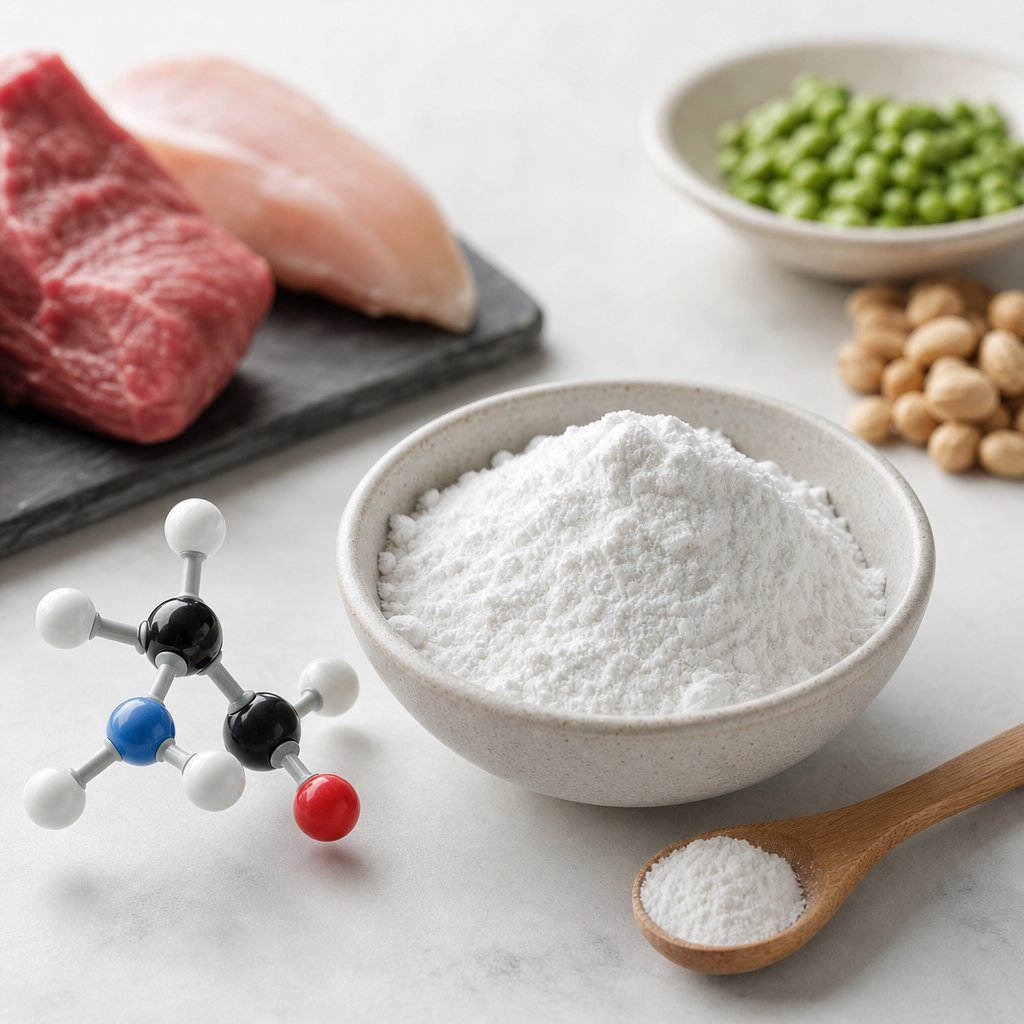
Beta-alanine is a non-essential, non-proteinogenic amino acid that the body can make on its own and also obtain from foods. It is best known as the rate-limiting building block of carnosine, a dipeptide stored in skeletal muscle. Carnosine helps buffer hydrogen ions that accumulate during high-intensity exercise, which can otherwise contribute to the burning sensation and early fatigue. Because of this buffering role, beta-alanine is a popular sports nutrition supplement aimed at improving performance in short, intense efforts.
Unlike essential nutrients such as vitamins or minerals, the human body does not technically require beta-alanine from the diet to survive. However, additional beta-alanine from foods or supplements can raise muscle carnosine levels beyond baseline, which may support performance in specific exercise contexts. Beta-alanine is most accurately described as a dietary compound and sports supplement rather than an essential nutrient, herb, or botanical.
Benefits of Beta Alanine
-
Improved high-intensity exercise capacity (1–4 minutes)
(Strong evidence)
Beta-alanine supplementation increases muscle carnosine, enhancing intracellular buffering during efforts like 400–1500 m track events, rowing pieces, cycling time trials, swimming sprints, and high-intensity intervals. Many controlled trials show small-to-moderate improvements in time-to-exhaustion or time-trial performance within this duration range.
-
Better repeated-sprint performance
(Moderate evidence)
Team sports and training that involve repeated bursts with short recoveries may benefit. By helping manage acid buildup, beta-alanine can sustain power across successive sprints, though results vary based on protocol, fitness level, and whether athletes are already highly trained.
-
Greater training volume and work capacity in resistance or circuit sessions
(Mixed evidence)
Some studies report modest increases in total repetitions or sustained effort during supersets and metabolically demanding strength sessions. Effects appear more pronounced in higher-rep, shorter-rest styles of lifting than in pure maximal strength tests. Not all research finds clear benefits.
-
Support for high-intensity conditioning in older adults
(Moderate evidence)
Limited but promising research indicates beta-alanine can raise muscle carnosine in older adults and may help maintain high-intensity exercise tolerance. Benefits likely depend on pairing supplementation with appropriate training and overall nutrition.
-
Potential cognitive support under physical stress
(Limited evidence)
A few small studies suggest possible benefits for tasks requiring focus or decision-making under fatigue or heat. Findings are not consistent and often involve combined interventions, so beta-alanine’s independent effect remains uncertain.
-
Additive buffering with sodium bicarbonate
(Limited evidence)
Because beta-alanine (via carnosine) buffers inside muscle and sodium bicarbonate buffers in the blood, using both may additively support intense efforts. Responses vary, and bicarbonate can cause gastrointestinal discomfort; careful testing in training is advised.
Types or Forms Available
-
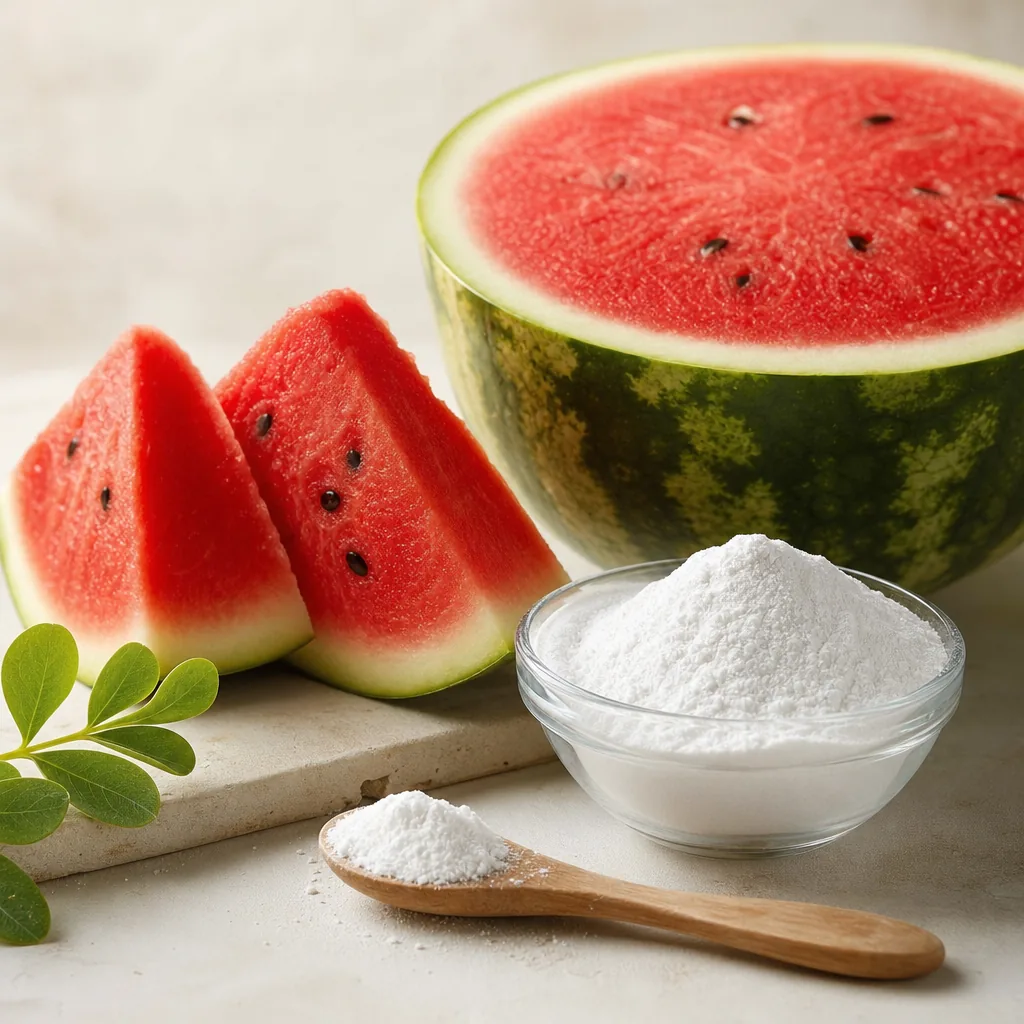
Plain beta-alanine powder:
The most common and cost-effective form. Easy to split into smaller doses to minimize tingling. Typically unflavored or part of flavored pre-workout mixes.
-
Capsules or tablets:
Provide fixed doses for convenience and portability. Useful for splitting daily intake into multiple smaller servings.
-
Sustained-release (SR) formulations:
Designed to slow absorption and reduce the tingling (paresthesia) some users experience. Often preferred by those sensitive to acute sensations.
-
Pre-workout blends:
Many products include beta-alanine alongside caffeine, creatine, nitrates, or other ingredients. Check labels for actual beta-alanine amounts; blends may underdose compared to research-based ranges.
-
Carnosine supplements:
Carnosine breaks down during digestion, ultimately supplying beta-alanine and histidine. It is generally more expensive and not clearly more effective than beta-alanine for raising muscle carnosine.
How to Use Beta Alanine
Beta-alanine works by gradually increasing muscle carnosine, so consistency over weeks matters more than acute timing around a single workout. The classic “tingle” is harmless but can be minimized by splitting doses or using sustained-release products.
-
Common dosage range:
3.2–6.4 g per day for 4–10 weeks is commonly used to elevate muscle carnosine. Many people do well with 3.2–4.8 g/day. After a loading phase, a lower maintenance dose (for example, 1.2–1.6 g/day) can help sustain levels. Avoid megadoses.
-
Best timing:
Timing is flexible. Since benefits depend on long-term accumulation, you can take it any time of day. Some prefer post-meal dosing to reduce tingling.
-
How to take it:
With water, and optionally with food. Splitting the daily total into 2–4 smaller servings (for example, 0.8–1.6 g each) can lessen tingling and gastrointestinal discomfort.
-
Consistency:
Daily intake is recommended for several weeks to raise carnosine. If you stop, muscle carnosine gradually returns toward baseline over weeks to months.
Food Sources and Supplement Options
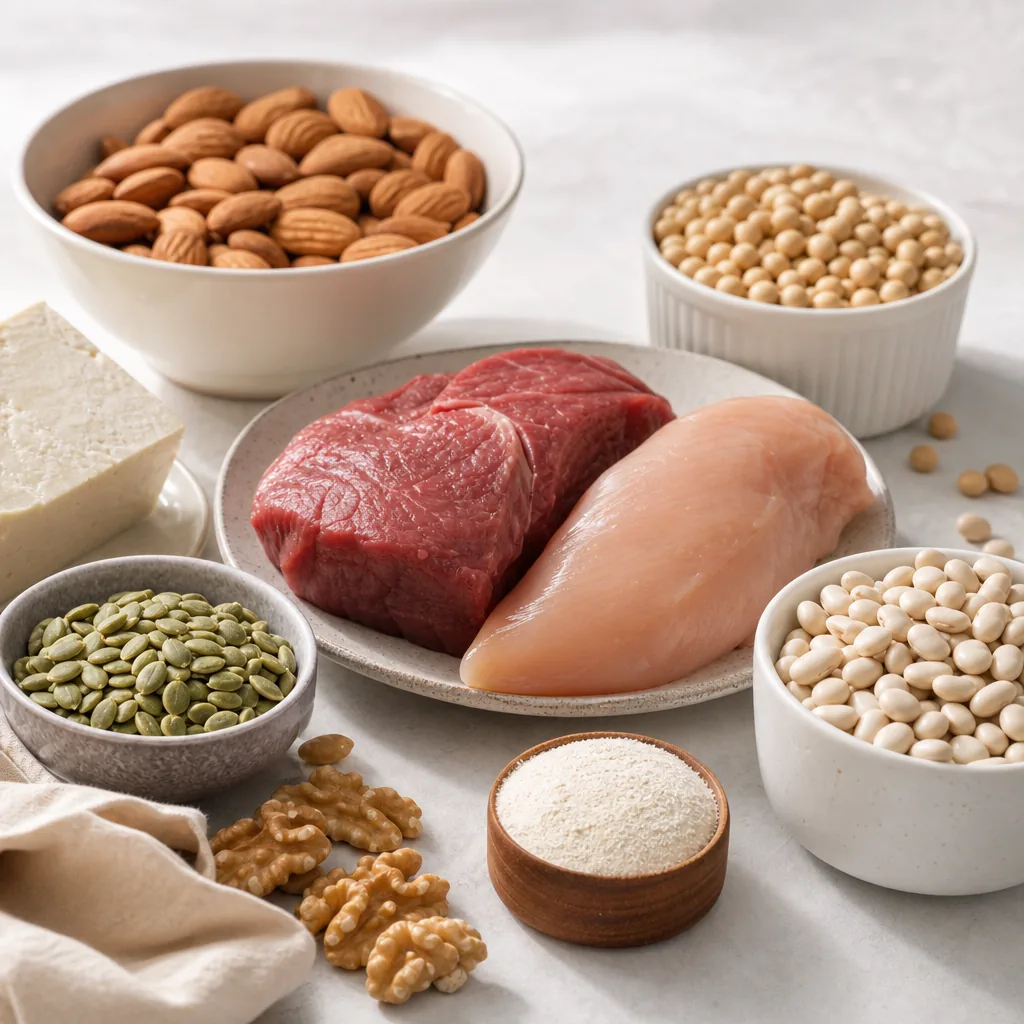
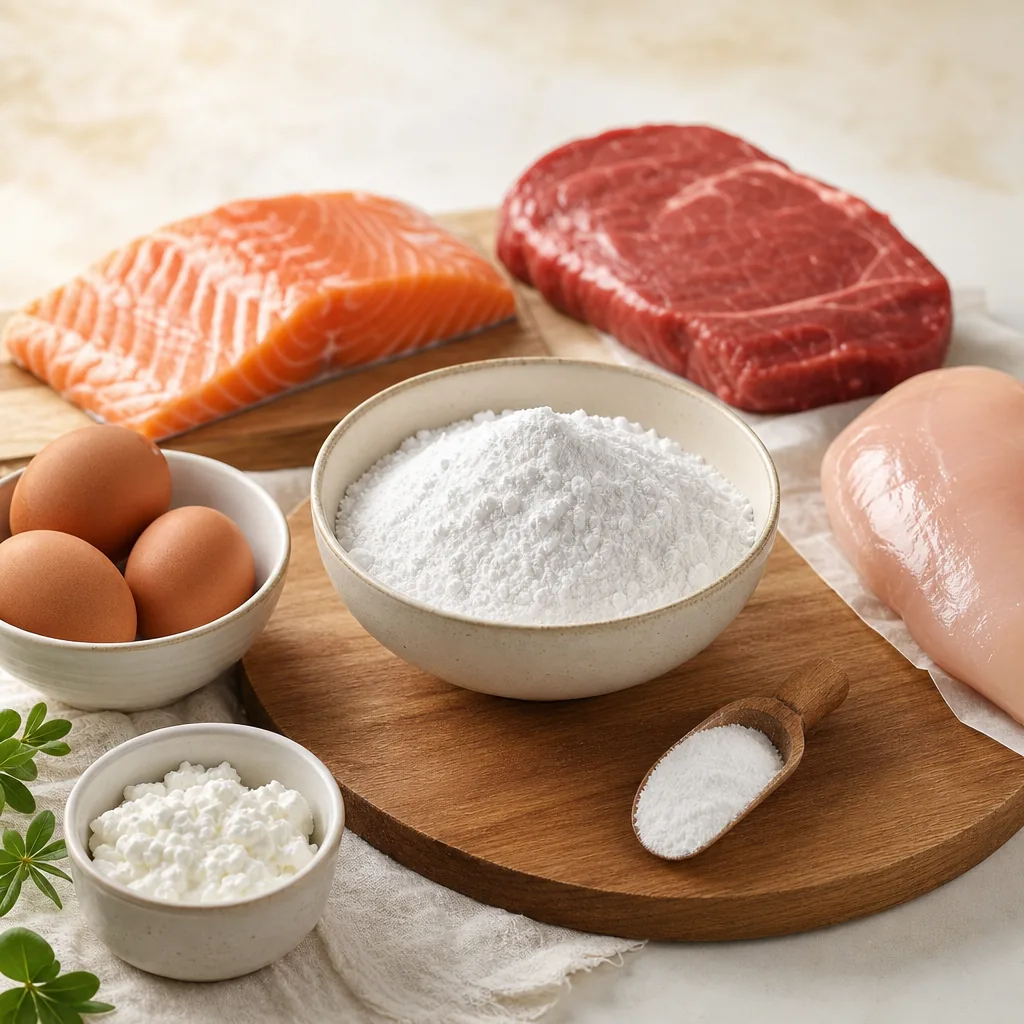
Beta-alanine is not abundant as a free amino acid in foods, but it is released during digestion of the dipeptides carnosine and anserine, which are concentrated in animal muscles. Thus, omnivorous diets typically supply more beta-alanine precursors than vegetarian or vegan diets. Supplements offer a precise way to increase intake and reliably elevate muscle carnosine.
-
Beef and lamb (rich in carnosine)
-
Pork
-
Poultry (chicken, turkey)
-
Fish (e.g., tuna, salmon)
Whole-foods-first is a sensible approach for overall nutrition, as meats and fish provide protein, iron, zinc, B vitamins, and other nutrients. However, the doses used in studies to elevate muscle carnosine are hard to achieve consistently from food alone. For athletes or individuals targeting specific performance outcomes in high-intensity exercise, supplementation can provide a convenient, standardized dose.
Who May Benefit from Beta Alanine?
-
Athletes in events lasting roughly 30 seconds to 4 minutes (e.g., 400–1500 m running, track cycling, rowing, swimming sprints)
-
Team-sport athletes and combat/tactical populations performing repeated high-intensity efforts with short recoveries
-
High-intensity interval training enthusiasts wanting to sustain power or delay fatigue
-
Resistance trainers using metabolically demanding protocols (higher reps, short rest), aiming to increase training volume
-
Older adults engaging in structured high-intensity or interval-style training under professional guidance
-
Vegetarians and vegans, who often have lower baseline muscle carnosine due to lower intake of meat-derived dipeptides
Side Effects and Considerations
-
Paresthesia (tingling):
A common, harmless skin-tingling occurs at higher single doses. Reduce by splitting doses (e.g., 0.8–1.6 g at a time), taking with food, or using sustained-release forms.
-
Gastrointestinal upset:
Some people report mild stomach discomfort, especially with large single doses or on an empty stomach. Start low and split dosing to improve tolerance.
-
Taurine considerations:
Beta-alanine and taurine share transport pathways. Very high, prolonged beta-alanine intake could theoretically affect taurine status, though typical supplemental dosing in humans has not shown clear clinical issues. If you intentionally use taurine, consider spacing doses and avoid excessive beta-alanine.
-
Interactions and medications:
No well-established drug interactions are known, but caution is reasonable if you take prescription medications or manage a medical condition. Consult a healthcare professional for personalized advice.
-
Kidney or liver conditions:
People with renal or hepatic impairment should consult a clinician before using beta-alanine or any performance supplement.
-
Pregnancy, breastfeeding, and children:
Safety data are limited. Individuals who are pregnant, breastfeeding, or under 18 should seek medical guidance and generally avoid non-essential performance supplements.
-
Stimulant-containing pre-workouts:
Beta-alanine is often combined with caffeine and other stimulants. If you are sensitive to stimulants, choose stimulant-free options or standalone beta-alanine to better control your response.
-
Quality and contamination risk:
Select products from reputable brands with third-party testing to minimize impurities and ensure label accuracy, especially if you are a tested athlete.
-
Expectations and use-case:
Benefits are context-specific and typically modest. Beta-alanine is not a substitute for structured training, adequate recovery, or overall nutrition.
Common Myths About Beta Alanine
-
“Take it right before a workout for an immediate performance boost.”
While you can take it any time, beta-alanine works by raising muscle carnosine over weeks. The acute tingling is not a sign of instant performance enhancement.
-
“More is always better.”
Megadoses increase tingling and discomfort without proportional benefits. Research-supported daily ranges are typically 3.2–6.4 g split into smaller servings.
-
“It only helps bodybuilders.”
The clearest benefits are for high-intensity efforts lasting 1–4 minutes and repeated sprints, which apply to many athletes (track, swimming, rowing, team sports), not just lifters.
-
“The tingling means it’s dangerous.”
Paresthesia is a benign side effect related to rapid absorption. It can be minimized with lower single doses or sustained-release formulations.
-
“It replaces sodium bicarbonate.”
They act in different compartments (muscle vs. blood). In some contexts they may be additive, but one does not make the other unnecessary.
Conclusion
Beta-alanine is a well-researched performance supplement that raises muscle carnosine and can modestly improve high-intensity exercise capacity, repeated-sprint performance, and training volume—especially for efforts lasting about 1–4 minutes. It is not an essential nutrient, and results depend on consistent use alongside an effective training program and sound nutrition. Many users tolerate it well when doses are split or sustained-release forms are used.
Consider beta-alanine if your sport or training involves intense intervals or repeated bursts. Choose quality, third-party-tested products, and avoid megadoses. Individuals who are pregnant, breastfeeding, taking medications, or managing medical conditions should consult a healthcare professional before use. For general health, a food-first approach remains best; for targeted performance goals, supplementation can provide a practical, standardized dose difficult to achieve through diet alone.