What is HMB?
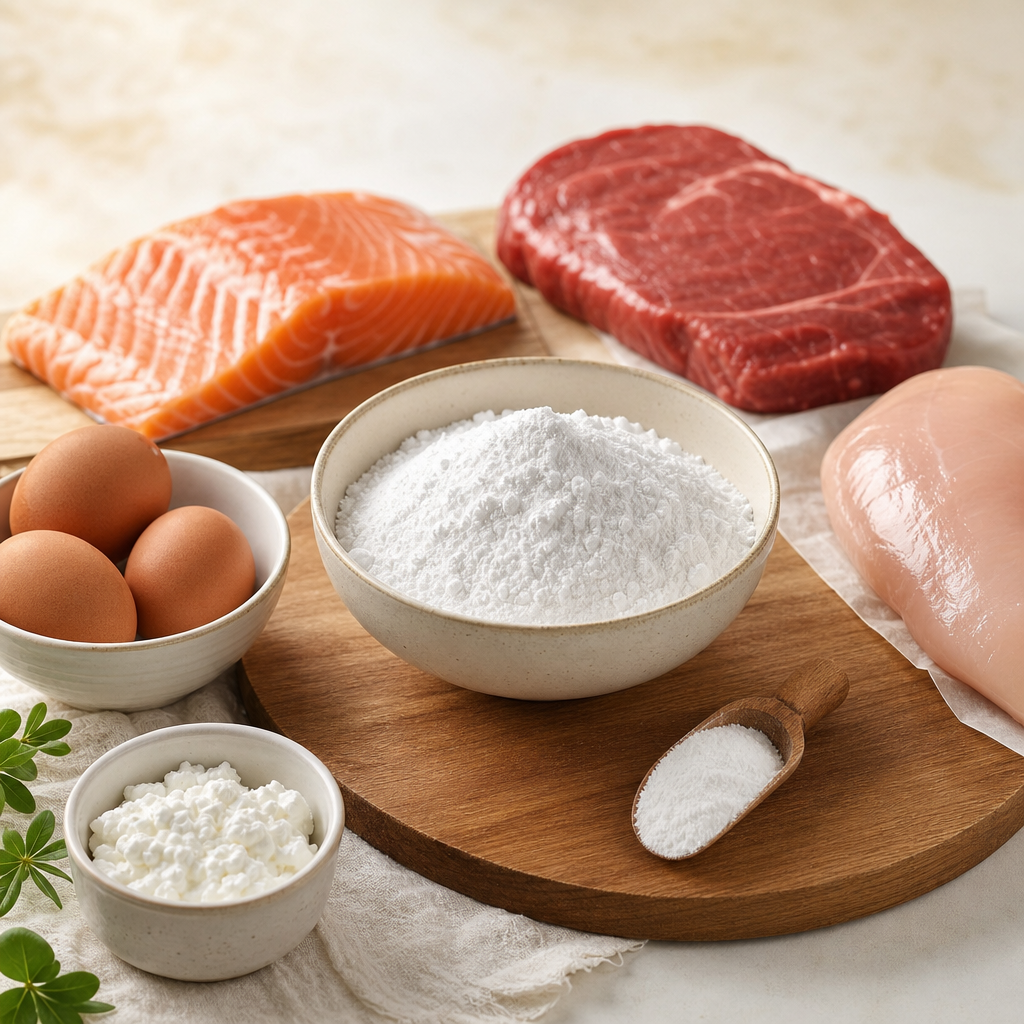
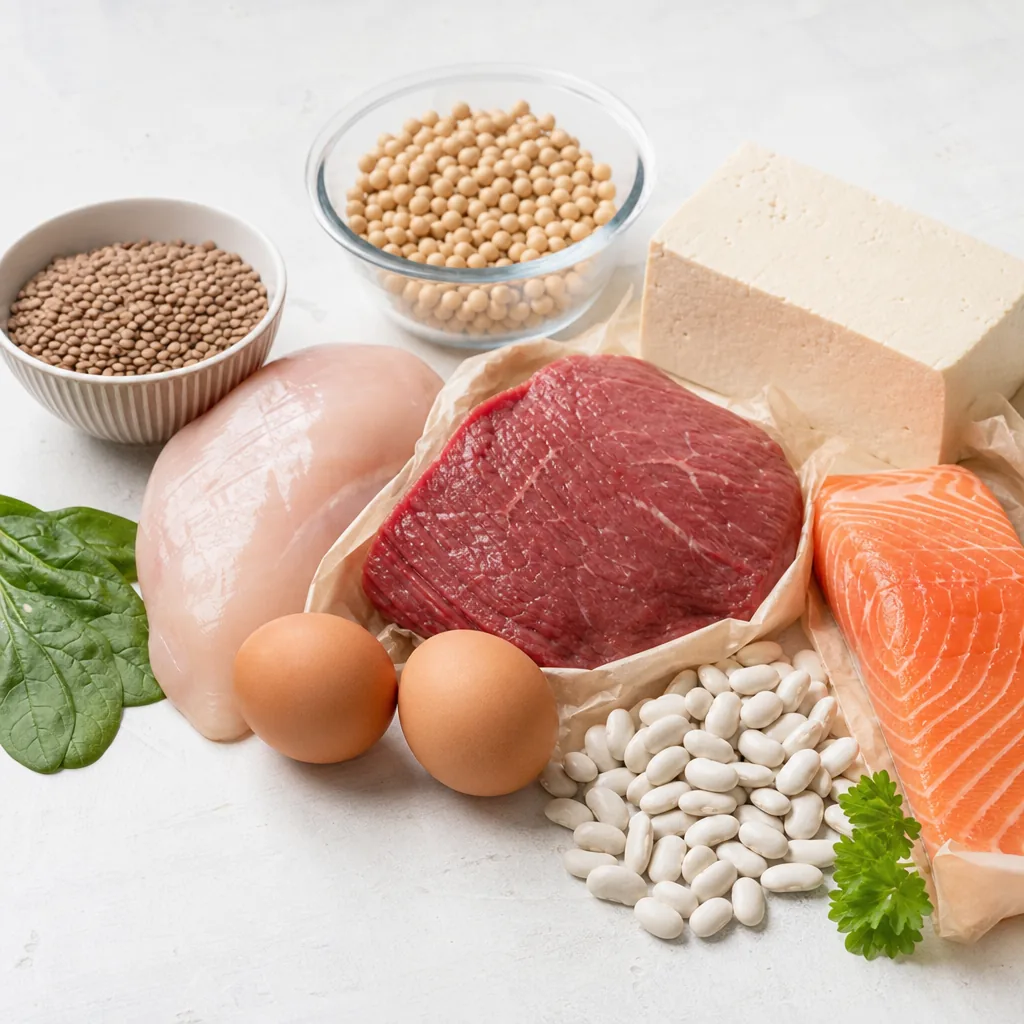
HMB (beta-hydroxy beta-methylbutyrate) is a naturally occurring metabolite of the essential amino acid leucine. When you consume leucine from protein-rich foods, a small portion is converted in the body to HMB. As a compound, HMB is typically used as a dietary supplement rather than a food in its own right. It is not a vitamin, mineral, or essential nutrient; the body can function without supplemental HMB, and it does not have a defined daily requirement like essential vitamins or minerals. Instead, it is considered a non-essential, food-derived bioactive compound that may influence muscle protein metabolism.
HMB has been studied for its potential role in supporting muscle health, particularly by reducing muscle protein breakdown and helping preserve lean mass in situations of high training stress, calorie restriction, aging, or periods of inactivity. Research suggests that HMB’s primary actions are anti-catabolic (helping to limit muscle loss) with possible secondary anabolic effects (supporting gains in lean mass) when combined with appropriate resistance training and protein intake. While findings are not uniform across all populations and protocols, HMB remains a commonly used supplement among athletes and older adults seeking to support muscle maintenance.
Benefits of HMB
-
Helps reduce muscle protein breakdown and preserve lean mass during inactivity or high stress
(Moderate evidence)
Explanation: Several trials suggest HMB can attenuate losses in lean body mass during bed rest, immobilization, or intense training blocks. Its anti-catabolic action appears to reduce muscle protein breakdown, which may help preserve muscle size when activity is restricted or when training and recovery are imbalanced. Findings are generally more consistent in older adults or untrained individuals facing catabolic stress than in well-trained athletes.
-
Supports gains in strength and lean mass when starting resistance training
(Mixed evidence)
Explanation: Some studies report greater increases in strength and fat-free mass when HMB is combined with structured resistance training, particularly in people who are new to lifting or returning after a layoff. However, results in well-trained or elite athletes are inconsistent, with several trials finding little to no additional benefit beyond a solid training program and adequate protein intake.
-
May reduce markers of muscle damage and aid recovery
(Moderate evidence)
Explanation: HMB supplementation has been associated with lower blood markers of muscle damage (such as creatine kinase) after strenuous exercise and, in some cases, reduced perceived soreness. While biochemical markers often improve, subjective recovery outcomes vary across studies. The benefit appears more reliable when HMB is taken consistently for at least 2–4 weeks and combined with appropriate training and nutrition.
-
Helps maintain muscle during energy restriction (cutting or weight loss)
(Limited evidence)
Explanation: Early research indicates HMB may help mitigate lean mass losses during periods of calorie deficit, especially when paired with resistance training and adequate protein. Effects on fat loss are small and inconsistent, and HMB should be viewed as a supportive tool rather than a substitute for well-planned nutrition and training.
-
Potential support for muscle function in older adults
(Mixed evidence)
Explanation: Some trials in older populations report improvements in strength, physical function, or preservation of lean mass, especially when HMB is combined with resistance exercise and, in certain protocols, vitamin D if deficient. However, not all studies show clear benefits, and responses may depend on training status, baseline nutrition, and health conditions.
-
Possible benefits in clinical or catabolic conditions
(Preliminary evidence)
Explanation: Formulas containing HMB along with other nutrients (e.g., arginine, glutamine) have been studied for muscle preservation in clinical settings. While some results are promising, multi-ingredient designs make it hard to isolate the effect of HMB alone. More rigorous, HMB-only research is needed in clinical populations.
Types or Forms Available
-
Calcium HMB (Ca-HMB)
: The most widely available form. HMB is bound to calcium, which stabilizes the compound. It is commonly dosed at a total of 3 g HMB per day, often split into two or three servings. Absorption is effective, though peak blood levels occur more slowly than with the free-acid form.
-
HMB Free Acid (HMB-FA)
: A non-salt, free-acid form that reaches higher peak plasma levels more quickly. Some protocols use a pre-exercise dose due to its faster uptake. Daily totals are typically similar to Ca-HMB (around 3 g/day), though specific products may suggest acute, pre-workout dosing strategies.
-
Combination products
: HMB is sometimes paired with vitamin D (particularly in older adults with low vitamin D status) or with other ergogenic aids such as creatine. While combinations can be convenient, they make it difficult to attribute benefits to any single ingredient. If you want to evaluate HMB’s standalone effect, choose a single-ingredient product.
-
Delivery formats
: Capsules, tablets, powders, and ready-to-mix beverages are common. Powders may be more cost-effective for higher daily intakes, while capsules offer convenience and precise dosing.
How to Use HMB
HMB works best as part of a comprehensive plan that includes adequate protein intake, progressive resistance training, and sufficient recovery. Below are practical guidelines commonly used in research and practice.
-
Common dosage range:
3 g per day of HMB (as Ca-HMB or HMB-FA) is the most studied dosing strategy. Many protocols split Ca-HMB into 1 g three times daily; others use a single 3 g daily dose. For HMB-FA, some users take a larger portion pre-exercise. Avoid exceeding label directions; higher intakes have not consistently shown greater benefits.
-
Best timing:
Consistent daily use matters more than precise timing. If using HMB-FA, taking a dose 30–60 minutes before training may be reasonable due to faster absorption. With Ca-HMB, spreading doses across the day (e.g., morning, pre- or post-workout, evening) is common.
-
How to take it:
HMB can be taken with water. Ca-HMB is often taken with meals to minimize potential gastrointestinal discomfort. If your supplement includes vitamin D or other nutrients, follow the product instructions.
-
Consistency:
Daily use for at least 2–4 weeks is typically needed to gauge effects on recovery or muscle maintenance. Continued use may be considered during intense training blocks, periods of inactivity, or when starting a resistance program.
Food Sources and Supplement Options
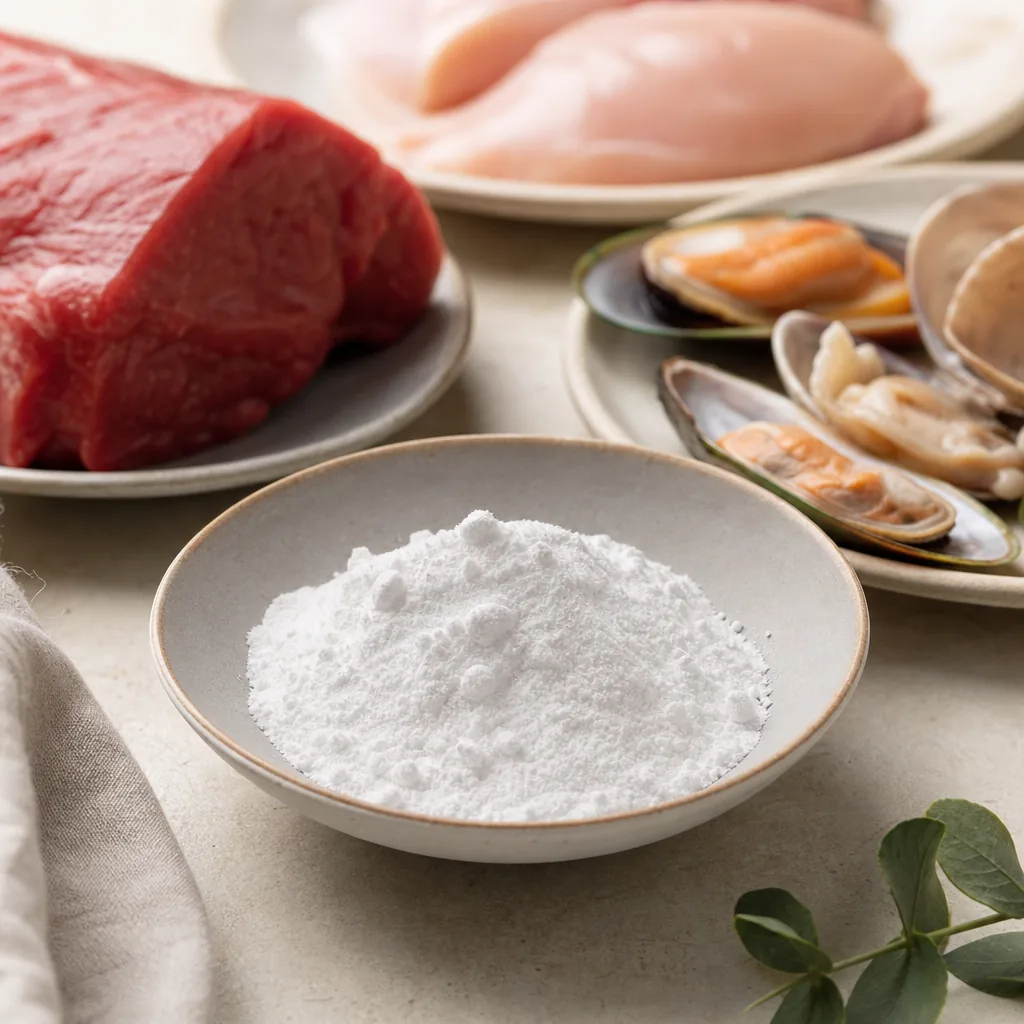
HMB is produced in the body from leucine metabolism and is present in only trace amounts in foods. Small quantities have been identified in foods such as grapefruit, catfish, and alfalfa, but typical dietary intakes are far below the amounts used in research (around 3 g/day). As a result, those seeking the studied doses usually rely on supplements.
-
Grapefruit (trace amounts; not a practical source)
-
Catfish (trace amounts; not a practical source)
-
Alfalfa/lucerne (trace amounts; not typically part of most diets)
Because food-based HMB is minimal, supplementation may make sense for individuals targeting specific training or recovery goals, older adults concerned about muscle preservation, or people facing short-term periods of inactivity. Whole foods remain essential for overall health, providing protein, vitamins, minerals, and other bioactives that HMB does not replace. Supplements offer targeted dosing to match research protocols, while food-first nutrition supports broad health needs.
Who May Benefit from HMB?
-
Beginners starting or returning to resistance training who want extra support during the initial adaptation phase.
-
Older adults aiming to preserve muscle mass and function, especially when engaging in strength training and ensuring adequate protein and vitamin D intake.
-
Athletes in high-volume or intensified training blocks who experience elevated muscle damage or struggle with recovery.
-
Individuals facing short-term inactivity or immobilization (e.g., after minor procedures) who are cleared by their healthcare team to use supplements.
-
People in a calorie deficit (cutting/weight-loss phases) looking to better maintain lean mass alongside sufficient protein and resistance exercise.
-
Those with historically low protein intake who are simultaneously working to improve overall diet quality and training consistency.
Side Effects and Considerations
-
General safety:
HMB is generally well-tolerated at around 3 g/day in healthy adults. Mild gastrointestinal upset (gas, bloating, stomach discomfort) can occur in some people, especially when starting or with larger single doses.
-
Kidney and liver considerations:
While no clear harm has been demonstrated in healthy individuals, people with kidney or liver disease should consult a healthcare professional before using HMB or any performance supplement.
-
Pregnancy, breastfeeding, and children:
There is insufficient safety data for these groups. Avoid use unless specifically advised by a qualified healthcare professional.
-
Medication interactions:
No well-documented interactions are established, but those taking prescription medications (e.g., for blood pressure, diabetes, or lipid management) should discuss HMB with their clinician to ensure it fits their overall plan.
-
Calcium load with Ca-HMB:
Calcium-bound HMB contributes additional calcium. Individuals prone to kidney stones, hypercalcemia, or those already taking high-dose calcium should account for total daily calcium intake or consider HMB-FA.
-
Allergies and sensitivities:
Check labels for inactive ingredients (flavors, sweeteners, colorants) that may cause reactions. Choose hypoallergenic or unflavored products if needed.
-
Quality and contamination risk:
Select third-party tested products (e.g., NSF Certified for Sport, Informed Sport) to reduce the risk of contamination with banned or unwanted substances, particularly important for drug-tested athletes.
-
Surgery and medical procedures:
Inform your healthcare team about all supplements prior to procedures. While HMB does not appear to affect bleeding or blood pressure, individualized guidance is prudent.
-
Not a substitute for protein or training:
HMB does not replace adequate dietary protein, progressive resistance exercise, sleep, and overall recovery practices.
-
Consultation advised:
Individuals who are pregnant, breastfeeding, taking medications, or managing a medical condition should consult a healthcare professional before starting HMB.
Common Myths About HMB
-
Myth: HMB builds muscle without training.
HMB’s primary benefit appears anti-catabolic—helping reduce muscle breakdown. Meaningful gains in muscle size and strength still require progressive resistance training, adequate protein, and overall recovery. Without training, effects are generally limited to preserving, not building, muscle.
-
Myth: HMB works equally well for everyone.
Responses vary by training status, age, diet, and program quality. Benefits are more consistent in untrained or older individuals, or during high stress or inactivity. Well-trained athletes often see smaller or no additional effects beyond solid training and nutrition.
-
Myth: More HMB is always better.
Most research uses about 3 g/day. Higher doses have not consistently shown superior outcomes and may increase the chance of gastrointestinal discomfort. Sticking to evidence-based dosing is the safer, more cost-effective approach.
-
Myth: HMB replaces protein or leucine.
HMB is a metabolite of leucine but does not provide the full range of amino acids required for muscle repair and growth. Adequate protein intake remains foundational, with HMB considered an adjunct in specific circumstances.
Conclusion
HMB is a non-essential, leucine-derived compound that may help reduce muscle breakdown, support recovery, and modestly aid strength or lean mass—especially for beginners, older adults, or during periods of high training stress or inactivity. Evidence is mixed in well-trained athletes, and HMB is not a stand-alone solution; it works best when paired with adequate protein intake, progressive training, and good recovery practices. A typical approach is 3 g/day for at least a few weeks to assess response, using either calcium HMB or the free-acid form based on preference and tolerance.
For most people, a food-first strategy emphasizing quality protein and whole foods remains the foundation for muscle health. Supplements can be useful for targeted goals and dosing. Choose reputable, third-party tested products, and be mindful of total calcium intake if using Ca-HMB. Individuals who are pregnant, breastfeeding, under 18, taking medications, or managing medical conditions should consult a healthcare professional before starting HMB.