What is Bilberry?
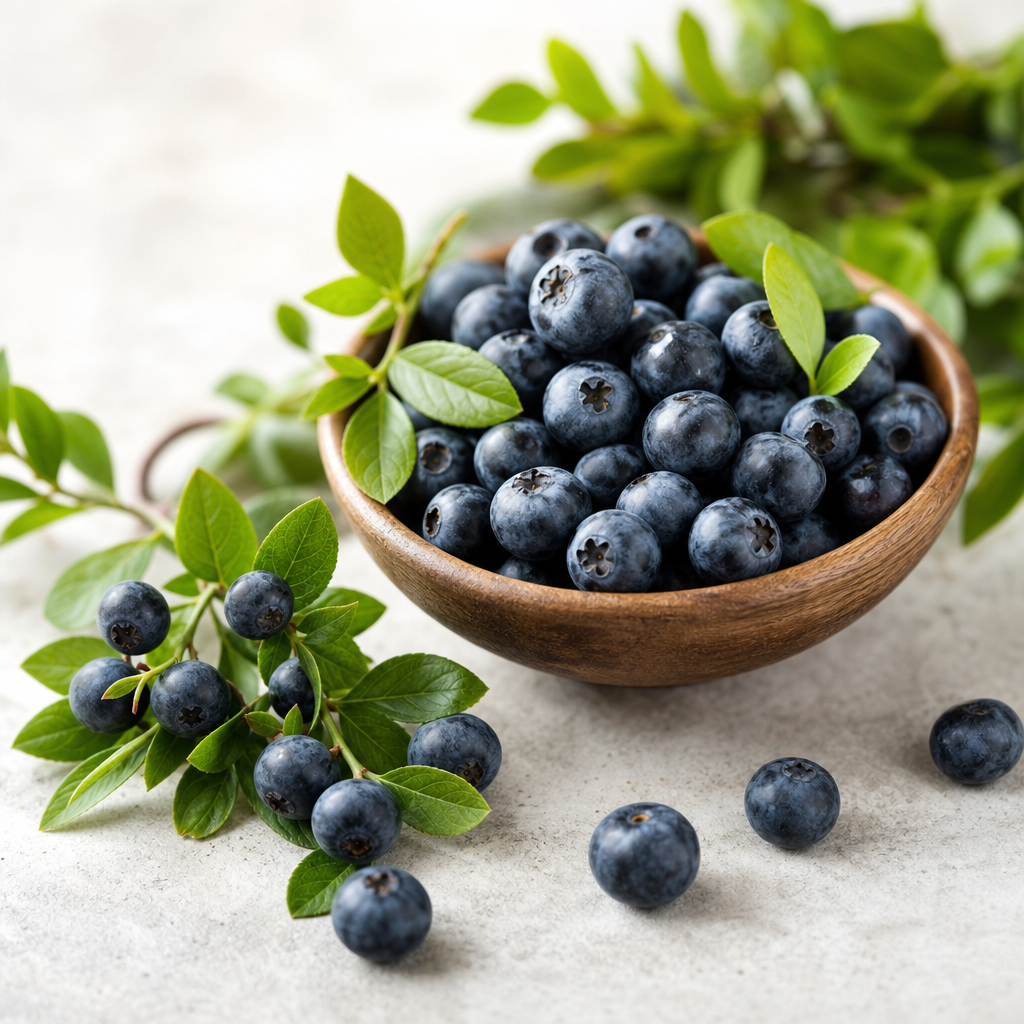
Bilberry (Vaccinium myrtillus) is a small, dark-blue berry native to northern Europe and parts of Asia. It belongs to the same genus as blueberries but has a distinct anthocyanin profile and typically a deeper pigment throughout the flesh, not just the skin. In wellness, the term “bilberry” usually refers to both the whole fruit and standardized extracts made from the fruit’s skin and pulp; less commonly, the leaves are used in traditional herbal preparations.
Bilberry is a botanical (herb/fruit) and not an essential nutrient. That means the body does not technically require bilberry in the way it requires vitamins or minerals. However, bilberry is rich in polyphenols—especially anthocyanins—that may support aspects of eye health, vascular function, and general antioxidant defenses. It is consumed as food (fresh, frozen, or dried berries; juices and jams) and as dietary supplements (capsules, tablets, or liquids) standardized to specific anthocyanin content.
In the body, anthocyanins and related polyphenols may help modulate oxidative stress and low-grade inflammation and support healthy microcirculation. These mechanisms are being researched for potential roles in visual comfort, retinal health, and cardiometabolic markers. While intriguing, these effects should be viewed as supportive of overall wellness rather than a replacement for medical care.
Benefits of Bilberry
-
Visual comfort and digital eye strain
(Moderate evidence)
Short-term studies using standardized bilberry extracts have reported improvements in symptoms such as eye fatigue, dryness, and focusing discomfort in people with prolonged screen use. Benefits likely relate to anthocyanins supporting tear film stability and retinal oxidative balance. Effects are modest and vary with dose and extract quality; they appear more consistent for eye comfort than for changes on formal vision tests.
-
Night vision and dark adaptation
(Mixed evidence)
Historic claims that bilberry dramatically improves night vision originated from anecdotal wartime reports. Modern controlled trials have produced inconsistent findings: some show small improvements in dark adaptation or glare recovery, while others find no meaningful benefit. If benefits occur, they are likely subtle, dependent on standardized extracts and sufficient dosing, and not a substitute for corrective lenses or clinical treatment.
-
Retinal and microvascular support (e.g., early diabetic eye changes)
(Limited evidence)
Small trials and exploratory studies suggest bilberry anthocyanins may help maintain capillary integrity and reduce oxidative stress in the retina. Some research hints at potential support in early microvascular changes, but data sets are small, study quality varies, and formulations differ. Bilberry should not be considered a treatment for eye disease; regular ophthalmic care remains essential.
-
Cardiometabolic markers (blood pressure, lipids, glucose)
(Mixed evidence)
Diets rich in berries, including bilberries, have been associated with modest improvements in endothelial function, blood pressure, and lipid profiles. Trials with bilberry or anthocyanin-rich extracts show variable effects, with some improvements in HDL, triglycerides, or insulin sensitivity markers. Effects tend to be small; consistency, baseline diet, and extract standardization matter.
-
Antioxidant and anti-inflammatory support
(Moderate evidence)
Bilberry anthocyanins can increase antioxidant capacity and may reduce some inflammatory biomarkers in clinical studies. These biomarker shifts suggest potential systemic support for oxidative balance. Clinical relevance for hard outcomes (e.g., disease risk reduction) is less clear, so bilberry is best considered complementary to an overall healthy diet and lifestyle.
-
Gastrointestinal support for occasional diarrhea (dried fruit)
(Preliminary evidence)
Traditional European medicine uses dried bilberry fruit for episodic diarrhea, likely due to tannins and polyphenols that can have mild astringent effects. Modern controlled evidence is limited. This approach is not appropriate for persistent diarrhea, fever, blood in stool, or signs of dehydration—seek medical care in those cases.
Types or Forms Available
-
Standardized bilberry fruit extract (capsules/tablets)
: Commonly standardized to about 25% anthocyanins (sometimes labeled “anthocyanosides”), ensuring consistent dosing compared with food forms. Doses often provide 80–320 mg of extract per day, delivering a defined anthocyanin amount.
-
Whole fruit (fresh, frozen, dried)
: Offers a matrix of fibers, vitamins, and polyphenols beyond anthocyanins. Potency varies with ripeness, storage, and origin. Frozen options can preserve polyphenols well. Dried fruits are more concentrated but may include added sugar depending on the product.
-
Liquid extracts and syrups
: Hydroalcoholic or aqueous extracts in dropper bottles or syrups can be convenient for those who dislike capsules. Standardization and anthocyanin content can vary widely—check labels.
-
Combination formulas for eye health
: Bilberry paired with lutein, zeaxanthin, astaxanthin, zinc, or vitamin C. Synergy is plausible, but effects are harder to attribute to bilberry alone.
-
Bilberry leaf preparations (teas, extracts)
: Traditionally used but less studied for safety and efficacy compared with fruit extracts. Leaves may have stronger effects on glucose; long-term use is not well characterized. Many consumers prefer fruit-based products.
Choose products from reputable brands that specify the plant part (fruit vs. leaf), the extract ratio, and a verified anthocyanin percentage. Independent testing can help avoid adulteration with non-bilberry materials or artificial colorants.
How to Use Bilberry
Bilberry can be used as part of a berry-rich diet or as a concentrated supplement for targeted anthocyanin intake. Food-first strategies are appropriate for general wellness; supplements may provide more reliable anthocyanin dosing for specific goals like visual comfort or standardized research-based intakes.
-
Common dosage range:
For standardized fruit extracts, typical total daily doses are 80–320 mg of extract standardized to about 25% anthocyanins (roughly 20–80 mg anthocyanins/day). Some trials on eye comfort use higher anthocyanin totals (e.g., 80–240 mg anthocyanins/day), generally divided. For food forms, 50–150 g of bilberries (or similar dark berries) a few times per week fits many dietary studies.
-
Best timing:
Timing is flexible. Splitting the dose with meals may support tolerance and steady anthocyanin exposure. For screen-related eye discomfort, routine daily use is more relevant than precise timing.
-
How to take it:
Take extracts with food and water to reduce gastrointestinal upset. Because polyphenols can transiently reduce non-heme iron absorption, consider separating bilberry supplements from iron supplements by at least 2–4 hours.
-
Consistency:
Benefits typically require consistent use over several weeks. For visual comfort, many studies last 4–12 weeks. Intermittent use of dried fruit for occasional diarrhea is traditional but should be short term only.
Food Sources and Supplement Options
Bilberry is a botanical fruit available as whole berries (fresh, frozen, dried) and as supplements. In regions where bilberries are scarce, related berries such as blueberries, blackcurrants, and blackberries can help increase total anthocyanin intake, though their profiles differ. Supplements offer standardized anthocyanin levels when dietary access is limited or when a consistent dose is desired for a specific wellness goal.
-
Natural source:
Bilberry fruit (Vaccinium myrtillus) growing wild or cultivated in northern and central Europe and parts of Asia.
-
Related foods rich in anthocyanins:
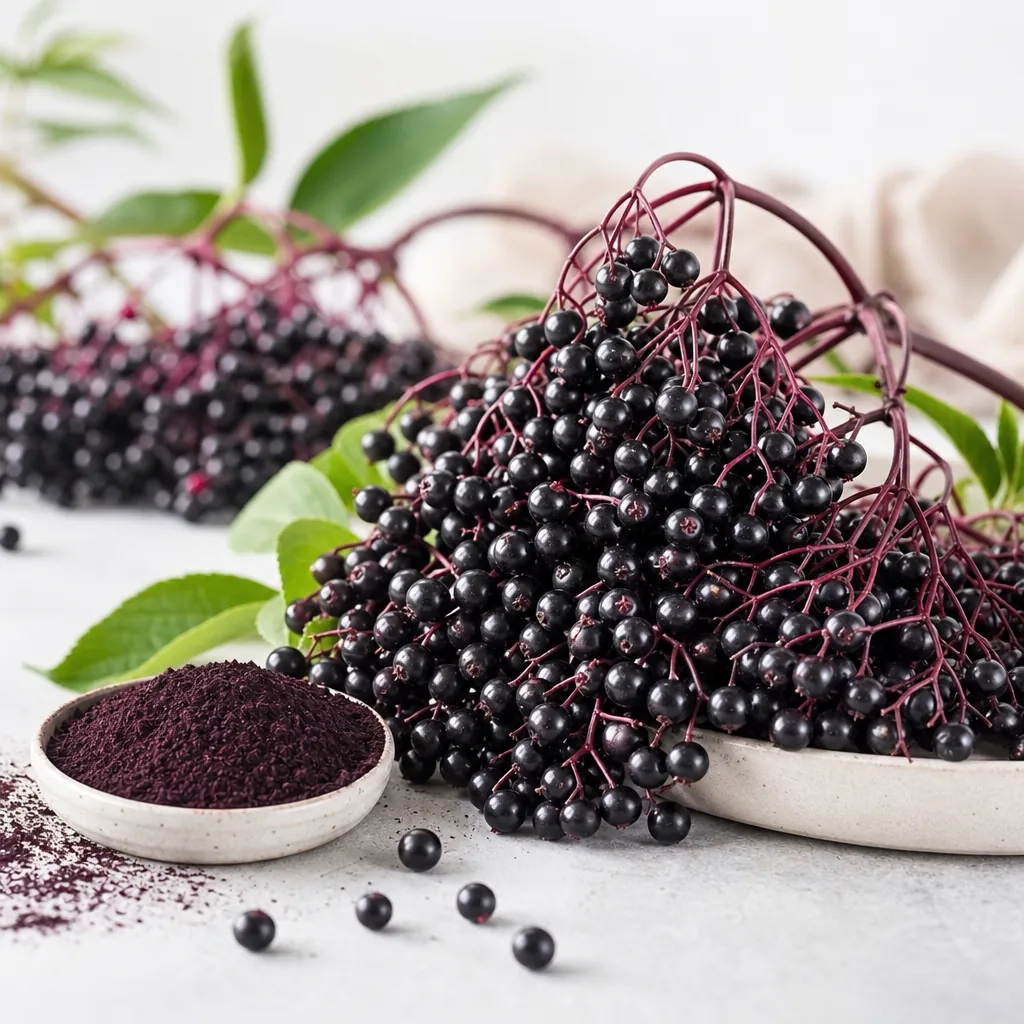
Blueberries, blackcurrants, blackberries, elderberries, purple grapes. These are not bilberries but contribute similar polyphenol classes.
Whole-food intake provides fiber, vitamin C, manganese, and a broad polyphenol matrix that may have synergistic benefits. Supplements, in contrast, can supply more predictable anthocyanin doses used in research. For most people, emphasizing diverse berries in the diet is a good foundation; add a quality bilberry extract if you have specific, evidence-informed goals (e.g., eye comfort) or limited access to berries.
Who May Benefit from Bilberry?
-
People with frequent digital eye strain or visual fatigue looking for adjunct support alongside screen hygiene and proper lighting.
-
Adults seeking to increase anthocyanin intake for general antioxidant support when berry consumption is low.
-
Individuals with early interest in retinal wellness who want a food-first approach, potentially complemented by a standardized extract after discussing with an eye-care professional.
-
Those interested in modest support for cardiometabolic markers as part of broader diet and lifestyle changes.
-
People looking for a traditional, short-term option (dried fruit) for occasional, mild diarrhea—while recognizing this is not a substitute for medical evaluation when symptoms are significant or persistent.
Side Effects and Considerations
-
General tolerance:
Bilberry fruit and standardized fruit extracts are usually well tolerated. Possible side effects include mild gastrointestinal upset, nausea, or changes in stool color when consuming deeply pigmented foods or extracts.
-
Medication interactions:
Anthocyanins may have mild antiplatelet effects; use caution with anticoagulants or antiplatelet medications. Separate from iron supplements by 2–4 hours to avoid reduced iron absorption. If taking multiple prescriptions, consult a healthcare professional before starting.
-
Blood sugar considerations:
Bilberry fruit extracts have modest, variable effects on glycemic markers, but leaf preparations can have stronger glucose-lowering actions. People with diabetes or on glucose-lowering medications should monitor closely and consult their clinician, especially if using leaf products.
-
Pregnancy and breastfeeding:
Safety data for concentrated extracts are limited. Consuming normal food amounts of berries is generally considered safe, but those who are pregnant or breastfeeding should consult a healthcare professional before using supplements.
-
Children and adolescents:
Limited data on supplemental dosing and safety. Food amounts are typically acceptable; discuss supplement use with a pediatric clinician.
-
Allergies:
Rarely, individuals allergic to Vaccinium species or with salicylate sensitivity may react. Discontinue if rash, itching, or breathing difficulty occurs and seek medical care.
-
Kidney stones and oxalates:
Many berries contain oxalates; while data for bilberry specifically are limited, those with a history of calcium oxalate stones should moderate very high intakes and maintain hydration.
-
Surgery:
Because of potential effects on platelet function, stop bilberry extracts at least 1–2 weeks before elective surgery unless advised otherwise by your surgical team.
-
Quality and adulteration:
Some products have been found adulterated with lower-cost berries or dyes. Choose brands that disclose plant part (fruit), standardization (e.g., 25% anthocyanins), and third-party testing.
-
Liver or kidney concerns:
Serious issues are rare, but those with significant hepatic or renal disease should use supplements cautiously and under medical guidance.
Anyone who is pregnant, breastfeeding, taking medications, or managing a medical condition should consult a qualified healthcare professional before using bilberry supplements.
Common Myths About Bilberry
-
“Bilberry instantly gives you night vision like a hawk.”
Evidence from controlled trials is inconsistent, and many studies find little to no improvement in night vision. Any benefits are likely subtle and not a substitute for corrective lenses, safe driving practices, or clinical care.
-
“All berries are the same—blueberries equal bilberries.”
While related, bilberries and blueberries have different anthocyanin profiles and concentrations. Substituting one for the other changes the polyphenol mix and may not match outcomes seen with standardized bilberry extracts.
-
“More is always better—mega-doses maximize results.”
Higher doses have not consistently shown greater benefits and may increase the likelihood of side effects or interactions (e.g., with anticoagulants or iron). Evidence-based, standardized amounts are safer and more sensible.
-
“Bilberry cures macular degeneration and diabetic retinopathy.”
Bilberry is not a cure or a replacement for medical treatment. Limited research suggests supportive roles, but ophthalmic evaluation, disease management, and proven therapies are essential.
Conclusion
Bilberry is a richly pigmented botanical fruit whose anthocyanins may help with visual comfort, microvascular support, and general antioxidant balance. Evidence is strongest for modest relief of digital eye strain and biomarker changes, while findings for night vision, retinal disease outcomes, and cardiometabolic risk are mixed or limited. For most people, a food-first approach—regularly eating a variety of dark berries—makes sense. A high-quality, fruit-based, standardized extract can be considered for specific goals when consistent anthocyanin dosing is desired.
Choose reputable products that specify fruit-derived extracts and verified anthocyanin content, avoid megadoses, and be mindful of interactions (especially with blood thinners and iron). Those who are pregnant, breastfeeding, taking medications, or managing medical conditions should consult a healthcare professional before supplement use. When used thoughtfully—preferably alongside a nutrient-dense diet and healthy lifestyle—bilberry can be a reasonable, supportive addition to a wellness plan.