What is Vitamin A?
Vitamin A is an essential fat-soluble nutrient that the body needs for normal vision, immune function, reproduction, and the maintenance of healthy skin and mucous membranes. It exists in two main dietary forms: preformed vitamin A (retinol and retinyl esters) found in animal foods and supplements, and provitamin A carotenoids (such as beta-carotene) found in colorful fruits and vegetables that the body can convert into retinol. Because it is essential, the body must obtain vitamin A from diet and/or supplements.
Once absorbed, vitamin A is stored primarily in the liver and transported in the blood bound to retinol-binding protein to tissues throughout the body. In the eye, vitamin A is converted to retinal, a critical molecule for low-light vision. In skin and other tissues, vitamin A regulates gene expression that guides cell growth and differentiation. Vitamin A is available as a nutrient in foods and as a dietary supplement; it is not an herb, botanical extract, or stimulant.
Benefits of Vitamin A
-
Supports night vision and eye surface health
(Strong evidence)
Vitamin A is required to form rhodopsin, the light-sensitive pigment in the retina that enables low-light vision. Deficiency leads to night blindness and, in severe cases, xerophthalmia and corneal damage. Adequate intake maintains the integrity of the cornea and conjunctiva, supporting tear production and overall ocular surface health.
-
Maintains healthy skin and epithelial tissues
(Strong evidence)
Vitamin A regulates the differentiation of epithelial cells that line the skin, respiratory tract, gut, and urogenital tract. Adequate levels help maintain barrier function and normal keratinization. Deficiency can manifest as dry skin, follicular hyperkeratosis, and impaired mucosal defenses. While topical retinoids are used for acne and photoaging, those are drug products; dietary vitamin A supports baseline tissue health and prevents deficiency-related changes.
-
Supports immune function and infection resilience
(Moderate evidence)
Vitamin A is involved in the development and function of immune cells and in maintaining mucosal barriers that help keep pathogens out. In populations with deficiency, correcting low vitamin A reduces the severity of certain infections (for example, WHO recommends vitamin A during measles in children). In well-nourished populations, routine high-dose supplementation has not consistently reduced common infections.
-
Normal growth, development, and reproduction
(Strong evidence)
Vitamin A is necessary for fetal development, embryogenesis, and normal growth in children. Severe deficiency can impair growth and increase pregnancy complications. Adequate—but not excessive—intake before and during pregnancy is important; high intakes of preformed vitamin A can be harmful to a developing fetus, so careful dosing is essential.
-
Age-related macular degeneration (as part of specific formulas)
(Moderate evidence)
Early research (AREDS) showed that a formula containing antioxidants including beta-carotene reduced progression of moderate-to-advanced age-related macular degeneration (AMD). Later versions replaced beta-carotene with lutein/zeaxanthin due to safety concerns in smokers. Benefits are attributed to the full formula rather than vitamin A alone.
-
Antioxidant carotenoids and chronic disease markers
(Mixed evidence)
Diets rich in provitamin A carotenoids (from vegetables and fruits) are associated with favorable health markers. However, isolated beta-carotene supplements have not consistently improved outcomes and, in smokers and asbestos-exposed individuals, increased lung cancer risk. Emphasis on whole-food sources is prudent.
Deficiency or Low Levels of Vitamin A
-
Common signs of low levels:
Night blindness; dry eyes; Bitot’s spots; corneal softening (keratomalacia); dry, rough skin; follicular hyperkeratosis; increased susceptibility to infections; impaired wound healing; in severe cases, growth retardation in children.
-
Who may be at risk:
People with fat-malabsorption disorders (celiac disease, Crohn’s disease, pancreatic insufficiency, cystic fibrosis), liver disease, chronic alcohol use, individuals post–bariatric surgery, those on very low-fat diets, populations with limited access to animal foods and fortified products, infants and children in regions where deficiency is prevalent, and individuals with measles infection. Strict vegans can meet needs via carotenoid-rich foods but may be at risk if intake is low.
-
How it is checked:
Serum retinol is commonly measured, though it can remain normal until liver stores are depleted. Additional assessments may include retinol-binding protein, relative dose–response tests, clinical eye examinations, and dietary evaluations. A healthcare professional should interpret results considering clinical context.
Types or Forms Available
-
Preformed vitamin A (retinol, retinyl palmitate, retinyl acetate):
Highly bioavailable forms found in animal foods and many supplements. These raise vitamin A levels directly but also carry the greatest risk for toxicity if consumed in excess. Often sold as softgels or included in multivitamins.
-
Provitamin A carotenoids (beta-carotene, alpha-carotene, beta-cryptoxanthin):
Plant pigments that the body converts to retinol as needed. Beta-carotene in supplements converts more efficiently than food-based beta-carotene, but far less efficiently than retinol. Generally lower toxicity risk because conversion is regulated; however, supplemental beta-carotene is not advised for smokers and those with heavy asbestos exposure.
-
Oil-based vs. “dry” or water-dispersible formulations:
Because vitamin A is fat-soluble, oil-based softgels can enhance absorption when taken with meals. Some products use emulsified or water-dispersible forms to improve absorption in low-fat diets or malabsorption, though responses vary by individual.
-
Cod liver oil and fish liver oils:
Natural sources of preformed vitamin A and vitamin D. Potency varies by product. Risk of excessive vitamin A is higher if combined with other vitamin A supplements or frequent liver consumption.
-
Food forms:
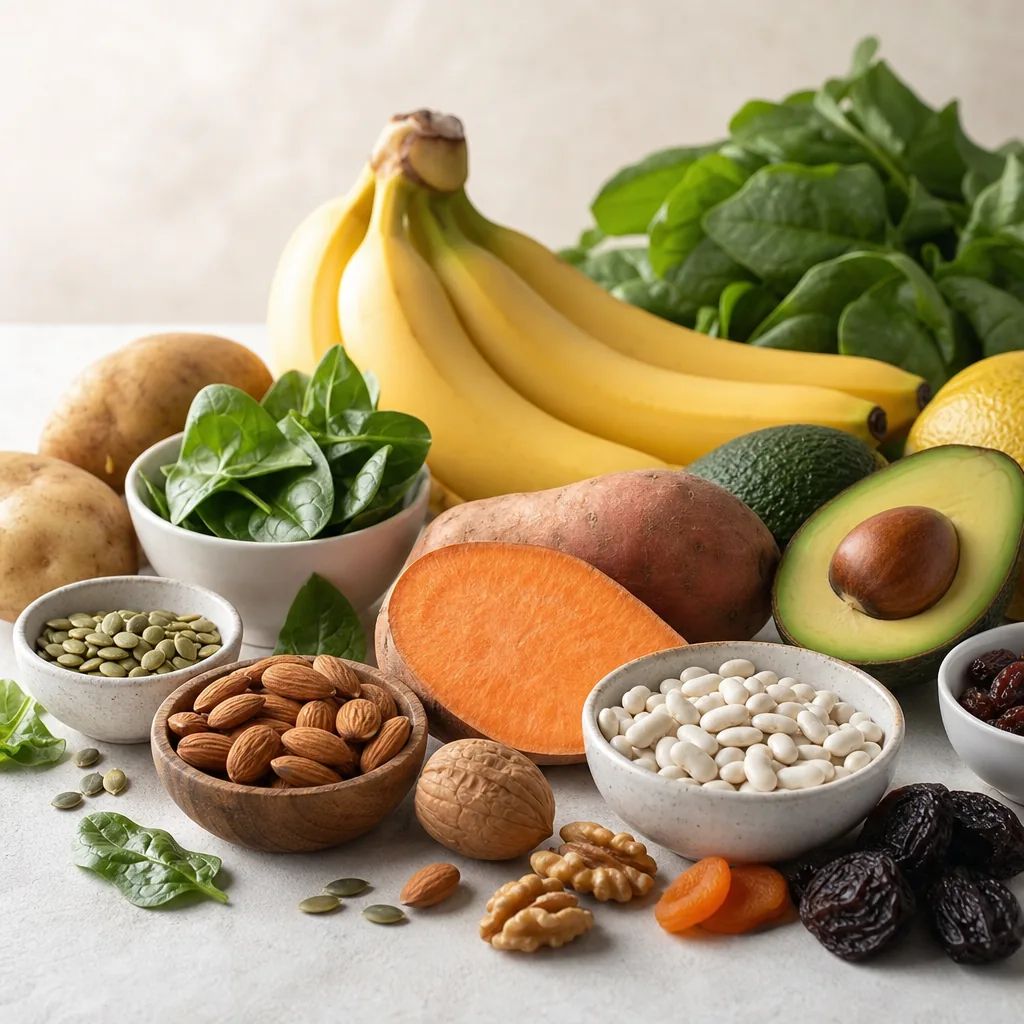
Liver, dairy, eggs, and fortified foods (preformed vitamin A); carrots, sweet potatoes, winter squash, dark leafy greens, and orange fruits (provitamin A carotenoids). Cooking and serving with some fat can improve carotenoid bioavailability.
How to Use Vitamin A
Most people can meet vitamin A needs through a balanced diet. Supplements can help individuals with low intake, increased needs, or malabsorption—ideally under professional guidance.
-
Common dosage range:
The Recommended Dietary Allowance (RDA) for adults is about 900 mcg RAE/day for men and 700 mcg RAE/day for women (RAE = retinol activity equivalents). Many multivitamins provide 300–900 mcg RAE per serving. Avoid exceeding the Tolerable Upper Intake Level (UL) for preformed vitamin A (3,000 mcg RAE/day for adults) unless medically supervised. Note: 900 mcg RAE ≈ 3,000 IU of retinol; for beta-carotene supplements, 1 mcg RAE ≈ 2 mcg beta-carotene.
-
Best timing:
Take with a meal containing some fat to support absorption. Timing during the day is usually flexible.
-
How to take it:
Swallow with water alongside a mixed meal; oil-based softgels and emulsified forms may be better absorbed. If you take bile acid sequestrants, orlistat, or mineral oil, separate dosing per medical advice to reduce interference with absorption.
-
Consistency:
Daily intake through food or a standard multivitamin is typically sufficient. Do not self-administer high-dose or intermittent “mega-doses.” High-dose clinical regimens (for example, in severe deficiency or measles) should only be used under medical supervision.
Food Sources and Supplement Options
Vitamin A is naturally present in foods and also available as supplements. A food-first approach usually works well because whole foods provide additional nutrients, fiber, and phytonutrients. Supplements can be useful for those with documented low intake, malabsorption, increased needs, or specific medical guidance. When supplementation is used, choose quality products and avoid stacking multiple vitamin A sources unintentionally (e.g., multivitamin plus fish liver oil plus frequent liver consumption).
-
Liver (beef, chicken, cod) and fish liver oils—very high in preformed vitamin A
-
Dairy products (milk, cheese, butter) and eggs
-
Fortified foods (milk alternatives, breakfast cereals)
-
Carrots, sweet potatoes, pumpkin, winter squash
-
Dark leafy greens (spinach, kale, collards)
-
Red/orange produce (red peppers, mangoes, apricots, cantaloupe)
-
Red palm oil and certain tropical fruits rich in carotenoids
Supplements may be considered when dietary intake is insufficient, in fat-malabsorption conditions, during periods of increased needs, or when a clinician recommends targeted dosing. Whole foods offer a broader nutrient matrix, while supplements provide more controlled dosing—especially relevant for people who must limit liver intake or cannot rely on consistent produce consumption.
Who May Benefit from Vitamin A?
-
People with limited intake of animal foods and colorful vegetables/fruits, or with overall low-calorie or very low-fat diets
-
Individuals with fat-malabsorption (celiac disease, Crohn’s disease, pancreatic insufficiency, cystic fibrosis) or after bariatric surgery
-
Older adults or those with restricted diets who may not meet needs consistently
-
Individuals with chronic alcohol use or liver disorders, under medical supervision
-
Children in regions where deficiency is prevalent and during measles infection (per public health guidelines)
-
Athletes following prolonged energy-restricted or very low-fat regimens who may have inadequate fat-soluble vitamin intake
-
Vegans relying solely on provitamin A carotenoids who do not regularly consume carotenoid-rich foods
Side Effects and Considerations
-
Toxicity risk with preformed vitamin A:
Excessive intakes of retinol/retinyl esters can cause headache, nausea, dizziness, blurred vision, skin changes, hair loss, bone pain, and liver dysfunction. Chronic high intakes may increase fracture risk in older adults. Do not exceed the adult UL of 3,000 mcg RAE/day from preformed vitamin A without medical supervision.
-
Pregnancy and breastfeeding:
High doses of preformed vitamin A can be teratogenic. Pregnant or planning pregnancy should avoid liver and high-dose supplements; use prenatal vitamins with appropriate amounts. Breastfeeding individuals should also avoid high doses unless prescribed. Always consult a healthcare professional.
-
Medication interactions:
Retinoid drugs (isotretinoin, acitretin) and tetracyclines can interact with vitamin A and increase the risk of intracranial hypertension; avoid combining without medical oversight. Orlistat, cholestyramine, colestipol, and mineral oil can reduce absorption—separate dosing per clinician guidance.
-
Liver disease and alcohol use:
Because vitamin A is stored in the liver, those with liver disease or heavy alcohol use are at higher risk for toxicity and should use supplements only with medical supervision.
-
Smokers and beta-carotene:
Supplemental beta-carotene has been linked to increased lung cancer risk in smokers and asbestos-exposed individuals; they should avoid beta-carotene supplements and rely on food sources instead.
-
Overlapping sources:
Be cautious when combining multivitamins, cod liver oil, standalone vitamin A, and frequent liver intake; totals can exceed safe limits quickly.
-
Children:
Children are more sensitive to excess vitamin A; dosing should follow age-specific RDAs and clinical advice only.
-
Allergies and excipients:
Some supplements contain fish, soy, or other allergens, and oil-based forms may include specific carrier oils. Check labels if you have allergies.
-
Medical conditions and medications:
Anyone who is pregnant, breastfeeding, taking medications, or managing a medical condition should consult a healthcare professional before using vitamin A supplements.
Common Myths About Vitamin A
-
“More vitamin A always improves vision.”
Adequate vitamin A is essential for night vision, but once needs are met, extra intake will not sharpen eyesight and may be harmful if it is preformed vitamin A. Over-supplementation can cause toxicity without added visual benefit.
-
“Carrots cure night blindness for everyone, immediately.”
Carrots provide provitamin A carotenoids that can correct deficiency-related night blindness over time, but they are not an instant fix and may not help if night blindness has other causes. Severe deficiency or eye disease requires clinical care.
-
“Beta-carotene supplements are safe for all.”
While carotenoids generally carry lower toxicity risk than retinol, supplemental beta-carotene has been associated with increased lung cancer risk in smokers and asbestos-exposed individuals. Food sources remain the safer choice.
-
“Topical retinoids and dietary vitamin A work the same way.”
Topical retinoids are drug products acting locally in the skin and are not equivalent to dietary vitamin A. They should not be substituted for nutrition, and dietary supplements should not be used as a replacement for prescribed dermatologic treatments.
Conclusion
Vitamin A is a vital fat-soluble nutrient that supports vision, epithelial tissue integrity, immune function, and normal development. For most people, a balanced diet rich in liver on rare occasions, dairy or fortified alternatives, eggs, and colorful vegetables and fruits provides sufficient vitamin A. Supplements can be helpful for individuals with low intake, malabsorption, or increased needs, but dosing should remain within established guidelines and consider all sources.
Because excessive preformed vitamin A can be harmful—especially in pregnancy, liver disease, and when combined with certain medications—careful product selection and professional guidance are important. A food-first strategy is often best, with supplements used to fill verified gaps or meet specific clinical goals. Anyone who is pregnant, breastfeeding, taking medications, or managing a medical condition should consult a healthcare professional before using vitamin A supplements.