What is Thiamine?
Thiamine, also known as vitamin B1, is an essential water-soluble vitamin that the body cannot produce on its own in meaningful amounts. It must be obtained from foods or supplements. Naturally present in many whole foods and commonly added to enriched grains, thiamine plays a central role in converting carbohydrates into usable energy and in supporting the normal function of the nervous system, heart, and muscles.
Biologically, thiamine is converted inside cells to its active coenzyme form, thiamine diphosphate (also called thiamine pyrophosphate, TPP). TPP is required for several key enzymes in carbohydrate metabolism, including pyruvate dehydrogenase, alpha-ketoglutarate dehydrogenase, and transketolase. Through these enzymes, thiamine supports ATP production, neurotransmitter balance, and the structural integrity of nerve cells. Because it is an essential nutrient, inadequate intake or absorption of thiamine can lead to well-defined deficiency syndromes that affect the nervous and cardiovascular systems.
Thiamine is available as a nutrient in foods and as a dietary supplement. Supplemental forms may include standard water-soluble salts and lipid-soluble derivatives designed to influence absorption and tissue levels. In clinical settings, especially when deficiency is suspected or confirmed, healthcare professionals may use high-dose oral or parenteral thiamine to rapidly restore status.
Benefits of Thiamine
-
Energy metabolism and reduction of deficiency-related fatigue
(Strong evidence)
Thiamine is an indispensable cofactor in carbohydrate metabolism. Adequate thiamine supports efficient conversion of food into energy, which can help reduce fatigue associated with low thiamine status. In people with deficiency or marginal status, restoring thiamine reliably improves symptoms such as low energy, weakness, and exercise intolerance by normalizing the activity of thiamine-dependent enzymes.
-
Neurologic function and prevention/treatment of beriberi and Wernicke–Korsakoff syndrome
(Strong evidence)
Severe thiamine deficiency causes classic neurologic disorders: dry beriberi (peripheral neuropathy), wet beriberi (with cardiovascular involvement), and Wernicke–Korsakoff syndrome (acute confusion, ataxia, eye movement abnormalities, and memory impairment). Thiamine repletion is a standard-of-care therapy in suspected deficiency and in high-risk settings (for example, alcohol use disorder, hyperemesis gravidarum, prolonged malnutrition, and refeeding). Prompt treatment improves outcomes and helps prevent permanent neurological damage.
-
Support for heart function in deficiency and some heart failure settings
(Moderate evidence)
Because thiamine is required for myocardial energy metabolism, deficiency can contribute to cardiomyopathy and edema (wet beriberi). Supplementation corrects deficiency-related cardiac issues. Small clinical trials in people with heart failure—especially those on long-term high-dose loop diuretics, which increase thiamine loss—suggest thiamine may improve certain functional measures. Findings are promising but not universal, and benefits appear more likely when deficiency is present.
-
Glycemic and nerve health support in diabetes (particularly neuropathy symptoms)
(Mixed evidence)
Observational data show lower thiamine levels in many people with diabetes, and high-glucose states may increase thiamine demand. Some randomized trials of benfotiamine (a lipid-soluble thiamine derivative) report improvements in neuropathy symptoms and markers of glucose-induced damage, while others show modest or no effect on clinical outcomes. Overall, evidence is mixed; benefits seem most plausible for symptom relief in certain individuals, not as a stand-alone treatment for diabetes.
-
Cognitive function in older adults or those with low intake
(Limited evidence)
Because the brain is metabolically demanding, inadequate thiamine can impair cognitive processes. Correcting deficiency clearly helps when low levels are the cause. Beyond frank deficiency, some small studies and mechanistic research suggest potential cognitive support in older adults with marginal status, but high-quality trials are limited and results are inconsistent.
-
Exercise capacity in individuals with low or marginal status
(Preliminary evidence)
Athletes and highly active individuals have higher energy turnover, which may raise thiamine needs. Preliminary research indicates that restoring or ensuring adequate thiamine in those with marginal intake may help reduce perceived exertion and support recovery. However, in well-nourished athletes, routine high-dose thiamine does not appear to enhance performance.
Deficiency or Low Levels of Thiamine
-
Common signs of low levels:
Early signs can include fatigue, irritability, poor appetite, and peripheral neuropathy (tingling, numbness, burning sensations). More severe deficiency may cause muscle weakness, ataxia, mental confusion, vision changes (nystagmus), cardiac enlargement, shortness of breath, edema, and in severe cases Wernicke–Korsakoff syndrome.
-
Who may be at risk:
People with alcohol use disorder; those with malabsorption (celiac disease, inflammatory bowel disease), prolonged vomiting (including hyperemesis gravidarum), anorexia, or very low-calorie diets; post-bariatric surgery patients; individuals on chronic loop diuretics (e.g., furosemide); older adults; people with HIV/AIDS; those on long-term parenteral nutrition without adequate thiamine; individuals undergoing refeeding after starvation; people on dialysis; and populations with diets high in refined carbohydrates but low in thiamine-rich foods. Regular consumption of raw freshwater fish or large amounts of certain teas containing thiaminases can also contribute.
-
How it is checked:
Clinical assessment considers diet and symptoms, but laboratory testing may include erythrocyte transketolase activity (with TPP effect) or direct measurement of thiamine diphosphate in whole blood using chromatography. Interpretation should be done by a clinician familiar with the methods and reference ranges.
Types or Forms Available
-
Thiamine hydrochloride (HCl) and thiamine mononitrate:
The most common, cost-effective water-soluble forms found in multivitamins and B-complex products. Both are well absorbed at typical doses and effective for daily needs and general repletion.
-
Benfotiamine:
A lipid-soluble thiamine derivative designed to increase tissue thiamine metabolites. Often studied in the context of diabetic neuropathy and advanced glycation end-products. Dosing is typically higher than standard thiamine, and effects may differ due to pharmacokinetics.
-
Thiamine diphosphate (TPP, “coenzymated” B1):
The active coenzyme form. Some products provide TPP directly, though most cells efficiently convert standard thiamine to TPP. These supplements are marketed for immediate bioactivity, but clear advantages over standard forms at typical doses remain uncertain.
-
Allithiamine/sulbutiamine and related derivatives:
Fat-soluble analogs that cross membranes differently. Sulbutiamine has stimulant-like properties in some users. These are not necessary for general nutrition and should be used cautiously.
-
Fortified foods:
Many refined grain products (breads, cereals, pasta) are enriched with thiamine, helping populations meet baseline needs. Fortification is useful but can vary by region and product.
-
Parenteral thiamine (clinical use):
Intravenous or intramuscular thiamine is used in medical settings for suspected deficiency, Wernicke’s encephalopathy, or severe malabsorption. This route is not for routine self-administration.
How to Use Thiamine
For most healthy adults, meeting needs through a varied diet or a standard multivitamin is sufficient. Supplemental thiamine can be considered when intake is low, demand is elevated, or a clinician identifies deficiency or risk.
-
Common dosage range:
The Recommended Dietary Allowance (RDA) is about 1.1 mg/day for adult women and 1.2 mg/day for adult men; pregnancy and lactation needs are approximately 1.4 mg/day. Over-the-counter supplements commonly provide 1–50 mg/day. Higher doses (for example, 100–200 mg/day of thiamine HCl) are used short-term under medical supervision for deficiency. Benfotiamine in studies often ranges from 150–600 mg/day in divided doses for neuropathy symptoms; discuss with a clinician before using higher doses.
-
Best timing:
Thiamine is water-soluble and does not require a specific time of day. Taking it with meals can aid absorption and reduce gastrointestinal discomfort for some people.
-
How to take it:
Swallow tablets or capsules with water. Pairing with a meal that includes carbohydrates reflects its metabolic role and may be convenient. Avoid relying on large amounts of raw freshwater fish or certain teas immediately around dosing if you are concerned about thiaminase activity; normal culinary cooking inactivates these enzymes.
-
Consistency:
Daily intake is important because thiamine stores are limited and turnover is relatively rapid. If you are correcting low levels, follow a clinician-directed plan for dose and duration, then transition to maintenance intake through diet and/or a standard supplement.
Food Sources and Supplement Options
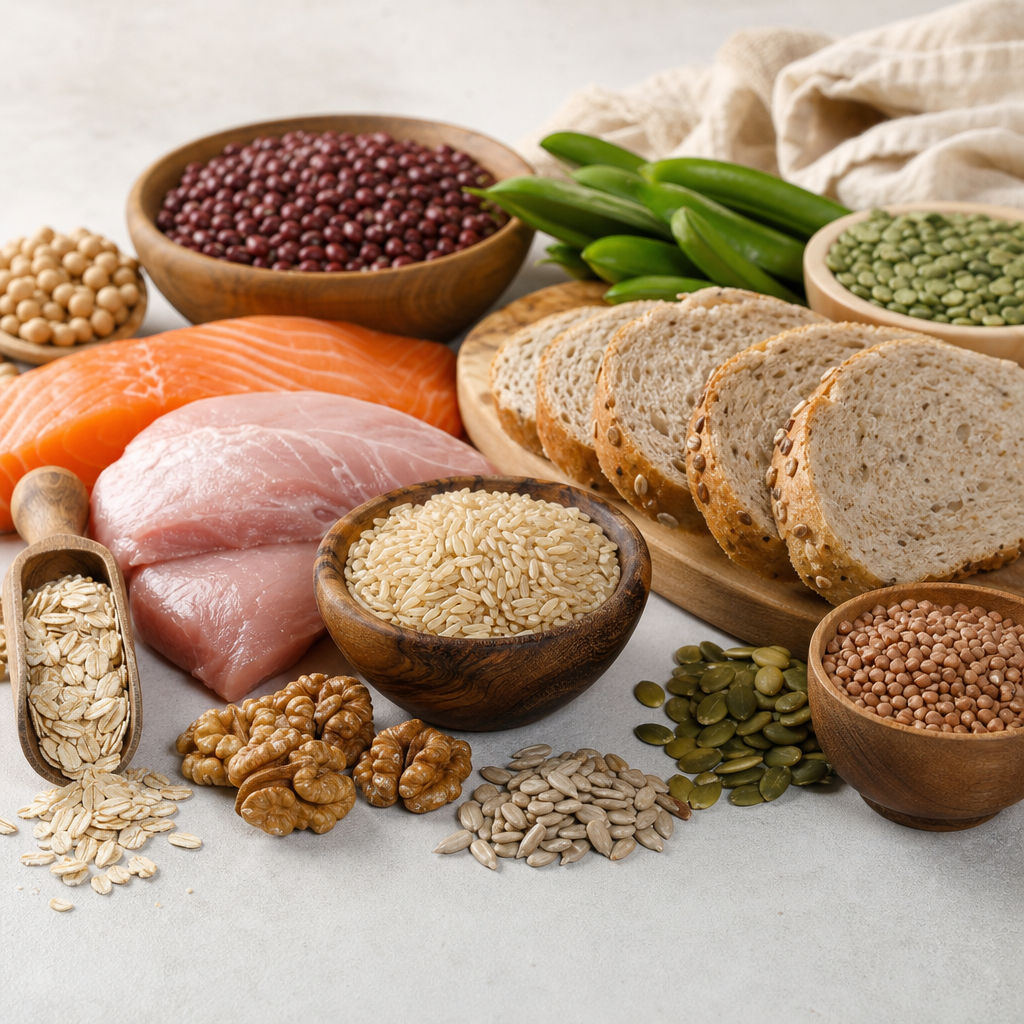
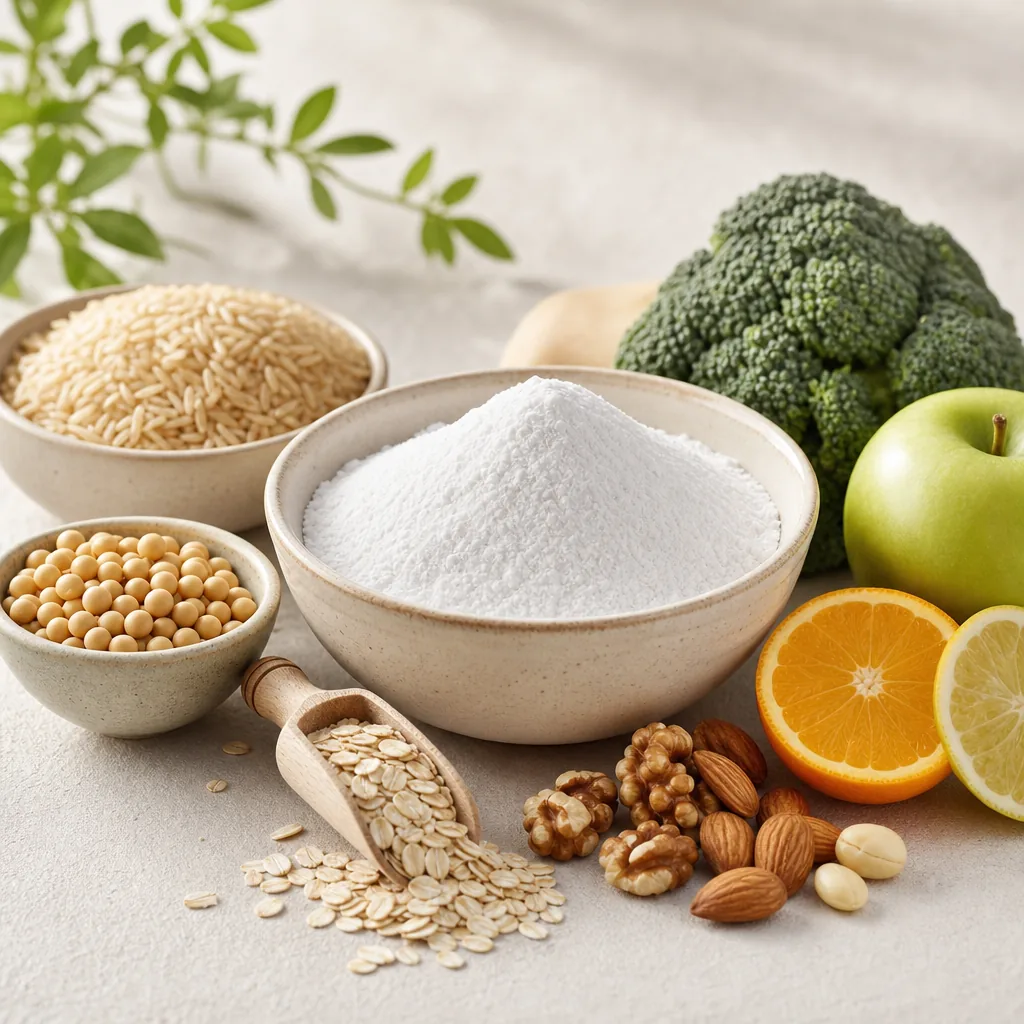
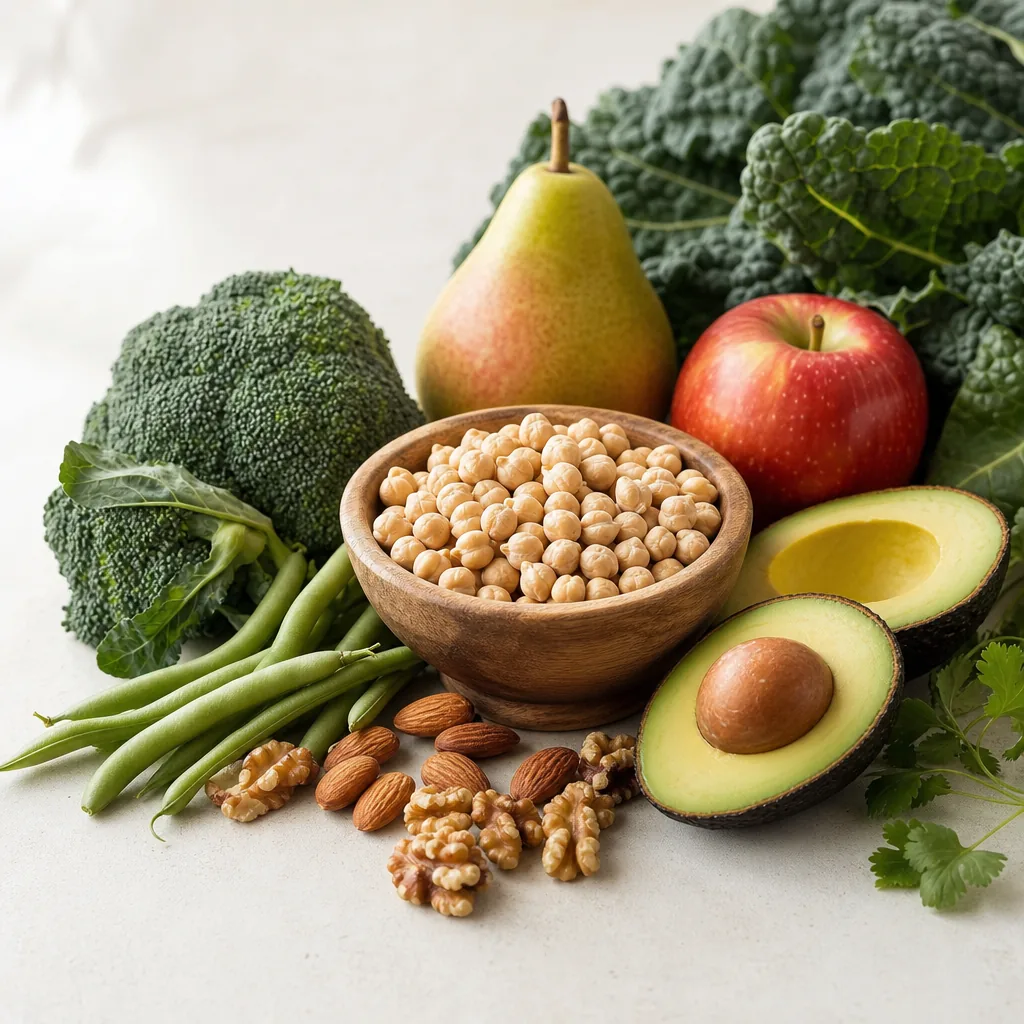
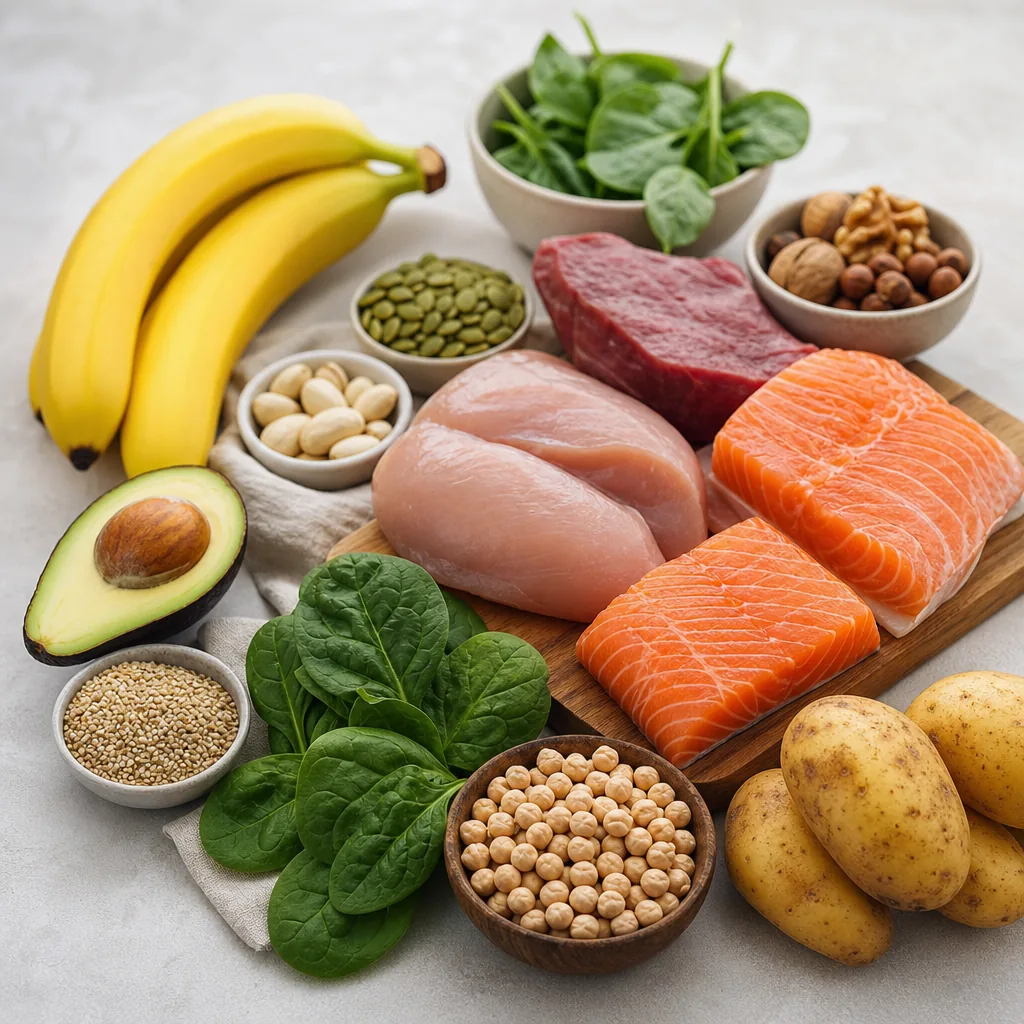
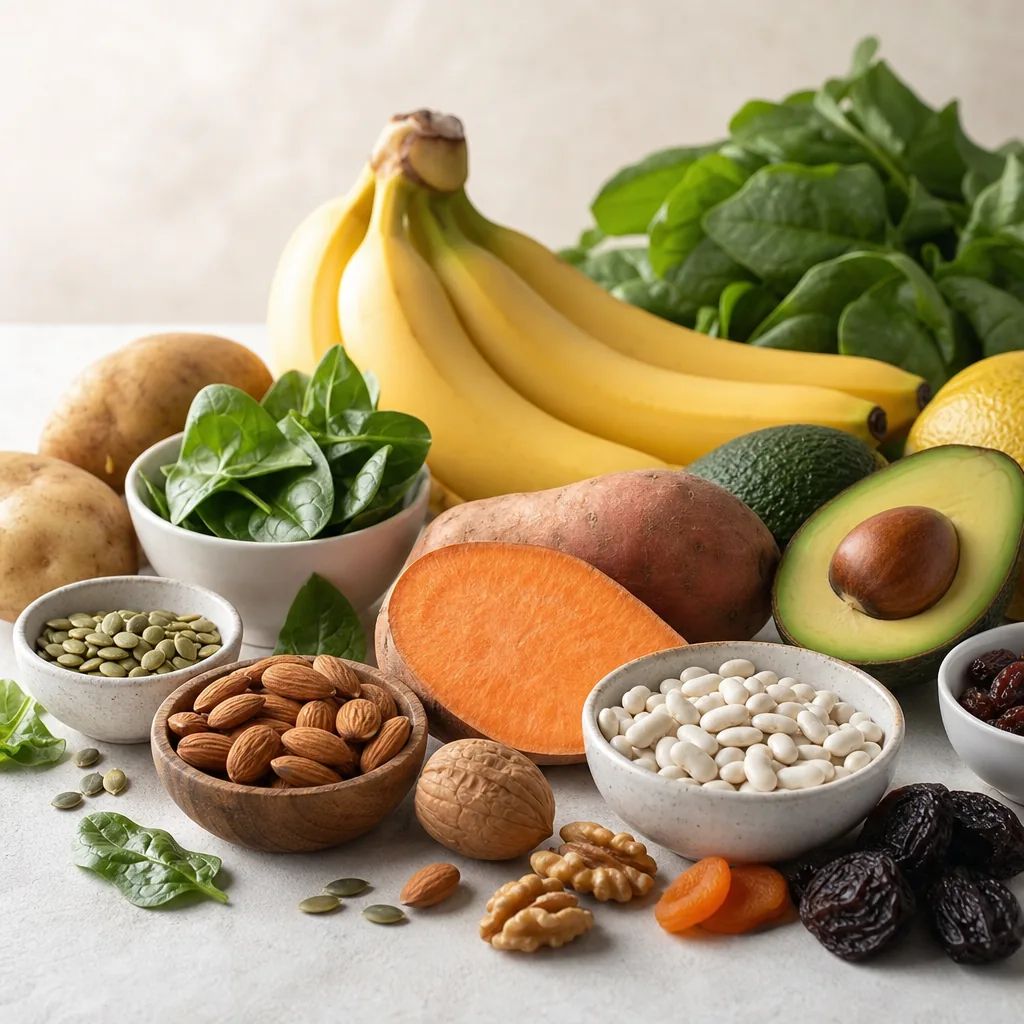
Thiamine is found in both foods and supplements. Many people can meet requirements through diet, though supplements are useful for those with restricted intake, increased needs, or absorption issues.
-
Pork and pork loin
-
Fortified and enriched cereals, breads, and pasta
-
Legumes (lentils, black beans, navy beans)
-
Nuts and seeds (sunflower seeds, macadamia nuts)
-
Whole grains (brown rice, oats, whole wheat)
-
Peas and certain vegetables (asparagus, acorn squash)
-
Fish and shellfish (cooked)
Thiamine is sensitive to heat and water; prolonged boiling and high-heat, high-pH cooking can reduce content. Whole foods provide a spectrum of additional nutrients and fiber, while supplements enable consistent, targeted dosing—especially helpful for individuals with elevated requirements or inconsistent intake. Supplementation may make sense when dietary variety is limited, when medical conditions or medications increase thiamine losses, or when a clinician is treating low levels.
Who May Benefit from Thiamine?
-
People with limited diets low in whole grains, legumes, nuts, and pork, or those relying heavily on refined carbohydrates without fortification.
-
Individuals with alcohol use disorder or those undergoing refeeding after significant weight loss or starvation.
-
Patients after bariatric surgery, or anyone with chronic gastrointestinal disease or malabsorption.
-
People on chronic loop diuretics (e.g., furosemide) or dialysis, which increase thiamine loss.
-
Pregnant individuals with severe nausea/vomiting (hyperemesis gravidarum), under medical care.
-
Older adults with reduced appetite or limited food access.
-
People with diabetes experiencing neuropathy symptoms who are exploring adjunctive options with medical guidance.
-
Athletes or highly active individuals ensuring adequacy in the context of high energy expenditure, particularly when dietary patterns are inconsistent.
Side Effects and Considerations
-
Thiamine is generally well tolerated at recommended amounts, and no Tolerable Upper Intake Level (UL) is established for healthy adults. However, very high doses should not be taken without medical guidance.
-
Allergic reactions are rare but possible, especially with parenteral administration; seek immediate care for rash, hives, wheezing, or swelling.
-
Gastrointestinal upset (nausea, abdominal discomfort) or mild headache can occur in some users, particularly at higher doses or on an empty stomach.
-
Medication interactions: long-term loop diuretics can increase urinary thiamine losses; 5-fluorouracil and some chemotherapeutic agents may interfere with thiamine metabolism; discuss supplementation with your oncology or cardiology team.
-
Alcohol reduces thiamine absorption and utilization; individuals who drink heavily may require supervised repletion.
-
Benfotiamine and other derivatives are generally well tolerated, but data on long-term high-dose use are limited; monitor for changes in blood glucose and neuropathy symptoms with your clinician.
-
Sulbutiamine may cause agitation, insomnia, or headaches in some users; avoid in children and be cautious if sensitive to stimulants.
-
People with kidney disease on dialysis may have increased thiamine losses and should work with a renal dietitian or nephrologist for individualized dosing.
-
Pregnant or breastfeeding individuals, children, those taking medications, and anyone managing a medical condition should consult a healthcare professional before starting supplements.
-
Quality matters: choose reputable brands that identify the thiamine form and dose clearly; avoid unnecessary megadose combinations unless prescribed.
Common Myths About Thiamine
-
“Only people with alcohol use disorder get thiamine deficiency.”
While alcohol use disorder is a major risk factor, deficiency also occurs with malabsorption, prolonged vomiting, restrictive diets, bariatric surgery, chronic diuretic use, dialysis, refeeding, and in older adults with poor intake.
-
“Mega-doses of thiamine boost energy for everyone.”
Thiamine supports energy metabolism, but in well-nourished people with adequate status, taking very high doses does not produce limitless energy or athletic performance gains. Benefits are most evident when correcting low or marginal levels.
-
“Fortified grains guarantee enough thiamine.”
Fortification helps population averages, but individual intake varies. Some products are not fortified, serving sizes may be small, and cooking losses can occur. People with higher needs or poorer absorption may still fall short.
-
“Thiamine cures all neuropathy and cognitive problems.”
Thiamine reliably treats deficiency-related neurologic issues, but neuropathy and cognitive decline have many causes. Evidence for benefits beyond deficiency is mixed or limited, and thiamine should not replace comprehensive medical evaluation.
Conclusion
Thiamine (vitamin B1) is a foundational nutrient for carbohydrate metabolism, nerve integrity, and cardiovascular function. Most people can meet needs through a balanced diet that includes whole grains, legumes, nuts, seeds, and fortified foods, but certain groups have higher risk of low levels and may benefit from targeted supplementation. When deficiency is suspected—especially in settings such as alcohol use disorder, malabsorption, bariatric surgery, severe vomiting, refeeding, or chronic diuretic use—prompt medical evaluation and supervised repletion are important.
For everyday wellness, food-first strategies provide thiamine alongside other beneficial nutrients, while supplements offer consistent dosing when intake is uncertain or needs are elevated. Choose quality products, avoid unnecessary megadoses, and consult a healthcare professional if you are pregnant, breastfeeding, taking medications, or managing a medical condition. Thoughtful use of thiamine helps ensure reliable energy metabolism and neurologic health without overpromising or overlooking safety.