What is Chaga?
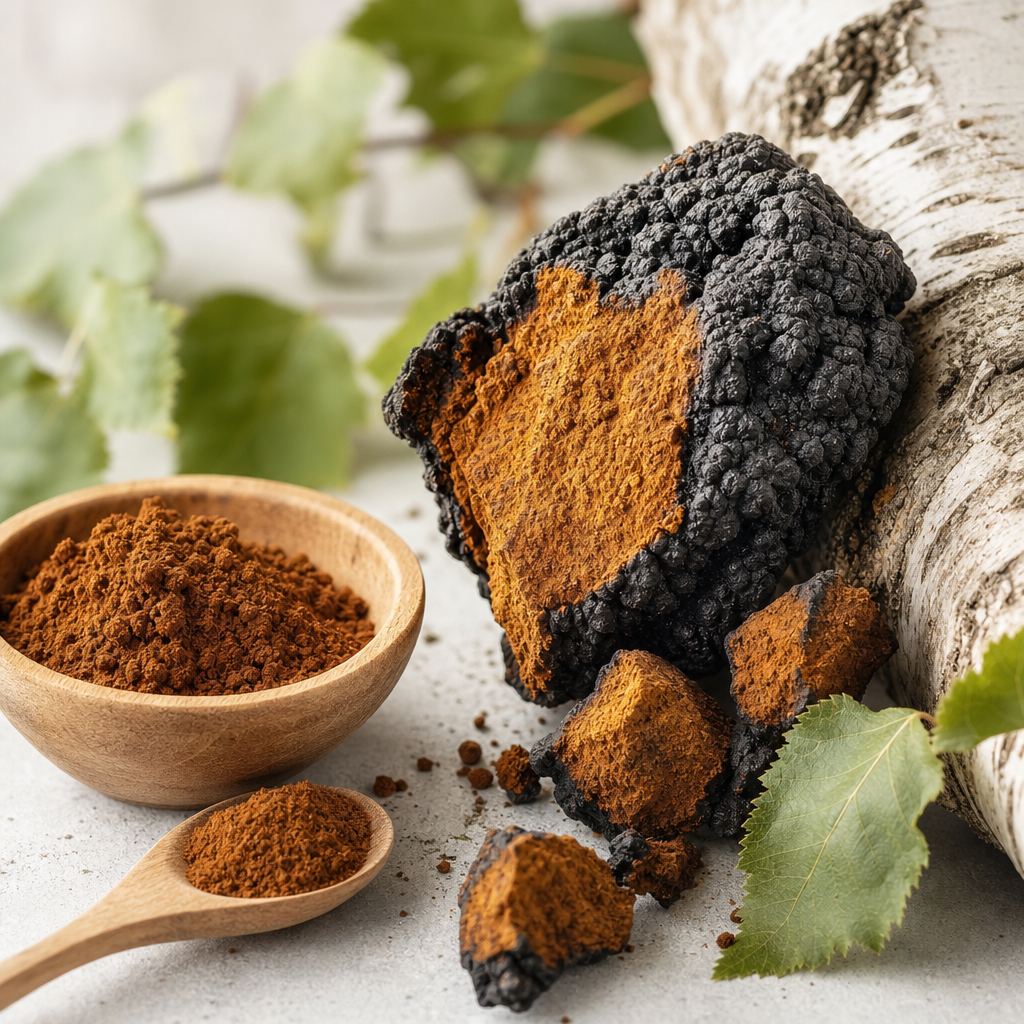
Chaga (Inonotus obliquus) is a slow-growing, woody fungal mass (called a sclerotium) that forms primarily on birch trees in cold climates such as Siberia, Northern Europe, Korea, Japan, Canada, and the northern United States. It looks like a dark, charcoal-like growth on the outside, with a rusty orange interior. Traditionally prepared as a decoction or tea, chaga has been used in folk practices for general wellness in parts of Russia and Scandinavia for centuries.
From a nutrition and wellness perspective, chaga is best classified as a mushroom-derived botanical ingredient or supplement. It is not an essential nutrient; the body does not require chaga the way it requires vitamins, minerals, essential fatty acids, or essential amino acids. Chaga contains a variety of bioactive compounds—most notably beta-glucans and other polysaccharides, polyphenols, melanin pigments, and triterpenes such as inotodiol and compounds related to betulin/betulinic acid (influenced by the birch host). These constituents are believed to contribute to chaga’s antioxidant and immunomodulatory properties, though human evidence is still developing.
Today, chaga is commonly consumed as hot-water extracts, dual-extract powders, tinctures, capsules, and instant beverage blends. While interest is growing, robust clinical research in humans remains limited, and chaga should be viewed as a complementary, food-like supplement rather than a treatment for disease.
Benefits of Chaga
-
Antioxidant support
(Limited evidence)
Chaga extracts are rich in polyphenols and melanin-like pigments and have shown strong antioxidant capacity in test-tube and animal models. A few small human studies and pilot trials suggest potential improvements in markers of oxidative stress, but data are limited and heterogeneous. As part of a balanced diet, chaga may offer modest support for antioxidant status; it should not replace fruit- and vegetable-rich eating patterns that provide established antioxidant benefits.
-
Immune modulation
(Limited evidence)
Beta-glucans and polysaccharides from chaga can influence innate and adaptive immune pathways in preclinical research, potentially supporting balanced immune activity. Early human data are minimal, with some studies noting changes in immune biomarkers but not definitive clinical outcomes. Individuals often use chaga seasonally for general wellness, but evidence for preventing or treating infections in humans is not established.
-
Glycemic support
(Preliminary evidence)
Animal and cell studies indicate chaga extracts may help with glucose metabolism and insulin-related signaling. Human trials are scarce and small, so any effect size and practical impact remain uncertain. If used, chaga should be viewed as a supportive adjunct to proven strategies—such as diet quality, fiber intake, physical activity, sleep, and, when necessary, clinician-directed medications.
-
Lipid profile and cardiometabolic markers
(Preliminary evidence)
Preclinical work suggests potential benefits on LDL cholesterol oxidation, inflammation, and endothelial function. Limited human data have not established consistent improvements in lipid panels or cardiovascular outcomes. Chaga may complement cardiometabolic routines, but it should not replace evidence-based therapies or lifestyle measures.
-
Anti-inflammatory effects
(Preliminary evidence)
Chaga compounds show anti-inflammatory activity in vitro and in animal models, including modulation of NF-κB and cytokine signaling. Human trials are few, and consistent improvements in inflammatory symptoms or clinical endpoints have not been demonstrated. More rigorous research is needed to confirm real-world significance.
Types or Forms Available
-
Whole chaga chunks or coarse pieces (for tea/decoction)
: Traditionally simmered for 20–60 minutes (or longer) to make a dark, earthy tea. This approach primarily extracts water-soluble compounds like beta-glucans and polyphenols. Potency varies by source and preparation time.
-
Hot-water extract powders
: Concentrated powders standardized to polysaccharide or beta-glucan content (for example, 20–30%+), offering more predictable dosing than home-brewed tea. These are typically added to hot water, smoothies, or taken in capsules.
-
Alcohol tinctures
: Alcohol extracts are better at pulling out certain triterpenes (e.g., inotodiol, compounds related to betulin/betulinic acid). Tinctures may be used alongside hot-water extracts for a broader spectrum of constituents.
-
Dual-extract powders
: Produced with both hot water and alcohol to capture a broader profile (polysaccharides plus triterpenes). Products may list standardization targets for both beta-glucans and triterpenes.
-
Capsules/tablets
: Convenient dosing of hot-water or dual extracts. Look for third-party testing and clear standardization (e.g., beta-glucan content) to ensure potency.
-
Instant beverage blends
: Chaga combined with coffee, cacao, or other mushrooms. Read labels carefully—some blends contain caffeine from coffee and variable amounts of chaga.
-
Sclerotium versus mycelium
: Many premium products use wild-harvested sclerotium from birch. Others use mycelium grown on grain; these may contain more starch and different levels of beta-glucans. Product type and extraction method significantly influence composition.
How to Use Chaga
There is no universally accepted clinical dose for chaga. Most guidance is based on traditional use, manufacturer standards, and limited human data. Start low, assess tolerance, and follow label directions from reputable brands.
-
Common dosage range:
Many extracts are used at about 500–1500 mg per day of a hot-water or dual-extract powder (often standardized to beta-glucans). Whole-powder or tea preparations commonly range from 1–3 g per day, and traditional decoctions might use 2–4 g of dried material per serving. For tinctures, typical amounts are around 1–2 mL one to three times daily, per product directions. Avoid megadoses.
-
Best timing:
Timing is flexible. Chaga is non-stimulant and can be taken morning or afternoon. If a blend contains coffee, be mindful of caffeine content and personal sensitivity.
-
How to take it:
Mix powders into hot water or smoothies, or take in capsules with water. Many people prefer taking chaga with food to reduce the chance of stomach upset. Tinctures can be taken directly or diluted in water.
-
Consistency:
For general wellness, chaga is often used daily or several times per week for a period of weeks. Some prefer occasional use as a tea. Long-term, high-dose daily use is not advised due to safety uncertainties and oxalate content.
Food Sources and Supplement Options
Chaga is not a common culinary mushroom and is not typically found in everyday foods. It naturally occurs as a sterile conk (sclerotium) on birch trees and is traditionally consumed as a tea or decoction rather than eaten. As such, most people encounter chaga through supplements: hot-water extracts, dual-extract powders, tinctures, or capsules.
Supplementation may make sense if you want a consistent, standardized amount of beta-glucans or specific triterpenes, or if you do not have access to properly identified wild chaga. Whole-food dietary patterns remain the foundation for wellness because they supply a wide spectrum of nutrients and fiber; however, supplements can offer targeted dosing and convenience when a food is not typically consumed or is difficult to prepare. Choose high-quality products that disclose extraction method, standardization (e.g., beta-glucan content), and third-party testing for purity and contaminants.
Who May Benefit from Chaga?
-
People who enjoy mushroom-based beverages and want a caffeine-free, earthy tea or coffee alternative.
-
Individuals seeking modest, complementary antioxidant support alongside a fruit- and vegetable-rich diet and active lifestyle.
-
Athletes in heavy training blocks who are exploring mushroom supplements for general wellness; note that robust performance or recovery benefits are not established.
-
Adults interested in beta-glucan-containing mushrooms for seasonal wellness, recognizing that human immune outcomes data for chaga remain limited.
-
People aiming to diversify their intake of mushroom-derived compounds but who cannot easily access or safely prepare wild chaga.
Side Effects and Considerations
-
Gastrointestinal upset:
Nausea, bloating, or diarrhea can occur, particularly with high doses or strong decoctions. Start low and take with food to minimize discomfort.
-
Kidney concerns and oxalates:
Chaga can be high in oxalates. Case reports link heavy, prolonged use to oxalate nephropathy and kidney injury. People with a history of kidney stones, chronic kidney disease, or on low-oxalate diets should avoid or use only under medical guidance.
-
Bleeding risk and surgery:
Chaga may have antiplatelet effects and could theoretically increase bleeding risk, especially when combined with anticoagulants (e.g., warfarin) or antiplatelet drugs (e.g., aspirin, clopidogrel). Stop use at least 1–2 weeks before surgery and consult your clinician.
-
Blood sugar interactions:
Chaga might affect glucose metabolism. If you use insulin or oral hypoglycemic agents, monitor closely and consult your healthcare professional to avoid hypoglycemia.
-
Immune conditions and medications:
Because beta-glucans can modulate immune activity, people with autoimmune conditions or those taking immunosuppressants (e.g., for transplants, autoimmune diseases, or biologic therapies) should exercise caution and seek medical advice.
-
Allergies and sensitivities:
Those with known mushroom allergies should avoid chaga. Discontinue use if you experience rash, itching, swelling, or difficulty breathing, and seek medical care.
-
Liver considerations:
While clear links are not well established, data are limited. Individuals with liver disease should be cautious and discuss use with a healthcare professional.
-
Quality and contamination:
Mushrooms can accumulate heavy metals and other contaminants from the environment. Post-accident radioisotope accumulation has also been reported in some wild fungi. Choose products with transparent sourcing and third-party testing for purity and contaminants.
-
Pregnancy, breastfeeding, and children:
Safety data are insufficient. Pregnant or breastfeeding individuals and children should avoid chaga unless advised by a qualified clinician.
-
Medication and condition check:
Anyone taking medications or managing medical conditions should consult a healthcare professional before using chaga to assess interactions and appropriateness.
Common Myths About Chaga
-
“Chaga cures cancer.”
While chaga compounds show anticancer activity in test-tube and animal studies, there is no high-quality clinical evidence that chaga treats or cures cancer in humans. It should never replace standard oncology care. If you are undergoing cancer treatment, discuss any supplement use with your oncology team.
-
“Natural means completely safe.”
Chaga is natural, but not risk-free. Its high oxalate content, potential interactions with blood thinners and diabetes medications, and possible effects on immune function require caution—especially at high doses or with prolonged use.
-
“All chaga products are the same.”
Potency and composition differ by source (wild sclerotium vs. mycelium on grain), extraction method (hot water vs. alcohol vs. dual), and standardization. Look for products that disclose beta-glucan content, extraction method, and third-party testing.
-
“More is better.”
Higher doses do not necessarily mean better results and can increase the risk of side effects, including kidney issues from oxalates. Use conservative doses, prioritize quality, and monitor how you feel.
Conclusion
Chaga is a mushroom-derived supplement traditionally prepared as a tea and now widely available as standardized extracts. It provides polyphenols, beta-glucans, melanin pigments, and triterpenes that may contribute to antioxidant and immunomodulatory effects. Current human evidence is limited or preliminary across outcomes like oxidative stress, immune balance, glucose control, and lipid markers, so chaga is best considered a complementary wellness option rather than a treatment.
If you choose to use chaga, prioritize high-quality, third-party-tested products, use modest doses, and consider your health context. People who are pregnant or breastfeeding, children, and those taking medications—especially anticoagulants, antiplatelets, diabetes drugs, or immunosuppressants—or managing kidney, liver, or autoimmune conditions should consult a healthcare professional before use. Food-first patterns rich in fruits, vegetables, whole grains, legumes, nuts, seeds, and culinary mushrooms offer broad, well-established benefits; chaga supplements may provide targeted dosing when desired, but they should complement—not replace—sound nutrition and medical care.