What is Garlic Bulb?
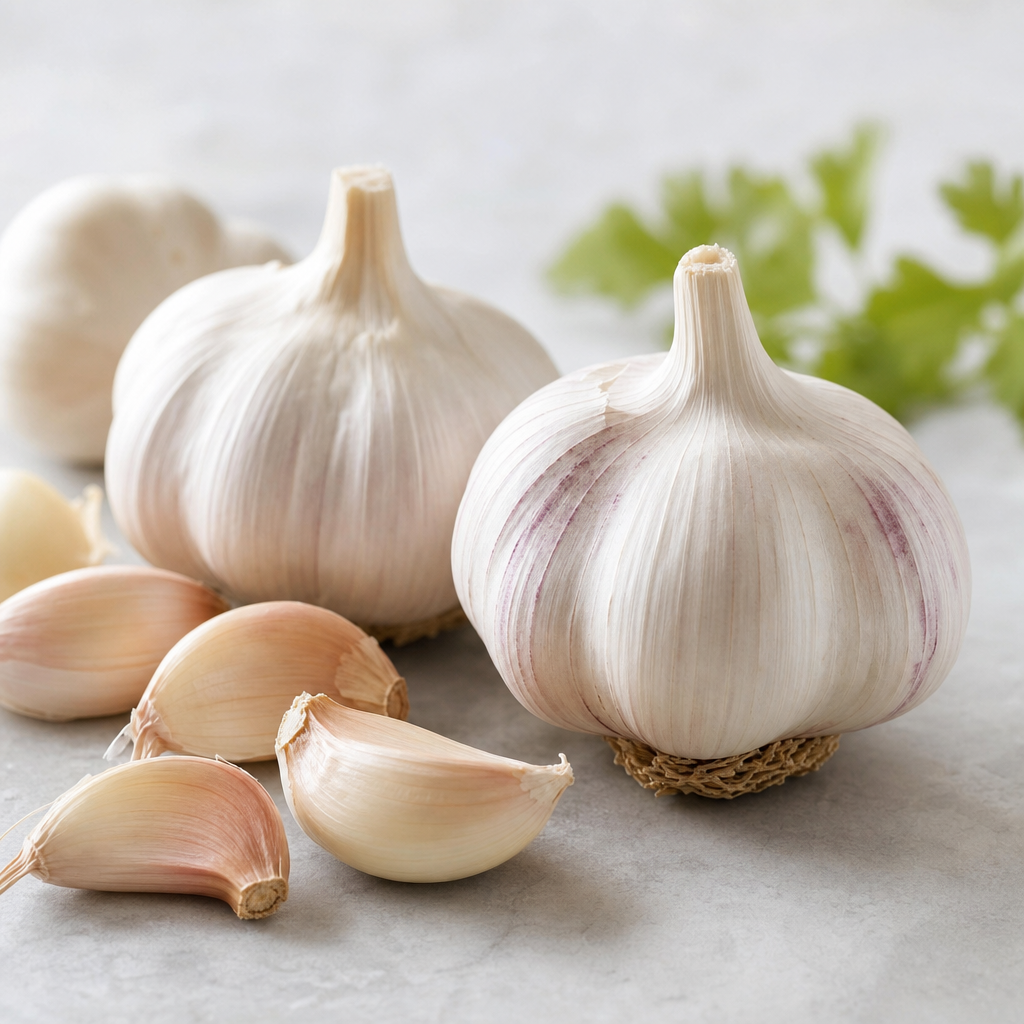
Garlic bulb (Allium sativum) is a culinary plant from the onion family that has been used for flavor and traditional wellness practices for thousands of years. The cloves of the bulb contain sulfur-rich compounds, notably alliin, which converts to allicin when the clove is crushed or chopped. These and other metabolites (such as S-allyl cysteine in aged preparations) are believed to contribute to garlic’s characteristic aroma and many of its studied health effects, particularly in the areas of heart and metabolic health, immune support, and microbial activity.
Garlic is best described as a food and botanical ingredient, and it is also available as a dietary supplement in various processed forms (powder, oil, aged extracts, and fermented “black” garlic). It is not an essential nutrient like a vitamin, mineral, essential fatty acid, or essential amino acid. The human body does not require garlic to survive; however, regular intake from foods or carefully selected supplements may provide supportive benefits for certain health goals when used alongside a balanced diet and healthy lifestyle.
Benefits of Garlic Bulb
-
Blood pressure support (modest reductions in systolic/diastolic)
(Moderate evidence)
Garlic supplements—especially standardized powders and aged garlic extract—have been associated with small but meaningful reductions in blood pressure in adults with elevated readings. Typical changes seen in clinical trials are in the range of a few mmHg, which can contribute to cardiovascular risk reduction when combined with diet, exercise, sleep, and stress management. Effects appear stronger in people with higher baseline blood pressure.
-
Cholesterol and lipid profile
(Moderate evidence)
Meta-analyses of randomized trials suggest garlic may modestly lower total cholesterol and LDL (“bad”) cholesterol over several weeks to months, with more variable effects on HDL and triglycerides. The degree of benefit is generally small to moderate and depends on the specific preparation and dose. Garlic is not a replacement for prescribed lipid-lowering therapy but can be a complementary approach for some individuals under professional guidance.
-
Platelet and vascular function
(Limited evidence)
Garlic has mild antiplatelet properties that may help reduce excessive platelet aggregation and support vascular function. Some studies also suggest improvements in arterial stiffness and markers of atherosclerosis with aged garlic extract. While these findings are encouraging, clinical outcomes data remain limited, and the antiplatelet effect warrants caution for people on blood-thinning medications or those preparing for surgery.
-
Immune support for common colds
(Mixed evidence)
A few clinical trials indicate that regular garlic consumption or certain extracts may reduce the frequency or duration of upper respiratory infections, possibly by modulating immune activity and limiting pathogen growth. Other studies do not show clear benefits. Variability in garlic form, dose, and study design likely contributes to the mixed results. For everyday wellness, garlic can be part of an overall immune-supportive diet, but it is not a guaranteed way to prevent colds.
-
Blood sugar and metabolic markers
(Limited evidence)
Some trials report small improvements in fasting glucose, insulin sensitivity, or inflammatory markers with garlic supplementation, particularly in adults with metabolic concerns. Findings are inconsistent and often modest in size. Garlic should not replace prescribed diabetes treatments, but it may be considered as an adjunct under medical supervision alongside nutrition, physical activity, and medication as indicated.
-
Antimicrobial activity and gut support
(Preliminary evidence)
Garlic and its sulfur compounds show antibacterial, antifungal, and antiparasitic effects in laboratory and animal studies, and have been tested as adjuncts in certain infections (for example, alongside standard therapy for Helicobacter pylori). Human evidence is still early and not sufficiently robust to rely on garlic alone for infections. Some forms of garlic may also influence the gut microbiota, but clinical significance is not yet well defined.
Types or Forms Available
-
Fresh garlic cloves:
Crushing or chopping activates the enzyme alliinase, converting alliin to allicin (responsible for the characteristic smell and many early-phase effects). Cooking quickly can deactivate alliinase and reduce allicin yield; letting crushed garlic rest for 10 minutes before cooking can help preserve allicin formation.
-
Garlic powder (dehydrated, often standardized):
Common in supplements, sometimes enteric-coated to protect alliinase and enhance allicin potential in the intestine. Quality varies; look for standardization (e.g., a stated alliin/allicin potential).
-
Aged garlic extract (AGE):
Garlic that has been aged in ethanol/water for months, reducing allicin but yielding stable compounds like S-allyl cysteine (SAC). AGE is deodorized, gentler on the stomach, and frequently studied for cardiovascular support.
-
Garlic oil and steam-distilled oils:
Concentrated volatile compounds (e.g., diallyl disulfide). These do not provide significant allicin but may have other bioactive components. Potency and tolerability vary.
-
Black garlic (fermented garlic):
Produced by controlled heat and humidity over weeks, leading to a sweet, umami flavor and increased certain antioxidants. Allicin is largely absent; composition differs from fresh garlic and AGE.
-
Culinary forms (granulated, minced, pastes):
Useful for cooking and flavor, but bioactive content can be lower or more variable than standardized supplements. Still valuable as part of a food-first approach.
How to Use Garlic Bulb
Choose a form that matches your goal and tolerance. For culinary use, incorporate fresh or cooked garlic into meals regularly. For targeted support (e.g., cardiometabolic goals), consider a standardized supplement with known active compound content.
-
Common dosage range:
For supplements, typical studied ranges are 600–1,200 mg per day of garlic powder standardized to about 1.3% alliin, often in divided doses; or about 1,000–1,200 mg per day of aged garlic extract (providing a defined amount of S-allyl cysteine). For food-based intake, 1 clove of fresh garlic daily (about 3–5 g) is a common culinary amount, though exact bioactive yield varies. Avoid very high doses to reduce risk of side effects, especially bleeding or GI upset.
-
Best timing:
Timing is flexible. Splitting the dose with meals can improve tolerance and, for some standardized forms, may support absorption. Consistency over weeks is more important than time of day.
-
How to take it:
Take supplements with food and water to minimize stomach upset. For fresh garlic, crushing or chopping and letting it sit for 10 minutes before lightly cooking or eating raw can maximize allicin formation, though raw garlic may be harsh for some people and may aggravate reflux.
-
Consistency:
Benefits—particularly for blood pressure and lipid support—generally require daily use for at least 6–12 weeks. Periodic breaks can be considered if side effects emerge or before planned procedures.
Food Sources and Supplement Options
Garlic bulb itself is a food, widely used in cuisines around the world. Many people can obtain meaningful amounts simply by cooking with it regularly. Supplements exist for those seeking more standardized, predictable quantities of bioactive compounds, or for individuals who struggle to consume garlic due to taste or digestive sensitivity.
-
Fresh garlic cloves (raw, sautéed, roasted)
-
Black garlic (fermented cloves with a sweet, mellow flavor)
-
Garlic powder, granules, or pastes used in cooking
Supplements may be useful when consistent dosing is desired (for example, in studies of blood pressure or cholesterol support) or when a deodorized, gentler form is preferred. Whole foods offer broader nutritional value and culinary enjoyment, while supplements can deliver a targeted, standardized dose. Quality varies widely among products; third-party tested options and forms with clear standardization (alliin/allicin potential or S-allyl cysteine content for aged extracts) are preferable.
Who May Benefit from Garlic Bulb?
-
Adults with mildly elevated blood pressure or LDL cholesterol seeking complementary support alongside diet and lifestyle changes (and medical care when indicated).
-
People who enjoy or prefer food-first strategies and want to regularly include a flavorful vegetable with potential cardiometabolic benefits.
-
Individuals who experience frequent seasonal colds and wish to try a food-based adjunct for general immune support, recognizing that evidence is mixed.
-
Those who prefer a deodorized, gentler option (such as aged garlic extract) for potential vascular support but cannot tolerate raw or strong-tasting garlic.
-
Athletes during heavy training blocks who want simple culinary strategies to support immune health and flavor intake, while prioritizing overall nutrition and recovery.
-
People limiting onion/garlic intake due to digestive sensitivity generally should not supplement; however, some may tolerate aged extracts better than raw forms.
Side Effects and Considerations
-
Gastrointestinal effects:
Garlic can cause heartburn, nausea, gas, or stomach discomfort, especially when consumed raw or in higher amounts. Individuals with reflux, gastritis, or irritable bowel syndrome (IBS)—particularly those sensitive to FODMAPs—may find garlic aggravating.
-
Breath and body odor:
Characteristic odor is common with fresh garlic and some supplements. Deodorized or aged forms tend to reduce this, but sensitive individuals may still notice odor.
-
Bleeding risk and surgery:
Garlic has antiplatelet effects and may increase bleeding risk, particularly when combined with anticoagulant or antiplatelet medications (e.g., warfarin, apixaban, clopidogrel, aspirin). Stop supplemental garlic at least 1–2 weeks before surgery or dental procedures, and consult your clinician.
-
Drug interactions:
Beyond blood thinners, garlic may potentiate blood pressure or blood sugar–lowering medications and has been reported to reduce levels of certain drugs (for example, the HIV medication saquinavir). Always review supplements with a pharmacist or healthcare professional.
-
Allergy and skin irritation:
People allergic to allium vegetables (onion, leek, chive) should avoid garlic. Direct application of raw garlic to the skin can cause irritation or burns and is not recommended.
-
Pregnancy, breastfeeding, and children:
Culinary amounts are generally considered acceptable. Supplemental or medicinal doses during pregnancy or breastfeeding lack robust safety data and should be used only under medical supervision. Children should similarly stick to food amounts unless advised by a pediatric professional.
-
Liver and kidney considerations:
Garlic is generally well tolerated in typical doses, but individuals with significant liver or kidney disease should use caution and seek medical advice before supplementation.
-
Quality and dosing:
Allicin yield and active compound content vary widely. Choose reputable brands with clear standardization and avoid megadoses. More is not necessarily better and may increase side effects without added benefit.
Common Myths About Garlic Bulb
-
“Garlic cures infections and replaces antibiotics.”
While garlic compounds show antimicrobial activity in lab settings, human evidence is limited and inconsistent. Garlic should not replace prescribed antibiotics or antiviral medications. At best, it may serve as a supportive food or adjunct alongside standard care under medical guidance.
-
“If you take garlic, you don’t need blood pressure or cholesterol medication.”
Garlic’s effects on blood pressure and lipids are modest. It can complement, but not substitute for, evidence-based treatments. People with hypertension or dyslipidemia should follow medical advice; never discontinue medications without professional approval.
-
“Raw garlic ‘detoxes’ the body and eliminates heavy metals.”
The body relies on organs like the liver and kidneys for detoxification. Although some experimental research suggests antioxidant and chelating properties, robust clinical evidence in humans is lacking. Emphasize a balanced diet, hydration, and medical care for toxin exposure concerns.
-
“More garlic is always better.”
Excessive intake can cause GI upset, strong odor, and increased bleeding risk, especially with other blood thinners. Benefits often plateau, while side effects rise with higher doses. Use moderate, evidence-aligned amounts.
-
“Cooking destroys all of garlic’s benefits.”
Heat reduces allicin formation, but letting crushed garlic rest before cooking helps, and other beneficial compounds remain. Aged or black garlic provide different, still potentially helpful, constituents. Enjoying garlic in varied forms can still be valuable.
Conclusion
Garlic bulb is a versatile food and botanical ingredient with the most consistent evidence for modest support of blood pressure and lipid management, and more variable findings for immune, platelet, and metabolic effects. It is not an essential nutrient and not a stand-alone treatment, but it can be a practical addition to a heart-healthy lifestyle when used in reasonable amounts. Fresh culinary use fits a food-first approach; standardized supplements may help when targeted dosing, deodorization, or specific preparations like aged garlic extract are preferred.
Choose high-quality products with transparent standardization, and use conservative doses to limit side effects. People who are pregnant, breastfeeding, taking medications (especially blood thinners, blood pressure, or blood sugar drugs), preparing for surgery, or managing medical conditions should consult a healthcare professional before using garlic supplements. Prioritizing whole foods while using supplements judiciously offers a balanced, evidence-informed way to include garlic in your wellness plan.