What is Valerian?
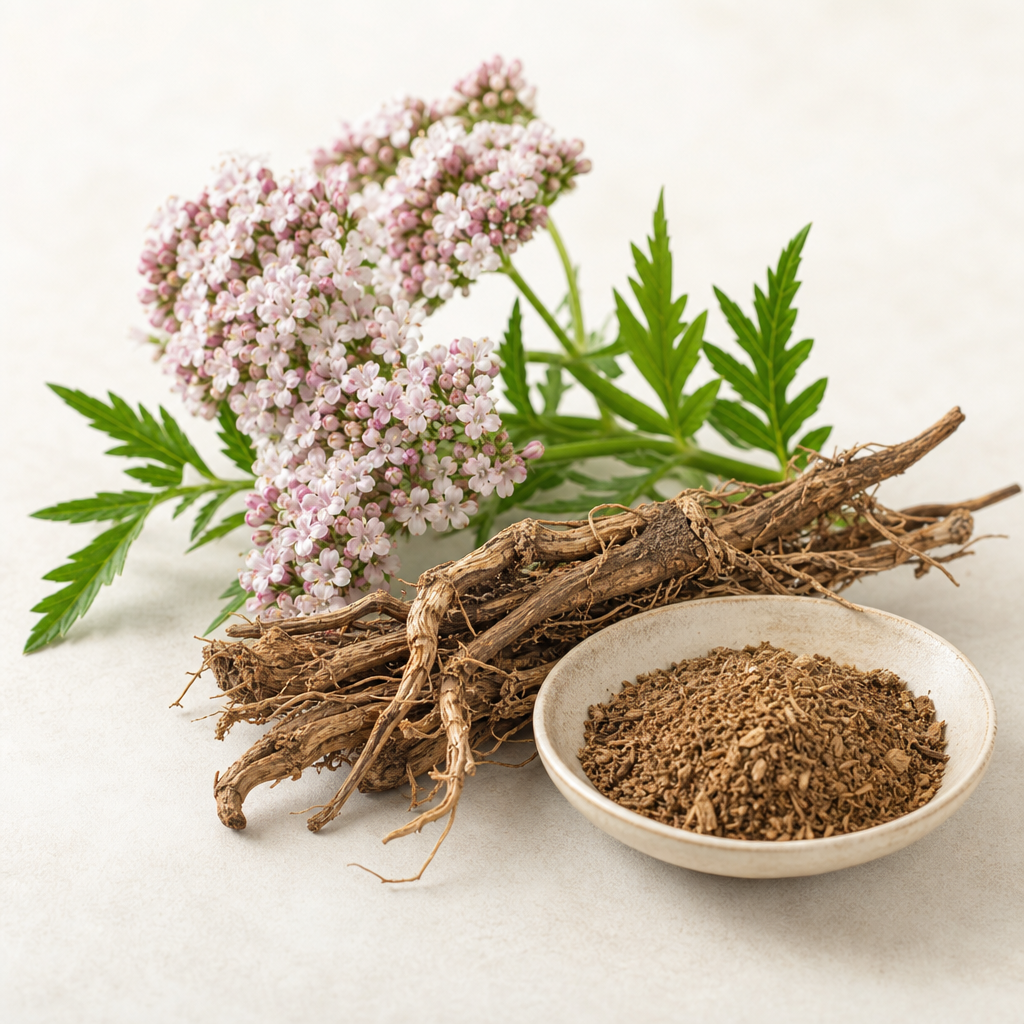
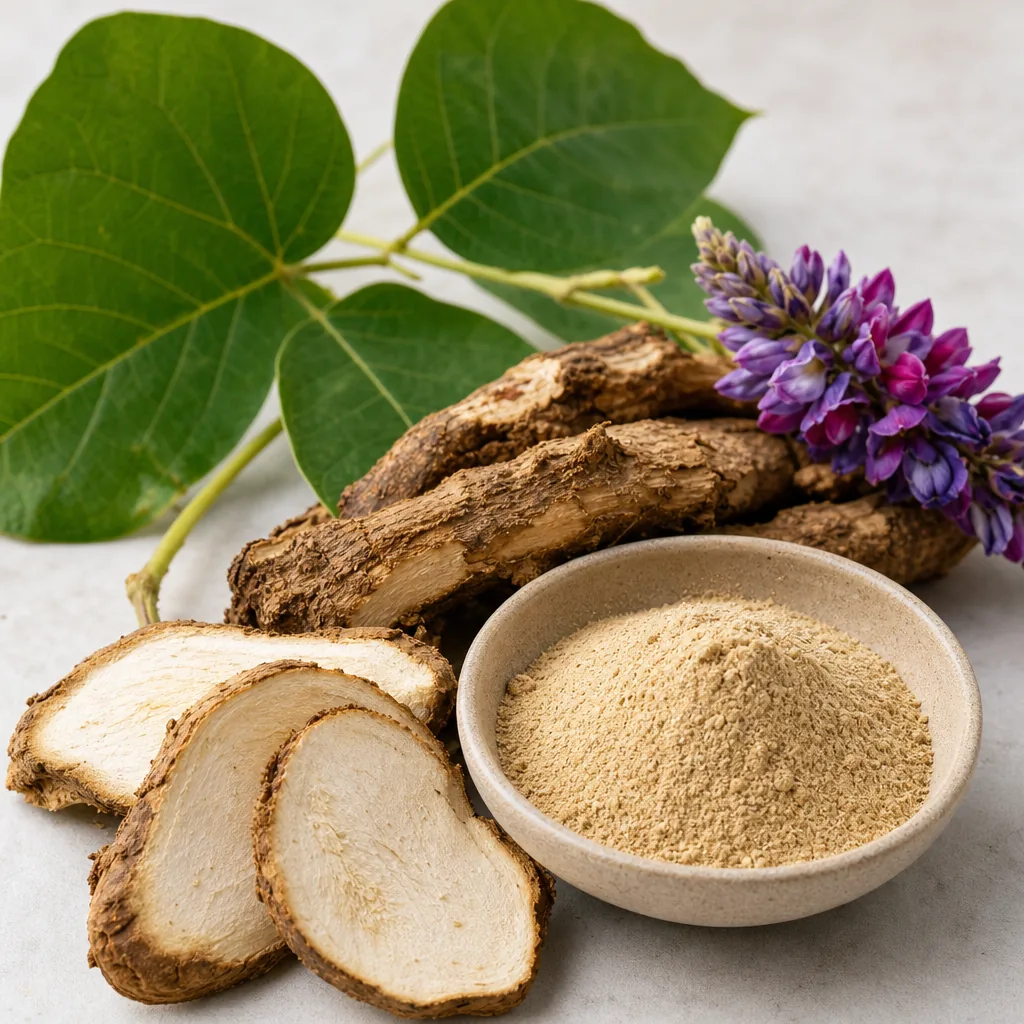
Valerian refers to the root and rhizome of Valeriana officinalis L., a flowering plant native to Europe and parts of Asia and now cultivated widely. In traditional European herbalism, valerian root has been used for centuries as a calming herb to support sleep and reduce nervous tension. Modern supplements typically use dried root powder or extracts standardized to characteristic compounds such as valerenic acids. The aroma is earthy and strong, which is normal for this plant.
Valerian is a botanical herb, not an essential nutrient. Unlike vitamins and minerals, the body does not require valerian to function, and there is no recognized “valerian deficiency.” Instead, valerian is used as a supplement for specific wellness goals—primarily sleep support and occasional stress relief. Proposed mechanisms include modulation of GABAergic signaling (a major inhibitory neurotransmitter system involved in relaxation and sleep), adenosine activity, and interactions with certain serotonin and other neuroreceptor pathways, though human data remain mixed and effects can vary between individuals.
Benefits of Valerian
-
Supports sleep onset and subjective sleep quality
(Mixed evidence)
Several clinical trials and meta-analyses report that valerian may help some people fall asleep faster and rate their sleep quality higher, especially when used for one to two weeks or longer. However, objective measures like polysomnography often show smaller or inconsistent changes, so results vary. Benefits seem more pronounced in people with mild, occasional sleep difficulties rather than chronic, severe insomnia.
-
Reduces occasional anxiety and nervous tension
(Limited evidence)
Small studies suggest valerian may ease subjective anxiety, possibly via GABAergic modulation. Effects may be modest and most apparent in short-term, situational stress. Evidence is less consistent for generalized anxiety disorders, and professional care should be prioritized for persistent anxiety.
-
Helps with sleep disturbance during menopause
(Limited evidence)
Trials in midlife women indicate valerian may improve self-reported sleep quality and reduce nocturnal awakenings associated with menopausal transition. Some studies also explore hot flash frequency and intensity with mixed findings. Benefits, when present, tend to be modest and may take 2–4 weeks of regular use.
-
Relieves premenstrual symptoms (e.g., irritability, sleep disturbance, cramps)
(Preliminary evidence)
Early research points to potential reductions in PMS symptom severity and menstrual cramp discomfort with valerian. Study quality and size vary, and standardized dosing regimens are not fully established. This area needs more rigorous trials.
-
Adjunct for restlessness or hyperactivity in select populations
(Preliminary evidence)
Some studies, often using combination formulas with herbs like lemon balm or hops, report improvements in restlessness and mild hyperactivity. Because combinations complicate interpretation and pediatric safety data are limited, medical guidance is important—especially for children.
Types or Forms Available
-
Standardized extracts (capsules/tablets)
: These are the most common supplemental forms, often standardized to valerenic acids (e.g., ~0.3–0.8%). Standardization aims to deliver more consistent active constituents from batch to batch. Extracts may be aqueous, hydroalcoholic, or supercritical CO2; the solvent system influences which compounds are concentrated.
-
Dried root (cut/sifted) or tea bags
: Used to make herbal tea (infusions or decoctions). This traditional method provides the whole spectrum of water-soluble components but generally results in lower, less precise dosing than standardized extracts.
-
Tinctures and liquid extracts
: Alcohol- or glycerin-based liquids allow flexible titration by the dropperful. Hydroalcoholic tinctures can extract a wider range of compounds than water alone. Flavor is strong; glycerites may taste milder.
-
Combination formulas
: Valerian is frequently paired with calming herbs like hops (Humulus lupulus), lemon balm (Melissa officinalis), or passionflower (Passiflora incarnata). Some users find combinations synergistic, though they make it harder to identify which ingredient is responsible for effects.
-
Softgels or CO2 extracts
: Supercritical CO2 extraction can concentrate lipophilic components (including valerenic acids) and reduce residual solvents. These are typically odor-reduced and convenient for those sensitive to taste.
Note: “Valerian essential oil” is aromatic and not the same as ingestible root extract. Essential oils are not a substitute for internal valerian supplements and should not be taken orally unless explicitly formulated and labeled for that purpose.
How to Use Valerian
Because individual responses differ, start low and adjust gradually. Effects for sleep are often more noticeable after consistent nightly use for 1–2 weeks rather than after a single dose.
-
Common dosage range:
For standardized extracts, 300–600 mg about 30–120 minutes before bedtime is typical; some trials use up to 400–900 mg. For tea, 2–3 g dried root steeped 10–15 minutes. For tinctures, many products suggest around 2–6 mL near bedtime (follow your product label). For daytime tension, smaller divided doses (e.g., 120–200 mg, 2–3 times/day) may be used, avoiding periods when alertness is needed.
-
Best timing:
For sleep, take in the early evening or 30–120 minutes before bed. For daytime calm, consider earlier in the day and avoid use before driving or tasks requiring full attention.
-
How to take it:
Capsules or softgels with water are convenient. Tea or tincture can be taken with or without a light snack to reduce any stomach upset. Avoid alcohol and other sedatives.
-
Consistency:
Nightly use for 1–2 weeks may be needed to assess benefit. Reassess periodically; long-term continuous use should be discussed with a healthcare professional. Do not exceed label directions.
Food Sources and Supplement Options
Valerian is not a dietary nutrient found in common foods. It is a botanical herb; the usable material comes from the root and rhizome of Valeriana officinalis. As such, valerian is typically consumed as a tea, tincture, or standardized supplement rather than obtained through diet.
Supplementation may make sense for adults seeking short-term support for occasional sleep difficulty or situational stress, especially when paired with non-supplement strategies like consistent sleep schedules, light management, relaxation techniques, and cognitive behavioral therapy for insomnia (CBT-I). Whole-food strategies remain foundational for overall health, but when a targeted and consistent dose is desired for a specific outcome like sleep onset, a standardized valerian extract can be more practical than tea or culinary use.
Who May Benefit from Valerian?
-
Adults with occasional difficulty falling asleep who prefer an herbal option.
-
Perimenopausal or postmenopausal individuals experiencing sleep disturbances.
-
People with situational stress or pre-bedtime mental “overactivity.”
-
Shift workers or frequent travelers aiming to settle into new sleep schedules (while prioritizing sleep hygiene).
-
Individuals seeking a non-habit-forming adjunct to relaxation routines such as breathwork or mindfulness.
-
People sensitive to or avoiding conventional sleep medications who want to try a conservative herbal approach under guidance.
-
Athletes during travel or competition phases when sleep may be disrupted, with care to trial on non-competition days first due to potential next-day drowsiness.
Side Effects and Considerations
-
Common side effects:
Drowsiness, next-morning grogginess (especially with higher doses), vivid dreams, headache, dizziness, and mild gastrointestinal upset can occur. Start low and avoid activities requiring full alertness after dosing.
-
Sedative interactions:
Valerian may have additive effects with alcohol, sleep medications (e.g., zolpidem), benzodiazepines, barbiturates, opioids, first-generation antihistamines, muscle relaxants, and other CNS depressants. Combining increases risk of excessive sedation and impaired coordination.
-
Liver considerations:
Rare cases of liver injury have been reported, often with multi-herb products or potential misidentification. People with liver disease should avoid valerian or use only under medical supervision. Stop use and seek care if you develop jaundice, dark urine, or unexplained fatigue.
-
Surgery and anesthesia:
Discontinue valerian 1–2 weeks before surgery or procedures requiring sedation due to possible interactions with anesthetics and sedatives. Inform your surgical team about all supplements.
-
Pregnancy and breastfeeding:
Safety data are insufficient. Avoid use unless a qualified healthcare professional advises otherwise. The same caution applies to infants and young children; pediatric dosing should only be guided by a clinician.
-
Driving and machinery:
Do not drive or operate heavy machinery after taking valerian, particularly near bedtime or if you feel drowsy the next day.
-
Potential medication interactions:
Limited human data suggest low likelihood of strong CYP450 interactions at typical doses, but caution is prudent with narrow-therapeutic-index drugs. Consult a pharmacist or clinician if you take prescription medications.
-
Allergies and sensitivities:
Avoid if you have known hypersensitivity to Valeriana species. The strong natural odor is normal and not a sign of spoilage.
-
Quality and labeling:
Choose products specifying Valeriana officinalis root/rhizome, extraction ratio, and standardization (e.g., valerenic acids). Seek third-party testing (USP, NSF, Informed Choice) to reduce risks of adulteration or contaminants. Do not confuse with “red valerian” (Centranthus ruber), which is a different plant.
-
Discontinuation:
While valerian is not known to be habit-forming, rare reports note discomfort after abrupt cessation of high, long-term doses. If used daily for extended periods, consider tapering and discuss with a healthcare professional.
-
Medical conditions:
People managing psychiatric conditions, sleep apnea, severe insomnia, or chronic pain should consult a clinician to address root causes and coordinate care. If you are pregnant, breastfeeding, taking medications, or managing a medical condition, seek personalized advice before using valerian.
Common Myths About Valerian
-
“Valerian works like a sleeping pill and knocks you out immediately.”
Many users notice gradual improvements over 1–2 weeks rather than instant, medication-like sedation. Effects are typically milder and highly individual.
-
“Because it’s natural, valerian is safe for everyone at any dose.”
Natural does not mean risk-free. Valerian can cause drowsiness, interact with sedatives and alcohol, and may be unsuitable for people with liver disease, during pregnancy/breastfeeding, or before surgery.
-
“Valerian cures chronic insomnia.”
Evidence supports potential help with mild sleep difficulties, but results are mixed and often modest. For persistent insomnia, CBT-I and evaluation of underlying contributors (stress, pain, caffeine, sleep apnea) are essential.
-
“If valerian doesn’t work on the first night, it never will.”
Some studies suggest benefits build with consistent nightly use over days to weeks. Trial at a prudent dose and timing, alongside good sleep hygiene, is more informative than a single-night test.
Conclusion
Valerian is a traditional herb used primarily to support sleep and ease occasional anxiety. Modern research shows mixed but encouraging findings for subjective sleep quality and modest benefit for related concerns like menopausal sleep disturbance and PMS symptoms. It may be reasonable to try for short-term, targeted support—especially when paired with foundational strategies such as regular sleep schedules, light management, relaxation techniques, and CBT-I when appropriate.
Choose high-quality, standardized products and introduce valerian cautiously, monitoring for drowsiness or interactions with sedatives and alcohol. People who are pregnant, breastfeeding, taking medications, or living with medical conditions—particularly liver disease—should seek professional guidance. Because valerian is not a dietary nutrient and is not found in foods, supplementation is the primary route when used. A prudent, food-first lifestyle for overall health plus careful, time-limited use of valerian for specific goals strikes a sensible balance for most adults.