What is Chicory Root?
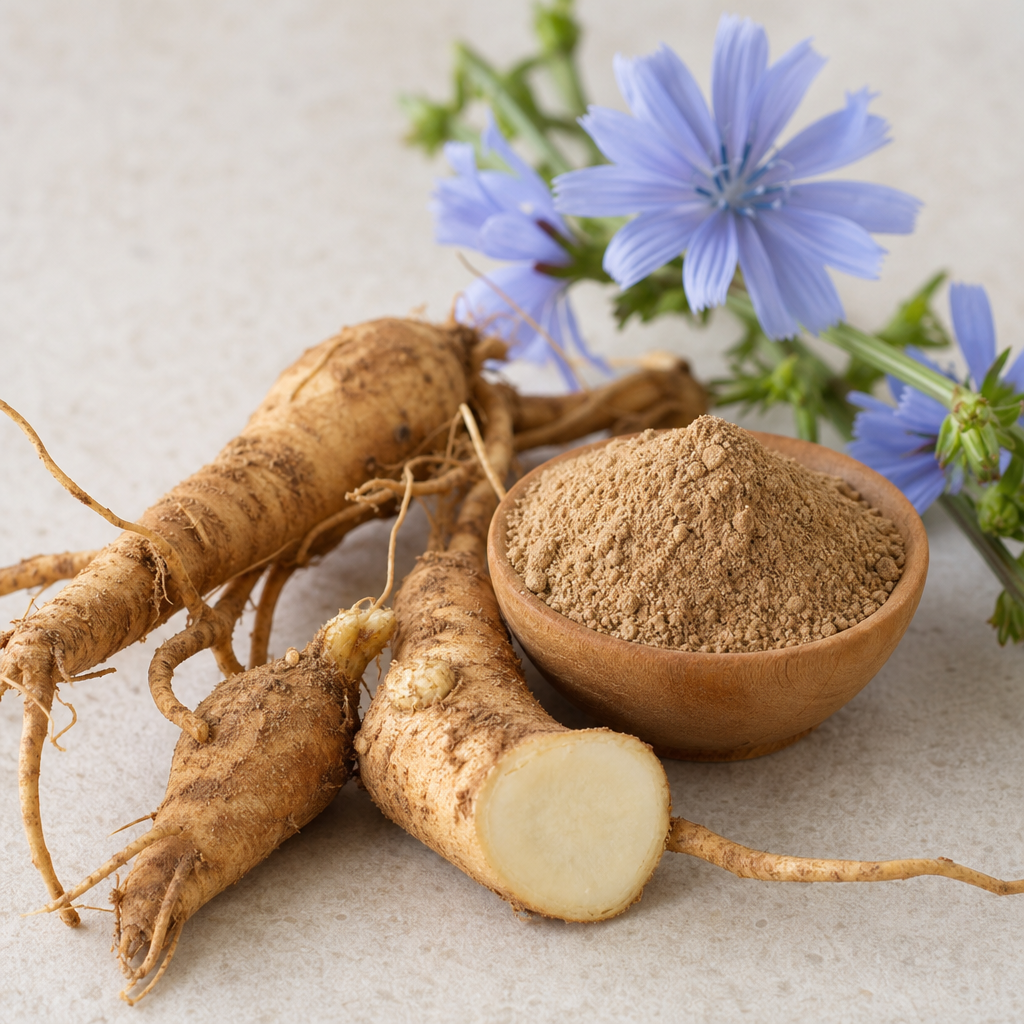
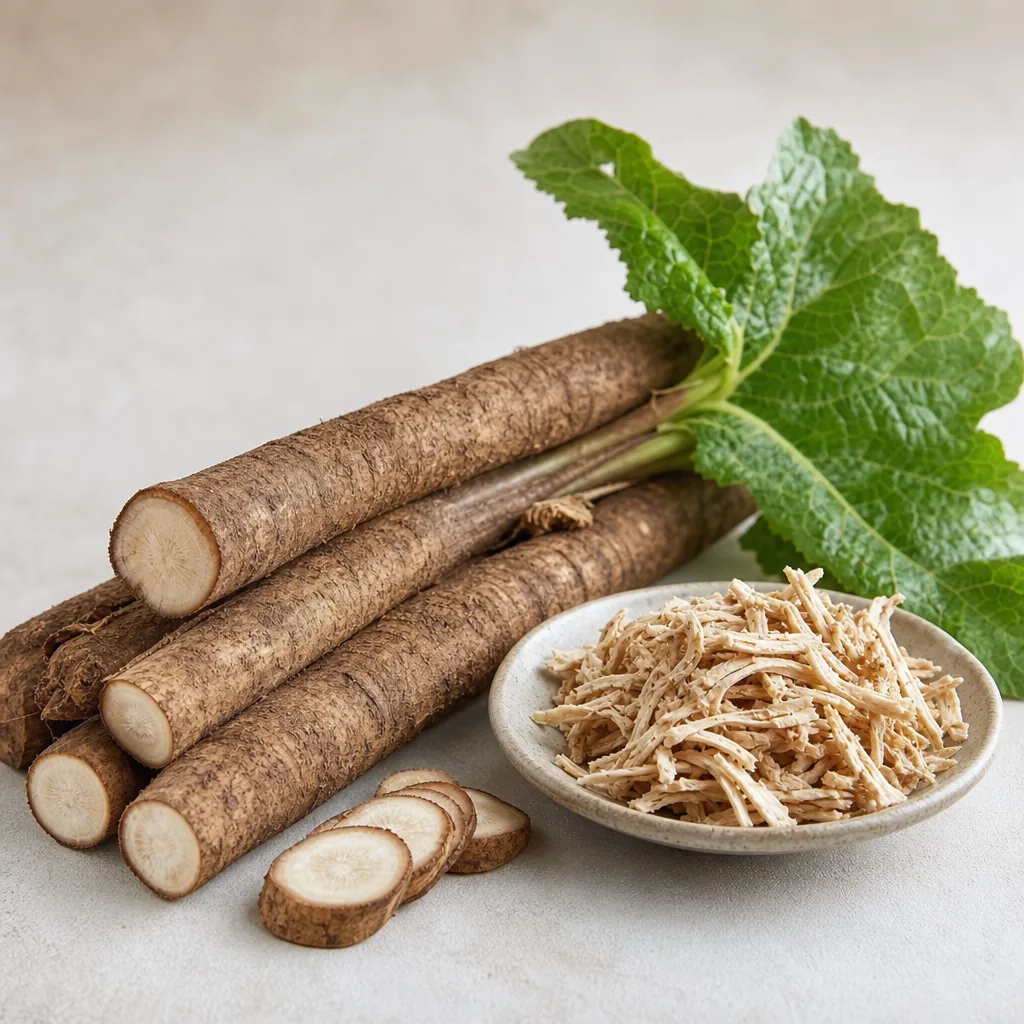
Chicory root (Cichorium intybus) is the thick, fibrous taproot of a blue-flowered plant in the Asteraceae family, long used as a food ingredient and traditional herb. The root is naturally rich in inulin, a soluble prebiotic fiber that resists digestion in the small intestine and is fermented by beneficial bacteria in the colon. Roasted and ground chicory root has also been used for centuries as a caffeine-free coffee alternative, prized for its roasted, slightly bitter flavor.
Chicory root is best categorized as a food-derived ingredient and botanical that is commonly sold as a supplement (usually as inulin or chicory root fiber). It is not an essential nutrient in the way vitamins and minerals are; the body does not require chicory root specifically to function. However, its prebiotic fiber and polyphenols may support digestive health and other aspects of wellness when used appropriately as part of an overall balanced diet.
Benefits of Chicory Root
-
Digestive regularity and stool frequency
(Strong evidence)
Fermentable fibers from chicory root (inulin and oligofructose) increase stool bulk and promote regular bowel movements in many people. Multiple controlled trials show improved stool frequency and softer stool consistency, especially when daily intake reaches several grams. Starting with a low dose and gradually increasing can help minimize gas and cramping as the gut adapts.
-
Prebiotic effects on the gut microbiome
(Strong evidence)
Inulin-type fructans from chicory root selectively stimulate beneficial bacteria, particularly Bifidobacterium species. Consistent daily intake can shift microbial composition and increase short-chain fatty acid production (such as butyrate), which supports colon health. Benefits generally appear after 1–3 weeks of regular use and are maintained with ongoing intake.
-
Support for calcium absorption and bone-related markers
(Moderate evidence)
Studies in adolescents and postmenopausal adults suggest chicory inulin can enhance calcium absorption and, over time, may modestly improve bone mineral density or related markers. Effects appear more pronounced when calcium intake is adequate and fiber is consumed consistently. While promising, chicory fiber is best viewed as an adjunct to—not a replacement for—dietary calcium, vitamin D, and weight-bearing exercise.
-
Blood lipid support (triglycerides and, to a lesser extent, cholesterol)
(Moderate evidence)
Inulin-type fibers may modestly reduce fasting triglycerides, especially in individuals with elevated levels or higher carbohydrate intake. Effects on LDL cholesterol are smaller and less consistent. Benefits, when present, tend to emerge after several weeks of daily intake and are most meaningful alongside dietary improvements and physical activity.
-
Postprandial glucose and insulin responses
(Mixed evidence)
Some trials report modest improvements in post-meal glucose or insulin sensitivity with chicory inulin, while others show no significant change. Outcomes may depend on baseline metabolic health, the amount and type of inulin (long-chain vs. short-chain), and overall diet quality. Chicory fiber should complement—not replace—clinically recommended nutrition and lifestyle strategies for glycemic control.
-
Appetite regulation and weight management
(Mixed evidence)
By delaying gastric emptying and enhancing satiety signals during fermentation, inulin can help some individuals feel fuller and slightly reduce calorie intake. Modest weight changes have been noted in certain studies, but results vary widely. Benefits are most likely when chicory fiber is used within a structured dietary plan emphasizing whole foods and adequate protein.
-
Liver and anti-inflammatory support
(Preliminary evidence)
Chicory root contains bitter sesquiterpene lactones and polyphenols studied in animals and early human research for potential hepatoprotective and anti-inflammatory effects. Human data remain limited and heterogeneous; any liver-related benefits should be considered exploratory pending stronger clinical evidence.
Types or Forms Available
-
Whole or roasted chicory root:
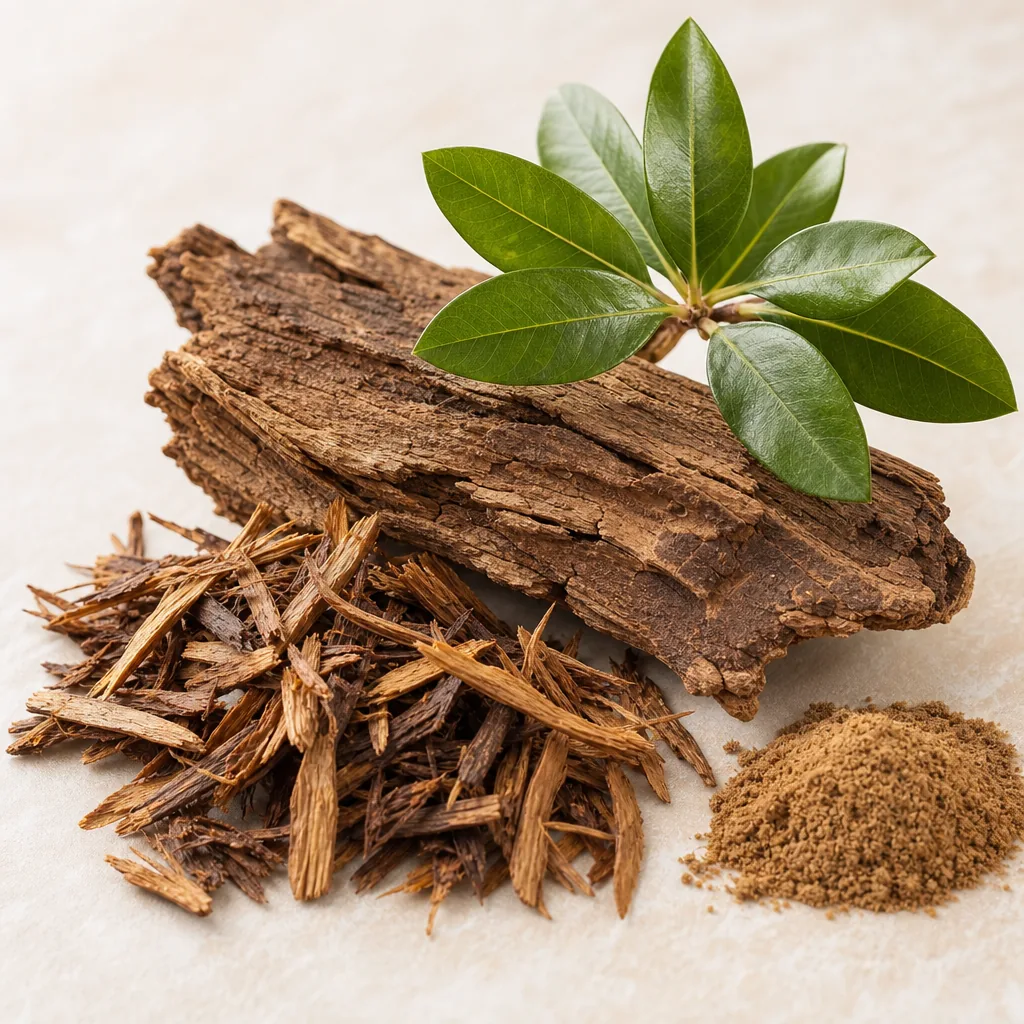
Sold as dried slices, granules, or grounds for brewing a coffee-like beverage. Primarily used culinarily; inulin content varies with processing and roasting.
-
Inulin powder (from chicory root):
A purified soluble fiber, typically standardized to >90% inulin. Often used to boost fiber intake, as a prebiotic, or to improve texture in foods and shakes.
-
Oligofructose / partially hydrolyzed inulin (PHI):
Shorter-chain fructans derived from inulin that may be more rapidly fermented. They can produce quicker prebiotic effects but may also cause gas in sensitive individuals.
-
Inulin–oligofructose blends:
Combine long- and short-chain fructans to balance tolerance and prebiotic activity. Labels may list “fructooligosaccharides (FOS)” or “inulin-type fructans.”
-
Capsules or chewables:
Convenient but may provide smaller doses per serving; check total grams of inulin per daily serving, not just capsule count.
-
Liquid extracts/tinctures (bitter formulas):
Used in herbal traditions to support digestion via bitter taste receptors. These contain far less fiber; effects relate to bitter compounds rather than prebiotic activity.
-
Fiber-enriched foods:
Bars, yogurts, cereals, and baked goods may include “chicory root fiber” for texture and prebiotic claims. Actual inulin content and tolerance vary by product.
How to Use Chicory Root
Chicory root can be consumed as a brewed beverage, incorporated into recipes, or taken as a fiber supplement. The best approach depends on your goal (e.g., fiber intake, digestive regularity, or culinary use) and your tolerance.
-
Common dosage range:
For prebiotic/digestive benefits, 2–10 g per day of chicory inulin is typical. Many people start at 2–3 g daily and gradually increase to 5–10 g as tolerated. Higher intakes may increase gas and bloating without offering proportionally greater benefits.
-
Best timing:
Timing is flexible. Taking with meals can improve tolerance. Some use a portion before meals to enhance satiety, but spreading the dose across meals often reduces GI side effects.
-
How to take it:
Mix inulin powder into water, smoothies, yogurt, or oatmeal, or choose foods fortified with chicory root fiber. Brew roasted chicory root like coffee for a caffeine-free beverage. Drink adequate water when increasing fiber.
-
Consistency:
Daily use for at least 1–3 weeks is usually needed to notice microbiome-related benefits. Ongoing intake is recommended to maintain effects.
Food Sources and Supplement Options
Chicory root is both a traditional food ingredient and a common source of supplemental inulin. Many people encounter it as “chicory root fiber” added to packaged foods or as a standalone powder.
-
Natural source:
Chicory root (fresh or roasted) is the primary dietary source used to extract inulin for foods and supplements.
-
Culinary uses:
Roasted chicory can be brewed alone or blended with coffee. Fresh root can be cooked like other root vegetables, though it is less commonly used in home kitchens.
-
Supplement options:
Inulin or oligofructose powders and capsules enable more precise dosing for prebiotic purposes. These may be helpful when dietary fiber is low or when a targeted, measurable intake is desired.
Whole foods provide additional nutrients, phytochemicals, and varied fibers that benefit gut health, while supplements allow consistent dosing and ease of use. Many people do well focusing on a fiber-rich diet first, adding a chicory-based prebiotic only if needed for specific goals.
Who May Benefit from Chicory Root?
-
Individuals with low fiber intake who want to gently increase total and prebiotic fiber.
-
People seeking improved regularity or softer stools, provided they tolerate fermentable fibers.
-
Those looking for a caffeine-free, roasted-flavor beverage as a coffee alternative.
-
Adults with mildly elevated triglycerides, alongside diet and lifestyle changes.
-
Adolescents or postmenopausal adults aiming to support calcium absorption (as part of a comprehensive bone-health plan).
-
People rehabilitating diet quality after antibiotics or illness and seeking microbiome support, under professional guidance.
-
Vegetarians and vegans diversifying fiber types in their diets.
Side Effects and Considerations
-
GI tolerance:
Gas, bloating, cramping, and loose stools are common when starting inulin or with higher doses. Start low and increase gradually; consider dividing doses with meals.
-
FODMAP sensitivity and IBS:
Chicory inulin is a fermentable fructan and can exacerbate symptoms in people with IBS or fructan intolerance. A low-FODMAP plan typically restricts chicory root and inulin-containing products.
-
Allergy risk:
Chicory is in the Asteraceae family. People with known allergies to ragweed, marigold, or related plants should use caution and discontinue if reactions occur.
-
Medication timing:
As with other fibers, inulin may affect absorption of certain medications and supplements. Separate dosing by at least 2–3 hours unless advised otherwise by a clinician.
-
Gallbladder or bile duct issues:
Bitter herbal extracts of chicory (not fiber supplements) may stimulate bile flow. People with gallstones or bile duct obstruction should consult a healthcare professional before use.
-
SIBO and active GI conditions:
Prebiotic fibers can aggravate symptoms in small intestinal bacterial overgrowth or active inflammatory bowel flares. Professional guidance is advised.
-
Pregnancy, breastfeeding, and children:
Culinary amounts are generally considered acceptable, but supplemental doses of chicory extracts or concentrated inulin should be discussed with a healthcare professional due to limited data.
-
Blood sugar considerations:
Inulin has minimal impact on blood glucose, but product blends (e.g., bars) may contain added sugars. Read labels if monitoring carbohydrates.
-
Quality and labeling:
Choose products that specify the source (chicory root), fiber type (inulin, oligofructose), and grams of active fiber per serving. Avoid products with undisclosed “proprietary blends.”
Common Myths About Chicory Root
-
“Chicory root cures all gut problems.”
While chicory inulin supports beneficial bacteria and regularity in many people, it can worsen symptoms for those with IBS or fructan intolerance. Effects are individualized and dose-dependent.
-
“It’s natural, so more is better.”
Excessive intake often leads to significant gas, cramping, and diarrhea without added benefit. Most studies use modest daily amounts; start low and increase only if well tolerated.
-
“Chicory coffee is healthier than regular coffee for everyone.”
Chicory is caffeine-free and may suit those avoiding caffeine, but it’s not universally “healthier.” Coffee has its own evidence-based benefits. The better choice depends on personal health goals and tolerance.
-
“All fibers work the same way.”
Different fibers have distinct effects. Chicory inulin is a prebiotic fermentable fiber; it behaves differently from non-fermentable fibers like wheat bran or partially fermentable fibers like psyllium.
-
“Chicory root detoxes the liver.”
Laboratory and animal studies suggest potential hepatoprotective compounds, but human evidence is preliminary. Chicory should not replace medical care for liver conditions.
Conclusion
Chicory root is a versatile botanical and food-derived source of inulin, a well-studied prebiotic fiber that can meaningfully support regularity and beneficial gut bacteria. It may also contribute to improvements in triglycerides and calcium absorption, with more variable effects on appetite and post-meal glucose. For most people, a food-first strategy—emphasizing a varied, fiber-rich diet—works well, with chicory-based supplements providing a convenient option for targeted, consistent dosing when needed.
Use chicory root thoughtfully: start low, increase gradually, and pay attention to tolerance, especially if you have IBS, SIBO, or fructan sensitivity. People who are pregnant, breastfeeding, taking medications, or managing medical conditions should consult a healthcare professional before using chicory supplements or extracts. Choose quality products that clearly state fiber type and dose, and consider whether roasted chicory as a beverage or measured inulin powder best fits your goals and lifestyle.