What is Chlorophyll?
Chlorophyll is the green pigment in plants, algae, and some bacteria that captures light energy for photosynthesis. In nature, it helps convert sunlight, water, and carbon dioxide into sugars that fuel plant growth. There are several types, with chlorophyll a and b being most common in green plants. In human wellness, chlorophyll is used as a food-derived ingredient and supplement, not as an essential nutrient like vitamins or minerals.
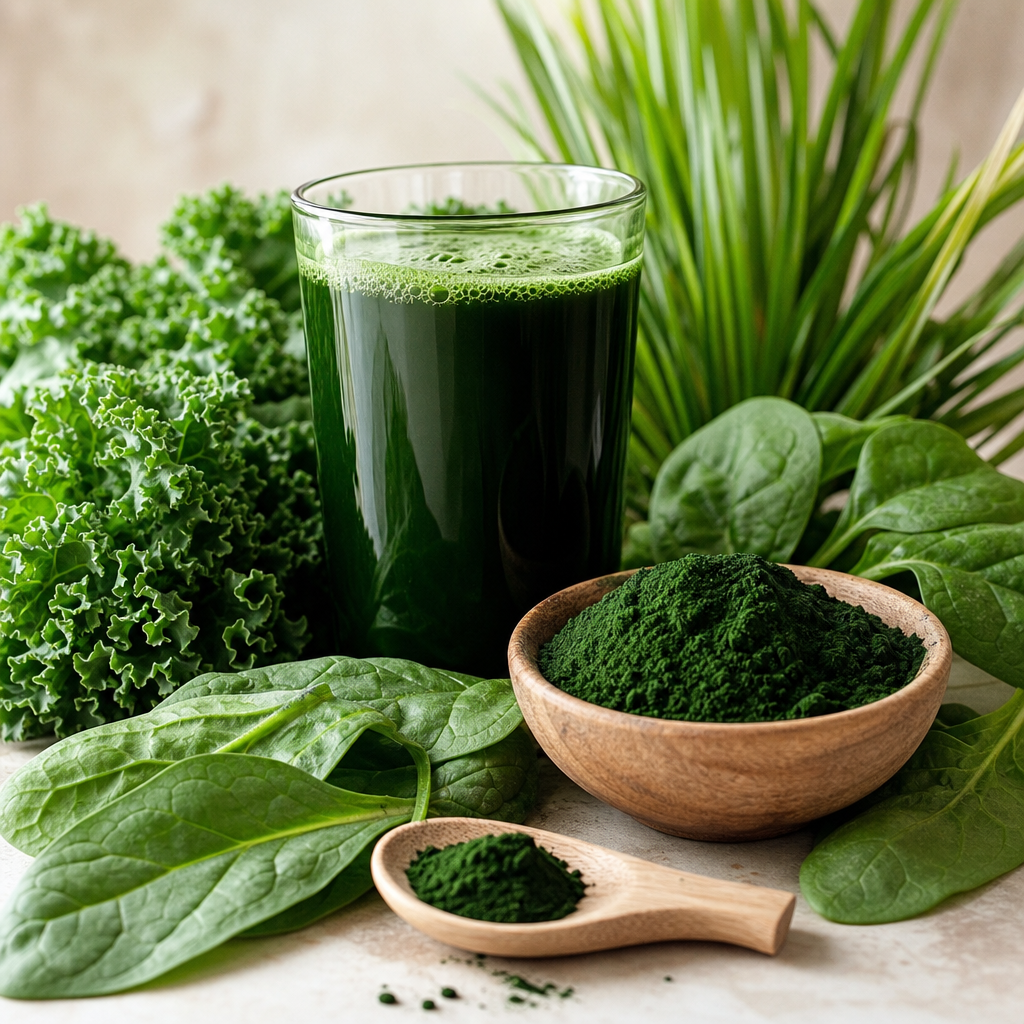
Dietary chlorophyll comes from green vegetables, herbs, grasses (such as wheatgrass), and certain algae. Supplements frequently contain sodium copper chlorophyllin, a semi-synthetic, water-soluble derivative of chlorophyll that is more stable than natural chlorophyll. While chlorophyll and chlorophyllin have antioxidant properties and have been explored for odor control, wound care, and potential chemopreventive roles, the body does not technically require chlorophyll the way it requires essential nutrients. Its use is optional and should be tailored to specific goals and contexts.
Benefits of Chlorophyll
-
Support against aflatoxin exposure (chemopreventive potential in high-risk settings)
(Moderate evidence)
Some human studies have shown that chlorophyllin can bind certain dietary toxins such as aflatoxins (molds found in poorly stored grains and nuts) and reduce biomarkers of exposure. In populations with high aflatoxin intake, chlorophyllin taken with meals lowered levels of aflatoxin-DNA adducts, a marker linked to risk. This benefit appears context-specific (high exposure areas) and may not translate to broad, everyday use for the general population.
-
Adjunct for managing odor in specific medical situations
(Limited evidence)
Historically, oral chlorophyllin has been used as an “internal deodorant” for people with ostomies or in rare conditions like trimethylaminuria (fish-odor syndrome). Evidence consists mainly of small or older studies and clinical experience, suggesting possible reductions in fecal or urinary odor for some individuals. Results vary and this should be guided by a clinician.
-
Topical wound and skin support
(Limited evidence)
Older clinical reports and small trials suggest topical chlorophyllin preparations may help control odor and support wound care when used under medical supervision. Modern, high-quality trials are sparse, and standard wound care practices remain the cornerstone. For acne or general skin health, evidence for oral chlorophyll supplements is limited and mixed.
-
Antioxidant and anti-inflammatory activity
(Preliminary evidence)
Laboratory and animal studies show chlorophylls and derivatives can reduce oxidative stress and modulate inflammatory pathways. Translating these effects to clear, consistent clinical outcomes in humans remains preliminary. Eating chlorophyll-rich vegetables provides antioxidants along with fiber, minerals, and other phytonutrients that likely work synergistically.
-
Digestive comfort and breath freshness
(Limited evidence)
Some users report reduced bad breath or improved digestive comfort with chlorophyllin, possibly through odor-binding effects. Rigorous, modern human research is limited; benefits may be modest and variable. Standard dental hygiene, hydration, and addressing underlying GI issues generally have stronger evidence.
Types or Forms Available
-
Natural chlorophyll (fat-soluble)
: Extracted from plants, typically less stable and more prone to degradation with heat and light. Often present in whole-food powders (e.g., wheatgrass, alfalfa) and some capsules. Because it is fat-soluble, absorption may improve when taken with meals containing fat.
-
Sodium copper chlorophyllin (water-soluble)
: A semi-synthetic derivative where magnesium is replaced with copper and the molecule is stabilized. Common in liquid drops, tablets, and capsules labeled “chlorophyll.” More stable in supplements and mixes easily with water; this is the form used in many studies on aflatoxin-binding and internal deodorant effects.
-
Topical chlorophyllin formulations
: Sprays, gels, or ointments intended for skin or wound applications. Evidence is limited; use under professional guidance.
-
Food powders and greens blends
: Wheatgrass, alfalfa, chlorella, and other green powders naturally contain chlorophyll along with a broad spectrum of nutrients and phytonutrients. Quality and composition vary widely; heavy metal testing and reputable sourcing are important.
How to Use Chlorophyll
There is no universally accepted dose for chlorophyll or chlorophyllin, and needs vary by goal. Most routine supplement use is based on tradition and small studies rather than large, definitive trials.
-
Common dosage range:
Many chlorophyllin supplements provide about 50–150 mg per serving, with total daily intakes often ranging 50–300 mg. Some research in high aflatoxin settings used 100 mg, three times daily with meals. Start at the lower end to assess tolerance, and avoid megadoses.
-
Best timing:
Taking chlorophyllin with meals may improve comfort and align with its putative binding of dietary compounds. If using for specific odor concerns under guidance, divide doses with meals.
-
How to take it:
Liquids can be mixed into water; tablets/capsules can be taken with water and a meal. Natural, fat-soluble chlorophyll sources may be better absorbed with a meal that includes healthy fats.
-
Consistency:
For general wellness or odor-related goals, consistent daily use for several weeks may be needed to gauge effect. For context-specific uses (e.g., periods of higher dietary risk), targeted, short-term use may be reasonable as advised by a clinician.
Food Sources and Supplement Options
Chlorophyll is abundant in green plant foods and also available as supplements (often as sodium copper chlorophyllin). Whole foods supply chlorophyll plus fiber, vitamins (e.g., folate, vitamin K), minerals (e.g., magnesium), and a wide range of phytonutrients that work together for health. Supplements provide standardized, convenient amounts but lack the synergy of whole foods.
-
Spinach, kale, Swiss chard, collard greens
-
Parsley, cilantro, basil
-
Broccoli, broccolini, green beans, peas
-
Arugula, watercress, romaine lettuce
-
Wheatgrass, alfalfa
-
Algae-based foods like chlorella and certain blue-green algae products
Supplementation may make sense if you have consistently low intake of green vegetables, are targeting a specific, clinician-recommended use (e.g., odor management, high aflatoxin exposure contexts), or prefer a practical way to experiment while monitoring how you feel. When possible, a food-first approach is advisable, since vegetables deliver broad nutritional benefits that supplements do not replicate. If choosing a supplement, select products from reputable brands with third-party testing, and verify whether the product contains natural chlorophyll or sodium copper chlorophyllin.
Who May Benefit from Chlorophyll?
-
Individuals with low intake of green vegetables who want a convenient adjunct, while still working to improve diet quality.
-
People in regions or circumstances with higher risk of aflatoxin exposure, under medical or public health guidance.
-
Individuals with specific odor-related concerns (e.g., ostomy-related odor, trimethylaminuria) working with a healthcare professional.
-
Those experimenting with a targeted antioxidant adjunct while maintaining a balanced, plant-forward diet and healthy lifestyle.
Side Effects and Considerations
-
Common, usually mild effects:
Green or darker stools, harmless urine or tongue discoloration, mild GI upset (nausea, cramps, diarrhea). Reduce dose or take with meals if sensitive.
-
Medication timing:
Because chlorophyllin may bind some compounds in the gut, take it at least 2 hours apart from oral medications or supplements to minimize potential interference with absorption.
-
Copper-related caution:
Sodium copper chlorophyllin provides small amounts of copper. People with Wilson disease, copper metabolism disorders, or advanced liver disease should avoid or seek medical advice before use.
-
Kidney stone risk with food sources:
Relying heavily on high-oxalate greens (e.g., spinach) for chlorophyll may raise oxalate intake. Individuals with a history of calcium oxalate stones should moderate high-oxalate foods and hydrate well. This does not typically apply to chlorophyllin supplements.
-
Warfarin and vitamin K from foods:
Chlorophyll-rich vegetables often contain vitamin K, which can affect blood-thinning therapy. Maintain consistent intake and coordinate with your healthcare provider. Most chlorophyllin supplements contain little to no vitamin K, but always check labels.
-
Allergies and sensitivities:
Some products are derived from alfalfa, wheatgrass, or algae and may contain traces of related compounds. Discontinue if you experience rash, itching, or breathing difficulty, and seek medical care.
-
Topical use:
Rare skin irritation can occur with chlorophyllin-based sprays or gels; patch-test and use under professional guidance for wound care. Avoid combining with photosensitizing procedures unless directed by a clinician.
-
Pregnancy, breastfeeding, and children:
Human data are limited. If you are pregnant, breastfeeding, considering use for a child, taking medications, or managing a medical condition, consult a qualified healthcare professional before starting chlorophyll or chlorophyllin.
-
Surgery and procedures:
As a precaution similar to many supplements, consider stopping chlorophyllin 1–2 weeks before elective surgery and inform your surgical team about all supplements.
-
Quality matters:
Some products labeled “chlorophyll” actually contain chlorophyllin. Choose third-party tested brands, avoid products with sweeping “detox cure-all” claims, and verify heavy metal testing for plant powders.
Common Myths About Chlorophyll
-
“Liquid chlorophyll builds blood because it’s just like hemoglobin.”
Chlorophyll and hemoglobin have different central metals (magnesium vs. iron) and distinct biological roles. There is no strong clinical evidence that chlorophyll supplements increase red blood cell counts or treat anemia. Iron-rich foods or supplements and medical evaluation are the evidence-based approach for iron-deficiency anemia.
-
“Chlorophyll detoxes everything and guarantees clear skin and weight loss.”
While chlorophyllin can bind certain compounds like aflatoxins and chlorophyll-rich foods support overall diet quality, broad “detox,” acne cures, or weight loss claims are not supported by strong clinical trials. Healthy nutrition patterns, sleep, stress management, and targeted medical care remain the foundations for these goals.
-
“Chlorophyll supplements are equivalent to eating vegetables.”
Whole vegetables provide fiber, vitamins, minerals, and diverse phytonutrients that supplements cannot fully replicate. Supplements can be a targeted adjunct, but they are not a replacement for a balanced, plant-forward diet.
-
“Chlorophyll completely eliminates body odor for everyone.”
Evidence for internal deodorant effects is limited and context-dependent, with variable results. Good hygiene, dental care, addressing underlying medical or dietary causes, and clinician-guided strategies are usually more impactful.
Conclusion
Chlorophyll, especially as sodium copper chlorophyllin, may offer targeted benefits such as binding certain dietary toxins in high-exposure settings and modest odor support for specific medical situations. It also has antioxidant properties, though human outcomes data are limited. For most people, prioritizing green vegetables and a varied, plant-forward diet is the most reliable way to obtain chlorophyll along with complementary nutrients that support overall health.
If you choose to supplement, select high-quality, third-party tested products, verify whether the ingredient is natural chlorophyll or chlorophyllin, and start with conservative doses. People who are pregnant, breastfeeding, giving supplements to children, taking medications, or managing medical conditions should consult a qualified healthcare professional. Those with copper metabolism issues, significant liver disease, or on warfarin should be especially cautious. In general, food-first strategies make sense for everyday health, while chlorophyll supplements can be considered for specific, realistic goals under appropriate guidance.