What is Cool Cayenne?
Cool Cayenne is a supplemental form of cayenne pepper (Capsicum annuum) designed to deliver the potential benefits of capsaicinoids—the natural “heat” compounds in chili peppers—while minimizing the burning sensation or stomach discomfort that some people experience. Manufacturers achieve this “cooling” effect with techniques such as buffered beadlets, enteric-coated capsules, timed-release granules, or pairing cayenne with calming botanicals like ginger. The goal is to make cayenne more tolerable for sensitive users without eliminating its bioactive compounds.
Cayenne is a botanical ingredient, not an essential nutrient. Unlike vitamins and minerals, the body does not require cayenne to function. Instead, its main bioactive components—capsaicin and related capsaicinoids—activate TRPV1 receptors involved in heat sensation and certain aspects of metabolism, circulation, and pain signaling. Cool Cayenne is simply a gentler way to consume cayenne as a food-derived supplement, not a nutrient your body must have.
Benefits of Cool Cayenne
-
Weight management support (thermogenesis and appetite)
(Moderate evidence)
Cayenne and standardized capsaicinoids can slightly increase energy expenditure and may reduce appetite in the short term, particularly in people not accustomed to spicy foods. Meta-analytic data suggest the effect size is modest (often on the order of tens of calories per day) and best viewed as a small adjunct to diet and exercise—not a standalone fat-loss solution.
-
Digestive comfort in functional dyspepsia after adaptation
(Mixed evidence)
Small clinical trials have reported symptom improvement (e.g., reduced epigastric pain) in functional dyspepsia when red pepper is taken consistently over several weeks, likely due to TRPV1 desensitization. However, symptoms can worsen initially, and people with reflux, gastritis, or ulcers may experience irritation. Cool Cayenne aims to reduce the burn, but individual responses vary.
-
Circulation and warming effect
(Limited evidence)
Capsaicinoids can produce a warming sensation and may transiently increase peripheral blood flow. Some small studies suggest favorable effects on endothelial function and vascular tone, but larger, longer trials are limited. People often notice subjective warmth; whether this translates to lasting cardiovascular benefit remains uncertain.
-
Postprandial metabolic support (glucose and insulin)
(Preliminary evidence)
Early human studies show that adding chili or capsaicin to meals can modestly influence post-meal glucose and insulin responses, potentially by affecting gut–brain signaling and digestive kinetics. Results are inconsistent across populations and meal types, so more research is needed before drawing firm conclusions.
-
Pain perception and comfort
(Mixed evidence)
Capsaicin is well supported for topical use in certain pain conditions, but evidence for oral cayenne’s systemic pain benefits is far less consistent. Some people report improved comfort after gradual desensitization; others notice no effect or experience GI side effects. Cool Cayenne may help with tolerability, yet outcomes can vary widely.
Types or Forms Available
-
Buffered or “cool” beadlets/capsules:
These formulations encapsulate cayenne in beadlets or use enteric/timed-release coatings to reduce stomach irritation and mouth/throat burn. They aim to deliver capsaicinoids farther down the GI tract for better comfort.
-
Standardized capsaicinoid extracts:
Some products quantify capsaicin and related capsaicinoids (for example, 0.25–1% capsaicinoids) to provide a consistent dose. This is helpful for users wanting predictable potency and easier comparison between brands.
-
Whole cayenne fruit powder (heat-unit labeled):
Traditional capsules may list Scoville Heat Units (SHU), such as 40,000–100,000 SHU, which reflect relative pungency. While SHU signals heat, it is an indirect measure of total capsaicinoids and can vary by harvest and processing.
-
Capsiate (dihydrocapsiate) from non-pungent peppers:
Sometimes marketed as a “gentler” cousin to capsaicin, capsiate is less irritating yet still engages thermogenic pathways. It is often used when users want metabolic support with minimal heat.
-
Oil-based oleoresin softgels or blends with calming botanicals:
Oleoresin concentrates or formulas combined with ginger, fennel, or peppermint are designed to support GI comfort while delivering active compounds.
How to Use Cool Cayenne
Because individual tolerance to capsaicinoids varies, start low and increase gradually as needed. Always follow the product label and consider discussing use with a healthcare professional, especially if you have GI conditions or take medications.
-
Common dosage range:
Many “cool” cayenne products provide the equivalent of 250–600 mg cayenne powder per capsule (often 40,000–100,000 SHU) taken 1–3 times daily with meals. For standardized extracts, daily totals of about 1–10 mg capsaicinoids are commonly studied for thermogenic effects. Begin at the low end to assess tolerance.
-
Best timing:
With meals is generally preferred to minimize GI discomfort and to align with research on appetite or postprandial metabolism. For a warming or pre-exercise effect, some take a dose 30–60 minutes before activity, but those prone to reflux may wish to avoid pre-workout timing.
-
How to take it:
Swallow capsules whole with water. Taking with food is recommended, particularly for new users or anyone with a sensitive stomach. Avoid opening capsules or chewing beadlets to prevent mouth/throat irritation.
-
Consistency:
Some benefits (like thermogenesis) are acute, but appetite and digestive responses may require regular use. Note that desensitization can occur with chronic intake, potentially blunting perceived effects over time; periodic breaks may help some users.
Food Sources and Supplement Options
Cayenne and related capsaicinoids occur naturally in chili peppers. Cool Cayenne refers to supplemental formats designed for gentler GI tolerance. If you enjoy spicy foods without discomfort, you can obtain capsaicinoids from your diet; if you dislike the burn or want more controlled dosing, supplements may be considered.
-
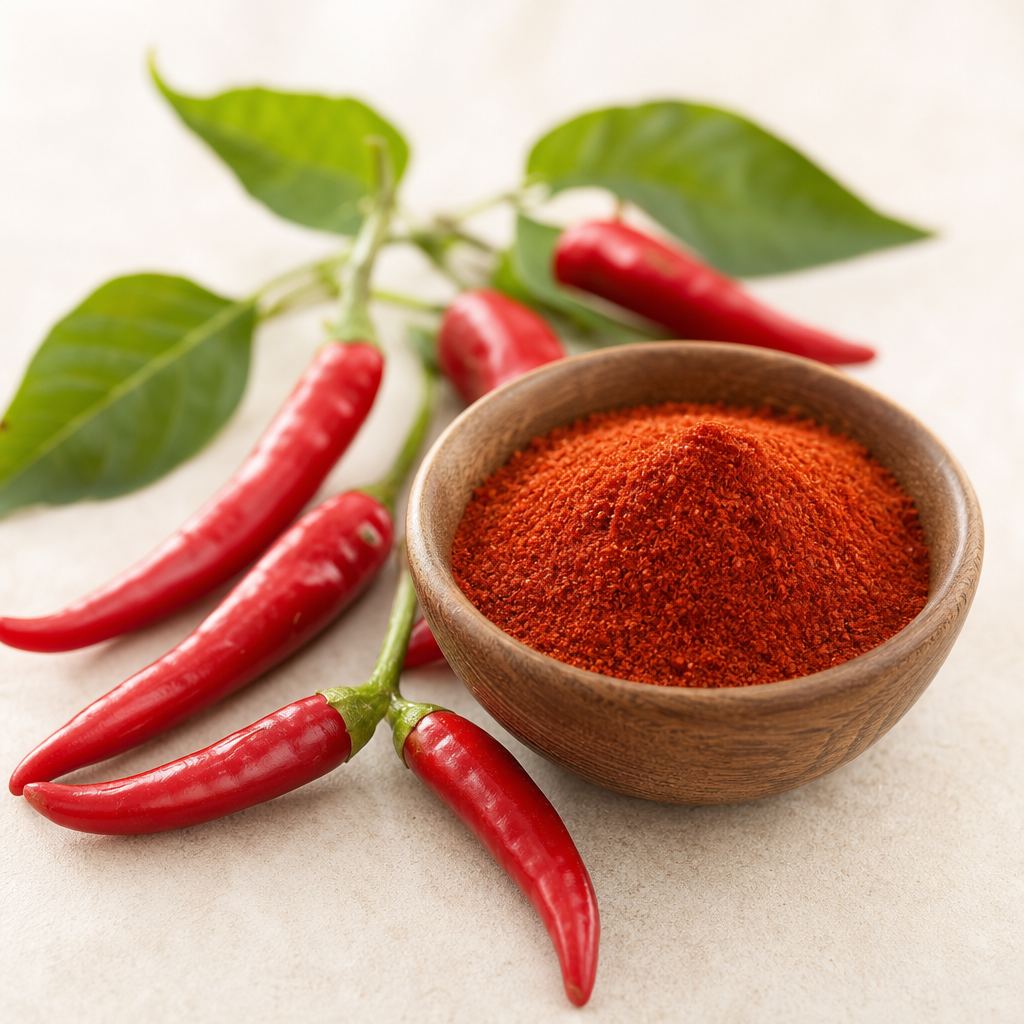
Fresh red chili peppers (cayenne, Thai bird’s eye, serrano; heat varies by variety)
-
Dried cayenne powder and crushed red pepper flakes
-
Hot sauces and chili pastes (capsaicinoid content varies substantially by brand and recipe)
Whole foods provide additional nutrients such as vitamin C, carotenoids, and polyphenols. Supplements, on the other hand, offer standardized dosing, lower perceived heat (in “cool” forms), and convenience. Supplementation may make sense for people seeking consistent, measurable intake for specific goals, or for those who cannot comfortably consume enough spicy foods to test potential benefits.
Who May Benefit from Cool Cayenne?
-
Individuals seeking a small, adjunctive boost to weight-management efforts when combined with diet and exercise
-
People interested in a warming sensation or mild support for peripheral circulation
-
Those exploring dietary strategies for post-meal metabolism, under professional guidance
-
Adults with functional dyspepsia who respond to gradual capsaicin desensitization (should be supervised due to potential early symptom flare)
-
People who want the potential benefits of cayenne but prefer a gentler, buffered format to reduce perceived heat
Side Effects and Considerations
-
GI irritation and reflux:
Even “cool” formulas can cause heartburn, stomach upset, or worsening of gastritis/ulcer symptoms in some individuals. Discontinue if irritation occurs and speak with a healthcare professional.
-
Medication interactions:
Capsaicinoids may have mild antiplatelet effects and could, in theory, increase bleeding risk when combined with anticoagulants or antiplatelet drugs. They may also modestly affect blood pressure or glucose, warranting caution with antihypertensive or antidiabetic medications. Discuss with your clinician if you use these therapies.
-
Surgery and procedures:
As a general precaution with botanicals that may influence bleeding or blood pressure, consider stopping supplemental cayenne 1–2 weeks before surgery, per your surgeon’s guidance.
-
Allergies and sensitivities:
People sensitive to nightshades (Solanaceae) or who experience exacerbation of IBS/IBD symptoms with spicy foods should use caution or avoid use.
-
Pregnancy, breastfeeding, and children:
Safety data for supplemental doses are limited. Culinary use is typically acceptable for many people, but avoid high-dose supplements unless advised by a qualified healthcare professional.
-
Quality and standardization:
Potency can vary widely between products labeled by SHU versus those standardized to capsaicinoids. Choose reputable brands with third-party testing for identity and contaminants.
-
Dosing discipline:
More is not better. High doses can cause significant burning, sweating, GI pain, or diarrhea. Follow label directions and titrate slowly.
-
Concurrent irritants:
Combining cayenne supplements with alcohol, very spicy meals, or frequent NSAID use may increase GI discomfort for some users.
Common Myths About Cool Cayenne
-
Myth: “Cool Cayenne melts fat fast without diet or exercise.”
The thermogenic effect of capsaicinoids is modest. Evidence shows small increases in energy expenditure and potentially reduced intake, but results are incremental and depend on overall nutrition, activity, and sleep.
-
Myth: “Because it’s ‘cool,’ it’s gentle for everyone.”
Buffered or enteric-coated forms can reduce perceived heat, but individuals with reflux, gastritis, ulcers, or sensitive GI tracts may still experience irritation. Personal tolerance varies.
-
Myth: “Higher heat units always mean better results.”
Scoville Heat Units reflect pungency, not guaranteed clinical outcomes. Excessive heat can increase side effects without improving benefits. Standardized capsaicinoid content and sensible dosing are better guides.
-
Myth: “Cayenne cures ulcers.”
While capsaicin can influence mucosal blood flow and protective factors, spicy foods may aggravate symptoms in some people. Ulcers require proper diagnosis and evidence-based treatment.
Conclusion
Cool Cayenne offers a practical way to explore the potential benefits of cayenne—such as modest thermogenesis and post-meal metabolic support—without as much burn. It is a botanical supplement, not an essential nutrient, and its effects are generally small and individualized. For some, especially those sensitive to spicy food, buffered or enteric-coated formats improve tolerability. Benefits are most meaningful when combined with sound nutrition, regular activity, adequate sleep, and overall lifestyle habits.
Use caution if you have GI conditions, take medications affecting bleeding, blood pressure, or glucose, or are pregnant, breastfeeding, or managing a medical condition—consult a qualified healthcare professional before use. Choose reputable, standardized products and start with low doses taken with meals. Whenever possible, consider a food-first approach; whole chilies and spices provide additional nutrients and culinary enjoyment, while supplements can provide more targeted and consistent dosing for those who need it.