What is Copper?
Copper is an essential trace mineral that the body needs in small amounts to function properly. It naturally occurs in soil and water and is taken up by plants and animals, making it present in a wide variety of foods. In the body, copper is incorporated into enzymes that drive key reactions for energy production, antioxidant defense, connective tissue formation, iron metabolism, and brain and immune function. Because it is an essential nutrient, you must obtain copper from your diet or, in some cases, from supplements.
Biologically, copper acts as a cofactor for enzymes such as cytochrome c oxidase (cellular energy production), superoxide dismutase (antioxidant defense), lysyl oxidase (collagen and elastin cross-linking), tyrosinase (pigmentation), and dopamine β-hydroxylase (neurotransmitter synthesis). It also supports iron transport through ceruloplasmin’s ferroxidase activity. In nutrition products, copper appears in multivitamins/minerals and low-dose standalone supplements. While deficiency is uncommon in healthy individuals eating a varied diet, maintaining adequate copper is important for long-term health.
Because copper has a narrow safe intake range, more is not better. Excess intake can be harmful, particularly for people with certain medical conditions affecting copper handling. Whenever you consider supplementation—especially if pregnant, breastfeeding, taking medications, or managing a medical condition—consult a qualified healthcare professional.
Benefits of Copper
-
Supports energy metabolism
(Strong evidence)
Copper is a key component of cytochrome c oxidase in the mitochondrial electron transport chain, helping cells convert food into usable energy (ATP). Ensuring adequate copper helps maintain normal energy production; however, supplementing above recommended intakes has not been shown to boost energy in well-nourished individuals.
-
Connective tissue and bone integrity
(Strong evidence)
Copper-dependent lysyl oxidase helps form cross-links in collagen and elastin, supporting healthy skin, tendons, ligaments, and blood vessels. Adequate copper intake contributes to normal bone and vascular structure; deficiency can lead to connective tissue abnormalities and impaired bone quality.
-
Iron metabolism and red blood cell formation
(Strong evidence)
Copper is required for ceruloplasmin activity, which enables iron mobilization and incorporation into hemoglobin. Low copper can contribute to anemia that does not respond well to iron alone. Correcting copper status supports normal iron handling and red blood cell production.
-
Antioxidant defense
(Moderate evidence)
Copper is part of superoxide dismutase (SOD), an enzyme that helps neutralize reactive oxygen species. Adequate copper supports the body’s intrinsic antioxidant systems. While copper-containing enzymes are essential, taking extra copper has not consistently improved oxidative stress markers in well-nourished people.
-
Neurological and immune function
(Moderate evidence)
Copper participates in neurotransmitter synthesis and myelination, and it supports normal immune cell development and signaling. Deficiency can lead to neurological changes (e.g., sensory disturbances) and increased infection risk. In people with adequate intake, additional copper has not reliably enhanced cognition or immunity.
-
Pigmentation of skin and hair
(Limited evidence)
Through tyrosinase, copper contributes to melanin synthesis. Severe deficiency can be associated with depigmentation; restoring adequate copper can normalize this. In otherwise healthy individuals, supplemental copper does not reliably change hair or skin color.
Deficiency or Low Levels of Copper
-
Common signs of low levels:
Fatigue and anemia unresponsive to iron, low white blood cell count (neutropenia), impaired immune function, neurological symptoms (numbness, tingling, gait difficulties), bone or connective tissue changes, and in severe cases, impaired growth in children. Symptoms may develop gradually and can be mistaken for other conditions.
-
Who may be at risk:
Individuals with malabsorption (e.g., celiac disease, inflammatory bowel disease), those after bariatric surgery, people on long-term total parenteral nutrition without adequate copper, preterm infants, and those taking high-dose zinc (often >40–50 mg/day for weeks to months), which competes with copper absorption. Rare genetic disorders (e.g., Menkes disease) impair copper transport. Older adults with limited dietary variety may also be at risk.
-
How it is checked:
Healthcare professionals typically assess serum copper and ceruloplasmin. These are influenced by inflammation, infection, pregnancy, and estrogen therapy, so clinical context matters. In certain cases, a 24-hour urine copper or additional tests may help differentiate deficiency from other copper disorders. Never self-diagnose; seek professional evaluation.
Types or Forms Available
-
Copper gluconate:
A commonly used, well-tolerated form in supplements and multivitamins. It provides predictable dosing at low milligram levels.
-
Copper bisglycinate (amino acid chelate):
Chelated to glycine to potentially improve gentleness on the stomach and absorption. Differences from other soluble salts are likely small at typical low doses, but some users prefer chelates for tolerability.
-
Copper sulfate:
Highly soluble and effective for correcting deficiency under medical supervision. It can be more irritating to the gastrointestinal tract for some people.
-
Copper oxide:
Less soluble than other salts; still used in some multivitamins. Bioavailability may be lower relative to more soluble forms, though at low doses it can still contribute to intake.
-
Food forms:
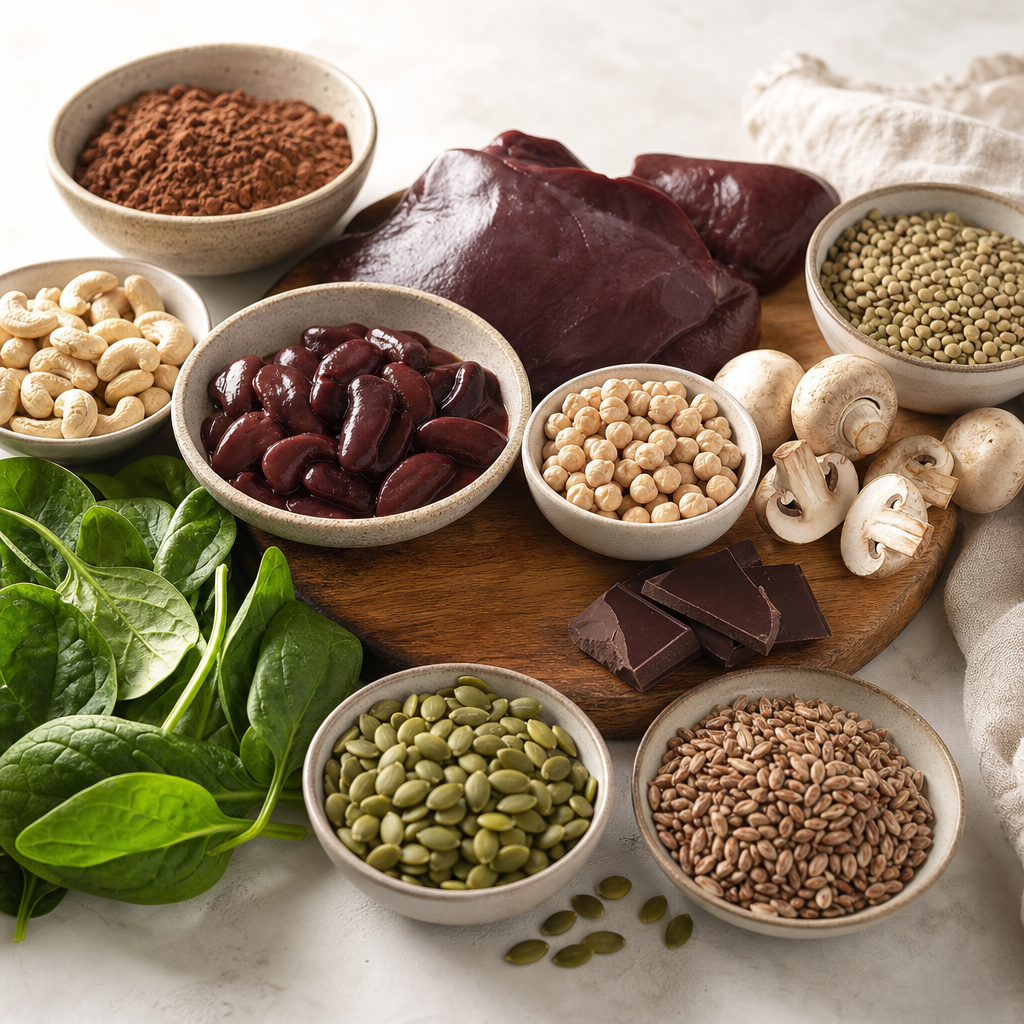
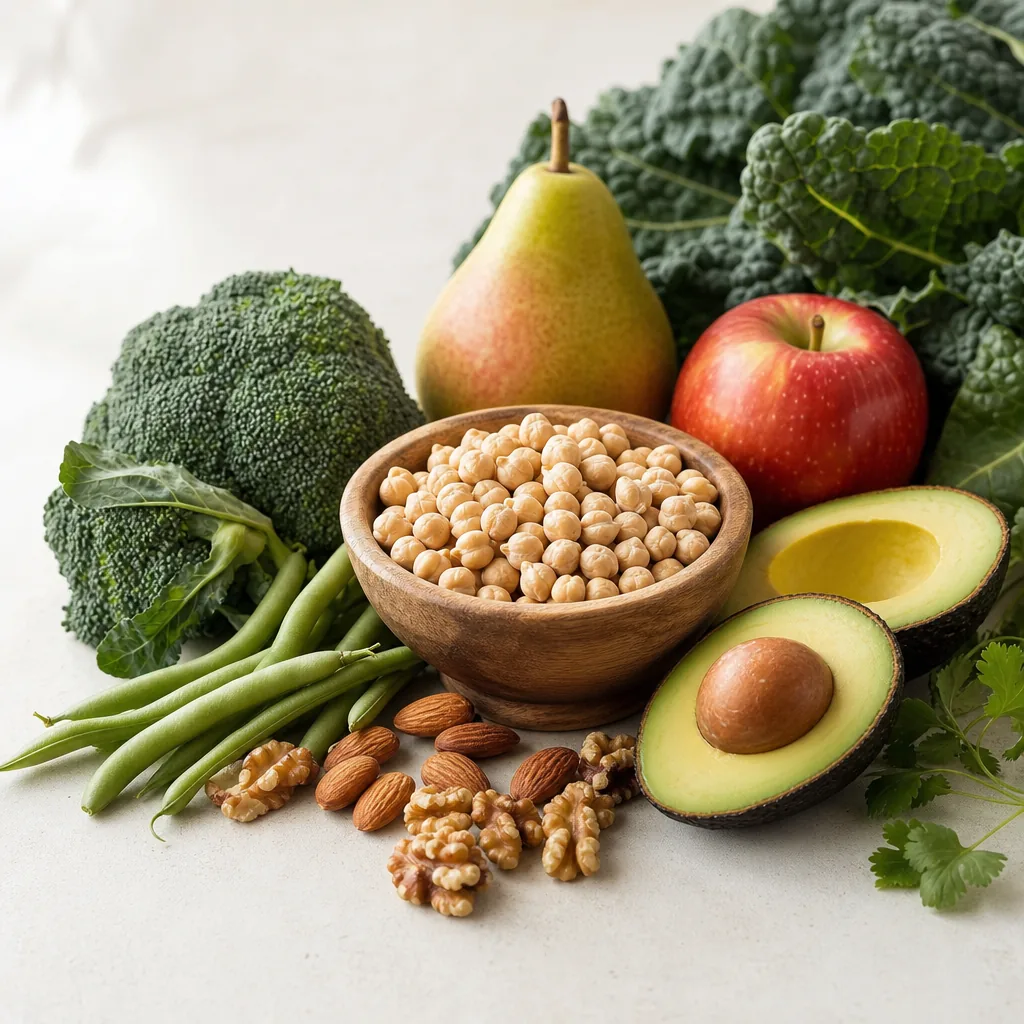
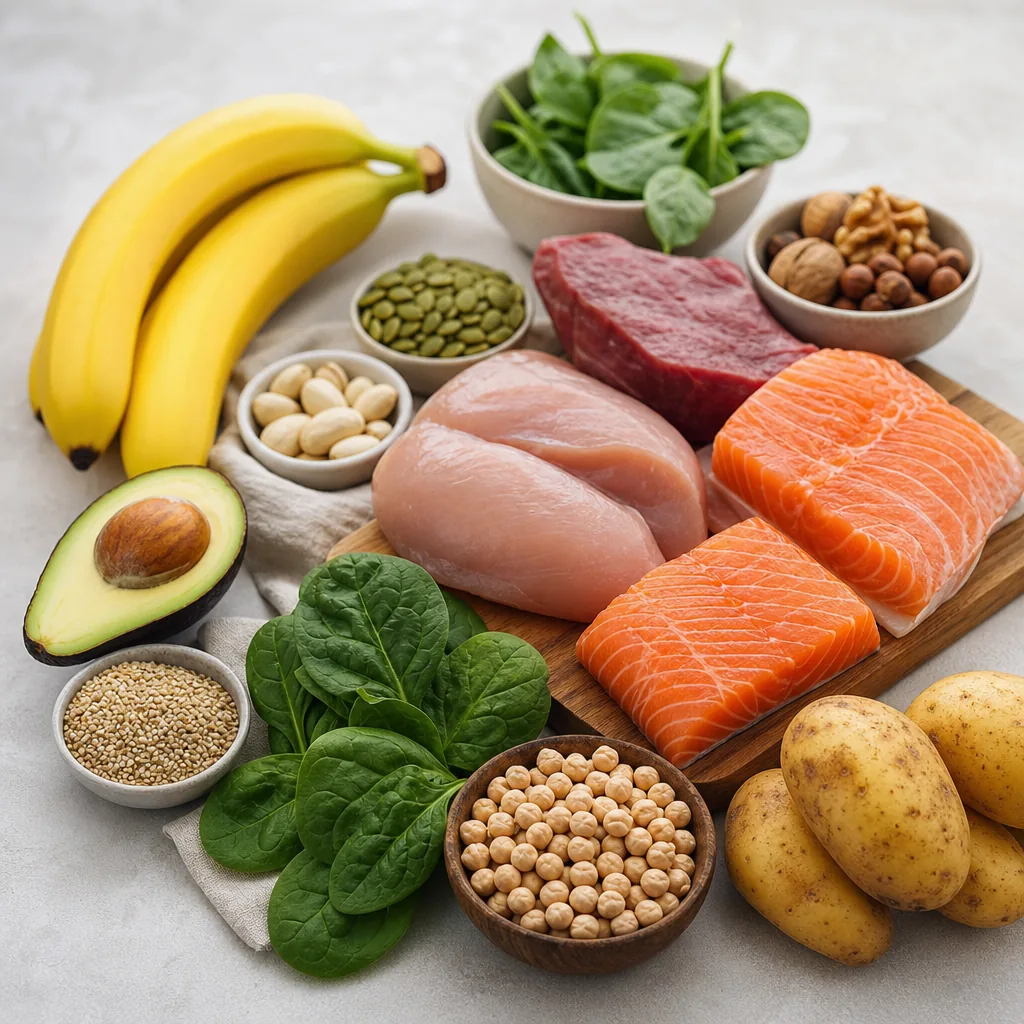
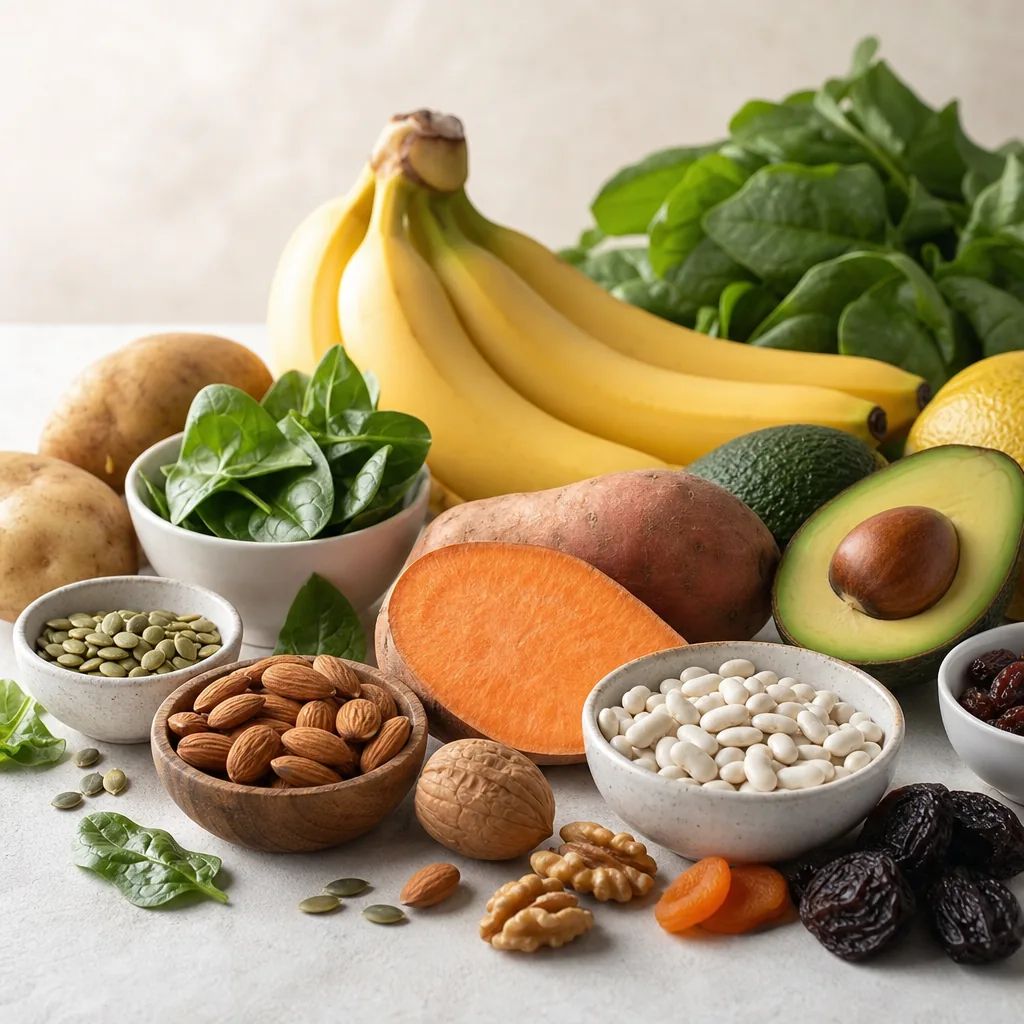
Copper occurs naturally in organ meats, shellfish, nuts, seeds, whole grains, cocoa, and legumes. Food-based copper comes packaged with other beneficial nutrients and is the preferred source for most people.
How to Use Copper
Most people can meet their needs through diet. Supplements are typically used when dietary intake is low, when medical conditions limit absorption, or when medications (such as high-dose zinc) increase risk of deficiency. Copper has a narrow safe range, so avoid unnecessary high doses.
-
Common dosage range:
For adults, the recommended intake is about 0.9 mg (900 mcg) per day from all sources. Multivitamins usually provide 0.9–2 mg per serving. Do not exceed the adult tolerable upper intake level of 10 mg/day from supplements and diet combined. Higher doses for diagnosed deficiency should only be used under medical supervision.
-
Best timing:
Timing is flexible. If you experience stomach upset, take with a meal. If also taking high-dose zinc, iron, or calcium, separate dosing by at least 2 hours to reduce competition for absorption.
-
How to take it:
Swallow with water, preferably alongside food to minimize nausea. Avoid taking with large amounts of phytate-rich bran supplements at the same time, as phytates can reduce mineral absorption.
-
Consistency:
Copper supports daily enzymatic functions, so steady day-to-day intake from food (and supplements if needed) is preferred rather than sporadic large doses.
Food Sources and Supplement Options
Copper is widely available from foods and, when needed, as low-dose supplements. Most adults with a balanced diet can meet their needs without supplementation. Supplements may be appropriate for people with medically confirmed low status or reduced absorption, or those taking high-dose zinc.
-
Organ meats (especially liver)
-
Shellfish (oysters, crab, lobster)
-
Nuts and seeds (cashews, almonds, sunflower and sesame seeds)
-
Legumes (lentils, chickpeas, beans)
-
Whole grains (quinoa, whole-wheat products)
-
Dark chocolate and cocoa
-
Potatoes, mushrooms, and some leafy greens
Whole foods provide copper along with fiber, protein, and other vitamins and minerals, which can support overall nutrient balance. Supplements offer precise dosing when food intake is insufficient or medical circumstances warrant it. Choose third-party tested products and avoid formulas with unnecessarily high copper relative to zinc.
Who May Benefit from Copper?
-
People with confirmed copper deficiency or marginal status based on lab testing and clinical evaluation.
-
Individuals taking long-term high-dose zinc (e.g., >40–50 mg/day), which can reduce copper absorption.
-
Those with malabsorption or after gastrointestinal surgery (e.g., bariatric procedures), under clinician guidance.
-
Patients on long-term parenteral nutrition or highly restricted diets that limit copper-containing foods.
-
Individuals with anemia not responding to iron alone, after medical evaluation to rule out other causes.
-
Preterm infants or infants with specialized medical needs, only under pediatric supervision.
Side Effects and Considerations
-
Gastrointestinal upset (nausea, abdominal pain, vomiting) can occur, especially on an empty stomach or at higher doses. Taking with food may help.
-
Do not exceed the tolerable upper intake level (10 mg/day for adults) from all sources. Chronically high intake can damage the liver and other organs.
-
Medication and nutrient interactions: High-dose zinc, iron, and calcium can compete with copper absorption; separate doses by at least 2 hours. Penicillamine and tetrathiomolybdate can reduce copper levels; coordinate with your clinician.
-
Liver and genetic conditions: People with Wilson disease or other copper-overload disorders must avoid supplemental copper and follow specialist care. Those with liver disease should consult a healthcare professional before use.
-
Pregnancy, breastfeeding, and children: Requirements differ by age and life stage. Use only appropriate low-dose products and consult a healthcare professional for individualized guidance.
-
Inflammation and lab tests: Ceruloplasmin and serum copper rise with inflammation, infection, and estrogen therapy, which can mask deficiency; clinicians interpret results in context.
-
Water and cookware: Excess copper can leach from corroded plumbing or unlined copper cookware with acidic foods. If in doubt, test water and avoid prolonged cooking in unlined copper vessels.
-
Allergies and skin contact: Some individuals may develop contact dermatitis from copper-containing jewelry; this is unrelated to dietary copper needs.
-
Medical conditions and medications: If you take prescription drugs, manage anemia, or have gastrointestinal disorders, seek medical advice before supplementing.
Common Myths About Copper
-
“More copper equals more energy.”
While copper is essential for mitochondrial energy production, intakes above recommended amounts have not been shown to increase energy in well-nourished people and may be unsafe. Meeting—not exceeding—your requirement is the goal.
-
“Copper deficiency is common in healthy adults.”
True deficiency is uncommon with a varied diet. It more often occurs with malabsorption, certain surgeries, genetic disorders, or long-term high-dose zinc use. Routine high-dose copper “just in case” is not advisable.
-
“Copper bracelets cure arthritis by absorbing through the skin.”
Evidence does not support meaningful systemic copper absorption from bracelets, nor consistent pain relief beyond placebo. Managing arthritis should focus on evidence-based medical and lifestyle strategies.
Conclusion
Copper is an essential trace mineral involved in energy production, connective tissue integrity, iron metabolism, antioxidant defense, and nervous and immune system functions. Most people can meet their needs through a balanced diet that includes nuts, seeds, legumes, whole grains, seafood, and organ meats. Supplements can be helpful when intake is low or medical conditions impair absorption, but copper’s narrow safety margin means more is not better.
If you are pregnant, breastfeeding, taking medications, or managing a medical condition, consult a healthcare professional before using copper supplements. Choose quality, third-party tested products, avoid unnecessary high doses, and consider the balance with zinc and iron. A food-first approach is best for most individuals, with targeted supplementation reserved for specific, evidence-based needs.