What is Fadogia Agrestis?
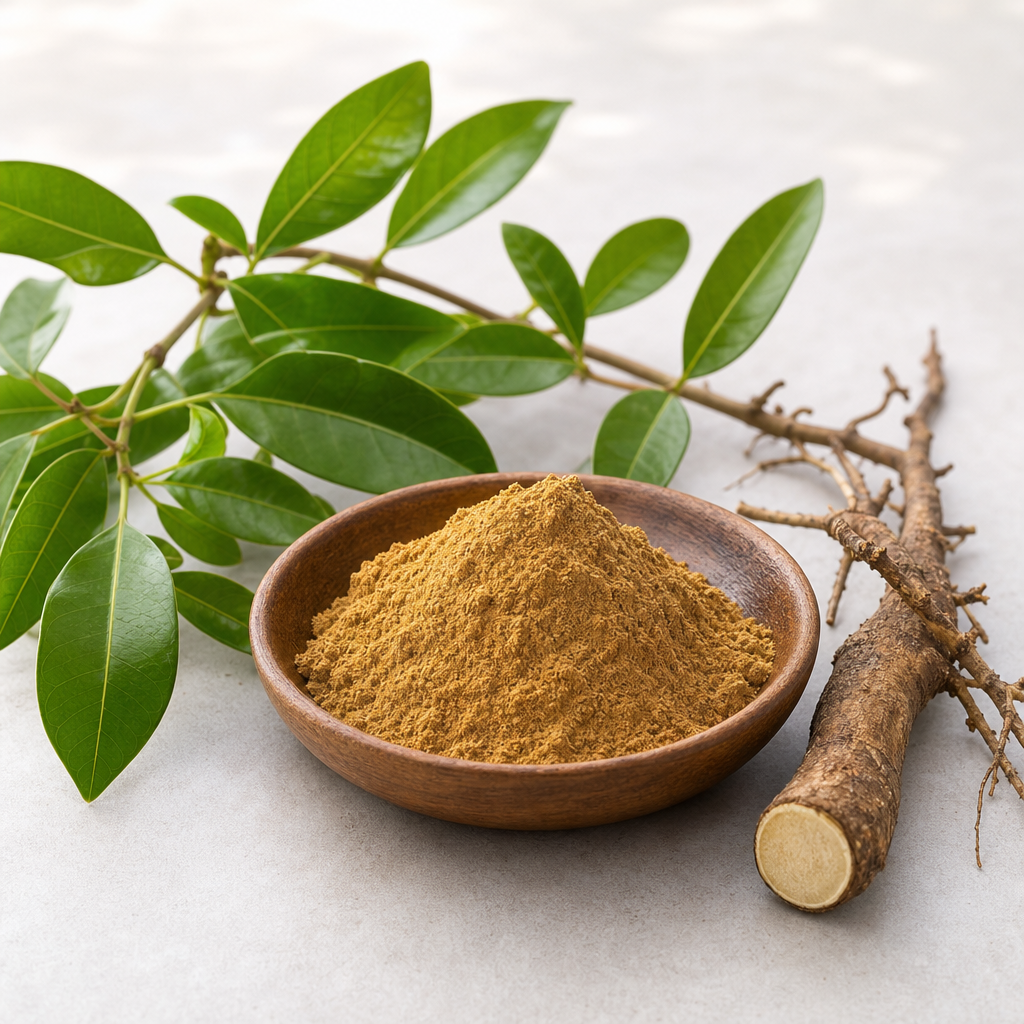
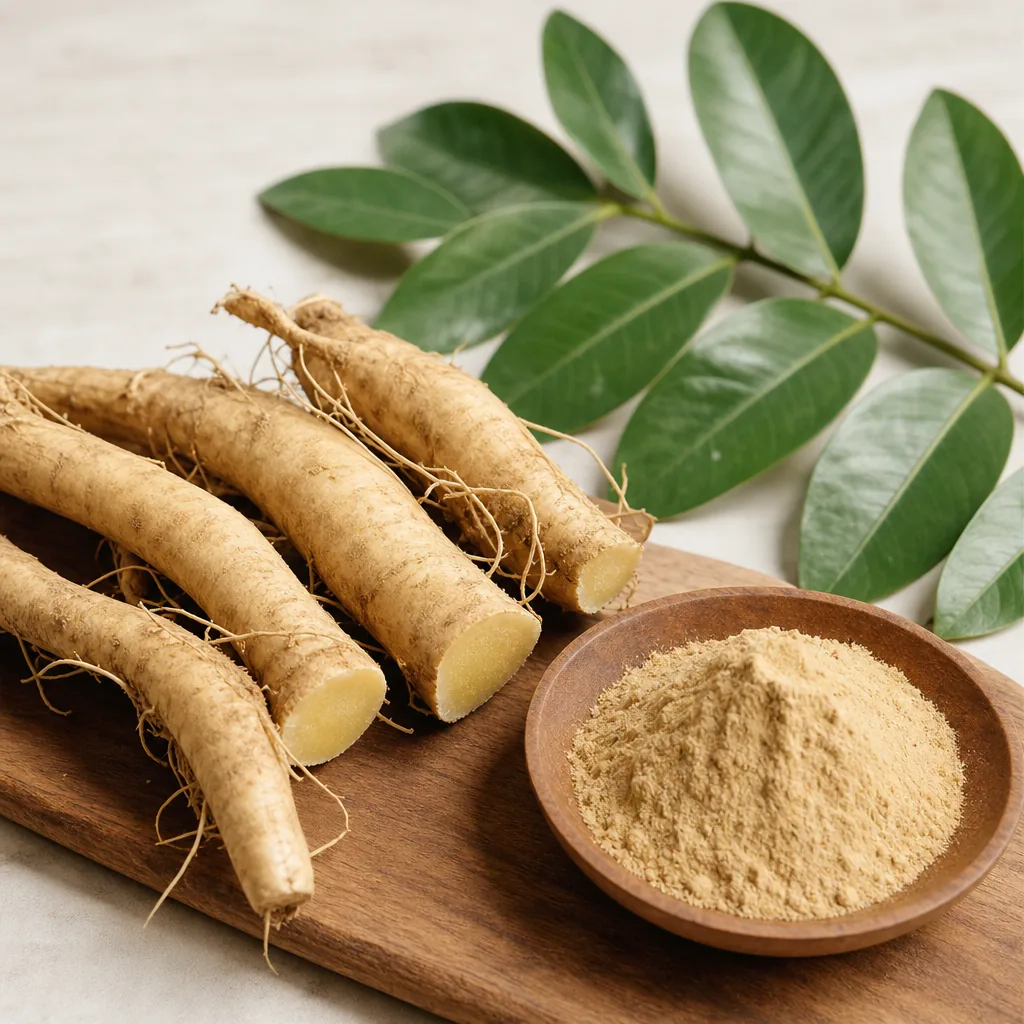
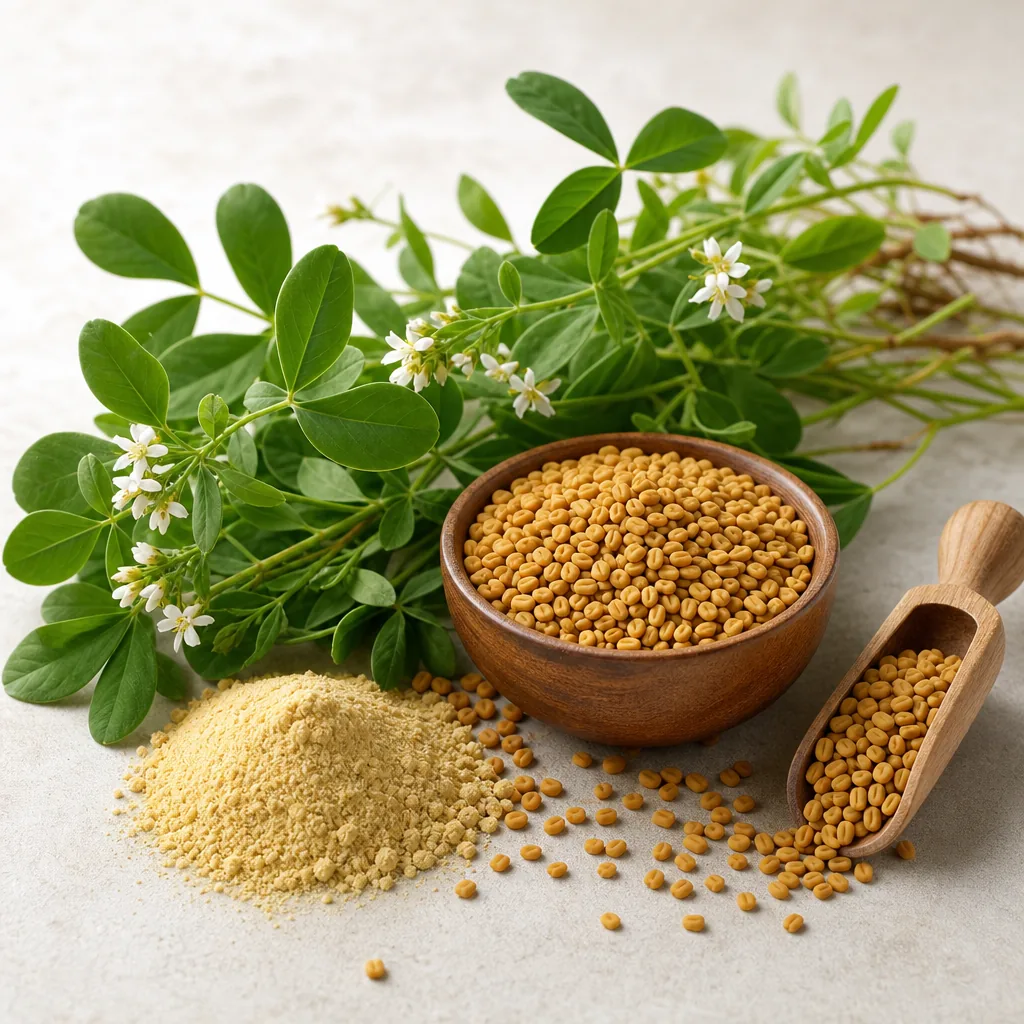
Fadogia agrestis is a shrub native to parts of West and Central Africa, especially Nigeria, where it has been used traditionally as an aphrodisiac and for general vitality. In modern wellness circles, it is marketed primarily as a botanical supplement aimed at supporting sexual desire and, more controversially, testosterone levels. Supplements are typically made from the plant’s stems, using water or alcohol extraction to concentrate certain phytochemicals such as saponins and alkaloid-like compounds.
Fadogia agrestis is not an essential nutrient like a vitamin, mineral, essential amino acid, or essential fatty acid. The body does not require it for normal physiological function, and there is no established dietary requirement. Rather, it is a non-essential botanical used as a supplement. Most of the scientific literature to date consists of animal studies, in vitro work, and traditional-use reports, with a striking lack of rigorous human clinical trials. As such, any proposed health roles should be considered tentative and approached with caution.
Benefits of Fadogia Agrestis
-
Sexual desire (libido) support
(Preliminary evidence)
Traditional use and early animal research suggest Fadogia agrestis may enhance sexual desire. Some users report increased libido, but these reports are anecdotal and not a substitute for controlled studies. Without well-designed human trials, the effect size, consistency, and safety profile remain uncertain.
-
Potential testosterone modulation
(Limited evidence)
Rodent studies have reported increases in testosterone and luteinizing hormone after Fadogia supplementation. However, these findings have not been reliably replicated in humans, and mechanisms are speculative. Any testosterone-related claims should be viewed cautiously until peer-reviewed human studies confirm efficacy and safety.
-
Male fertility parameters (sperm quality)
(Mixed evidence)
Some animal research notes improvements in sperm count or motility, while other studies raise concerns about testicular changes at higher doses or with longer use. Because results conflict and human data are lacking, potential benefits for fertility cannot be assumed, and possible risks need careful consideration.
-
Exercise performance or training drive
(Preliminary evidence)
A few animal studies and user reports imply improvements in activity levels or training enthusiasm, possibly via hormonal or central mechanisms. There are no high-quality human performance trials, so any ergogenic claims are speculative and should not replace proven strategies like structured training, sufficient sleep, and sound nutrition.
-
Antioxidant or antimicrobial activity
(Preliminary evidence)
Laboratory studies on plant extracts suggest potential antioxidant and antimicrobial properties, which are not uncommon among polyphenol- and saponin-containing botanicals. Lab findings do not automatically translate into clinical outcomes, and there is no clear human evidence that these effects improve health metrics or disease risk.
Types or Forms Available
-
Capsules with extract ratios (e.g., 5:1, 10:1, 20:1)
: These are among the most common forms. A “10:1” extract theoretically means 10 parts raw plant were used to make 1 part extract, but this does not guarantee consistent active compound levels. Quality and potency can vary widely between brands.
-
Non-standardized stem powder
: Ground plant material with minimal processing. While more “whole herb,” it tends to have variable potency and may contain inert plant matter. Doses also tend to be larger due to lower concentration.
-
Tinctures or liquid extracts
: Alcohol- or glycerin-based liquids provide flexible dosing. As with powders and capsules, actual concentrations of key constituents can vary, and clear standardization is uncommon.
-
Combination formulas
: Often paired with other libido- or vitality-targeted botanicals (e.g., Tongkat ali, Tribulus, ashwagandha, or fenugreek). While convenient, blends make it difficult to identify which ingredient causes any benefits or side effects, and they can increase interaction risks.
-
“Standardized” saponin extracts
: A few products claim standardization to saponins or other marker compounds. Because there is no universally accepted active marker for Fadogia agrestis, these standards vary and may not correlate with clinical effects.
How to Use Fadogia Agrestis
Because there are no established clinical dosing guidelines and human data are limited, conservative, short-term use—if chosen at all—is prudent. Many users experiment only after optimizing sleep, stress management, nutrition, and training, and some consult a knowledgeable clinician first.
-
Common dosage range:
Dietary supplements often provide 100–600 mg per day of a concentrated extract (e.g., 10:1 or 20:1). Given the absence of robust human trials, it is sensible to start low (e.g., 100–200 mg/day), evaluate tolerance, and avoid high or escalating doses. Long-term daily use is not well studied.
-
Best timing:
Timing is not clearly established. Many take it in the morning or split morning/evening. If it causes restlessness, earlier-in-the-day dosing may help.
-
How to take it:
Generally taken with water, and many prefer with food to minimize gastrointestinal discomfort. Follow the product’s directions because extracts differ in concentration.
-
Consistency:
Some users employ “cycling” (e.g., several weeks on, then off) due to limited safety data and to monitor for side effects. Discontinue use if adverse effects occur or if lab markers (e.g., liver enzymes) become abnormal.
Food Sources and Supplement Options
Fadogia agrestis is a botanical shrub, not a common food, and it is not naturally present in typical diets. As such, there are no conventional food sources. Access is primarily through dietary supplements made from the plant’s stems or extracts.
Supplementation may be considered by adults specifically exploring a botanical approach for libido or perceived vitality after lifestyle foundations are addressed. Whole foods provide essential nutrients and are the cornerstone of health, while supplements like Fadogia agrestis can offer targeted—but unproven—effects. Given the uncertainties, choosing reputable brands that provide third-party testing and clear labeling is especially important.
Who May Benefit from Fadogia Agrestis?
-
Adults curious about traditional aphrodisiac botanicals and willing to accept uncertain benefits with a cautious, short-term trial.
-
Recreational or competitive athletes exploring non-hormonal supplements for perceived vitality or training drive, with full understanding that evidence is preliminary and contamination risks exist.
-
Individuals with occasional low libido not attributable to a medical condition, who prefer to try a botanical approach after optimizing sleep, stress, exercise, and diet.
-
People who cannot or prefer not to use prescription hormone therapies but want to explore lifestyle and non-pharmaceutical options under professional guidance.
Side Effects and Considerations
-
Limited human safety data:
Most evidence comes from animal studies and anecdotal reports. Potential risks may be underrecognized.
-
Liver and kidney concerns:
Some animal studies reported changes in liver and kidney markers or histology at certain doses. People with liver or kidney issues should avoid use unless closely supervised, and anyone using it should discontinue if symptoms (e.g., dark urine, jaundice, right-upper-quadrant pain) occur.
-
Reproductive and hormone-related effects:
Rodent data show both hormone changes and possible testicular effects at higher doses. Men experiencing testicular discomfort, changes in libido, or mood swings should stop use and seek evaluation. Those with hormone-sensitive conditions (e.g., prostate issues, breast cancer history) should avoid unless medically advised.
-
Potential gastrointestinal and nervous system side effects:
Reports include stomach upset, nausea, restlessness, sleep disruption, headache, or irritability. Start low to assess tolerance and avoid evening dosing if sleep is affected.
-
Medication and supplement interactions:
Unknown interactions are possible, especially with hormone therapies (e.g., testosterone), PDE-5 inhibitors, fertility medications, stimulants, or other “testosterone-boosting” products. Consult a healthcare professional if taking prescriptions or multiple supplements.
-
Quality and adulteration risks:
Libido supplements are sometimes adulterated with undeclared pharmaceutical agents. Choose brands with third-party testing, transparent sourcing, and lot-specific certificates of analysis.
-
Athlete considerations:
While Fadogia agrestis itself is not a known banned substance, cross-contamination or adulteration can trigger anti-doping violations. Use only products vetted by sport-certified testing programs.
-
Pregnancy, breastfeeding, and children:
Safety is unknown. Avoid use during pregnancy or breastfeeding and in individuals under 18 years old.
-
Surgery and medical procedures:
Discontinue at least 1–2 weeks before surgery unless your clinician advises otherwise, due to uncertain effects on hormones, blood pressure, or interactions.
-
When to seek medical advice:
If you have a medical condition, take medications, are trying to conceive, or experience unusual symptoms, talk with a qualified healthcare professional before using this botanical.
Common Myths About Fadogia Agrestis
-
“It’s proven to raise testosterone in men.”
Current evidence is largely from animal studies; high-quality human trials demonstrating consistent, clinically meaningful testosterone increases are lacking. Any claims of proven effects overstate the data.
-
“Natural means safe for everyone.”
Natural products can have potent, drug-like actions. Rodent data raise safety questions about liver, kidney, and testicular effects at certain doses. Individual responses vary, and adulteration is a real risk in this supplement category.
-
“More is better.”
Higher doses have not been shown to improve outcomes and may raise the risk of side effects. Without established human dosing standards, conservative use—if used at all—is wiser than escalating amounts.
-
“It can replace medical care or testosterone therapy.”
Fadogia agrestis is not a substitute for clinical evaluation of low testosterone or sexual dysfunction. Underlying conditions, medications, sleep quality, and mental health need proper assessment by a qualified professional.
Conclusion
Fadogia agrestis is a traditional botanical that has gained popularity for libido and potential testosterone support. However, evidence in humans is minimal, and animal studies both suggest possible benefits and raise safety concerns. If chosen, it should be approached as an experiment: use reputable, third-party-tested products; start with low doses; limit duration; and monitor for side effects. Lifestyle foundations—including sleep, stress management, resistance training, and nutrient-dense eating—remain the most reliable path for sexual and performance-related goals.
People who are pregnant or breastfeeding, children, those with hormone-sensitive conditions, and anyone with liver, kidney, or other medical issues—or taking medications—should consult a healthcare professional before use. For most individuals, a food-first strategy covers essential nutrients and supports overall health; a supplement like Fadogia agrestis may be considered only for targeted goals after fundamentals are optimized and risks are weighed carefully.