What is Yohimbe?
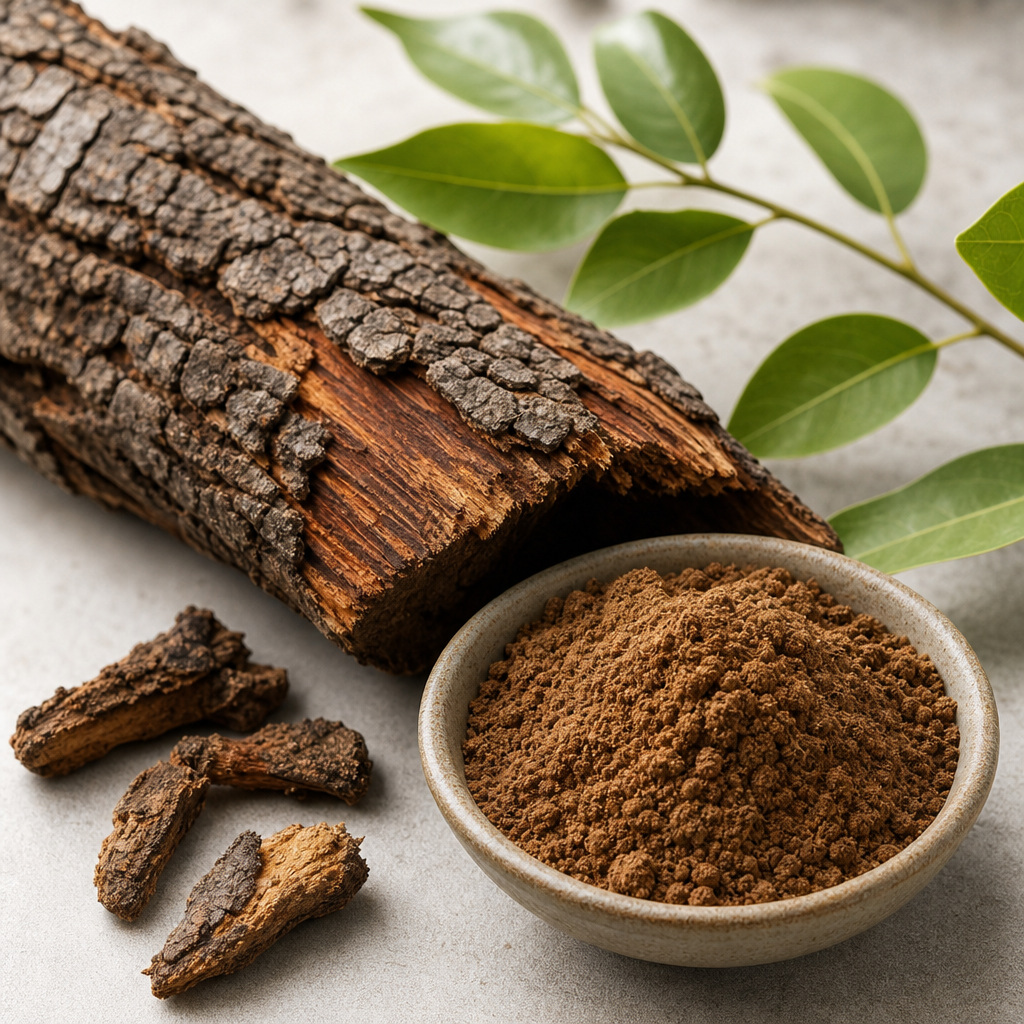
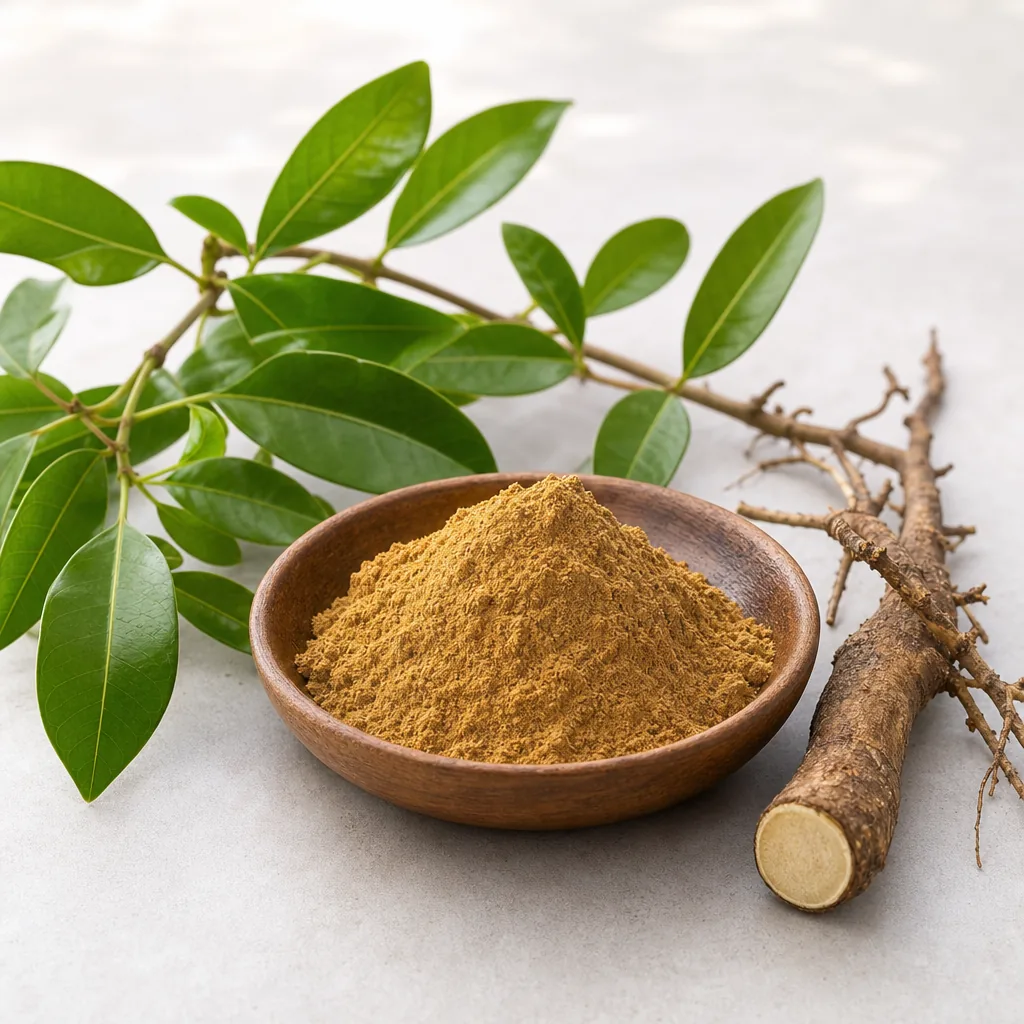
Yohimbe is a botanical ingredient derived from the bark of the Pausinystalia yohimbe tree, native to West and Central Africa. The bark contains several indole alkaloids, the most prominent being yohimbine, which acts primarily as an alpha-2 adrenergic receptor antagonist. Through this mechanism it can increase sympathetic nervous system activity, which may influence blood flow in certain tissues and affect arousal, alertness, and energy expenditure. Traditionally, yohimbe bark was used as an aphrodisiac; in modern practice, it appears as a dietary supplement and, in some countries, as a prescription form of yohimbine for specific indications.
Yohimbe is not an essential nutrient like a vitamin or mineral. It is best categorized as an herb/botanical and, more specifically, a plant-derived extract used in supplements. The body does not require yohimbe to function, and there is no physiological “requirement” for it in the way there is for essential micronutrients. Any potential benefits come from its pharmacologic actions rather than from correcting a deficiency.
Benefits of Yohimbe
-
Erectile function support (especially mild cases)
(Mixed evidence)
Emerging and historical clinical data on pharmaceutical yohimbine hydrochloride suggest modest improvements in erectile function compared with placebo in some men, particularly those with mild or psychogenic erectile difficulties. However, results are inconsistent across studies, effect sizes are generally small, and modern first-line therapies (such as PDE5 inhibitors) typically outperform yohimbine. Response appears variable, and tolerability often limits use.
-
Libido and sexual arousal
(Limited evidence)
Traditional use and small studies indicate yohimbine may enhance sexual arousal by increasing sympathetic activity and potentially improving genital blood flow. Evidence in women and men for heightened desire or arousal is limited, heterogeneous, and not consistently replicated. Benefits, when present, are often modest and may be offset by side effects such as anxiety or palpitations.
-
Body fat reduction during dieting
(Limited evidence)
A few small trials, including studies in trained athletes, suggest yohimbine may slightly enhance fat loss when combined with caloric restriction and exercise. Proposed mechanisms include blocking presynaptic alpha-2 receptors in adipose tissue, thereby supporting lipolysis. However, findings are not consistent, absolute effects tend to be small, and tolerance or side effects can limit real-world use. Lifestyle factors remain the primary drivers of body composition.
-
Counteracting antidepressant-related sexual side effects
(Preliminary evidence)
Limited clinical observations suggest yohimbine may help some individuals experiencing sexual dysfunction associated with certain antidepressants. Data are preliminary and mixed, with potential for interactions and adverse effects. Any attempt to address medication-related side effects with yohimbe should be supervised by a clinician.
-
Alertness and perceived energy
(Preliminary evidence)
By increasing norepinephrine signaling, yohimbine may transiently boost alertness and subjective energy. Evidence is mostly from small human studies and physiological models; benefits are not universal and can be overshadowed by jitteriness, anxiety, or increased heart rate, especially at higher doses or when combined with other stimulants like caffeine.
Types or Forms Available
-
Yohimbe bark powder
: Ground bark in capsules or teas. The alkaloid content is highly variable, making dosing unpredictable. Traditional but least standardized option.
-
Standardized yohimbe bark extract
: Extracts specifying a percentage of yohimbine (commonly 2–10%) aim to improve dosing consistency. Even so, independent testing has found substantial variability across products; choosing third-party tested brands is important.
-
Yohimbine HCl (pharmaceutical form)
: A purified, salt form of the active alkaloid with precise dosing used historically by prescription in some countries. In many jurisdictions it is regulated as a drug, not a dietary supplement. Because it has drug-like effects and a narrow safety margin, it should only be used under medical supervision where legally appropriate.
-
Rauwolscine (alpha-yohimbine)
: A related indole alkaloid (often from Rauwolfia species) marketed in sports supplements. It may be more potent per milligram and more stimulating, with similar or greater risk of side effects. Research is more limited than for yohimbine.
-
Combination formulas
: Yohimbe is sometimes combined with caffeine, synephrine, or other stimulants in “fat burner” or “pre-workout” products. Such combinations can significantly raise the risk of elevated heart rate, blood pressure, anxiety, and other adverse events.
How to Use Yohimbe
Because yohimbe’s effects are dose-sensitive and side effects can escalate quickly, start low, assess tolerance, and avoid stacking with other stimulants. Individuals who are pregnant or breastfeeding, managing a medical condition, or taking medications should consult a healthcare professional before use. People with cardiovascular, psychiatric, liver, or kidney conditions should generally avoid yohimbe.
-
Common dosage range:
For standardized bark extracts, products often provide a daily total delivering about 2–8 mg yohimbine. For pharmaceutical yohimbine HCl, historical clinical dosing ranged roughly 5 mg two to three times daily under medical supervision; over-the-counter use should remain well below prescription regimens. Due to variability in supplements, many users begin with approximately 2 mg yohimbine to gauge sensitivity. Do not exceed label directions, and avoid high doses.
-
Best timing:
For sexual support, some individuals take a dose 30–60 minutes before anticipated activity. For energy or fat-loss goals, some take it earlier in the day to reduce sleep disruption. Avoid dosing near bedtime.
-
How to take it:
Yohimbe is typically taken with water. Taking it without food may increase absorption but can also increase jitteriness or nausea; a light snack may improve tolerance for sensitive users. Do not combine with caffeine, decongestants, or other stimulants.
-
Consistency:
Yohimbe is often used situationally (for specific activities) rather than as a daily long-term supplement. If used more regularly, consider the lowest effective dose, periodic breaks, and ongoing monitoring of blood pressure, heart rate, mood, and sleep.
Food Sources and Supplement Options
Yohimbe is not a dietary component of common foods. It comes from the bark of the Pausinystalia yohimbe tree and is primarily consumed as a botanical supplement or, in some regions, as a prescription medication in the form of yohimbine HCl. There are no meaningful food-based sources that deliver standardized amounts of yohimbine.
Supplementation may be considered by adults who have specific, evidence-informed goals (for example, exploring an option for mild erectile difficulties or seeking a small adjunct to diet and exercise during fat-loss phases) and who are not taking interacting medications or managing relevant medical conditions. Whole foods remain the foundation of health and performance because they provide fiber, vitamins, minerals, and phytonutrients; supplements like yohimbe, when used at all, serve a narrow and targeted role rather than replacing a food-first approach.
Who May Benefit from Yohimbe?
-
Adult men with mild erectile difficulties who cannot use or do not respond to first-line therapies and who have discussed risks and interactions with a clinician.
-
Adults working with a healthcare professional to address antidepressant-associated sexual dysfunction, after ruling out safer alternatives and medication adjustments.
-
Experienced supplement users seeking a small adjunct to a structured fat-loss program, who have healthy cardiovascular status and avoid stimulant combinations.
-
Individuals participating in supervised research or clinical settings where dosing, purity, and safety monitoring are controlled.
Side Effects and Considerations
-
Cardiovascular effects:
Yohimbe can raise heart rate and blood pressure and may precipitate palpitations, chest discomfort, or, rarely, serious events in susceptible individuals. People with hypertension, heart disease, arrhythmias, or a history of stroke should avoid it.
-
Neuropsychiatric effects:
Common reactions include anxiety, irritability, agitation, tremor, restlessness, and insomnia; panic attacks have been reported. Those with anxiety disorders, bipolar disorder, PTSD, or a history of panic should avoid yohimbe.
-
Gastrointestinal and other symptoms:
Nausea, vomiting, stomach upset, sweating, flushing, dizziness, headache, and frequent urination can occur, especially at higher doses or on an empty stomach.
-
Medication interactions:
Potential interactions with antidepressants (SSRIs, SNRIs, tricyclics, MAOIs), stimulants (caffeine, ephedrine, decongestants), antihypertensives (particularly alpha-2 agonists like clonidine), and other agents affecting blood pressure or neurotransmitters. Do not combine without medical guidance.
-
Medical conditions:
Avoid use with cardiovascular disease, uncontrolled blood pressure, glaucoma, kidney or liver disease, seizure disorders, or hyperthyroidism. Discontinue and seek care if you experience severe anxiety, chest pain, fainting, or sustained tachycardia.
-
Pregnancy, breastfeeding, and children:
Not recommended due to insufficient safety data and potential for harm.
-
Quality and labeling concerns:
Independent analyses have found large discrepancies between labeled and actual yohimbine content in yohimbe products. Choose brands that are third-party tested (e.g., USP, NSF, Informed Choice) and avoid proprietary blends that obscure exact dosing.
-
Narrow safety margin:
Yohimbine has a relatively narrow therapeutic window; small increases in dose can cause disproportionate side effects. Start low, do not exceed label directions, and avoid stacking with other stimulants.
-
Surgery and medical procedures:
Due to cardiovascular and CNS effects, stop yohimbe at least 1–2 weeks before surgery or invasive procedures unless otherwise directed by your healthcare team.
-
Legal/regulatory status:
In some countries, yohimbine is regulated as a prescription drug. Over-the-counter products may not be legally permitted to contain yohimbine HCl. Know your local regulations.
Common Myths About Yohimbe
-
“Yohimbe is a natural Viagra that works for everyone.”
While yohimbe can help some men with mild erectile difficulties, study results are inconsistent and benefits are generally modest. Modern first-line medications have stronger and more predictable effects. Yohimbe also has a higher rate of side effects, so it is not a universal solution.
-
“Natural means safe at any dose.”
Yohimbe has drug-like effects and a narrow safety margin. Doses only slightly above tolerance can cause significant side effects such as anxiety, hypertension, or palpitations. “Herbal” does not guarantee safety, especially with stimulant-like compounds.
-
“All yohimbe supplements are the same.”
Product testing shows large variability in yohimbine content, with some supplements under- or overdosed relative to the label. Forms also differ: crude bark, standardized extracts, and related alkaloids (like rauwolscine) are not interchangeable in potency or risk.
-
“More is better for fat loss.”
Higher doses increase side effects more than they increase fat loss. Evidence for additional weight-loss benefit beyond a small effect is weak, whereas the risk of jitteriness, blood pressure spikes, and sleep disruption rises rapidly.
Conclusion
Yohimbe is a botanical supplement whose primary active, yohimbine, exerts adrenergic effects that may modestly support erectile function, arousal, and—in some contexts—fat loss or alertness. Evidence ranges from preliminary to mixed, with benefits typically small and highly individual. Because of variable product quality, frequent side effects, and a narrow safety window, careful dosing, product selection, and medical oversight are important.
For most people, a food-first approach remains the foundation of health and performance. If yohimbe is considered, it should be reserved for healthy adults with specific goals, after lifestyle basics are optimized, and with attention to interactions and contraindications. Those who are pregnant or breastfeeding, taking medications, or managing medical conditions should consult a healthcare professional and will often be better served by alternative strategies with stronger evidence and better safety profiles.