What is Fenugreek?
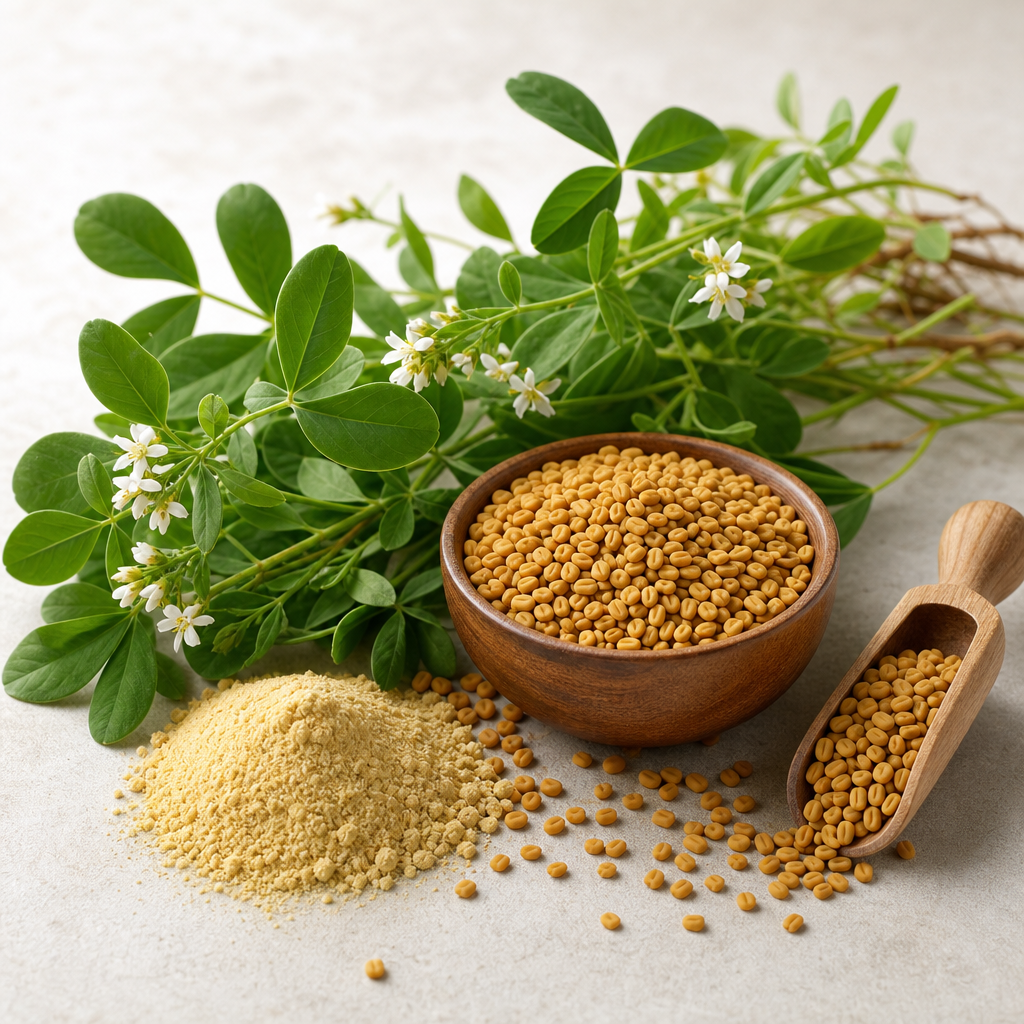
Fenugreek (Trigonella foenum-graecum) is an herb in the legume family whose seeds and leaves have been used for centuries in South Asian, Middle Eastern, and North African cuisines and traditional medicine. The small, golden-brown seeds have a distinctive maple-like aroma due to a natural compound called sotolon. In cooking, fenugreek appears as whole seeds, ground powder, and dried leaves (kasoori methi), contributing bitterness, sweetness, and depth to curries, spice blends, and breads.
As a supplement, fenugreek is typically used in seed powder or extract form. It contains several bioactive constituents, including soluble fibers (galactomannans), saponins (such as diosgenin), the amino acid derivative 4-hydroxyisoleucine, alkaloids (trigonelline), and flavonoids. These components are thought to influence digestion, glucose and lipid metabolism, and possibly hormonal pathways. Fenugreek is a botanical/herbal supplement—not an essential nutrient—so the human body does not require it in the way it requires vitamins, minerals, essential fatty acids, or essential amino acids.
Benefits of Fenugreek
-
Supports healthy blood sugar and post-meal glucose
(Moderate evidence)
Explanation: Fenugreek’s soluble fiber can slow carbohydrate digestion and absorption, and 4-hydroxyisoleucine may support insulin secretion and sensitivity. Multiple small randomized trials in people with impaired glucose tolerance or type 2 diabetes have shown modest improvements in fasting or post-meal glucose and, in some cases, A1C. Benefits tend to be more pronounced with higher-fiber seed preparations taken with meals. It is not a substitute for prescribed diabetes care but may be a reasonable adjunct under professional guidance.
-
Modest improvements in blood lipids
(Moderate evidence)
Explanation: Studies using fenugreek seed powder and certain extracts have reported reductions in total and LDL cholesterol and, in some cases, triglycerides. Effects are generally modest and may relate to the seed’s soluble fiber and saponin content, which can reduce bile acid reabsorption and alter lipid metabolism. Results vary by dose, preparation, and baseline lipid levels, and lifestyle factors remain foundational.
-
Breastfeeding milk supply support (galactagogue)
(Mixed evidence)
Explanation: Fenugreek has traditional use to support lactation. Some small trials and meta-analyses suggest increased early postpartum milk volume versus control, while others show little or no effect. Studies often have design limitations, and tolerability can be an issue (e.g., gastrointestinal upset, maple-like body odor). Anyone considering fenugreek for lactation should consult a lactation professional and healthcare provider to weigh potential benefits and risks.
-
Appetite control and satiety
(Limited evidence)
Explanation: Fenugreek’s galactomannan fiber can absorb water, increase viscosity, and slow gastric emptying, which may enhance fullness and reduce subsequent calorie intake in some individuals. Small human studies report decreased hunger and lower energy intake after fenugreek-fiber–containing meals. Effects are inconsistent and generally modest; comprehensive nutrition and activity habits remain the primary drivers of weight outcomes.
-
Male sexual health and testosterone-related outcomes
(Mixed evidence)
Explanation: Several small, often industry-sponsored trials of standardized fenugreek extracts report improvements in libido or small changes in free testosterone, while other studies show no meaningful hormonal effects. When benefits occur, they tend to be modest and may not translate into significant changes in strength or body composition. More independent, well-controlled research is needed.
-
Digestive comfort and occasional heartburn
(Limited evidence)
Explanation: The mucilage and fiber in fenugreek may help coat and soothe the gastrointestinal tract, with some small studies and user reports noting reduced heartburn frequency and severity when taken before meals. Evidence remains limited, and individual responses vary.
-
Exercise performance adjunct (in combinations)
(Preliminary evidence)
Explanation: Early research suggests certain fenugreek extracts combined with creatine might influence creatine uptake or training outcomes. Isolated fenugreek has not consistently demonstrated performance enhancement. Current evidence is preliminary and not sufficient to recommend fenugreek for athletic performance on its own.
Types or Forms Available
-
Whole seeds (culinary)
: Used in cooking or lightly crushed for teas/infusions. They provide the full spectrum of seed constituents, including fiber and saponins. Taste is bitter if not properly cooked or tempered.
-
Ground seed powder
: Convenient for culinary and supplemental use. Provides fiber-rich, broad-spectrum seed constituents. Doses used in studies vary widely; higher intakes can cause gastrointestinal side effects.
-
Standardized seed extracts (saponins)
: Often labeled to a specific saponin content (e.g., 20–50%). These provide more concentrated bioactives with minimal fiber. Common in products marketed for metabolic or men’s health support.
-
4-hydroxyisoleucine–standardized extracts
: Target the amino acid derivative thought to influence insulin secretion and glucose handling. Lower bulk than whole-seed preparations and typically better tolerated than high-fiber powders.
-
Fenugreek fiber (galactomannan) isolates
: Concentrated soluble fiber aimed at satiety and glycemic effects. Usually taken with water before meals to help manage appetite and postprandial glucose.
-
Dried leaves (kasoori methi) and fresh leaves
: Primarily culinary; contribute aroma, flavor, and some polyphenols. Lower in the seed’s saponins and 4-hydroxyisoleucine.
-
Liquid extracts/tinctures and teas
: Offer an alternative delivery format. Concentration can vary widely; teas will contain fewer fat-insoluble constituents and less fiber than whole seed or powder.
How to Use Fenugreek
Fenugreek can be incorporated as a food (spice, leaves, tea) or taken as a supplement. Start with the lowest effective dose and assess tolerance, especially for gastrointestinal comfort. Because products vary, follow the manufacturer’s directions and consider professional guidance if you have health conditions or take medications.
-
Common dosage range:
For standardized extracts, typical supplemental amounts are about 500–1,000 mg once or twice daily. For ground seed powder, 2–5 g once or twice daily is common in practice; higher intakes have been used in studies but raise the likelihood of side effects. For fiber isolates, 2–5 g with water before meals is typical. Avoid large “megadose” intakes.
-
Best timing:
Taking fenugreek with meals—especially carbohydrate-rich meals—may better support post-meal glucose and improve tolerability. Fiber isolates are often taken 10–30 minutes before eating with adequate water. For lactation use, timing may be individualized with a lactation professional.
-
How to take it:
Capsules or tablets are convenient. Powders can be mixed into yogurt, smoothies, or warm water/tea. If using fiber isolates, drink with a full glass of water to prevent choking risk and ensure proper expansion.
-
Consistency:
Most goals (glucose/lipids, appetite control) require consistent daily use for several weeks to evaluate effect. Intermittent culinary use can still contribute flavor and some functional fiber but is less likely to deliver targeted supplemental outcomes.
Food Sources and Supplement Options
Fenugreek is both a culinary ingredient and a supplement. The natural source is the fenugreek plant itself—primarily the seeds and, to a lesser extent, the leaves. Culinary use provides flavor and small amounts of bioactives and fiber, while supplements deliver more standardized or concentrated dosing for specific goals.
-
Fenugreek seeds (whole or ground) used in curries, dals, chutneys, and spice blends (e.g., curry powder, berbere).
-
Dried fenugreek leaves (kasoori methi) for seasoning breads and sauces; fresh leaves (methi) as a leafy green.
-
Fenugreek tea/infusions made from lightly crushed seeds.
-
Sprouted fenugreek seeds used in some salads and traditional preparations.
Supplements may make sense when a targeted and consistent intake is desired (for example, supporting post-meal glucose or satiety), which can be difficult to achieve through occasional culinary use. Whole-food preparations offer additional nutrients and culinary enjoyment, while standardized extracts can provide predictable dosing and may be easier to tolerate than large amounts of seed powder. Choose reputable brands with third-party testing for quality.
Who May Benefit from Fenugreek?
-
Adults seeking modest, adjunctive support for healthy blood sugar alongside diet, exercise, and medical care.
-
Individuals with borderline or mildly elevated LDL cholesterol or triglycerides who are focusing on lifestyle changes.
-
People aiming to improve satiety around meals or manage appetite as part of a weight-management plan.
-
Breastfeeding individuals considering herbal galactagogues after optimizing latch, feeding frequency, hydration, and overall nutrition—with guidance from a lactation consultant and clinician.
-
Those exploring herbal options for men’s sexual health/libido, recognizing that effects are variable and often modest.
-
Home cooks who enjoy using spices and herbs for flavor, fiber, and culinary diversity.
Side Effects and Considerations
-
Gastrointestinal effects:
Bloating, gas, loose stools, and stomach discomfort are the most common side effects, especially with higher seed powder or fiber intakes. Introduce gradually and take with meals.
-
Blood sugar interactions:
Fenugreek may lower blood glucose. People taking insulin or oral hypoglycemics should monitor closely and consult a healthcare professional to avoid hypoglycemia or medication interactions.
-
Bleeding risk and surgery:
Fenugreek may have mild antiplatelet effects. Use caution with anticoagulant/antiplatelet medications (e.g., warfarin, clopidogrel) and stop fenugreek 1–2 weeks before surgery unless otherwise advised by your clinician.
-
Allergies and cross-reactivity:
As a legume, fenugreek can trigger reactions in people allergic to peanuts, chickpeas, or other legumes. Discontinue and seek care if you develop rash, swelling, wheezing, or other allergic symptoms.
-
Pregnancy:
Avoid fenugreek supplements during pregnancy. Traditional use and limited data raise concerns about uterine stimulation; case reports note unusual neonatal odor and potential glucose effects with high maternal intake.
-
Breastfeeding:
Although used as a galactagogue, safety and efficacy are not firmly established. Possible infant and maternal gastrointestinal effects and odor changes can occur. Discuss with a lactation consultant and healthcare professional.
-
Medication and nutrient absorption:
The fiber in fenugreek can reduce absorption of some medications and nutrients. Separate fenugreek (especially fiber isolates and large seed doses) from medications by at least 2–3 hours.
-
Liver and kidney considerations:
Rare cases of liver enzyme elevations have been reported with multi-herb products containing fenugreek. People with liver or kidney disease should use caution and consult a clinician.
-
Hormone-sensitive conditions:
Because fenugreek contains phytoestrogen-like saponins, individuals with estrogen-receptor–positive conditions should consult their healthcare professional before use.
-
Children:
Safety data are limited; avoid supplemental fenugreek in children unless directed by a pediatric clinician.
-
Quality and contamination:
Choose products with third-party testing (e.g., USP, NSF, Informed Choice) to reduce risk of adulteration or contaminants. Expect a maple-like odor in sweat or urine due to sotolon; this is typically benign.
Common Myths About Fenugreek
-
“Fenugreek cures diabetes.”
Evidence shows fenugreek can modestly improve post-meal glucose and sometimes A1C as an adjunct, but it does not cure diabetes. Sustainable nutrition, activity, weight management, and prescribed medications remain the primary treatments.
-
“Because it’s a common spice, any dose is safe.”
Culinary use is generally safe, but supplemental doses can cause gastrointestinal upset, interact with medications, and may be inappropriate in pregnancy or for people with certain conditions. Dose and context matter.
-
“Fenugreek reliably boosts testosterone dramatically.”
Research findings are mixed. Some small studies report modest changes in libido or free testosterone with specific extracts, while others show no effect. Large, independent trials are lacking, and dramatic claims are not supported.
-
“Fenugreek guarantees increased milk supply.”
Some individuals notice early increases, but results are inconsistent and not universal. Optimizing breastfeeding technique and addressing underlying issues often have a greater impact than any single herb.
-
“It melts fat and speeds muscle gain on its own.”
There is no strong evidence that fenugreek alone produces significant fat loss or muscle gain. Training quality, total nutrition, protein intake, and recovery drive physique changes.
Conclusion
Fenugreek is a versatile culinary herb and a popular supplement with potential benefits for post-meal glucose control, modest lipid improvements, appetite support, and selected men’s health outcomes. Evidence is strongest for metabolic uses and more variable for lactation and hormonal effects. It can be reasonable to try in measured doses when paired with diet, exercise, sleep, and medical care, especially if you prefer botanical options.
Use caution if you are pregnant, breastfeeding, taking medications (particularly for blood sugar or clotting), managing hormone-sensitive conditions, or have kidney or liver concerns. Start low, take with meals, and choose third-party–tested products. A food-first approach—using fenugreek as a spice or leafy green—adds flavor and some functional fiber, while standardized supplements can provide targeted and consistent dosing when culinary intake alone is insufficient. As with any supplement, consult a qualified healthcare professional if you are pregnant or breastfeeding, take medications, or have a medical condition.