What is Beta Sitosterol?
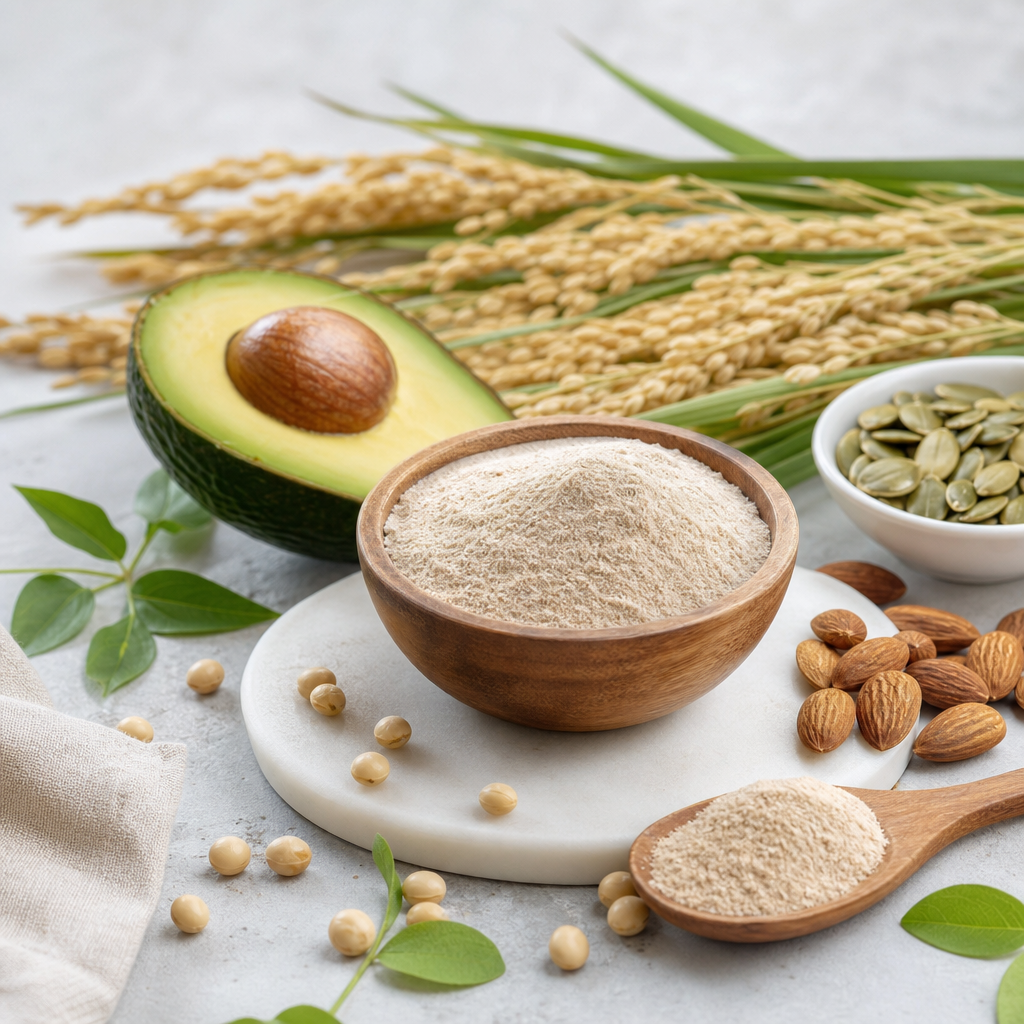
Beta sitosterol is a plant-derived compound classified as a phytosterol, a family of molecules structurally similar to cholesterol. It is naturally present in many plant foods, especially vegetable oils, nuts, seeds, legumes, whole grains, and avocados. In supplements and fortified foods, beta sitosterol often appears either on its own or as part of a broader “plant sterol” blend that also contains campesterol and stigmasterol.
Unlike vitamins and minerals, beta sitosterol is not an essential nutrient. The body does not require it to sustain life or prevent a specific deficiency disease. However, because its structure resembles cholesterol, beta sitosterol can compete with cholesterol for absorption in the intestine. This property helps reduce the amount of dietary and biliary cholesterol that enters the bloodstream, which is why plant sterols are frequently used to support healthy LDL-cholesterol levels. Beta sitosterol is also found in some men’s health supplements because of research exploring its role in managing urinary symptoms related to benign prostatic hyperplasia (BPH).
Benefits of Beta Sitosterol
-
Supports reductions in LDL (“bad”) cholesterol
(Strong evidence)
Beta sitosterol is a major component of plant sterols, which have been shown to lower LDL-cholesterol by roughly 5–15% when consumed at about 1.5–3 g per day of total sterols from foods or supplements. Most clinical trials use mixed plant sterols or sterol esters (not isolated beta sitosterol alone), but beta sitosterol accounts for a significant share of these blends. Benefits are usually seen within 2–3 weeks and are most effective when sterols are taken with meals that contain fat. These effects complement, but do not replace, heart-healthy diet and lifestyle changes.
-
Relief of urinary symptoms related to BPH
(Moderate evidence)
Several randomized trials have found that beta sitosterol supplements can improve lower urinary tract symptoms in men with BPH, including better urine flow and reduced nighttime urination. Typical study doses range from about 60–130 mg per day of beta sitosterol. While the short- to medium-term symptom relief appears consistent, long-term effects and prostate size changes are less clear, and responses vary. Beta sitosterol should be viewed as an adjunct to medical evaluation, not a substitute for clinical care or screening.
-
Additional LDL reduction when combined with statins or ezetimibe
(Strong evidence)
When plant sterols are added to cholesterol-lowering medications, trials generally show an extra reduction in LDL beyond the medication alone (often around 5–10%). This add-on effect has been observed with several statins and with ezetimibe. As with general LDL lowering, most research uses mixed sterols. People taking lipid-lowering drugs should coordinate sterol use with their clinician and monitor lipids periodically.
-
Potential anti-inflammatory and antioxidant activity
(Limited evidence)
Laboratory and early human research suggests beta sitosterol and related phytosterols may influence inflammatory pathways and oxidative stress markers. However, findings are inconsistent, and clinically meaningful outcomes (for example, joint pain relief, systemic inflammation reduction) are not well established. More robust human trials are needed before drawing firm conclusions.
-
Adjunctive support for androgen-sensitive conditions (for example, hair health)
(Preliminary evidence)
Small pilot studies and combination products (such as saw palmetto plus beta sitosterol) have explored benefits for androgenetic alopecia and other androgen-related concerns, often through proposed effects on 5-alpha-reductase or androgen signaling. Evidence remains early-stage and mixed, with many formulations including multiple active compounds. This area should be approached cautiously and in consultation with a healthcare professional.
Types or Forms Available
-
Free beta sitosterol (capsules or tablets)
: This is the isolated phytosterol, commonly used for BPH-related symptom support. Labels may list milligrams of beta sitosterol per serving. Because free sterols are fat-soluble, taking them with a meal that contains fat can improve absorption.
-
Mixed plant sterols/stanols
: Many products combine beta sitosterol with campesterol, stigmasterol, and sometimes stanols (such as sitostanol). These blends are the most studied for LDL lowering and are often standardized to deliver a specific gram amount of “total plant sterols.”
-
Sterol esters (fortified foods)
: In functional foods like sterol-enriched spreads, yogurts, or beverages, phytosterols are esterified (bound to a fatty acid) to improve dispersion and palatability. These are typically used to achieve the 1.5–3 g/day range associated with LDL reductions.
-
Combination prostate formulas
: Beta sitosterol frequently appears alongside saw palmetto, pygeum, pumpkin seed oil, or nettle root in men’s health blends. Evidence for combinations varies; quality and standardization differ widely across products.
-
Powders and microencapsulated forms
: Less common but used in some fortified foods or specialty supplements to improve mixability and stability.
How to Use Beta Sitosterol
Beta sitosterol can be used alone or as part of a mixed plant sterol approach, depending on your goal. Always consider the total sterol content across foods and supplements, and coordinate with a healthcare professional if you take medications or manage a medical condition.
-
Common dosage range:
For LDL-cholesterol lowering, most evidence supports 1.5–3 g per day of total plant sterols/stanols from foods and/or supplements. If using beta sitosterol specifically for BPH-related urinary symptoms, clinical studies commonly use about 60–130 mg per day of beta sitosterol. Avoid high or “mega” doses; more is not necessarily better and may affect absorption of some carotenoids.
-
Best timing:
Take with meals, especially those containing some fat, to enhance sterol absorption and efficacy. Splitting the total daily amount across two or three meals can support consistent effects on cholesterol absorption.
-
How to take it:
Capsules or tablets are most common. Sterol-enriched foods (spreads, yogurts, beverages) can help reach cholesterol-lowering targets in a food-first manner. Drink water with capsules, and pair intake with balanced meals.
-
Consistency:
Daily intake is usually needed to maintain benefits. LDL-lowering effects typically appear within 2–3 weeks and persist only while intake continues. For urinary symptoms, allow several weeks of consistent use to gauge response, and maintain regular medical follow-up.
Food Sources and Supplement Options
Beta sitosterol occurs naturally in many plant foods and is also available in supplements and fortified foods. Eating a plant-forward diet can meaningfully increase daily phytosterol intake, while supplements or sterol-enriched foods can provide more targeted doses used in clinical studies for LDL lowering.
-
Vegetable oils (for example, canola, corn, soybean, olive)
-
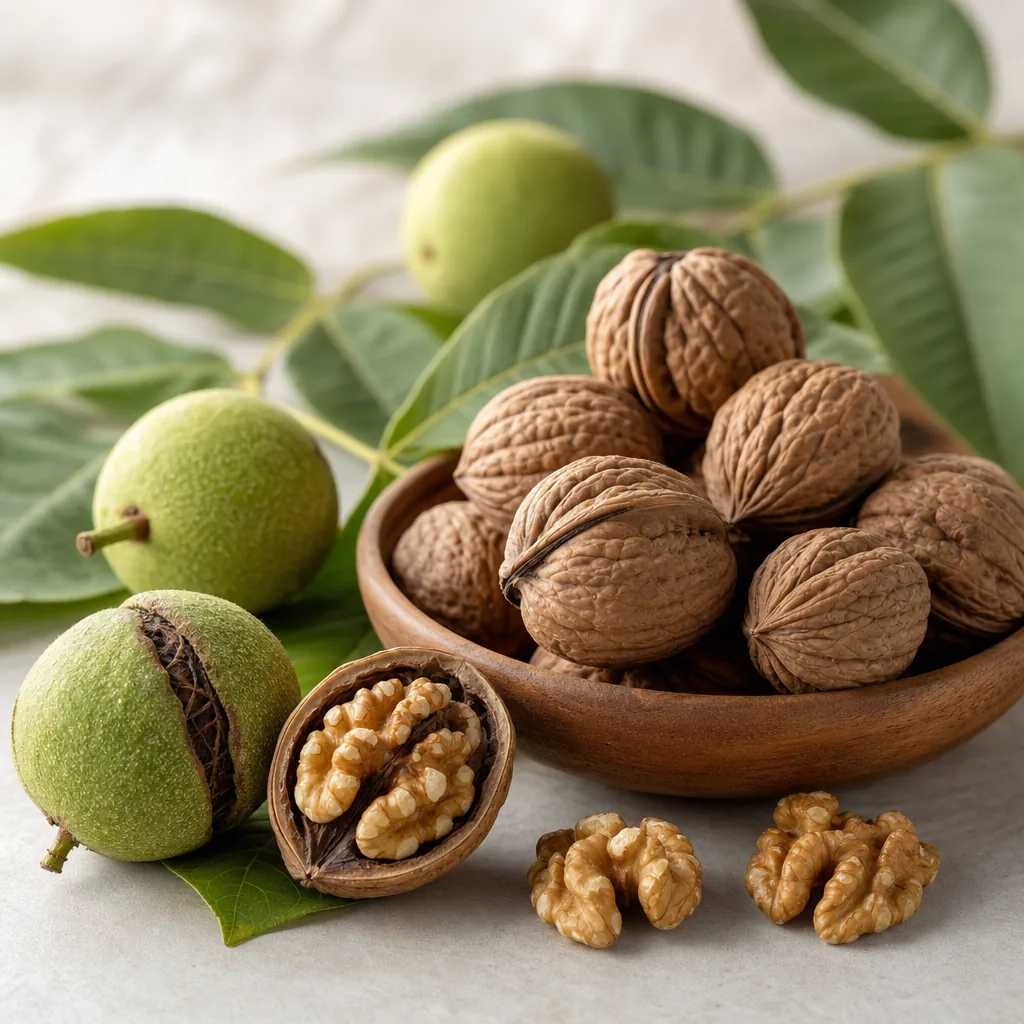
Nuts (for example, almonds, pistachios, walnuts)
-
Seeds (for example, sunflower, sesame, flax)
-
Avocados
-
Legumes (for example, soybeans, chickpeas, lentils)
-
Whole grains (for example, wheat germ, whole wheat, rye)
-
Sterol-enriched foods (for example, fortified spreads, yogurts, and certain beverages)
Choosing foods first offers the added benefits of fiber, vitamins, minerals, and polyphenols. Supplements or fortified foods may make sense for individuals aiming to achieve therapeutic sterol intakes (roughly 1.5–3 g/day) for LDL reduction, which can be challenging through unfortified foods alone. For BPH-related symptom support, a standardized beta sitosterol supplement may be considered, ideally in consultation with a clinician to ensure appropriate evaluation and follow-up.
Who May Benefit from Beta Sitosterol?
-
Adults with borderline-high or high LDL cholesterol seeking a non-pharmaceutical adjunct to diet and lifestyle, or an add-on to lipid-lowering medications under medical guidance.
-
Men with mild to moderate lower urinary tract symptoms associated with BPH who want to try evidence-based nutraceutical support alongside routine medical care.
-
People who prefer functional foods (such as sterol-enriched spreads or yogurts) as part of a cholesterol-lowering eating pattern.
-
Individuals who cannot reach LDL targets with diet alone and are exploring additional, well-studied options before or alongside medication therapy, with clinician oversight.
-
Those with low intake of plant foods who are transitioning to a more plant-forward diet and want structured support, recognizing that whole-diet changes remain foundational.
Side Effects and Considerations
-
Gastrointestinal effects:
Some people experience mild stomach upset, constipation, diarrhea, gas, or nausea, particularly when starting or increasing the dose.
-
Carotenoid absorption:
Plant sterols can modestly reduce blood levels of certain carotenoids (for example, beta-carotene, alpha-carotene, lycopene). Emphasize a diet rich in colorful fruits and vegetables, and consider separating supplement timing from carotenoid-rich meals if advised by a clinician.
-
Rare genetic condition (sitosterolemia):
Individuals with sitosterolemia should strictly avoid beta sitosterol and other plant sterols, as they accumulate and can raise cardiovascular risk.
-
Medication considerations:
Sterols can be used with statins or ezetimibe, often providing additional LDL reduction. If you take bile acid sequestrants or other lipid-lowering drugs, coordinate timing and monitoring with your clinician.
-
Prostate health evaluation:
Men with urinary symptoms should not self-diagnose BPH. Similar symptoms can be caused by infections or, less commonly, prostate cancer. Seek medical evaluation before and during use.
-
Pregnancy, breastfeeding, and children:
Safety data are limited. People who are pregnant, breastfeeding, or considering supplements for children should consult a qualified healthcare professional.
-
Allergy and sourcing:
Some supplements are derived from soy or corn. Individuals with severe allergies should verify sourcing and consider third-party tested products.
-
Liver, kidney, or gallbladder conditions:
Discuss beta sitosterol or plant sterol use with your healthcare provider to ensure safety and appropriate monitoring.
-
Quality and standardization:
Choose reputable brands that specify amounts of beta sitosterol or total plant sterols and that use third-party testing for purity and potency.
-
Surgery and procedures:
Although bleeding risk with sterols is not well characterized, it is prudent to inform your surgical team about all supplements and consider discontinuation 1–2 weeks prior to elective procedures per clinician advice.
Common Myths About Beta Sitosterol
-
Myth: Beta sitosterol is an essential vitamin or mineral.
It is a non-essential plant compound (phytosterol). The body does not require it to prevent a deficiency disease, though it can be leveraged for targeted health goals such as LDL reduction.
-
Myth: Beta sitosterol cures BPH and replaces medical care.
Evidence shows symptom relief for some men, but it does not cure BPH or eliminate the need for evaluation and monitoring. Duration of benefit and long-term prostate effects are not fully established.
-
Myth: Plant sterols alone prevent heart disease.
They reliably lower LDL-cholesterol, but clinical outcome data (such as heart attack or stroke reduction) are not conclusive. Sterols should be part of a broader strategy including diet, exercise, and medications when indicated.
-
Myth: If a little helps, a lot is better.
Intakes above the commonly recommended 1.5–3 g/day of total sterols do not consistently yield greater LDL reductions and may further reduce carotenoid levels. Use evidence-based doses and monitor with your clinician.
Conclusion
Beta sitosterol is a plant-based phytosterol most often used to support LDL-cholesterol lowering and to help manage urinary symptoms related to BPH. For cholesterol, the strongest evidence comes from total plant sterols (often as mixed sterols or sterol esters) at 1.5–3 g per day, taken with meals. For BPH-related symptoms, beta sitosterol at study doses of about 60–130 mg per day may improve urinary flow and quality of life for some men, though ongoing medical evaluation remains essential.
Choose high-quality, standardized products and consider a food-first approach whenever possible: plant-rich eating patterns and sterol-enriched foods can work alongside lifestyle changes. People who are pregnant, breastfeeding, taking medications, or managing medical conditions should consult a healthcare professional before use. When used thoughtfully and consistently—and paired with personalized medical guidance—beta sitosterol and plant sterols can be a practical tool within a broader, evidence-informed wellness plan.