What is Garcinia Cambogia?
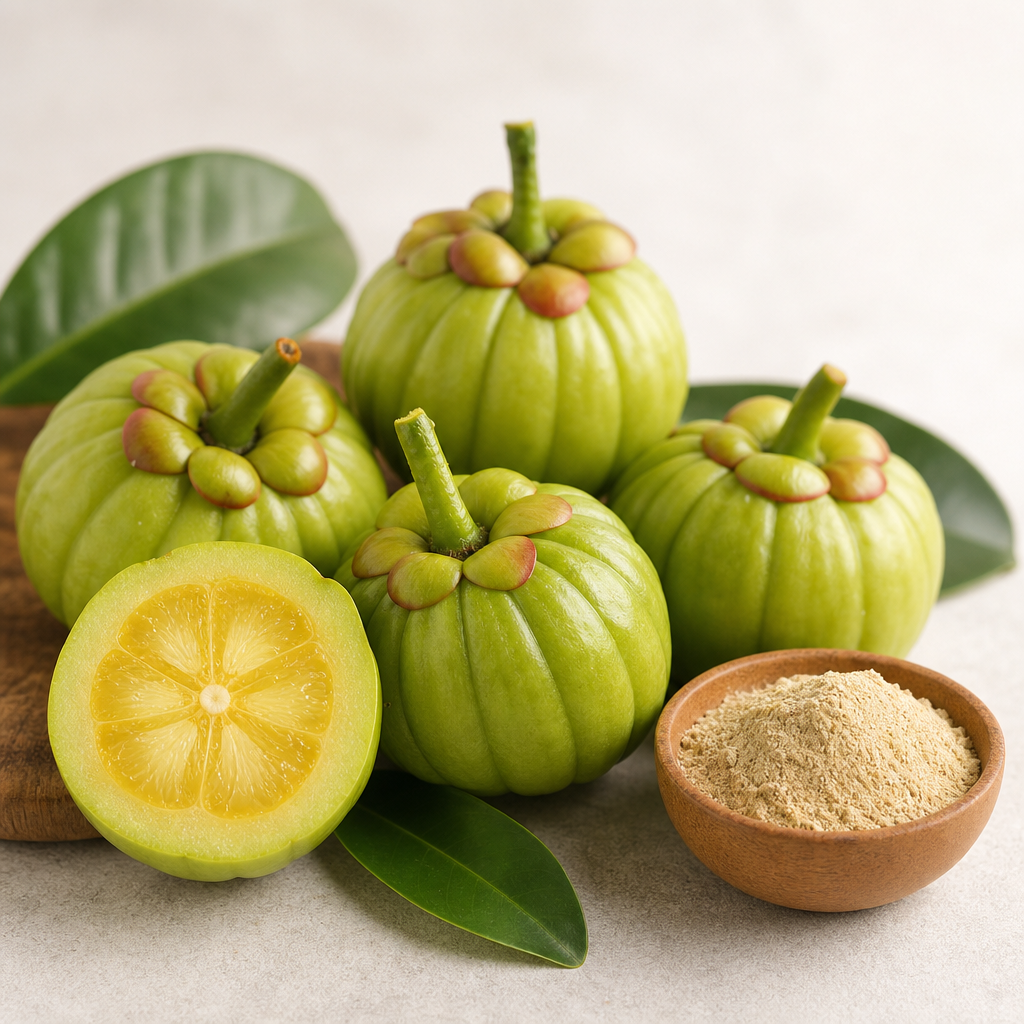
Garcinia cambogia, also known as Malabar tamarind or kodampuli, is a small, sour tropical fruit native to parts of India and Southeast Asia. The rind of the fruit is traditionally used in regional cuisines for its tangy flavor, especially in fish curries. In the wellness market, Garcinia cambogia is sold primarily as a dietary supplement. The key active compound in most supplements is hydroxycitric acid (HCA), which is proposed to influence fat metabolism and appetite regulation.
Garcinia cambogia is not an essential nutrient like a vitamin, mineral, essential fatty acid, or essential amino acid. It is a botanical ingredient used in supplements, often standardized to a specific percentage of HCA. While some laboratory and human studies suggest potential roles in weight management, the body does not require Garcinia cambogia or HCA for normal function in the way it requires essential nutrients. Any potential benefits are supplemental and should be considered alongside, not instead of, foundational habits such as balanced nutrition, physical activity, and sleep.
Benefits of Garcinia Cambogia
-
Adjunct to modest weight loss
(Mixed evidence)
Several randomized trials and meta-analyses report that HCA-containing Garcinia cambogia may produce a small additional reduction in body weight over a few weeks when combined with calorie control and exercise. However, effects are often modest (for example, fractions of a kilogram to a couple of kilograms over 8–12 weeks), and not all studies show benefit. Differences in formulation, dose, study quality, and concurrent lifestyle changes likely explain the inconsistencies. Garcinia should not be expected to replace a calorie deficit or structured physical activity.
-
Reduced appetite or increased satiety
(Mixed evidence)
Some studies suggest HCA may help reduce subjective appetite or food intake, possibly via effects on serotonin signaling or on how the body processes carbohydrates. A few trials report lower energy intake or less snacking when Garcinia is taken before meals. Other well-controlled trials do not find meaningful differences versus placebo. Individual responses vary, and any appetite effects tend to be modest rather than dramatic.
-
Small improvements in blood lipids
(Limited evidence)
Limited human research indicates Garcinia cambogia may produce small decreases in total cholesterol and triglycerides in some participants, particularly in short-term studies where weight loss also occurs. Changes, when observed, are generally small and may reflect improved diet or weight loss rather than a direct pharmacologic effect of HCA. People with dyslipidemia should not rely on Garcinia for lipid control; proven lifestyle strategies and clinician-guided care remain primary.
-
Support for postprandial glucose and insulin responses
(Limited evidence)
Some small studies suggest HCA may slightly blunt post-meal rises in glucose or insulin when taken before high-carbohydrate meals, possibly by affecting carbohydrate metabolism. Findings are inconsistent and effects, when present, are usually mild. Garcinia should not be used in place of established medical nutrition therapy or medications for diabetes; individuals on glucose-lowering drugs should consult a clinician due to the potential for additive effects.
-
Influence on fat metabolism pathways
(Preliminary evidence)
In cell and animal models, HCA inhibits ATP-citrate lyase, an enzyme involved in de novo lipogenesis (the conversion of carbohydrate to fat). Some human data hint at shifts in biomarkers related to fat synthesis or oxidation, but clear, clinically meaningful outcomes tied solely to this mechanism are not established. These mechanistic findings are promising yet preliminary and need more robust human confirmation.
Types or Forms Available
-
Standardized extracts (50–60% HCA):
The most common supplement form, made from the fruit rind and standardized to a known HCA content. Standardization helps with dose consistency across batches.
-
Mineral salt forms (e.g., HCA-K, HCA-Ca, “SuperCitrimax”):
HCA bound to potassium and/or calcium salts may improve stability and gastrointestinal tolerance compared with free acid forms. Bioavailability can vary by salt type and formulation.
-
Whole rind or powdered fruit:
Culinary-grade dried rind or powders used in cooking. HCA content is not standardized, so dosing for supplemental purposes is difficult to predict.
-
Capsules, tablets, liquids, and gummies:
Delivery formats differ in convenience and additives. Liquids and gummies may include sugars or flavorings; tablets often include binders; capsules are common for standardized extracts.
-
Combination formulas:
Garcinia is frequently paired with caffeine, green tea, or other botanicals in “weight management” blends. These can confound effects and increase side-effect or interaction risks; single-ingredient, third-party tested products are preferable when assessing individual response.
How to Use Garcinia Cambogia
Because responses vary and safety data are stronger for short-term use, start conservatively and evaluate whether it adds value alongside nutrition and activity changes.
-
Common dosage range:
Many products provide 500–1000 mg of extract standardized to 50–60% HCA per serving, taken 2–3 times daily. This typically supplies about 900–1500 mg of HCA per day. Avoid exceeding product directions; higher doses have not consistently shown better results and may raise the risk of side effects.
-
Best timing:
Often taken 30–60 minutes before meals, particularly higher-carbohydrate meals, to target potential appetite and postprandial effects. If it causes stomach upset, taking it with a small amount of food may help, though this could alter absorption.
-
How to take it:
Swallow capsules or tablets with water. Liquid forms should be measured carefully to ensure consistent dosing. Do not combine with multi-ingredient stimulant blends if you want to assess Garcinia’s standalone effect and reduce risk.
-
Consistency:
If used, daily use for a limited trial period (for example, 8–12 weeks) is typical. Reassess progress, tolerance, and lab markers if relevant. Long-term continuous use beyond a few months lacks robust safety data; consider breaks and medical guidance.
Food Sources and Supplement Options
Garcinia cambogia is a botanical ingredient derived from the rind of the Garcinia gummi-gutta fruit. It is not broadly found in common Western foods. In parts of India and Sri Lanka, dried rinds are used in traditional dishes for their sour flavor. Most people encounter Garcinia as a dietary supplement rather than a food.
-
Natural source:
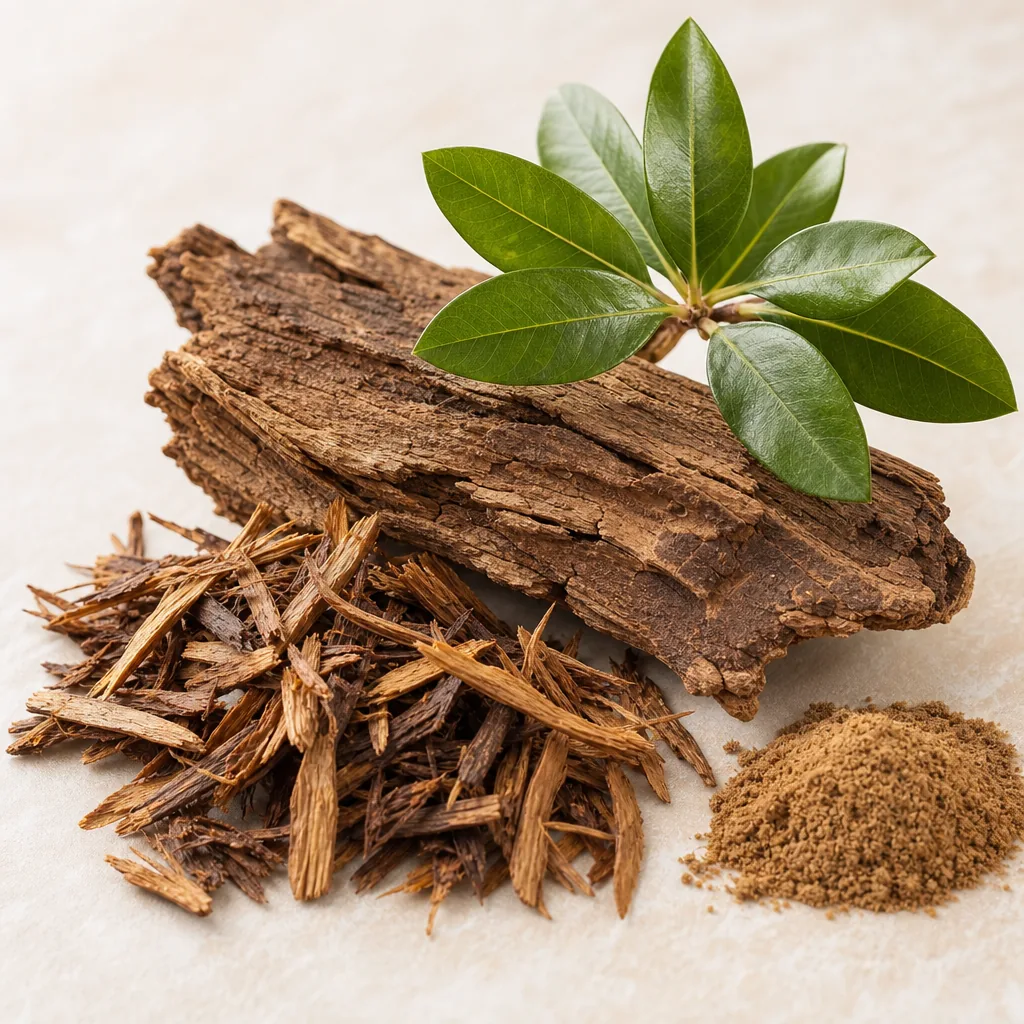
Sun-dried rind of the Garcinia cambogia fruit (used in certain regional curries and sour preparations).
-
Culinary use:
Whole rind pieces or powders can impart a tangy, smoky-sour taste to dishes; HCA content varies naturally and is not standardized.
Supplements make sense when someone seeks a standardized HCA content for a short-term trial within a structured weight-management plan. Whole foods remain foundational for overall nutrition because they deliver fiber, protein, micronutrients, and phytonutrients that supplements cannot replicate. Supplements can offer more targeted dosing but should complement, not replace, balanced eating patterns and exercise.
Who May Benefit from Garcinia Cambogia?
-
Adults pursuing a structured weight-management plan who want to test a non-stimulant adjunct with modest, uncertain effects.
-
Individuals who experience strong appetite or cravings around high-carbohydrate meals and are curious about a short-term, cautious trial.
-
People sensitive to caffeine or stimulants who prefer stimulant-free formulations.
-
Those at a weight-loss plateau who are already optimizing diet quality, protein intake, activity, and sleep, and want to experiment responsibly.
-
Individuals interested in botanical approaches and willing to track outcomes and discontinue if no benefit or side effects arise.
-
Not generally necessary for athletes or older adults unless specific, realistic goals and medical clearance are in place.
Side Effects and Considerations
-
Gastrointestinal upset:
Nausea, abdominal discomfort, diarrhea, and dry mouth are among the most commonly reported effects. Starting with a lower dose and taking with a small amount of food may help.
-
Headache, dizziness, or skin reactions:
Occasional headaches, lightheadedness, or rashes have been reported. Discontinue and seek advice if symptoms persist.
-
Liver safety:
Rare but serious cases of liver injury have been associated with Garcinia-containing products, including single-ingredient and multi-ingredient formulas. Stop use immediately and seek care if you develop jaundice, dark urine, severe fatigue, or right-upper-quadrant pain. People with liver disease or those who drink heavily should avoid use.
-
Serotonergic interactions:
There are case reports of serotonin-related adverse events when combined with SSRIs, SNRIs, MAOIs, or triptans. Avoid combining with serotonergic medications unless a clinician specifically approves and monitors.
-
Glucose-lowering interactions:
Garcinia may modestly affect postprandial glucose. If you take insulin or oral hypoglycemics, monitor closely and consult your clinician to avoid hypoglycemia.
-
Mood and psychiatric conditions:
Isolated reports suggest possible mania or hypomania in susceptible individuals. Those with bipolar disorder, major depression, or anxiety disorders should consult a mental health professional before considering use.
-
Pregnancy and breastfeeding:
Safety is not established. Avoid use during pregnancy or while breastfeeding.
-
Children and adolescents:
Not recommended due to limited safety data.
-
Medication and organ function considerations:
Use caution with potentially hepatotoxic drugs (e.g., high-dose acetaminophen, certain antifungals) and limit alcohol. People with significant kidney disease should avoid use unless medically supervised.
-
Pre-surgery:
Because of potential effects on glucose and drug interactions, discontinue at least 1–2 weeks before surgery and inform your surgical team about all supplements.
-
Quality and labeling:
Choose products standardized to HCA from reputable brands with third-party testing. Avoid proprietary blends and high-dose “fat burner” stacks that complicate safety and efficacy evaluation.
-
General medical guidance:
If you are pregnant, breastfeeding, taking medications, or managing a medical condition, consult a qualified healthcare professional before using Garcinia cambogia.
Common Myths About Garcinia Cambogia
-
Myth: Garcinia cambogia melts belly fat regardless of diet or exercise.
Reality: Human studies show at most a modest effect, and many find no difference versus placebo. Sustainable fat loss still depends on overall energy balance, diet quality, activity, sleep, and consistency.
-
Myth: It is proven to block fat production in humans.
Reality: HCA inhibits an enzyme involved in fat synthesis in cells and animals, but translating this to meaningful, consistent reductions in body fat in humans has not been convincingly demonstrated. Clinical outcomes remain inconsistent.
-
Myth: Natural means completely safe for everyone.
Reality: “Natural” does not guarantee safety. Garcinia has been linked, albeit rarely, to serious liver injury and may interact with serotonergic or glucose-lowering medications. Medical guidance and careful product selection are important.
-
Myth: More is better.
Reality: Higher doses have not consistently produced better weight loss and may increase side effects. Following labeled directions and limiting use to short, monitored trials is wiser than escalating doses.
Conclusion
Garcinia cambogia is a botanical supplement derived from a culinary fruit rind, most often standardized for HCA. Research on weight management outcomes is mixed, with some studies showing small benefits and others showing none. If used, it should serve as a cautious adjunct to a well-structured plan centered on nutrient-dense eating, adequate protein, regular physical activity, sleep, and stress management. Prioritize reputable, third-party tested products, avoid multi-ingredient stimulant blends, and reassess after 8–12 weeks to decide whether to continue.
Not everyone is a good candidate. People who are pregnant or breastfeeding, children, those with liver disease, individuals on serotonergic or glucose-lowering medications, and anyone managing a medical condition should consult a healthcare professional before use or avoid it altogether. Food-first strategies provide broader health benefits, while supplements like Garcinia may offer targeted but uncertain support for select adults willing to monitor results and safety carefully.