Weight management is about achieving a healthy balance between nutrition, metabolism, and physical activity to maintain overall well-being. It goes beyond just losing or gaining weight—it involves optimizing body composition, sustaining energy levels, and supporting metabolic health. A well-regulated metabolism, proper digestion, and hormonal balance all play crucial roles in effective weight management. Factors like hydration, nutrient intake, and lifestyle choices influence how the body processes and utilizes energy. By adopting a sustainable approach that includes mindful eating, exercise, and targeted nutritional support, individuals can work toward their health goals in a way that promotes long-term success and vitality.
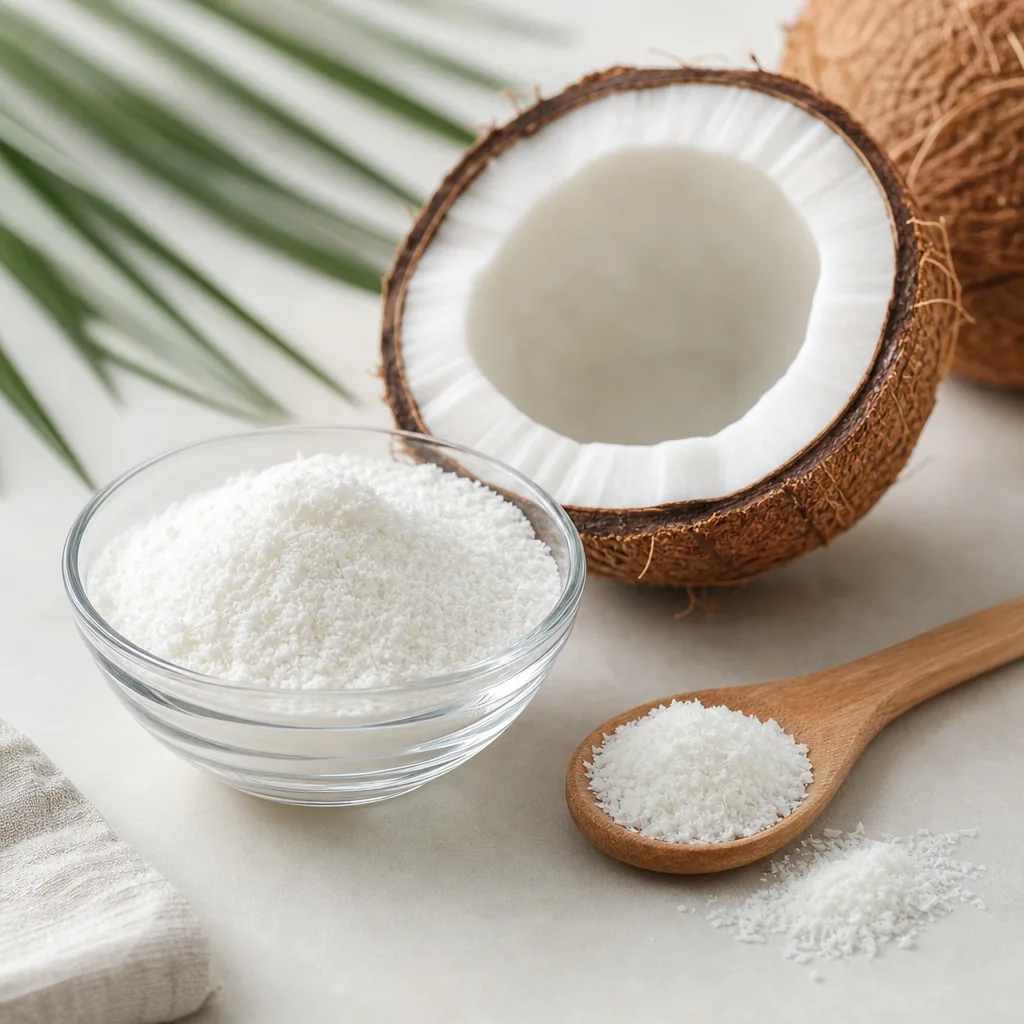
What is Capryl? Capryl generally refers to caprylic acid (also called octanoic acid) or its triglyceride form (C8 MCT), a medium-chain fatty acid naturall…
Read more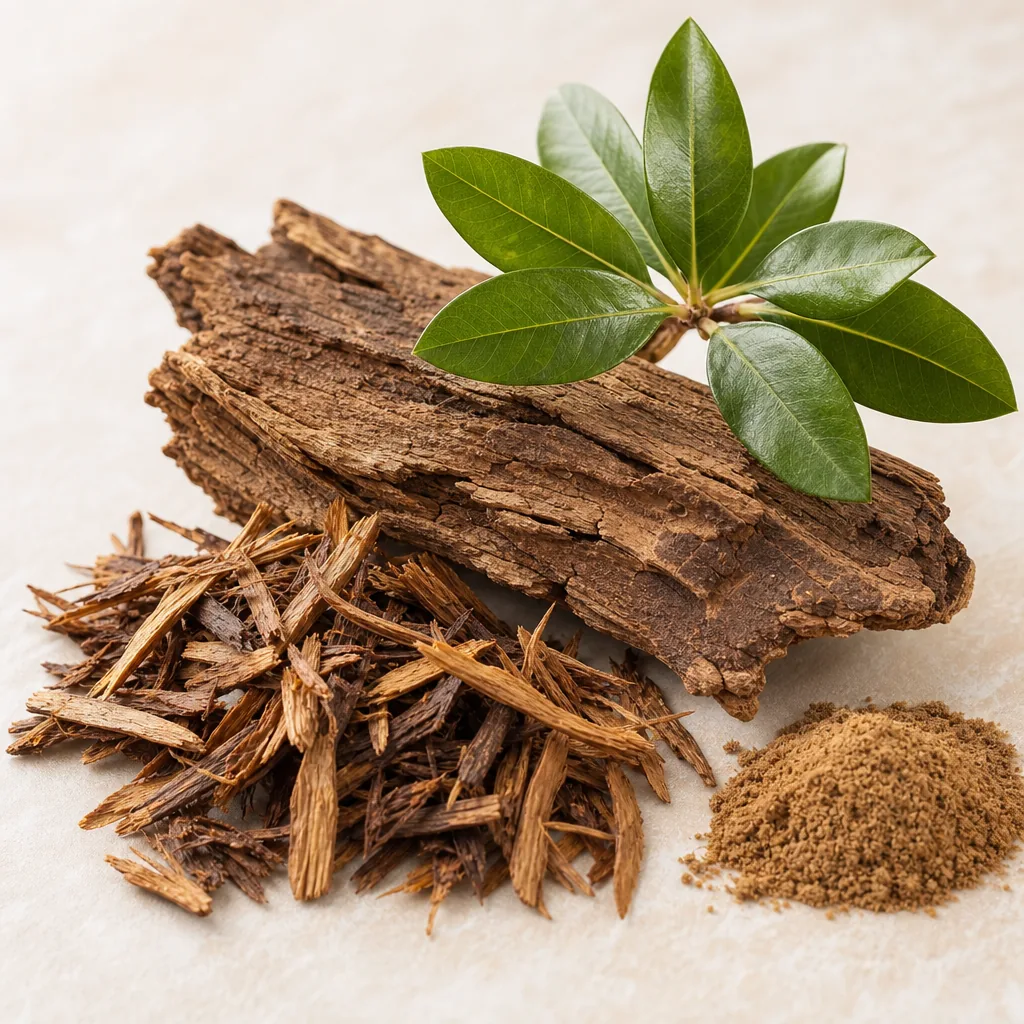
What is Rauwolscine? Rauwolscine—often marketed as “alpha-yohimbine”—is an indole alkaloid found in certain plants of the Apocynaceae family, including Ra…
Read more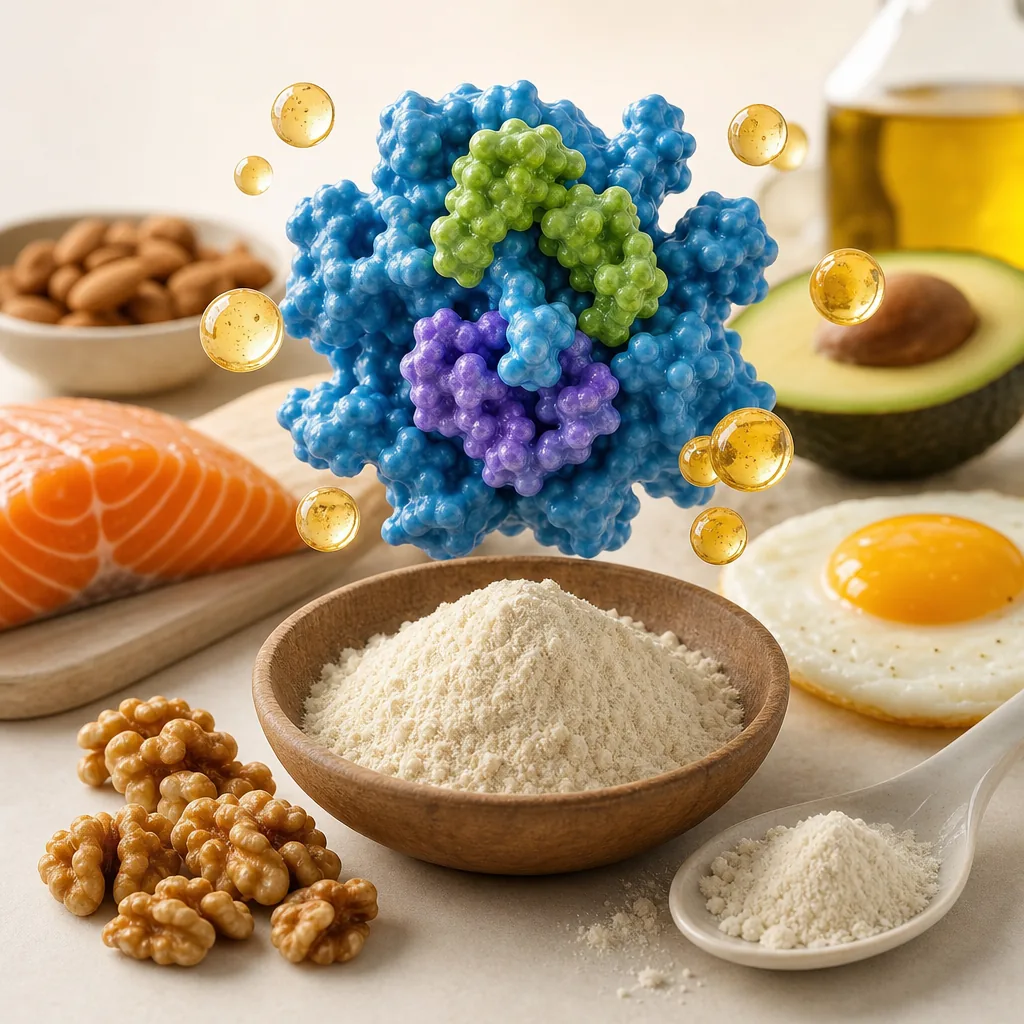
What is Lipase? Lipase is a digestive enzyme that helps break down dietary fats (triglycerides) into smaller molecules—free fatty acids and monoglycerides…
Read more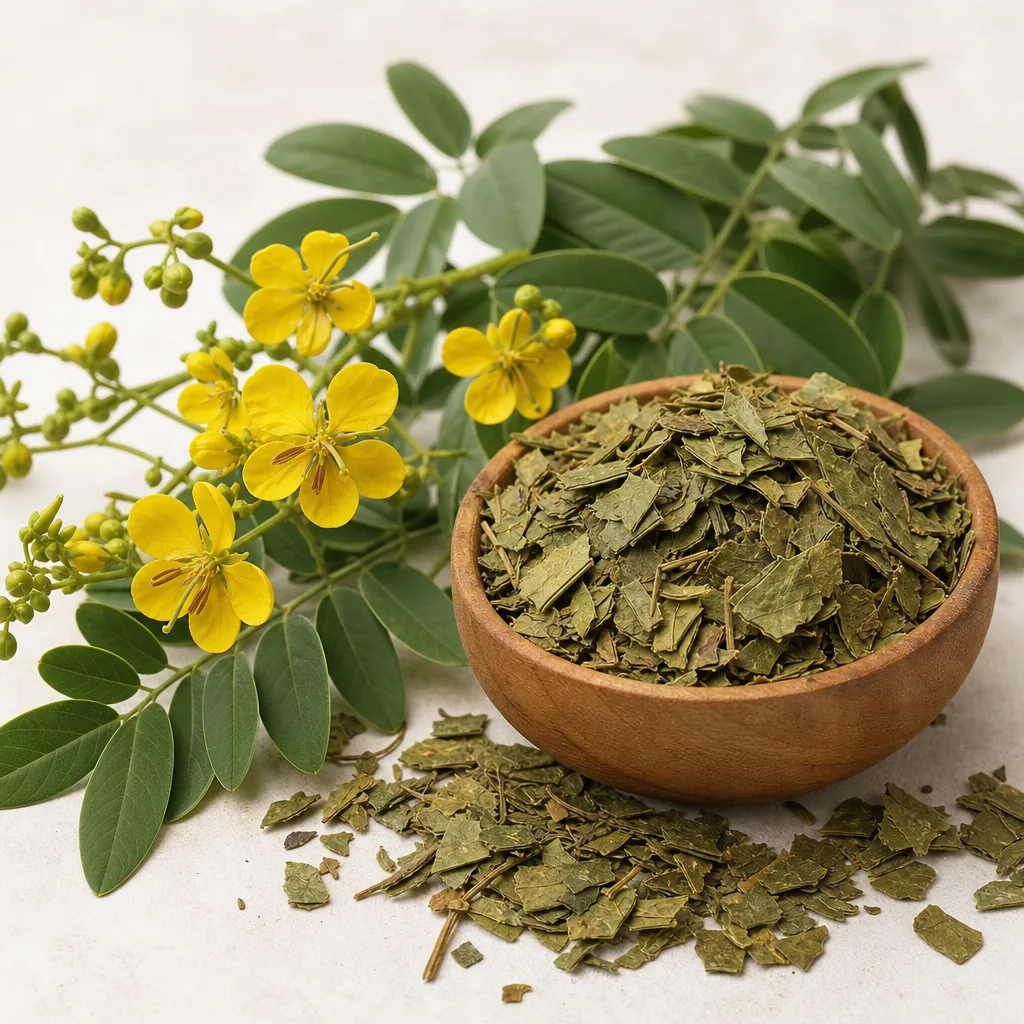
What is Senna? Senna is a botanical laxative derived primarily from the leaves and pods of Senna alexandrina (also known historically as Cassia senna or C…
Read more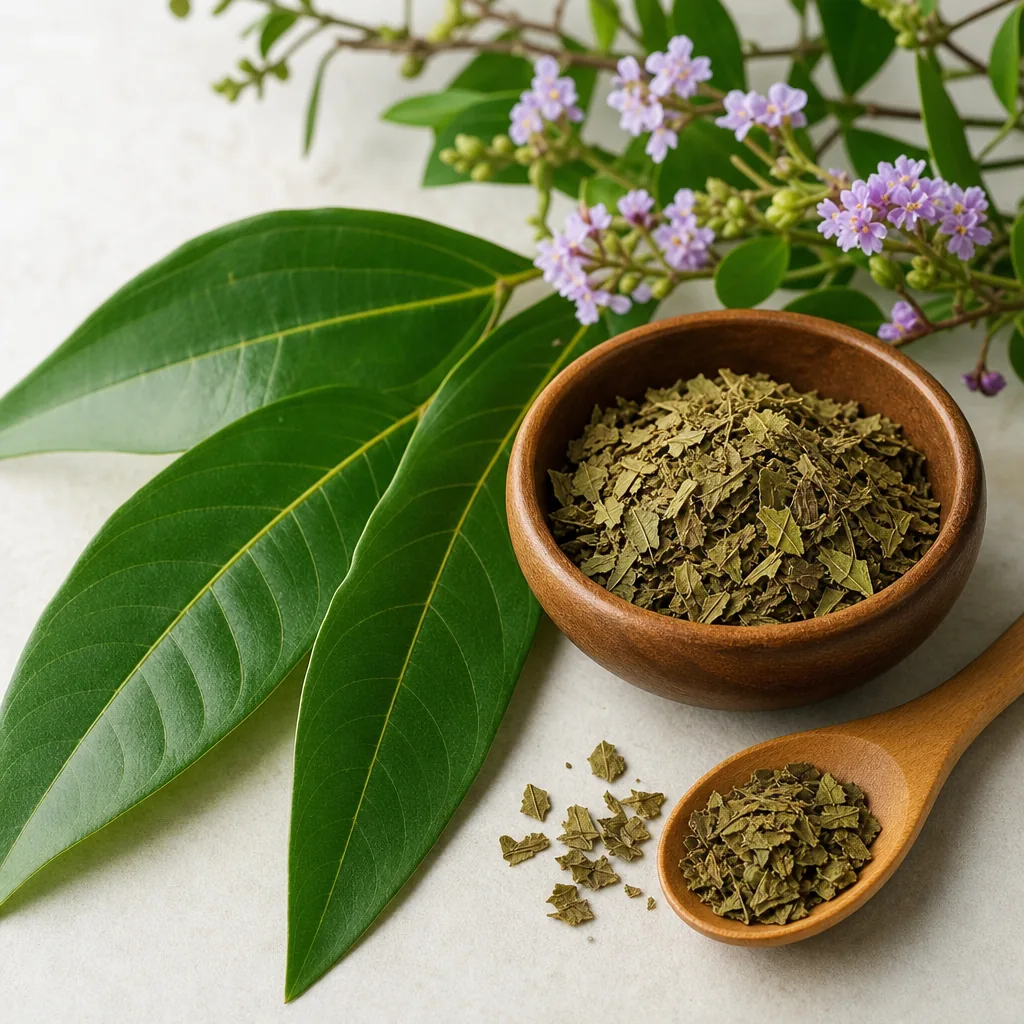
What is Banaba Leaf? Banaba leaf comes from Lagerstroemia speciosa, a flowering tree native to Southeast Asia and commonly found in the Philippines, India…
Read more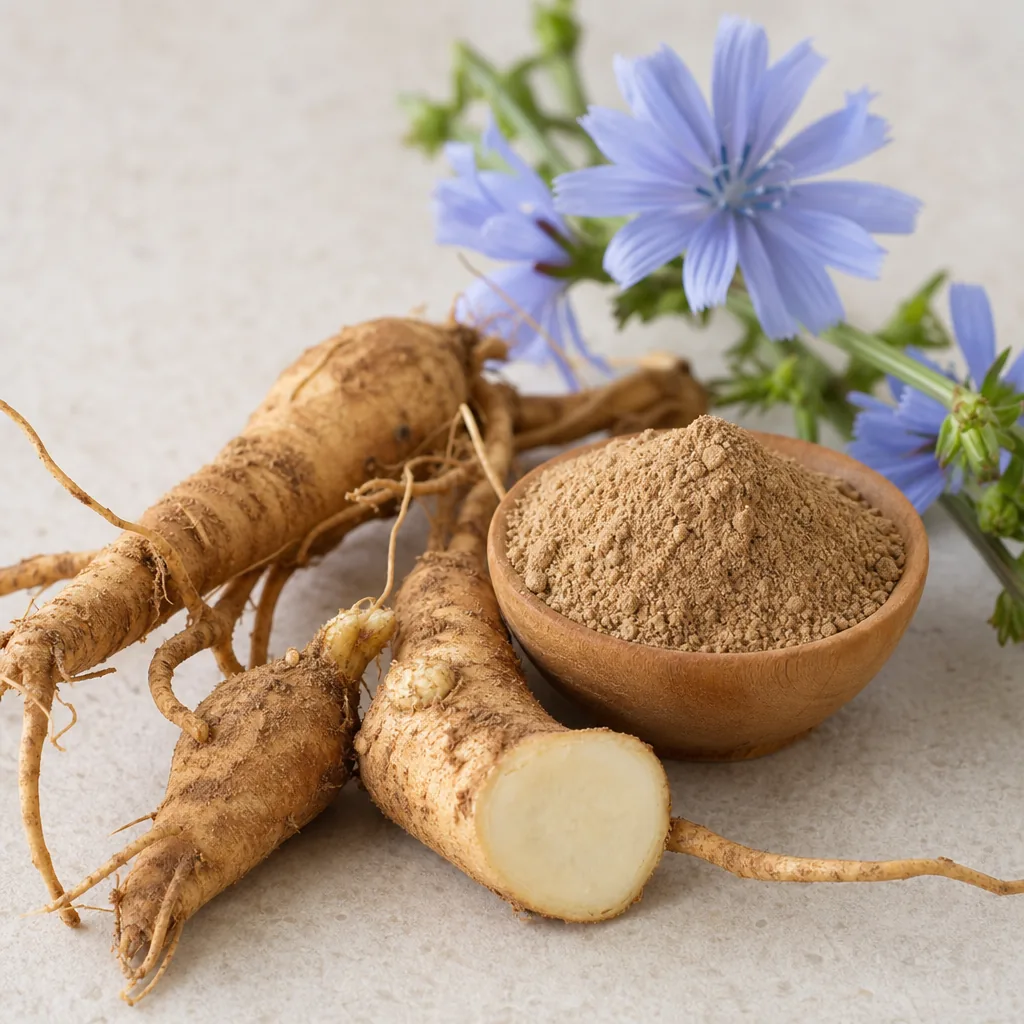
What is Chicory Root? Chicory root (Cichorium intybus) is the thick, fibrous taproot of a blue-flowered plant in the Asteraceae family, long used as a foo…
Read more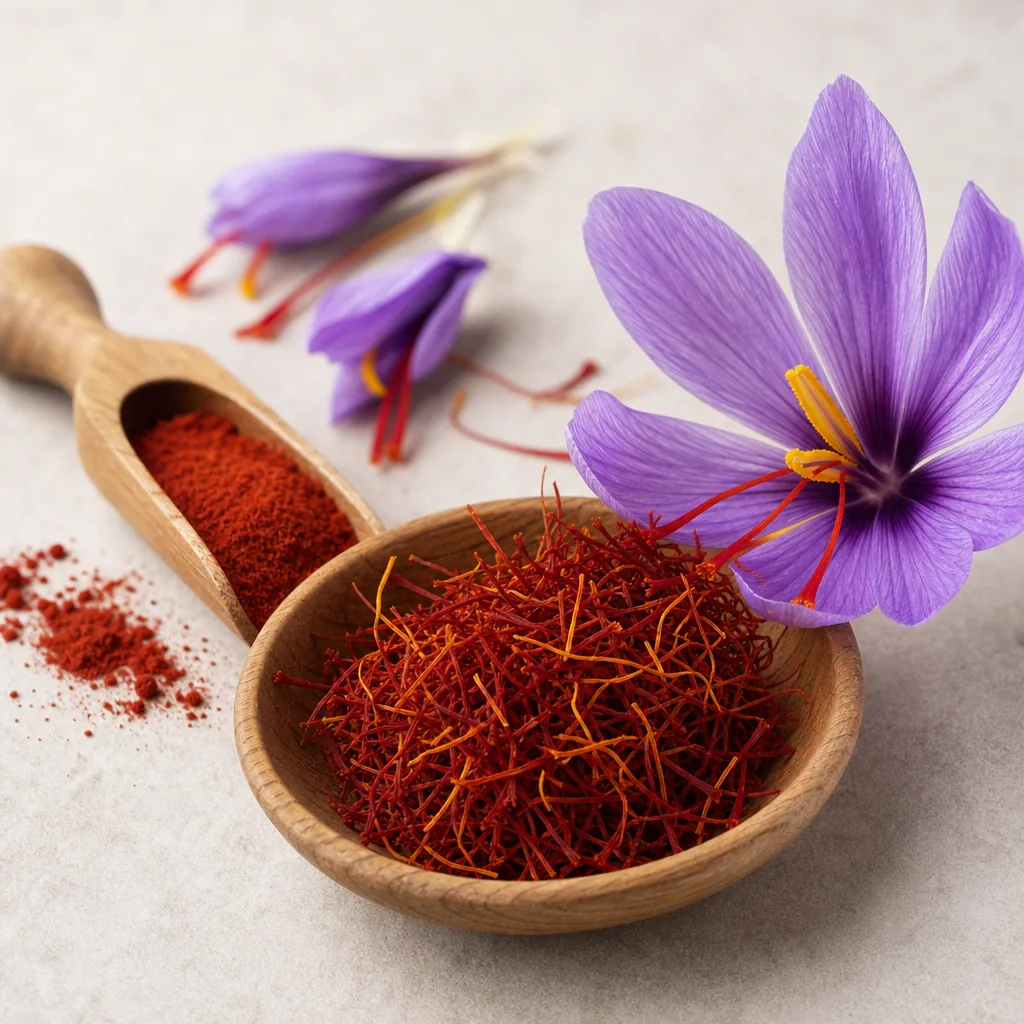
What is Saffron Extract? Saffron extract is a concentrated preparation derived from the dried stigmas of the Crocus sativus flower, a prized culinary …
Read more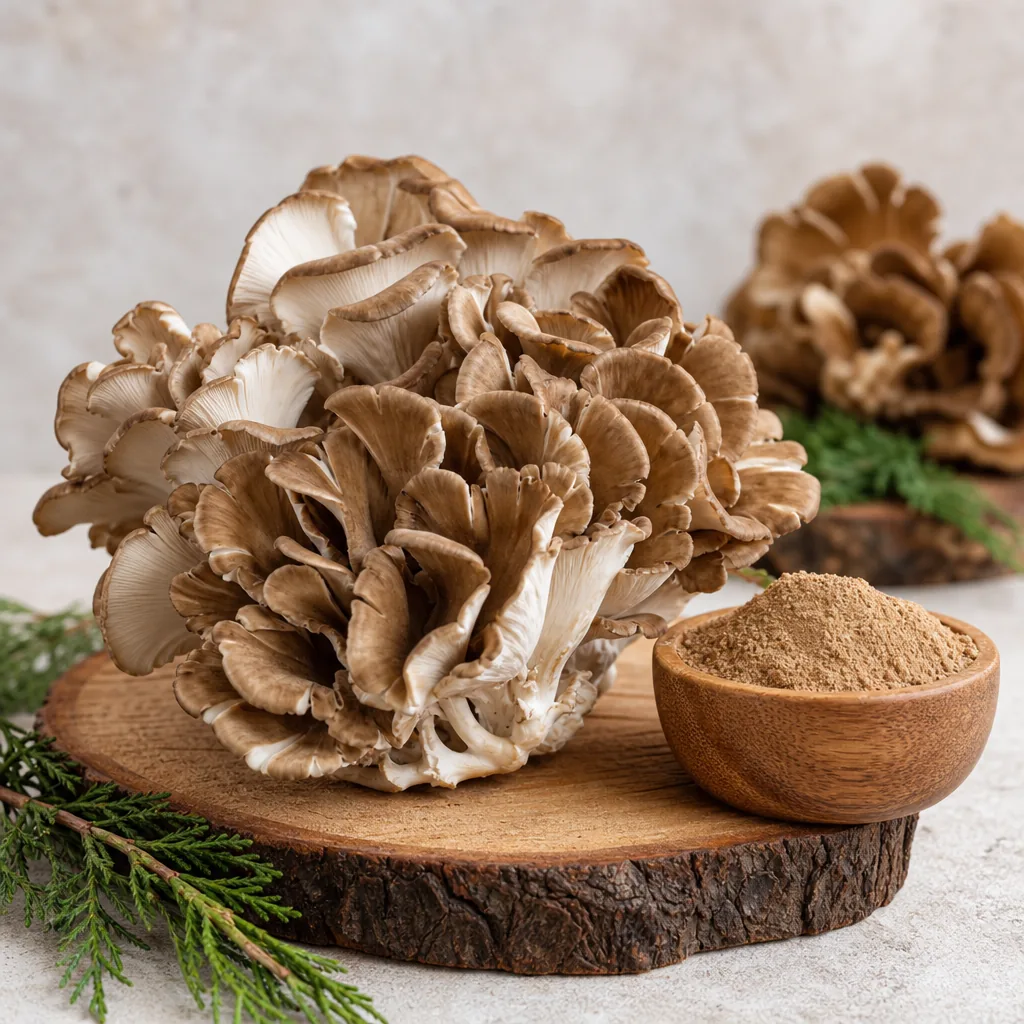
What is Maitake? Maitake (Grifola frondosa), also known as “hen of the woods,” is an edible, wood-growing polypore mushroom native to East Asia and found …
Read more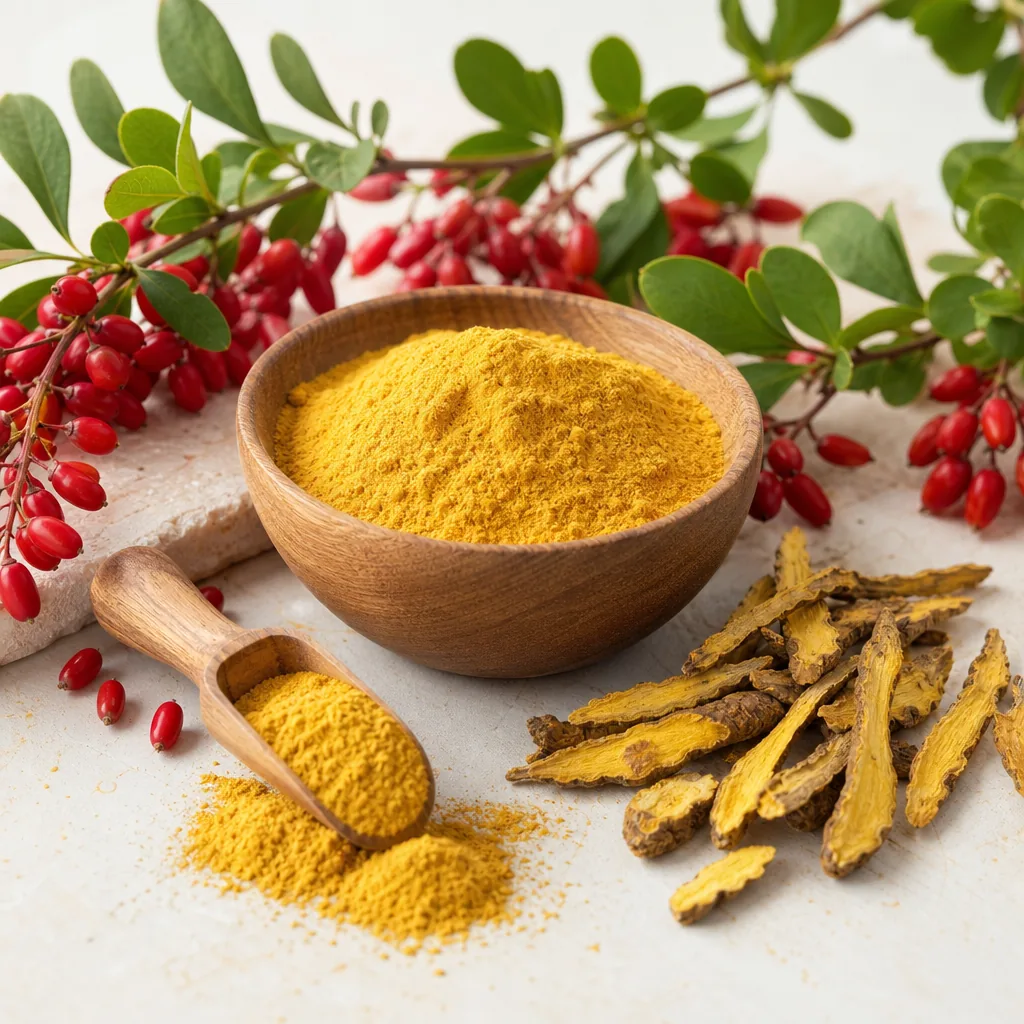
What is Berberine? Berberine is a bitter, yellow alkaloid compound naturally found in several plants, including barberry (Berberis aristata), goldthread (…
Read more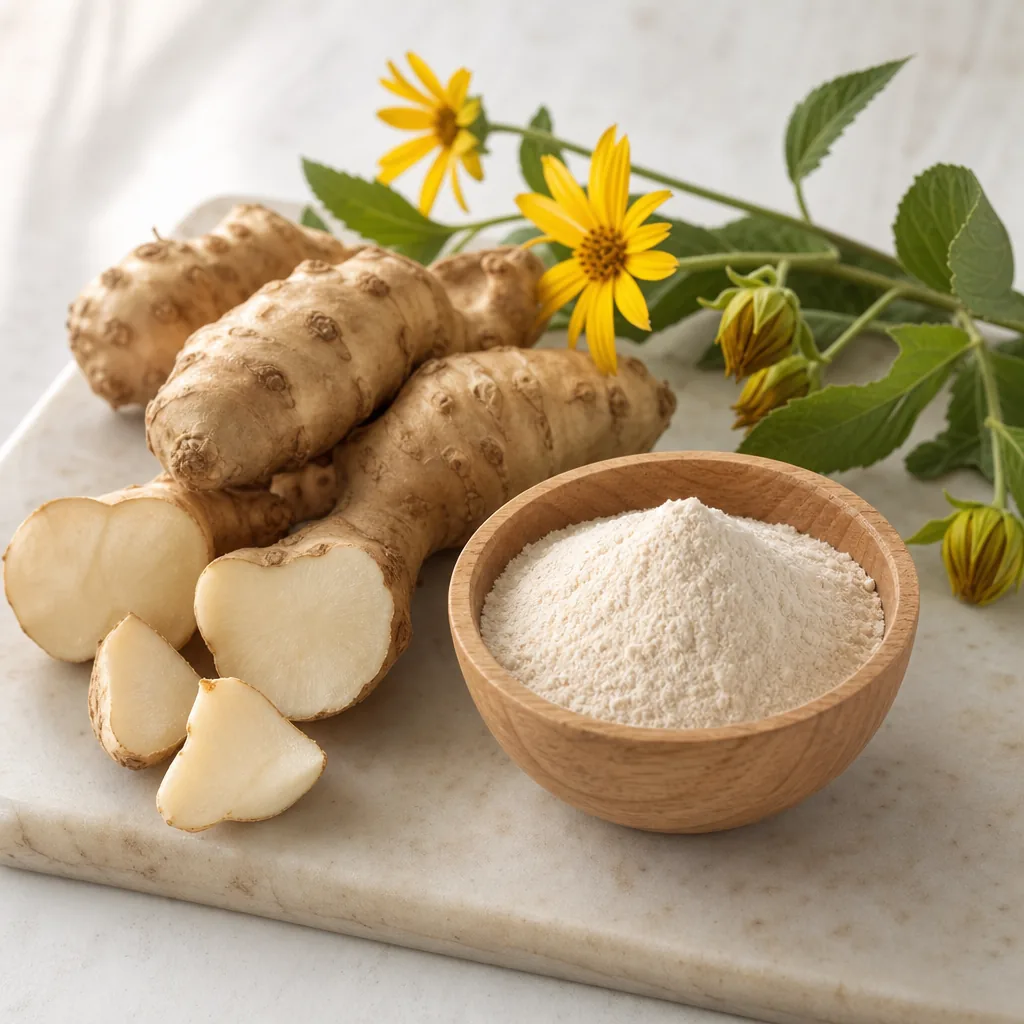
What is Inulin? Inulin is a type of soluble, fermentable dietary fiber made up of fructose chains (fructans). It naturally occurs in many plants, with chi…
Read more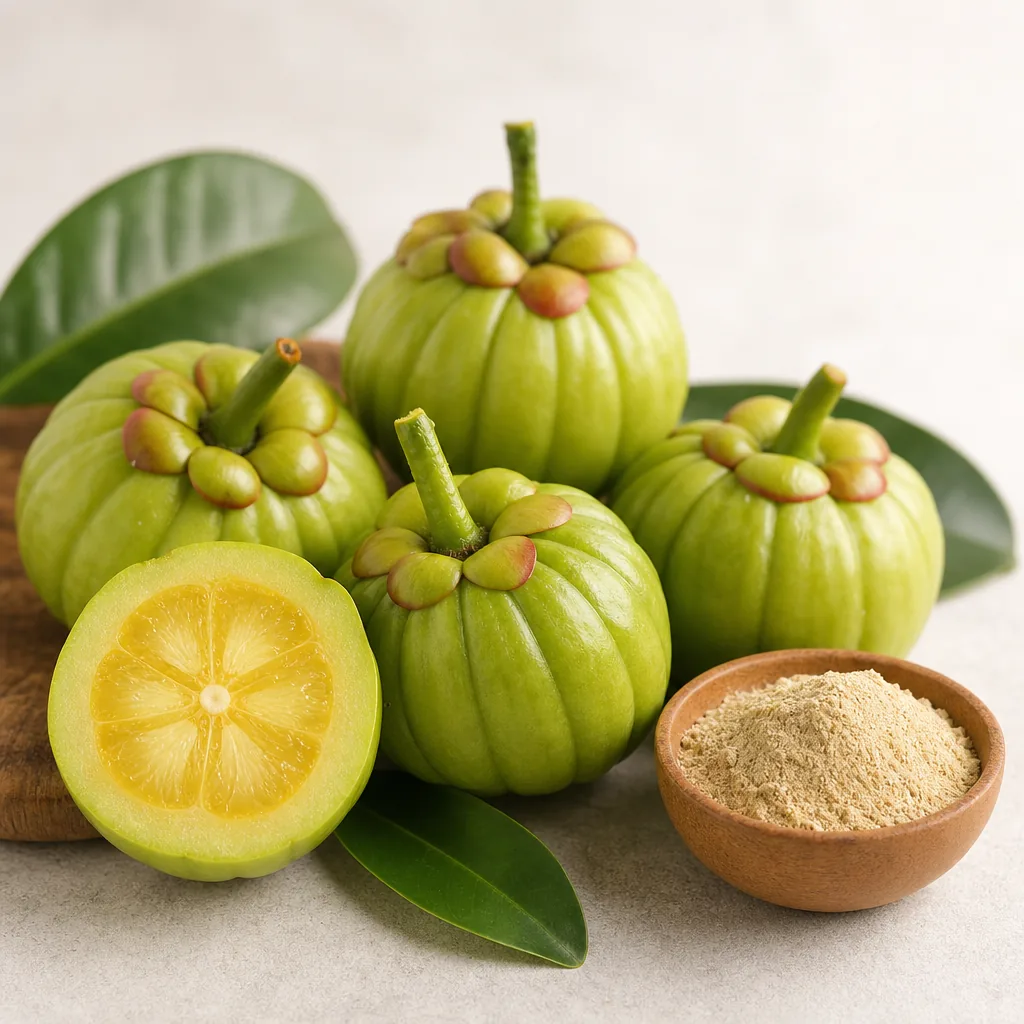
What is Garcinia Cambogia? Garcinia cambogia, also known as Malabar tamarind or kodampuli, is a small, sour tropical fruit native to parts of India and So…
Read more
What is L-Carnitine? L-carnitine is a naturally occurring compound made in the body from the amino acids lysine and methionine, with vitamin C, vitamin B6…
Read more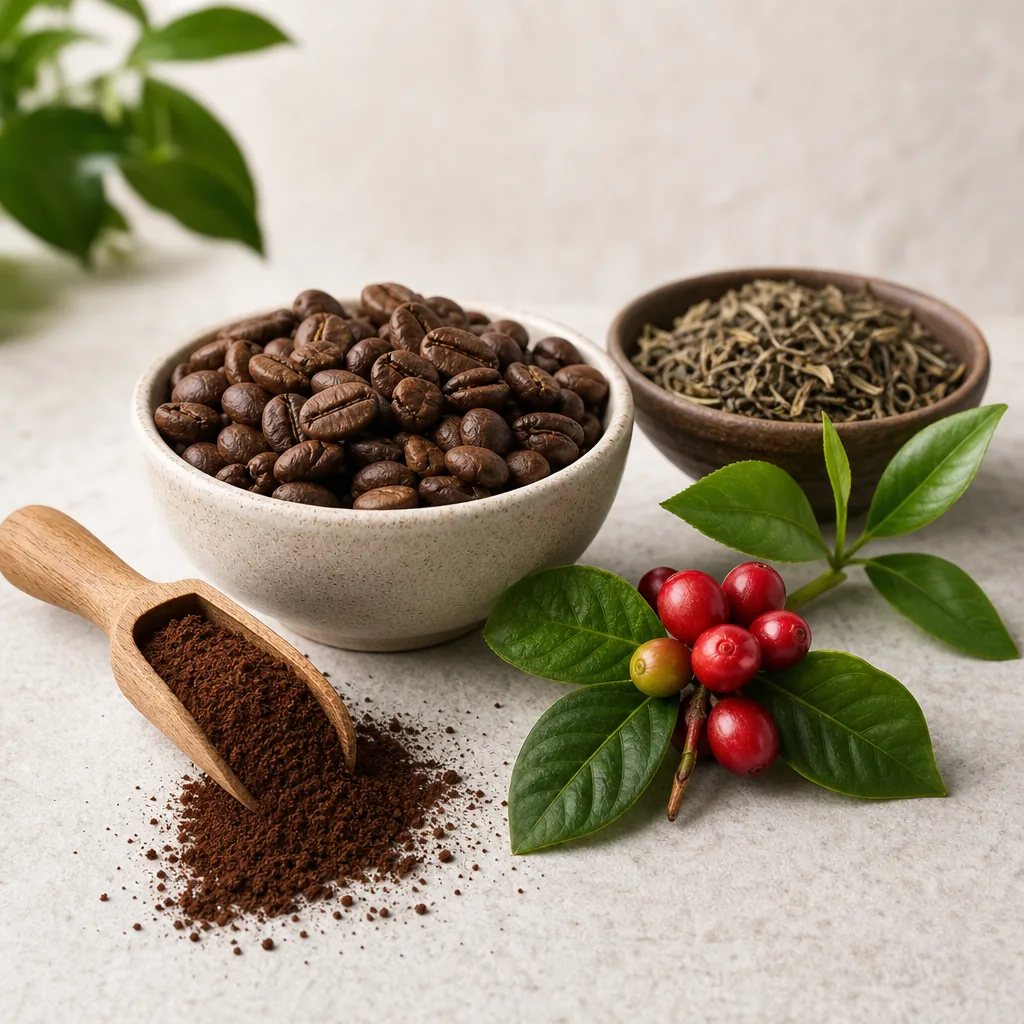
What is Caffeine? Caffeine is a naturally occurring methylxanthine compound best known for its stimulating effects on the central nervous system. It is fo…
Read more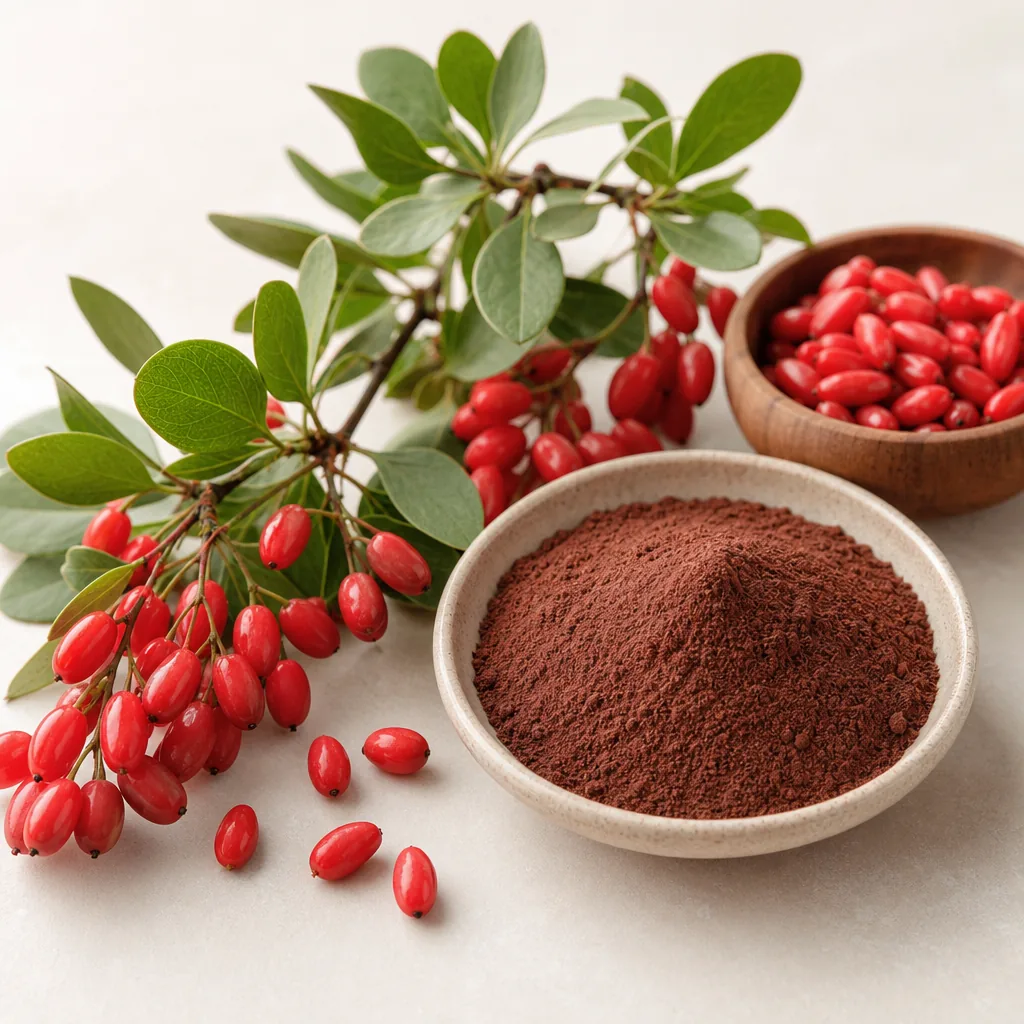
What is Barberry Extract? Barberry extract is a botanical preparation made from parts of shrubs in the Berberis genus, most commonly Berberis vulgaris (Eu…
Read more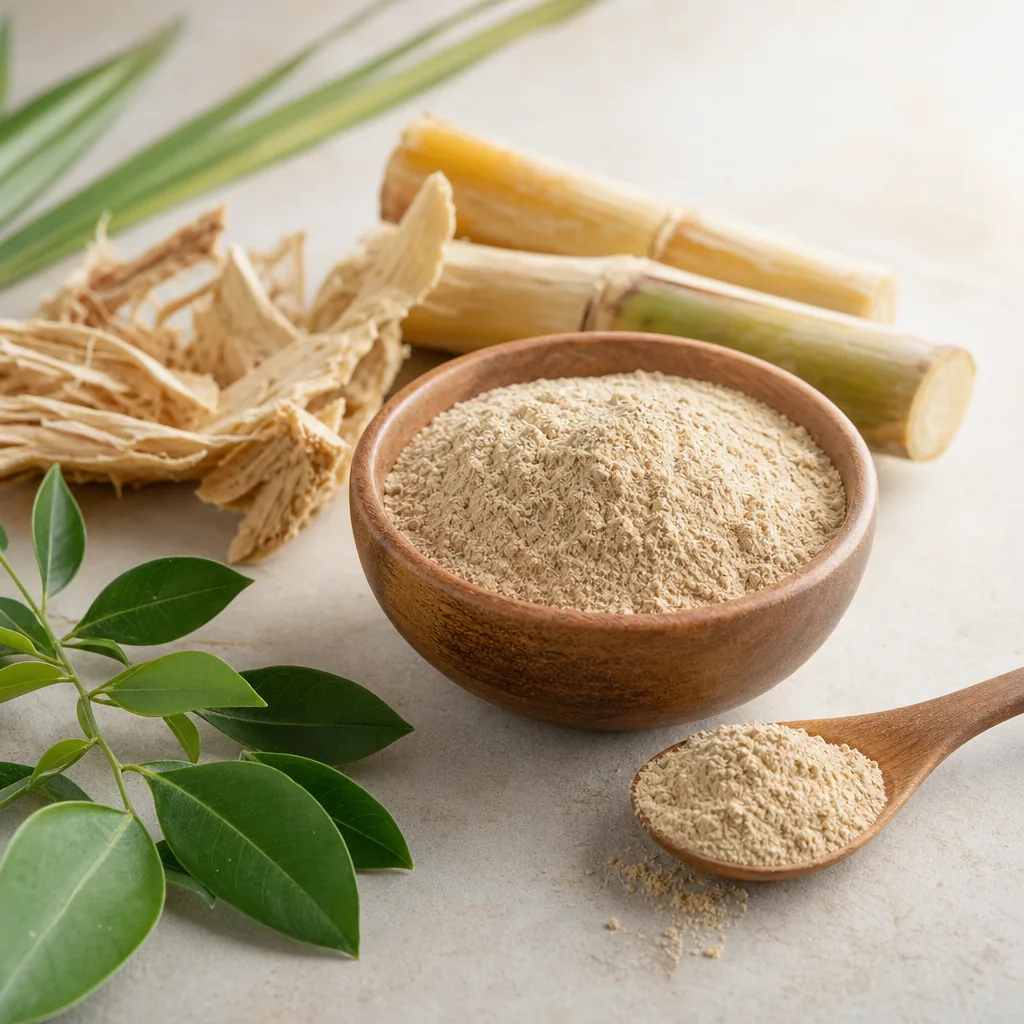
What is Cellulase? Cellulase is a group of enzymes that break down cellulose—the tough, insoluble fiber that forms plant cell walls—into smaller sugars li…
Read more