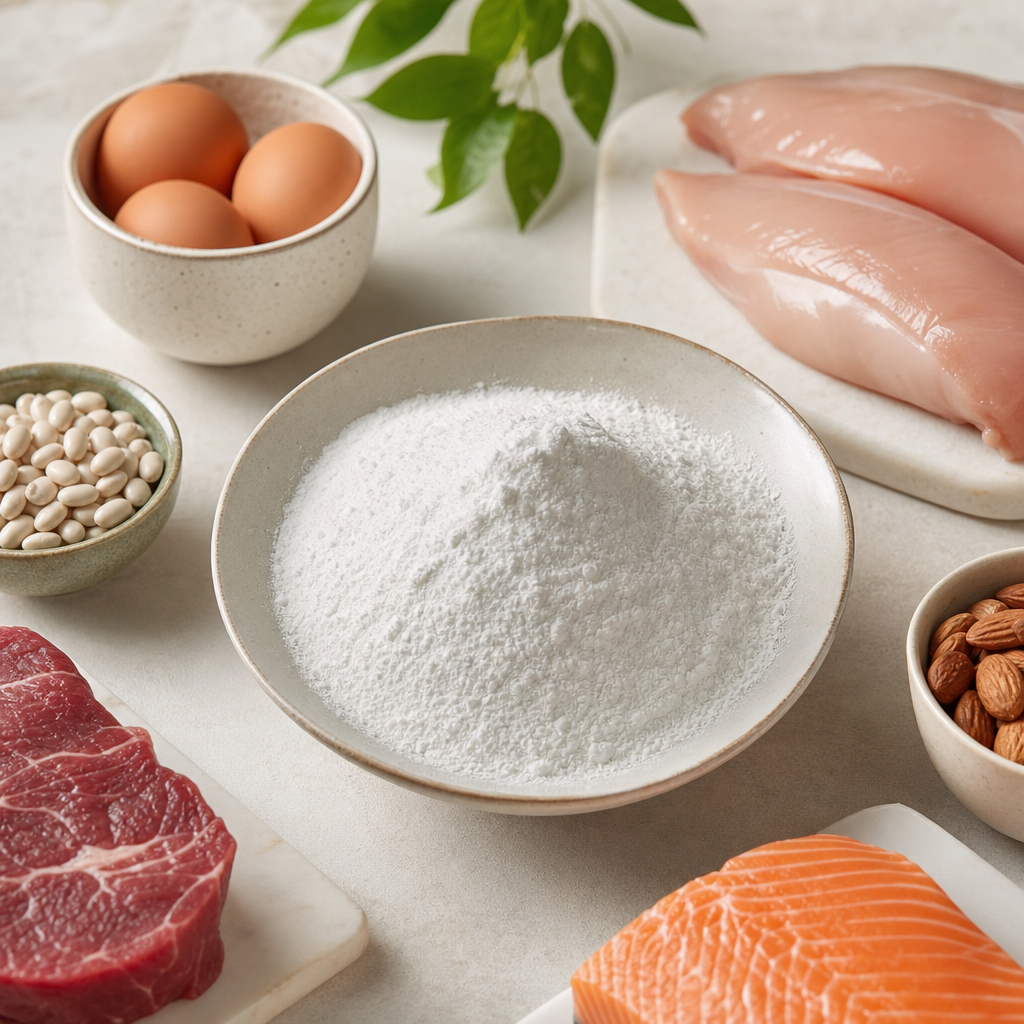
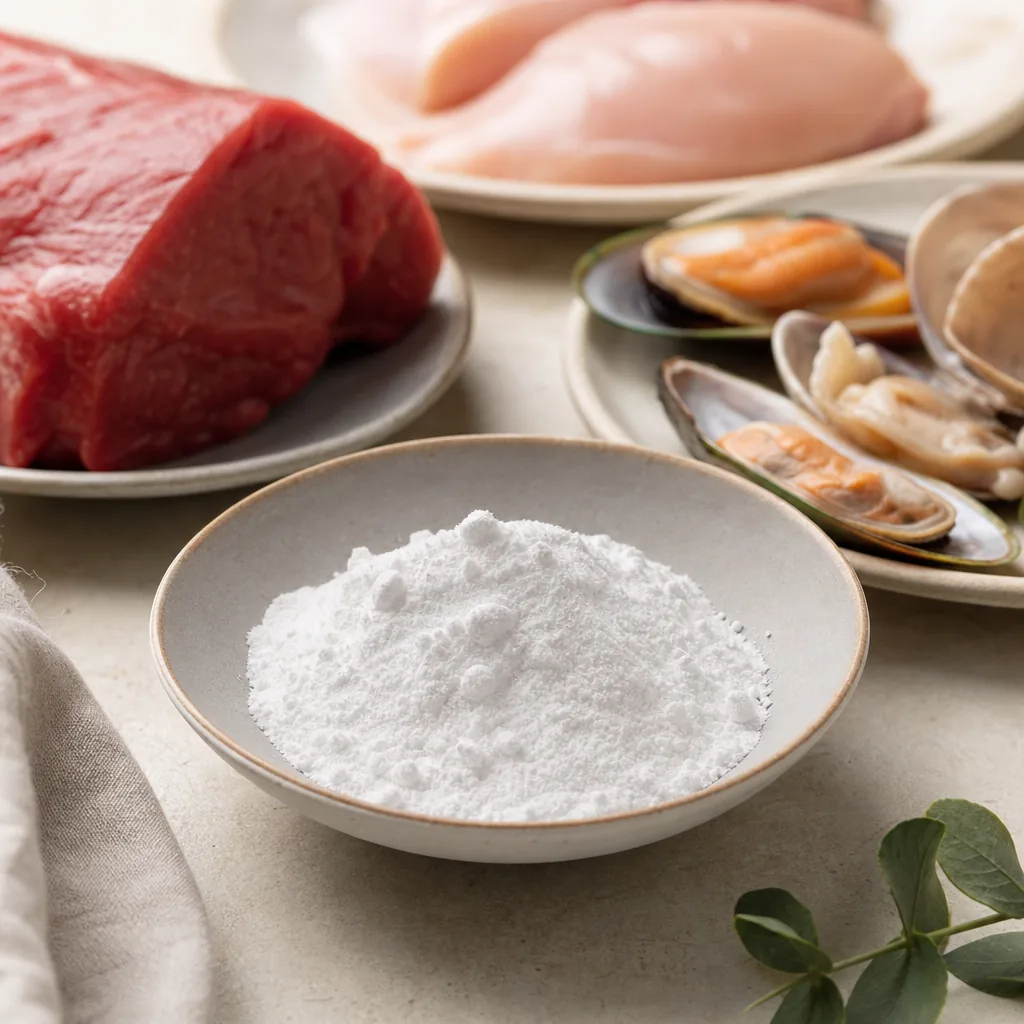
What is L-Glutamine?
L‑glutamine is a naturally occurring amino acid and one of the most abundant amino acids found in the human body, especially in muscle tissue and the immune system. It is classified as a non-essential (also called “conditionally essential”) amino acid because the body can usually synthesize it from other amino acids. In periods of high physiological stress—such as intense training, injury, infection, burns, or major surgery—your body’s demand may exceed its ability to produce enough, making supplemental intake potentially useful.
Glutamine plays key roles in nitrogen transport, acid-base balance in the kidneys, serving as a fuel source for rapidly dividing cells (particularly cells lining the gastrointestinal tract and several immune cells), and supporting the synthesis of other biomolecules such as glutathione. It is available as a dietary supplement and as part of clinical nutrition formulas. Because it is not an essential nutrient like vitamins or minerals, the body does not require it from the diet under normal circumstances; however, dietary protein and supplements can help meet higher demands when needed.
Benefits of L-Glutamine
-
Supports intestinal barrier integrity and certain IBS-D symptoms
(Moderate evidence)
Explanation: Intestinal epithelial cells use glutamine as a preferred energy source. Clinical trials, particularly in people with diarrhea-predominant irritable bowel syndrome (IBS-D) and increased intestinal permeability (often after infections), have shown that oral L‑glutamine can improve stool frequency, urgency, and quality-of-life scores compared with placebo when used for several weeks. Benefits seem most pronounced in individuals with documented barrier dysfunction rather than in the general population.
-
Helps reduce severity of treatment-related oral mucositis
(Moderate evidence)
Explanation: In people receiving chemotherapy or radiation—especially for head and neck cancers—swish-and-swallow glutamine solutions and oral powders have been associated with reduced severity and duration of oral mucositis and improved ability to maintain nutrition. Not all trials agree, and protocols vary, so this should be done under oncology guidance.
-
May support immune function during intense training or stress
(Mixed evidence)
Explanation: Strenuous, prolonged exercise can transiently reduce certain immune parameters. Some small studies in endurance athletes found lower rates of self-reported upper-respiratory symptoms in the week after events when glutamine was taken post-exercise, while others found no meaningful difference in objective immune markers. Effects, when present, appear modest and context-dependent.
-
Exercise recovery (soreness and performance restoration)
(Mixed evidence)
Explanation: Research on muscle soreness, strength recovery, and glycogen resynthesis shows inconsistent results. Some trials report small reductions in delayed-onset muscle soreness or slightly faster strength recovery with 5–10 g/day, especially when combined with carbohydrates or protein, while other studies show no advantage beyond good nutrition.
-
Clinical nutrition support in surgery, trauma, or critical illness
(Mixed evidence)
Explanation: In hospital settings, glutamine-enriched enteral or parenteral nutrition has been studied for infection risk, hospital stay, and nitrogen balance. Results vary by population and dose. Some protocols suggest benefit in selected surgical or trauma patients, but high-dose use in severe critical illness with organ failure has raised safety concerns in certain trials. This application is strictly medical and should be directed by a clinician.
-
Potential effects on appetite regulation and glucose handling
(Preliminary evidence)
Explanation: Early studies indicate that glutamine may influence gut hormones (such as GLP-1) and modestly affect post-meal glucose responses. Findings are preliminary, with small sample sizes and short durations; this is not a substitute for established nutrition and medical care for metabolic health.
Types or Forms Available
-
L-Glutamine (free-form powder or capsules):
The most common and cost-effective form. It dissolves in water and is widely used for general supplementation. Stability in plain water is acceptable for short periods; it is typically mixed just before consumption.
-
L-Alanyl-L-Glutamine (alanyl-glutamine dipeptide):
A stabilized dipeptide designed to improve solubility and stability in solution (often branded as “Sustamine” in beverages). It may be gentler on the gut for some and is also used in clinical nutrition due to better stability in formulas.
-
N-Acetyl-L-Glutamine:
A modified form proposed to be more stable in liquids and potentially better tolerated by some users. It is less common, and comparative human efficacy data versus free L‑glutamine are limited.
-
Glutamine peptides:
Glutamine bound to small peptides (often derived from protein hydrolysates). Claimed to be more stable and possibly better absorbed during digestion, though clear superiority over free L‑glutamine in well-controlled human trials is not established. Check for allergens if sourced from wheat or soy.
-
Medical nutrition formulas:
Some enteral and parenteral products include glutamine for hospital or perioperative use. These are prescription or clinician-directed products, not over-the-counter supplements.
How to Use L-Glutamine
-
Common dosage range:
Typical supplemental intakes for general wellness or sports contexts are 5–10 g per day, often split into 1–2 servings. For specific gastrointestinal applications studied in IBS-D or mucositis, clinical trials have used 5 g taken two to three times daily (total 10–15 g/day) for limited periods, usually several weeks. Higher doses or medical uses should be supervised by a healthcare professional. Avoid megadoses.
-
Best timing:
Timing is flexible. Many people take it between meals or after exercise. For gut-related goals, divided doses across the day may be helpful. For mucositis protocols, swish-and-swallow dosing is often timed around treatments per oncology guidance.
-
How to take it:
Mix powder in water or a non-acidic beverage. It can also be taken with a light carbohydrate- or protein-containing snack. If using alanyl-glutamine in a ready-to-drink beverage, follow label directions. Capsules are an alternative for those who dislike powders.
-
Consistency:
For potential benefits, consistent daily intake over several weeks is typically needed. Intermittent, situational use (e.g., after particularly strenuous training sessions) is reasonable for athletes who prefer non-daily supplementation.
Food Sources and Supplement Options
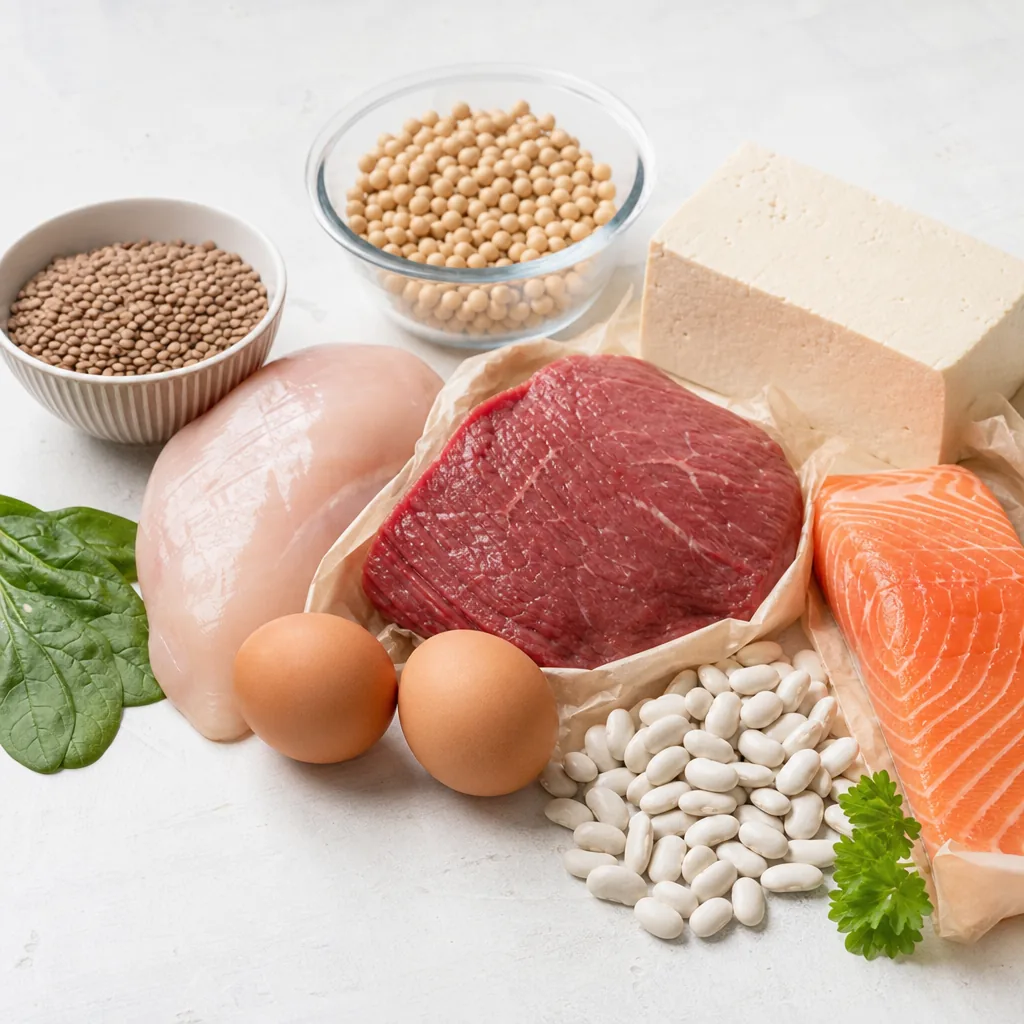
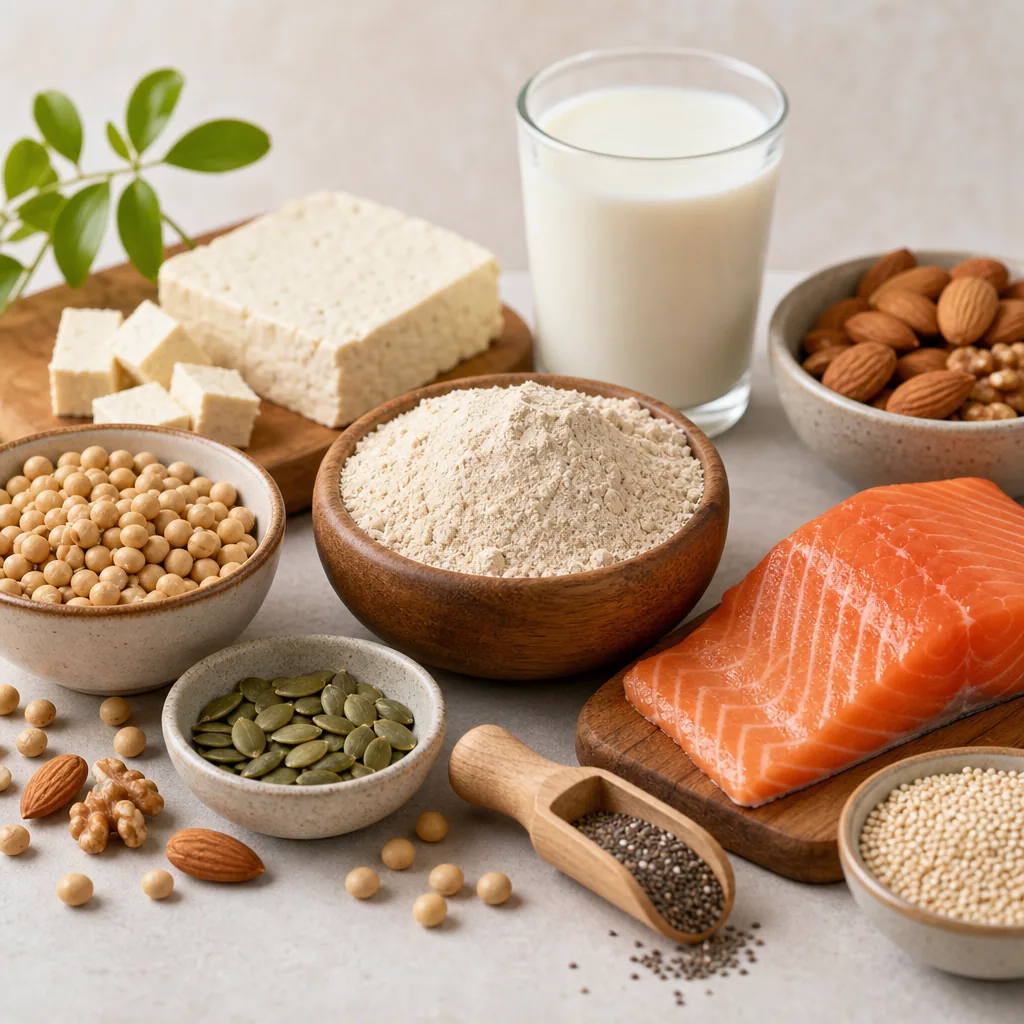
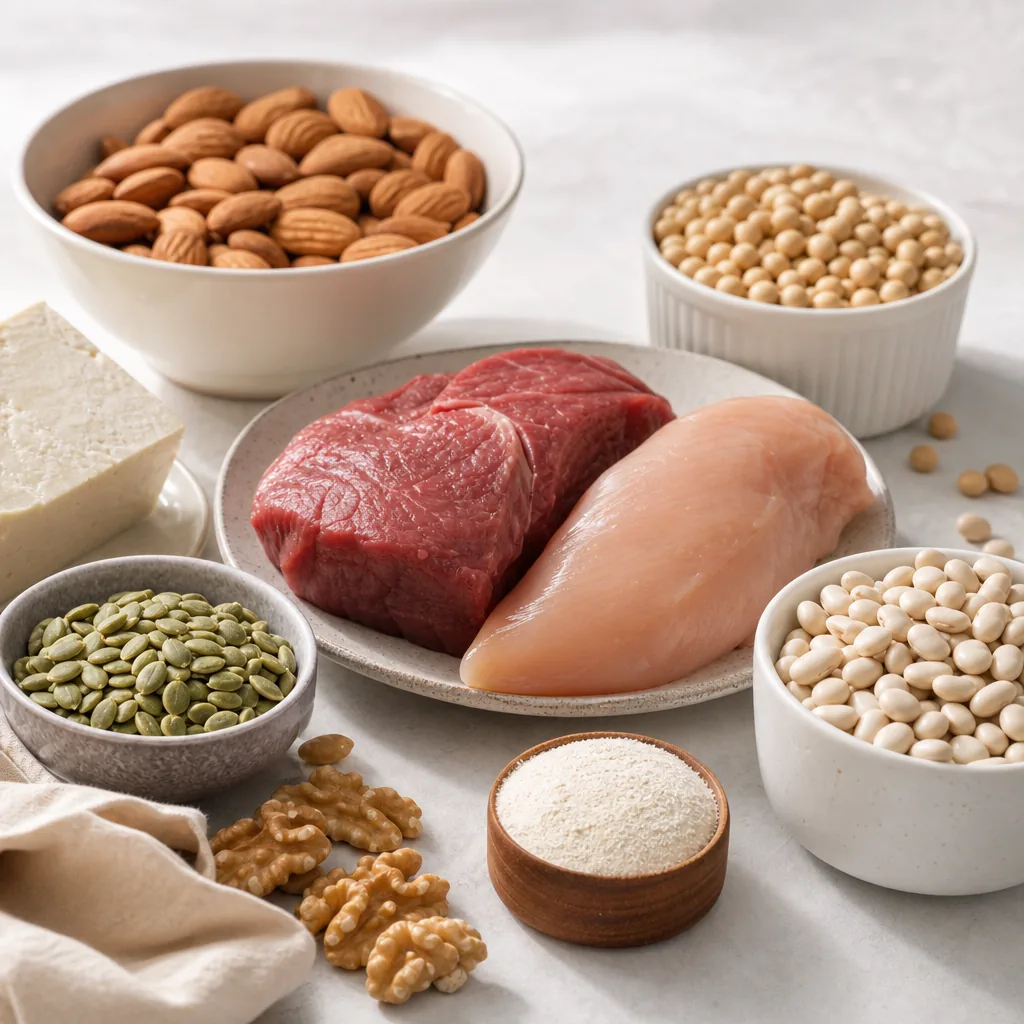
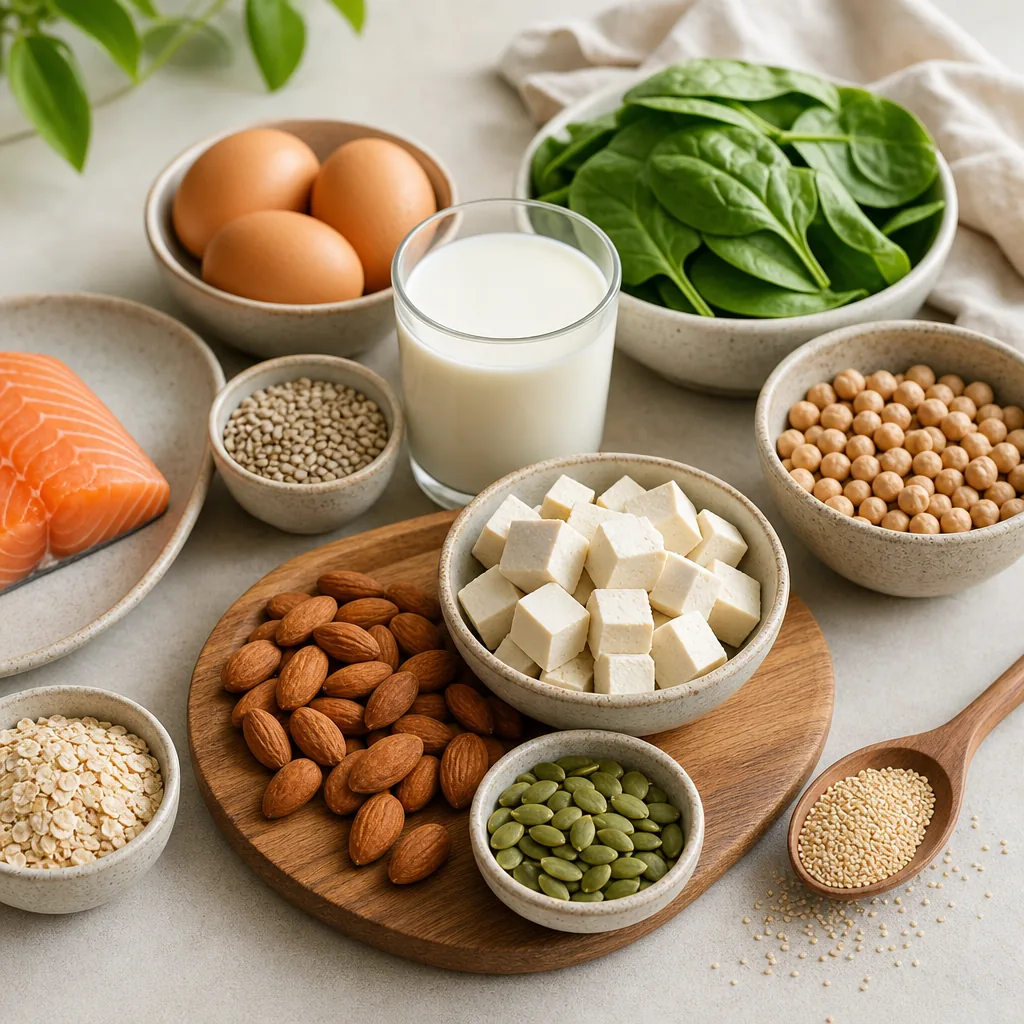
L‑glutamine is naturally present in protein-rich foods and is also available as a supplement. Most people with balanced diets obtain ample glutamine from food. Supplements are used when targeted dosing is desired, or when physiological stress might temporarily increase needs.
-
Animal proteins:
Beef, chicken, turkey, pork, fish, eggs, and dairy (milk, yogurt, cottage cheese, whey/casein proteins) are rich sources.
-
Plant proteins:
Soy foods (tofu, tempeh), legumes (lentils, beans, peas), nuts, seeds, and whole grains provide glutamine as part of total protein intake.
-
Vegetables:
Cabbage, spinach, and parsley contain glutamine, though in lower amounts per serving than concentrated protein foods.
-
Broths and protein powders:
Bone broth and protein powders supply amino acids, including glutamine, but amounts vary widely by product and preparation.
Whole foods supply glutamine alongside other beneficial nutrients such as vitamins, minerals, and phytonutrients. Supplements can be useful when consistent, precise dosing is desired (for example, around intensive training blocks or for specific short-term protocols). Choose third-party tested products when possible to ensure purity and accurate labeling.
Who May Benefit from L-Glutamine?
-
Endurance athletes or individuals in periods of very heavy training who want a cautious trial for recovery or immune support, alongside adequate calories and protein.
-
People with IBS-D and documented increased intestinal permeability, under healthcare guidance.
-
Individuals undergoing treatments that predispose to oral mucositis, if recommended by their oncology team.
-
Older adults or anyone struggling to meet protein needs through food alone who prefers a simple, well-tolerated amino acid supplement as part of a broader nutrition plan.
-
People recovering from injury, surgery, or infection when a clinician recommends targeted supplementation as part of medical nutrition therapy.
Side Effects and Considerations
-
Gastrointestinal tolerance:
Most people tolerate 5–10 g/day well. Higher intakes can occasionally cause bloating, gas, or mild abdominal discomfort. Splitting doses and taking with a small snack can help.
-
Liver and kidney considerations:
Because glutamine contributes to nitrogen and ammonia metabolism, people with significant liver disease (e.g., hepatic encephalopathy) or severe kidney impairment should avoid supplementation unless specifically advised and monitored by a clinician.
-
Critical illness and high-dose use:
High-dose glutamine in severely ill patients, particularly with organ failure, has shown potential risks in some trials. Use in hospital settings should be directed by medical professionals only.
-
Neurological conditions and medications:
Glutamine is a precursor to neurotransmitters (including glutamate). Individuals with seizure disorders or those taking medications that affect the central nervous system should consult a healthcare professional before using high doses.
-
Cancer care:
Some oncology teams use glutamine for mucositis, while others prefer to avoid it depending on tumor type and treatment plan. Always coordinate with your oncology team before starting.
-
Pregnancy, breastfeeding, and children:
Safety data for supplemental doses beyond normal dietary intake are limited. Pregnant or breastfeeding individuals and children should consult a healthcare professional before use.
-
Allergies and sourcing:
Free-form L‑glutamine is typically produced by fermentation. Glutamine peptides may be derived from wheat, soy, or dairy; check labels if you have allergies or avoid gluten.
-
Surgery:
Inform your surgical team about all supplements. Some perioperative protocols include glutamine, while others recommend pausing nonessential supplements before surgery.
-
Quality and contamination:
Choose products that are third-party tested (e.g., USP, NSF, Informed Choice) to reduce the risk of contaminants or inaccurate dosing.
-
Interactions:
While significant drug interactions are uncommon, those taking prescription medications—especially for liver, kidney, neurological, or oncologic conditions—should seek medical advice before starting supplementation.
Common Myths About L-Glutamine
-
“Glutamine will build muscle as effectively as protein or creatine.”
Glutamine supports many cellular functions, but it does not provide the full spectrum of essential amino acids required for muscle protein synthesis. Evidence does not show large, consistent muscle or strength gains from glutamine alone compared with adequate protein intake and proven ergogenic aids like creatine.
-
“Everyone with digestive issues should take glutamine.”
Benefits appear most relevant in specific contexts—such as IBS-D with increased intestinal permeability or certain clinical conditions. It is not a universal fix for all gut symptoms, and responses vary. A targeted, supervised approach is best.
-
“Glutamine is the same as MSG and will cause the same reactions.”
L‑glutamine is an amino acid; monosodium glutamate (MSG) is the sodium salt of glutamic acid used as a flavor enhancer. They are related but not identical, and most people tolerate dietary glutamine from food and supplements well. Those who report sensitivity to MSG do not necessarily react to supplemental L‑glutamine.
-
“More is always better.”
Very high doses have not been shown to yield proportionally greater benefits and may increase the risk of side effects, especially in people with liver or kidney issues. Evidence supports moderate, context-specific dosing rather than megadoses.
Conclusion
L‑glutamine is a versatile, non-essential amino acid that the body can usually make in sufficient amounts. In targeted situations—such as IBS-D with barrier dysfunction, oral mucositis management under oncology guidance, intensive training blocks, or select medical nutrition contexts—it may offer practical benefits. For most healthy individuals, a balanced, protein-rich diet provides ample glutamine, and supplements are optional rather than necessary.
If you choose to supplement, prioritize quality, moderate dosing, and consistency, and consider your personal goals and health status. People who are pregnant or breastfeeding, taking medications, or managing medical conditions—especially involving the liver, kidneys, neurological system, or active cancer—should consult a healthcare professional before use. A food-first approach remains a sound foundation, while supplementation can provide precise, short-term support when appropriate.