What is L-Leucine?
L-leucine is one of the nine essential amino acids—the building blocks of protein that the body cannot synthesize and must obtain from food. It is a branched-chain amino acid (BCAA) along with isoleucine and valine, characterized by a branched side chain that influences how it is metabolized in muscle. L-leucine is especially abundant in high-protein foods such as meat, dairy, eggs, and soy, and it is widely available as a dietary supplement in powders, capsules, and as part of protein or essential amino acid blends.
Physiologically, L-leucine plays a key role in stimulating muscle protein synthesis by activating cellular signaling pathways (notably mTOR). It also contributes to energy production in muscle during exercise and supports recovery, tissue repair, and overall nitrogen balance. While it is an essential nutrient, it is not a vitamin or mineral; it is an amino acid required to build and maintain body proteins. In supplements, L-leucine may be provided as a stand-alone ingredient, combined with isoleucine and valine (BCAA products), or included in complete protein powders to enhance their anabolic potential.
Benefits of L-Leucine
-
Stimulates muscle protein synthesis (MPS) and supports recovery
(Strong evidence)
Explanation: L-leucine acts as a key signal to initiate MPS through mTOR activation. Doses in the range of about 2–3 g of leucine per meal or post-exercise are often cited as sufficient to trigger a robust anabolic response, particularly when paired with a complete protein providing all essential amino acids. This effect is well-documented in both younger and older adults. While leucine “turns on” MPS, actual muscle building still requires an adequate supply of total protein and calories over time.
-
Helps preserve lean mass in older adults, during bed rest, or with calorie restriction
(Moderate evidence)
Explanation: Studies using leucine-enriched proteins or essential amino acid blends show better maintenance of muscle mass and function in older adults (who are more resistant to anabolic signals) and in people undergoing periods of immobilization or dieting. Leucine alone can improve the anabolic response to a meal, but the most consistent benefits occur when it is combined with sufficient total protein and resistance exercise.
-
Enhances training adaptations when total protein intake is suboptimal
(Moderate evidence)
Explanation: In athletes or active individuals consuming less-than-ideal protein, adding leucine or choosing leucine-rich proteins (e.g., whey) can amplify the muscle-building signal and improve training outcomes. When total daily protein is already optimized (roughly 1.6 g/kg/day or more for many athletes), extra leucine provides little additional benefit, highlighting that leucine works best as part of an overall protein strategy rather than as a stand-alone “shortcut.”
-
Supports wound healing and recovery in clinical nutrition settings
(Moderate evidence)
Explanation: Leucine-enriched oral nutrition supplements and medical nutrition formulas have been used to support tissue repair and functional recovery after illness, surgery, or injury. Benefits tend to be more pronounced when leucine is part of a complete amino acid profile or combined with related compounds like HMB, and when total energy and protein needs are met.
-
Endurance performance and perceived fatigue
(Mixed evidence)
Explanation: BCAAs have been proposed to reduce central fatigue during prolonged exercise by competing with tryptophan for transport into the brain. However, results are inconsistent, and leucine alone does not reliably improve endurance performance. In some cases, high BCAA intake may increase ammonia production and worsen fatigue. Hydration, carbohydrate availability, and overall training status remain primary performance determinants.
-
Influences insulin secretion and post-meal glucose responses
(Limited evidence)
Explanation: Leucine can acutely stimulate insulin release and may modestly improve post-meal blood glucose handling when combined with carbohydrate and protein. Long-term effects on glycemic control are unclear, and observational research links chronically elevated circulating BCAAs with metabolic dysfunction. People with diabetes or insulin resistance should prioritize overall diet quality and consult a clinician before using leucine supplements to manage blood sugar.
Deficiency or Low Levels of L-Leucine
-
Common signs of low levels:
Because leucine is essential, inadequate intake typically occurs alongside overall protein deficiency. Possible signs include poor growth (in children), muscle wasting or weakness, fatigue, impaired wound healing, increased infection risk, brittle hair or nails, edema in severe protein-energy malnutrition, and diminished exercise capacity. Isolated leucine deficiency is rare outside of experimental or extreme dietary situations.
-
Who may be at risk:
Individuals with very low-protein diets; those with eating disorders; people with chronic illness, malabsorption, or significant inflammation; older adults with low appetite or limited access to protein foods; strict vegans or vegetarians who do not meet total protein needs; and those in prolonged catabolic states (e.g., extended bed rest, severe injury) without adequate nutritional support.
-
How it is checked:
There is no routine standalone “leucine test.” Clinicians may assess diet history, body composition, functional measures (e.g., strength), and overall protein status. In specialized settings, plasma amino acid profiling can evaluate branched-chain amino acid levels, interpreted alongside clinical signs and total nutritional intake.
Types or Forms Available
-
Free-form L-leucine powder or capsules:
The most direct form used to “top up” the leucine content of meals or shakes. Powders are common but can be bitter and poorly soluble; “instantized” or micronized versions mix better in liquids.
-
BCAA blends (leucine:isoleucine:valine):
Often in 2:1:1 or 4:1:1 ratios. These provide all three branched-chain amino acids, which share transport and metabolic pathways in muscle. Blends may be chosen for taste, convenience, or preference, though results vary and total protein intake remains the main driver of outcomes.
-
Essential amino acid (EAA) formulas:
Include leucine alongside all essential amino acids, supporting MPS by providing the “signal” (leucine) plus the full set of building blocks. This can be useful when a complete protein meal is not feasible.
-
Leucine-enriched protein powders:
Some whey or plant proteins are fortified with extra leucine to help reach the per-meal “leucine threshold,” particularly useful with plant proteins that are naturally lower in leucine.
-
Related compounds:
Beta-hydroxy beta-methylbutyrate (HMB) is a metabolite of leucine with distinct research and applications for muscle preservation. It is not L-leucine itself but is sometimes considered when the goal is mitigating muscle loss in aging or during immobilization.
How to Use L-Leucine
L-leucine works best when it complements overall protein intake rather than replaces it. Many people can meet their leucine needs through balanced, protein-rich meals. Supplementation can be helpful when a meal or snack is low in leucine or when appetite is limited.
-
Common dosage range:
About 2–3 g of leucine added to a meal or shake is commonly used to reach the “leucine threshold” that robustly triggers MPS. Total daily intake from food typically covers needs for most people; regularly exceeding modest supplemental amounts is not recommended without professional guidance.
-
Best timing:
Around protein-containing meals and especially post-exercise if the meal’s leucine content is low. Leucine is most effective when paired with complete protein to provide all essential amino acids for muscle building.
-
How to take it:
Mix powder into a protein shake or flavored beverage to mask bitterness, or use capsules if preferred. Taking it with food or a protein source enhances its usefulness; plain water alone provides the signal but not the building blocks.
-
Consistency:
Consistency across meals matters more than isolated megadoses. Aim for adequate leucine and total protein at each meal. If protein intake is already optimized, daily leucine supplementation is usually unnecessary.
Food Sources and Supplement Options
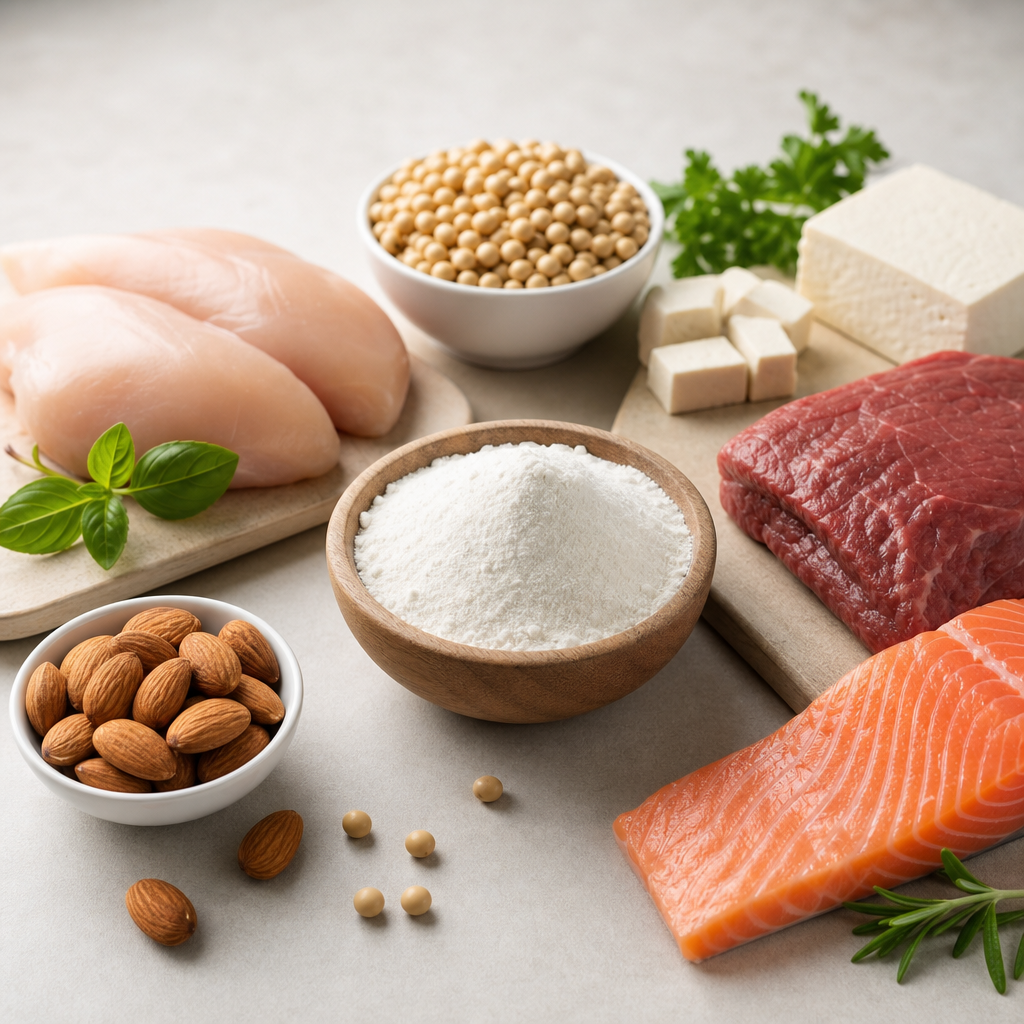
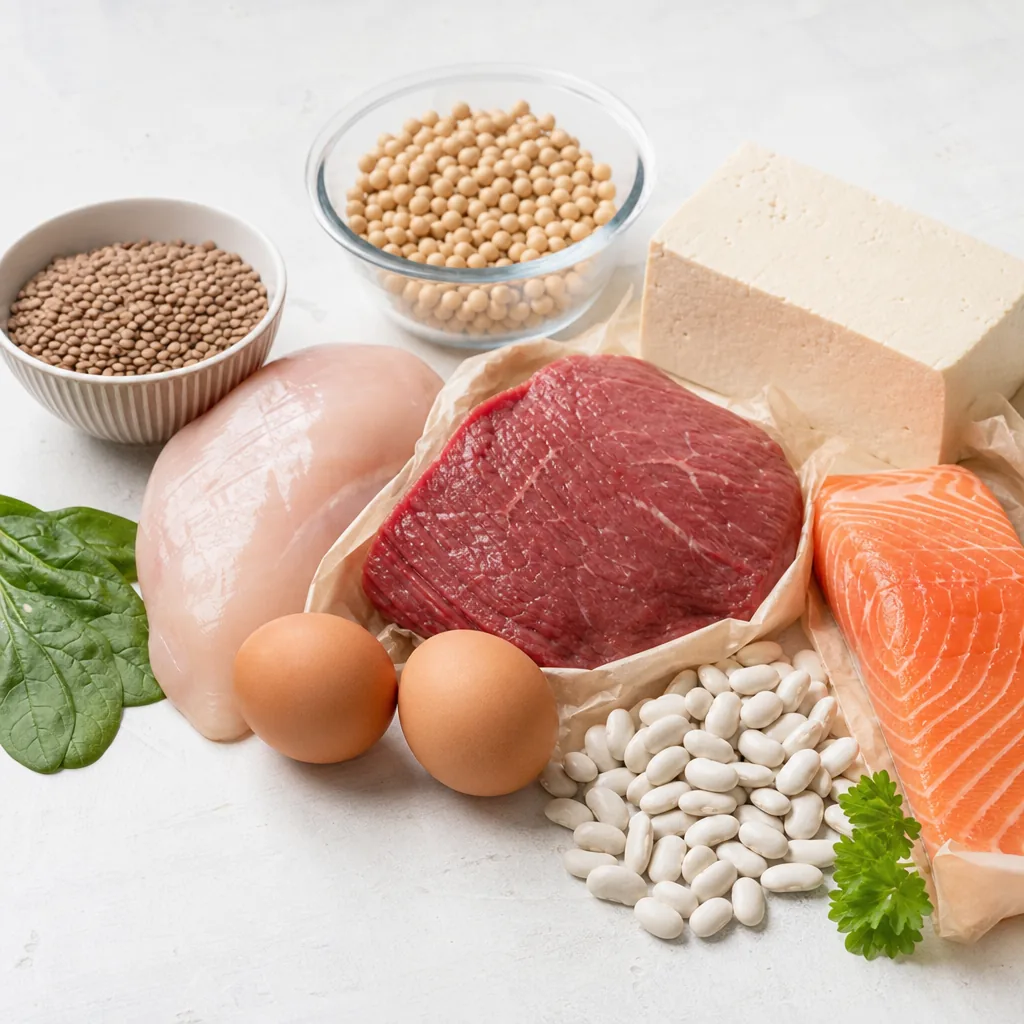
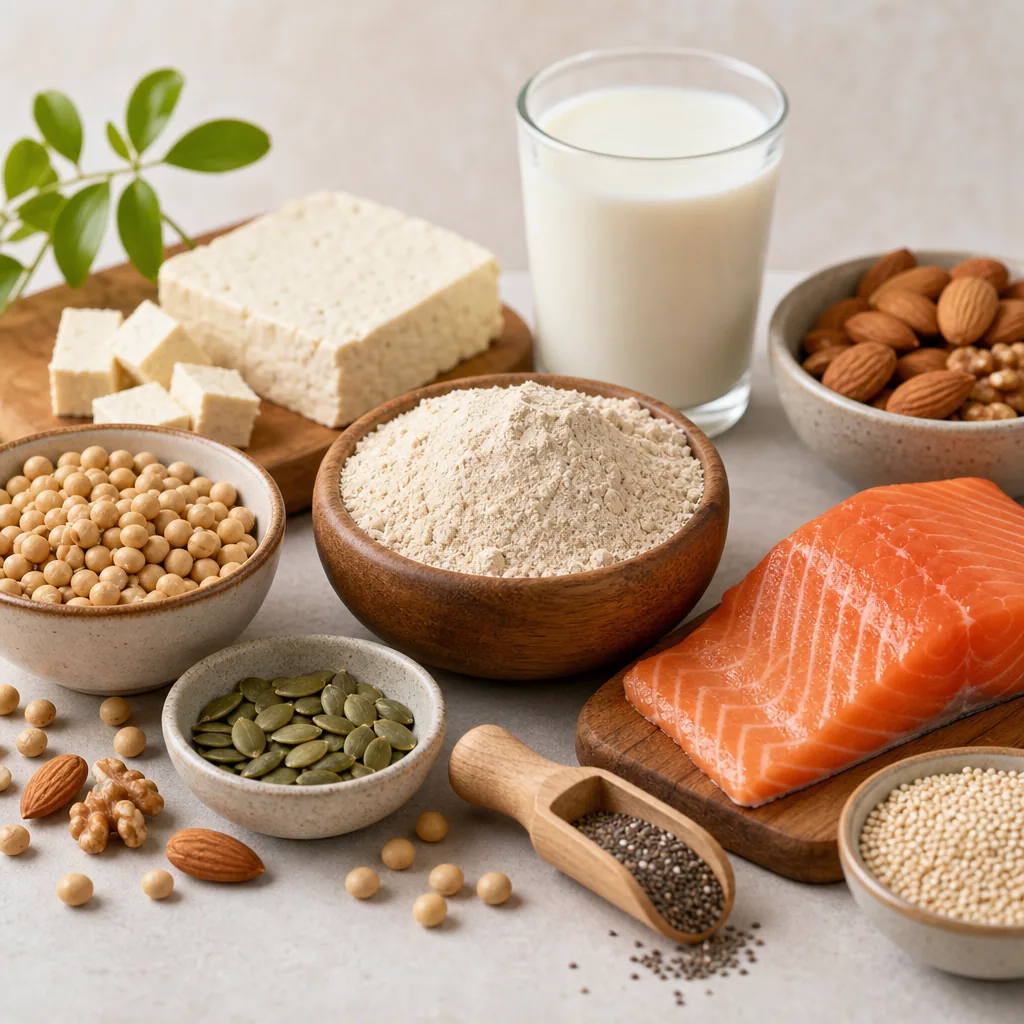
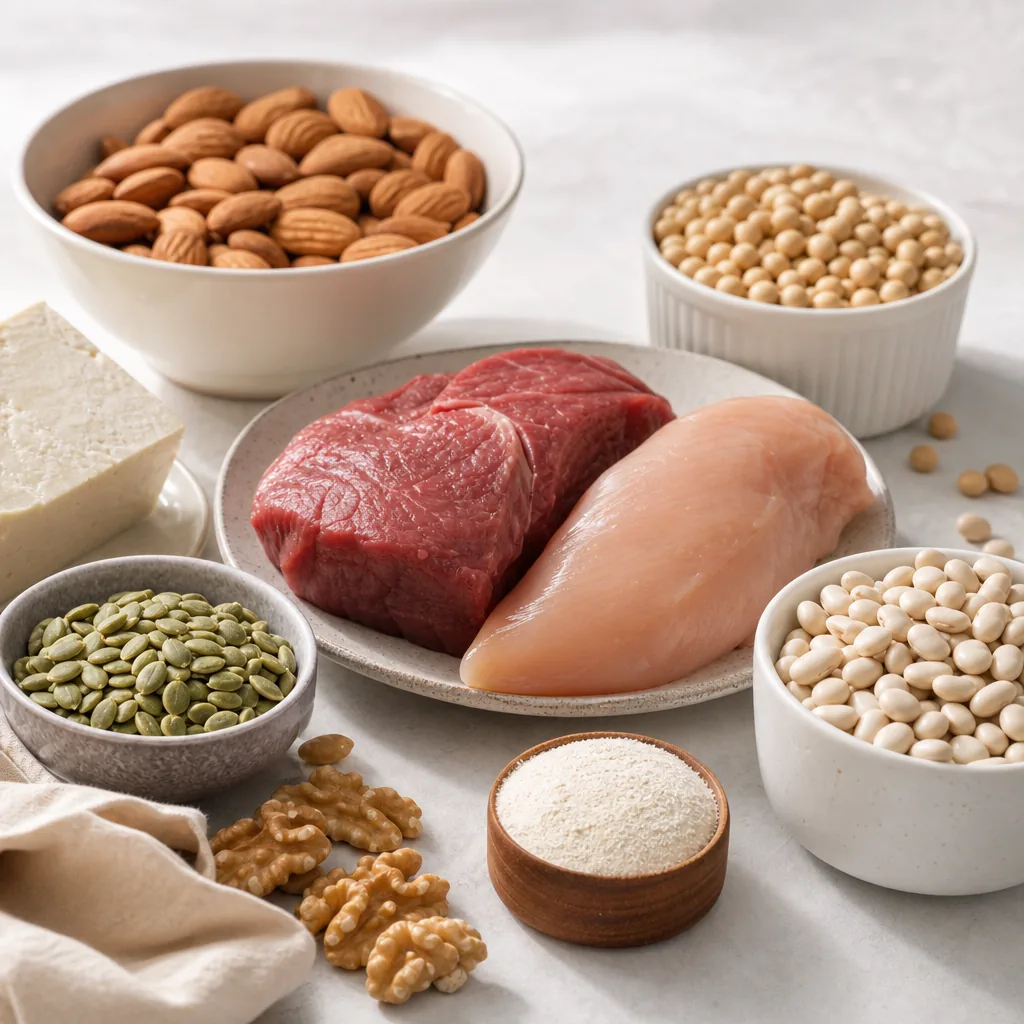
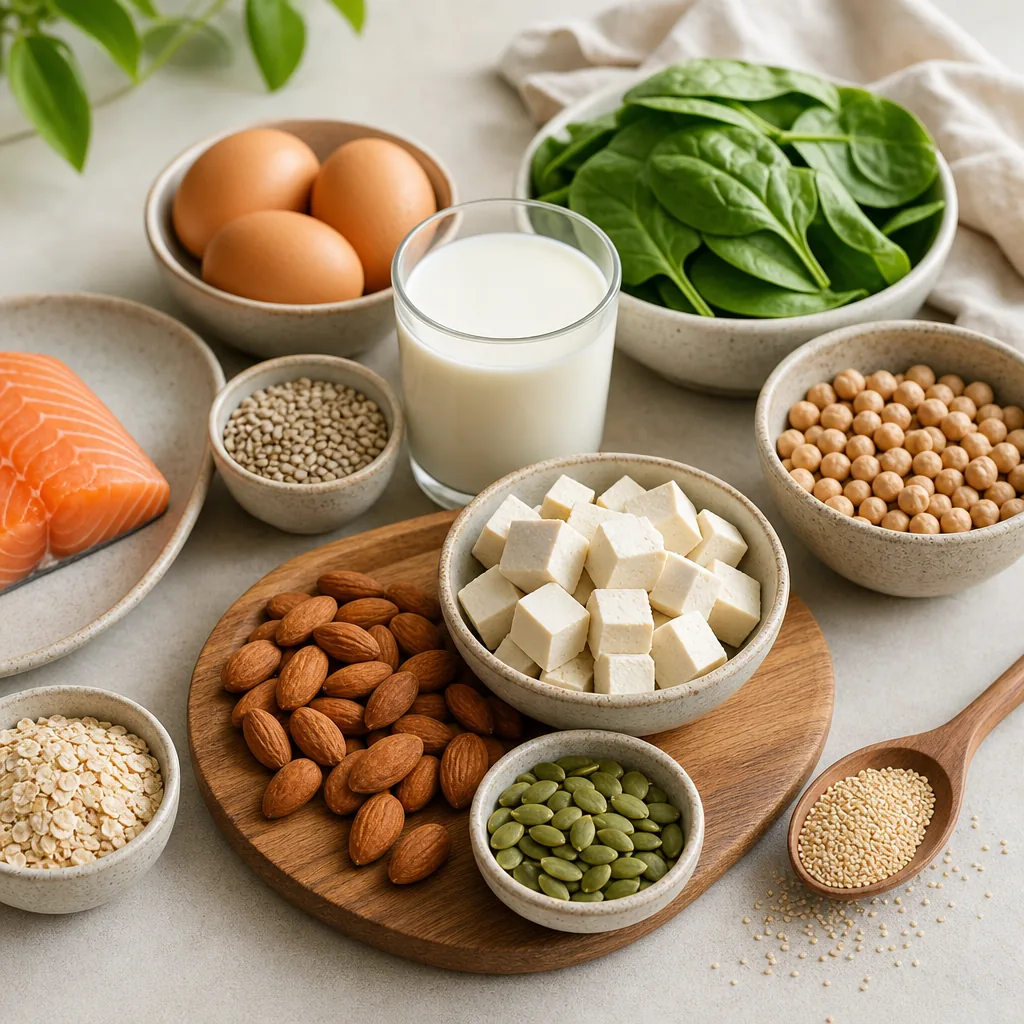
L-leucine is naturally found in protein-rich foods and also available as a supplement. Whole foods offer leucine alongside other essential amino acids, vitamins, minerals, and bioactive compounds that support overall health. Supplements can provide targeted dosing when meals fall short or when appetite, logistics, or dietary patterns limit protein options.
-
Whey protein, milk, yogurt, and hard cheeses (dairy proteins are naturally high in leucine)
-
Chicken, turkey, beef, pork, and game meats
-
Fish and seafood (e.g., tuna, salmon, cod, shrimp)
-
Eggs
-
Soy foods (tofu, tempeh, edamame) and soy protein isolates
-
Other legumes (lentils, chickpeas, black beans) and peanuts
-
Nuts and seeds (pumpkin seeds, hemp seeds), and some whole grains (e.g., oats)
Supplementation may make sense for athletes who struggle to meet per-meal leucine targets, older adults with low appetite or difficulty chewing, people on calorie-restricted diets aiming to preserve lean mass, or plant-forward eaters assembling meals lower in leucine density. Whole foods are generally preferred first; supplements serve as a convenient adjunct when needed.
Who May Benefit from L-Leucine?
-
Resistance-trained individuals who sometimes consume lower-protein meals and want to reliably reach the leucine threshold at each eating occasion
-
Older adults experiencing age-related anabolic resistance who need a stronger signal to stimulate muscle protein synthesis at meals
-
People on weight-loss or cutting phases who aim to preserve lean mass while calories are reduced
-
Those with low appetite, limited access to high-quality protein, or difficulty meeting protein goals due to illness or recovery (with clinician guidance)
-
Plant-based eaters relying on proteins that are comparatively lower in leucine and want targeted support to balance meals
Side Effects and Considerations
-
Gastrointestinal discomfort:
High single doses can cause nausea, bloating, or diarrhea, especially on an empty stomach. Start with smaller amounts and take with food or a protein shake.
-
Medication and condition interactions:
People with maple syrup urine disease (MSUD) must strictly avoid additional leucine. Those using levodopa for Parkinson’s disease should be cautious with high-protein or BCAA timing, as large neutral amino acids compete with levodopa for transport; discuss timing with a clinician. Individuals on diabetes medications or insulin should monitor closely if experimenting with amino acid supplements.
-
Kidney and liver health:
Those with chronic kidney disease or significant liver dysfunction should avoid amino acid supplements unless prescribed. Medical BCAA use for liver disease is specialized and should be supervised by a healthcare professional.
-
Metabolic considerations:
While leucine can acutely stimulate insulin, chronically high supplemental BCAA intake has been associated in observational studies with metabolic disturbances. Emphasize total diet quality and avoid long-term high-dose use without guidance.
-
Ammonia and fatigue risk in endurance exercise:
Excess BCAA intake may increase ammonia and contribute to fatigue in some scenarios. Endurance athletes should prioritize carbohydrate availability, hydration, and overall fueling strategies rather than heavy leucine dosing.
-
Quality and purity:
Choose third-party tested products to reduce contamination risk and verify label claims. Check for potential allergens (e.g., dairy, soy) used in flavoring or instantizing agents.
-
Pregnancy, breastfeeding, and children:
Rely on food sources unless a healthcare professional advises otherwise. Safety data on isolated leucine supplementation in these groups are limited.
-
Dosing context:
Leucine is a “signal” but not a complete protein. It should complement, not replace, adequate dietary protein and energy intake.
Common Myths About L-Leucine
-
“Leucine alone builds muscle regardless of total protein.”
Leucine triggers the muscle-building signal but cannot supply the full set of essential amino acids required to build new tissue. For best results, pair leucine with complete protein and sufficient calories.
-
“More leucine is always better.”
There is a threshold effect: about 2–3 g of leucine per meal typically maximizes the MPS signal for most people. Megadoses exceed what’s useful and may increase side effects without improving outcomes.
-
“BCAA or leucine supplements can replace meals or protein foods.”
Supplements do not provide the micronutrients, fiber, and full amino acid profile of whole foods. They are best used as targeted additions when meals are lacking, not as substitutes for a balanced diet.
-
“Leucine is only for bodybuilders.”
While popular in sports nutrition, leucine-enriched strategies can help older adults preserve muscle and support recovery after illness or surgery when guided by a healthcare professional.
Conclusion
L-leucine is an essential amino acid that plays a central role in triggering muscle protein synthesis and supporting recovery. It can be useful when a meal is low in leucine, during periods of reduced appetite or calorie restriction, or for older adults who need a stronger anabolic signal. Most people can meet their needs by prioritizing leucine-rich proteins such as dairy, eggs, meat, fish, and soy. Supplements are a practical tool to “top up” a meal, especially around resistance training, but they work best alongside adequate total protein and energy intake.
Choose reputable, third-party tested products, and avoid excessive or long-term high-dose use. Individuals who are pregnant, breastfeeding, taking medications, or managing medical conditions—including kidney or liver disease, diabetes, or Parkinson’s disease—should consult a healthcare professional before using leucine supplements. A food-first approach remains the foundation; consider supplementation when it makes sense for your goals, routines, and dietary patterns.