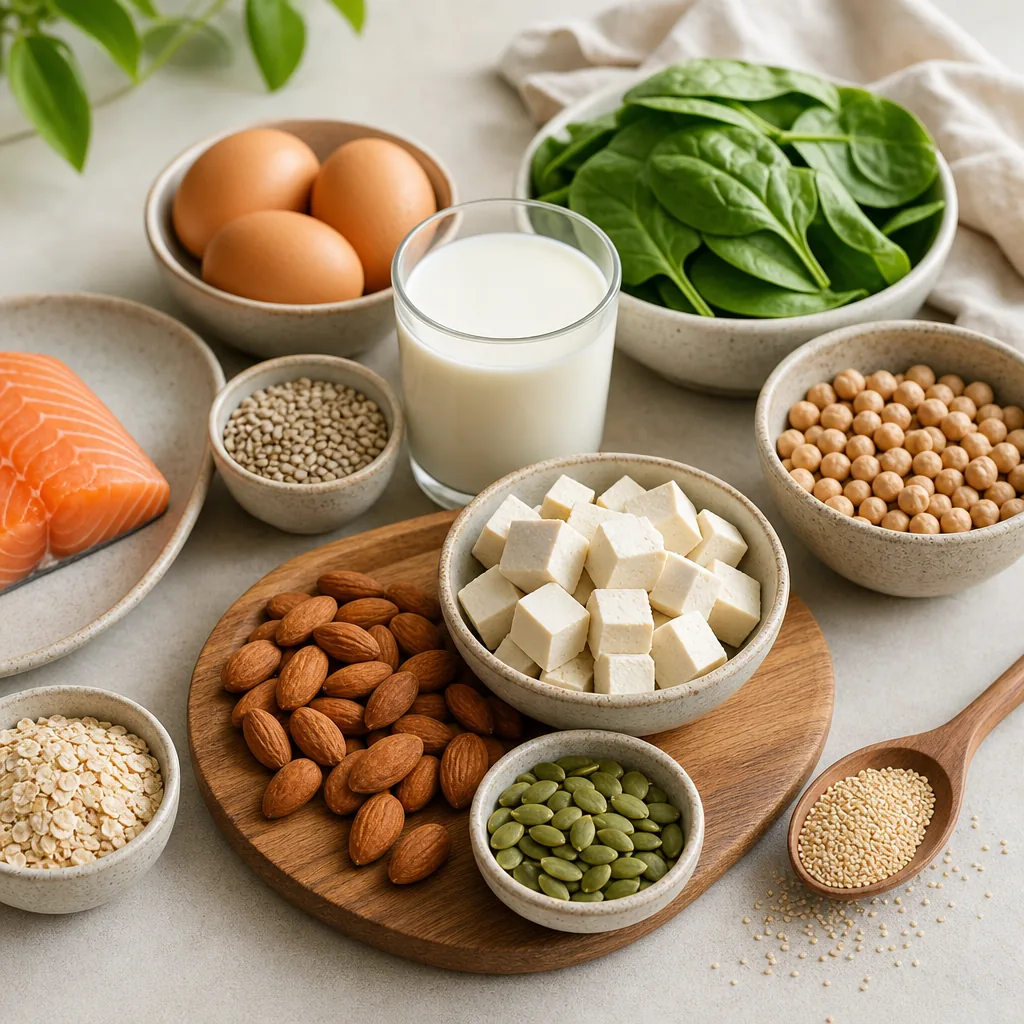
What is Whey Protein?
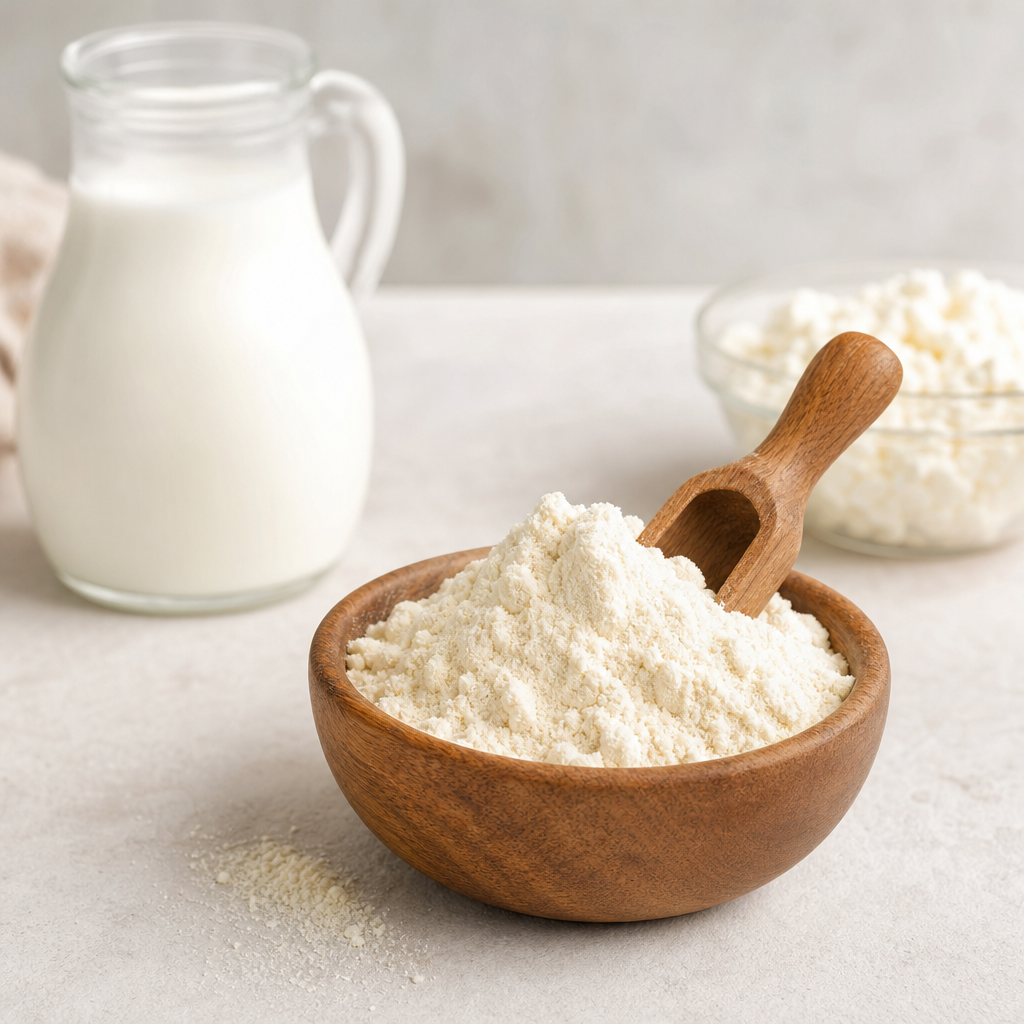
Whey protein is a collection of milk-derived proteins naturally present in the liquid portion of milk that separates during cheese making. In cow’s milk, about 20% of the protein is whey and 80% is casein. After separation, whey is filtered and dried into powders of varying purity (concentrate, isolate, hydrolysate). It is considered a food-derived ingredient and commonly used as a dietary supplement because it offers a high concentration of essential amino acids, especially leucine, which strongly stimulates muscle protein synthesis.
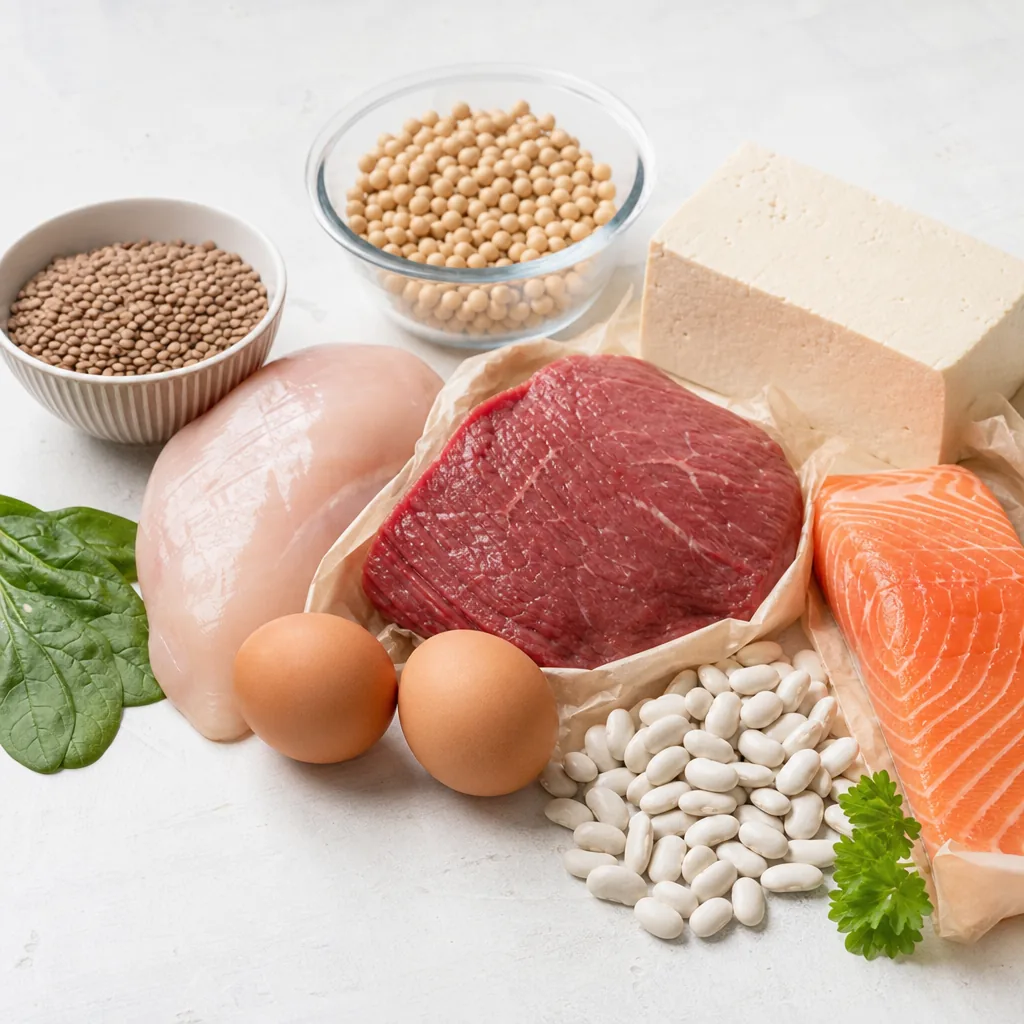
In the body, protein provides amino acids needed to build and repair tissues, support enzymes and hormones, and maintain immune and metabolic functions. While protein itself is essential, “whey protein” specifically is not an essential nutrient in the way vitamins or minerals are. You can meet your protein needs through many foods; whey is simply a convenient, fast-digesting, high-quality source. Its rapid digestion and rich leucine content make it popular for supporting training adaptations, recovery, and maintaining healthy body composition when used appropriately.
Benefits of Whey Protein
-
Supports muscle protein synthesis and strength gains with resistance training
(Strong evidence)
Whey protein is rich in leucine, a key amino acid that triggers muscle protein synthesis. Supplementing around resistance training, or using whey to help meet daily protein targets, has been shown to improve gains in lean mass and strength compared with lower-protein diets or non-protein controls. Benefits are most consistent when total daily protein intake is adequate and resistance training is performed regularly.
-
Helps preserve lean mass and support fat loss during calorie deficits
(Moderate evidence)
Higher-protein diets can help curb hunger, maintain metabolic rate, and preserve lean tissue while losing fat. Whey provides a convenient, satiating protein option that can reduce overall calorie intake and improve body composition when combined with a balanced calorie-controlled diet and exercise.
-
Improves recovery markers and reduces muscle soreness in some contexts
(Mixed evidence)
Several studies report reduced markers of muscle damage and perceived soreness when whey is used before or after strenuous exercise, likely due to rapid amino acid availability. However, findings are not universal; total daily protein, training status, and timing can influence outcomes. Whey should be viewed as one helpful tool within an overall recovery plan that prioritizes sleep, nutrition, and progressive training.
-
Supports healthy aging and muscle maintenance in older adults
(Moderate evidence)
Age-related anabolic resistance means older adults often need a higher quality and quantity of protein at meals to stimulate muscle building. Whey, with its high leucine content and rapid absorption, can help older adults reach per-meal protein targets and maintain or increase muscle mass when combined with resistance training and adequate total protein intake.
-
May modestly improve certain cardiometabolic markers
(Mixed evidence)
Some research shows small improvements in blood pressure, lipids, or post-meal glucose when whey is included in the diet, potentially due to bioactive peptides and effects on insulin response and satiety. Results vary across populations, doses, and study designs, so this should be considered a possible secondary benefit rather than a primary reason to use whey.
-
Contributes cysteine for glutathione support
(Limited evidence)
Whey provides cysteine, a rate-limiting amino acid for synthesizing glutathione, a key intracellular antioxidant. Small trials and mechanistic studies suggest whey may support glutathione status, but evidence is limited and not definitive for broad clinical outcomes.
Types or Forms Available
-
Whey Protein Concentrate (WPC)
: Typically 35–80% protein by weight, with the remainder mostly lactose and fat. It has a creamier taste and is often the most affordable. Not ideal for those with marked lactose intolerance but well tolerated by many people.
-
Whey Protein Isolate (WPI)
: Usually 85–95% protein with minimal lactose and fat (often less than 1 g lactose per serving). It is a good option for people who are lactose sensitive, and it mixes lighter than concentrate. It can be more expensive and sometimes less creamy in taste.
-
Whey Protein Hydrolysate (WPH)
: Pre-digested (partially hydrolyzed) to speed absorption and improve digestibility for some users. It tends to be the most costly and can taste slightly bitter. Often used in clinical or sports settings where rapid amino delivery is prioritized.
-
Native Whey
: Extracted directly from milk rather than as a byproduct of cheese making. Marketing often emphasizes a different amino acid profile or less processing, though practical differences for most users are modest compared with high-quality isolate products.
-
Blends and specialty formats
: Products may combine WPC/WPI for cost and taste balance, or include digestive enzymes (e.g., lactase) to improve tolerance. “Clear” isolates create light, juice-like beverages. Microfiltration versus ion-exchange processing may alter minor whey fractions, but differences are generally subtle for everyday goals.
How to Use Whey Protein
Whey protein works best as part of a well-planned diet that meets your total daily protein needs. It can be used to anchor a meal, bolster a snack, or surround workouts to help meet per-meal protein targets.
-
Common dosage range:
20–40 g of whey protein per serving is typical for adults, providing roughly 2–4 g of leucine. Many people aim for about 0.25–0.40 g of total protein per kg body weight per meal, and whey can help reach that threshold. Do not exceed your overall daily protein needs without reason.
-
Best timing:
Timing is flexible. Consistently hitting daily protein goals matters most. If desired, take whey 0–2 hours before or after resistance training to take advantage of its rapid digestion. Distributing adequate protein across 2–4 meals or snacks per day supports muscle maintenance.
-
How to take it:
Mix with water, milk, or a milk alternative; add to smoothies, oats, or yogurt; or combine with carbohydrate sources after training if desired. Those with lactose sensitivity may prefer isolate or hydrolysate or use lactase-containing products.
-
Consistency:
Use daily if you rely on it to meet protein targets or around workouts as needed. It is a supplement to fill gaps—not a mandatory daily requirement if you get enough protein from food.
Food Sources and Supplement Options
Whey proteins occur naturally in dairy. Whole foods provide protein plus additional nutrients like calcium, potassium, and B vitamins. Supplements offer convenience and precise dosing with minimal preparation.
-
Milk (cow’s milk contains roughly 20% whey proteins and 80% casein)
-
Yogurt and strained yogurts (contain both whey and casein, whey may be reduced in heavily strained products)
-
Ricotta and cottage cheese (made with whey-rich fractions)
-
Liquid whey from cheesemaking (less common as a food but the raw source for whey powders)
Supplementation may make sense when eating enough high-quality protein is difficult due to appetite, schedule, budget, or dietary pattern. Athletes, older adults, or people on calorie-restricted diets may find whey helpful to reach protein targets without excessive calories. Whole foods are generally preferable when possible because they deliver broader nutrition and satiety, while whey supplements excel when portability, rapid absorption, or specific per-serving protein targets are priorities.
Who May Benefit from Whey Protein?
-
Athletes and lifters seeking to optimize muscle repair, growth, and training adaptations.
-
Older adults aiming to maintain or increase lean mass and function, especially when combined with resistance exercise.
-
People in a calorie deficit who want to preserve muscle and manage appetite.
-
Individuals with low protein intake due to limited appetite, convenience challenges, or selective eating.
-
Vegetarians who include dairy and need a concentrated, complete protein source.
-
Those recovering from intense training blocks or periods of reduced food intake who need an easy way to meet protein needs.
Side Effects and Considerations
-
Milk allergy:
People with a diagnosed milk protein allergy should avoid whey. Symptoms can include hives, swelling, wheezing, or anaphylaxis. Seek medical advice if unsure.
-
Lactose intolerance:
WPI (isolate) or WPH (hydrolysate) are often better tolerated due to very low lactose, whereas WPC (concentrate) contains more lactose and may cause gas, bloating, or diarrhea in sensitive individuals.
-
Digestive upset from large doses:
Starting with smaller servings (10–20 g) and increasing gradually can reduce bloating or cramps. Taking whey with food or choosing hydrolysate/enzymes may help some users.
-
Kidney and liver conditions:
Those with kidney disease, a history of kidney stones, or significant liver disease should consult a healthcare professional before increasing protein intake. In healthy individuals, moderate supplemental protein is generally well tolerated.
-
Medication timing:
Minerals naturally present in whey products (e.g., calcium) and the protein itself can interfere with absorption of certain medications. Separate whey by several hours from fluoroquinolone or tetracycline antibiotics, levodopa, and levothyroxine unless advised otherwise by your clinician or pharmacist.
-
Acne in susceptible individuals:
Dairy proteins, including whey, may exacerbate acne for some people. If breakouts worsen, consider a lower dose, different protein source, or discuss with a dermatologist.
-
Calorie awareness:
Whey contributes calories. Large, frequent shakes can unintentionally increase energy intake and slow fat loss goals if not accounted for.
-
Quality and contamination:
Choose reputable brands with third-party testing (e.g., NSF Certified for Sport, Informed Choice) to reduce risk of contaminants, undisclosed ingredients, or inaccurate labeling. Athletes subject to testing should use certified products.
-
Sweeteners and additives:
Some products include sugar alcohols or high-intensity sweeteners that may cause GI discomfort for sensitive individuals. Review ingredient lists if you experience symptoms.
-
Pregnancy, breastfeeding, children, and medical conditions:
While normal dietary protein is essential, supplement use should be discussed with a qualified healthcare professional if you are pregnant, breastfeeding, giving supplements to a child, taking medications, or managing a medical condition.
Common Myths About Whey Protein
-
“Whey protein damages healthy kidneys or liver.”
In people with healthy kidney and liver function, moderate protein intake that fits within overall dietary needs has not been shown to cause harm. The concern mainly applies to those with preexisting disease, who should follow medical guidance on protein intake.
-
“You must drink whey immediately after your last rep or the workout is wasted.”
The so-called anabolic window is wider than a few minutes. Consistently meeting total daily protein needs and distributing adequate protein across meals is more important. Consuming a high-quality protein within a couple of hours before or after training is generally sufficient.
-
“Whey protein makes you bulky.”
Muscle growth requires progressive resistance training and sufficient calories. Whey alone will not cause large increases in muscle mass; it simply supplies amino acids that can support training adaptations.
-
“Whey is only for bodybuilders.”
Whey is a convenient, high-quality protein source that can help older adults maintain muscle, support weight management, or assist anyone struggling to meet protein needs. It is a tool, not a necessity, and may benefit diverse goals when used appropriately.
Conclusion
Whey protein is a fast-digesting, dairy-derived protein that offers a convenient, high-leucine option to help meet daily protein needs. It can meaningfully support muscle maintenance and growth when combined with resistance training, assist with appetite control during calorie deficits, and help older adults meet per-meal protein targets. For most people, food-first remains the best approach because whole foods deliver additional vitamins, minerals, and overall satiety; whey supplements are most useful for closing protein gaps or when convenience, portability, or rapid digestion matter.
Choose high-quality, third-party tested products, and select a form that suits your tolerance (concentrate for taste and value; isolate or hydrolysate for lower lactose). Be mindful of medication timing, allergies, and preexisting kidney or liver conditions. If you are pregnant, breastfeeding, taking medications, or managing a medical condition, consult a healthcare professional before using whey protein. Used thoughtfully, whey can be a practical, evidence-informed addition to a balanced nutrition plan.