What is Nac?
N-acetylcysteine (NAC) is the acetylated form of the amino acid L-cysteine. It is a compound used as a dietary supplement and, in medical settings, as a medication. NAC serves primarily as a precursor to glutathione, one of the body’s key intracellular antioxidants, and as a mucolytic agent that can help break down thick mucus in the airways. In hospitals, NAC has long been used as the standard antidote for acetaminophen (paracetamol) overdose.
NAC is not an essential nutrient like vitamins or minerals. The body can make cysteine (from methionine via the transsulfuration pathway when protein and vitamin B6 intake are adequate), and NAC itself is not required for survival. As a supplement, NAC is taken for targeted purposes—most commonly to support glutathione status, respiratory health, or specific clinical goals under professional guidance. It is best understood as a non-essential amino acid derivative and supplement, not a fundamental dietary requirement.
Benefits of Nac
-
Antidote for acetaminophen (paracetamol) overdose
(Strong evidence)
NAC is the established medical treatment for acetaminophen toxicity, where it helps replenish hepatic glutathione and limits liver damage. This use follows strict hospital protocols using oral or intravenous NAC and is not appropriate for self-treatment. If overdose is suspected, seek emergency care immediately.
-
Chronic bronchitis/COPD: mucus thinning and fewer exacerbations
(Moderate evidence)
As a mucolytic, oral NAC can reduce sputum viscosity and may modestly decrease exacerbations in chronic bronchitis or COPD. Several trials and meta-analyses suggest improvements in cough and sputum characteristics with daily use (often 600–1200 mg/day), though benefits vary and are generally incremental rather than dramatic.
-
Supports glutathione status and reduces oxidative stress markers
(Moderate evidence)
NAC serves as a cysteine donor to help restore glutathione in contexts of depletion (e.g., high oxidative stress, illness, aging, or suboptimal protein intake). Studies show increases in blood or tissue glutathione and reductions in oxidative stress biomarkers; clinical outcomes depend on the population and are not uniformly consistent across all health goals.
-
Adjunct in certain psychiatric or neurologic conditions
(Mixed evidence)
NAC has been studied as an add-on for conditions such as trichotillomania, obsessive-compulsive disorder, bipolar depression, and substance use disorders. Some randomized trials report symptom improvements, while others show no significant effect. Responses appear condition-specific and heterogeneous, and use should be guided by a clinician.
-
Polycystic ovary syndrome (PCOS) and fertility-related parameters
(Limited evidence)
Early studies suggest NAC might modestly improve ovulation or metabolic markers in some individuals with PCOS, occasionally compared with or combined with standard therapies. Results are mixed, and effects on live birth or long-term outcomes remain uncertain. This is a situation for individualized care with an OB/GYN or endocrinology team.
-
Liver enzyme improvements in nonalcoholic fatty liver disease (NAFLD)
(Mixed evidence)
Small clinical studies have reported reductions in ALT/AST and oxidative stress markers with NAC, but larger, longer-duration trials are limited and not uniformly positive. Lifestyle changes remain foundational; NAC may be considered only as an adjunct under medical guidance.
-
Respiratory infections and cold/flu symptom support
(Limited evidence)
Some older research suggests NAC may reduce severity or duration of upper respiratory symptoms by thinning mucus and modulating oxidative stress. Evidence quality and consistency are limited, and NAC should not replace standard preventive or treatment strategies.
-
Exercise recovery and fatigue resistance
(Limited evidence)
Short-term NAC can lower oxidative stress markers and, in some studies, delay fatigue during strenuous exercise. Effects are variable, and chronic high-dose antioxidant use might theoretically blunt some training adaptations. Athletes should use cautiously and prioritize nutrition, sleep, and programming first.
Types or Forms Available
-
Oral capsules/tablets (standard-release):
The most common supplement form, typically 300–600 mg per capsule. Suitable for general antioxidant or respiratory support goals. Quality and stability vary by brand; NAC is somewhat hygroscopic and can degrade with prolonged exposure to heat and moisture.
-
Effervescent powders or drink mixes:
Designed for easier swallowing and potentially faster absorption. Useful for people who dislike capsules. Some contain sweeteners or flavors; check additives if you have sensitivities.
-
Sustained-release formulations:
Intended to deliver NAC over a longer window, which may improve tolerability in those sensitive to GI upset. Evidence that sustained-release versions are superior for outcomes is limited.
-
Inhaled (nebulized) NAC:
A prescription mucolytic used in clinical respiratory care. It can provoke bronchospasm in susceptible individuals and should only be used under medical supervision.
-
Intravenous NAC:
Hospital-use for acetaminophen overdose and certain critical-care indications. Not a consumer supplement.
-
Combination products:
NAC is sometimes paired with selenium, glycine, vitamin C, or milk thistle. While combinations may be convenient, they do not always improve outcomes versus standalone NAC, and total dosing of each ingredient should be considered.
How to Use Nac
Appropriate NAC use depends on your goal, health status, and guidance from a qualified clinician. For everyday wellness, start low and assess tolerance; for medical purposes, follow professional advice only.
-
Common dosage range:
600–1200 mg per day in divided doses is typical for general antioxidant or respiratory support. Some studies in respiratory conditions use up to 1800 mg/day. Higher doses are used in hospitals for specific conditions and should not be self-administered. Avoid megadoses without medical supervision.
-
Best timing:
Timing is flexible. Many people take NAC with breakfast and/or lunch. Splitting the dose (e.g., 600 mg twice daily) may support steadier levels and tolerability.
-
How to take it:
Take with water. Using it with a small meal or snack can reduce nausea or heartburn. Effervescent forms should be fully dissolved as directed.
-
Consistency:
For goals like respiratory support or maintaining glutathione status, consistent daily use over weeks may be needed to assess benefit. For short-term needs (e.g., during high training loads or seasonal stress), some use NAC intermittently. If you are pregnant, breastfeeding, taking medications, or managing a medical condition, consult a healthcare professional before use.
Food Sources and Supplement Options
NAC itself is not naturally present in foods; it is a manufactured form of cysteine. The body obtains cysteine from dietary protein and can synthesize it from methionine when intake is adequate and vitamin B6 is available. Whole foods remain the foundation for supporting antioxidant capacity and overall health, with supplements reserved for targeted needs.
-
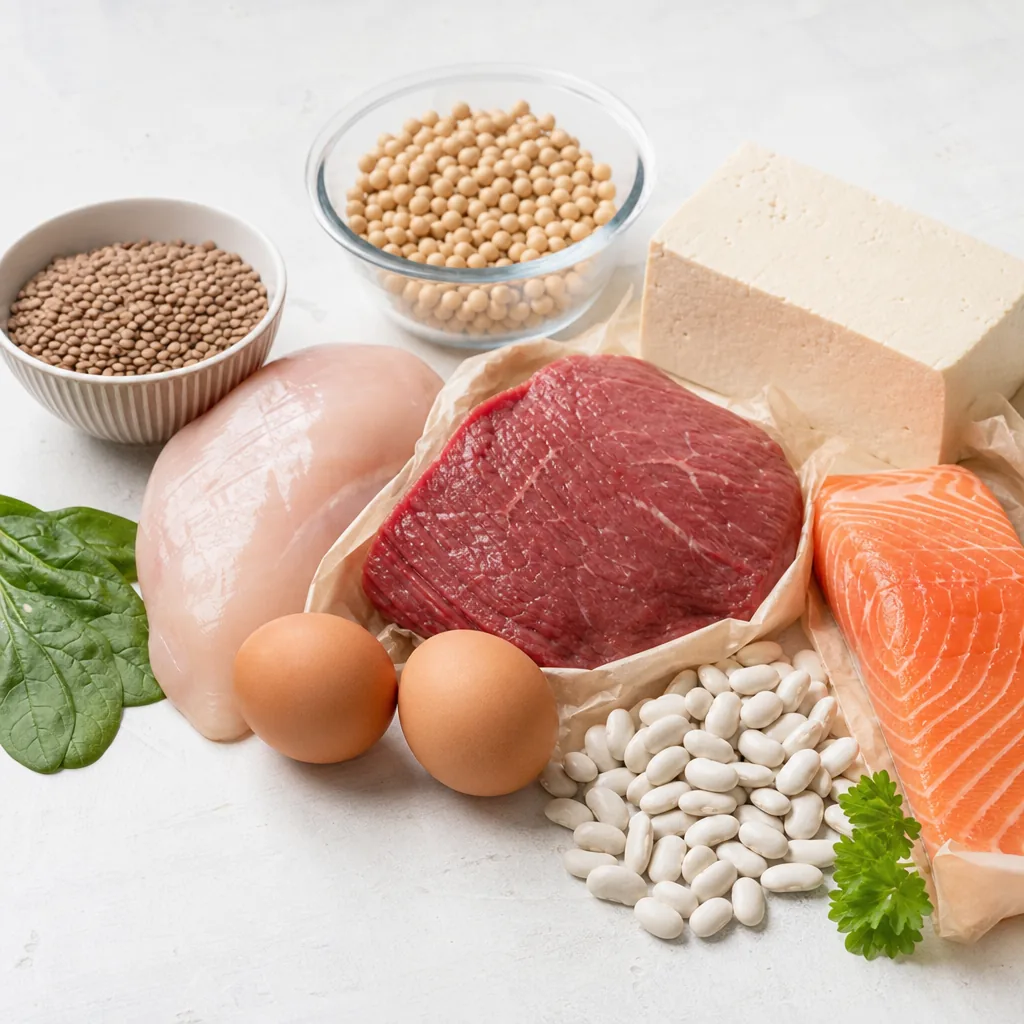
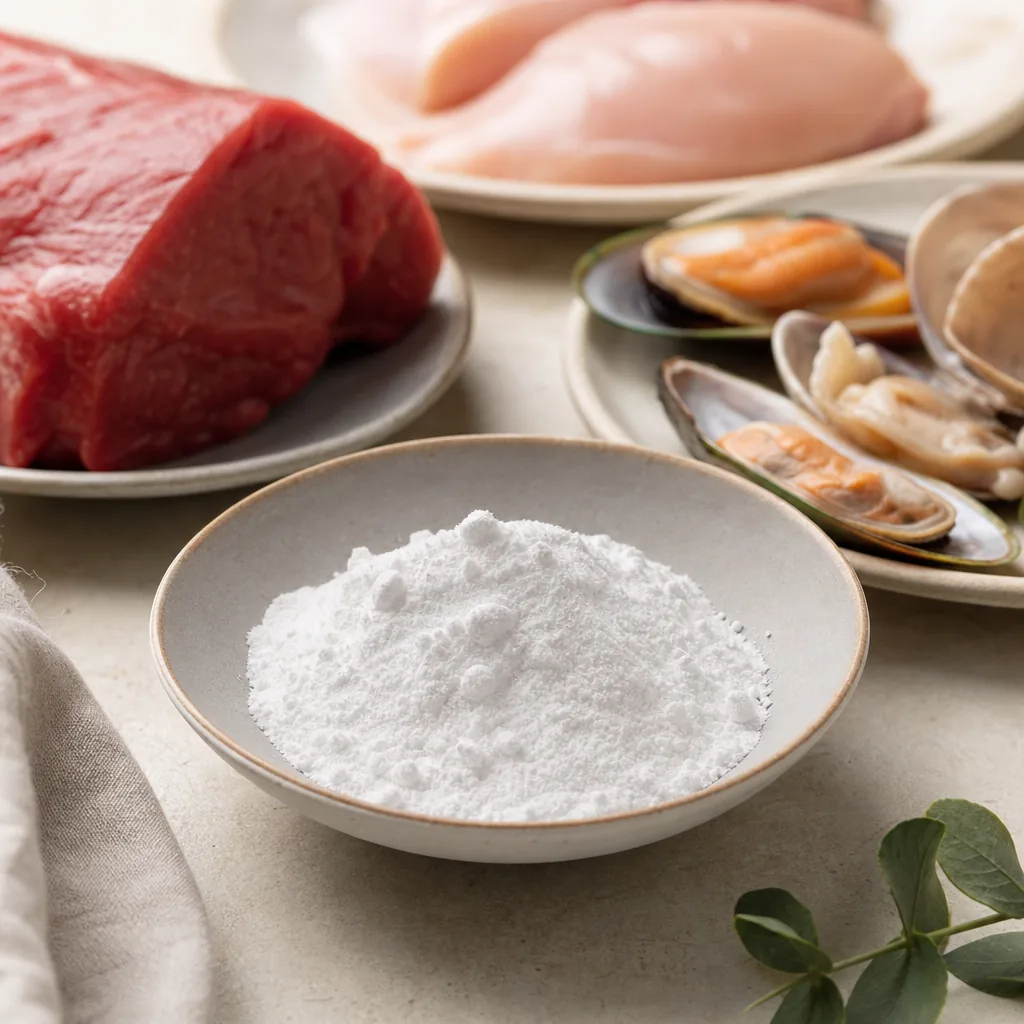
Poultry (chicken, turkey) and lean meats (pork, beef) for cysteine
-
Eggs and dairy (yogurt, cheese, whey protein) as rich sulfur amino acid sources
-
Legumes (lentils, beans), oats, quinoa, and sunflower seeds for plant-based cysteine
-
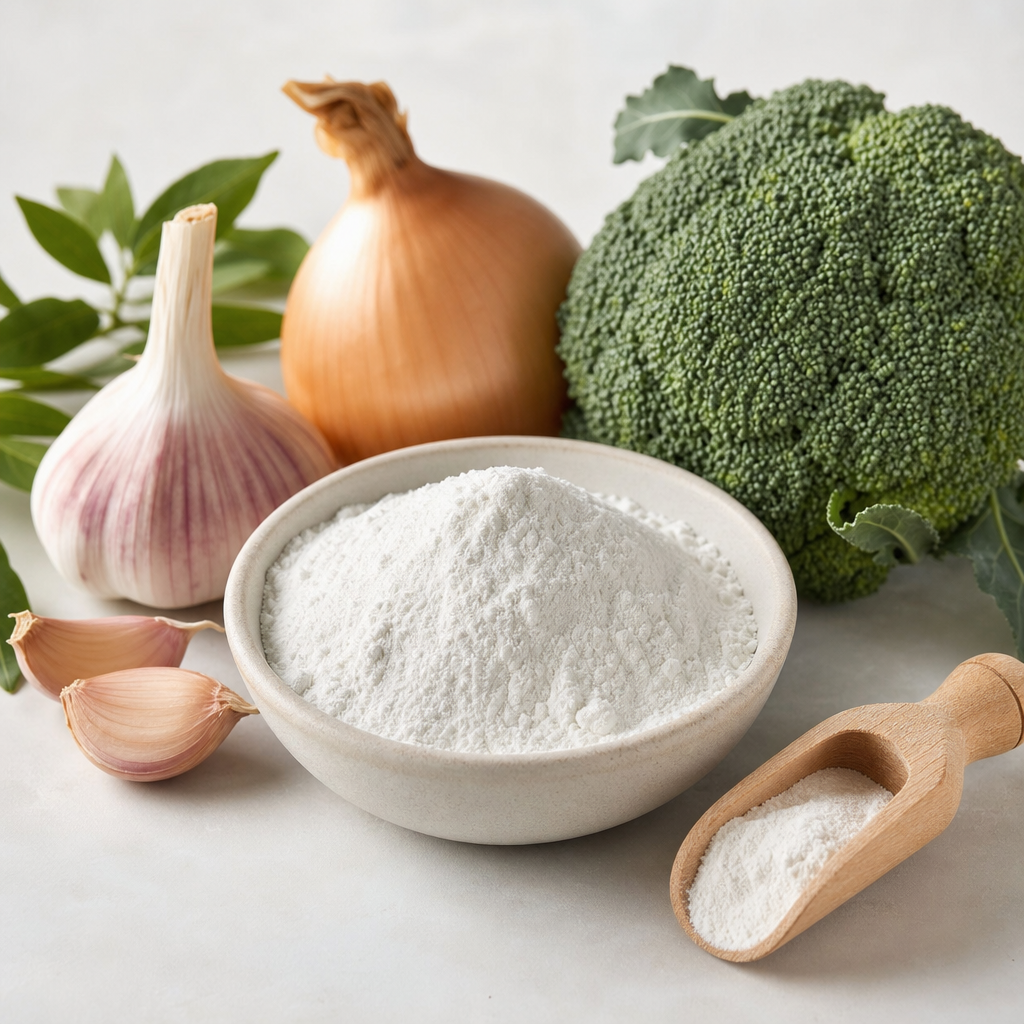
Allium and cruciferous vegetables (garlic, onions, broccoli) do not provide NAC but contain sulfur compounds that support antioxidant pathways
Supplementation may make sense when a clinician recommends targeted dosing for respiratory support, to help restore glutathione in specific contexts, or as an adjunct in certain medical conditions. Whole foods provide a broader matrix of nutrients and fiber, while supplements offer standardized, convenient amounts of a single compound. Choose reputable brands that provide third-party testing and proper storage information, as NAC can be sensitive to heat and moisture. Availability and regulatory status can vary by country.
Who May Benefit from Nac?
-
People with chronic bronchitis or COPD experiencing thick mucus and frequent exacerbations (use under healthcare supervision)
-
Individuals seeking to support glutathione status during periods of elevated oxidative stress, aging, or low protein intake
-
Older adults whose antioxidant defenses may be declining
-
Athletes during short blocks of very high training stress who want to experiment with recovery support (with caution and professional input)
-
People exposed to significant air pollution or smoke who are focusing on respiratory hygiene and antioxidant support
-
Individuals working with clinicians on adjunctive strategies for psychiatric conditions
-
Some people with PCOS exploring metabolic or ovulatory support under an OB/GYN’s care
-
Patients requiring medical treatment for acetaminophen overdose—this is an emergency use managed in a hospital, not a self-care scenario
Side Effects and Considerations
-
Gastrointestinal upset:
Nausea, heartburn, stomach discomfort, or diarrhea can occur, especially on an empty stomach. Taking with food and splitting doses may help.
-
Headache, dizziness, or fatigue:
These are generally mild and transient but warrant dose reduction or discontinuation if persistent.
-
Respiratory sensitivity with inhaled forms:
Nebulized NAC can trigger bronchospasm and cough, particularly in asthma; this route requires medical supervision.
-
Medication interactions:
NAC may enhance the vasodilatory effects of nitroglycerin or isosorbide, increasing the risk of headache and low blood pressure. Use caution with antihypertensives and discuss with your clinician.
-
Bleeding and surgery considerations:
NAC can influence platelet function in some settings. People on anticoagulants or antiplatelet drugs, and those with upcoming surgery, should consult a healthcare professional; stopping supplements 1–2 weeks preoperatively is commonly recommended.
-
Allergy and sensitivity:
True allergy is rare but possible (rash, itching). “Sulfa” drug allergies do not automatically translate to NAC sensitivity; however, people with sulfite-sensitive asthma should be cautious with certain medical formulations.
-
Kidney or liver conditions:
While NAC is used clinically in liver-related emergencies, people with chronic kidney or liver disease should use supplements only with medical guidance.
-
Blood sugar and thyroid considerations:
Limited evidence suggests NAC may modestly affect insulin sensitivity or thyroid-related oxidative stress; monitor if you have diabetes or thyroid disease.
-
Pregnancy, breastfeeding, and children:
Safety data for routine supplement use are limited. Although NAC is used medically in pregnancy for specific indications, non-prescription use should be supervised by a qualified healthcare professional. Children should not use NAC supplements without pediatric guidance.
-
Quality and stability:
NAC can degrade when exposed to moisture and heat. Select brands with third-party testing, proper packaging, and clear expiration dates. Avoid products with strong off-odors beyond NAC’s typical sulfur smell.
Common Myths About Nac
-
NAC is a vitamin everyone needs daily.
NAC is not an essential nutrient. It is a supplemental compound used for targeted purposes; most people can maintain cysteine and glutathione through a balanced diet and healthy lifestyle.
-
NAC “detoxes” the liver for anyone and fixes poor lifestyle choices.
NAC is a proven antidote for acetaminophen overdose in medical settings, but routine “detox” claims for general use are overstated. Liver health still depends primarily on diet, alcohol moderation, weight management, and medical care when needed.
-
Taking large doses of NAC is always better for boosting glutathione.
More is not always better. There appears to be a ceiling effect for glutathione repletion, and high doses can increase side effects without added benefit. Use conservative, evidence-based dosing unless a clinician advises otherwise.
-
NAC prevents or cures viral infections like the common cold or COVID-19.
Evidence for infection prevention is limited and inconsistent. NAC should not replace vaccination, hygiene practices, or standard medical treatments.
Conclusion
NAC is a versatile non-essential amino acid derivative with well-established medical use for acetaminophen overdose and practical roles as a mucolytic and glutathione precursor. For everyday health, it may help specific groups—such as people with chronic bronchitis/COPD, those with increased oxidative stress, or individuals working with clinicians on particular conditions. Benefits are context-dependent, and effects are generally moderate rather than dramatic.
If you are pregnant, breastfeeding, taking medications, or managing a medical condition, consult a healthcare professional before using NAC. Choose quality products from reputable brands, start with conservative doses, and prioritize a food-first approach: protein-rich foods and overall dietary patterns remain the foundation for antioxidant capacity and recovery. Use supplements when there is a clear goal that is unlikely to be met through diet alone, ideally with guidance from a qualified clinician.